7 Secrets To Keep Your Pennsylvania Pansies Blooming Longer
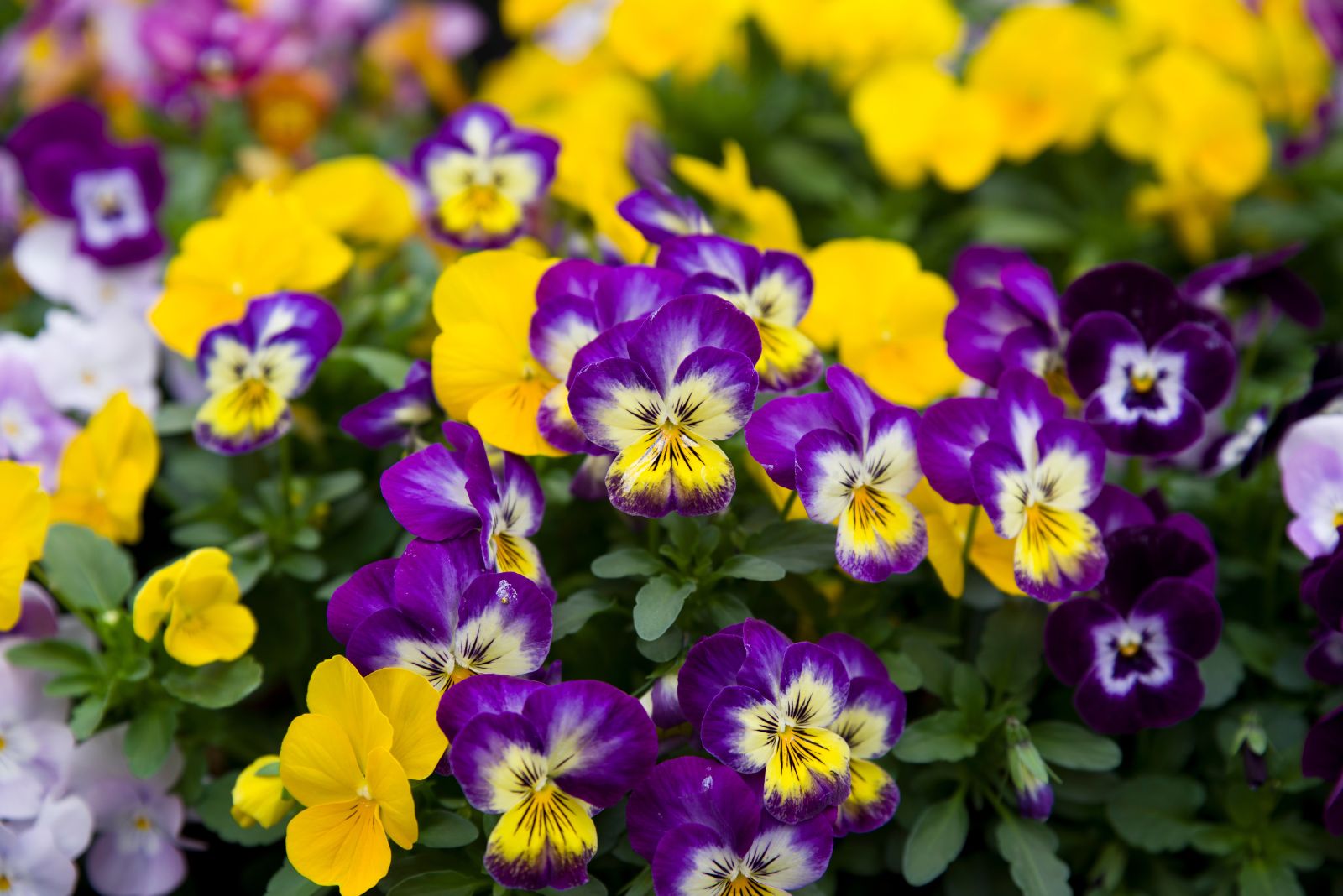
Pansies have a way of making a Pennsylvania garden feel cheerful almost instantly. Their bright faces and mix of colors can wake up porch pots, window boxes, and flower beds at a time of year when everything still feels a little dull.
The problem is that they can go from looking amazing to looking tired faster than gardeners expect, especially once the weather starts shifting.
That is usually the moment people assume the show is over. In reality, a few small changes can keep those blooms coming much longer.
That is what makes pansies such a satisfying plant when you know how to work with them. They are not especially demanding, but they do respond well to the right care at the right time.
Better watering habits, quick cleanup, and a little attention to temperature can make a big difference in how long they stay full and colorful.
If you want your Pennsylvania pansies to keep looking fresh instead of fading out early, the good news is that it is usually easier than it seems.
1. Give Them The Right Amount Of Sun
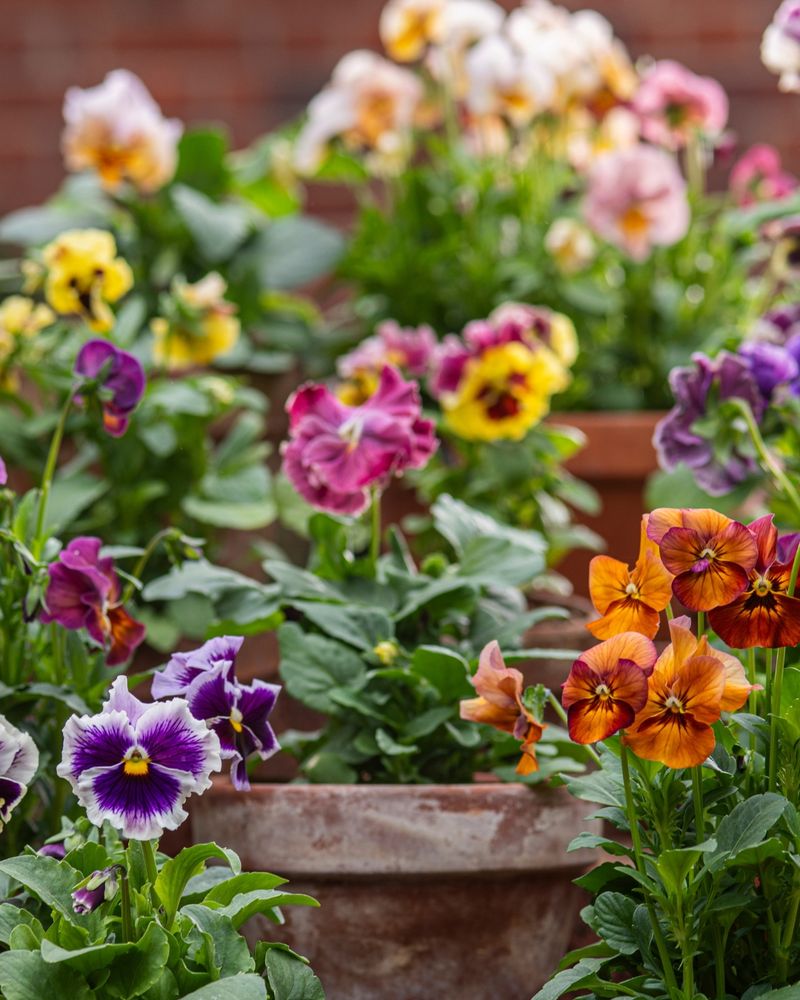
Sunlight is one of the biggest factors in how long your pansies keep blooming. Get this one right, and everything else becomes much easier. Pansies are cool-season flowers, which means they love bright light but not scorching heat.
Across Pennsylvania, pansies bloom best when they get full sun to partial sun each day. Aim for at least six hours of direct sunlight. Morning sun is ideal because it is gentler and helps the plants dry off any overnight dew.
In warmer regions of the country, afternoon shade becomes a real lifesaver for your pansies. When the sun is at its strongest between noon and late afternoon, that intense heat can cause blooms to fade quickly.
Planting pansies near a fence, trellis, or taller plants that cast afternoon shade can make a big difference.
Container gardeners have an advantage here. You can simply move your pots to a shadier spot when temperatures climb.
Garden bed growers can use shade cloth to protect plants during the hottest parts of the day.
Too much shade, though, is just as harmful as too much sun. Without enough light, pansies will stretch toward the light, produce fewer flowers, and look leggy and weak. Balance is everything. Pay attention to how your plants respond to their current spot.
If blooms are fading fast or growth looks stretched, adjusting the sun exposure can quickly turn things around and bring your pansies back to their colorful best.
2. Keep The Soil Consistently Moist
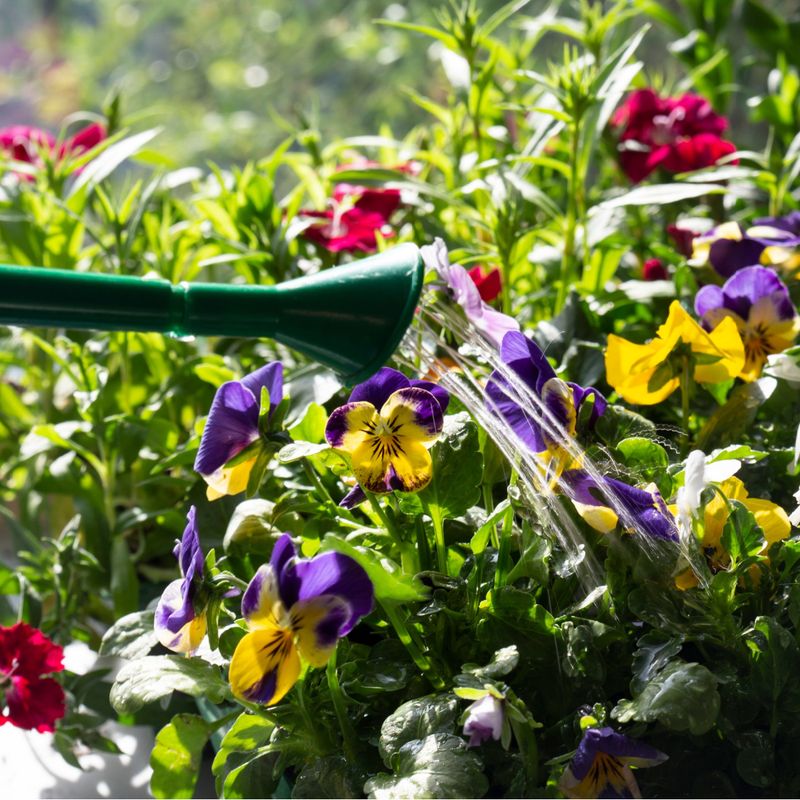
Water might seem simple, but getting it just right is one of the most important things you can do for your pansies. Too much water and the roots rot.
Too little and the plants stress out, causing blooms to fade and fall off faster than they should. Pansies prefer soil that stays evenly moist. Think of it like a wrung-out sponge.
The soil should feel damp when you press your finger about an inch deep, but water should not be pooling around the roots. Soggy soil is one of the fastest ways to shorten your pansy’s blooming period.
Letting the soil dry out completely is equally harmful. When pansies go without water for too long, they wilt, and even after recovering, they may not bloom as fully as before.
Always water at the base of the plant rather than overhead. Wet foliage can encourage fungal diseases, which spread quickly and weaken your plants. A watering can with a long spout or a drip irrigation system works really well for this.
Watering in the morning is best. It gives any splashed leaves time to dry before cooler evening temperatures arrive.
Consistent moisture keeps your pansies healthy, happy, and pumping out fresh blooms week after week throughout the growing season.
3. Deadhead Regularly
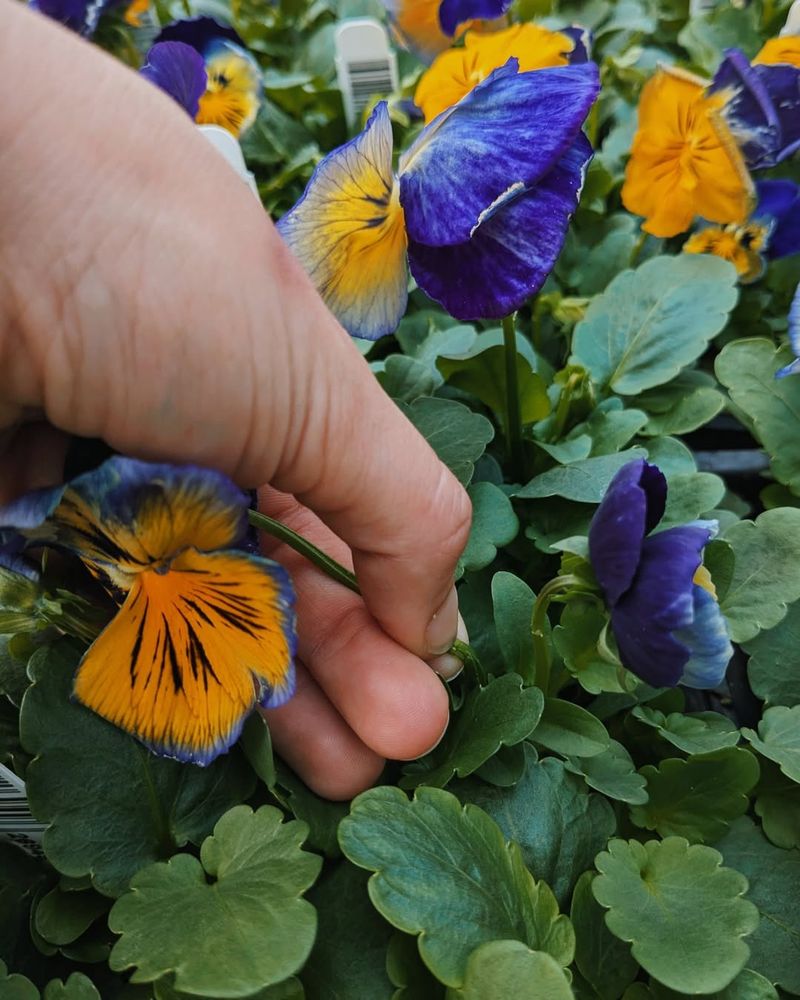
Here is a gardening habit that pays off big time: deadheading. It sounds a little dramatic, but all it means is removing flowers that have already bloomed and started to fade. This one simple task can dramatically extend your pansy’s blooming season.
When a pansy flower fades, the plant’s natural instinct is to form seeds. All of its energy goes toward that seed production instead of making new flowers.
By snipping or pinching off those spent blooms before seeds form, you are telling the plant to keep flowering. It works almost like magic.
Make deadheading part of your regular garden routine. Every few days, walk through your garden or check your containers and remove any blooms that look tired, brown, or shriveled.
You can use small pruning scissors or just pinch them off with your fingers. Either method works fine.
Deadheading also keeps your plants looking neat and tidy. A garden full of crisp, fresh blooms is far more eye-catching than one dotted with brown, wilted flowers.
Pennsylvania gardeners who deadhead consistently report much longer blooming periods compared to those who skip this step.
Do not forget to remove the small seed pod that forms just behind the flower. That green bump at the base of the bloom is where seeds develop.
Removing it along with the faded petals ensures the plant stays fully focused on producing beautiful new flowers throughout the entire cool season.
4. Feed Them Lightly But Consistently
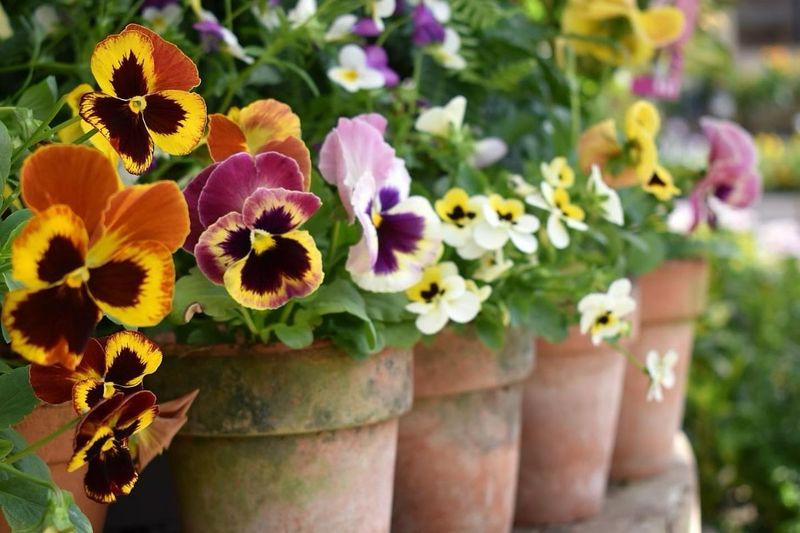
Pansies are not heavy feeders, but they do need regular nutrition to keep blooming at their best. Think of feeding your pansies less like a big holiday meal and more like steady, nourishing snacks throughout the season. Small amounts given often work far better than one large dose.
A balanced, water-soluble fertilizer works great for pansies. Look for one with roughly equal parts nitrogen, phosphorus, and potassium, often labeled as a 10-10-10 or similar formula.
Apply it every two weeks during the growing season, following the package directions carefully.
Overdoing the fertilizer is a common mistake that many gardeners make. Too much nitrogen, in particular, pushes the plant to grow lots of lush, green leaves at the expense of flowers.
You end up with a bushy, leafy plant that barely blooms. Less is genuinely more when it comes to feeding pansies.
Pennsylvania gardeners who grow pansies in containers need to fertilize a bit more frequently than those growing in the ground. Watering washes nutrients out of container soil faster, so a weekly half-strength feeding often works better for potted plants.
Slow-release granular fertilizers can also be mixed into the soil at planting time for a steady background supply of nutrients. Pairing that with occasional liquid feedings gives your pansies a reliable nutritional foundation.
Consistent, light feeding keeps energy levels high and encourages those vibrant, cheerful blooms to keep coming week after week.
5. Mulch To Keep Roots Cool
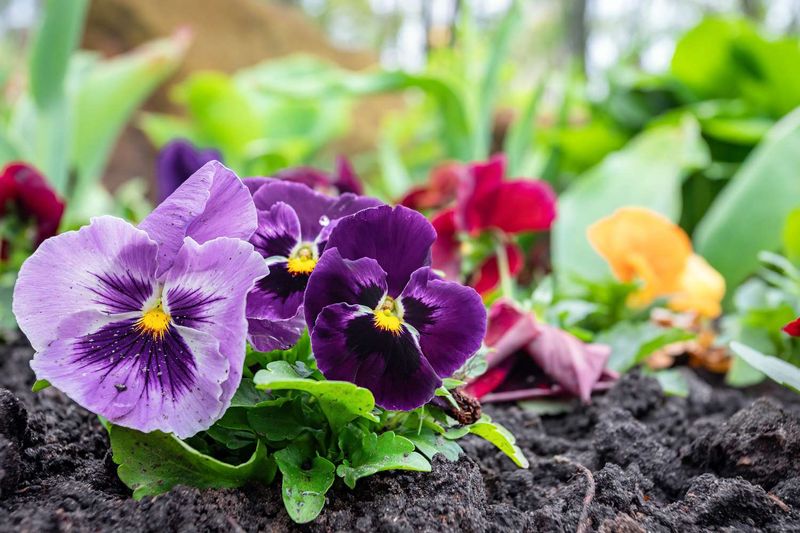
Mulch might not be the most exciting gardening topic, but it is one of the smartest moves you can make for your pansies. A thin layer of mulch around your plants does several helpful things at once, and it takes almost no effort to apply.
Pansies are cool-season plants through and through. Their roots are especially sensitive to temperature changes.
When the soil heats up too quickly on warm spring days, pansy roots get stressed, and blooming slows down or stops altogether. Mulch acts like a cozy blanket, keeping soil temperatures more stable and protecting those shallow roots from heat spikes.
Spread about one to two inches of organic mulch, such as shredded leaves, straw, or wood chips, around the base of your pansy plants.
Keep the mulch a couple of inches away from the stems to prevent moisture buildup that could lead to rot or disease. A thin, even layer is all you need.
Beyond temperature control, mulch also helps the soil hold onto moisture between waterings. Mulch also suppresses weeds, which compete with your pansies for water and nutrients.
Fewer weeds mean your plants get more of what they need. It is a small step that delivers surprisingly big results, especially as spring temperatures begin to climb in your area.
6. Pinch Back Leggy Growth
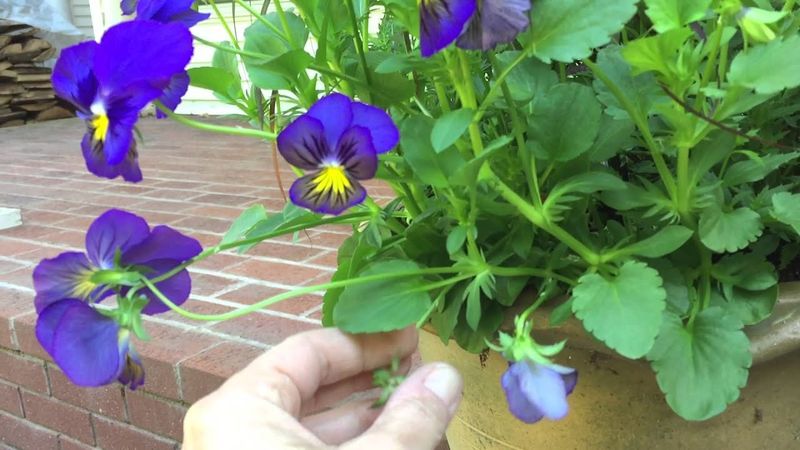
Ever notice your pansies starting to look a little stretched out and scraggly? Long, thin stems with sparse leaves and fewer flowers are a sign that your plants have gone leggy.
It happens most often when plants are reaching for more light or when they have been growing for a while without any trimming.
Pinching back leggy growth is an easy fix that most gardeners overlook. All you need to do is trim the long, stretched stems back by about one-third using clean scissors or pruning shears.
This simple cut redirects the plant’s energy from stretching upward to growing fuller and bushier instead.
After pinching back, you will notice new side shoots forming within a week or two. Each of those new shoots has the potential to produce more blooms, which means pinching actually multiplies your flower output over time.
It feels counterintuitive to cut a plant that is already struggling, but it genuinely works.
Pennsylvania gardeners who grow pansies in window boxes, hanging baskets, or mixed containers find this trick especially useful. Compact, tidy plants look so much better in small spaces, and the extra blooms make the effort very worthwhile.
Make a habit of checking your pansies every week or two for any stems that look stretched or uneven. A quick pinch here and there keeps the whole plant looking neat and encourages a steady flow of fresh flowers.
Healthy, well-shaped plants are also more resilient when temperatures fluctuate throughout the season.
7. Protect Them From Heat
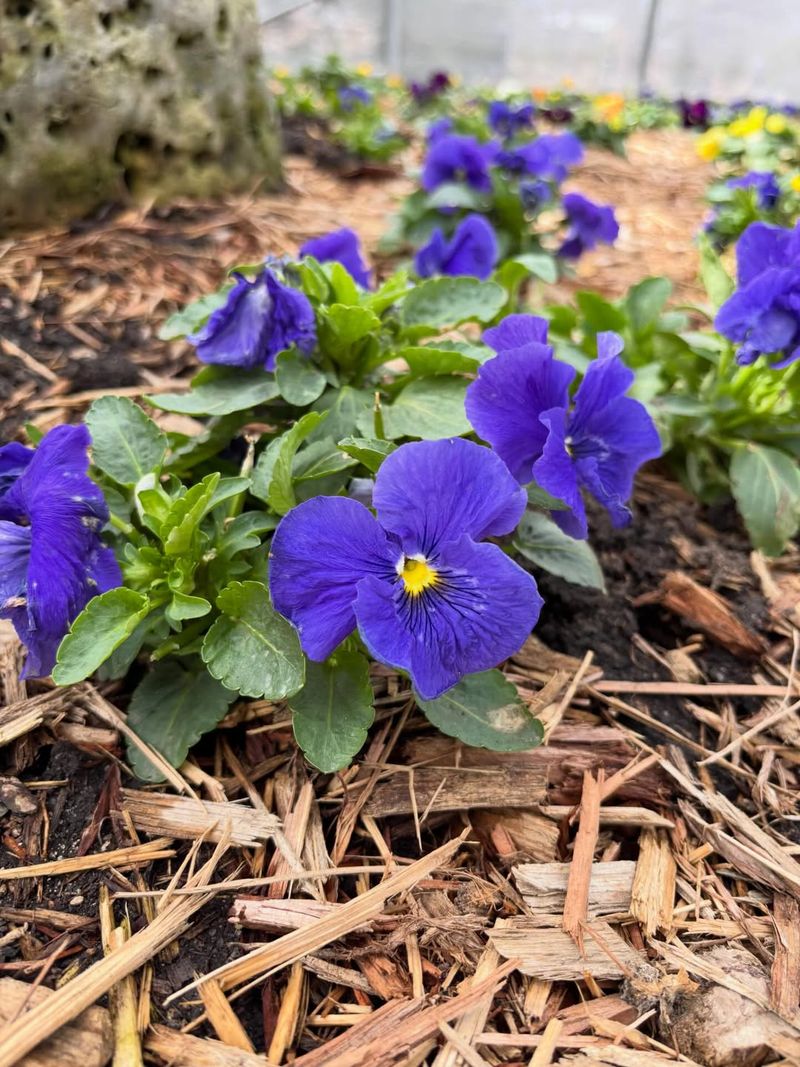
Pansies and heat do not mix well. These cheerful little flowers were built for cool weather, and once temperatures start climbing consistently above 70 degrees Fahrenheit, blooming slows down and the plants begin to look tired and worn.
Protecting your pansies from heat is one of the best things you can do to stretch their season as long as possible.
Shade cloth is a gardener’s best friend when warm spells hit. A lightweight cloth draped over your pansies during the hottest part of the day can lower the soil and air temperature around the plants by several degrees.
That small difference can add weeks to your blooming season.
Planting pansies near taller plants, garden structures, or on the east side of your home naturally provides afternoon shade without any extra effort. Strategic placement at the start of the season pays off big as temperatures rise in late spring.
Keeping the soil cool through consistent watering and mulching, as mentioned in earlier sections, also helps the plants handle warmer days better. A well-hydrated pansy handles heat stress much more gracefully than one that is already dry and struggling.
When temperatures rise too high for too long, even the best care cannot keep pansies blooming forever. At that point, replacing or refreshing your plants with heat-tolerant summer flowers is a smart move.
But with good protection strategies in place, you can enjoy your pansies well into the warmer months before that becomes necessary.