7 Seeds Gardening Experts In Michigan Never Start In February
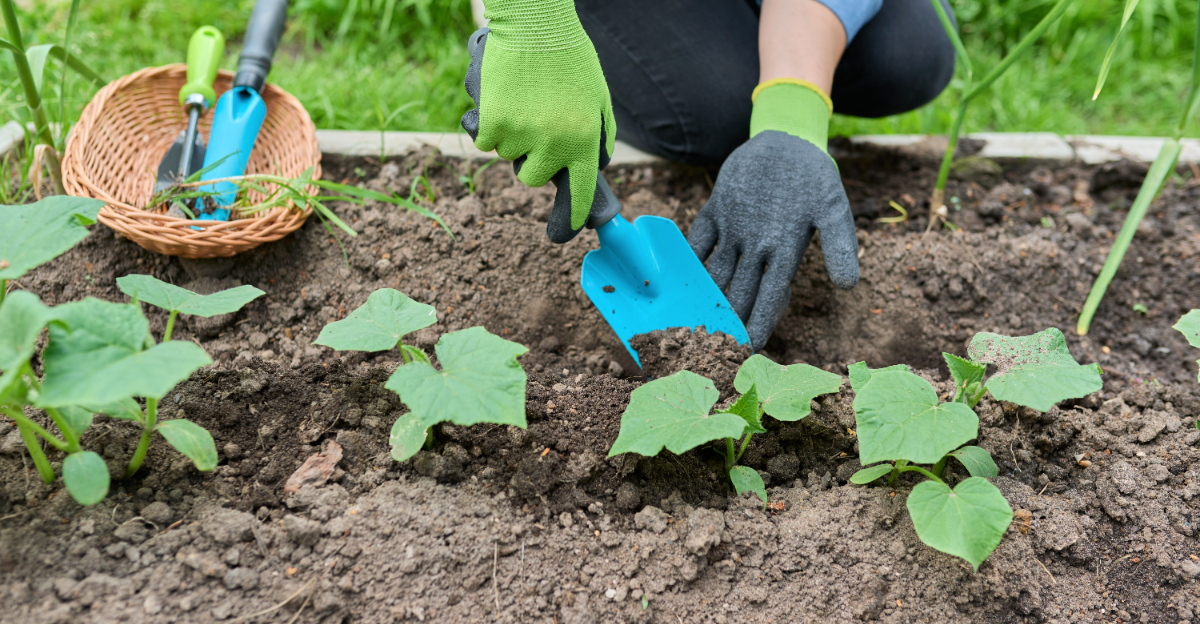
February sunlight can make any Michigan gardener eager to start planting, but starting the wrong seeds too early can quietly ruin your momentum.
While it feels productive to fill trays and watch sprouts appear, some vegetables simply do not handle long indoor starts very well. sometimes they grow too fast, become tall and weak, or outgrow their containers long before outdoor conditions are safe.
Instead of gaining an advantage, you may end up with stressed plants that struggle after transplanting and produce less than expected.
Many gardeners learn this lesson the hard way. The good news is you can easily avoid these setbacks once you know which seeds prefer a later start.
Before you begin sowing everything in sight, it helps to know which vegetables should wait and why proper timing can make a huge difference in your garden’s success this season.
Cucumber (Cucumis Sativus)
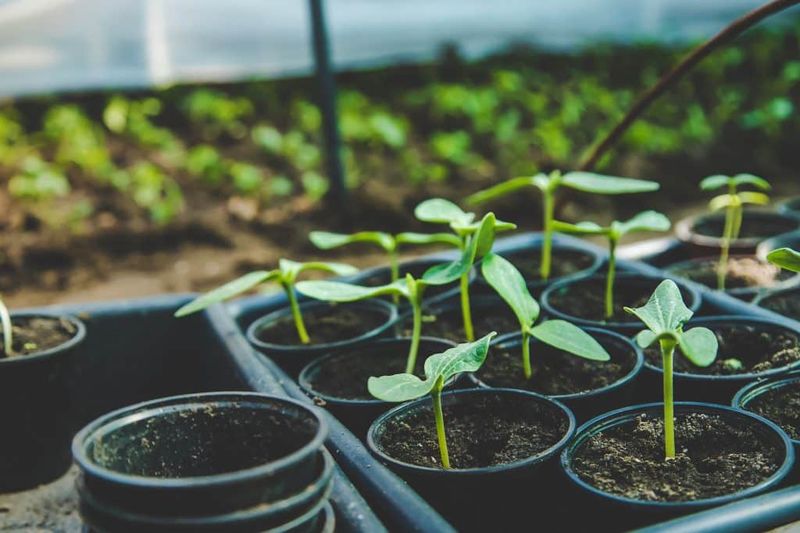
Cucumbers are sprinters in the vegetable garden. They grow incredibly fast once germinated. Starting them in February means you’ll have overgrown, stressed plants long before Michigan’s soil warms up enough for transplanting.
These warm-season lovers need soil temperatures around 70 degrees Fahrenheit to thrive outdoors. In Michigan, that doesn’t happen until late May or early June. If you start cucumber seeds in February, you’re looking at three to four months of indoor growing time.
Cucumber seedlings become root-bound quickly in small containers. Their roots circle the pot, creating tangled masses that struggle to establish properly after transplanting. This stress weakens the plant and reduces your overall harvest significantly.
The ideal timing for cucumber seeds is just three to four weeks before your last frost date. For most Michigan gardeners, that means starting seeds in late April or early May. This shorter indoor period keeps plants healthy and vigorous.
Young cucumber plants also require consistent warmth and bright light. Providing these conditions for months indoors is challenging and expensive. Plants started too early often become leggy, weak, and susceptible to diseases.
Wait until spring truly arrives before starting your cucumber seeds. Your plants will reward you with stronger growth, better disease resistance, and a more abundant harvest throughout the summer months.
Squash (Summer And Winter Types)
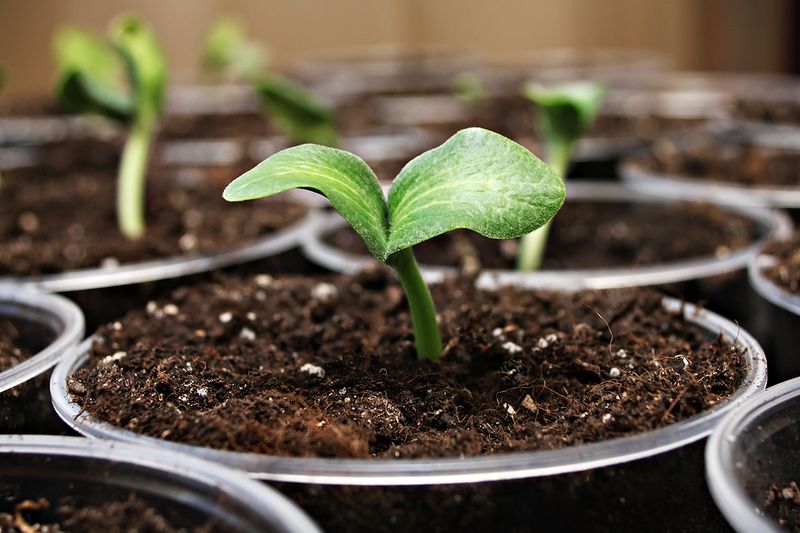
Squash plants are nature’s speed demons. Both summer varieties like zucchini and winter types such as butternut grow at remarkable rates. Their rapid development makes February starting completely impractical for Michigan conditions.
These plants develop extensive root systems very quickly. Within just a few weeks, squash seedlings outgrow their containers and become stressed. Root-bound squash plants suffer from stunted growth that affects production all season long.
Squash roots are particularly sensitive to disturbance during transplanting. When roots get tangled or damaged, plants experience significant setback. Some may never fully recover, leading to poor yields or complete failure in the garden.
The best approach is starting squash seeds two to three weeks before outdoor planting. In Michigan, this typically means mid to late May. This timing allows seedlings to reach transplant size just as weather conditions become favorable.
Many experienced gardeners actually prefer direct seeding squash outdoors. Seeds planted directly in warm soil often outperform transplants. They develop stronger root systems and adapt better to garden conditions from the start.
If you must start squash indoors, use large containers or biodegradable pots. These minimize root disturbance during transplanting. Remember that patience pays off with squash, so resist the urge to start seeds during winter’s coldest months.
Pumpkin (Cucurbita Pepo / Maxima)
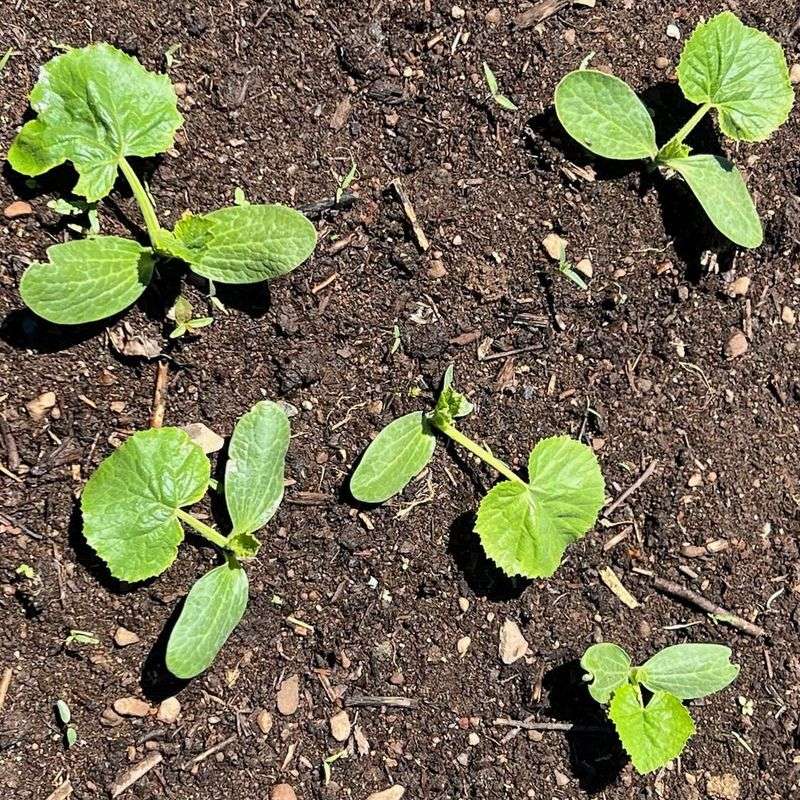
Pumpkins need warm soil and patience from gardeners. Starting these autumn favorites in February creates problems that follow plants throughout their entire growing season.
Michigan’s climate simply doesn’t support such early planting schedules for heat-loving pumpkins.
These vigorous growers require soil temperatures above 65 degrees for germination. They prefer even warmer conditions for optimal growth. February starting means months of indoor care before conditions outside become suitable for transplanting.
Pumpkin seedlings grow large leaves quickly. They need substantial space and bright light to develop properly indoors. Without ideal conditions, plants become weak and spindly, struggling to produce well later in the season.
The recommended indoor starting time is just two to three weeks before transplanting. For Michigan gardeners, this usually falls in late May. This brief indoor period keeps plants compact, healthy, and ready to explode with growth once outdoors.
Root disturbance is another concern with pumpkins. Their delicate root systems don’t appreciate being moved. Plants started too early often require repotting, which doubles the transplant shock and weakens overall plant vigor.
Many successful pumpkin growers skip indoor starting entirely. Direct seeding in early June works wonderfully in Michigan. Seeds germinate quickly in warm soil, and plants have plenty of time to mature before autumn frosts arrive.
Watermelon (Citrullus Lanatus)
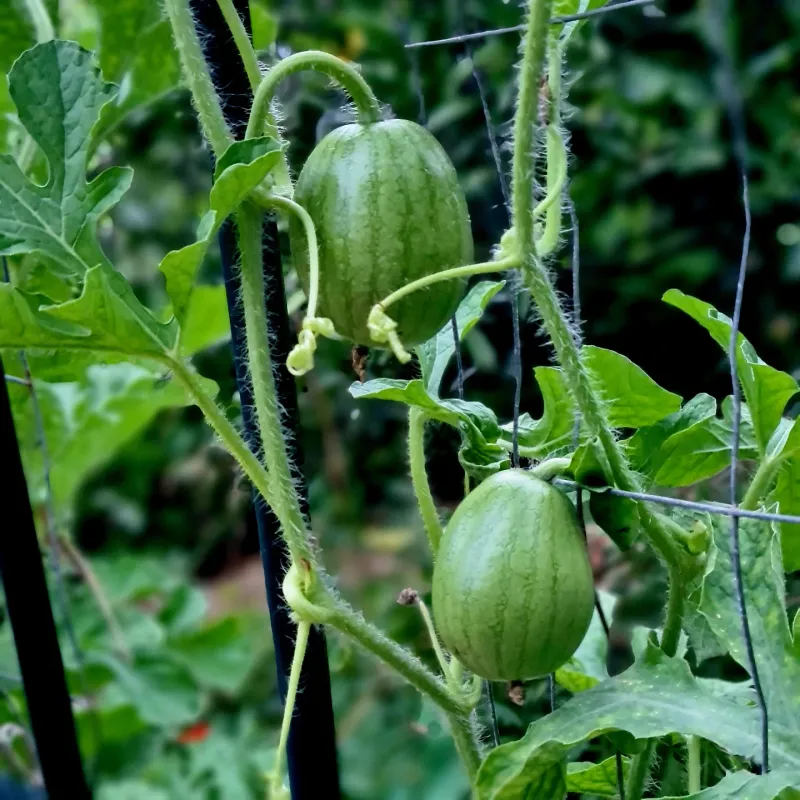
Watermelons demand heat from start to finish. These tropical treats originated in Africa and still crave warm temperatures at every growth stage. February’s cold makes it completely unsuitable for starting watermelon seeds in Michigan.
Germination requires soil temperatures between 70 and 95 degrees Fahrenheit. Seedlings need consistent warmth to develop properly. Cold temperatures or fluctuations cause poor growth, disease susceptibility, and weak plants that never reach their potential.
Starting watermelons in February means maintaining tropical conditions indoors for months. This requires significant energy, specialized equipment, and constant attention. Even with perfect care, plants started too early often become stressed and leggy.
Watermelon seedlings also grow quickly once conditions are right. They can outgrow containers within weeks, leading to root-bound plants. Tangled roots struggle to establish properly after transplanting, reducing fruit production and plant health.
The smart timing for watermelon seeds is three to four weeks before outdoor planting. In Michigan, this means starting seeds in mid to late May. This schedule produces robust seedlings ready to thrive when transplanted into warm garden soil.
Some gardeners successfully direct seed watermelons in early June. Michigan’s growing season provides adequate time for most varieties to mature.
Direct seeding eliminates transplant shock and often produces stronger, more productive plants throughout the summer.
Cantaloupe (Cucumis Melo)
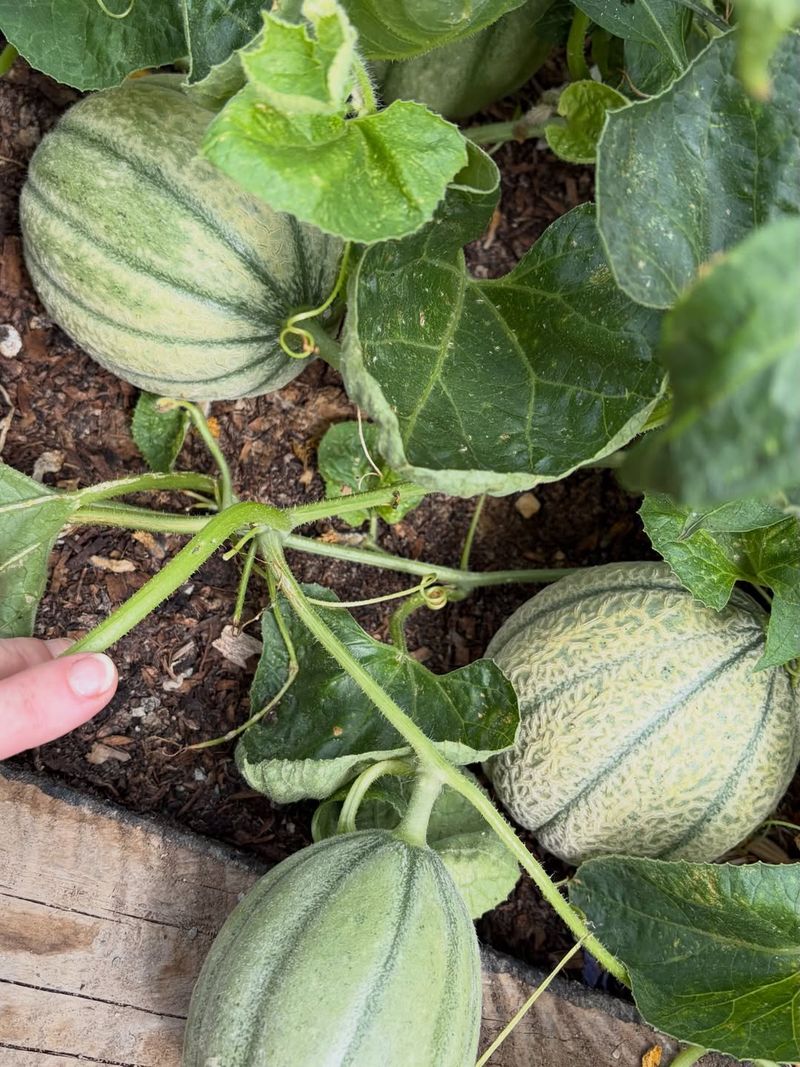
Cantaloupes share the same heat requirements as their watermelon cousins. These sweet melons refuse to cooperate with early planting schedules. February starting creates weak, stressed plants that rarely produce quality fruit in Michigan gardens.
Melon seeds need warm soil to germinate properly. Temperatures below 70 degrees result in poor germination rates and weak seedlings. Even if seeds sprout in cooler conditions, the resulting plants often remain stunted throughout their lives.
Rapid growth is characteristic of all melon plants. Cantaloupes develop extensive root systems and large leaves quickly. Container-grown seedlings become root-bound within weeks, especially when started months before transplanting is possible.
Root disturbance significantly impacts cantaloupe productivity. When transplanting root-bound or stressed seedlings, plants experience setback that affects flowering and fruit development.
Some plants never fully recover, producing few or no melons despite gardener efforts. The recommended approach is starting cantaloupe seeds just two to three weeks before outdoor planting.
For Michigan, this typically means late May starting. This timing produces healthy seedlings perfectly sized for transplanting when soil temperatures reach appropriate levels.
Direct seeding is another excellent option for cantaloupe in Michigan. Seeds planted directly in warm garden soil in early June germinate quickly.
Plants develop strong root systems and often outperform transplants, producing abundant sweet melons throughout late summer and early autumn.
Okra (Abelmoschus Esculentus)
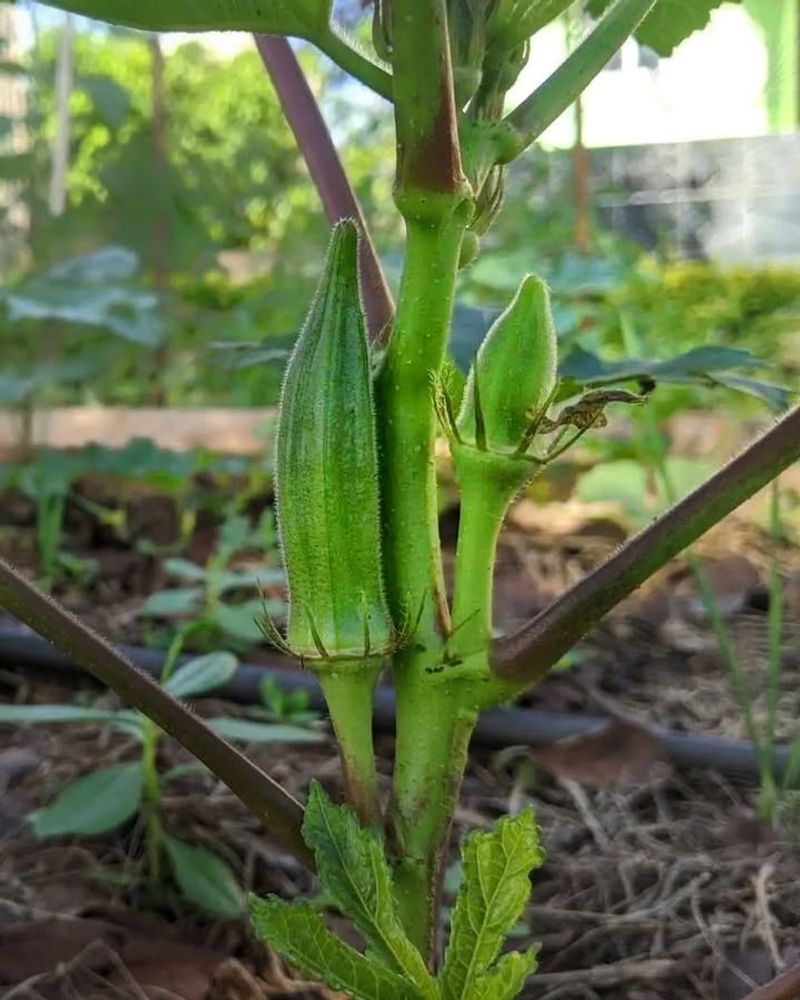
Okra brings Southern charm to Northern gardens, but only with proper timing. This heat-loving vegetable absolutely refuses to tolerate cold conditions. Starting okra seeds in February sets you up for disappointment and wasted effort in Michigan’s climate.
Germination requires soil temperatures of at least 70 degrees, with 85 degrees being ideal. Seeds planted in cooler conditions simply rot in the soil. Even if they manage to sprout, cold temperatures cause severe stunting that plants rarely overcome.
Okra seedlings are particularly sensitive to temperature fluctuations. Indoor growing conditions in February often include drafty windows and inconsistent heating.
These variations stress young plants, leading to poor development and increased disease susceptibility throughout the season.
The plant’s tropical origins mean it craves consistent warmth and bright sunlight. Providing these conditions indoors for months is challenging and expensive.
Plants started too early become leggy and weak, struggling to produce well even after transplanting into warm garden soil.
Smart timing for okra is starting seeds just four to six weeks before outdoor planting. In Michigan, this means starting in late May or early June. Some gardeners prefer waiting until soil temperatures reach 70 degrees before direct seeding outdoors.
Direct seeding often produces superior results with okra. Seeds planted in warm garden soil germinate quickly and develop strong root systems. Plants grow vigorously and begin producing tender pods within weeks of emergence.
Corn (Zea Mays)
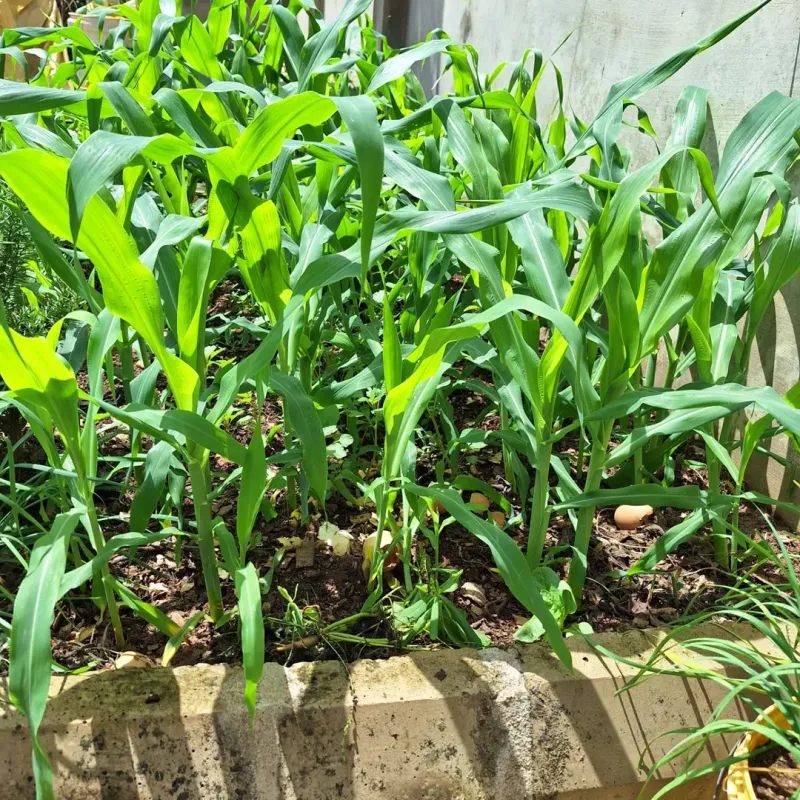
Corn is America’s favorite grain, but it plays by different rules than most garden vegetables. Anna Hackman, expert gardener from The Naked Botanical, explains how it’s best to plant it at least two weeks after the last frost.
This crop strongly prefers being planted directly where it will grow. Starting corn seeds indoors in February goes against the plant’s natural preferences and Michigan’s growing realities.
Corn develops a taproot system that dislikes disturbance. When seedlings are transplanted, this crucial root often gets damaged. The result is stunted plants with poor stability and reduced yields throughout the growing season.
Seedlings also become stressed quickly when grown in containers. Corn plants need room for their roots to spread and establish properly. Container-grown plants become root-bound within days, creating tangled masses that struggle after transplanting.
The traditional and most successful method is direct seeding corn outdoors. Seeds are planted in warm soil after frost danger passes. In Michigan, this typically occurs in mid to late May, depending on your specific location.
Corn seeds germinate quickly when soil temperatures reach 60 degrees or higher. Direct-seeded plants develop strong root systems that anchor them against wind. They grow vigorously and produce better yields than transplanted seedlings in nearly all situations.
If you absolutely must start corn indoors, use deep containers and transplant very carefully. However, most experienced gardeners recommend skipping indoor starting entirely.
Direct seeding saves time, reduces stress, and produces healthier, more productive corn plants for your Michigan garden.