7 Seeds Gardening Experts In North Carolina Avoid Starting In February
February sunshine can make any gardener eager to start planting, but in North Carolina, starting too early can quietly sabotage your entire season.
While it feels productive to sow seeds now, some fast growing warm season vegetables simply are not built for late winter conditions.
Give them a head start too soon, and you may end up with leggy, stressed seedlings that struggle to survive once transplant time arrives.
Worse, early mistakes can mean weaker plants, smaller harvests, and a lot of wasted effort. Smart gardeners know timing is everything, and patience in February often pays off with stronger growth later. The trick is knowing which seeds actually benefit from waiting.
Before you reach for those seed packets, you will want to see which vegetables should stay unplanted for now and why delaying just a few weeks can make a huge difference in your garden’s success.
1. Cucumber (Cucumis Sativus)
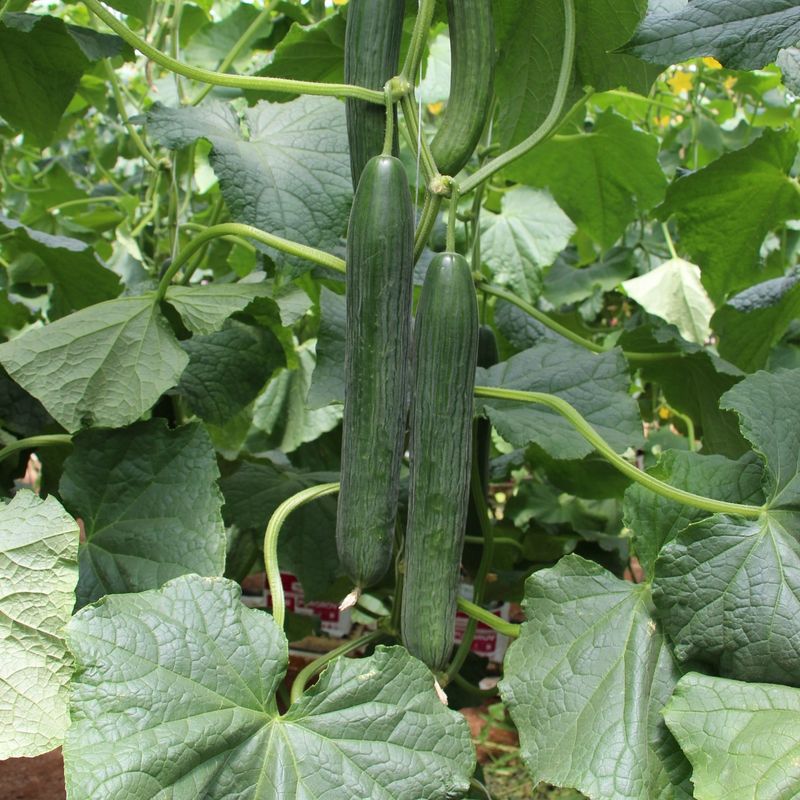
Cucumbers are speed demons in the plant world. They shoot up fast and reach transplant size in just three to four weeks.
Starting them in February means you’ll have vigorous seedlings ready to go outdoors when temperatures are still far too cold for their tropical nature.
These plants hate being confined in small containers for extended periods. When cucumber roots circle around the pot edges, the plant becomes stressed and unhappy. This condition weakens the entire plant before it even reaches your garden bed.
North Carolina gardeners should wait until late April or early May to start cucumber seeds indoors. This timing ensures your seedlings will be ready when soil temperatures climb above 65 degrees. Warm soil is absolutely essential for cucumber success and vigorous growth.
Transplanting stressed, root-bound cucumbers rarely leads to good results. The plants struggle to recover and often produce fewer fruits than healthily timed seedlings. Your harvest suffers when you rush the process too early in the season.
Save yourself frustration by marking your calendar for the proper cucumber starting date. Patience truly pays off with these warm-loving vines. Your plants will reward careful timing with abundant, crisp cucumbers all summer long.
2. Squash (Summer And Winter Types)
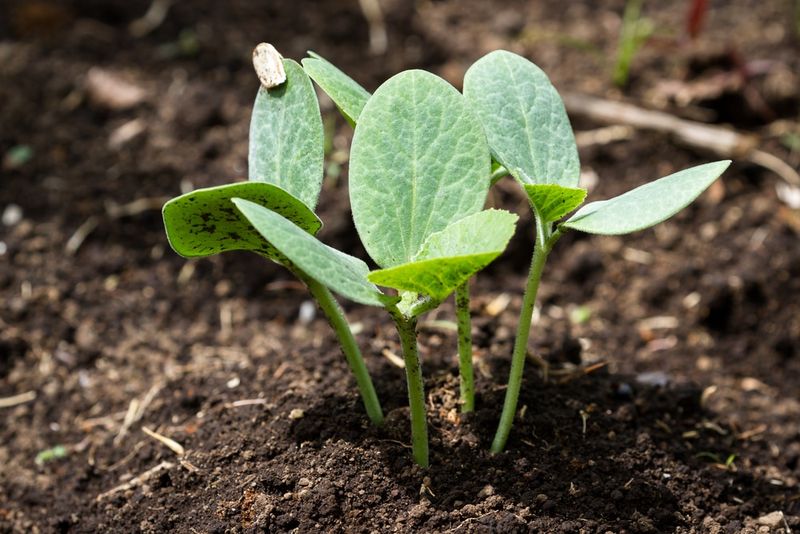
Squash seedlings grow at an impressive pace that surprises even experienced gardeners. Within two weeks, these plants develop substantial root systems that quickly fill standard seed-starting containers.
February planting creates a serious timing mismatch for North Carolina growing conditions.
Root disturbance causes major problems for squash plants of all varieties. Their delicate root hairs break easily during transplanting, causing setback and stress.
Starting too early means handling larger, more established plants with extensive root systems that resist relocation.
Both summer squash and winter types prefer being started just three weeks before transplant time.
This narrow window keeps plants compact and manageable while their roots remain small. Proper timing makes the transition from indoor pots to garden beds smooth and successful.
Oversized squash seedlings often experience transplant shock that stunts their growth for weeks. The plants may look impressive indoors but struggle once moved outside. This setback delays harvest and reduces overall productivity throughout the growing season.
Wait until mid-April to start your squash seeds indoors in most North Carolina zones. Direct seeding outdoors after the last frost works beautifully too.
Either method beats starting seeds in February when transplant conditions are still months away from being suitable.
3. Pumpkin (Cucurbita Pepo / Maxima)
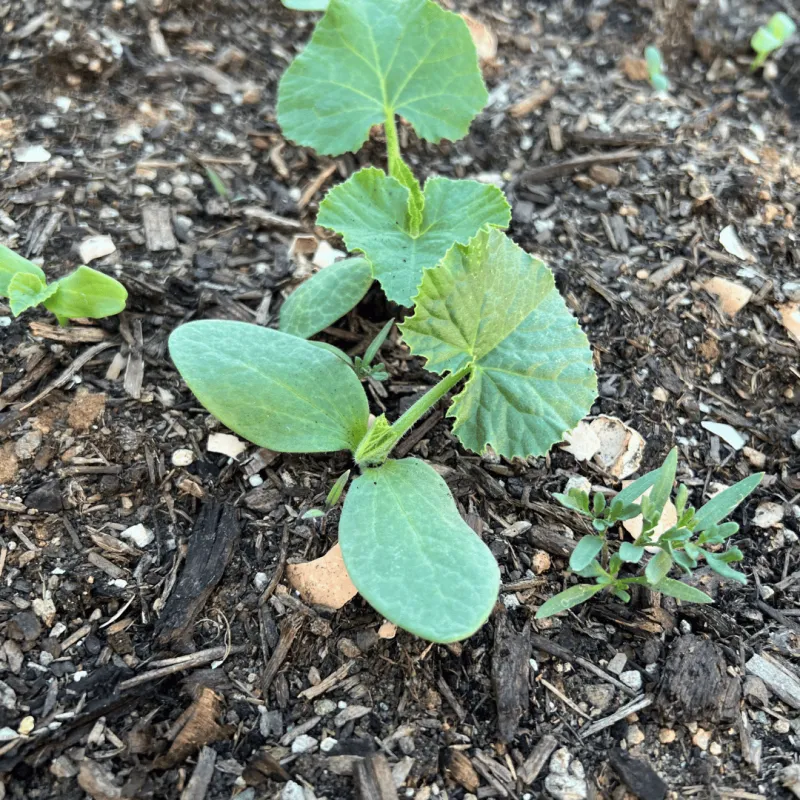
Pumpkins belong to the same family as squash and share their rapid growth habits. These vigorous vines develop quickly from seed and reach transplant size in about three weeks.
February seed starting leaves you with overgrown seedlings that have nowhere suitable to go. Soil temperature matters tremendously for pumpkin success in the garden.
These plants need consistently warm ground above 70 degrees to thrive and produce well. Cold soil causes poor growth, yellowing leaves, and increased susceptibility to various diseases.
North Carolina pumpkin growers typically start seeds indoors in late April or early May. Some gardeners prefer direct seeding outdoors once soil warms completely in mid-May. Both approaches work better than premature February planting that creates timing problems.
Pumpkin plants grown too long indoors become leggy and weak from insufficient light. Their stems stretch toward windows, creating floppy growth that struggles after transplanting.
Strong, compact seedlings started at the right time establish much better in garden beds. Calculate your pumpkin starting date by counting backward from your area’s last expected frost.
Add three weeks after that date for soil warming, then count back three more weeks. This simple math ensures perfect timing without the February rush that causes more harm than good.
4. Watermelon (Citrullus Lanatus)
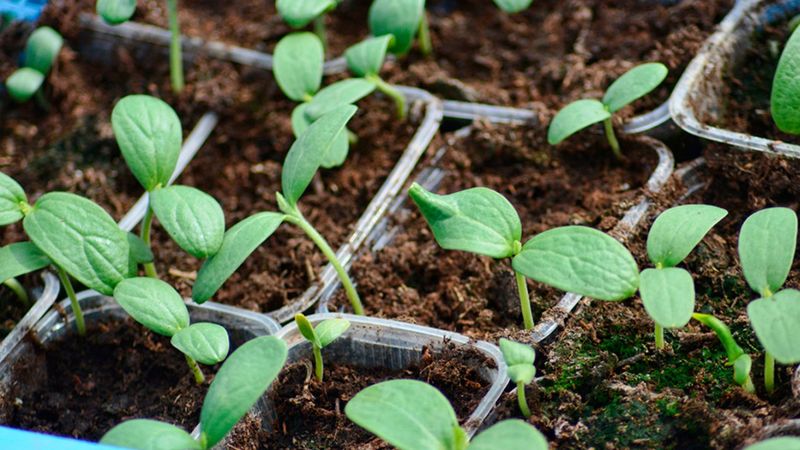
Watermelons demand serious heat to germinate and grow properly. Seeds refuse to sprout in cool conditions, and young plants sulk when temperatures drop below their comfort zone.
Starting these heat lovers in February for North Carolina gardens makes absolutely no sense timing-wise.
These plants develop taproots that dislike disturbance during transplanting. Keeping seedlings in containers for extended periods causes roots to circle and tangle.
Stressed watermelon plants take weeks to recover after moving to the garden, delaying fruit production significantly.
Smart gardeners start watermelon seeds just two to three weeks before transplant time. This brief indoor period gives seeds a head start without creating root-bound plants. The seedlings remain compact and transplant easily when outdoor conditions become suitable.
Cold sensitivity makes watermelons particularly unsuitable for early starting in North Carolina. Even mild cool snaps damage young plants and set back growth considerably. Soil temperatures below 70 degrees cause poor establishment and weak vine development.
Plan to start watermelon seeds indoors in late April or direct seed outdoors in mid-May. Both methods work excellently when timed with warm weather arrival.
Your patience will be rewarded with vigorous vines producing sweet, juicy melons throughout the summer months ahead.
5. Cantaloupe (Cucumis Melo)
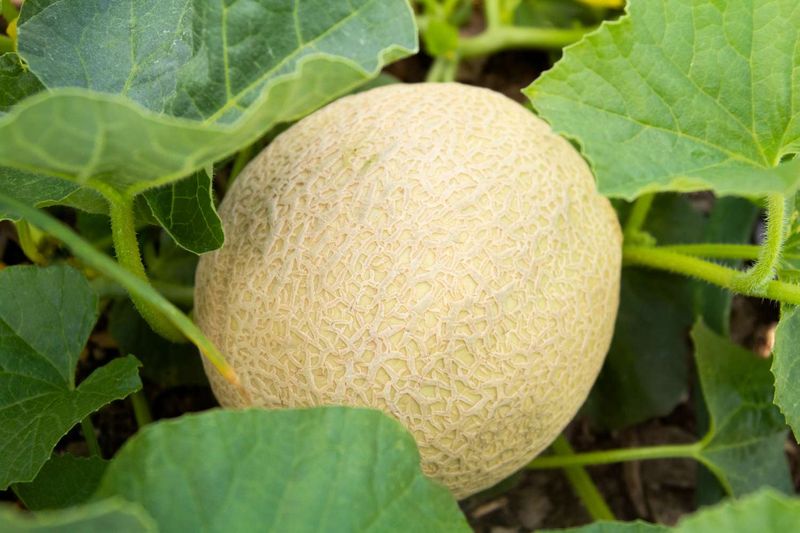
Cantaloupes share watermelon’s love of warmth and dislike of cold conditions. These melons grow quickly once started and become difficult to manage if kept indoors too long.
February planting creates months of unnecessary care before transplant weather arrives in North Carolina.
Melon roots are notoriously sensitive to disturbance and damage. Large seedlings with extensive root systems suffer more during transplanting than younger, smaller plants.
This stress translates directly into delayed fruiting and reduced melon production later in the season.
The ideal cantaloupe starting window is just three to four weeks before outdoor planting time. This short period allows seeds to germinate and develop their first true leaves.
Plants remain compact and manageable, making the transition to garden beds smooth and successful.
Overgrown melon seedlings often develop pest problems while waiting indoors for suitable outdoor conditions.
Aphids and fungus gnats particularly enjoy stressed plants in containers. These issues compound transplant difficulties and create additional challenges for gardeners to overcome.
Mark your calendar for late April cantaloupe seed starting in most North Carolina locations. Direct seeding works wonderfully too once soil warms completely in May.
Either approach beats the frustration of managing oversized seedlings started way back in February when conditions were unsuitable.
6. Okra (Abelmoschus Esculentus)
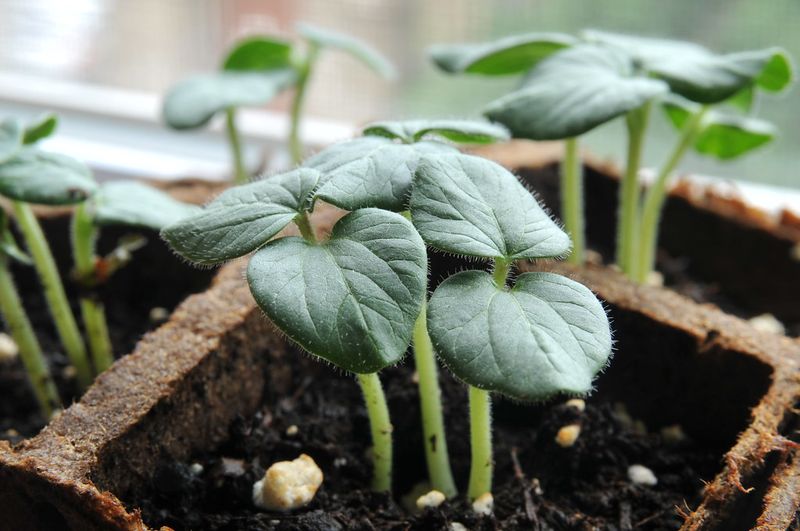
Okra originated in tropical regions and retains its ancestors’ love of serious heat. Seeds germinate poorly in cool soil and young plants simply refuse to grow when temperatures stay mild.
February seed starting for this Southern favorite makes no practical sense in North Carolina. Unlike some vegetables that tolerate cool-season starting, okra actually benefits from later planting.
Seeds germinate quickly in warm soil, often sprouting within a week when conditions are right. Cold soil causes seeds to rot before sprouting, wasting your effort and money.
Most North Carolina gardeners direct seed okra outdoors in late May or early June. Some start seeds indoors in early May for slightly earlier harvests. Either timing works far better than February planting that leaves you managing seedlings for months unnecessarily.
Okra plants started too early become leggy and weak from inadequate indoor light conditions.
These stretched seedlings struggle after transplanting and take longer to begin producing pods. Strong, compact plants started at the proper time quickly outpace their prematurely started cousins.
Wait for consistent soil temperatures above 70 degrees before planting okra in any form. This patience ensures rapid germination and vigorous early growth.
Your plants will reward proper timing with abundant pod production throughout the long, hot North Carolina summer.
7. Corn (Zea Mays)
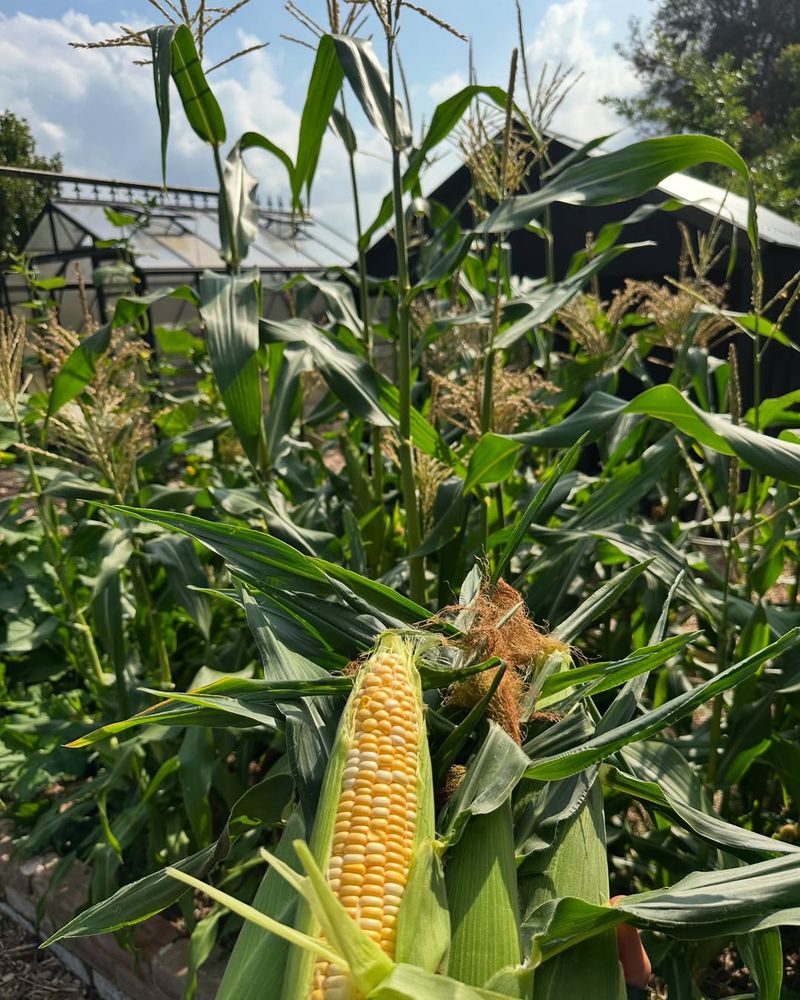
Corn breaks the mold compared to other vegetables on this list. Rather than being unsuitable for early starting, corn simply shouldn’t be started indoors at all. These plants develop sensitive root systems that strongly resist transplanting at any time of year.
Direct seeding corn into warm garden soil produces far better results than any indoor starting method.
The plants establish quickly when sown directly and develop strong, deep root systems. Transplanted corn struggles to anchor properly and often produces smaller ears with poor kernel development.
Corn seeds germinate readily once soil temperatures reach 60 degrees consistently. Most North Carolina gardeners plant corn outdoors in mid-April through early June for continuous harvests.
Succession planting every two weeks ensures fresh corn throughout the summer months. Starting corn indoors in February creates multiple problems beyond just poor transplanting results.
The seedlings require extremely bright light to avoid becoming weak and spindly. Managing tall, awkward corn plants indoors for months wastes space better used for vegetables that actually benefit from early starting.
Save your indoor seed-starting space for tomatoes, peppers, and other transplant-friendly crops. Corn belongs directly in the garden where it can develop naturally without transplant stress.
This approach follows expert advice and produces the best possible corn harvests in your North Carolina garden.