10 Seeds Georgia Gardeners Can Sow Directly Outdoors In May
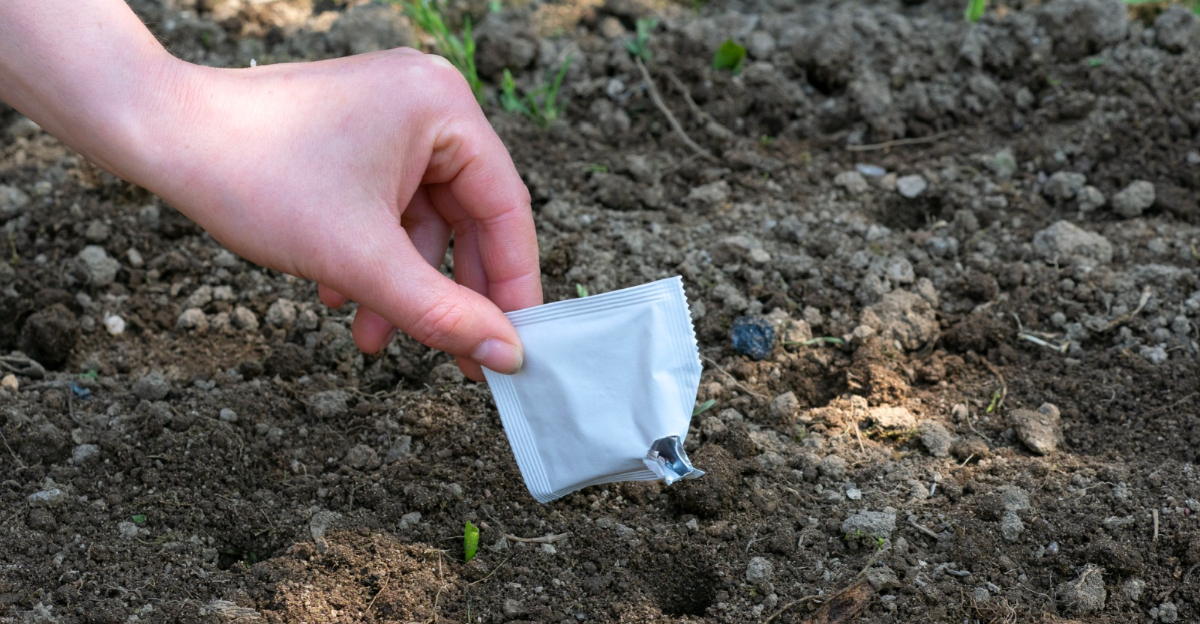
May is when Georgia gardens really start picking up speed. The soil feels warm, the days stretch out longer, and suddenly it seems like everything wants to grow at once.
Toss a few seeds into the ground, give them some water, and before long the garden starts looking surprisingly busy.
Honestly, this is the month that makes gardeners feel a little overconfident in the best possible way.
One packet of seeds somehow turns into ten. Direct sowing in May is especially satisfying because plants do not waste much time getting started.
Warm-season vegetables jump into growth, summer flowers brighten up empty spaces, and garden beds can change fast in just a couple of weeks.
Georgia gardeners have plenty of great options this time of year, especially for sunny spots that are ready for fresh color, tall stems, and productive harvests.
1. Bush Beans Grow Quickly In Warm Georgia Soil
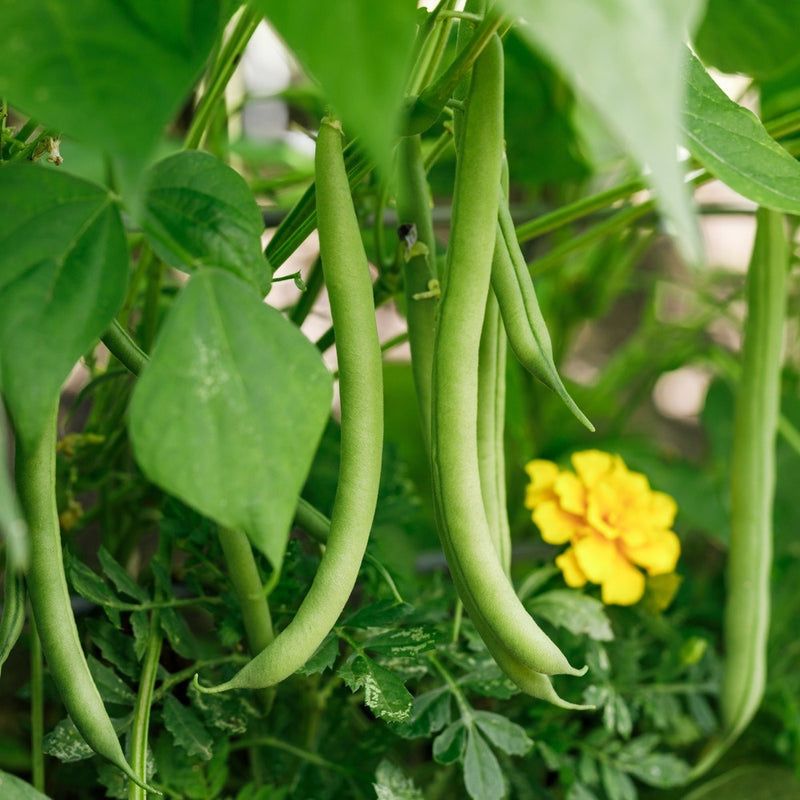
Warm soil in May gives bush beans a strong head start, and Georgia gardeners tend to see sprouts poking through the ground within just a week or so of planting.
Bush beans do not need staking or climbing support, which makes them one of the easier crops to manage in a home vegetable bed.
They grow in a compact, rounded shape that fits neatly into raised beds, backyard rows, or smaller garden spaces.
Sow seeds about one inch deep and space them roughly three to four inches apart in rows. Once they sprout, thin them to about six inches apart so each plant has enough room to fill out.
Bush beans prefer full sun and consistent moisture, especially once pods begin forming along the stems.
In Georgia, May planting often leads to a harvest in about 50 to 60 days, putting fresh beans on the table well before the hottest stretch of summer arrives. Planting a second round two to three weeks after the first can extend the harvest season.
Bush beans are a reliable, low-maintenance choice for Georgia gardeners who want results without a lot of fuss.
2. Pole Beans Climb Fast In Sunny Garden Spaces
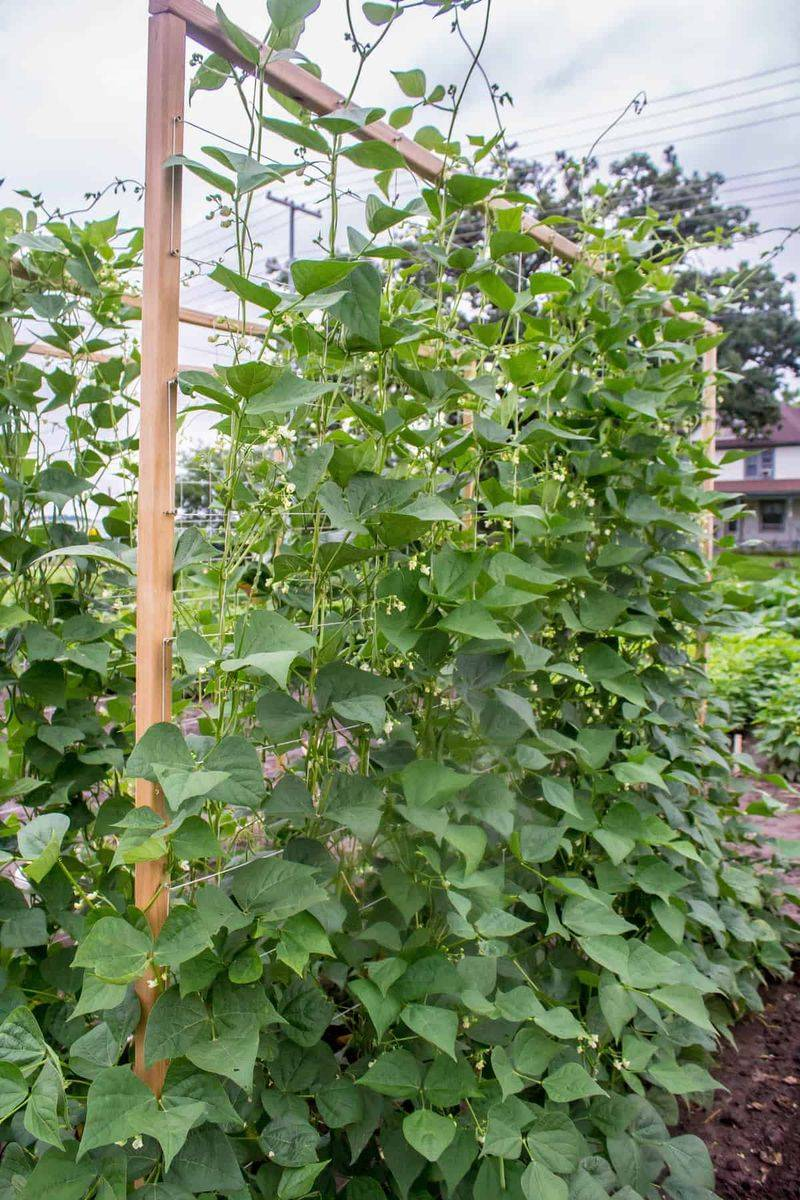
Give pole beans something to climb and they will reward you with weeks of steady production throughout the Georgia summer.
Unlike their bush counterparts, pole beans grow as vines that can reach six feet or taller, making vertical space just as important as ground space when planning where to plant them.
A simple trellis, a teepee of bamboo stakes, or a wire fence all work well as supports.
Sow seeds about one inch deep and four to six inches apart at the base of your support structure. As the vines climb, they will begin producing pods that hang in easy-to-spot clusters.
Pole beans tend to produce over a longer period than bush types, so Georgia gardeners who enjoy picking fresh beans through July and August may find them worth the extra setup.
May planting works well because the warm Georgia soil encourages fast germination, usually within seven to ten days under good conditions.
Keep the soil evenly moist but not waterlogged, and make sure the planting spot gets at least six to eight hours of direct sun each day.
Your Georgia Garden Changes Every Week. Your Plan Should Too.
Gardening in Georgia changes quickly throughout the season. Every Friday you’ll receive a simple weekly plan showing exactly what to plant, prune, fertilize, harvest, and protect so you never miss the right timing.
Pole beans planted in May can become one of the most productive crops in a Georgia backyard garden.
3. Corn Sprouts Strongly During Warm Spring Weather
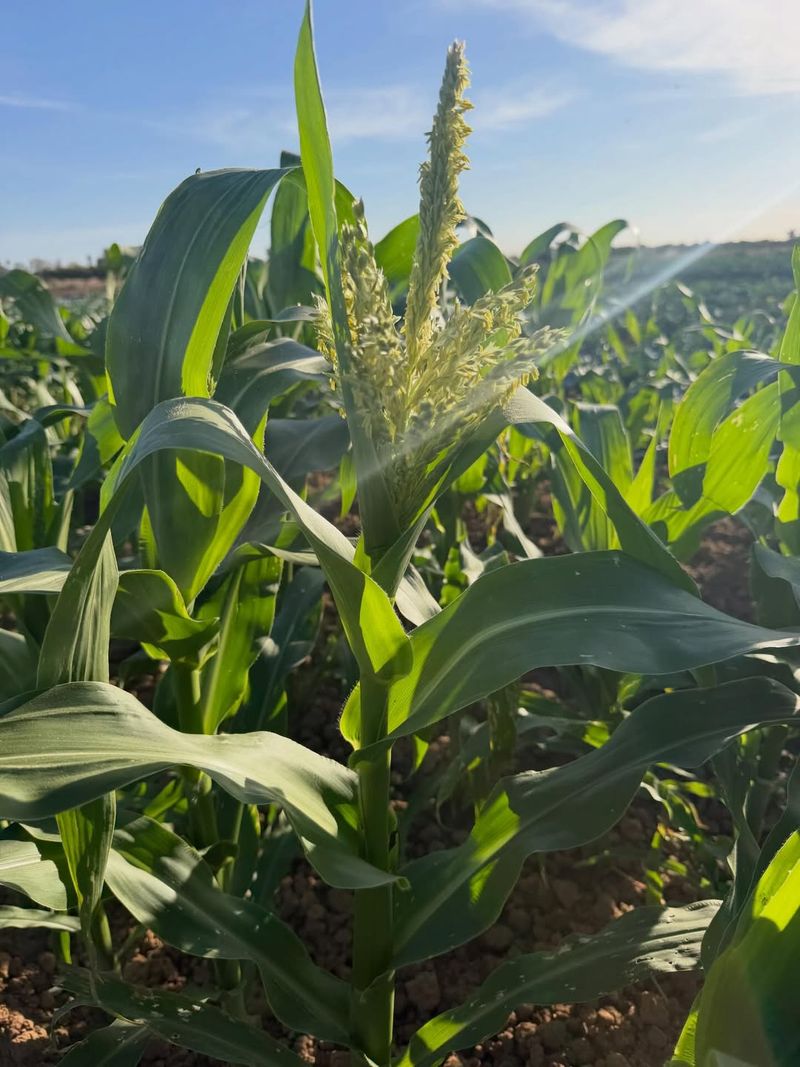
Few things signal the start of a productive Georgia summer garden quite like a row of corn seedlings pushing through warm soil.
Corn sprouts best when ground temperatures stay consistently above 60 degrees Fahrenheit, which is a comfortable reality for most of Georgia by early May.
Planting in blocks rather than single rows helps with pollination, since corn relies on wind to move pollen from tassel to silk.
Sow seeds about one inch deep and space them roughly nine to twelve inches apart within rows, keeping rows about 30 to 36 inches apart. A block planting of at least three to four rows side by side tends to produce the best ear development.
Water regularly once seeds are in the ground, since corn has a high moisture demand as it grows taller through the summer weeks.
Georgia gardeners can expect corn to be ready for harvest roughly 70 to 90 days after planting, depending on the variety chosen.
Sweet corn varieties tend to be popular for home gardens, and many can be found as seed packets at local garden centers throughout the state.
Planting in May gives Georgia gardeners a solid shot at fresh corn before the most intense summer heat settles in.
4. Okra Loves Rising Heat In Late Spring
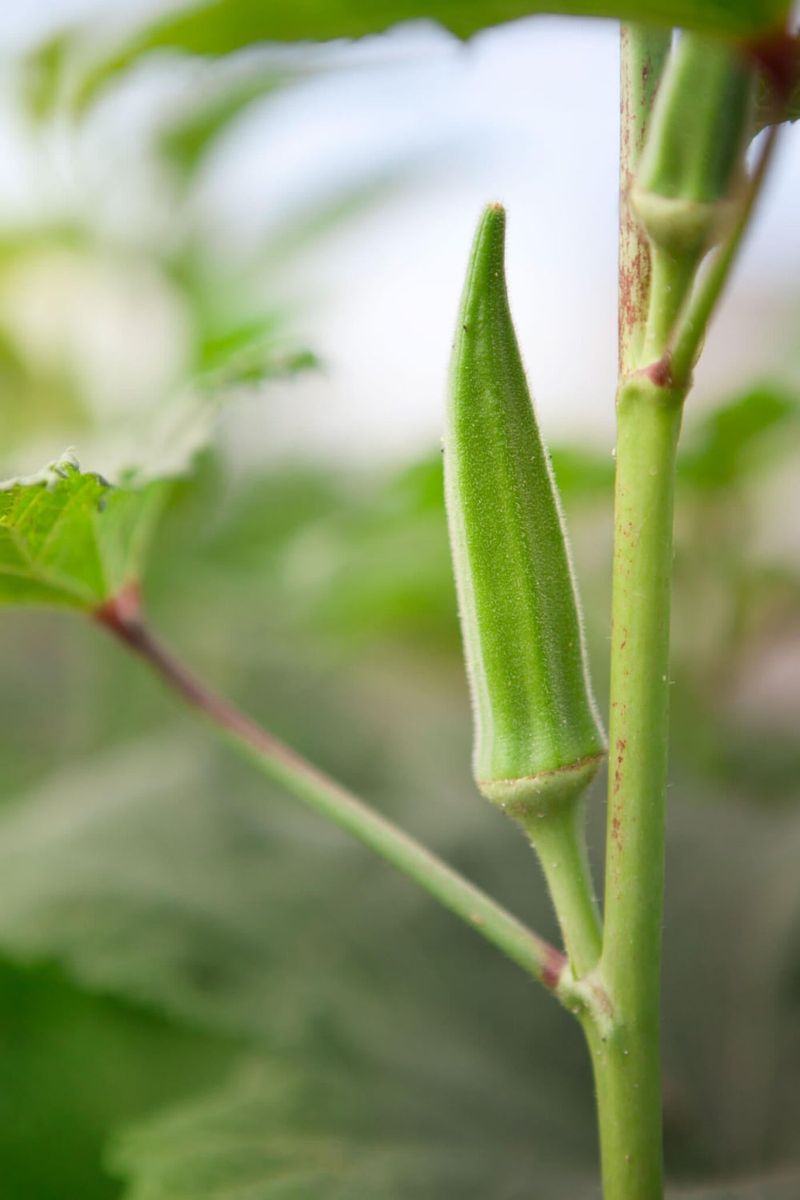
Okra and Georgia summers go together naturally, and May is one of the best times to get seeds into the ground.
This heat-loving vegetable struggles when soil is cool, but once temperatures rise and the ground warms through, okra sprouts reliably and grows with impressive speed.
Soaking seeds in water for a few hours before planting can help speed up germination.
Plant seeds about half an inch to one inch deep, spacing them about six inches apart in rows. Once seedlings reach a few inches tall, thin them to about 18 inches apart so each plant has plenty of room to branch out and grow upward.
Okra plants can reach four to six feet tall or more by midsummer, so placing them where they will not shade shorter neighboring crops is worth considering.
Georgia gardeners who plant okra in May can typically expect to start harvesting pods within about 50 to 65 days. Pods should be picked when they are two to four inches long for the best texture and flavor.
Leaving pods on the plant too long causes them to become tough and fibrous. Regular harvesting actually encourages the plant to keep producing, making okra one of the more generous crops in a Georgia summer garden.
5. Cucumbers Spread Fast In Sunny Garden Beds
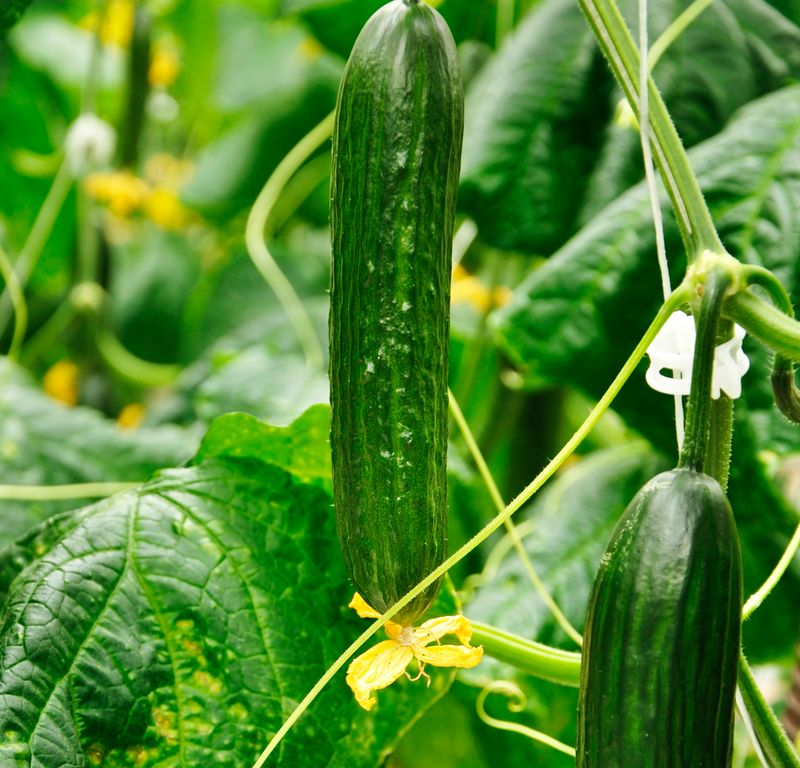
Cucumbers take off quickly once May soil warms up in Georgia, and a few seeds planted in a sunny spot can turn into a sprawling, productive vine within just a couple of weeks.
They thrive in full sun and respond well to consistent watering, especially as fruit begins to develop.
Gardeners who want to save space can train cucumbers up a trellis or fence rather than letting them spread across the ground.
Sow seeds about half an inch to one inch deep, grouping two to three seeds together in hills spaced about 36 inches apart. Once seedlings emerge and establish a couple of true leaves, thin each hill to the strongest one or two plants.
Cucumbers are heavy feeders and drinkers, so amending the soil with compost before planting and keeping moisture levels steady will support healthy growth.
In Georgia, cucumbers planted in May can begin producing fruit in as little as 50 to 70 days, depending on the variety. Slicing cucumbers, pickling types, and compact bush varieties all perform well in Georgia gardens.
Harvesting cucumbers regularly while they are still firm and green encourages the vine to keep setting new fruit throughout the summer season.
6. Summer Squash Produces Quickly In Warm Conditions
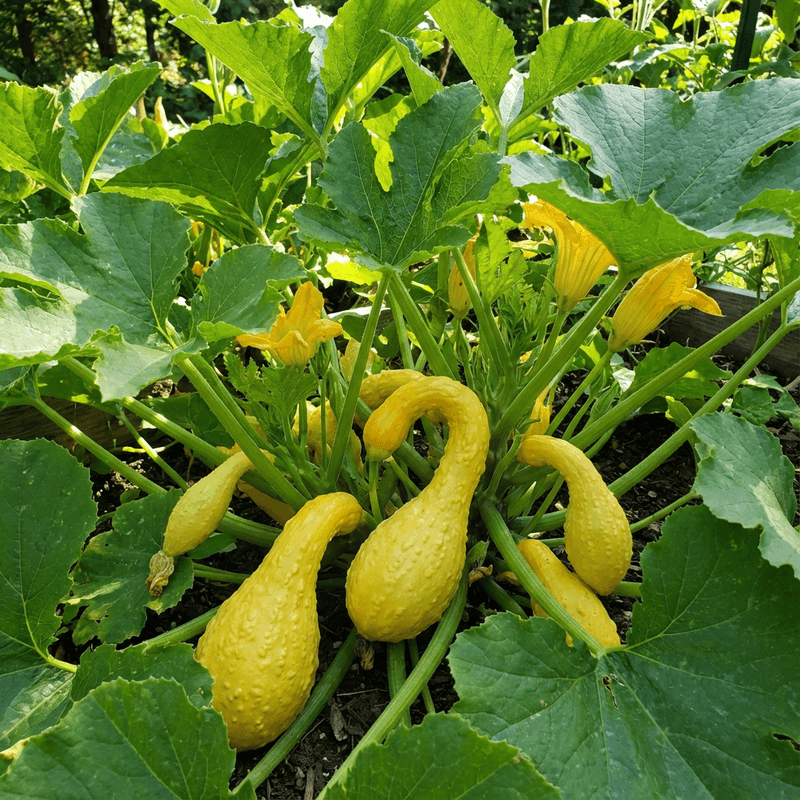
Summer squash is one of the fastest-producing vegetables a Georgia gardener can plant in May. Seeds germinate quickly in warm soil, and plants begin setting fruit in as little as 45 to 55 days after planting.
Yellow crookneck, yellow straightneck, and zucchini are among the most popular varieties grown in Georgia home gardens, and all of them handle warm spring weather with ease.
Plant seeds about one inch deep in hills or rows, spacing plants about 24 to 36 inches apart to give the large leaves room to spread without crowding neighboring plants.
Summer squash grows as a bush rather than a vine, so it does not need a trellis or climbing support.
Full sun and regular watering are the two main things squash needs to stay productive through the season.
One thing Georgia gardeners quickly learn about summer squash is that it produces abundantly and fast.
Checking plants every day or two during peak production helps catch fruit at the right size, usually six to eight inches long for zucchini and similar lengths for yellow types.
Overgrown squash tends to develop a tough skin and seedy interior, so staying on top of harvesting keeps the plant focused on producing new fruit.
7. Pumpkins Grow Fast Once Soil Warms Up
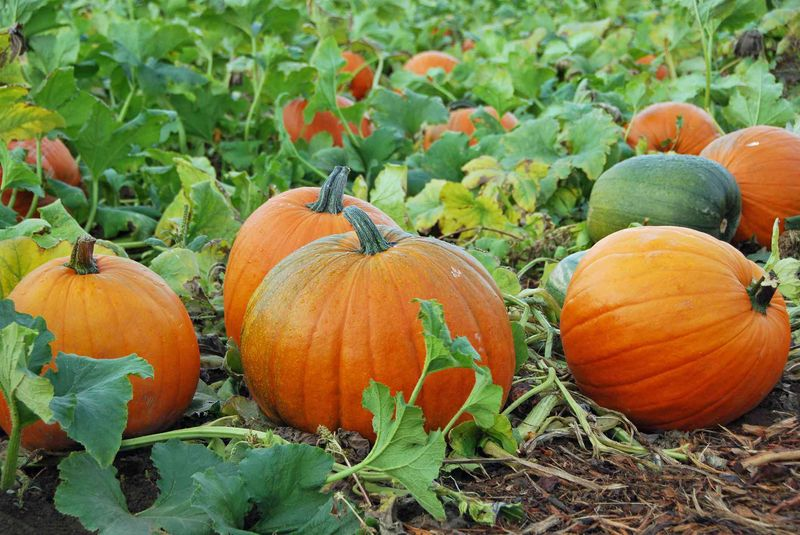
Planting pumpkin seeds in May gives Georgia gardeners enough growing time to reach a fall harvest without rushing.
Pumpkins need a long growing season, typically 75 to 100 days depending on the variety, so getting seeds in the ground during May lines things up nicely for October.
The warm May soil in Georgia helps seeds germinate within a week, and vines begin spreading quickly once they establish.
Sow seeds about one inch deep in hills, planting two to three seeds per hill and spacing hills about 4 to 6 feet apart for standard-sized pumpkins. Miniature varieties can be spaced a bit closer.
Once seedlings emerge, thin each hill to the healthiest one or two plants. Pumpkins are vigorous growers and need room to roam, so placing them at the edge of a garden bed or along a fence line can keep them from overtaking other crops.
Georgia gardeners should water pumpkins deeply and consistently, especially during dry spells in late spring and early summer. Mulching around the base of plants helps retain soil moisture and keeps the soil from drying out too quickly.
Keeping an eye out for squash vine borers and cucumber beetles early in the season can help protect vines before they become a bigger concern.
8. Southern Peas Handle Georgia Heat With Ease
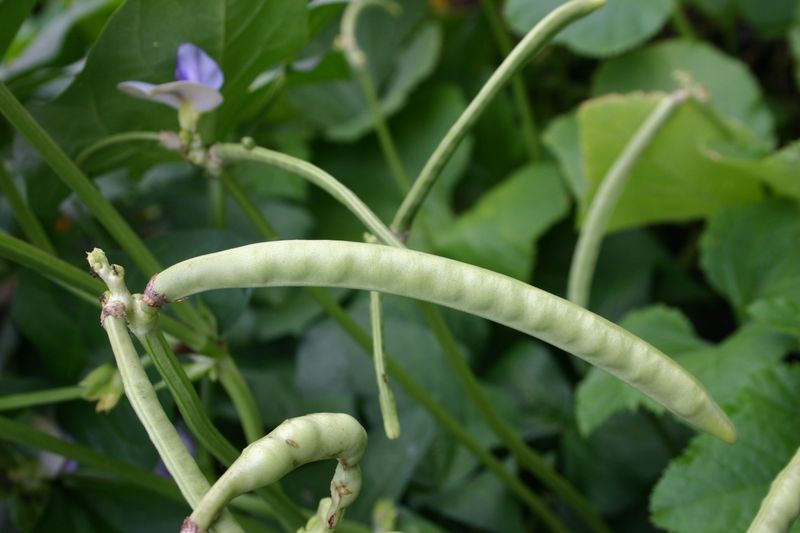
Southern peas, which include black-eyed peas, crowder peas, and cream peas, are deeply rooted in Georgia garden tradition for good reason.
These heat-tolerant legumes thrive in the warm conditions that May brings and keep producing even as summer temperatures climb higher.
They are also excellent at fixing nitrogen in the soil, which benefits the surrounding garden over time.
Sow seeds about one inch deep and three to four inches apart in rows spaced about 24 to 36 inches apart. Southern peas do not need a lot of fertilizer, especially if the soil already has decent organic matter.
Overfeeding with nitrogen can actually push more leafy growth at the expense of pod production, so a light hand with amendments tends to work better for this crop.
Georgia gardeners can expect Southern peas to begin producing pods roughly 60 to 70 days after planting. They can be harvested as fresh shell peas or left on the vine to dry for storage.
Either way, they are a reliable and flavorful crop that suits the Georgia climate well. Planting them in May takes advantage of the warm soil while still leaving enough of the season ahead for a full, satisfying harvest.
9. Zinnias Bring Fast Color To Summer Gardens
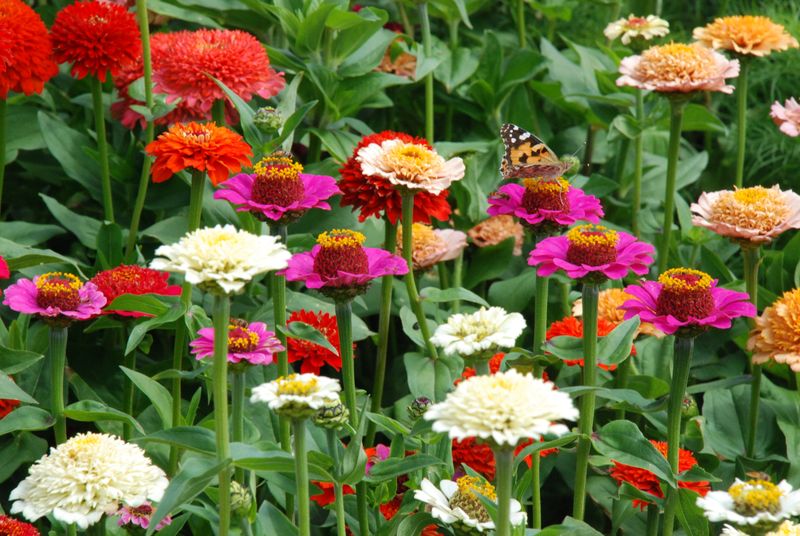
Few flowers transform a Georgia garden border as quickly and cheerfully as zinnias. Direct sowing zinnia seeds in May works beautifully because the warm soil speeds up germination, and seedlings can appear within just a few days of planting.
These sun-loving annuals come in a wide range of colors, from deep red and orange to soft pink and creamy white, making them a flexible choice for nearly any garden style.
Scatter seeds lightly over a prepared sunny bed and press them gently into the soil, covering with about a quarter inch of fine soil. Zinnias prefer full sun and well-drained soil, and they are surprisingly tolerant of heat once established.
Thin seedlings to about 6 to 12 inches apart depending on the variety, since good air circulation around plants helps reduce the chance of powdery mildew on the leaves.
Georgia gardeners will typically see zinnias begin blooming about 60 to 70 days after sowing, filling sunny borders and cutting gardens with season-long color.
Deadheading spent blooms encourages new flowers to form and keeps plants looking tidy.
Zinnias also attract butterflies and pollinators throughout the summer, adding lively movement and ecological value to Georgia garden spaces beyond just their bright visual appeal.
10. Sunflowers Add Height And Bright Seasonal Blooms
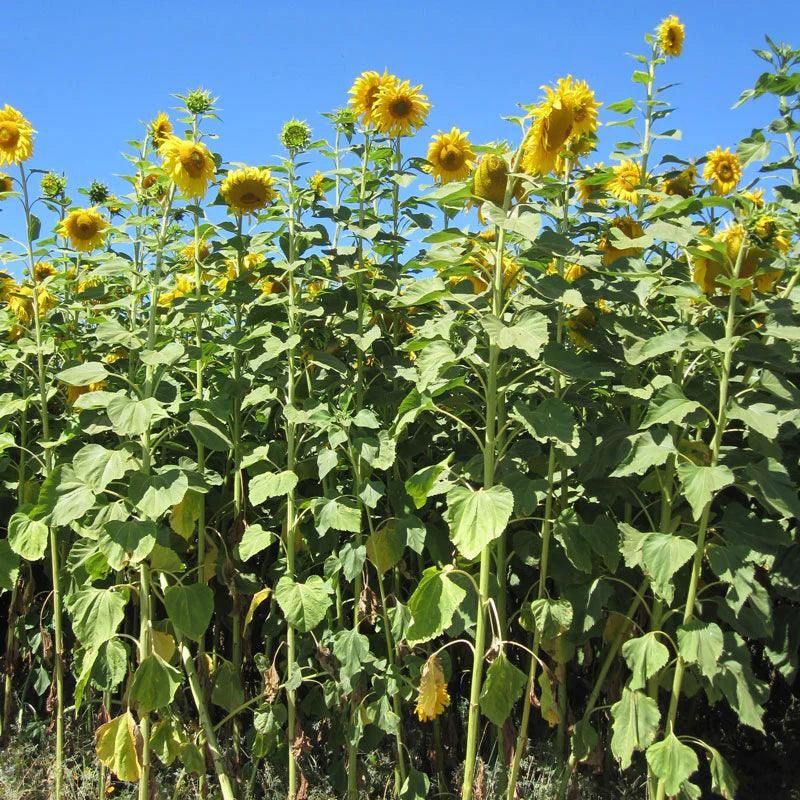
Sunflowers planted from seed in May tend to grow with remarkable speed in Georgia, pushed along by warm soil and long sunny days.
Standard tall varieties can reach six to ten feet by midsummer, creating a dramatic backdrop for vegetable beds or garden borders.
Shorter branching varieties work well in cutting gardens and produce multiple blooms per plant over a longer period.
Sow sunflower seeds about one inch deep and space them roughly 12 to 24 inches apart depending on the variety. Sunflowers are not fussy about soil quality, but they do need full sun to grow well and produce strong stems.
Once seeds sprout, the plants grow quickly and generally do not need much fuss beyond occasional deep watering during dry stretches.
Georgia gardeners who plant sunflowers in May can typically expect blooms to appear in about 70 to 85 days, bringing bright yellow, orange, or red color to the late summer garden.
Beyond their visual appeal, sunflower heads attract birds and beneficial insects once seeds begin to mature.
Leaving a few spent flower heads on the plant at the end of the season gives local birds a natural food source and adds a pleasing, naturalistic look to Georgia garden spaces heading into fall.