8 Seeds Michigan Gardeners Should Start Indoors In March
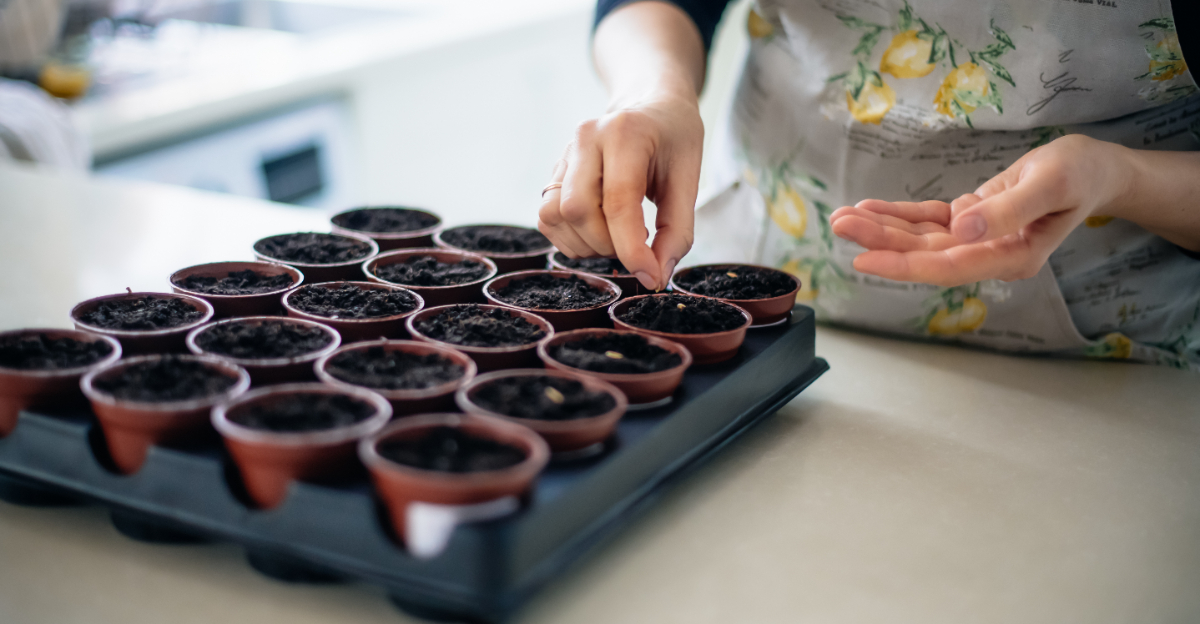
There is always that one chilly March afternoon when you start eyeing the seed packets and thinking, maybe it is time.
The snow is melting in patches, the sun feels a little stronger, and suddenly the kitchen table looks like the perfect spot for trays and grow lights. Many Michigan gardeners know this feeling well.
Starting seeds indoors this month can make a big difference once planting season finally arrives. Some crops simply need extra time to get strong before they face cool nights and unpredictable spring weather.
A small head start now often means sturdier plants and earlier harvests later.
Before you fill every tray with whatever catches your eye, there are a few seeds that truly benefit from a March start in Michigan.
1. Broccoli For Early Cool-Season Harvests
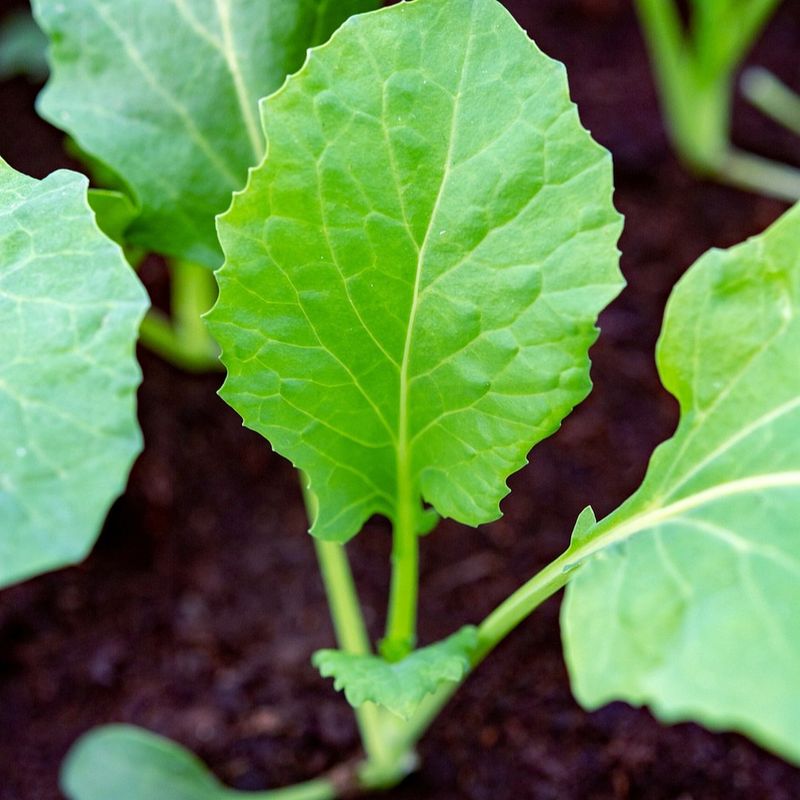
This nutritious crop actually prefers cooler temperatures, making it ideal for our unpredictable spring weather. Starting seeds indoors six to eight weeks before the last expected frost gives broccoli plants the time they need to develop strong root systems.
Michigan’s climate suits broccoli perfectly because it thrives in temperatures between 65 and 75 degrees Fahrenheit. When you start seeds indoors in March, you’re giving plants enough time to mature before summer heat arrives.
Broccoli seedlings typically emerge within five to ten days under proper conditions.
The key to success involves using seed-starting mix rather than garden soil, which can be too heavy for delicate seedlings. Place your containers near a south-facing window or under grow lights for 12 to 16 hours daily.
Keep the soil consistently moist but never waterlogged, as broccoli seeds won’t germinate in overly wet conditions.
Transplant your broccoli seedlings outdoors in late April or early May, depending on your specific location in Michigan. Plants should have at least two sets of true leaves before moving outside.
Harden them off gradually by exposing them to outdoor conditions for increasing periods over a week.
Starting broccoli indoors means you’ll enjoy fresh heads by late June or early July, well before most direct-sown crops mature. This timing also helps you avoid the cabbage worms that become more problematic later in summer.
2. Cabbage That Loves A Head Start
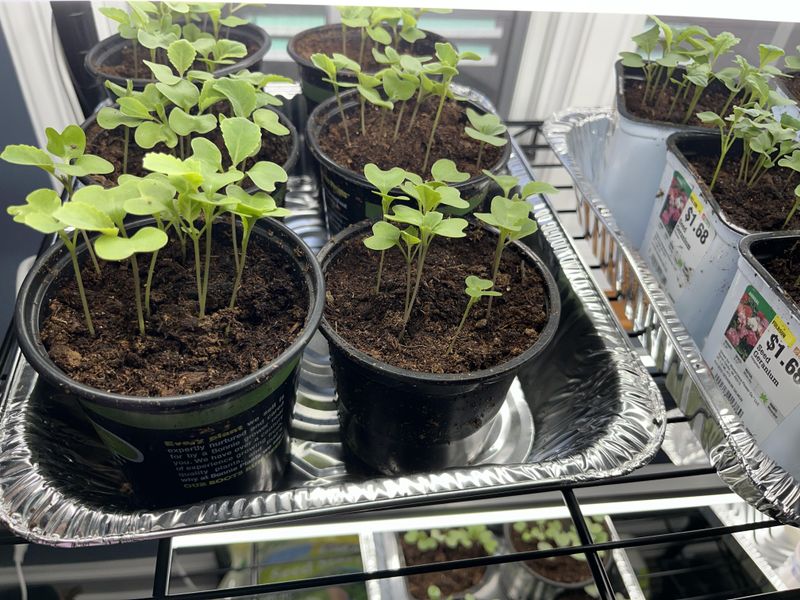
Few vegetables appreciate an early indoor start quite like cabbage. This hardy crop develops best when given extra time to establish roots before facing Michigan’s outdoor conditions.
March provides the perfect window for starting cabbage seeds indoors, allowing plants to mature during cool spring weather.
Cabbage seeds germinate quickly, usually sprouting within four to seven days when kept at temperatures around 70 degrees. Once seedlings emerge, they prefer slightly cooler conditions between 60 and 65 degrees.
A sunny windowsill or basement growing area with fluorescent lights works wonderfully for raising healthy cabbage transplants.
The beauty of starting cabbage indoors lies in the control you have over growing conditions. Young seedlings are vulnerable to pests and temperature swings outdoors, but inside your Michigan home, they can develop undisturbed.
Water seedlings from below to prevent damping-off disease, and provide good air circulation with a small fan.
Plan to transplant cabbage seedlings outside about four weeks before your last expected frost date. Michigan gardeners in the southern part of the state might transplant in mid-April, while those in northern regions should wait until early May.
Cabbage tolerates light frosts exceptionally well once established.
Starting seeds indoors in March means you’ll harvest firm, crisp heads by late June or July. Early cabbage avoids many pest problems and tastes sweeter than cabbage grown during hot weather.
The effort you invest in March pays dividends throughout summer with fresh coleslaw, sauerkraut, and stir-fries straight from your Michigan garden.
3. Cauliflower For Strong Spring Transplants
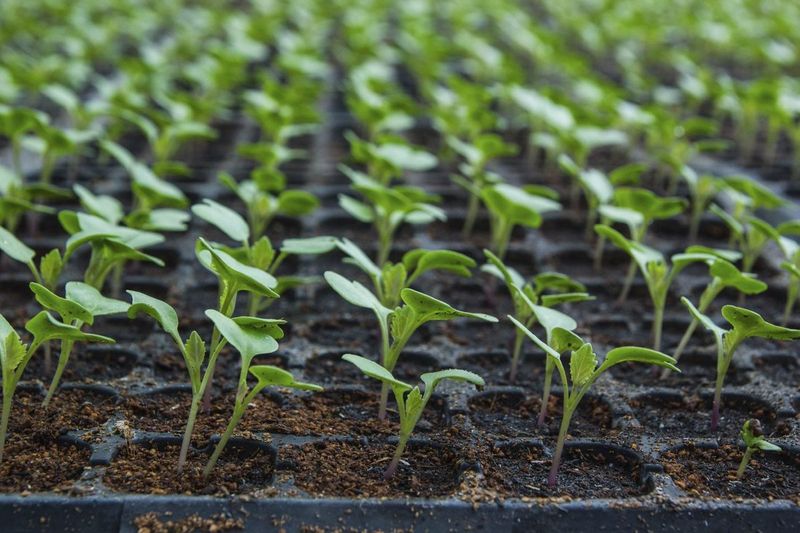
Cauliflower deserves its reputation as one of the more challenging vegetables to grow, but starting seeds indoors dramatically improves your chances of success. This cool-season crop requires a longer growing period than many gardeners realize, making March the ideal month for Michigan gardeners to begin.
Indoor starting protects vulnerable seedlings during their most critical growth phase.
Seeds germinate best at temperatures between 70 and 75 degrees, typically sprouting within five to ten days. Once seedlings appear, reduce temperatures to around 60 degrees to encourage stocky, robust growth rather than tall, leggy plants.
Cauliflower seedlings need consistent moisture and excellent drainage to thrive indoors.
Michigan’s spring weather can be unpredictable, with warm days followed by sudden cold snaps. Starting cauliflower indoors shields young plants from these fluctuations while they build strength.
Provide 14 to 16 hours of light daily, either from a sunny window or artificial grow lights positioned just inches above the seedlings.
Transplant cauliflower outside about two to four weeks before the last expected frost in your Michigan location. Plants should have three to four true leaves and sturdy stems before moving outdoors.
Harden off seedlings gradually to acclimate them to wind, direct sunlight, and temperature changes.
The payoff for your March efforts comes in early summer when you harvest beautiful white heads. Cauliflower grown from indoor-started transplants matures more reliably than direct-sown seeds because plants establish quickly in the garden.
Your patience and care during March translate directly into successful harvests throughout Michigan’s growing season.
4. Celery That Benefits From Slow Indoor Sprouting
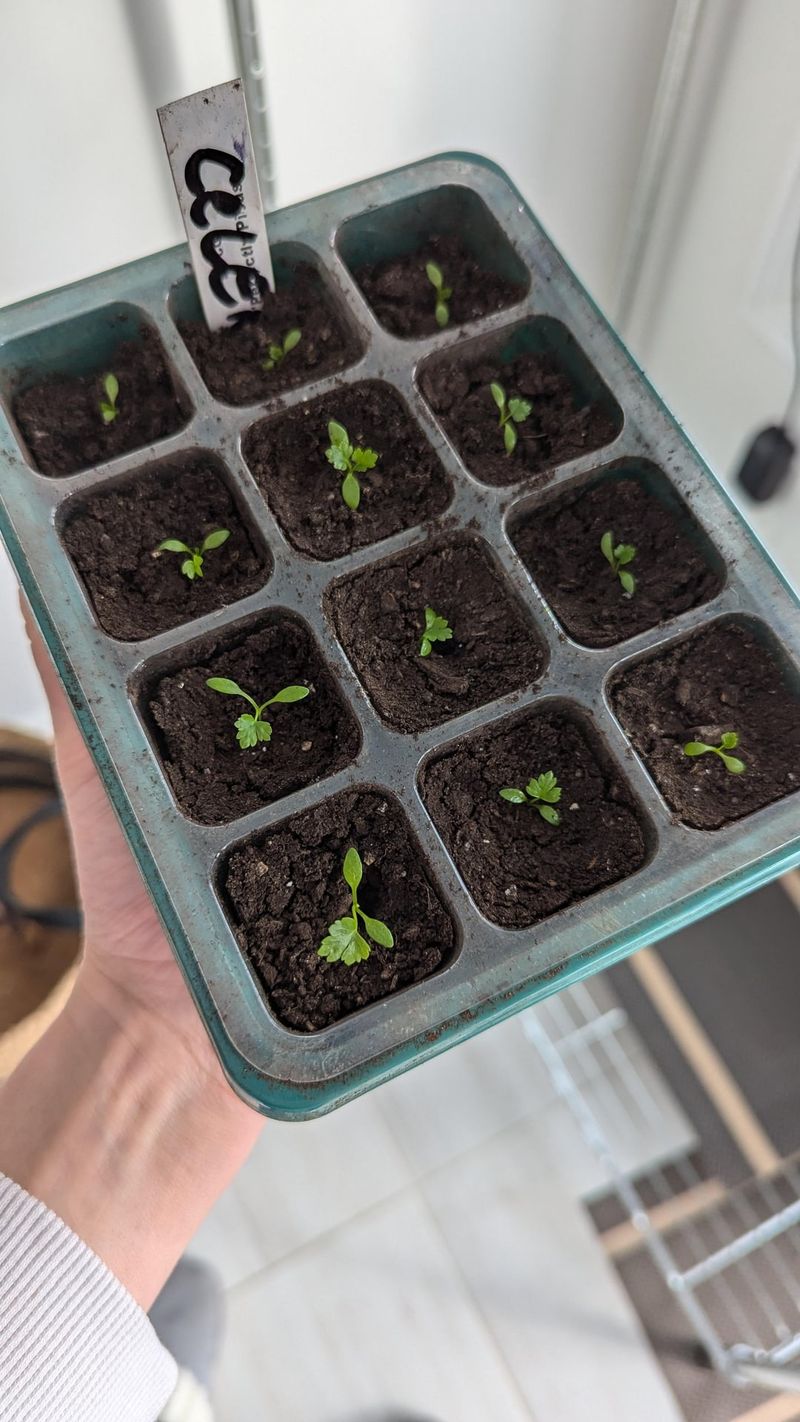
These tiny seeds can take up to three weeks to sprout, requiring extraordinary patience and consistent care. Starting celery indoors is strongly recommended in Michigan because the long growing season it needs can be difficult to achieve with direct sowing alone.
The secret to germinating celery seeds lies in maintaining steady moisture and warmth. Seeds need temperatures between 70 and 75 degrees and should never dry out during the germination period.
Many experienced Michigan gardeners soak celery seeds overnight before planting to speed up the process slightly.
Unlike many vegetables that grow quickly once established, celery remains a slow developer throughout its life cycle. Seedlings started in March won’t be ready for outdoor transplanting until late May or even early June.
This extended indoor period requires dedication, but the reward is homegrown celery with flavor that surpasses anything from the store.
Keep celery seedlings under lights for 14 to 16 hours daily, maintaining soil moisture without waterlogging. Fertilize lightly with diluted liquid fertilizer once seedlings develop their first true leaves.
Good air circulation prevents fungal problems that can plague slow-growing seedlings.
Transplant celery outdoors only after all danger of frost has passed and soil temperatures reach at least 50 degrees. In Michigan, gardeners should wait until late May in most areas before planting outdoors.
Plants need consistent water and rich soil to develop crisp, tender stalks. Starting seeds indoors in March gives celery the long growing season it requires to reach maturity before Michigan’s first fall frost arrives.
5. Lettuce For Quick And Tender Early Leaves
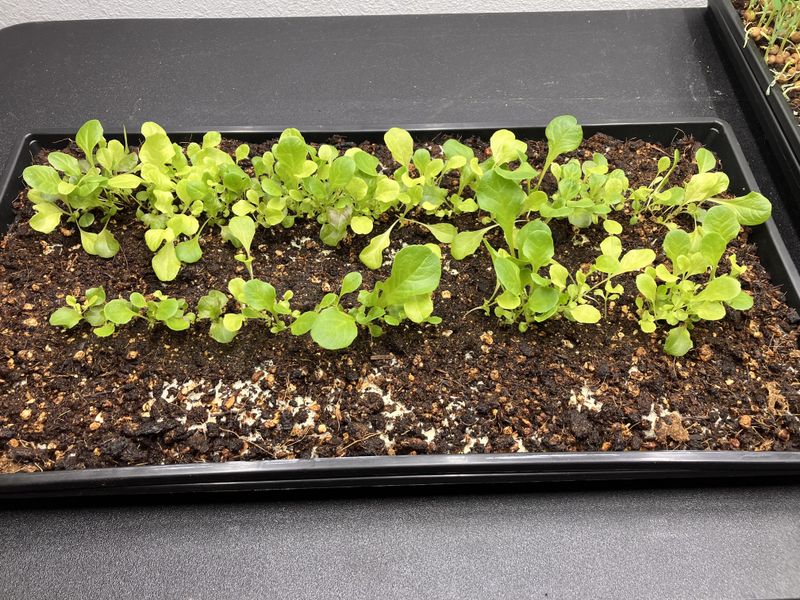
Few crops give Michigan gardeners such quick results compared to slower-growing vegetables. Lettuce seeds sprout in just three to seven days, and seedlings grow rapidly under proper conditions.
Starting lettuce indoors in March means fresh salads can be ready weeks earlier, and the tender leaves grown from transplants often taste better than many direct-sown crops.
The beauty of lettuce lies in its versatility and speed. You can start several varieties simultaneously, creating a rainbow of colors and textures for your spring salads.
Lettuce thrives in cooler temperatures, making it perfectly suited for Michigan’s unpredictable spring weather when started indoors.
Seeds germinate best at temperatures between 60 and 70 degrees. Once sprouted, lettuce seedlings prefer slightly cooler conditions around 55 to 65 degrees.
A bright windowsill works well, though grow lights ensure more uniform growth. Keep soil consistently moist, as lettuce has shallow roots that dry out quickly.
Michigan gardeners can transplant lettuce seedlings outdoors quite early, as these hardy plants tolerate light frosts without complaint. Move transplants outside in mid to late April in southern Michigan, or early May in northern regions.
Space plants according to variety, giving loose-leaf types less room than heading varieties.
Starting lettuce indoors in March provides multiple advantages beyond early harvests. Indoor-started transplants develop stronger root systems and resist bolting better than direct-sown seeds.
You’ll harvest tender, sweet leaves throughout May and June, enjoying the finest salads Michigan gardens can produce. Succession planting every two weeks ensures continuous harvests until summer heat arrives.
6. Spinach Ready To Beat The Spring Chill
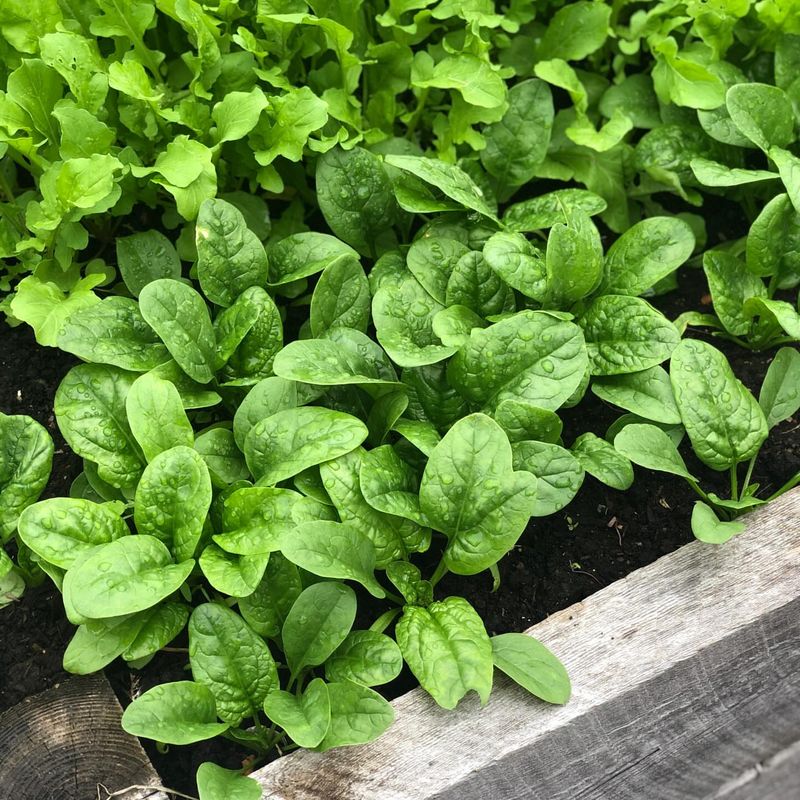
Cool temperatures make certain leafy greens a natural fit for Michigan gardeners starting seeds indoors during March. Spinach actually develops a sweeter flavor when grown in cool conditions, and indoor-started transplants often mature faster than direct-sown seeds.
Beginning indoors also gives you better control over germination and helps produce sturdier young plants ready for early spring planting.
Seeds germinate within seven to fourteen days at temperatures between 60 and 70 degrees. Spinach appreciates cooler conditions than many vegetables, so don’t worry if your growing area isn’t particularly warm.
In fact, temperatures above 75 degrees can inhibit germination, making a cool basement or unheated sunroom ideal.
Michigan’s spring weather suits spinach perfectly because this crop bolts quickly when temperatures rise above 75 degrees. By starting seeds indoors in March, you give plants time to develop before outdoor planting, maximizing your harvest window.
Spinach seedlings grow steadily indoors with adequate light and consistent moisture.
Transplant spinach outside in mid to late April, as these hardy plants tolerate frosts down to 20 degrees once established. Space plants about four to six inches apart, allowing room for leaves to develop without crowding.
In Michigan, harvests of spinach typically begin in early May and can continue through June, depending on the variety and seasonal weather conditions.
Indoor-started spinach transplants can establish more quickly in cool soil, which may support steady early growth compared to some direct-sown plantings. You’ll harvest tender, flavorful leaves perfect for salads, smoothies, and cooking.
Starting seeds indoors in March ensures you maximize Michigan’s perfect spinach-growing weather before summer heat arrives and plants bolt.
7. Onions That Need Extra Time To Bulk Up
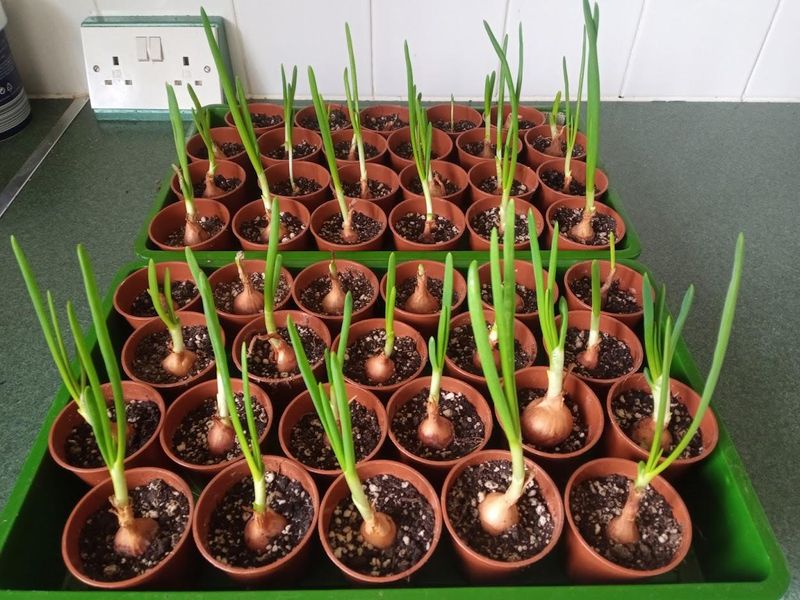
Few vegetables demand as long a growing season as onions, which is why timing matters so much in Michigan. Starting seeds indoors in March is often the most reliable approach for Michigan gardeners who want full-sized onions by harvest time.
These bulbs typically need four to five months to reach maturity, and beginning from seed also opens the door to varieties that are not commonly sold as sets. Plants grown from seed indoors often develop into larger bulbs and tend to store better than many grown from sets.
Seeds germinate slowly, taking seven to fourteen days to sprout at temperatures between 65 and 75 degrees. Onion seedlings look like tiny blades of grass and grow slowly during their first weeks.
Don’t let their delicate appearance fool you – these seedlings are tougher than they look and transplant successfully when handled carefully.
Michigan’s climate presents challenges for onion growers because bulb formation depends on day length. Long-day onion varieties suit our northern location best, beginning to form bulbs when days reach 14 to 16 hours of light.
Starting seeds indoors in March allows plants to develop strong root systems and foliage before triggering bulb formation.
Keep seedlings under lights for 12 to 14 hours daily, trimming tops to about three inches tall to encourage stronger growth. Water consistently but avoid overwatering, as onion seedlings are susceptible to damping-off disease.
Transplant outside in late April or early May, spacing plants four to six inches apart.
The effort invested in starting onions from seed pays off with larger bulbs and better storage quality than sets provide. You’ll harvest onions in late July or August, after tops fall over naturally.
Properly cured onions from indoor-started seedlings store throughout winter, providing Michigan gardens with homegrown flavor year-round.
8. Leeks That Grow Better With An Early Start
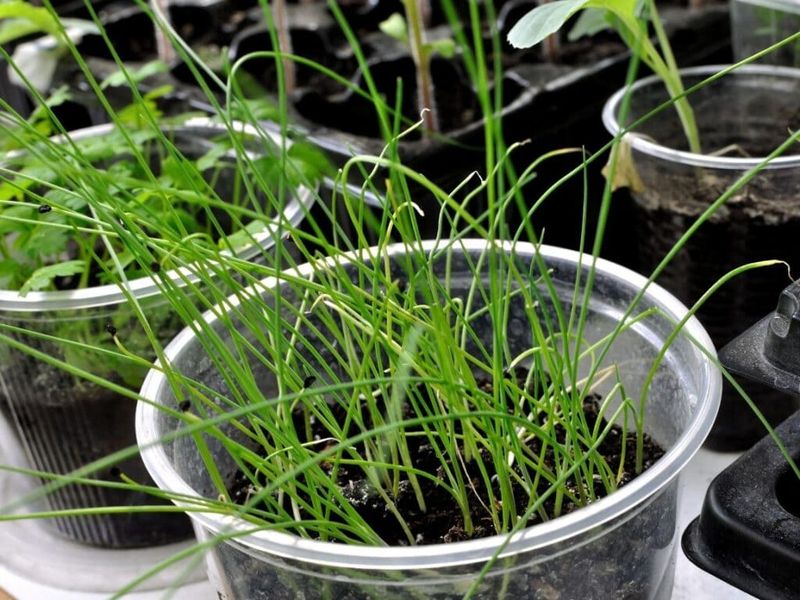
Leeks represent the ultimate test of patience for Michigan gardeners, requiring an even longer growing season than onions. These mild-flavored alliums need 120 to 150 days to reach harvestable size, making March the latest you should start seeds indoors.
Starting leeks from seed gives you access to a wider range of varieties and may reduce costs compared to purchasing transplants.
Germination takes ten to fourteen days at temperatures between 65 and 75 degrees. Leek seedlings emerge looking like thin grass blades, growing slowly but steadily under proper care.
They require consistent moisture and good light to develop into sturdy transplants ready for Michigan’s outdoor conditions.
The advantage of starting leeks indoors extends beyond just getting a head start on the season. Indoor-grown seedlings develop stronger root systems and adapt better to transplanting than direct-sown seeds.
Michigan’s unpredictable spring weather can hamper direct-sown leeks, while indoor-started transplants establish quickly and grow vigorously.
Provide 14 to 16 hours of light daily, keeping soil moist but well-drained. Leek seedlings benefit from light fertilization every two weeks once they develop true leaves.
Transplant outside in late May or early June, spacing plants six inches apart in trenches for easier blanching later.
Harvest leeks from September through November, or even later if you mulch heavily for winter storage in the garden. Michigan gardeners who start leeks indoors in March enjoy months of harvests from a single planting.
The sweet, mild flavor of homegrown leeks surpasses anything available in stores, making the long growing season worthwhile for patient gardeners willing to start seeds early.