Seeds Michigan Gardeners Should Wait To Start Until April
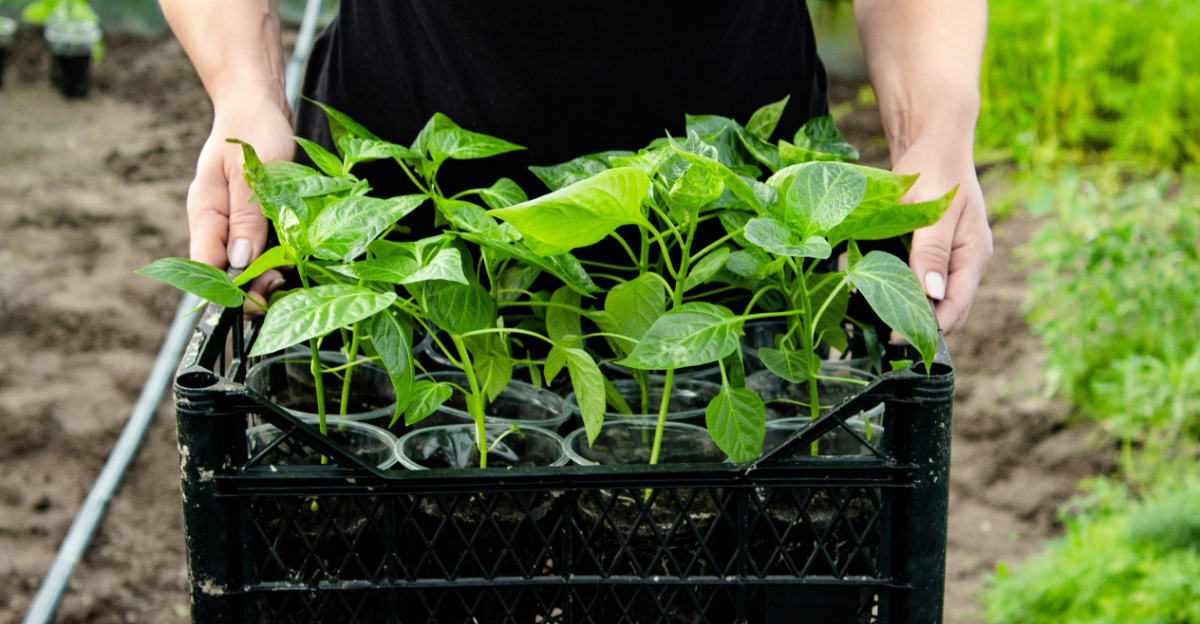
March in Michigan often tempts gardeners to rush into planting. You can feel it in the air: the sun stays higher, snow melts faster, and the first signs of green peek through the garden beds.
After months of planning, the urge to sow seeds early is strong, especially when you’ve waited through long winters and dreamed of fresh vegetables on your table.
Some seeds are sensitive to cold soil or late frost, and planting too early can harm the young sprouts before they get established.
Waiting until April gives the soil time to warm and ensures that tender crops like tomatoes, peppers, and eggplant have the conditions they need to flourish.
Once the calendar hits that safe window, you’ll have the perfect opportunity to start seeds with confidence, seeing healthy, vigorous plants develop right before your eyes.
1. Tomatoes Bursting With Summer Flavor
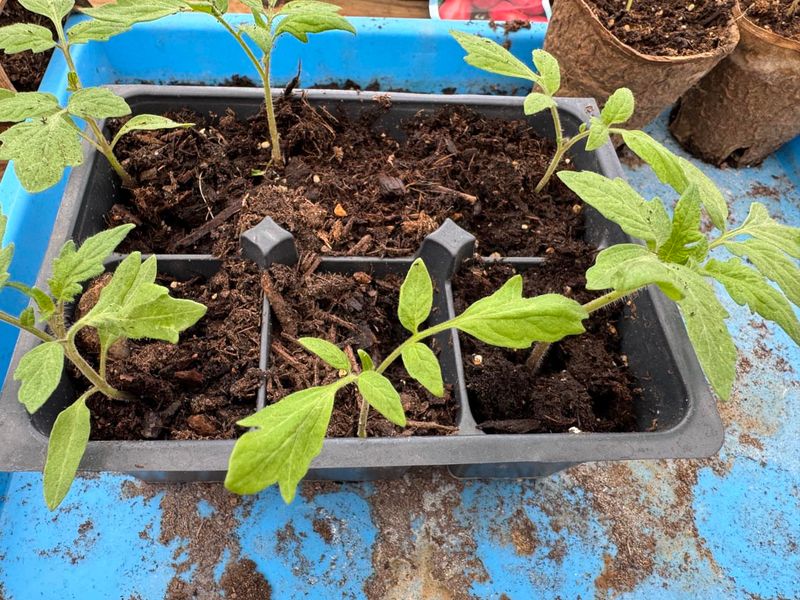
Few vegetables get Michigan gardeners more excited than tomatoes, and it’s easy to understand why. A sun-ripened tomato fresh from your own backyard is hard to beat.
But here’s where a lot of people go wrong: they start their tomato seeds way too early, sometimes as far back as January or February, and end up with tall, floppy seedlings that are stressed out before they ever touch garden soil.
Tomatoes need 6 to 8 weeks of indoor growing time before they’re ready to go outside. With most of Michigan’s last frost dates falling around May 15 in the south and even later up north, starting your tomato seeds in early to mid-April puts you right on track.
Starting them in April can help produce compact, sturdy seedlings that are better prepared for transplanting, though results may vary.
One smart tip is to use a heat mat under your seed trays, since tomato seeds germinate best when the soil temperature stays around 70 to 80 degrees Fahrenheit. Good lighting matters just as much.
A sunny south-facing window or a grow light set to run for 14 to 16 hours a day will keep your seedlings from stretching toward the light and getting weak. Michigan’s short growing season favors careful planning, and starting tomatoes in April generally gives seedlings a better chance to develop before transplanting.
2. Peppers Packing Heat And Color
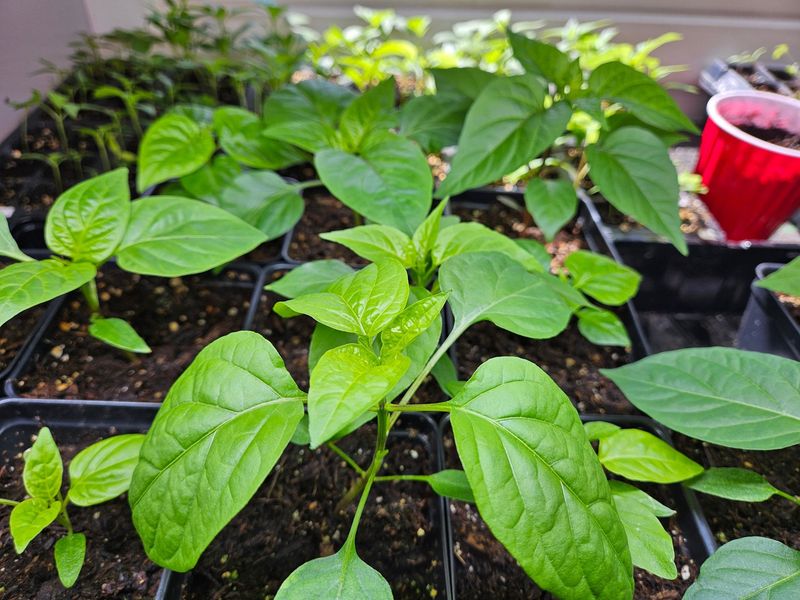
Among garden crops, peppers look easy but can surprise even experienced gardeners. They’re slower to germinate than most vegetables, and they love warmth more than almost anything else in the garden.
Starting pepper seeds too early in Michigan often leads to plants that sit in pots for too long and get rootbound, which stunts their growth once they’re finally transplanted outdoors.
The general recommendation is to start peppers 8 to 10 weeks before your last frost date. For gardeners in southern Michigan with a last frost around May 15, that math points to starting seeds in early to mid-April as a solid window.
If you’re in the Upper Peninsula where frost can linger into early June, you’ll want to time things accordingly and might even push your start date a little later in April.
Pepper seeds need soil temperatures of at least 75 to 85 degrees Fahrenheit to germinate well, so a heat mat is practically a must-have. Without consistent warmth, germination can be slow and uneven.
Once your seedlings sprout, give them plenty of bright light to build strong stems. Many Michigan gardeners find that starting peppers in April rather than February can result in healthier plants, though productivity depends on growing conditions.
Patience with this crop truly pays off, and your harvest of sweet bells or spicy jalapenos will be worth every careful step.
3. Eggplant Turning Heads In The Garden
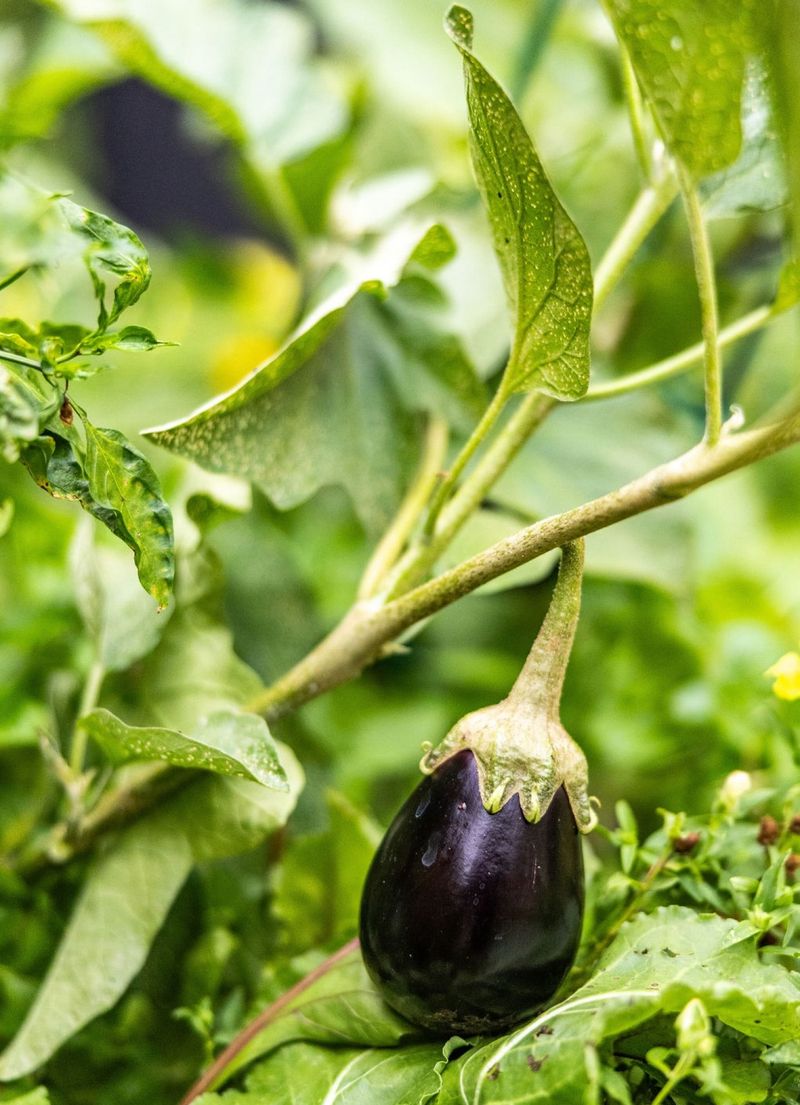
Often overlooked by Michigan gardeners, eggplant becomes a favorite for those who give it a try. Whether you’re making baba ganoush, grilling slices for a summer cookout, or adding it to a stir-fry, homegrown eggplant has a richness that store-bought versions just can’t match.
Getting the timing right, though, is absolutely critical for this warm-loving crop in Michigan’s climate.
Like peppers, eggplant seeds should be started 8 to 10 weeks before the last frost date. That lines up with an April start for most of southern Michigan.
Eggplant is even more sensitive to cold than tomatoes or peppers, so rushing it outdoors before the soil and air have warmed up is a recipe for a plant that just sits there looking sad for weeks.
Germination can be a little slow with eggplant, sometimes taking 10 to 14 days even under ideal conditions. Keeping your seed trays on a heat mat and covering them with a plastic dome to hold in moisture speeds things up noticeably.
Once seedlings emerge, strong light becomes the priority. Thin, spindly eggplant seedlings won’t perform well in the garden, so investing in a good grow light setup pays off.
Michigan’s warm summers can support a good eggplant harvest when seedlings are started at the right time, though results vary by site and care. April is generally a good time to start eggplant seeds in Michigan, depending on your local frost dates.
4. Cucumbers With Cool, Crisp Crunch
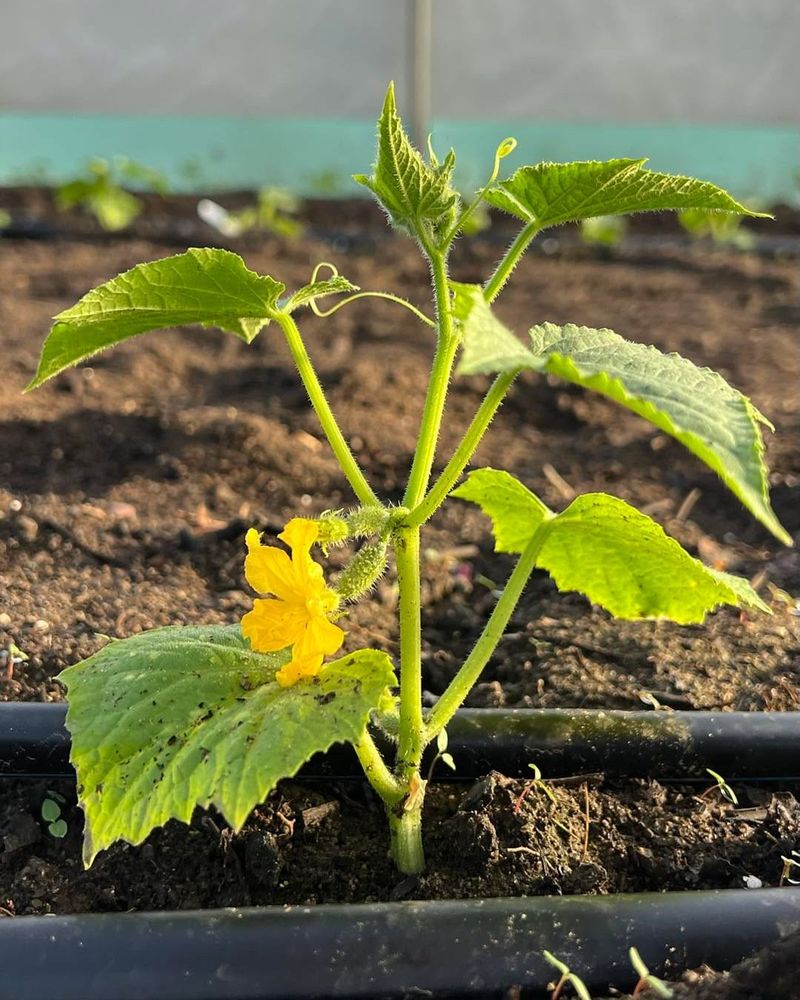
In Michigan gardens, cucumbers grow fast, making it wise to hold off planting until April. Unlike tomatoes or peppers that need a long indoor runway, cucumbers only need about 3 to 4 weeks of indoor growing time before they’re ready for the garden.
Start them too early and you’ll have big, sprawling plants with nowhere to go, cramped in pots and getting increasingly unhappy.
One of the best tricks with cucumbers is to start them in biodegradable pots like peat or coir containers. Cucumbers have sensitive roots and really don’t enjoy being disturbed at transplant time.
Using pots you can plant directly into the ground keeps root disturbance to a minimum and gives your plants a smoother transition into Michigan’s outdoor garden beds.
Cucumbers thrive in warm soil, ideally above 60 degrees Fahrenheit at planting time. In Michigan, that usually means late May to early June for outdoor transplanting, which puts your indoor start date squarely in late April.
Direct sowing into the garden once soil has warmed is also a completely valid option for cucumbers, and many experienced Michigan gardeners actually prefer it. However, if you want a slight head start on the season, starting seeds indoors in the last two weeks of April gives you a nice advantage without the downsides of overgrown seedlings.
Either way, keeping them warm and well-watered can help cucumbers grow well and produce a good harvest, though results depend on conditions.
5. Squash Producing Nonstop Bounty
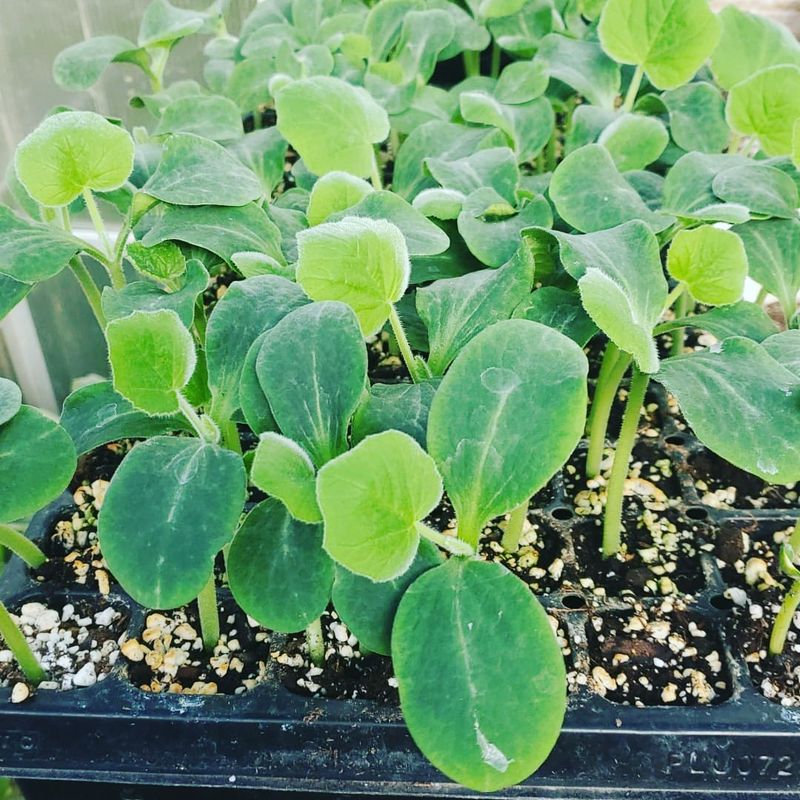
Ask any Michigan gardener who has grown zucchini and they’ll probably laugh and tell you they ended up with way more squash than they bargained for. Squash is incredibly productive, and it’s also one of those vegetables that really doesn’t need much of a head start indoors.
Starting squash seeds too early is one of the most common beginner mistakes made by gardeners across Michigan every spring.
Squash seeds only need 2 to 4 weeks of indoor growing time, which means an April start is just right for most Michigan growing zones. If you start squash in February or early March, you’ll end up with enormous plants in tiny pots that are stressed and rootbound by the time it’s safe to transplant.
That stress can reduce productivity and make plants more vulnerable to pests and disease once they’re in the ground.
Just like cucumbers, squash plants are sensitive to root disturbance, so starting them in individual biodegradable pots is a smart move. Plant one or two seeds per pot, then thin to the strongest seedling after they sprout.
Squash loves heat, so wait until Michigan’s outdoor soil temperature reaches at least 60 degrees before transplanting. In most parts of the state, that’s late May or early June.
Starting your squash seeds in late April helps produce well-sized transplants, which can support productive growth during Michigan’s summer, though results vary.
6. Melons Bringing Sweet, Juicy Delight
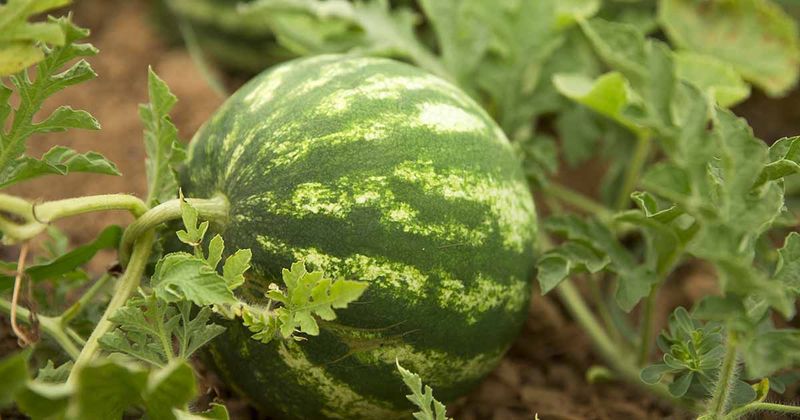
Growing melons in Michigan might sound ambitious, but it’s absolutely doable with smart planning. Watermelons, cantaloupes, and honeydews all need a long, warm growing season, and Michigan’s summers can get plenty hot enough to ripen them beautifully, as long as you give them the right start.
The key is knowing that melons, like squash and cucumbers, grow fast and don’t need a long indoor period.
Starting melon seeds indoors 3 to 4 weeks before transplanting is all the head start they need. With Michigan’s outdoor planting window opening up in late May or early June once frost danger has passed, that puts your indoor seed starting date right in late April.
Starting melons earlier than that leads to the same problems as squash: large, rootbound plants that struggle to adapt when moved outdoors.
Melons are especially sensitive to cold soil. Transplanting into soil below 65 degrees Fahrenheit can stunt their growth significantly, so patience is key for Michigan gardeners working with this crop.
Using black plastic mulch in your garden beds helps warm the soil faster and can extend your effective growing season in cooler parts of the state. Choose shorter-season melon varieties specifically bred for northern climates, as these are more likely to fully ripen before Michigan’s first fall frost arrives.
With the right variety and an April seed start, you can grow melons successfully in Michigan, though outcomes depend on soil, weather, and care.
7. Beans Climbing High For Long Harvests
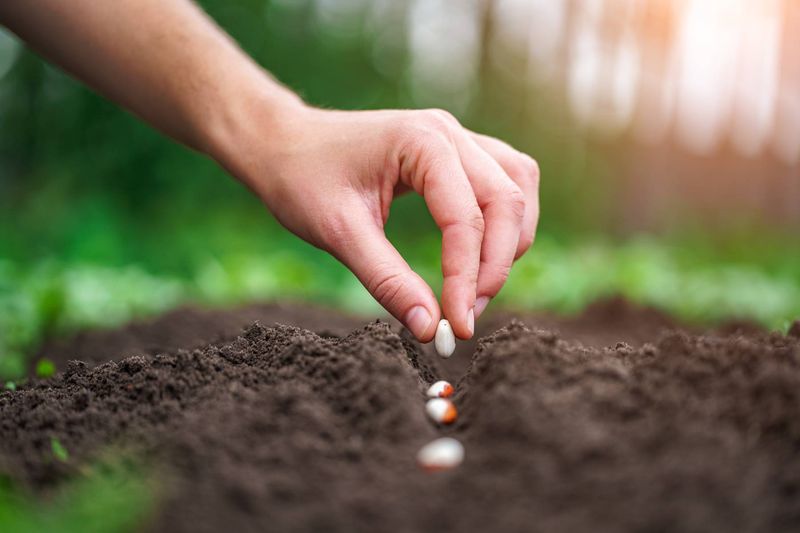
Beans are one of the easiest vegetables to grow, and they come with a simple rule that Michigan gardeners should keep in mind: beans really, really don’t like to be transplanted. They’re one of those crops that strongly prefers to be direct-sown right into garden soil where they’ll grow.
So why are they on this list? Because some gardeners do choose to start them indoors briefly, and if that’s your plan, April is the earliest you should even consider it.
Bush beans and pole beans both germinate quickly, usually within 7 to 10 days in warm conditions, and they grow fast. Starting them indoors more than 2 to 3 weeks before your outdoor planting date causes plants to outgrow their pots and suffer during transplanting.
For most of Michigan, outdoor bean planting happens in late May after frost danger is gone and soil has warmed above 60 degrees.
If you’re in southern Michigan with a last frost around late April to early May, you could start beans indoors in the last week of April in individual pots to minimize root disturbance. But honestly, direct sowing beans into warm garden soil in late May is the most reliable method for Michigan gardeners and produces results just as good, if not better, than transplants.
Beans planted directly into the ground generally catch up with transplanted ones fairly quickly, so indoor starting is usually not needed for most backyard growers.
8. Corn Standing Tall With Golden Ears
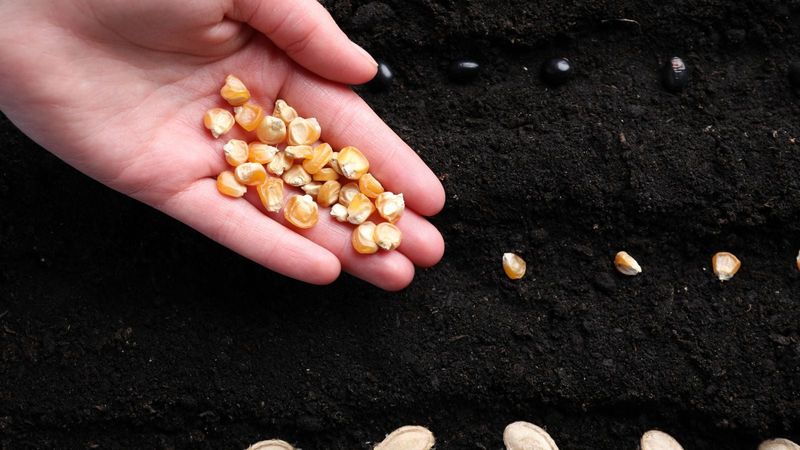
Sweet corn is a summertime staple that Michigan gardeners take seriously. There’s nothing quite like walking out to your garden and picking a fresh ear of corn for dinner.
But corn is another crop that is almost always better off direct-sown into the garden rather than started indoors, and it’s one that many beginners try to get a jump on way too early.
Corn has a tap root system that does not appreciate being disturbed at transplant time. Starting it indoors too early leads to tall, floppy seedlings that are hard to handle and often struggle after being moved to the garden.
If you do choose to start corn indoors in Michigan, do so no more than 2 to 3 weeks before your planned outdoor planting date, and use individual deep pots to give roots room to develop without circling.
For most Michigan gardeners, that means starting corn indoors no earlier than late April at the very earliest, with an outdoor planting target of late May once soil temperatures reach a consistent 60 degrees or warmer. Corn is a warm-season crop that flat-out refuses to perform well in cold soil, and Michigan’s spring soil can stay cold longer than you’d expect, especially in northern parts of the state.
Planting in blocks rather than rows also improves pollination and leads to better ear development. Starting it in April and planting under proper conditions can help produce a good corn harvest in Michigan, though results depend on weather and care.