7 Seeds To Start During A Waxing Moon In Oregon For Stronger Garden Growth
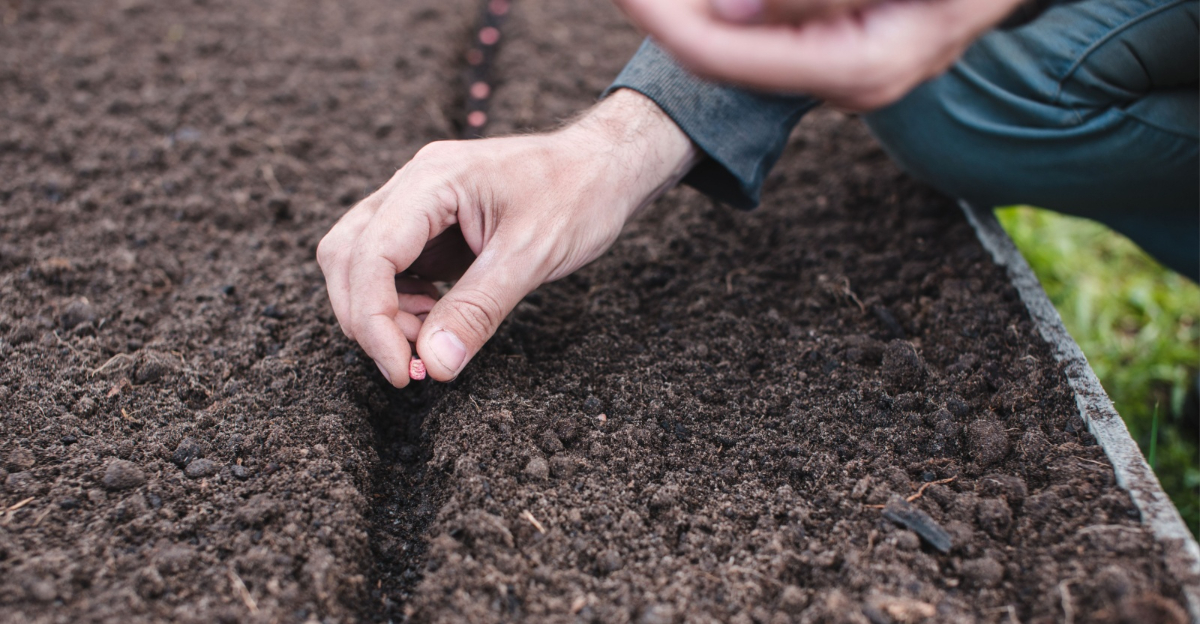
Timing can shape the entire rhythm of a garden, and many Oregon growers pay close attention to more than just the weather when deciding when to plant. A waxing moon, marked by increasing light each night, is often associated with stronger above-ground growth and is commonly used as a guide for sowing leafy greens and tender crops.
While scientific evidence on lunar planting remains limited, the practice continues to be part of traditional gardening routines across many regions. That approach pairs naturally with Oregon’s cool, moisture-rich growing seasons, especially in early spring when soil stays evenly damp and supports steady germination.
Temperature, soil condition, and crop selection still play the biggest role, but timing can influence how smoothly seeds establish. Across Oregon, small shifts in planting windows often lead to noticeable differences in how evenly crops emerge.
Choosing the right seeds for the right moment, especially during a waxing phase, can help support steady early growth and a more productive garden overall.
1. Lettuce
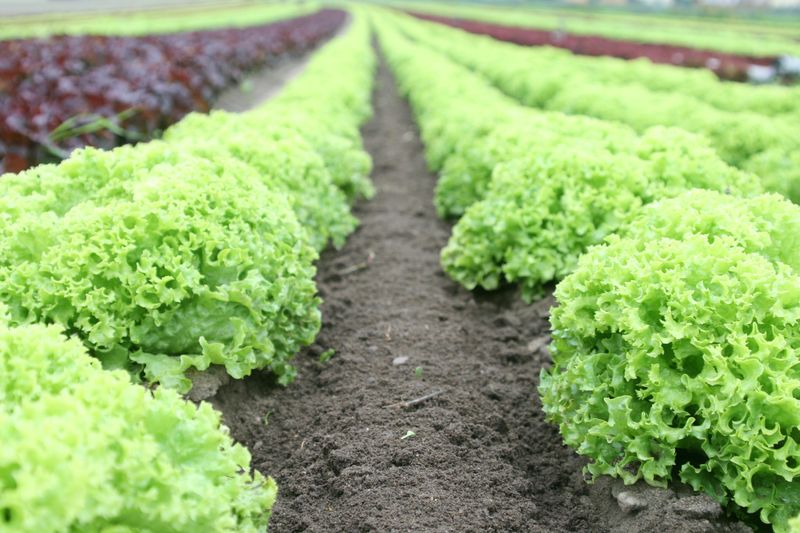
Fresh, crisp leaves within reach tend to make any garden feel more rewarding, and Oregon’s mild climate supports lettuce exceptionally well. A waxing moon planting window is often chosen for leafy greens like this, as traditional gardening practices associate this phase with upward growth.
In the Willamette Valley, sowing can begin as early as late February once the soil becomes workable. Cooler regions, including higher elevations and eastern parts of Oregon, may need a few extra weeks.
Loose-leaf varieties such as Black Seeded Simpson and Red Sails adapt well to shifting spring conditions and tend to establish quickly.
Seeds should be planted about a quarter-inch deep in loose, compost-rich soil with a pH between 6.0 and 7.0. Consistent moisture plays a major role in keeping leaves tender and mild in flavor, while dry conditions can lead to bitterness as temperatures rise.
Mulching helps maintain even soil moisture and protects shallow roots from warming too quickly during unexpected warm spells. With steady care and well-timed planting, lettuce often produces reliable harvests throughout Oregon’s cooler seasons.
Gardeners in western Oregon often benefit from longer cool periods that allow for repeated sowings into spring and again in early fall. In contrast, eastern Oregon’s drier climate and wider temperature swings may call for earlier planting and more frequent watering.
Higher elevation areas can see delayed planting windows due to lingering frost, so tracking soil temperature and frost dates helps avoid setbacks. Row covers can also support more consistent early growth in cooler regions.
2. Spinach
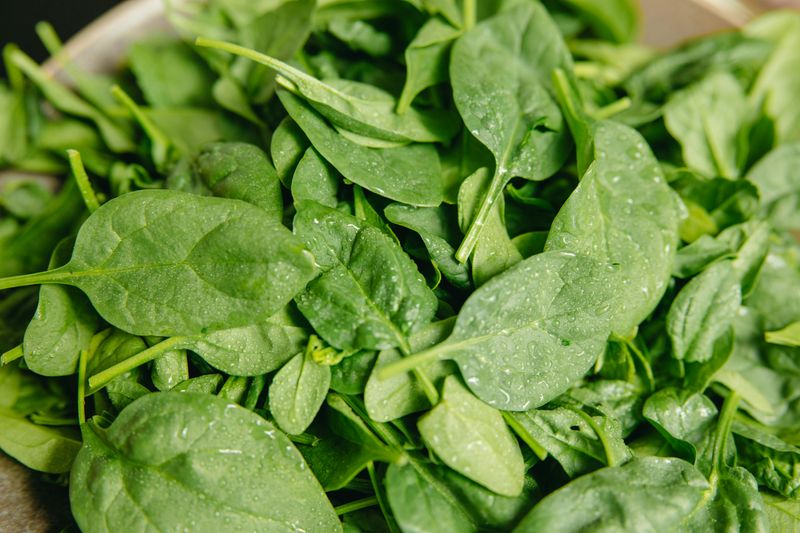
Cool air and moist soil create the kind of environment spinach prefers, which explains why it performs so reliably across much of Oregon. Many gardeners choose waxing moon periods for sowing leafy crops, following traditional planting calendars that emphasize above-ground growth.
Early March works well for planting in the Willamette Valley, while coastal areas often provide a longer growing window thanks to milder conditions. Varieties like Bloomsdale Long Standing and Tyee are widely chosen because they handle shifting spring temperatures and show good resistance to bolting.
Seeds are typically sown about half an inch deep and spaced a few inches apart in fertile, well-drained soil with a near-neutral pH. Adding compost before planting helps support steady early development.
Consistent watering keeps leaves tender, while overly saturated soil can slow growth, especially in heavier soils. Thinning seedlings after emergence gives each plant enough space to mature fully.
With proper timing and care, spinach can produce a steady harvest before warmer temperatures set in.
Coastal Oregon’s moderate climate often allows for an extended growing season, while inland valleys may warm more quickly and increase the risk of bolting. In eastern Oregon, cooler nights support early growth, though drier conditions make regular irrigation more important.
Succession planting every couple of weeks helps maintain a consistent harvest, especially in areas where spring conditions change quickly.
3. Carrots

Getting carrots off to a strong start depends heavily on careful soil preparation and a bit of patience. Although they are root crops, some gardeners still include them in waxing moon planting schedules as part of traditional practices, even though most growth develops below ground.
Spring planting typically begins in April in the Willamette Valley, with slightly earlier sowing possible in coastal regions. Nantes and Danvers varieties tend to perform well in Oregon soils, especially where conditions are not perfectly loose.
Seeds should be sown shallowly, around a quarter-inch deep, in finely prepared soil free of rocks and clumps. Germination takes place below the surface, with the first visible growth appearing as shoots push upward through the soil.
Maintaining consistent surface moisture is essential, since carrot seeds can take up to three weeks to sprout. Uneven watering may lead to patchy emergence and uneven spacing.
Loose, well-worked soil extending several inches deep supports straight, even root development. With steady moisture and proper preparation, carrots can establish reliably and develop with good consistency.
Heavier soils in parts of the Willamette Valley often benefit from raised beds or added organic matter to improve structure. Coastal regions with naturally sandy soil may produce more uniform roots, while eastern Oregon gardeners often need to focus on consistent irrigation due to lower rainfall.
Lightly covering rows after sowing can help retain moisture and improve germination across all regions.
4. Radishes
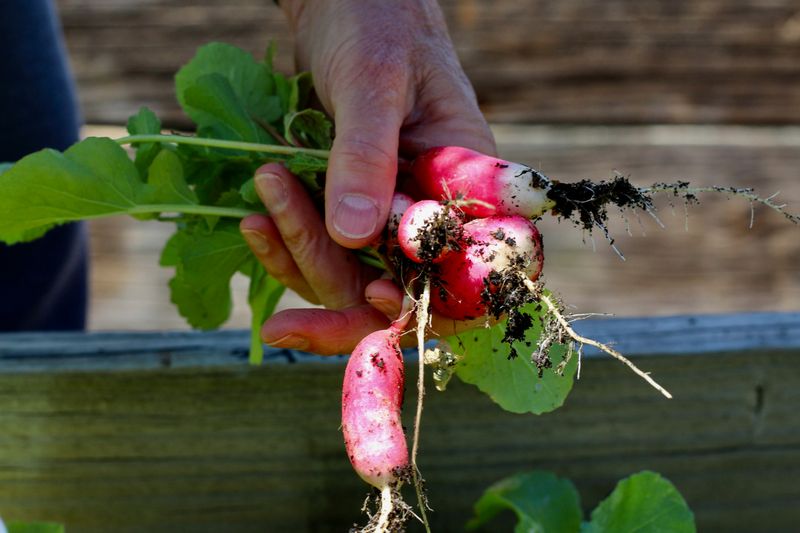
Quick results tend to make radishes a favorite, especially when early-season progress feels slow. Their rapid growth makes them a natural fit for planting windows tied to waxing moon traditions, which are often associated with active early development.
Late February through March works well for sowing in many low-elevation parts of Oregon, where cool, moist conditions support steady germination. The Willamette Valley, in particular, offers an ideal environment during early spring.
Popular varieties like Cherry Belle and French Breakfast adapt well to these conditions and mature quickly. Seeds are usually planted about half an inch deep and spaced closely, with thinning needed once seedlings emerge to prevent crowding.
Loose, well-drained soil supports proper root formation, while compacted soil can lead to uneven shapes. Consistent moisture helps maintain a crisp texture and mild flavor throughout the growing period.
Harvest timing plays an important role with radishes. Leaving them in the ground too long can reduce quality and affect taste.
With proper timing and care, they provide one of the fastest and most rewarding harvests in an Oregon garden.
Mild coastal conditions allow for nearly continuous planting during cooler months, while inland regions often rely on shorter spring and fall windows. In eastern Oregon, faster soil drying can affect root quality, so steady watering becomes especially important.
Their quick turnaround also makes radishes useful for filling gaps between slower-growing crops, particularly in areas with shorter growing seasons.
5. Peas
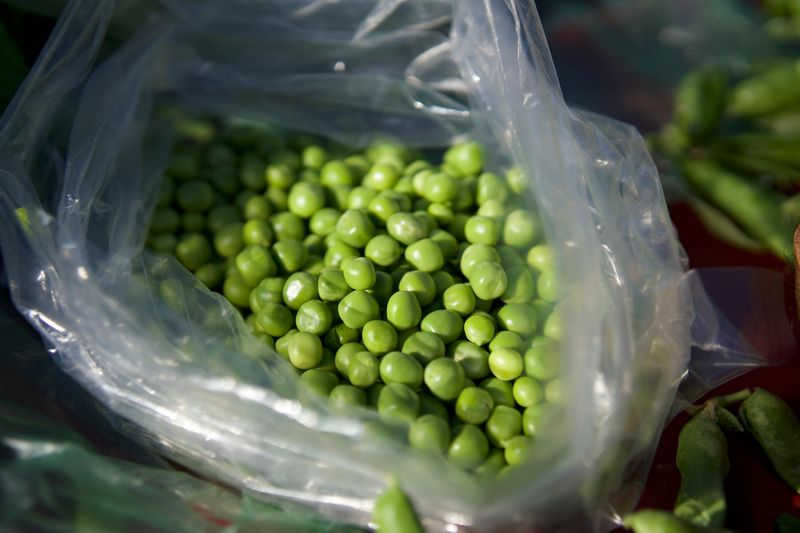
Cool, damp conditions across much of Oregon create an excellent setting for growing peas. Their reliable early-season performance makes them a popular choice for gardeners planning around both weather patterns and traditional planting calendars.
Sowing often begins in late February or early March in the Willamette Valley, once soil temperatures reach about 40 degrees Fahrenheit. Seeds are generally planted one inch deep and spaced a few inches apart to allow proper development.
Varieties such as Sugar Snap and Oregon Sugar Pod have proven dependable in the region and adapt well to local conditions. Setting up support at planting time helps guide climbing vines and prevents root disturbance later in the season.
Peas contribute to soil health by fixing nitrogen, which can support crops planted afterward. They grow best in well-drained soil with moderate fertility and typically do not require heavy feeding.
Regular watering supports steady growth, while overly saturated soil can slow development. Frequent harvesting helps maintain production through the season, making peas a dependable early crop.
Western Oregon’s steady spring moisture encourages strong early growth, while eastern regions often need supplemental irrigation as plants mature. Coastal gardeners may enjoy longer harvest periods due to milder temperatures, whereas warmer inland valleys sometimes see production taper off sooner.
Planting in slightly raised rows can improve drainage in wetter areas and help reduce the risk of root problems.
6. Beets
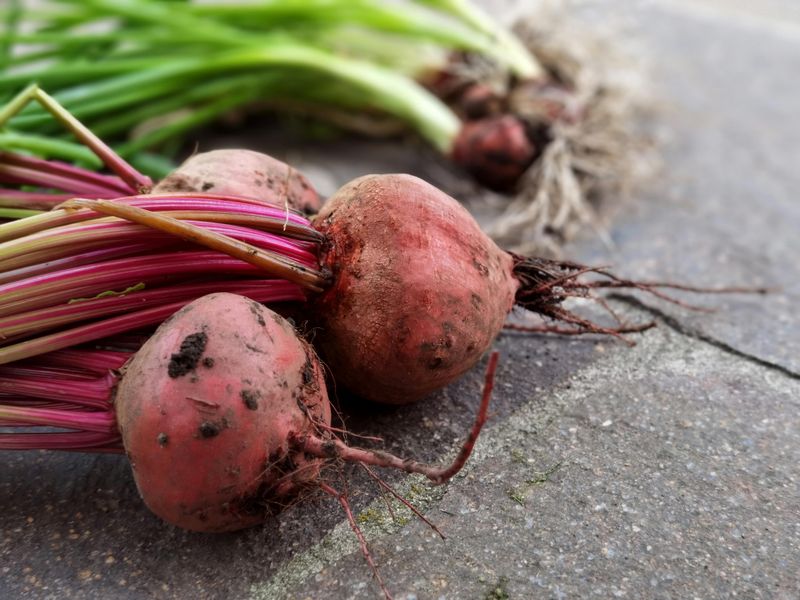
Dual-purpose crops tend to earn their place quickly, and beets provide both edible roots and tender greens from a single planting. Although commonly grouped with root vegetables, some gardeners include them in waxing moon schedules based on traditional timing practices.
In Oregon, sowing usually begins in late March or early April once soil temperatures reach about 50 degrees Fahrenheit. Seeds are planted roughly half an inch deep in loose, well-prepared soil that allows for proper root expansion.
Each seed cluster contains multiple embryos, so thinning becomes essential once seedlings emerge. Giving plants adequate space helps roots develop evenly and reduces crowding below the surface.
Soil with a pH between 6.0 and 7.0 and moderate organic matter supports steady development. Fresh manure is typically avoided, as it can interfere with root shape and texture.
Consistent moisture during early growth encourages even establishment. Mulching can help stabilize soil temperature and retain moisture during Oregon’s unpredictable spring weather.
Western Oregon’s naturally moist conditions often support smooth root development, while eastern regions may require more frequent irrigation to prevent uneven texture. Coastal climates can allow for extended harvest periods, supporting both spring and fall plantings.
In colder or higher-elevation areas, lightweight row covers can slightly warm the soil and promote more uniform germination.
7. Swiss Chard

Colorful stems and steady growth habits make Swiss chard stand out in any garden bed. Its ability to tolerate a broad range of temperatures gives it an advantage across Oregon’s shifting seasonal patterns.
Leafy crops like chard are often included in waxing moon planting schedules, following traditional methods that emphasize above-ground development.
Planting typically begins in April in the Willamette Valley, while coastal areas may offer longer growing windows due to moderate temperatures. Seeds are usually sown about half an inch deep and spaced a few inches apart before thinning to allow proper airflow and root development.
Chard performs best in fertile, well-drained soil with a pH close to neutral. Steady watering supports consistent leaf production, particularly as temperatures begin to rise.
Harvesting outer leaves encourages continued growth from the center, extending the productive period well into the season. With regular care, plants can remain productive beyond early spring.
Swiss chard adapts well to both coastal and inland gardens. Western regions often enjoy longer harvest windows, while eastern Oregon’s stronger summer sun can make light afternoon shade helpful.
Consistent moisture remains important statewide, especially during warmer stretches when growth can slow without adequate irrigation.
8. Arugula
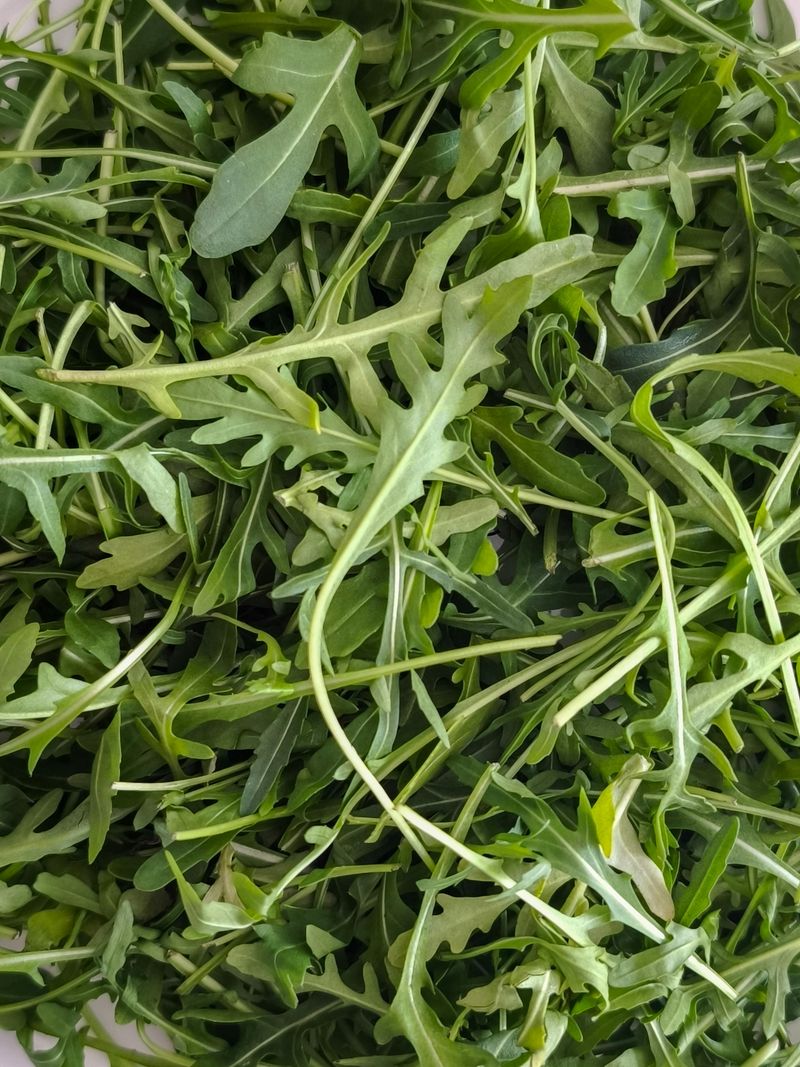
A quick-growing leafy green with a distinctive flavor, arugula fits naturally into Oregon’s cool-season planting windows. Many gardeners include it in waxing moon schedules, following traditional timing that emphasizes leafy, above-ground growth.
Early spring planting can begin as soon as soil becomes workable in western Oregon, often in late February or March. Gardeners in higher elevations or eastern regions may need to wait a bit longer due to colder nights and slower soil warming.
Seeds are sown shallowly in loose, well-drained soil enriched with compost. Thinning seedlings early improves airflow and gives plants enough space to develop full, tender leaves.
Mild temperatures help maintain a smoother flavor, while warmer weather can intensify its natural peppery bite. Consistent watering supports steady growth and helps preserve leaf quality.
Providing light afternoon shade can extend the harvest window as temperatures climb. With its rapid maturity and adaptability, arugula offers dependable harvests throughout Oregon’s cooler growing periods.
Coastal areas often allow for extended planting thanks to moderate conditions, while inland valleys may require added shade as spring transitions into warmer weather. In eastern Oregon, lower rainfall means soil moisture should be monitored closely.
Smaller, staggered sowings every couple of weeks help maintain a steady harvest, particularly in regions where temperature shifts occur quickly.