11 Self Seeding Flowers That Bring Continuous Seasonal Color To North Carolina Gardens
There is something magical about a garden that seems to grow itself. Many North Carolina gardeners love the surprise of flowers popping up in new spots each year without any extra planting.
Self seeding flowers quietly drop their seeds, rest through the seasons, and return stronger when conditions are right. The result is a garden that feels alive, natural, and constantly changing.
Instead of starting from scratch each spring, you get waves of color that appear almost effortlessly. These hardy bloomers handle North Carolina’s shifting weather with ease, from cool early spring days to warm, humid summers and crisp fall mornings.
They spread gently over time, filling sunny beds, softening borders, and even brightening quiet shaded corners. With the right choices, your garden can become more colorful, more full, and far easier to maintain, all while saving time, effort, and money year after year.
1. Calendula (Calendula officinalis)
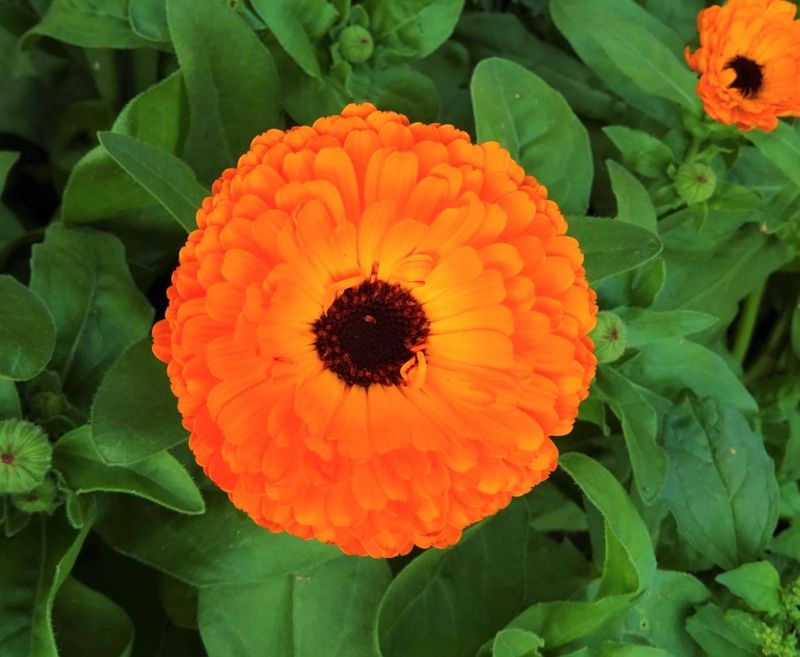
Calendula brings cheerful sunshine to gardens with its bold orange and golden petals. This hardy annual thrives in North Carolina’s climate and blooms from spring straight through fall.
Gardeners love how easily it reseeds itself, popping up in unexpected places year after year.
Plant calendula in full sun or partial shade for best results. It tolerates a wide range of soil conditions but prefers well-drained ground.
Once established, it drops seeds that germinate quickly when temperatures warm in spring.
The flowers attract beneficial pollinators like bees and butterflies. Calendula petals are also edible and add color to salads or teas.
Deadheading spent blooms encourages more flowering, but leave some to mature for reseeding.
This plant handles our hot summers surprisingly well with adequate moisture. It can even tolerate light frosts, extending the blooming season.
Young seedlings emerge easily in bare soil or between other plants.
Calendula works beautifully in cottage gardens, vegetable patches, and container plantings. Its bright blooms stand out against green foliage.
Expect continuous color with minimal effort once this reliable self-seeder establishes itself in your landscape.
2. Nigella (Nigella damascena)
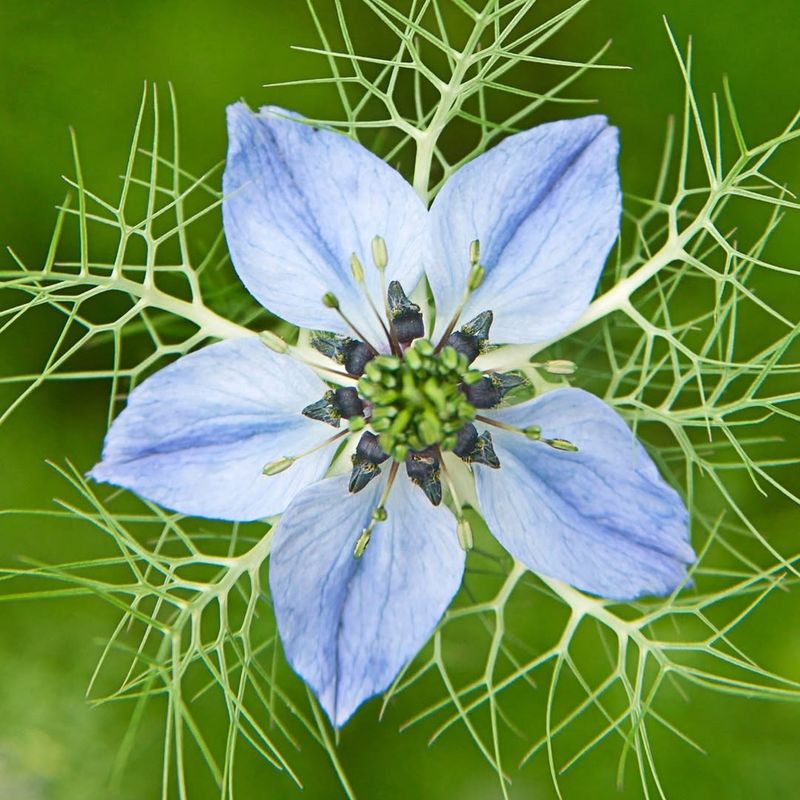
Nigella earns its nickname love-in-a-mist from the delicate, feathery foliage that surrounds each bloom. The flowers appear in shades of blue, white, pink, or purple.
After blooming, distinctive balloon-shaped seed pods form that look stunning in dried arrangements.
This charming annual prefers full sun and average garden soil. Seeds germinate easily when scattered directly on prepared beds in fall or early spring.
North Carolina’s climate suits nigella perfectly for late spring and early summer displays. The lacy foliage creates beautiful texture even before flowers appear. Blooms last several weeks, attracting pollinators throughout their display.
When seed pods mature, they split open and scatter seeds for next year’s show. Nigella grows quickly from seed and reaches about eighteen inches tall. It makes an excellent cut flower, both fresh and dried.
The unique architecture of the plant adds interest to informal garden designs. Allow some flowers to go to seed naturally for reliable reseeding. The seeds need a period of cool temperatures to germinate properly.
This makes fall planting ideal in our region, with blooms appearing the following spring and early summer months.
3. Cornflower (Centaurea cyanus)
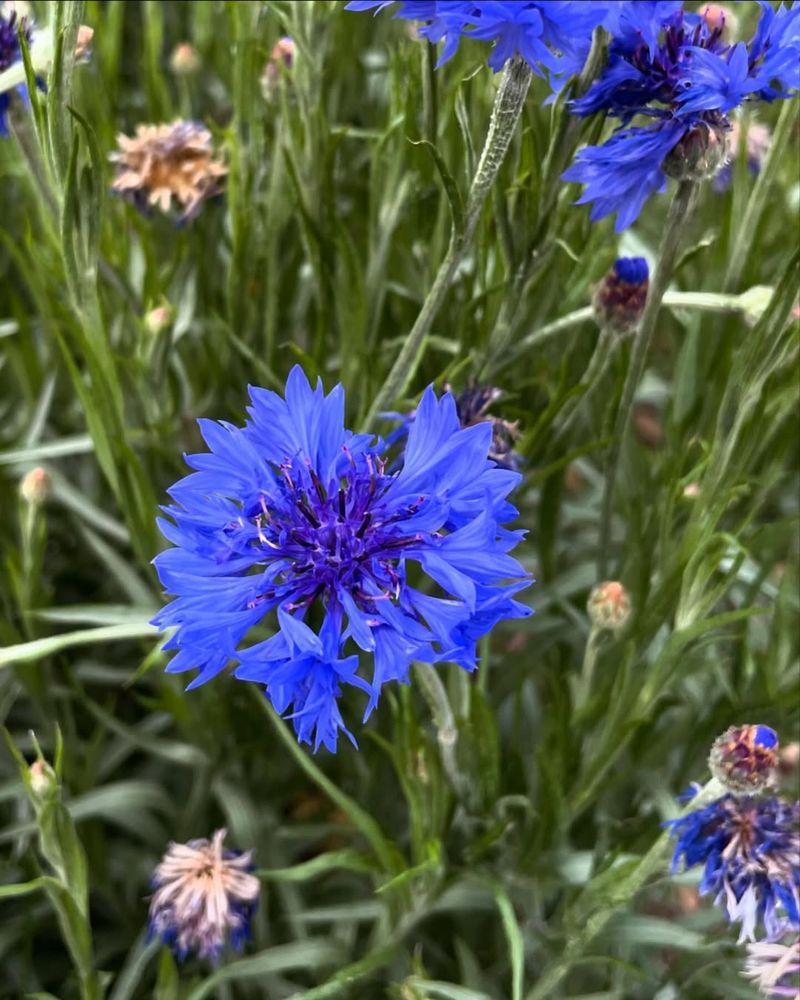
Cornflowers bring true blue color to gardens, a shade that’s surprisingly rare among flowering plants. These cheerful annuals grow on sturdy stems that sway gracefully in summer breezes.
Their frilly petals attract butterflies and make excellent cut flowers for indoor arrangements.
Full sun and well-drained soil create ideal growing conditions. Cornflowers tolerate heat reasonably well but appreciate consistent moisture during dry spells.
They bloom prolifically from late spring through summer when planted in favorable locations.
Seeds dropped in fall germinate the following spring without any help from gardeners. Young seedlings are quite hardy and can tolerate light frosts.
This natural cycle means continuous displays year after year with minimal intervention. The plants grow between two and three feet tall with narrow, gray-green foliage. Flowers appear in shades of blue, pink, white, or purple depending on variety.
Blue remains the most popular and traditional color choice. Deadheading extends the blooming period but leave some flowers to mature for reseeding. Cornflowers self-sow readily in bare patches or between other plants.
They work beautifully in wildflower meadows, cottage gardens, and cutting beds where their casual charm shines through perfectly.
4. Sweet Alyssum (Lobularia maritima)
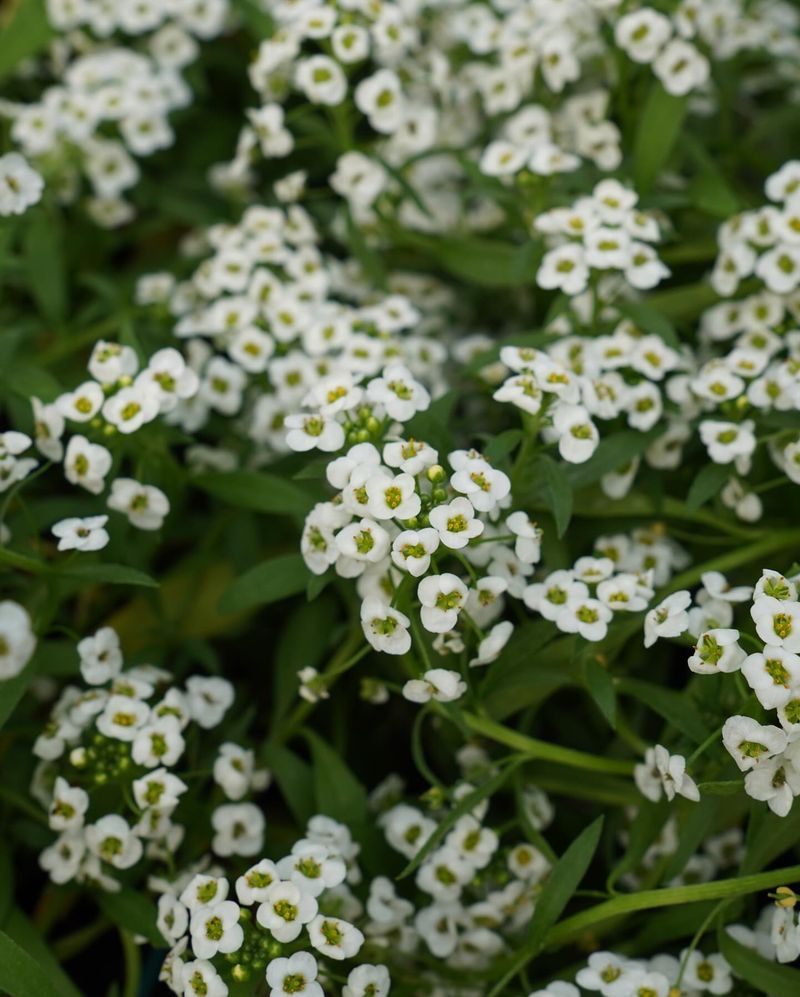
Sweet alyssum creates fragrant carpets of tiny flowers that smell like honey on warm days. This low-growing annual spreads quickly to fill bare spots with white, pink, or purple blooms.
Gardeners appreciate how it softens hard edges along pathways and borders. Plant alyssum in full sun to partial shade for reliable performance. It tolerates various soil types and even thrives in containers or hanging baskets.
The compact growth habit makes it perfect for edging beds or tucking between larger plants.
Blooming begins in spring and continues through fall in North Carolina gardens. The flowers attract beneficial insects including tiny parasitic wasps that control garden pests. Sweet alyssum reseeds generously, filling in gaps and creating natural-looking drifts.
This plant handles summer heat better when given afternoon shade and regular watering. It may slow blooming during the hottest weeks but rebounds quickly when temperatures moderate.
Shearing back leggy growth encourages fresh flowering and compact form. Seeds germinate quickly in cool weather, making fall and early spring ideal planting times. Volunteer seedlings appear reliably once alyssum establishes itself in your landscape.
The delightful fragrance and continuous blooms make this self-seeder a garden favorite worth welcoming back season after season.
5. Cosmos (Cosmos bipinnatus)
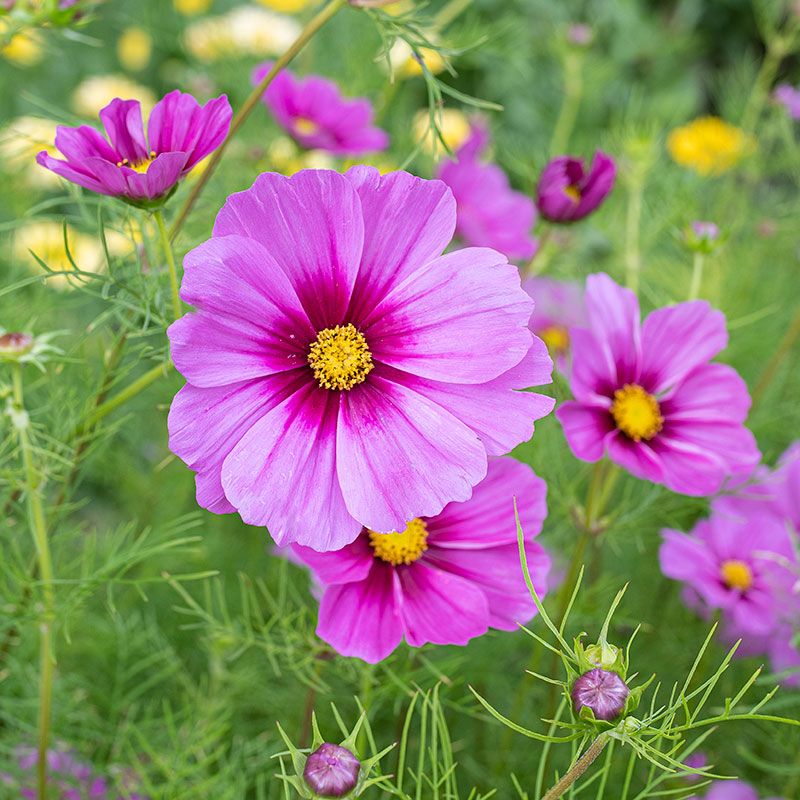
Cosmos towers above other annuals with graceful stems topped by daisy-like flowers. The airy, feathery foliage creates a soft backdrop for blooms in pink, white, crimson, or bicolor combinations.
These carefree flowers add height and movement to any garden space. Full sun and well-drained soil produce the healthiest plants and most abundant blooms. Cosmos actually prefers lean soil and produces more flowers when not overfertilized.
Rich soil causes excessive foliage growth at the expense of flowering. Seeds dropped in fall germinate readily when soil warms in spring. Young cosmos plants grow quickly, reaching four to six feet tall by midsummer.
The long blooming season extends from early summer through first frost. Butterflies and bees visit cosmos flowers constantly throughout the day. The single-petaled varieties provide easiest access to nectar and pollen.
Deadheading encourages more blooms, but allow some seed heads to mature for reseeding.
Cosmos self-sows prolifically, sometimes appearing in surprising locations around the garden. The seedlings are easy to recognize and transplant if needed.
This reliable self-seeder creates billowing masses of color with almost no effort, making it perfect for naturalistic plantings and cottage garden schemes.
6. California Poppy (Eschscholzia californica)
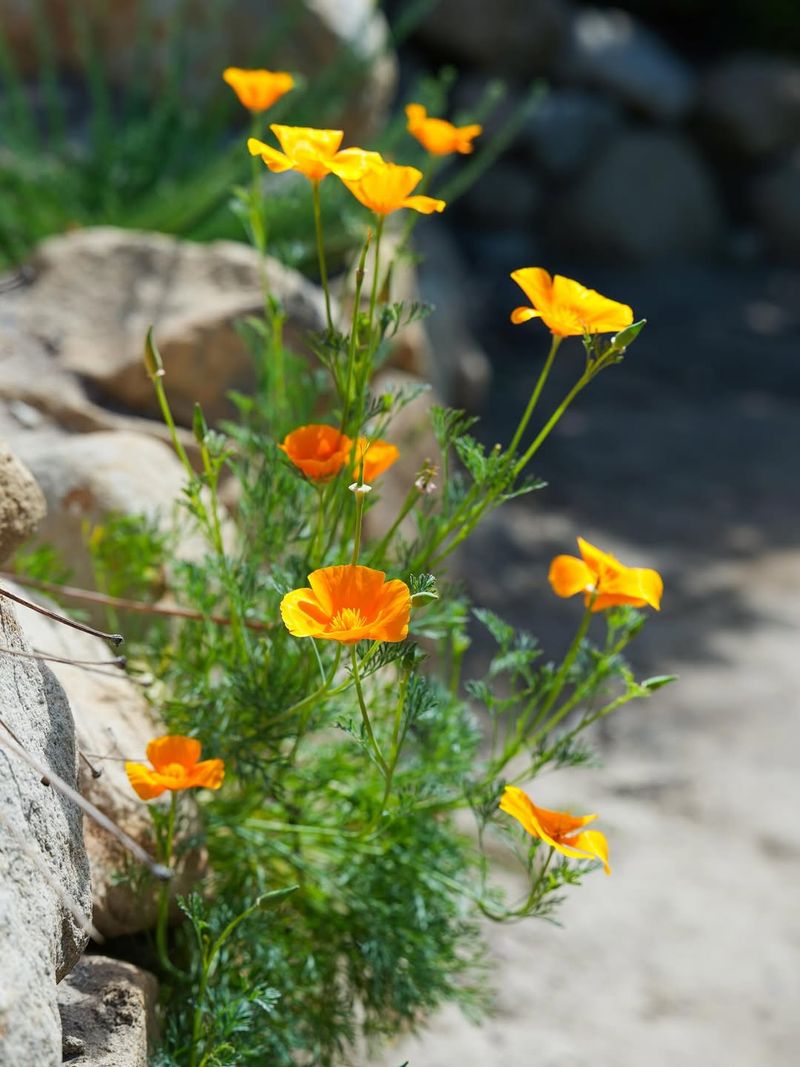
California poppies glow like flames with their brilliant orange, yellow, or cream petals. The silky blooms open wide in sunshine and close at night or on cloudy days.
Blue-green, finely divided foliage provides a beautiful contrast to the vibrant flowers. These cheerful annuals prefer full sun and well-drained, sandy soil. They tolerate drought exceptionally well once established, making them perfect for low-maintenance areas.
California poppies thrive in North Carolina’s spring weather and bloom from April through early summer.
Direct sowing works best since poppies dislike root disturbance. Scatter seeds in fall or very early spring for best germination.
The plants readily self-sow, dropping seeds that sprout the following season without any help. Flowers appear on stems about twelve inches tall, creating cheerful drifts of color. The blooming period extends several weeks when conditions remain favorable.
Hot summer temperatures eventually cause plants to decline and set seed. Allow seed pods to mature and split open naturally for reliable reseeding. The fine seeds scatter easily and find suitable spots to germinate.
California poppies naturalize beautifully in gravel gardens, rock gardens, and sunny borders where their bright blooms create stunning seasonal displays year after year.
7. Sunflower (Helianthus annuus)
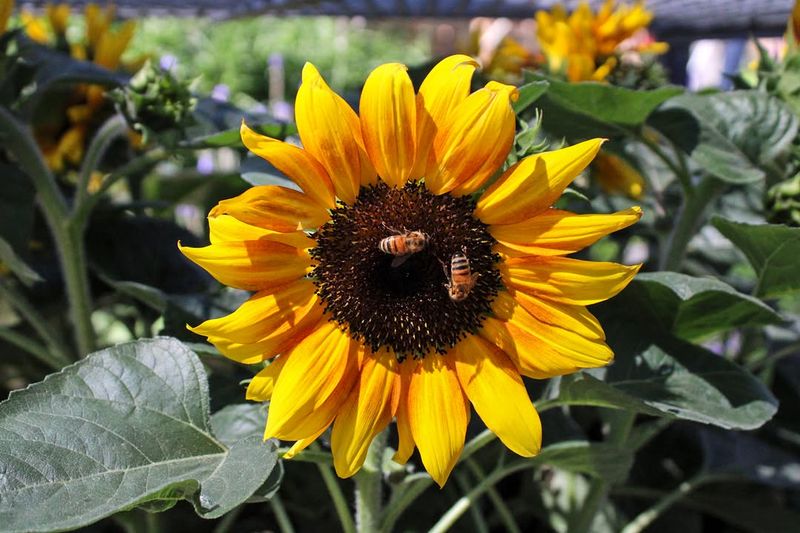
Sunflowers turn their faces toward the sun, following its path across the sky. These iconic flowers range from towering giants to compact dwarf varieties perfect for smaller spaces.
Birds adore the seed-filled centers, making sunflowers a wildlife garden essential. Full sun and fertile, well-drained soil produce the strongest plants and largest blooms. Sunflowers tolerate poor soil but perform best with adequate nutrition and moisture.
They grow quickly from seed, reaching full size within three months. Traditional tall varieties drop heavy seeds that often sprout the following spring. Volunteer sunflowers appear in unexpected places, adding surprise elements to garden designs.
The seedlings are easy to identify and transplant if desired. Dwarf varieties work beautifully in containers and borders where height control matters. Tall types create dramatic backdrops and temporary screens.
All sunflowers attract pollinators during their blooming period and provide seeds for birds later.
Leave some flower heads on plants through fall and winter for wildlife food. Seeds that fall to the ground often germinate successfully in spring.
This natural reseeding cycle means continuous sunflower displays with minimal effort, bringing cheerful golden blooms and beneficial wildlife activity to your North Carolina garden season after season.
8. Calendula ‘Resina’
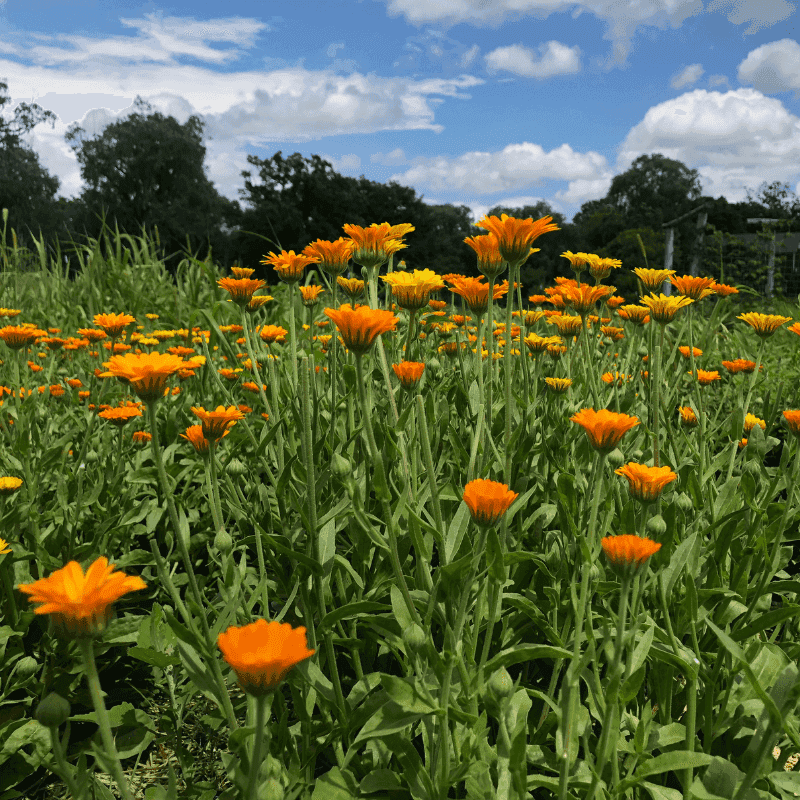
Calendula ‘Resina’ offers something special beyond typical calendula varieties. The flowers produce extra resin, making them particularly valuable for medicinal and cosmetic uses.
Bright orange petals surround darker centers, creating eye-catching blooms that appear continuously throughout the growing season.
This cultivar maintains all the easy-growing characteristics of standard calendula. It thrives in full sun to partial shade with average garden soil.
The compact plants reach about twelve to fifteen inches tall, perfect for front-of-border placements.
Blooming begins in spring and continues through fall with remarkable consistency. The flowers attract beneficial insects while providing material for homemade salves and teas.
Petals can be harvested regularly without compromising the plant’s ability to produce more blooms.
Seeds form readily after flowers fade, ensuring reliable reseeding for future seasons. The self-sowing nature means new plants appear each spring without replanting.
Young seedlings establish quickly and begin flowering within weeks. This variety handles North Carolina’s variable weather patterns with impressive resilience. It tolerates both heat and light frosts, extending the useful gardening season.
Allow some flowers to mature completely for seed production while harvesting others for their beneficial properties and beauty in arrangements or culinary uses.
9. Clarkia (Clarkia amoena)
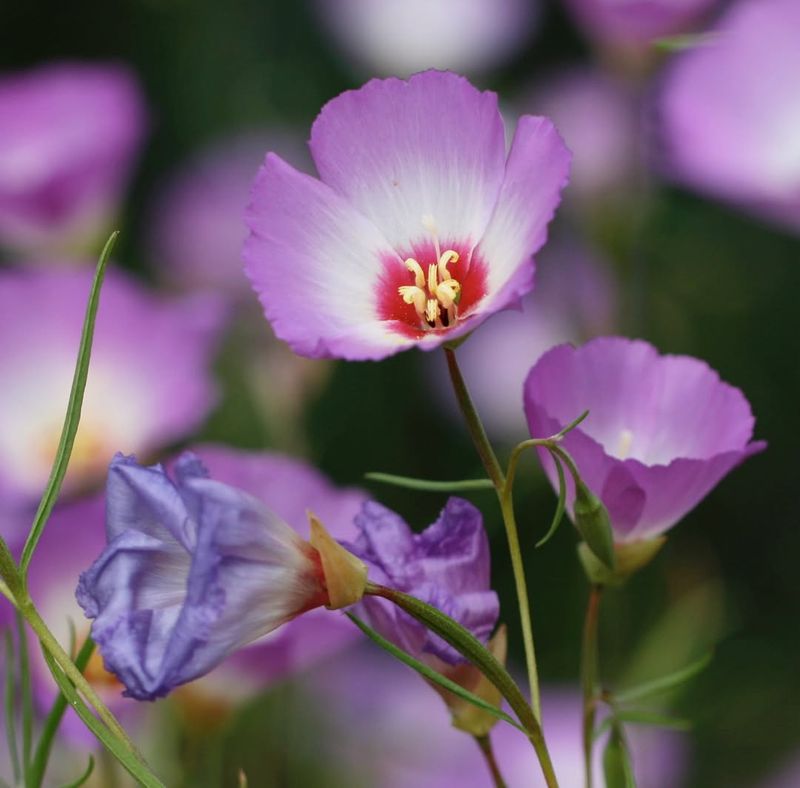
Clarkia produces ruffled blooms that resemble miniature azaleas or small roses. The flowers appear in shades of pink, lavender, white, or salmon, often with contrasting centers.
This underutilized annual deserves more attention for its beautiful late spring and early summer display.
Cool weather brings out the best in clarkia, making it ideal for spring gardens. Plant in full sun with well-drained soil that stays moderately moist. The plants grow about two feet tall with upright stems covered in narrow leaves.
Direct sowing in fall or very early spring produces the strongest plants. Clarkia dislikes root disturbance, so avoid transplanting when possible.
Seeds germinate readily when temperatures remain cool, establishing quickly before summer heat arrives.
Blooming peaks in late spring when weather remains mild and pleasant. The flowers make excellent cuts for indoor arrangements, lasting well in water.
As blooms fade, slender seed pods form that eventually split to release tiny seeds. These seeds scatter naturally and germinate the following season without intervention. Clarkia self-sows reliably in gardens where conditions suit its preferences.
The resulting volunteer plants create beautiful drifts of color that expand gradually over time, filling spaces with their charming ruffled blooms and adding seasonal interest to North Carolina landscapes.
10. Bachelor’s Button (Centaurea cyanus)
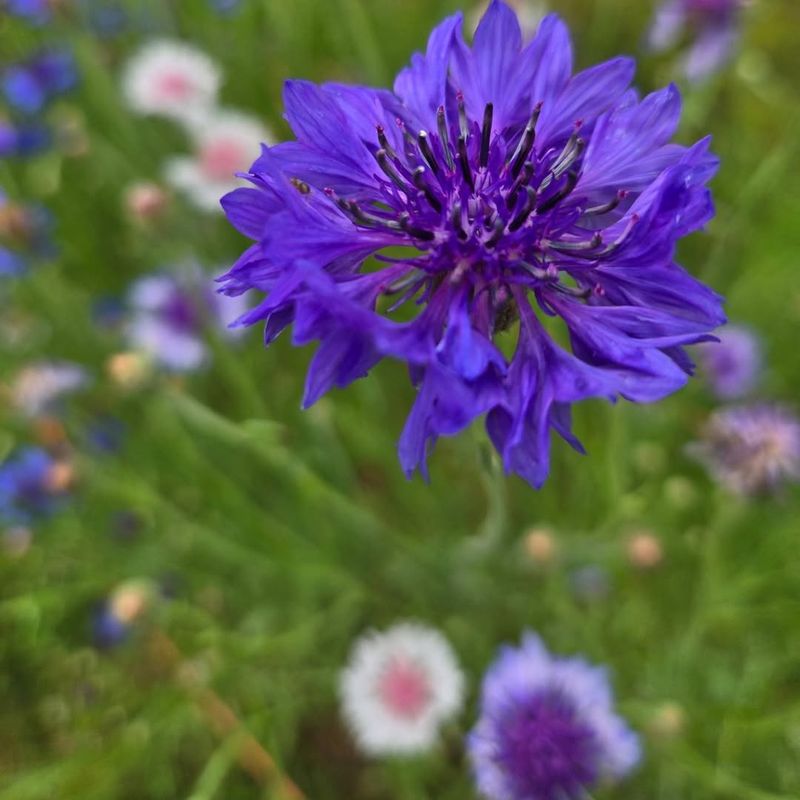
Bachelor’s button earns its place in gardens through reliability and old-fashioned charm. The classic blue flowers have graced gardens for generations, beloved for their true-blue color and easy nature.
Frilly petals create interesting texture, and the blooms last well when cut for bouquets. Full sun and well-drained soil create perfect growing conditions for robust plants. Bachelor’s button tolerates average to poor soil without complaint.
It actually blooms more prolifically when not pampered with excessive fertilizer or rich ground.
Seeds sown in fall germinate in spring and bloom by early summer. The plants reach two to three feet tall with sturdy stems that rarely need staking.
Flowers appear continuously throughout the growing season when deadheaded regularly. Leave some blooms to mature and form seed heads for natural reseeding. The seeds drop easily and germinate reliably the following spring.
This creates a self-perpetuating cycle of blooms without annual replanting efforts. Bachelor’s button attracts butterflies and other beneficial pollinators throughout its blooming period. The plants tolerate heat reasonably well with adequate moisture.
They work beautifully in cottage gardens, cutting gardens, and naturalistic plantings where their casual beauty and dependable self-seeding habit ensure continuous displays of beloved blue blooms year after year.
11. Forget-Me-Not (Myosotis sylvatica)
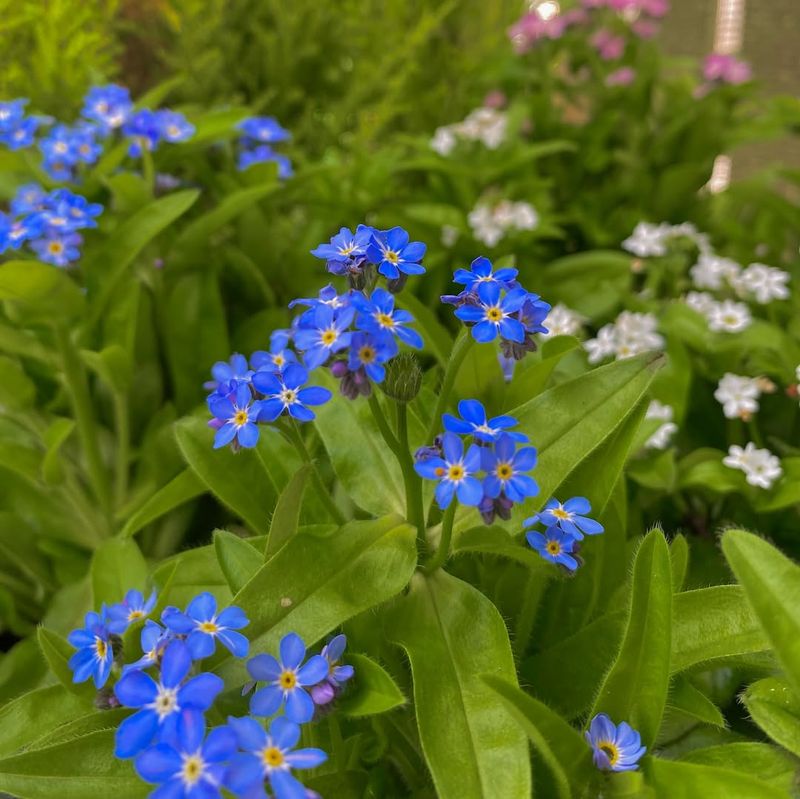
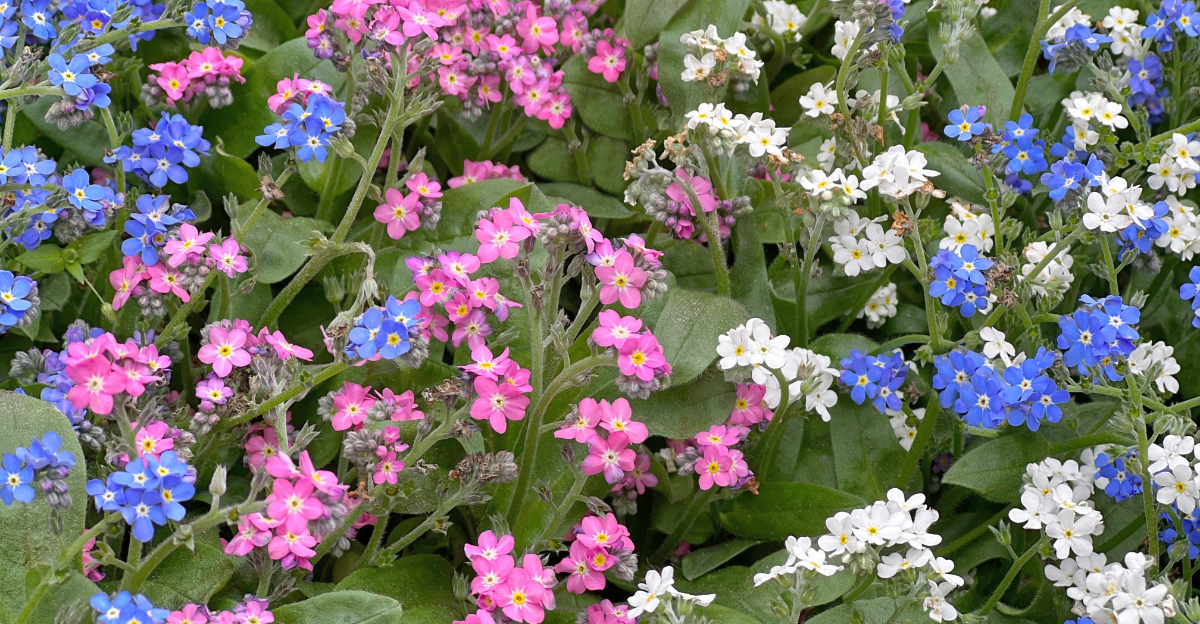
Forget-me-nots create carpets of tiny blue flowers that seem to float above the foliage. Each bloom features a yellow center surrounded by sky-blue petals.
These charming plants prefer cooler, shadier spots where they can spread and naturalize freely.
Partial to full shade and consistently moist soil suit forget-me-nots perfectly. They thrive under trees, along woodland edges, and in other locations too shady for sun-loving annuals.
The low-growing plants reach only six to twelve inches tall. Spring brings masses of delicate blooms that last several weeks. The flowers attract small pollinators and add gentle color to shaded areas.
After blooming, plants set abundant seed that scatters naturally throughout the garden.
These seeds germinate readily in fall or early spring when moisture and temperatures cooperate. Forget-me-nots behave as short-lived perennials or self-seeding annuals depending on conditions.
The reliable reseeding ensures continuous presence once established.
Young plants appear each year in suitable locations, gradually expanding their territory. The spreading habit creates natural-looking drifts that enhance woodland gardens and shaded borders.
Forget-me-nots combine beautifully with spring bulbs and shade perennials, filling gaps with their charming blue blooms and providing reliable seasonal color through generous self-seeding in North Carolina’s shaded garden spaces.