9 Self-Seeding Flowers That Bring Ongoing Color To Your Georgia Garden
Keeping steady color in a Georgia garden doesn’t have to mean replanting every season or constantly filling bare spots as flowers fade.
Some plants quietly solve that problem on their own by dropping seed, returning year after year, and filling beds naturally as conditions allow.
Georgia’s long growing season, warm soil, and reliable moisture give self-seeding flowers the time they need to bloom, set seed, and come back stronger without extra effort. When chosen carefully, these plants don’t take over or look messy.
They simply reappear where they make sense, softening edges, filling gaps, and keeping gardens lively from spring through fall.
Instead of starting from scratch each year, self-seeding flowers help gardens mature and feel more established over time.
The result is ongoing color that builds naturally, looks intentional, and asks far less from you once planting is done.
1. Reliable Summer Color Returns Each Year With Zinnias
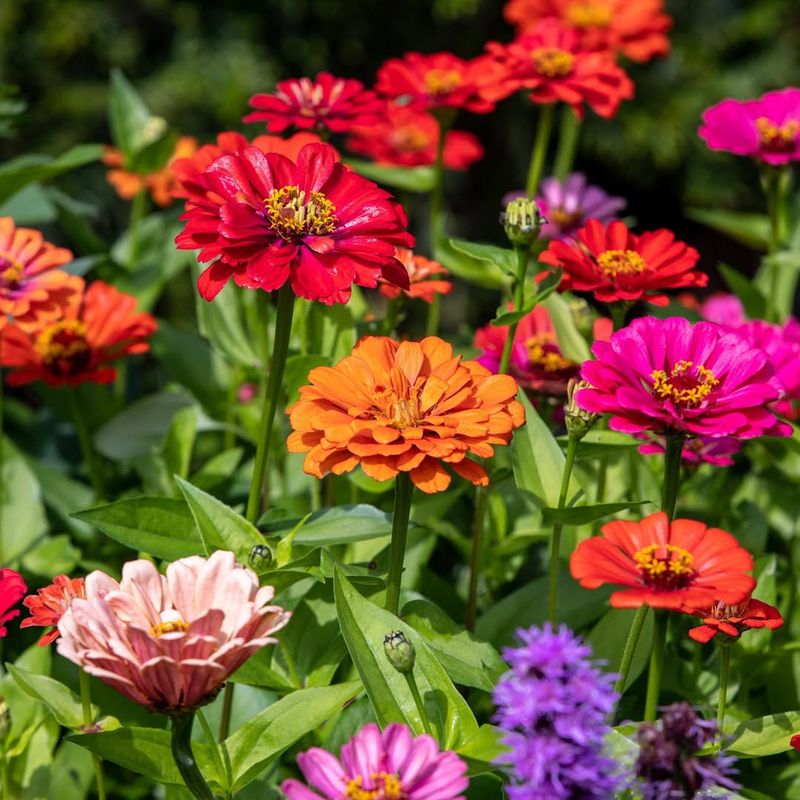
Zinnias bring cheerful, bold colors to Georgia gardens from late spring straight through the first frost. These hardworking annuals produce blooms in nearly every color except blue, giving you endless options for creating eye-catching displays.
After blooming, zinnias form seed heads that dry naturally on the plant, eventually scattering seeds around your garden beds.
Georgia’s warm soil temperatures create perfect conditions for zinnia seeds to germinate without any help from you. The dropped seeds lie dormant through winter, then sprout when temperatures warm in spring.
You’ll notice new zinnia seedlings popping up in late April or early May, often appearing in slightly different spots from where the parent plants grew.
Different zinnia varieties produce different flower forms, from small button types to giant dinner-plate blooms. The self-sown seedlings might not look exactly like their parents if you grew mixed varieties, but this creates delightful surprises each season.
Butterflies and hummingbirds visit zinnia flowers constantly throughout summer, adding extra life to your Georgia garden.
Let some flower heads remain on plants at season’s end rather than deadheading everything. This ensures plenty of seeds drop for next year’s display.
Zinnias handle Georgia heat remarkably well, continuing to bloom even during our hottest July and August weeks when other flowers struggle.
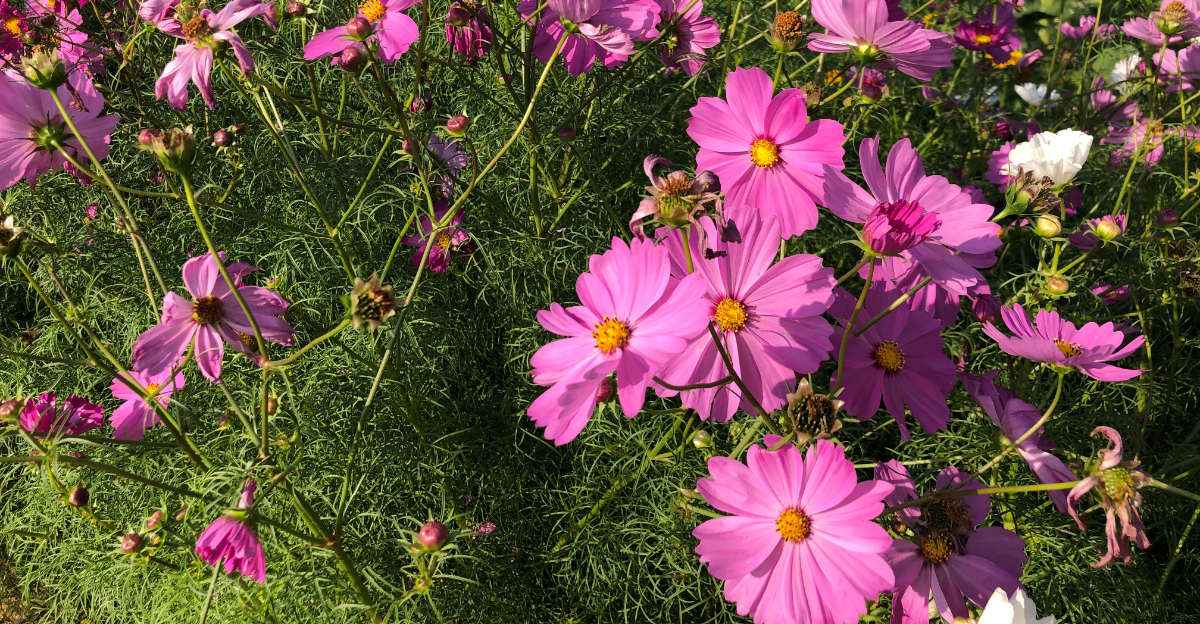
2. Open Spaces Fill In Naturally Thanks To Cosmos
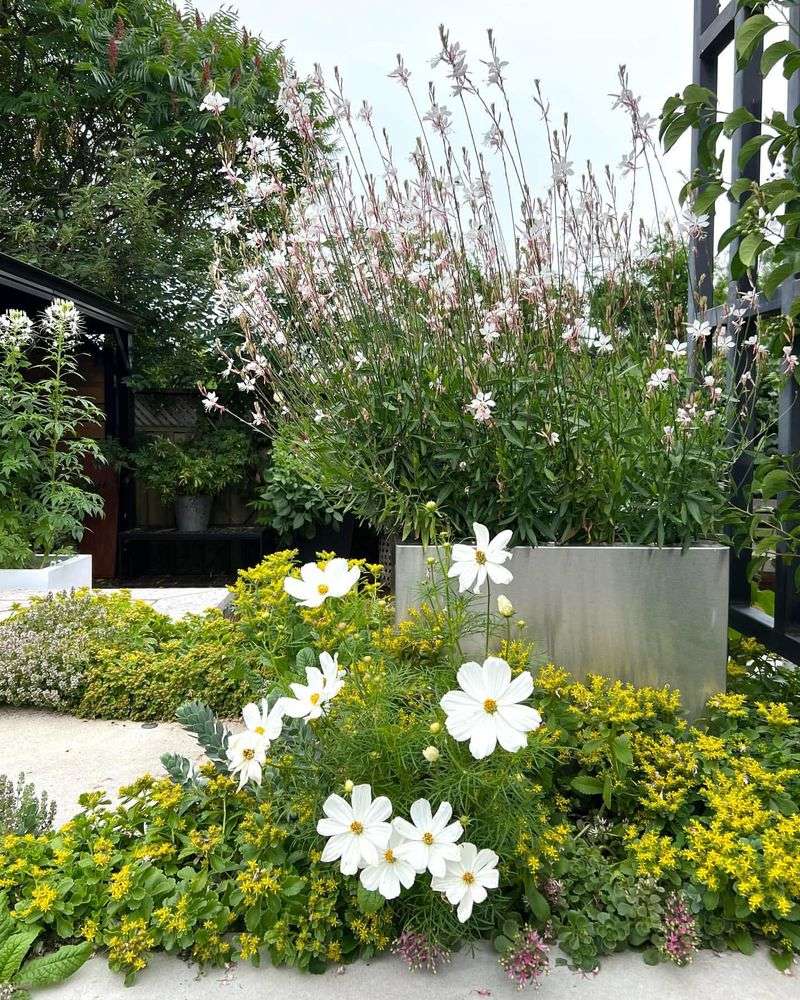
Cosmos flowers create a cloud of delicate blooms that dance on tall, graceful stems throughout the growing season. Their feathery foliage adds texture even before flowers appear, making them valuable garden plants from the moment they sprout.
Pink, white, and crimson flowers attract beneficial insects while providing weeks of cut flowers for indoor arrangements.
These Mexican natives adapted beautifully to Georgia’s climate, thriving in our heat and humidity without special care. Cosmos seeds germinate quickly when soil warms, and plants grow rapidly to flowering size.
Once established in your garden, cosmos reliably reseed themselves, with new plants appearing each spring in sunny spots where seeds landed the previous fall.
The self-sowing habit of cosmos makes them perfect for filling larger garden areas without buying flats of plants each year.
Seedlings emerge in slightly different locations each season, creating a natural, informal look that’s hard to achieve with deliberate planting.
You can easily thin excess seedlings or transplant them to areas where you want more color.
Cosmos bloom best in Georgia’s full sun but tolerate light afternoon shade, especially in southern parts of the state. Their drought tolerance once established makes them smart choices for water-wise Georgia gardens.
Plants continue producing flowers until frost, providing reliable color through fall when many other annuals have finished blooming.
3. Early Season Blooms Reappear Easily Through Larkspur
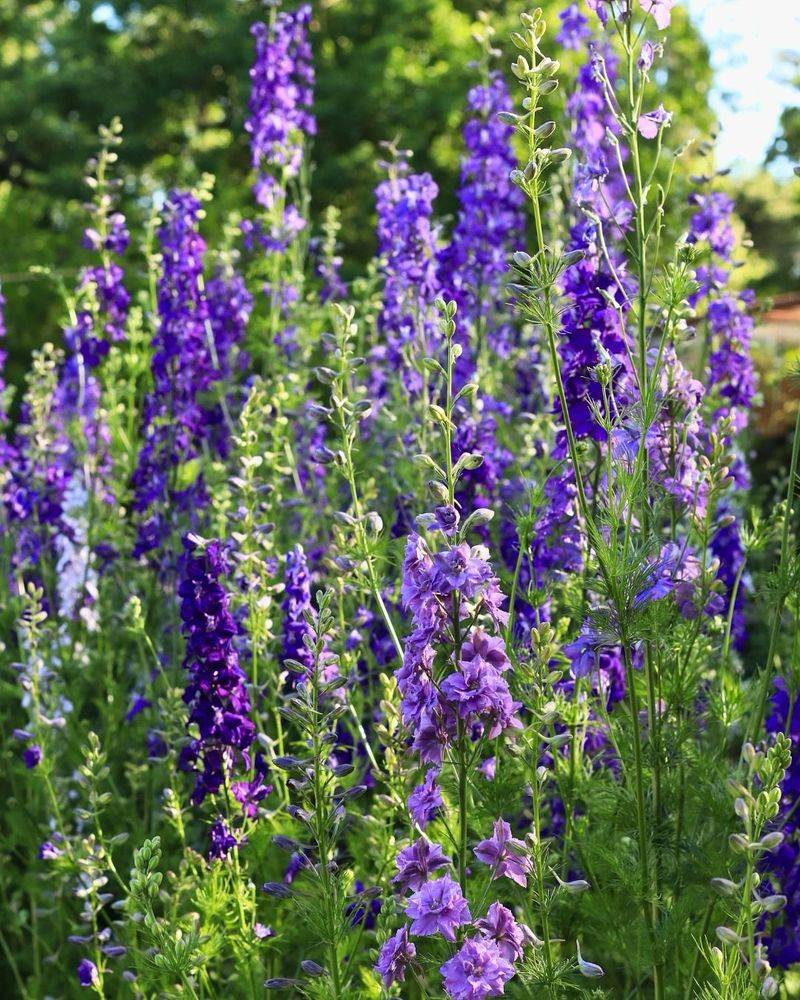
Larkspur spires bring vertical interest and cottage-garden charm to Georgia landscapes from April through early June. These cool-season bloomers prefer our mild spring weather, producing tall stalks covered in flowers before summer heat arrives.
Blue, purple, pink, and white varieties create stunning displays that remind many gardeners of their grandmothers’ flower beds.
Georgia’s winter temperatures suit larkspur perfectly because seeds need cold treatment to germinate properly. Seeds that drop in late spring or early summer lie on the ground through hot months, then sprout when cooler fall weather arrives.
Young larkspur plants overwinter as small rosettes, then shoot up quickly when spring warmth returns, blooming earlier than spring-planted seeds ever could.
This natural cycle means established larkspur patches return reliably each year without replanting. The self-sown seedlings often appear in dense clusters that create impressive color masses.
You can thin seedlings in fall or early spring to give remaining plants room to develop strong stems and abundant flowers.
Larkspur handles Georgia’s occasional late freezes without damage, making them dependable performers even in unpredictable spring weather.
Their cool-season preference means they finish blooming before our intense summer heat arrives, leaving space for warm-season flowers.
Many Georgia gardeners consider larkspur essential for bridging the gap between spring bulbs and summer perennials.
4. Loose Cottage-Style Color Comes Back With Cleome
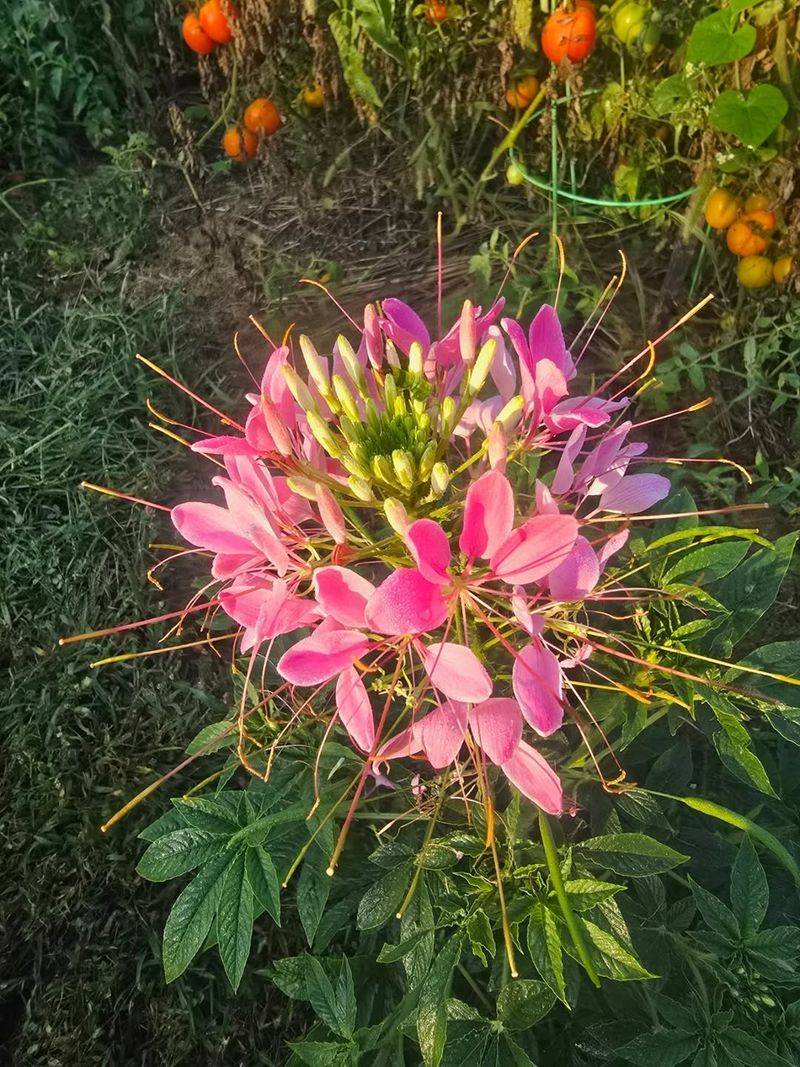
Cleome’s unusual spidery flowers create architectural interest while providing constant blooms from June through October in Georgia gardens. Pink, white, and purple flowers appear at stem tips, with long stamens extending outward like spider legs.
As flowers fade, elongated seed pods form below continuing blooms, creating an interesting tiered effect on each stem.
Georgia’s long growing season allows cleome plants to reach impressive heights, often growing four to six feet tall by late summer. This height makes them excellent background plants or natural screens in garden beds.
Despite their size, cleome stems remain sturdy enough to stand without staking, even during Georgia’s afternoon thunderstorms.
Seeds drop from mature pods throughout the growing season, giving cleome multiple opportunities to establish seedlings for next year. Young plants appear in spring once soil warms thoroughly, typically in May across most of Georgia.
The self-sown seedlings grow quickly, often blooming by midsummer of their first season.
Hummingbirds and butterflies visit cleome flowers constantly, making them valuable additions to pollinator gardens throughout Georgia.
The plants handle heat and humidity remarkably well, continuing to produce fresh flowers even during August when many annuals look tired.
Some gardeners initially find cleome’s slightly sticky foliage off-putting, but this characteristic doesn’t affect the plant’s performance or appeal to beneficial insects.
5. Spring Beds Refresh Themselves Using California Poppies
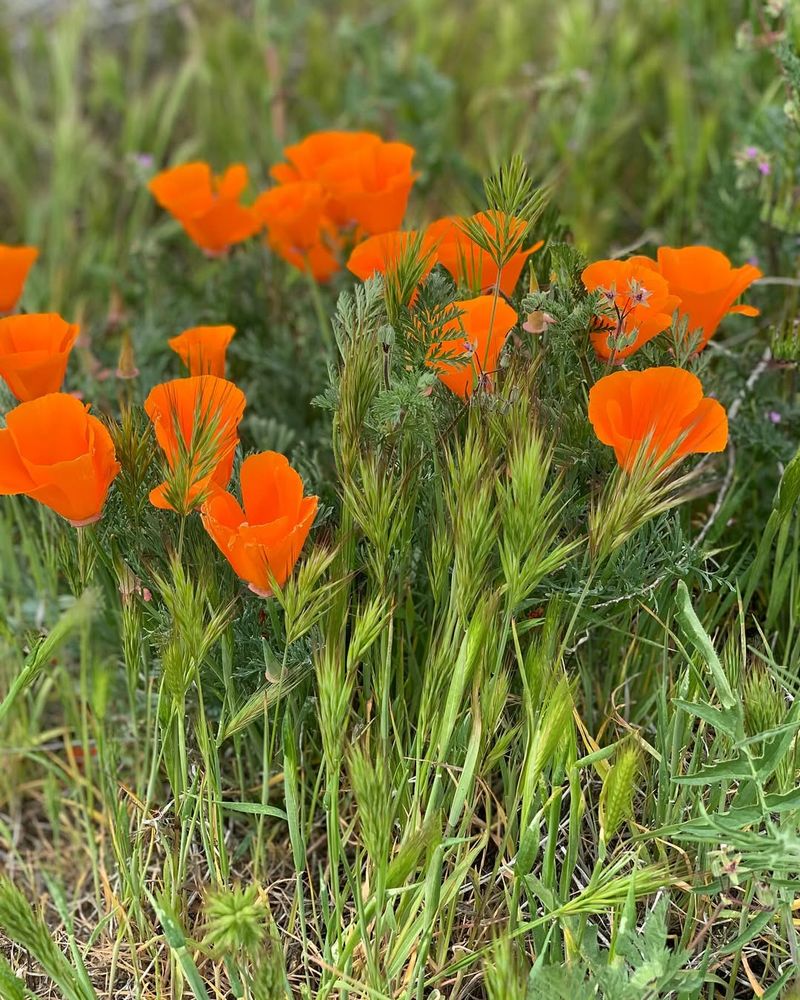
California poppies bring sunshine-bright orange blooms to Georgia gardens during our pleasant spring months. Their silky, cup-shaped flowers open wide on sunny days, creating pools of warm color against ferny, blue-green foliage.
While native to the West Coast, these adaptable poppies naturalized beautifully in Georgia’s climate, particularly in well-drained garden spots.
Cool spring temperatures trigger California poppy blooms, with flowers appearing from March through May in most Georgia locations. Plants prefer our milder weather and typically slow down or stop blooming once summer heat intensifies.
This growth pattern makes them perfect companions for summer-blooming self-seeders that take over when poppies finish their show.
Seeds form in slender pods that split open when dry, scattering seeds around parent plants. These seeds germinate best during fall’s cooler weather, producing small plants that overwinter successfully across Georgia.
The young plants resume growth quickly when spring arrives, blooming earlier and more abundantly than spring-sown seeds.
Georgia gardeners find California poppies especially useful for adding color to dry, sunny spots where other flowers struggle. Their drought tolerance once established makes them practical choices for water-conscious landscapes.
The flowers close at night and on cloudy days, a characteristic some find charming and others consider a drawback. Regardless, their brilliant color during Georgia’s beautiful spring months makes them worthwhile garden additions.
6. Soft Blue Flowers Reseed Readily With Bachelor’s Button
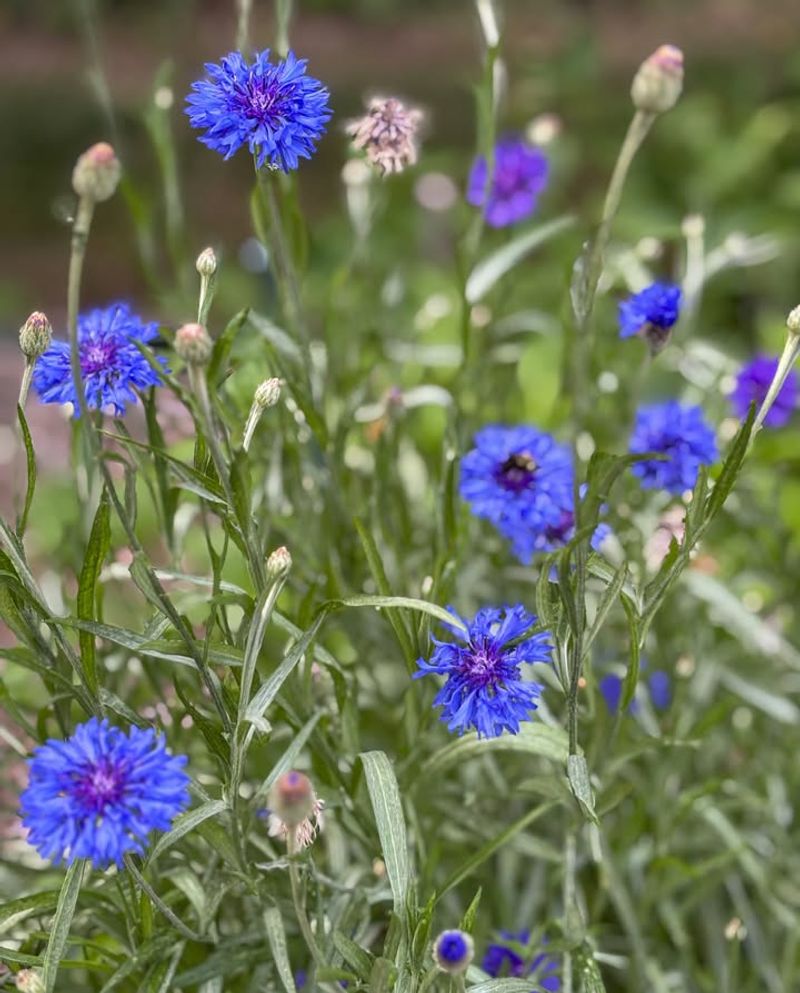
Bachelor’s buttons, also called cornflowers, produce charming blue blooms that add cool tones to Georgia gardens from April through June.
Their true-blue color is surprisingly rare in the flower world, making them especially valuable for gardeners seeking this particular shade.
Pink, white, and purple varieties exist, but the classic blue remains most popular and most commonly seen in self-seeding garden populations.
These old-fashioned favorites thrived in Georgia gardens for generations, partly because they reseed so reliably. Seeds dropped in late spring germinate during fall’s cooler weather, creating young plants that overwinter successfully throughout the state.
The small rosettes remain evergreen through Georgia’s mild winters, then bolt upward quickly when spring warmth returns.
Bachelor’s buttons prefer cool growing conditions, performing best during Georgia’s spring months before intense heat arrives. Their relatively short bloom season is offset by their reliable self-seeding habit and early flowering time.
The flowers make excellent cuts for indoor arrangements, lasting well in vases and adding cottage-garden charm to bouquets.
Georgia gardeners appreciate bachelor’s buttons for their ability to fill spaces between spring bulbs and summer perennials. Their silvery-green foliage provides nice contrast even before flowers appear.
Plants tolerate light frost without damage, continuing to bloom through Georgia’s occasional cool snaps in late spring. The self-sown seedlings appear in slightly different spots each year, creating natural-looking drifts of blue throughout garden beds.
7. Midseason Gaps Stay Colorful Thanks To Coreopsis
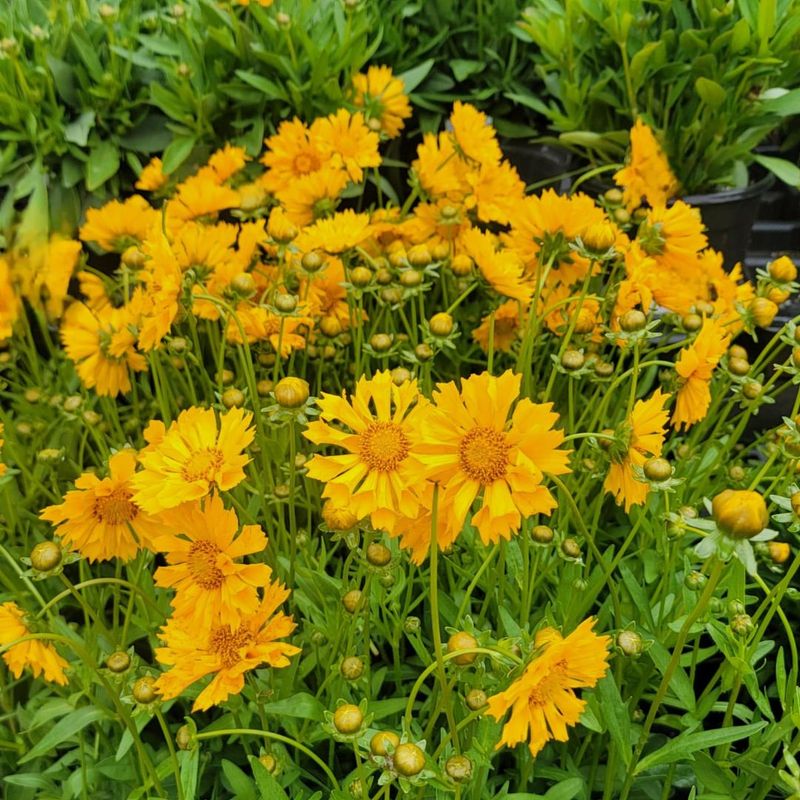
Coreopsis brings sunny yellow blooms to Georgia gardens throughout our long growing season, bridging the gap between spring and fall flowers.
These native wildflowers adapted perfectly to Georgia’s climate, handling heat, humidity, and occasional drought with remarkable resilience.
Their cheerful daisy-like flowers appear in abundance, creating bright spots of color that last for months.
Several coreopsis species grow wild across Georgia, and garden varieties inherited this natural toughness. Annual types like plains coreopsis reseed enthusiastically, returning year after year without replanting.
Seeds drop as flowers fade, lying dormant until conditions suit germination. In Georgia, this often means seedlings appear in both fall and spring, depending on weather patterns.
The self-sown coreopsis seedlings establish quickly, developing into flowering plants within weeks during warm weather. This fast growth means gaps in garden beds don’t stay empty long when coreopsis is part of your plant community.
Plants bloom heavily during their first flush, then continue producing scattered flowers through summer if spent blooms are removed periodically.
Georgia butterflies and native bees visit coreopsis flowers constantly, making them valuable additions to pollinator-friendly landscapes.
Their extended bloom season provides nectar sources during summer months when many spring flowers have finished.
Coreopsis tolerates Georgia’s red clay soil better than many garden flowers, though it performs best with decent drainage. The fine-textured foliage creates airy masses that contrast nicely with bolder-leaved plants in mixed garden beds.
8. Long Bloom Windows Continue With Portulaca
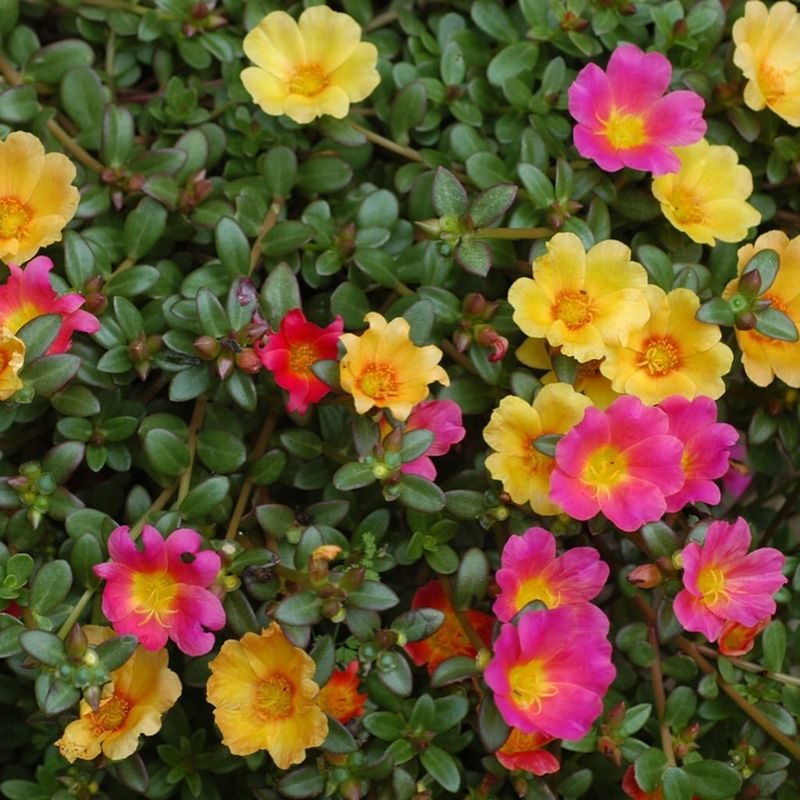
Portulaca, commonly called moss rose, carpets Georgia gardens with brilliant flowers from May through October. These low-growing succulents produce blooms in nearly every bright color imaginable, creating jewel-toned patches in sunny spots.
Their fleshy leaves store water efficiently, allowing plants to thrive during Georgia’s hot, dry summer weeks when other annuals wilt.
Hot weather that stresses many garden plants actually encourages portulaca to bloom more heavily. This heat tolerance makes them perfect choices for Georgia’s challenging summer conditions.
Plants spread outward rather than upward, forming dense mats that suppress weeds while providing constant color. The flowers open fully on sunny days, creating spectacular displays of saturated color.
Portulaca reseeds enthusiastically in Georgia gardens, with tiny seeds scattering from spent flowers throughout the growing season.
These seeds don’t germinate until soil warms thoroughly in late spring, so seedlings appear later than cool-season self-seeders.
Once they emerge, young portulaca plants grow quickly, often blooming within weeks of germination.
Georgia gardeners find portulaca especially useful for hot, dry areas where other flowers struggle. Rock gardens, parking strips, and slopes with excellent drainage become colorful focal points when planted with self-seeding portulaca.
The plants require essentially no maintenance once established, continuing to bloom and reseed without deadheading, fertilizing, or supplemental watering.
Their reliable return each summer makes them valuable components of low-maintenance Georgia landscapes.
9. Late-Season Flowers Carry On Through Verbena
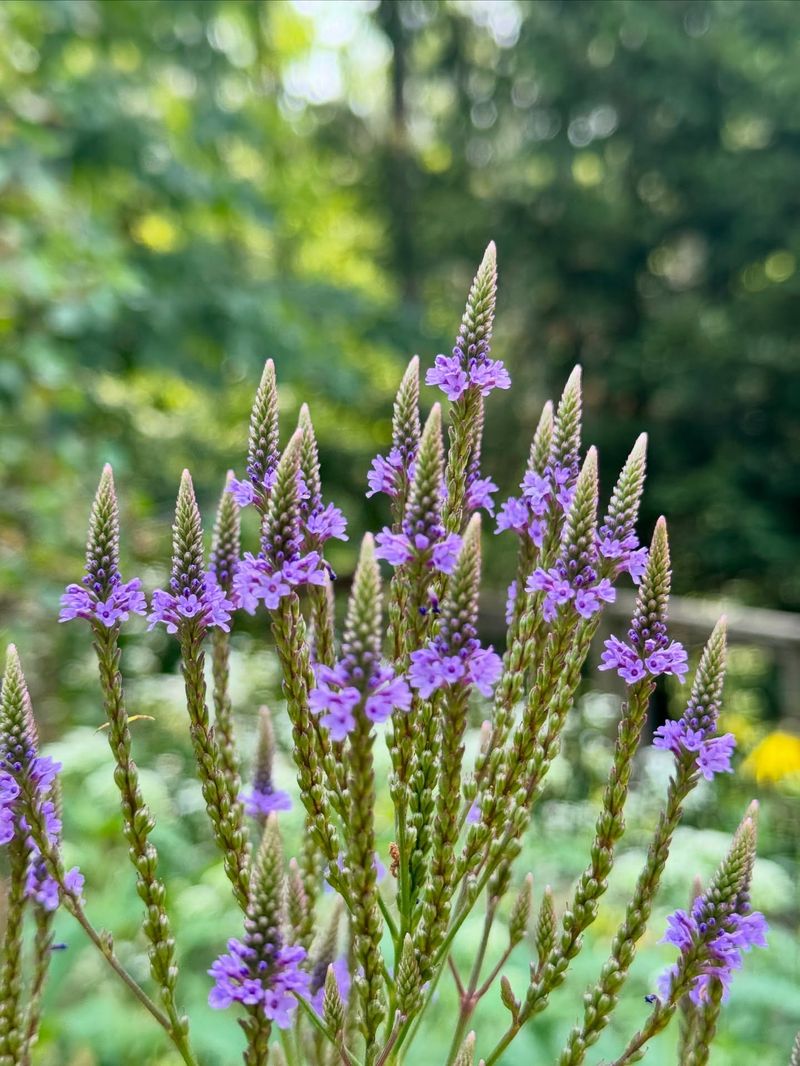
Verbena keeps Georgia gardens colorful from early summer straight through fall’s first frost. Purple, pink, red, and white flower clusters appear continuously on spreading plants that fill spaces between other garden residents.
Their long bloom season makes them especially valuable for maintaining color during late summer and fall when many annual flowers have finished their show.
Heat-loving verbena thrives during Georgia’s intense summer weather, actually performing better as temperatures rise. Plants spread outward to form colorful mats, with flower clusters held above foliage on short stems.
This growth habit makes verbena useful as a flowering groundcover that weeds struggle to penetrate. Butterflies visit the small flowers constantly, adding movement and life to garden beds.
Seeds form within dried flower clusters, eventually falling to the ground around parent plants. Georgia’s mild autumns allow verbena to continue blooming well into November in many locations, giving plants plenty of time to scatter seeds.
These seeds germinate the following spring once soil temperatures warm sufficiently, typically appearing in May across most of the state.
Self-sown verbena seedlings establish quickly, developing into blooming plants within weeks during warm weather. The volunteer plants often appear in unexpected spots, creating happy accidents that enhance garden designs.
Verbena tolerates Georgia’s afternoon thunderstorms well, with flowers bouncing back quickly after heavy rains.
Their ability to bloom prolifically through Georgia’s challenging late-summer conditions makes them reliable performers for season-long garden color.