12 Self-Sowing Garden Favorites That Keep Growing For Years
I still remember the first time a plant I never replanted popped up on its own. It felt like my garden had learned a new trick behind my back.
One season I scattered a few seeds, and the next, tiny green shoots returned like old friends dropping by unannounced.
That small surprise opened my eyes to the magic of self-sowing plants.
Now I count on these easygoing favorites to fill empty corners, soften borders, and bring little bursts of color without lifting a finger.
They wander where they please, weaving through my beds in ways I could never plan.
Each spring feels like a reunion, as familiar blooms rise again with fresh energy.
These plants do more than save time and money, they give the garden a life of its own.
Watching them return year after year reminds me that some of the best garden rewards grow quietly, right under my nose.
1. Bachelor’s Button

Cornflowers bring such cheerful energy to any garden bed with their brilliant blue petals that seem to glow in the sunlight.
You might also hear them called bachelor’s buttons, and they’ve been favorites in cottage gardens for generations.
Once they settle into your garden, they’ll happily scatter their seeds everywhere.
These beauties love full sun and don’t ask for much in terms of soil quality.
They can handle poor, dry conditions better than many other flowers.
Just give them a sunny spot and watch them thrive.
The blooms appear from late spring through summer, attracting bees and butterflies to your yard.
Deadheading spent flowers encourages more blooms, but leave some to go to seed if you want volunteers next year.
They grow about 12 to 24 inches tall.
Kids love picking these flowers because the stems are sturdy and the blooms last well in a vase.
They also come in pink, white, and purple varieties if you want to mix things up.
Bachelor’s buttons are incredibly easy for beginners and seasoned gardeners alike.
2. Calendula

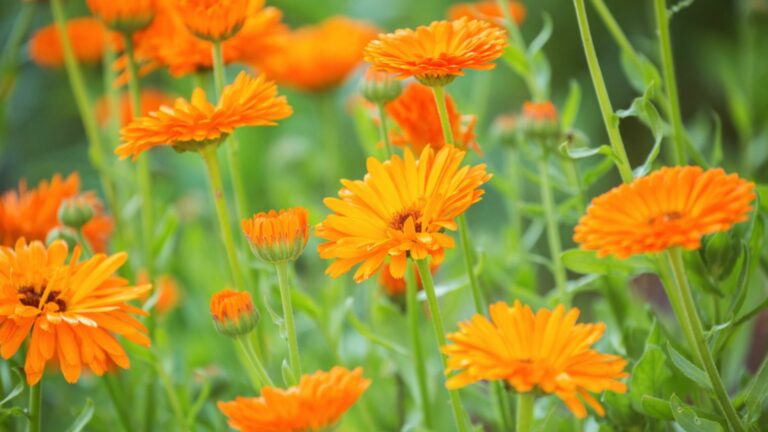
Bright and sunny calendula flowers look like little bursts of sunshine in your garden beds.
Their orange and yellow petals have a cheerful quality that makes everyone smile.
Sometimes called pot marigold, these flowers have been grown for centuries for both beauty and practical uses.
Calendula thrives in cooler weather, making it perfect for spring and fall gardens.
When temperatures get too hot in summer, it might take a break, but it’ll often bounce back when things cool down.
The plants self-sow readily, so you’ll find seedlings appearing in spring or fall.
These flowers grow about 12 to 18 inches tall and spread nicely to fill gaps in your beds.
The petals are actually edible and can be tossed into salads for a peppery flavor and pop of color.
Pollinators absolutely adore calendula blooms.
You can let the spent flowers dry on the plant, and they’ll drop seeds for next season’s display.
The seedlings are easy to recognize with their slightly fuzzy leaves.
Calendula also makes a great companion plant in vegetable gardens.
3. Cosmos
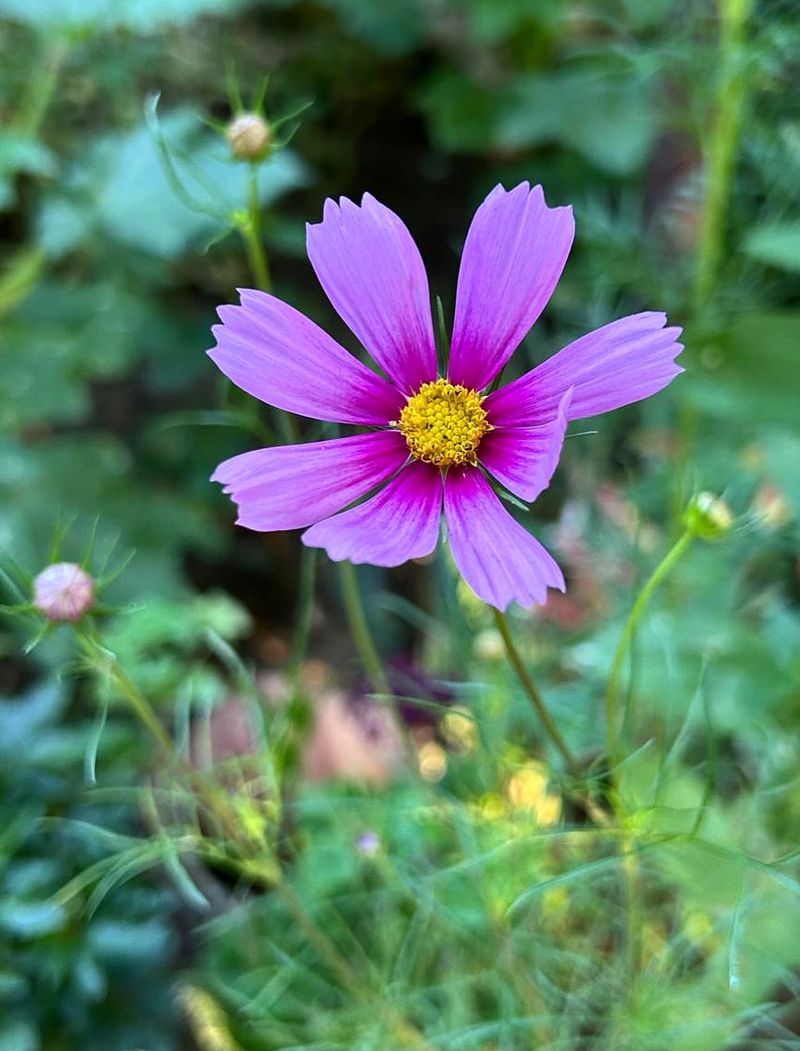
Cosmos flowers dance on tall, slender stems that sway with every breeze.
Their delicate petals come in shades of pink, white, and magenta, creating a dreamy, romantic look in any garden.
The feathery foliage adds a soft texture that contrasts beautifully with bolder plants.
These flowers are incredibly easy to grow from seed, and they’ll do the work for you after the first year.
Once established, cosmos drop seeds that sprout reliably each spring.
They prefer full sun and actually do better in poor soil than rich soil.
Too much fertilizer makes them grow tall and leafy with fewer flowers.
They can reach heights of 2 to 4 feet, depending on the variety.
The blooms attract butterflies and beneficial insects throughout the growing season.
Cosmos keep flowering from midsummer until the first frost hits your area.
Cutting flowers for bouquets actually encourages more blooms to form.
The seedpods are easy to spot when they turn brown and papery.
Children enjoy collecting the seeds and planting them in new spots.
Cosmos naturalize beautifully in meadow-style gardens.
4. Forget-Me-Not
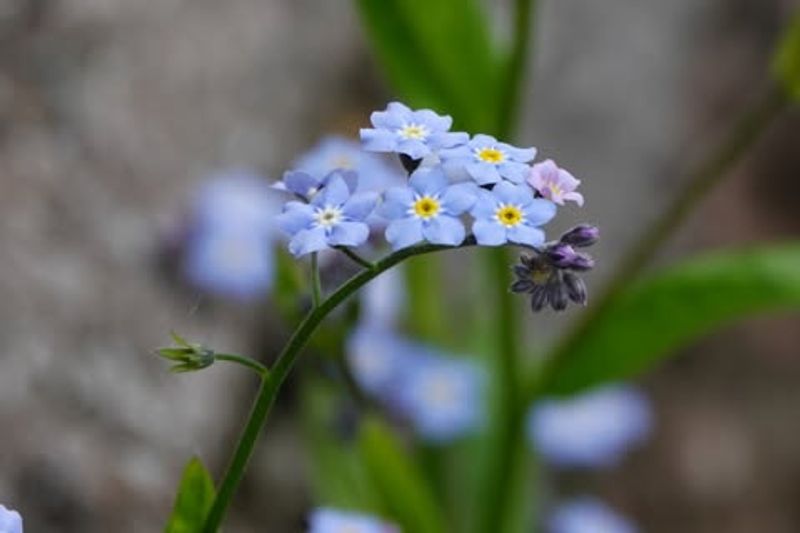
Those tiny blue flowers with yellow centers that carpet shady spots in spring?
That’s forget-me-not working its magic.
Each flower is small, but they bloom in such abundance that they create a stunning blue haze across the ground.
The name comes from an old romantic legend about remembrance.
Forget-me-nots adore moist, shady areas where many other flowers struggle.
They’re perfect for woodland gardens or under trees where grass won’t grow.
Once you plant them, they’ll return faithfully every year through self-sowing.
These plants are technically biennials, meaning they grow leaves the first year and flower the second.
But because they self-sow so enthusiastically, you’ll have blooms every spring.
They grow only 6 to 12 inches tall.
The flowers appear in late spring and early summer, creating a beautiful backdrop for tulips and other spring bulbs.
Bees and other early pollinators appreciate the nectar source.
The plants can spread quite vigorously in ideal conditions.
Some gardeners consider them too enthusiastic, but they’re easy to pull if they wander too far.
They also come in pink and white varieties.
5. Foxglove
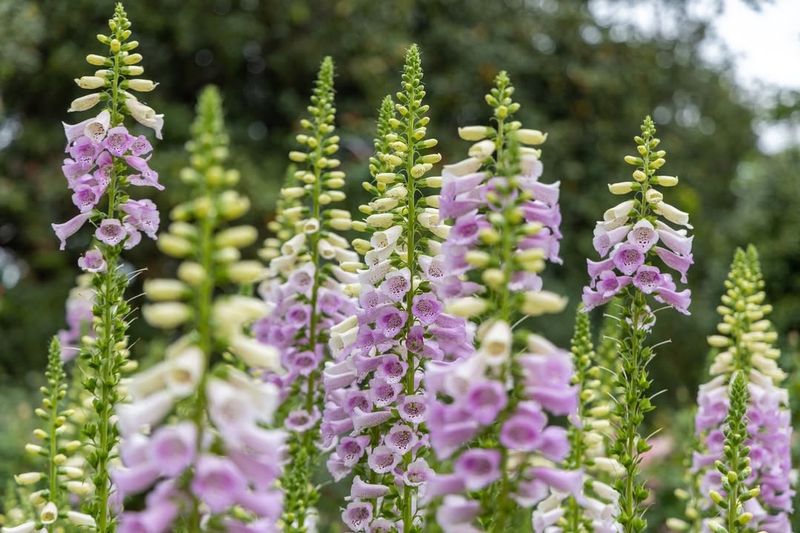
Standing tall and proud, foxgloves bring vertical drama to any garden with their impressive flower spikes.
The tubular blooms stack up along stems that can reach 4 to 6 feet high.
Bees love crawling inside the spotted flowers to gather nectar and pollen.
These cottage garden classics prefer partial shade and moist soil, though they adapt to various conditions.
Foxgloves are biennials that self-sow generously, ensuring you always have plants at different stages.
The first year brings a rosette of fuzzy leaves close to the ground.
The second year delivers those spectacular flower spikes in shades of purple, pink, white, or yellow.
After blooming, the plants produce thousands of tiny seeds that scatter far and wide.
Seedlings will pop up around the mother plant and beyond.
The flowers bloom in late spring to early summer, creating a magical woodland feel.
They look stunning planted in groups or drifts rather than single specimens.
Hummingbirds sometimes visit the blooms along with bees.
Remember that all parts of foxglove plants contain compounds that shouldn’t be eaten.
They’re best admired for their beauty from a safe distance.
6. Hollyhock

Nothing says old-fashioned charm quite like hollyhocks towering beside a fence or cottage wall.
These giants can reach 6 to 8 feet tall, covered in large, showy flowers that open from bottom to top.
The blooms come in almost every color imaginable, from deep maroon to pale yellow.
Hollyhocks are biennials or short-lived perennials that self-sow with enthusiasm.
Plant them once, and you’ll likely have them forever as new seedlings replace older plants.
They need full sun and decent drainage to perform their best.
The flowers appear in midsummer and can bloom for several weeks if conditions are right.
Each bloom lasts only a day or two, but new ones keep opening up the stalk.
Bees and butterflies visit constantly throughout the day.
The large, round seed pods are easy to collect if you want to share with friends or plant in new areas.
Kids often use the flowers to make tiny dolls by flipping the blooms upside down.
The plants can get a bit ragged by late summer.
Hollyhocks have naturalized in many rural areas, growing along roadsides and in forgotten corners.
They bring vertical interest to the back of borders.
7. Larkspur

Graceful spires of larkspur flowers add an elegant touch to spring and early summer gardens.
The delicate blooms cluster along tall stems in shades of blue, purple, pink, and white.
Each flower has a distinctive spur extending from the back, giving the plant its common name.
Annual larkspur self-sows reliably, often better than if you try to plant seeds yourself.
The seeds actually need a period of cold to germinate well, so fall-sown seeds or self-sown ones do best.
They prefer cool weather and full sun.
Plants grow 2 to 4 feet tall, depending on the variety and growing conditions.
The blooms appear in late spring to early summer, before the heat of summer arrives.
They make excellent cut flowers that last well in arrangements.
Larkspur looks stunning planted in drifts or mixed with other cottage garden favorites.
The flowers attract beneficial insects and provide nectar for butterflies.
As the blooms fade, distinctive seed pods form along the stems.
Let these pods dry on the plant, and they’ll split open to scatter seeds.
Seedlings often appear in fall and overwinter as small plants.
They’ll bloom the following spring, continuing the cycle.
8. Love-In-A-Mist
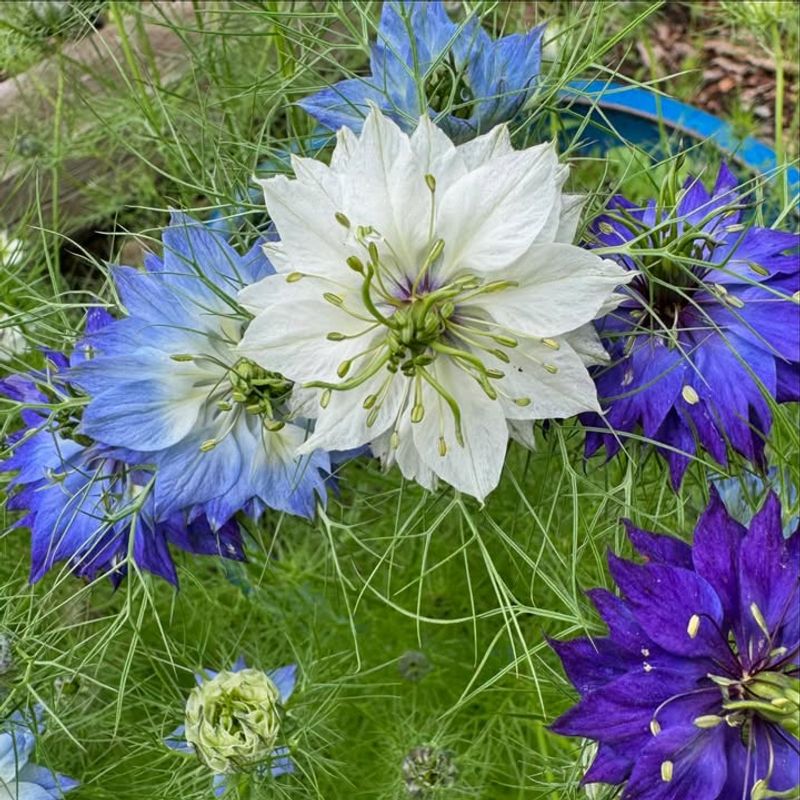
Few flowers capture whimsy quite like love-in-a-mist with its delicate blooms nestled in clouds of feathery foliage.
The common name perfectly describes how the flowers appear to float in a mist of thread-like leaves.
Blue is the classic color, though you can find pink and white varieties too.
This charming annual self-sows enthusiastically once established in your garden.
The plants grow quickly and bloom within weeks of germinating.
They prefer cool weather and full sun to partial shade.
Love-in-a-mist reaches about 12 to 18 inches tall with an airy, delicate appearance.
The flowers bloom in late spring to early summer, followed by equally interesting seed pods.
These inflated, striped pods are often used in dried flower arrangements.
The seed pods contain numerous black seeds that scatter when the pods split open.
Seedlings will appear in fall or early spring, depending on your climate.
The plants are easy to recognize by their distinctive ferny foliage.
Gardeners appreciate how this flower fills gaps between perennials in mixed borders.
It looks especially beautiful planted in groups rather than scattered individually.
The flowers also make charming additions to small bouquets and posies.
9. Poppy
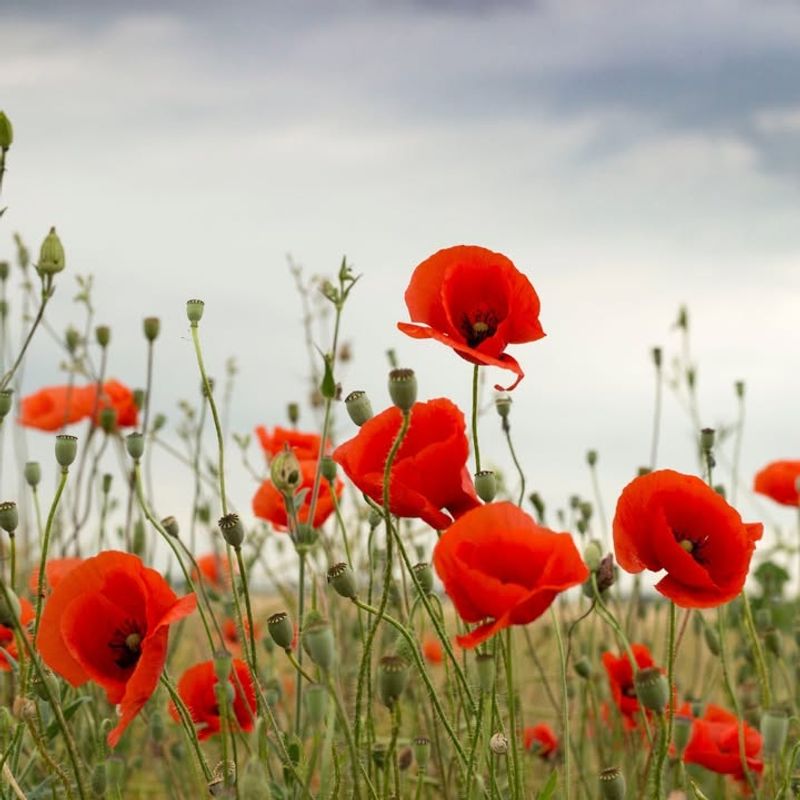
Poppies bring an explosion of color with their tissue-paper petals that seem to glow in the sunlight.
The classic red ones are most famous, but they also bloom in orange, pink, white, and even purple shades.
Each flower lasts only a few days, but plants produce blooms in succession.
These flowers self-sow so readily that you’ll find them popping up in unexpected places.
The tiny seeds can remain dormant in soil for years until conditions are right.
Poppies prefer full sun and well-drained soil.
They don’t like being transplanted, so it’s best to let them grow where they sprout.
The plants grow 1 to 3 feet tall, depending on the variety.
Annual poppies like Shirley and California types reseed most enthusiastically.
After the petals drop, distinctive pepper-shaker seed pods form on top of the stems.
These pods contain hundreds of tiny seeds that scatter when the wind blows.
Shaking the dried pods yourself is oddly satisfying and effective for spreading seeds.
Poppies bloom in late spring to early summer in most regions.
They create a naturalized, meadow-like effect when allowed to self-sow freely.
The flowers attract bees during their brief blooming period.
10. Sweet Alyssum
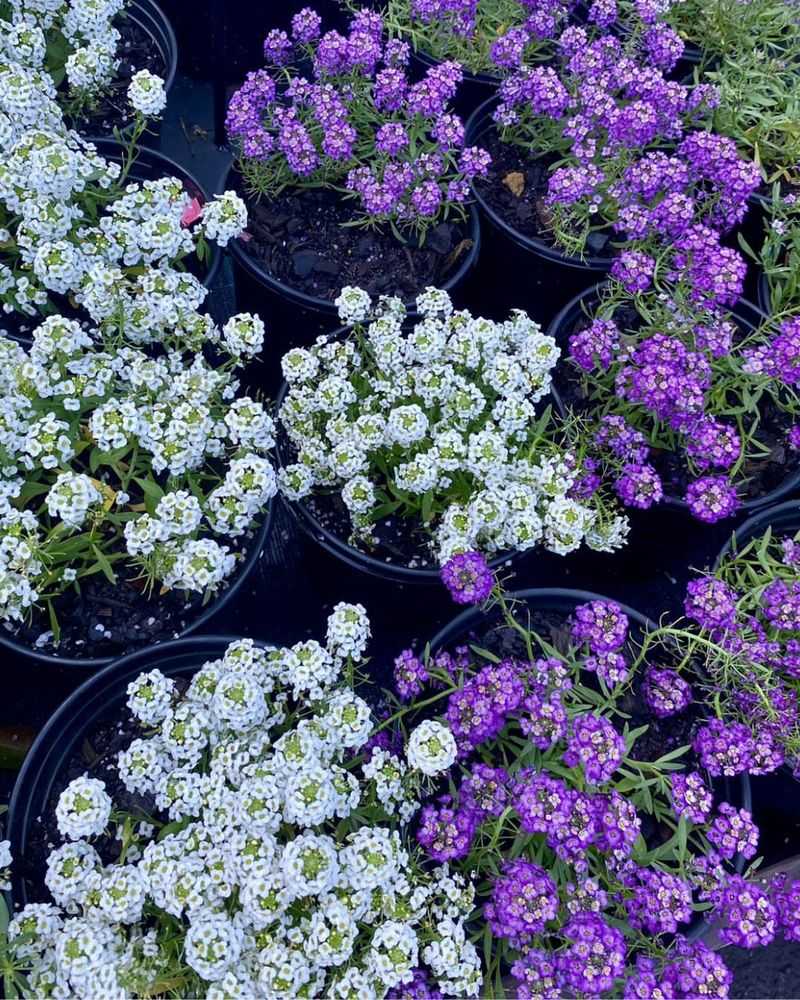
Sweet alyssum creates frothy carpets of tiny flowers that smell like honey on warm days.
The blooms come in white, pink, and purple shades, covering low-growing plants that hug the ground.
This little charmer works beautifully as an edging plant or filler between larger specimens.
Once established, sweet alyssum self-sows generously, filling cracks in pathways and empty spots in beds.
The plants prefer cool weather and may pause blooming during hot summers.
They’ll often rebound and bloom again when fall temperatures arrive.
Sweet alyssum grows only 4 to 6 inches tall but spreads 6 to 12 inches wide.
The flowers attract beneficial insects, including tiny parasitic wasps that help control garden pests.
Butterflies and bees also visit throughout the blooming season.
This flower tolerates light foot traffic, making it perfect for planting between stepping stones.
The plants bloom from spring through fall in many regions.
Deadheading isn’t necessary, though shearing plants back after the first flush encourages fresh growth.
The seeds are incredibly tiny, almost like dust, but they germinate readily.
Seedlings appear wherever conditions suit them, often in spring.
Sweet alyssum naturalizes beautifully in rock gardens and along pathways.
11. Verbena
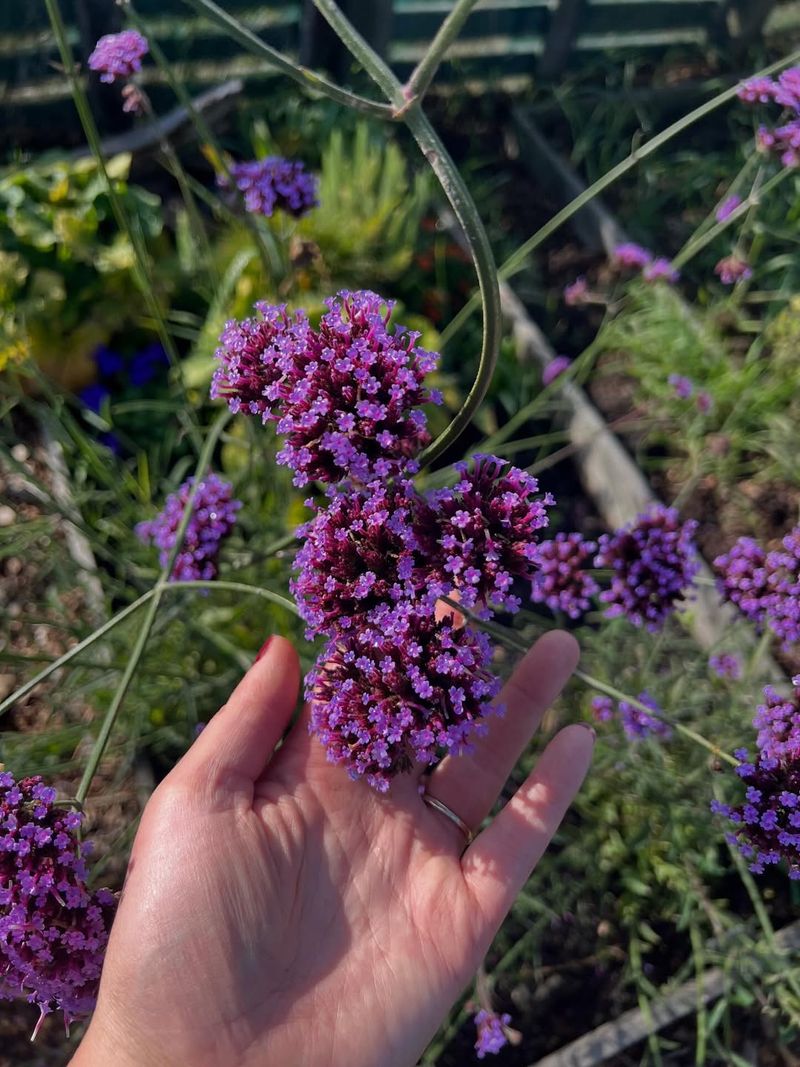
Verbena brings long-lasting color to gardens with its clusters of small flowers that bloom nonstop through summer.
The blooms come in shades of purple, pink, red, and white, often with contrasting centers.
Butterflies can’t resist visiting these nectar-rich flowers throughout the day.
While many verbenas are grown as annuals, some varieties self-sow reliably in warm climates.
Verbena bonariensis is especially generous with spreading seeds around the garden.
The plants prefer full sun and well-drained soil.
Tall verbena varieties can reach 3 to 4 feet high with an airy, see-through quality that works well in borders.
Lower-growing types stay under a foot tall and spread wider.
All verbenas are drought-tolerant once established.
The flowers bloom from late spring until frost in most areas.
Deadheading encourages more blooms, but leave some flowers to set seed if you want volunteers.
The seed heads look attractive even after flowers fade.
Verbena seedlings are easy to identify by their slightly toothed leaves.
They often appear in spring where parent plants grew the previous year.
These volunteers tend to be tougher and more vigorous than purchased plants, adapting perfectly to your specific garden conditions.
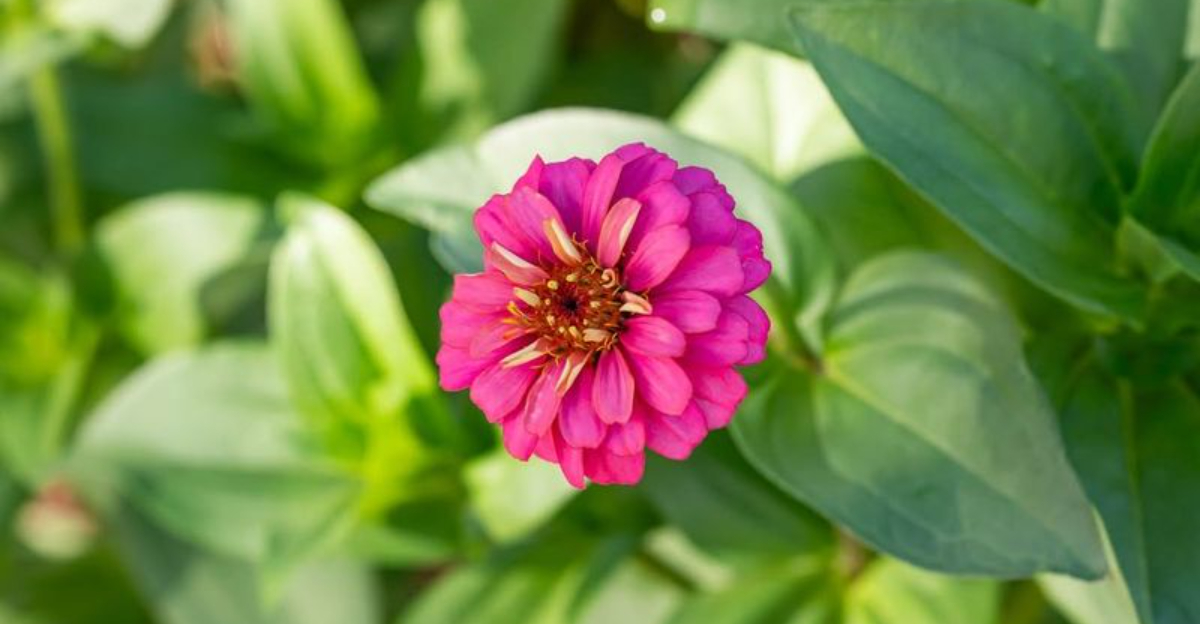
12. Zinnia
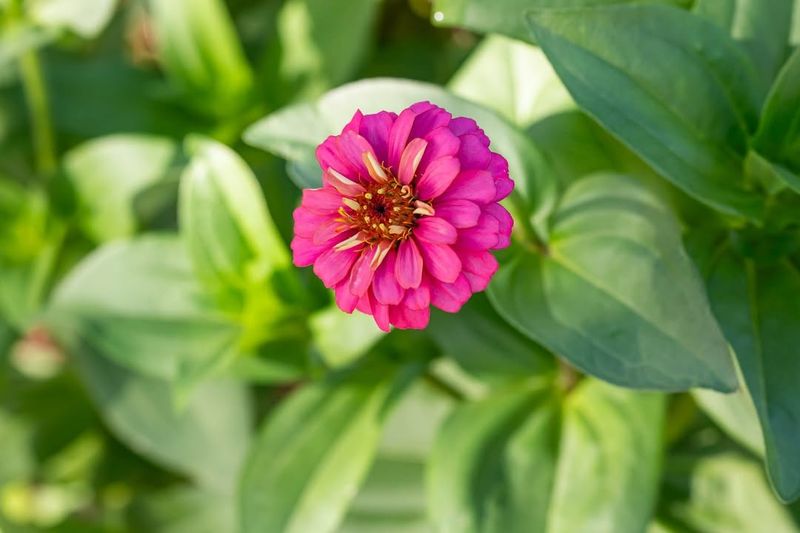
Zinnias pack a punch with their bold, cheerful blooms in almost every color except blue.
From tiny button-sized flowers to dinner-plate giants, there’s a zinnia for every garden style.
The flowers have a sturdy, substantial quality that holds up well in summer heat and makes them perfect for cutting.
While not all zinnias self-sow, many open-pollinated varieties drop seeds that sprout reliably the following year.
The seeds are fairly large and easy to handle, making them great for kids to collect and plant.
Zinnias need full sun and warm soil to thrive.
These flowers bloom from midsummer until frost, providing constant color when many other plants are taking a break.
They grow anywhere from 6 inches to 4 feet tall, depending on the variety.
Butterflies absolutely love zinnias and visit them constantly.
Cutting flowers for bouquets actually encourages plants to produce more blooms.
The more you cut, the more they flower.
Deadheading or cutting also keeps plants looking tidy and vigorous.
Let some flowers go to seed at the end of the season for volunteers next year.
The seedlings are easy to spot with their distinctive oval leaves.
Zinnias are among the easiest flowers for beginning gardeners.