Shade-Loving Evergreens That Transform Dark New Jersey Yards
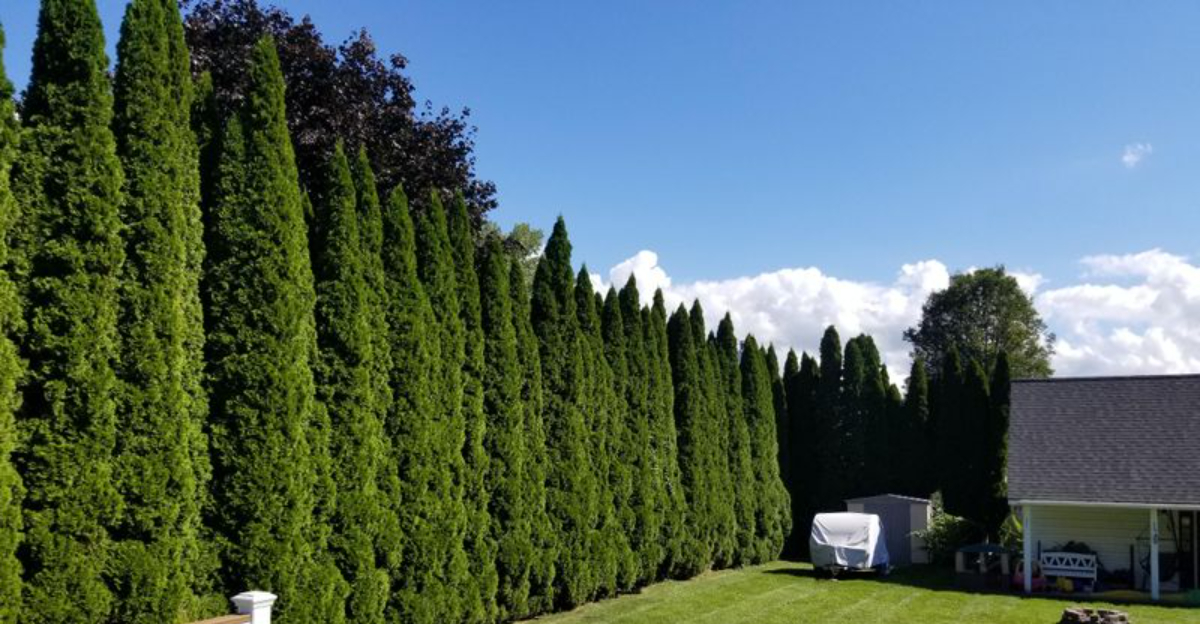
Shade-loving evergreens can turn even the darkest New Jersey yard into a lush, year-round sanctuary.
These resilient plants bring rich color and texture where other greenery struggles to thrive, making shady corners feel intentional and inviting.
With the right selections, your once gloomy garden can become a peaceful, evergreen escape that feels cozy in every season.
1. Japanese Yew (Taxus cuspidata)
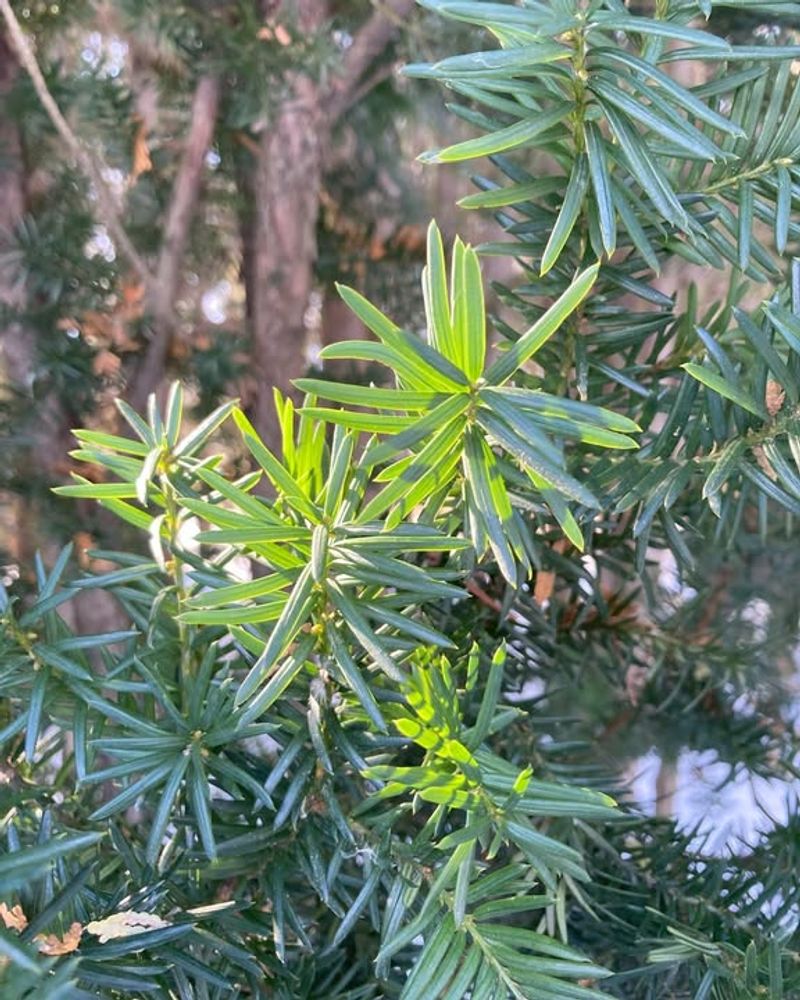
Dark green needles cover this adaptable shrub, creating a rich backdrop that works beautifully in shaded New Jersey gardens throughout every season.
Japanese Yew tolerates deep shade better than most evergreens, making it a top pick for spots under large trees or beside buildings.
Growth remains slow and manageable, so you won’t spend every weekend trimming and shaping this low-maintenance plant in your yard.
Compact varieties fit snugly into small spaces, while larger forms can serve as privacy screens or foundation plantings around your home.
Deer tend to browse on many plants, but Japanese Yew often gets left alone, which is a major bonus for suburban properties.
Soil adaptability is another strength, as this evergreen handles clay, loam, and even slightly sandy conditions without much fussing or special care.
Red berries appear on female plants in fall, adding a pop of color that birds appreciate during colder months across the state.
Pruning stays simple because the dense branching responds well to shearing, letting you create formal hedges or natural informal shapes as desired.
2. Inkberry Holly (Ilex glabra)
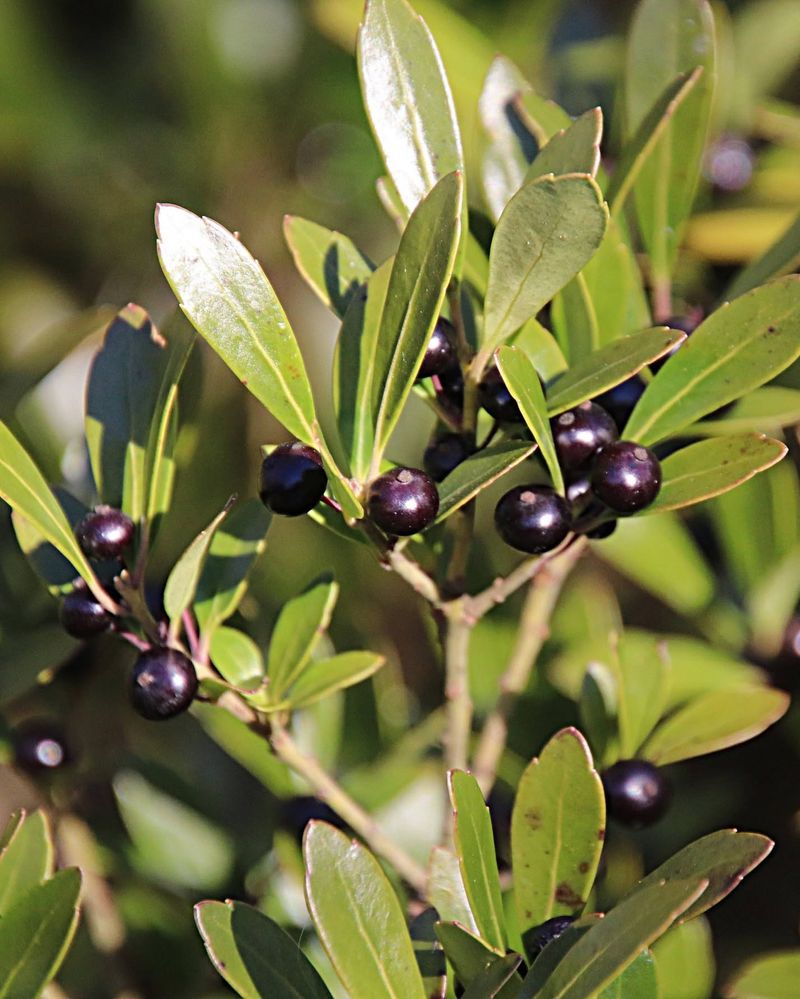
Glossy leaves shimmer even in dim light, giving this native holly a polished appearance that elevates any shaded corner of your property.
Native to the eastern United States, Inkberry Holly adapts seamlessly to New Jersey’s climate and thrives in moist, acidic soils found throughout the region.
Rounded growth habit keeps the plant looking tidy without constant pruning, though occasional shaping helps maintain your preferred size and form over time.
Black berries develop in late summer on female plants, providing food for songbirds and adding subtle interest to the landscape through autumn.
Wet areas pose no problem for this tough evergreen, so it works perfectly in low-lying spots where other plants might struggle or fail.
Foliage stays green year-round, ensuring your yard never looks bare or lifeless even during the coldest stretches of winter weather here.
Compact cultivars fit nicely into foundation beds or mixed borders, while larger selections can form dense hedges or mass plantings for screening purposes.
Minimal pest issues mean you can enjoy this plant without worrying about constant spraying or dealing with infestations that plague other garden favorites.
3. American Arborvitae (Thuja occidentalis)
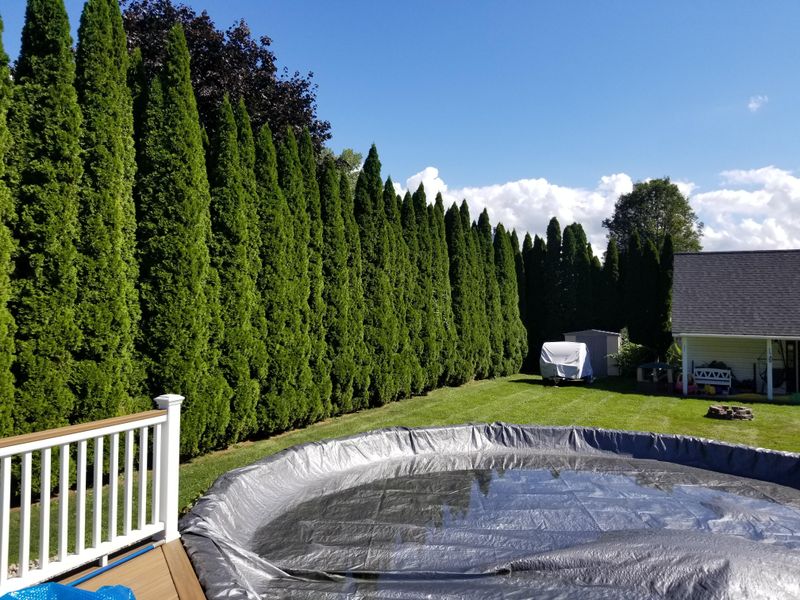
Soft, feathery foliage creates a gentle texture that contrasts beautifully with bold-leaved perennials or hardscaping elements throughout your shaded New Jersey landscape design.
Vertical growth makes this evergreen ideal for narrow spaces where you need height but lack the width for sprawling shrubs or trees.
Partial shade suits this plant just fine, especially when afternoon sun gets blocked by structures or larger trees in your established yard.
Cold hardiness is exceptional, so harsh winter winds and freezing temperatures won’t damage the foliage or compromise the plant’s overall health and vigor.
Privacy screens develop quickly when you plant multiple arborvitaes in a row, forming a living wall that blocks unwanted views year-round.
Aromatic leaves release a pleasant scent when brushed, adding a sensory dimension to your garden that visitors and family members will notice.
Dwarf varieties stay compact and fit into smaller beds, while standard forms can reach impressive heights for dramatic vertical accents in the landscape.
Established plants require little water once their root systems develop, making them a smart choice for busy homeowners seeking low-maintenance evergreen options.
4. Mountain Laurel (Kalmia latifolia)
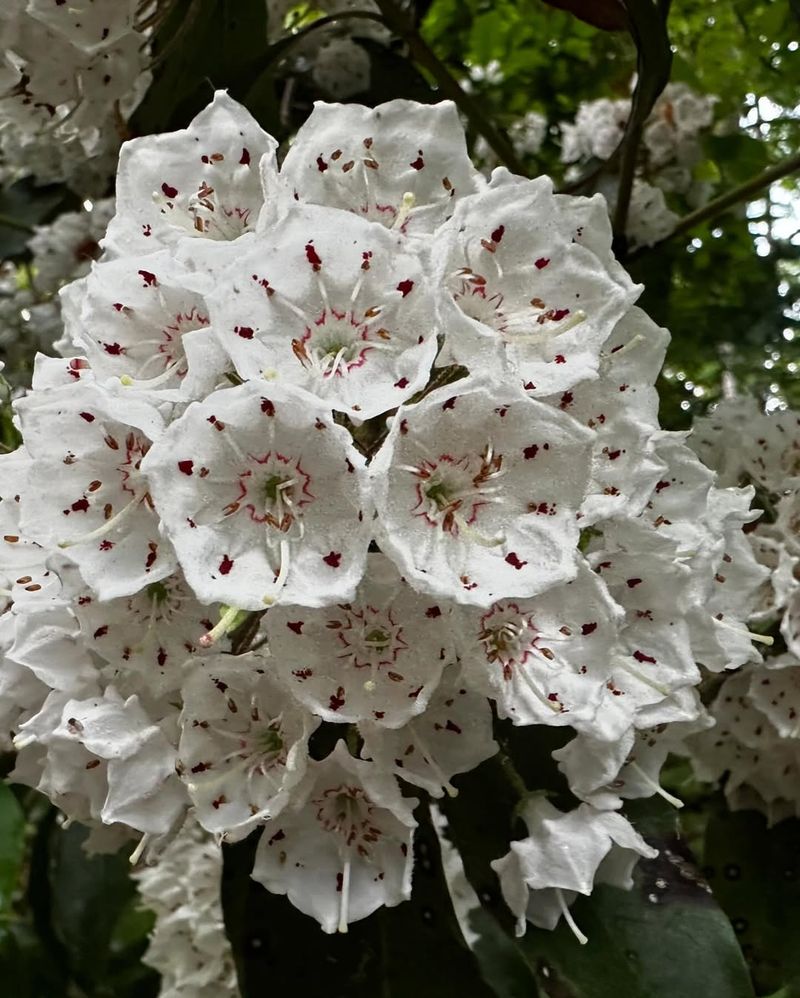
Showy spring blooms steal the spotlight when clusters of pink or white flowers cover this broadleaf evergreen in late May across New Jersey.
Glossy leaves remain attractive all year, providing structure and color even after the spectacular flowering display fades away in early summer months.
Native woodland origins mean Mountain Laurel naturally prefers the dappled shade found beneath tall oaks and maples in many residential yards here.
Acidic soil is essential, so pairing this plant with rhododendrons and azaleas creates a cohesive planting scheme that meets everyone’s growing needs beautifully.
Twisted branches add architectural interest during winter, giving your garden visual appeal even when most other plants have lost their leaves entirely.
Mature size varies by cultivar, with some selections staying under four feet while others can reach eight feet or more over many years.
Deer resistance is a welcome trait, as these animals typically avoid nibbling on Mountain Laurel, leaving your investment protected from hungry wildlife browsing.
Mulching with organic matter helps retain moisture and maintain the acidic conditions this evergreen loves, ensuring healthy growth and abundant blooms each spring.
5. Leucothoe (Leucothoe fontanesiana)

Arching branches create a graceful, cascading form that softens hard edges along pathways or foundation plantings in shaded New Jersey yards throughout the seasons.
Drooping white flowers appear in spring, dangling like tiny bells beneath the foliage and attracting early-season pollinators to your garden space.
Burgundy tones develop on new growth in some cultivars, adding a splash of unexpected color that contrasts nicely with the dark green mature leaves.
Shade tolerance is outstanding, allowing Leucothoe to flourish in spots where few other broadleaf evergreens would even survive, let alone truly thrive.
Low-growing habit makes this plant perfect for underplanting beneath trees or filling in gaps between taller shrubs in layered landscape designs across the state.
Acidic soil preferences align well with rhododendrons and azaleas, so you can group these plants together for a cohesive, easy-care woodland garden aesthetic.
Deer tend to pass by Leucothoe, which is a relief for gardeners tired of seeing their favorite plants nibbled down to stubs overnight.
Minimal pruning keeps the plant looking neat, though you can remove any damaged or awkward stems in early spring before new growth begins.
6. Hemlock (Tsuga canadensis)
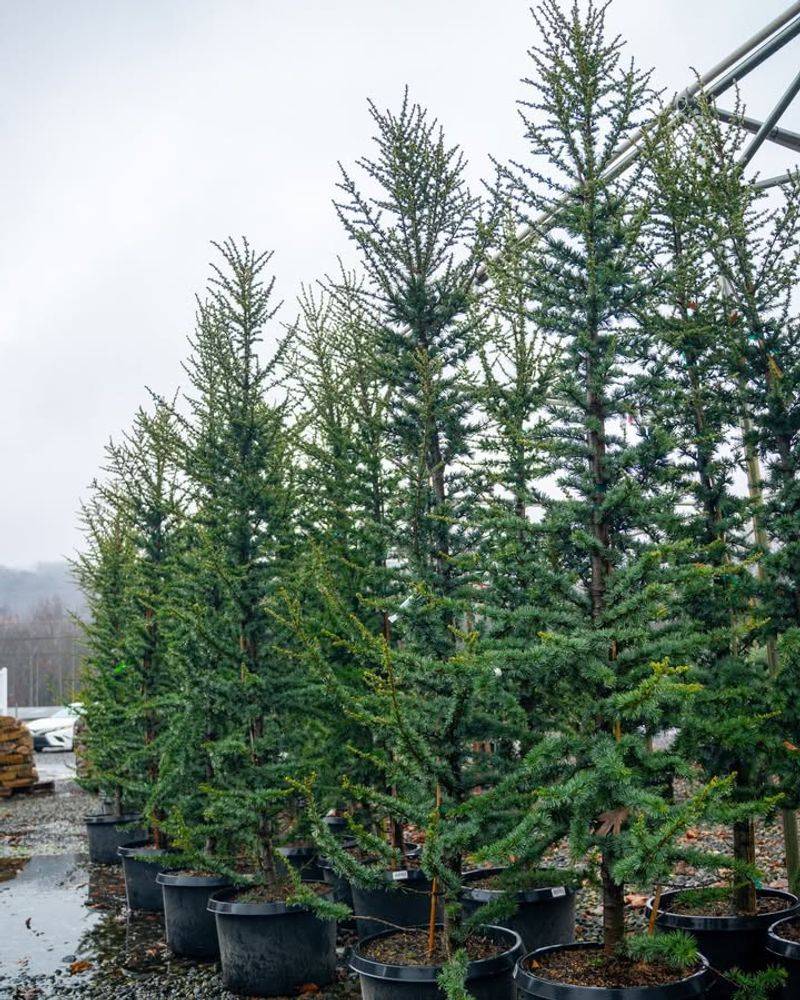
Fine needles give this elegant conifer a soft, feathery appearance that moves gently with every breeze, creating a calming presence in shaded New Jersey landscapes.
Graceful branching patterns add a refined, almost delicate quality that sets Hemlock apart from the stiffer, more formal look of many other evergreen trees.
Shade tolerance is legendary among conifers, as Hemlock naturally grows in forest understories where sunlight is sparse and competition for light is fierce.
Wildlife benefits are numerous, with birds nesting in the dense foliage and small mammals finding shelter beneath the low-hanging branches throughout all seasons.
Screening potential is excellent when you plant multiple Hemlocks in a row, forming a tall, living barrier that provides privacy and wind protection.
Moist, well-drained soil keeps this tree happiest, so avoid planting in bone-dry spots or areas where water pools for extended periods after rainstorms.
Woolly adelgid poses a threat in some areas, so monitor your Hemlocks regularly and treat any infestations promptly to protect your investment over time.
Pruning flexibility allows you to shape Hemlocks into formal hedges or leave them natural for a more relaxed, woodland-style garden appearance in your yard.
7. Boxwood (Buxus sempervirens)
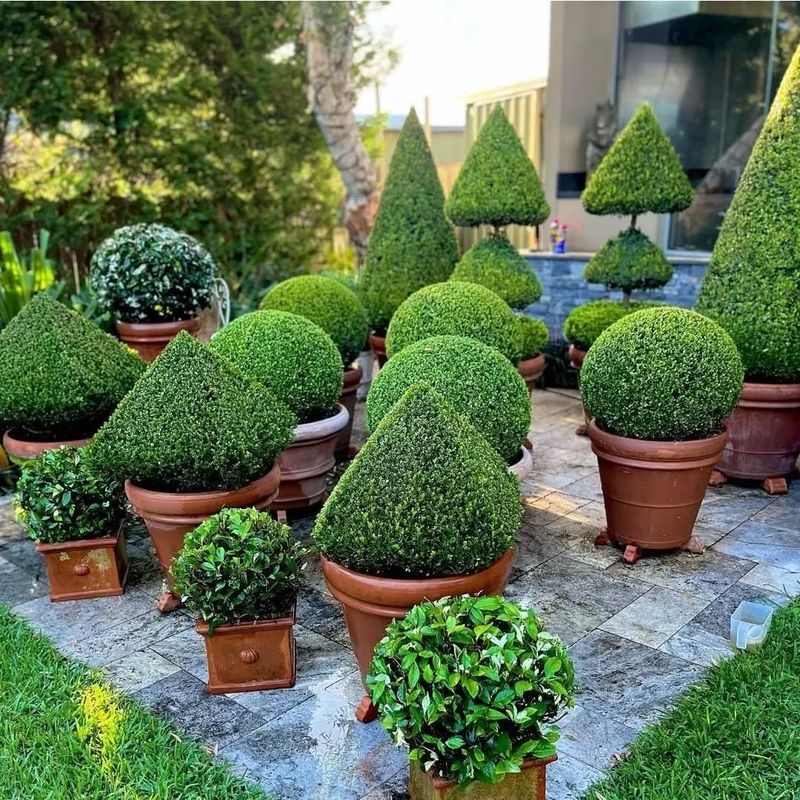
Small, dense leaves create a fine-textured appearance that works beautifully as a formal hedge or low border in shaded New Jersey gardens year-round.
Slow growth means you won’t spend every weekend with shears in hand, though occasional trimming keeps the plant looking sharp and well-maintained over time.
Partial shade actually suits Boxwood quite well, especially during hot summer afternoons when intense sun can scorch the delicate foliage and cause stress.
Classic garden appeal makes this evergreen a favorite for traditional landscapes, where its refined look complements historic homes and formal planting schemes perfectly.
Compact varieties fit into tight spaces, making Boxwood ideal for edging walkways, framing garden beds, or defining outdoor rooms in your landscape design.
Deer resistance is a major advantage, as these animals typically leave Boxwood alone, sparing you the frustration of watching your carefully shaped plants get destroyed.
Soil adaptability is strong, with Boxwood handling a range of conditions from clay to loam, though good drainage is always important for long-term health.
Winter interest remains high, as the evergreen foliage provides structure and color when most other plants have gone dormant or lost their leaves entirely.
8. Rhododendron (Rhododendron spp.)
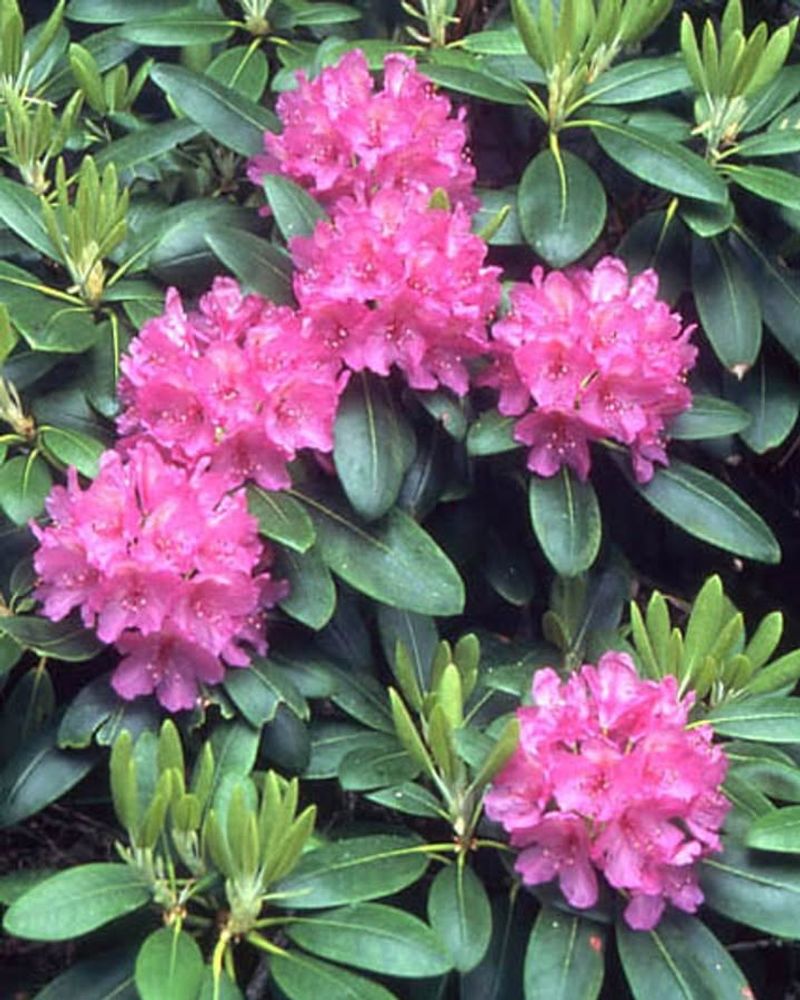
Spectacular spring blooms burst forth in shades ranging from pure white to deep purple, transforming shaded New Jersey yards into vibrant floral displays.
Large, glossy leaves remain on the plant all year, providing a bold, tropical-looking backdrop that contrasts beautifully with fine-textured ferns and grasses.
Shade preference is strong, as Rhododendrons naturally grow in woodland settings where dappled light filters through the canopy of taller trees above them.
Acidic soil is a must, so amend your planting area with sulfur or peat moss if your native soil leans toward neutral or alkaline pH levels.
Countless cultivars offer a wide range of sizes, colors, and bloom times, letting you create a custom collection that flowers from early spring through summer.
Mulching with organic matter helps maintain soil acidity and moisture levels, both of which are critical for keeping Rhododendrons healthy and blooming reliably each year.
Deer resistance varies by cultivar, but many Rhododendrons get left alone by browsing wildlife, making them a safer choice than more vulnerable flowering shrubs.
Pruning after flowering allows you to shape the plant and remove spent blooms, encouraging bushier growth and more flowers the following spring season.
9. Pieris (Pieris japonica)
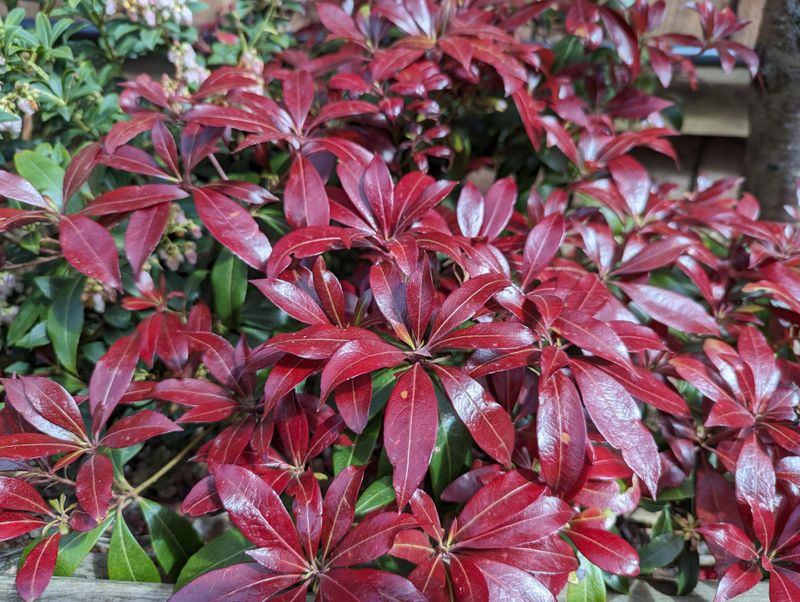
Cascading white or pink flowers dangle from the branches in early spring, creating a stunning display that signals the arrival of warmer weather.
New growth emerges in shades of bronze, red, or pink, adding a burst of color that rivals any flowering plant in your shaded New Jersey landscape.
Glossy evergreen leaves provide year-round structure, ensuring your garden never looks empty or dull even during the coldest stretches of winter in the state.
Shade tolerance is excellent, making Pieris a natural choice for those tricky spots where sunlight is limited and other broadleaf evergreens might struggle to perform.
Acidic soil keeps this plant happy, so pair it with azaleas, rhododendrons, and other acid-loving species for a cohesive and easy-to-maintain planting scheme.
Compact varieties fit nicely into smaller beds or containers, while larger selections can anchor mixed borders or serve as standalone specimens in the yard.
Deer resistance is a welcome benefit, as these animals typically avoid Pieris, leaving your investment protected from the constant threat of wildlife browsing damage.
Minimal care requirements mean you can enjoy this plant without constant fussing, though occasional pruning and mulching will keep it looking its absolute best.
10. Canadian Hemlock (Tsuga canadensis)
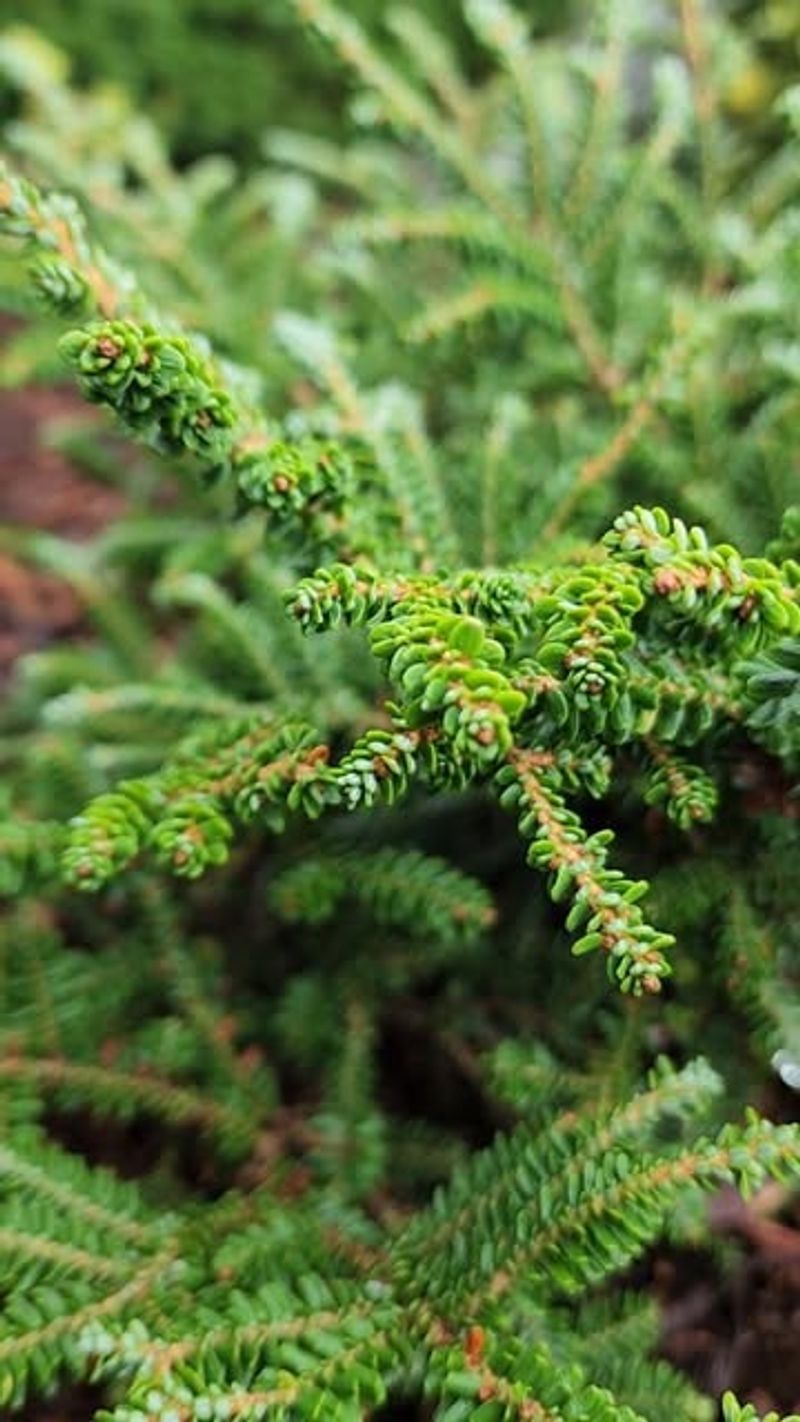
Soft, drooping branches give this native conifer a relaxed, informal appearance that fits perfectly into naturalistic woodland gardens throughout New Jersey and beyond.
Fine needles create a delicate texture that contrasts beautifully with bold-leaved shrubs or hardscaping elements, adding visual interest to your shaded landscape design.
Shade tolerance is exceptional, as Canadian Hemlock naturally thrives in forest understories where competition for sunlight is intense and growing conditions are challenging.
Wildlife habitat benefits are significant, with birds nesting in the dense foliage and small mammals finding shelter beneath the low branches throughout every season.
Screening potential is high when you plant multiple trees in a row, forming a tall, living privacy barrier that blocks unwanted views year-round.
Moist soil conditions keep this tree happiest, so avoid planting in dry, exposed sites where water availability is inconsistent or limited during summer months.
Woolly adelgid remains a concern in some regions, so inspect your trees regularly and treat any infestations promptly to protect their long-term health and vigor.
Pruning flexibility allows you to shape Canadian Hemlock into formal hedges or leave them natural for a more relaxed, woodland aesthetic in your shaded yard.