9 Shade-Loving Ohio Native Plants That Grow Under Trees
Shady spaces under trees often feel like the hardest parts of an Ohio yard to fill. Grass thins, many flowers fade, and the ground can look bare and lifeless no matter how much effort goes into planting.
Yet nature already solved this challenge. Across Ohio woodlands, native plants thrive beneath towering canopies, adapting to filtered light, root competition, and changing moisture levels with ease.
These plants bring quiet beauty, seasonal interest, and a natural balance that fits perfectly under trees without constant struggle. They settle in, spread gently, and create a layered, woodland feel that looks effortless but purposeful.
Instead of fighting shade, working with plants that belong there can transform these overlooked areas into one of the most beautiful parts of the landscape.
If you want healthy, low stress growth beneath your trees, these shade loving Ohio native plants are well worth discovering.
1. Wild Ginger Spreads Into A Lush Shade Carpet
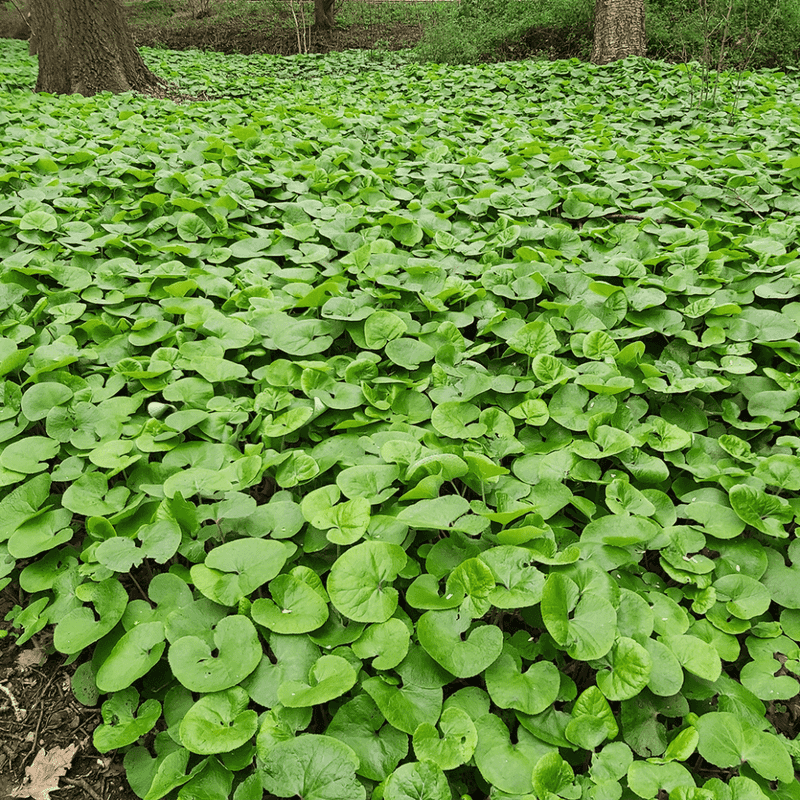
Ground beneath mature trees often stays bare because most plants struggle with dry shade and aggressive root competition. Wild ginger solves both problems by spreading slowly through underground rhizomes that weave between tree roots rather than fighting them.
Its glossy heart-shaped leaves overlap to form a dense mat that stays attractive from spring through fall.
This low-growing native reaches only six inches tall but spreads steadily outward once established in Ohio gardens. The plant produces curious reddish-brown flowers hidden beneath its foliage in spring, though most gardeners grow it purely for the handsome leaves.
Crushed foliage releases a spicy ginger scent that gives the plant its common name.
Dry shade under maples and oaks suits wild ginger perfectly. It tolerates the summer drought conditions common beneath established trees better than most woodland natives.
The plant prefers humus-rich soil but adapts to average garden conditions without complaint.
Wild ginger fills large areas gradually and mixes well with spring bulbs and ferns. It never becomes aggressive or invasive despite its spreading habit.
Ohio gardeners value this native for covering difficult dry shade where grass refuses to grow and other groundcovers struggle to survive.
2. Pennsylvania Sedge Creates A Soft Natural Ground Layer
Lawns fail miserably under trees because turf grasses need sun and consistent moisture. Pennsylvania sedge offers a natural alternative that actually prefers the conditions grass hates.
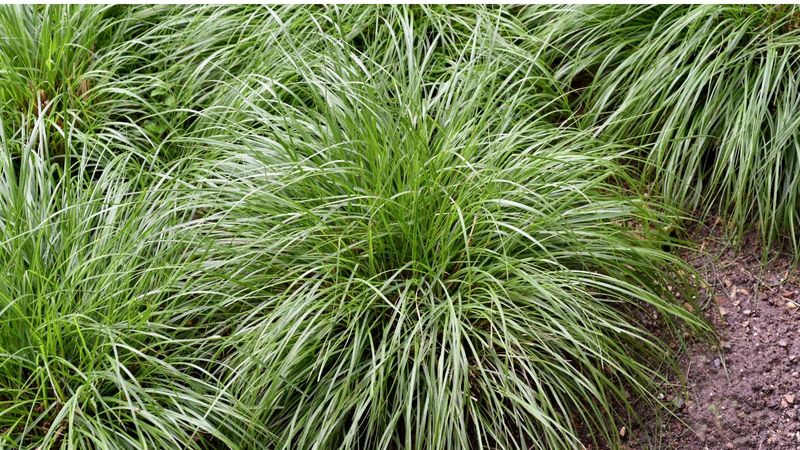
This fine-textured native sedge forms soft tufts that create a meadow-like effect in woodland settings throughout Ohio.
The grass-like foliage grows six to eight inches tall and stays semi-evergreen through mild winters. Plants spread through short rhizomes to form loose colonies that look natural rather than rigidly uniform.
In spring, small flower spikes appear above the foliage before fading into the background.
Dry shade beneath established trees provides ideal growing conditions for Pennsylvania sedge. The plant tolerates root competition from oaks, maples, and other common Ohio shade trees without special care.
It needs no mowing, fertilizing, or irrigation once established, unlike traditional lawn grass.
This sedge works beautifully as a no-mow lawn alternative in shaded areas where conventional turf struggles. The soft texture invites bare feet while requiring almost zero maintenance.
Ohio native plant gardeners often combine it with spring ephemerals and other woodland natives to create natural-looking plant communities. It handles moderate foot traffic and recovers quickly from occasional disturbance.
3. Foamflower Brightens Dark Spaces With Airy Blooms
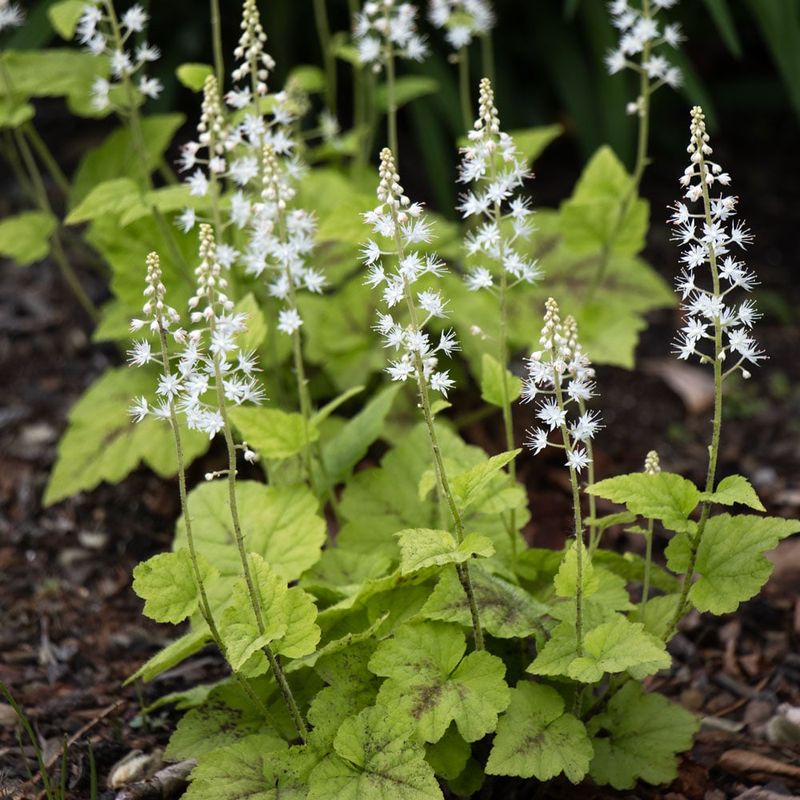
Shaded garden spaces often feel dark and forgotten until something blooms to catch your eye. Foamflower lights up those dim corners in late spring with fuzzy white flower spikes that seem to float above attractive maple-like leaves.
The blooms last several weeks and attract small pollinators even in deep shade.
This Ohio native grows eight to twelve inches tall and spreads slowly through stolons to form tidy clumps. The semi-evergreen foliage often develops burgundy tints in fall and winter, providing interest beyond the spring flowering season.
Some leaves show attractive dark veining that adds visual texture.
Moist shade suits foamflower best, making it perfect for areas beneath trees where downspouts drain or natural moisture collects. The plant tolerates drier conditions once established but performs most impressively with consistent moisture.
Rich woodland soil encourages the best growth and flowering.
Foamflower combines beautifully with ferns, wild ginger, and other moisture-loving natives in Ohio shade gardens. The plant never becomes aggressive despite its spreading habit and respects the space of neighboring plants.
Its tolerance for deep shade makes it valuable for those really difficult spots where few other flowering plants succeed.
4. Wild Geranium Adds Gentle Color In Woodland Shade
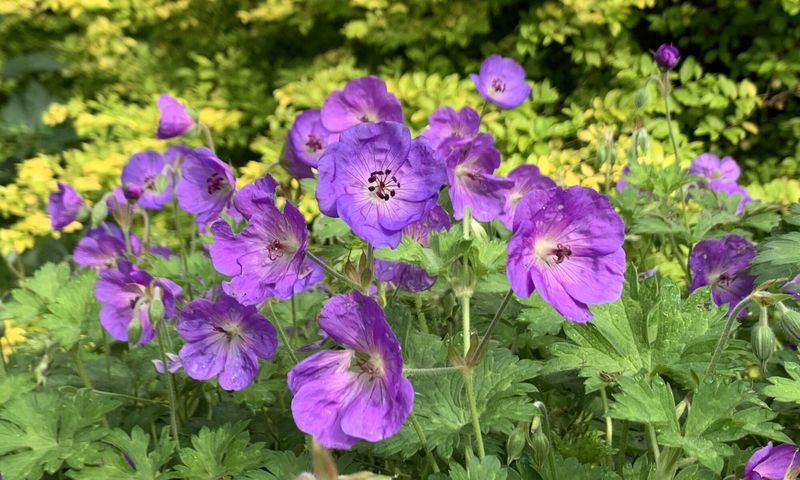
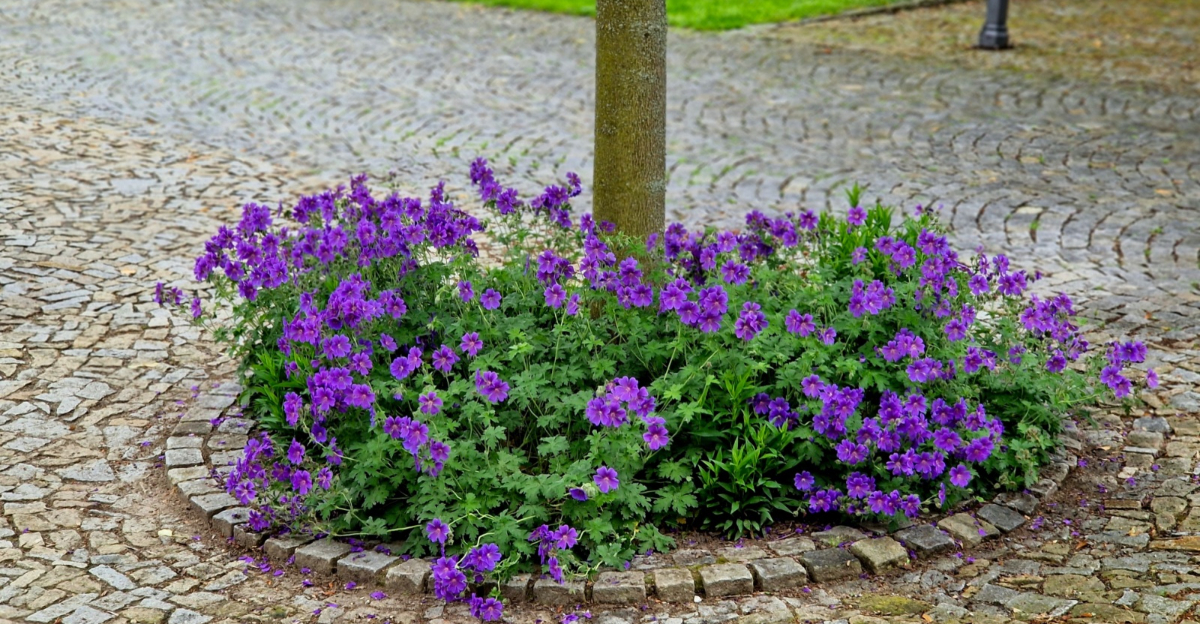
Spring color in shaded Ohio gardens often comes from bulbs that disappear by summer. Wild geranium bridges that gap with cheerful pink-purple blooms in late spring and attractive foliage that persists through the growing season.
The flowers attract native bees and other beneficial insects to shaded areas.
Plants grow twelve to twenty inches tall with deeply lobed leaves that form neat mounds. After the main flowering period ends, sporadic blooms continue through early summer.
The foliage often takes on reddish tints in fall before going dormant for winter.
Adaptability makes wild geranium valuable for Ohio gardeners dealing with variable shade conditions. It handles everything from dappled sunlight to fairly deep shade beneath mature trees.
The plant tolerates both moist and moderately dry soils, though it performs best with average moisture.
This native self-sows gently to form natural-looking colonies without becoming weedy or aggressive. Wild geranium fills the middle layer in woodland gardens, growing taller than groundcovers but shorter than large ferns.
It combines well with Virginia bluebells, trilliums, and other spring ephemerals. The plant needs no deadheading, dividing, or special care once established in appropriate conditions.
Ohio native plant enthusiasts appreciate its reliable performance and graceful presence in shaded settings.
5. Virginia Bluebells Bring Early Spring Magic Under Trees
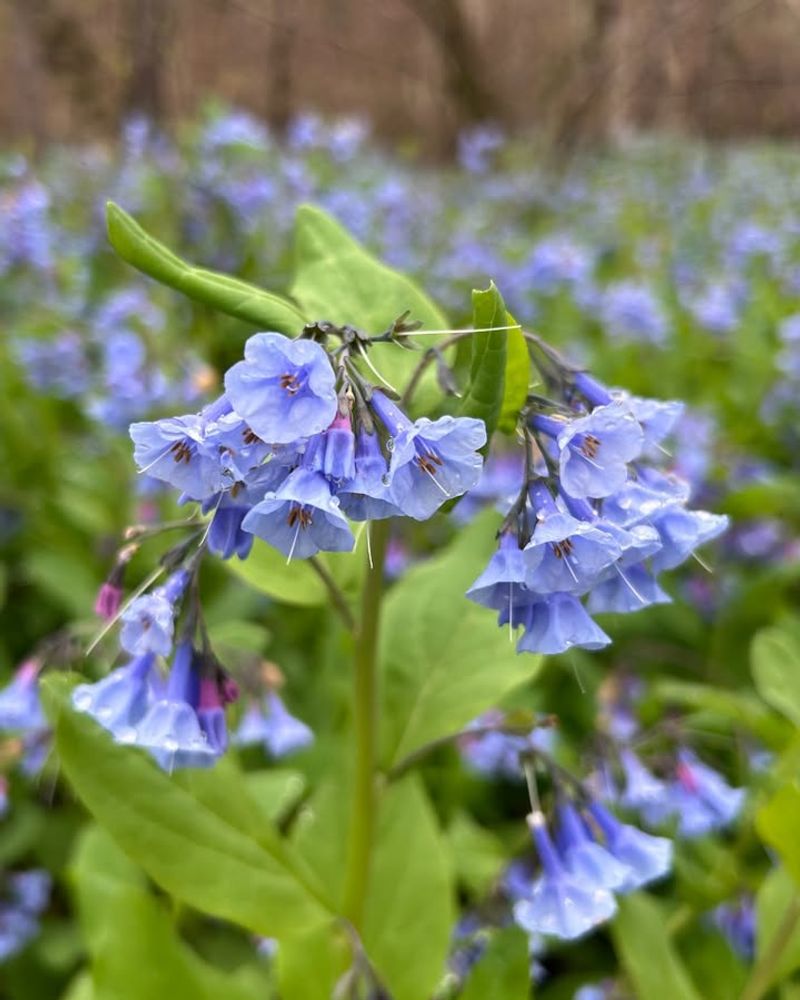
Early spring sunshine reaches the forest floor before tree leaves emerge, creating a brief window of opportunity. Virginia bluebells take full advantage of this period by growing, blooming, and setting seed before the canopy closes overhead.
The nodding clusters of sky-blue flowers create stunning displays in April throughout Ohio woodlands.
Plants emerge in early spring and quickly grow twelve to twenty-four inches tall. Flower buds start pink and open to reveal true blue blooms that seem almost luminous in the spring light.
The smooth blue-green foliage stays attractive even after flowering ends.
This spring ephemeral goes completely dormant by early summer, disappearing until the following spring. The strategy allows it to avoid summer drought and deep shade beneath fully leafed trees.
Virginia bluebells prefer moist, rich soil and naturalize readily in appropriate conditions.
Gardeners often interplant Virginia bluebells with ferns or hostas that emerge later and fill the space left by dormant bluebell foliage. The plants spread through seed and form increasingly impressive colonies over time.
They never become invasive despite their self-sowing habit. Ohio gardeners treasure these natives for bringing true blue color to early spring shade gardens when few other plants bloom.
6. Solomon’s Seal Forms Graceful Arching Shade Clumps
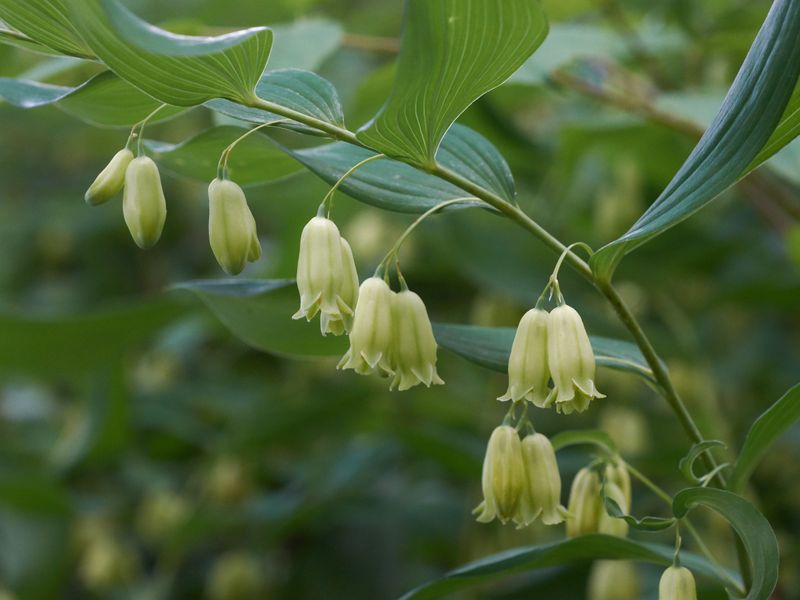
Architectural structure matters in shade gardens where flowers appear less frequently than in sunny beds. Solomon’s seal provides that structure with gracefully arching stems that create elegant lines even before flowers appear.
Small white bell-shaped blooms dangle beneath the stems in late spring, followed by blue-black berries that birds enjoy.
The plant grows two to three feet tall with alternating leaves arranged along curving stems. Each stem arches outward from the central crown, creating a fountain-like effect.
The foliage turns soft yellow in fall before plants go dormant for winter.
Dry shade tolerance makes Solomon’s seal especially valuable for difficult spots beneath mature trees in Ohio. Once established, plants handle summer drought without wilting or going dormant early.
The thick rhizomes store moisture and nutrients to sustain growth even when surface soil dries out.
This long-lived perennial forms substantial clumps over time but never spreads aggressively. Solomon’s seal combines beautifully with ferns, wild ginger, and other woodland natives.
The plant needs no staking despite its height and tolerates neglect once established. Ohio gardeners appreciate its reliability in challenging dry shade conditions where many other woodland natives struggle.
The distinctive form adds visual interest throughout the growing season.
7. Jack In The Pulpit Adds Unique Woodland Character
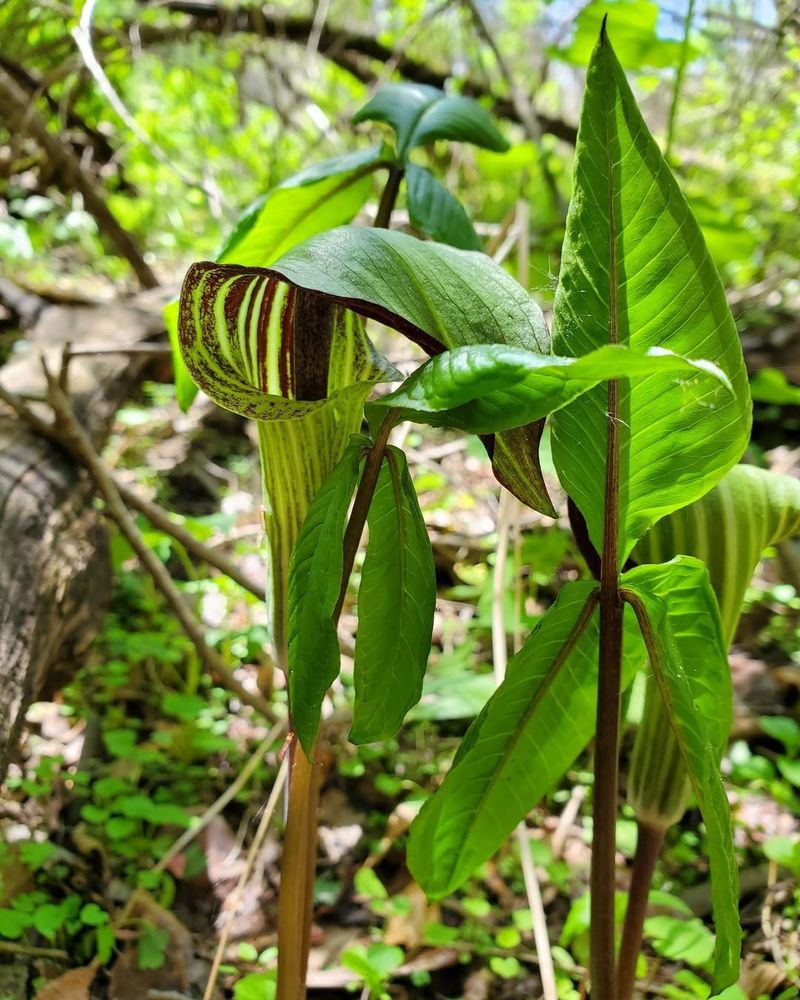
Woodland gardens benefit from plants with distinctive personalities that catch attention and spark conversation. Jack in the pulpit delivers that interest with its curious hooded flower that resembles a tiny preacher in an old-fashioned pulpit.
The unusual structure attracts curious observers and teaches children about plant diversity in Ohio forests.
Plants grow twelve to twenty-four inches tall with one or two three-part leaves rising from an underground corm. The flower appears in spring, typically green with purple or brown stripes, though color varies considerably.
By late summer, the flower structure transforms into a cluster of bright red berries.
Moist woodland shade provides ideal conditions for this Ohio native. It prefers rich soil with consistent moisture but tolerates drier conditions once established.
The plant goes dormant by midsummer in dry years or continues growing until fall when moisture stays adequate.
Jack in the pulpit spreads slowly through seed and offsets to form small colonies. Birds distribute the seeds after eating the berries, sometimes establishing new plants in unexpected locations.
The distinctive appearance makes it easy to identify even when not in flower. Ohio native plant enthusiasts value this species for adding unique character to shade gardens and supporting native pollinators and wildlife.
8. Wild Violet Fills Bare Ground With Tough Green Cover
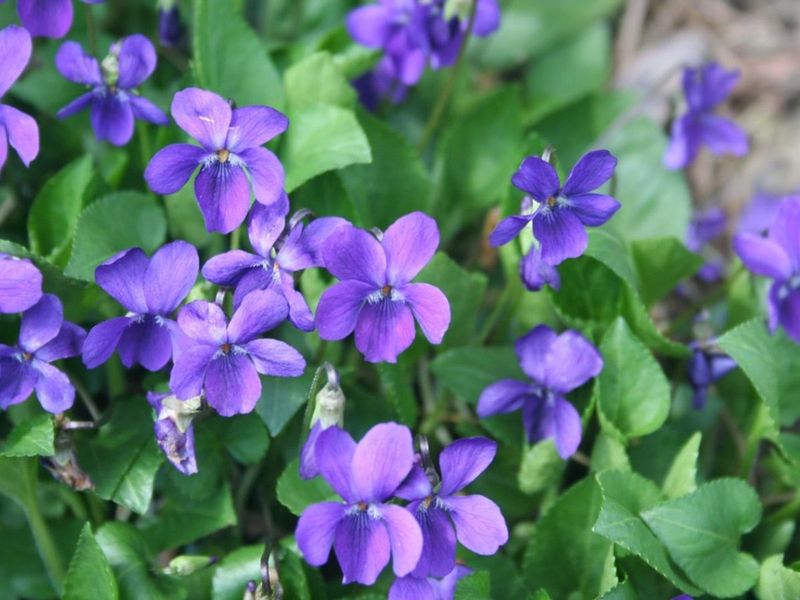
Bare ground beneath trees invites weeds and looks neglected even in otherwise well-maintained Ohio gardens. Wild violet solves both problems by quickly covering open soil with attractive heart-shaped leaves that stay green from early spring through fall.
Small purple or white flowers appear in spring and sometimes rebloom sporadically through summer.
This tough native grows four to six inches tall and spreads vigorously through seeds and short rhizomes. Plants form dense colonies that crowd out most weeds while still allowing spring bulbs and other desirable plants to grow through.
The foliage tolerates moderate foot traffic and recovers quickly from disturbance.
Wild violet adapts to nearly any shade condition from dappled light to deep shadow beneath mature trees. It handles dry shade, moist shade, and everything in between with equal success.
The plant even tolerates occasional flooding and compacted soil that defeats less resilient species.
Some gardeners consider wild violet too aggressive for formal beds but perfect for naturalistic plantings and difficult areas where other groundcovers fail. It provides early nectar for native bees and host plants for fritillary butterfly caterpillars.
Ohio native plant gardeners value this species for covering large problem areas quickly and supporting local wildlife with minimal care or maintenance required.
9. Bottlebrush Grass Adds Texture In Deep Shade
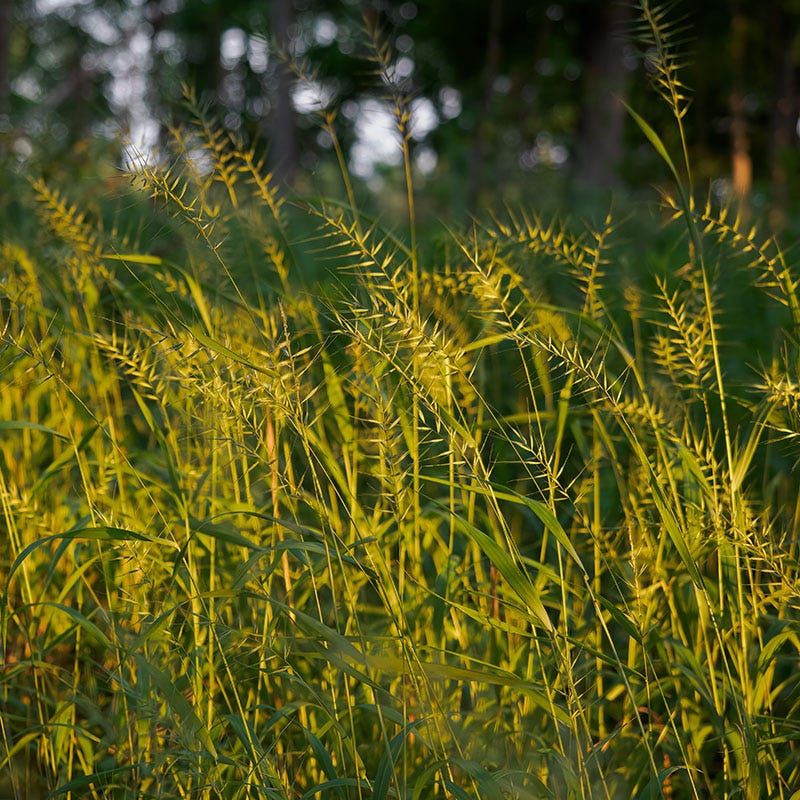
Texture matters as much as flowers in successful shade gardens, especially in deep shade where few plants bloom reliably. Bottlebrush grass provides that texture with distinctive seed heads that resemble their namesake cleaning tool.
The arching foliage creates graceful movement even in still air, adding life to static shaded areas.
This Ohio native grass grows two to four feet tall with narrow leaves that form loose clumps. In early summer, flowering stems rise above the foliage topped with nodding seed heads covered in long bristles.
The seed heads start green and age to tan, providing interest from summer through winter.
Deep shade tolerance sets bottlebrush grass apart from most ornamental grasses that demand sun. It thrives beneath dense tree canopies where typical shade plants struggle and lawn grass refuses to grow.
The plant handles dry shade reasonably well once established, though it performs best with average moisture.
Bottlebrush grass self-sows moderately but never becomes weedy or invasive in garden settings. The seed heads attract small birds that appreciate both the seeds and the cover provided by the foliage.
It combines beautifully with ferns, sedges, and flowering woodland natives in naturalistic Ohio plantings. The grass needs no cutting back until spring and provides winter interest when most shade plants have gone dormant.