13 Shade-Loving Perennials Oregon Experts Are Recommending For 2026
Oregon gardens face unique challenges when it comes to finding plants that thrive in shady spots under towering trees and covered porches.
Many homeowners struggle to fill those darker corners with colorful blooms that return year after year without constant replanting or care.
Shade-loving perennials offer the perfect solution because they come back stronger each season and brighten up those dimly lit garden areas beautifully.
Experts across Oregon have identified thirteen exceptional perennials that promise to transform your shaded spaces into stunning displays throughout the coming year.
1. Bleeding Heart
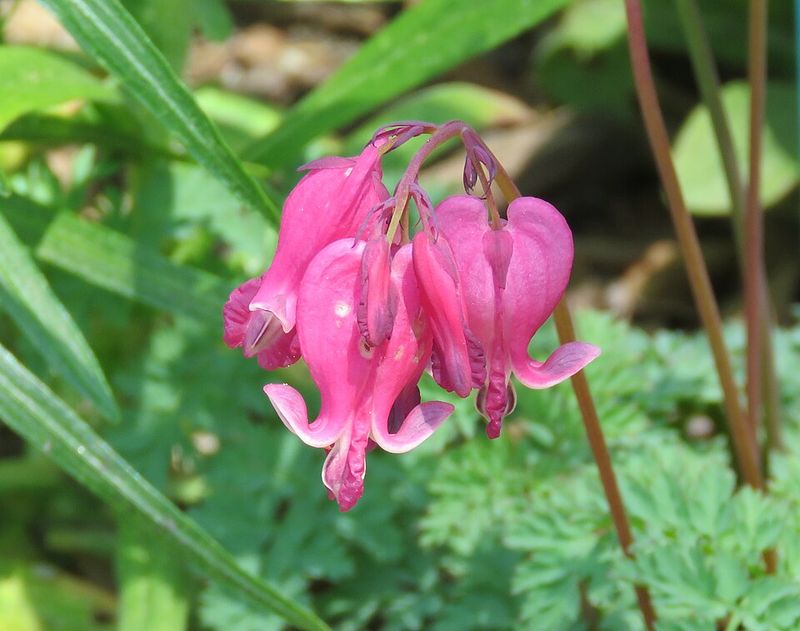
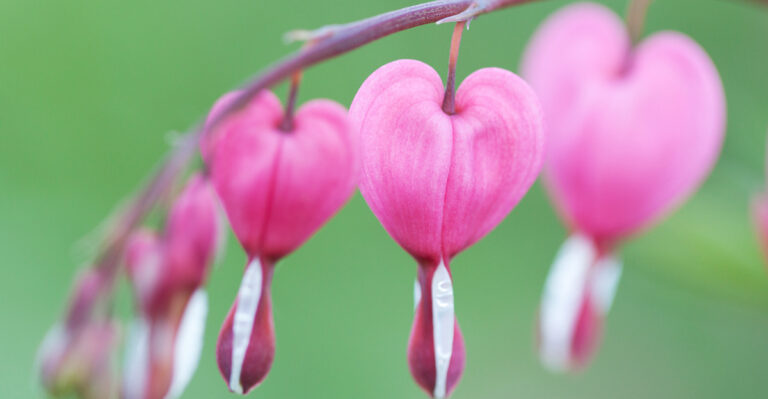
Romantic heart-shaped blooms dangle like tiny jewels from arching stems, creating an enchanting display that captures attention in any shaded garden bed.
Oregon gardeners adore this classic perennial for its ability to brighten dark corners with pink, white, or red flowers throughout spring months.
Fern-like foliage adds texture and interest even after the blooming period ends, making it a valuable addition to woodland garden designs.
Cool, moist conditions found in Oregon’s shaded areas provide the perfect environment for bleeding hearts to flourish and spread into impressive clumps.
These plants prefer rich, well-draining soil that mimics their native forest floor habitat, so adding compost helps them establish strong root systems.
Morning shade with dappled afternoon light works wonderfully, though they tolerate deeper shade better than most flowering perennials available today.
Foliage naturally fades by midsummer in warmer regions, but companion plants like ferns can fill the space left behind when dormancy begins.
Dividing clumps every few years keeps plants vigorous and provides extras to share with neighbors or expand your own garden displays.
Oregon experts recommend pairing bleeding hearts with hostas and astilbes for a layered, cohesive look that maintains interest throughout growing seasons.
2. Astilbe
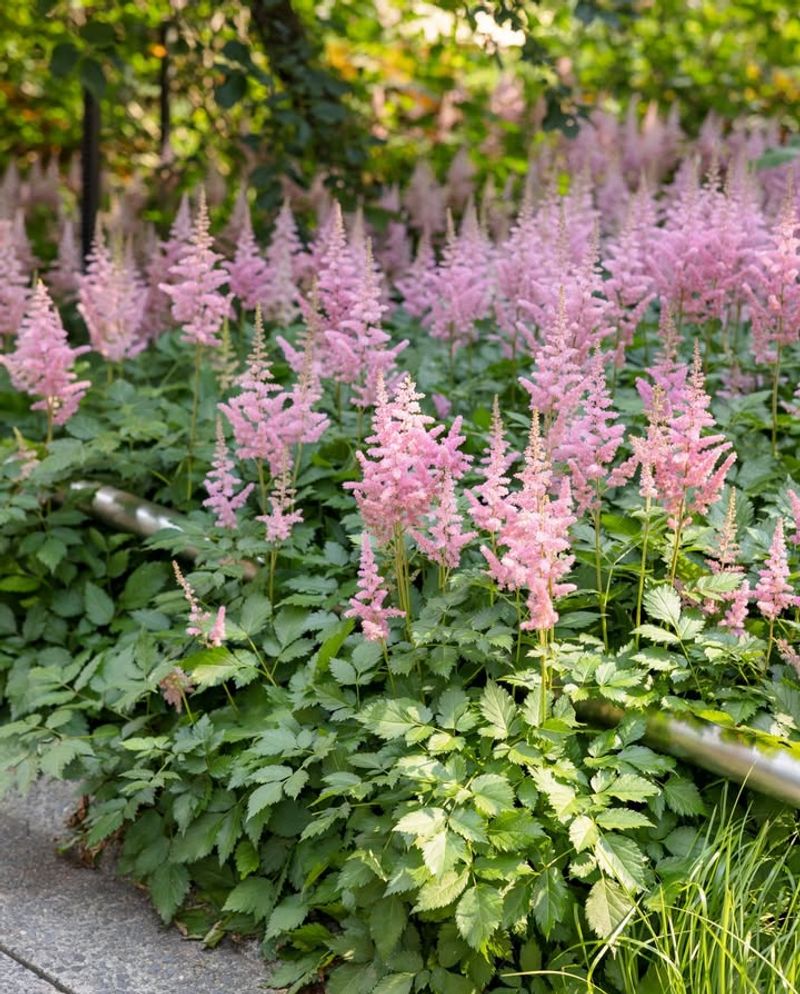
Feathery plumes rise like colorful fireworks above glossy foliage, bringing vertical interest and vibrant color to shaded spaces that often lack dramatic blooms.
Available in shades ranging from pure white to deep magenta, astilbes offer versatility for any color scheme you envision for your garden.
Their fluffy flower spikes appear in early to midsummer, filling the gap between spring bulbs and late-season bloomers with spectacular displays.
Moisture-loving roots thrive in Oregon’s naturally damp, shaded environments, making astilbes one of the easiest perennials to grow successfully without constant intervention.
Rich soil amended with organic matter supports healthy growth, while consistent watering during dry spells prevents leaf scorch and maintains lush appearance.
Mulching around plants helps retain moisture and keeps roots cool, which is essential for peak performance in warmer microclimates.
Cutting spent flower stalks encourages tidier appearance, though many gardeners leave dried plumes standing for winter interest and texture in dormant garden beds.
Foliage remains attractive throughout the season, providing a lush backdrop for later-blooming companions like Japanese anemones and autumn ferns.
Oregon specialists suggest grouping multiple colors together for maximum visual impact and creating stunning focal points in shaded border plantings.
3. Hostas
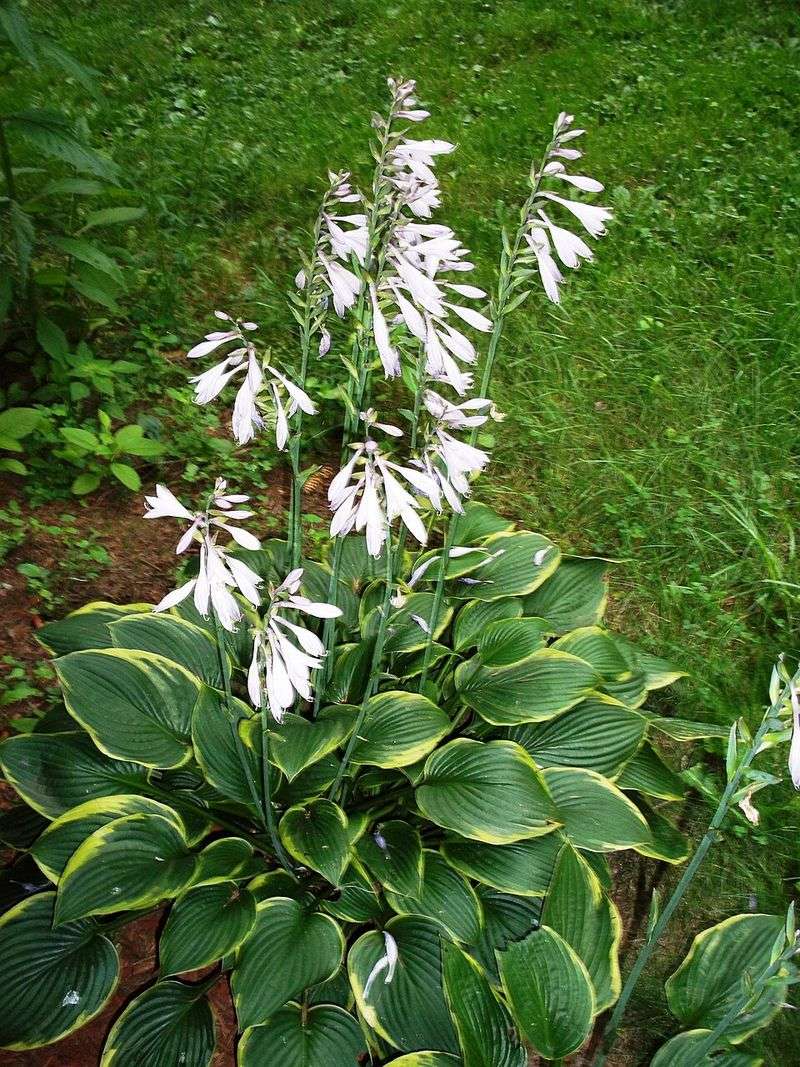
Bold foliage in countless patterns and colors makes hostas the undisputed champions of shade gardening, offering endless possibilities for creative combinations and dramatic displays.
Leaves range from tiny mouse-ear varieties to massive dinner-plate sizes, with colors spanning blue-green, chartreuse, gold, and variegated patterns that brighten dim areas.
Lavender or white flower spikes emerge in summer, adding a bonus layer of interest, though most gardeners grow hostas primarily for foliage.
Oregon’s cool, moist climate creates ideal conditions for hostas to reach their full potential, developing thick clumps that fill space beautifully over time.
Slugs can be problematic in wet regions, but choosing thicker-leaved varieties and using organic controls keeps damage minimal without harsh chemicals.
Mulching with coarse materials like bark chips discourages slugs while improving soil quality as organic matter breaks down and enriches planting beds.
Dividing mature clumps every four to five years rejuvenates plants and provides plenty of extras to expand your collection or trade with friends.
Pairing different hosta varieties creates stunning tapestries of color and texture that remain interesting from spring emergence through fall dormancy periods.
Experts throughout Oregon recommend hostas as the backbone of shade gardens, providing reliable structure that anchors other plantings and ties designs together beautifully.
4. Japanese Forest Grass
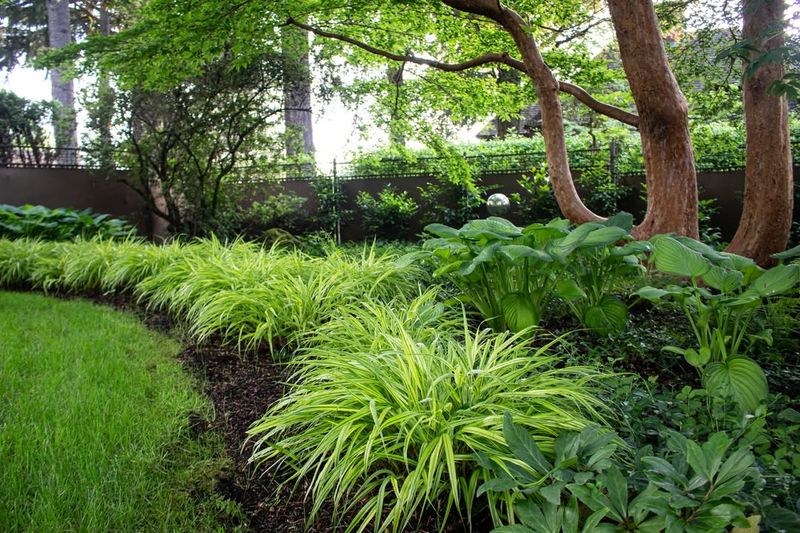
Cascading blades of golden or variegated foliage create a mesmerizing fountain effect that adds movement and grace to shaded garden spaces often dominated by static plants.
This ornamental grass defies typical expectations by thriving in shade rather than requiring full sun like most grass species commonly grown in landscapes.
Slow growth habit means Japanese forest grass stays manageable without aggressive spreading, making it perfect for small gardens and container plantings alike.
Chartreuse varieties glow like captured sunlight in dim corners, brightening areas that might otherwise feel dark and uninviting throughout the growing season.
Variegated forms with cream or white stripes offer sophisticated elegance, complementing both bold hostas and delicate ferns in layered planting schemes.
Fall color transforms foliage into shades of pink, red, and burgundy, extending seasonal interest well beyond the typical growing period.
Oregon gardeners appreciate how this grass tolerates the region’s wet winters without rotting or developing disease problems that plague less adaptable species.
Planting in slightly raised areas or amended soil ensures adequate drainage, which helps plants establish quickly and perform reliably year after year.
Cutting back old foliage in early spring before new growth emerges keeps plants looking fresh and prevents tangled clumps from forming.
5. Coral Bells
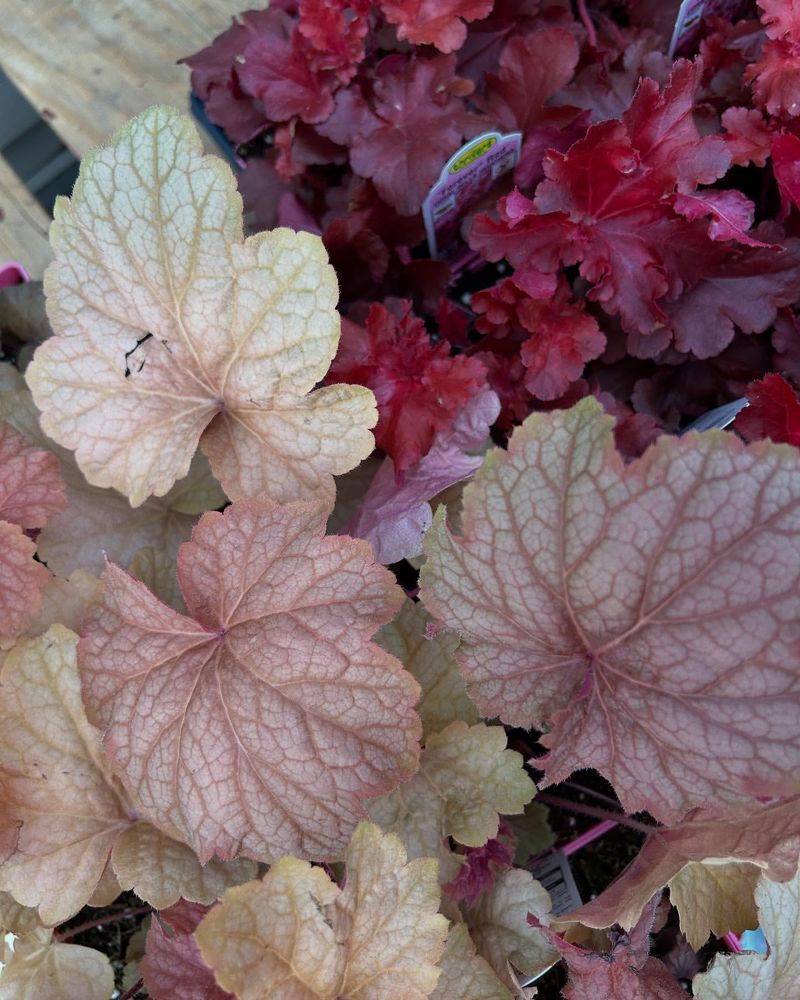
Ruffled leaves in an astonishing array of colors from deep purple to bright lime transform shade gardens into living paintings that rival any flower display.
Modern breeding has produced hundreds of varieties with foliage colors that include burgundy, peach, silver, and even near-black shades for dramatic contrast.
Delicate flower wands rise above foliage in late spring, attracting hummingbirds and adding airy texture to the already impressive leaf displays below.
Oregon’s native species provide the genetic foundation for many modern hybrids, meaning these plants are naturally adapted to regional growing conditions and climate.
Excellent drainage is crucial for preventing crown rot, especially during wet winter months when excessive moisture can damage plants struggling in heavy soil.
Amending planting areas with compost and coarse sand improves drainage while providing nutrients that support healthy growth and vibrant foliage color.
Evergreen or semi-evergreen foliage provides year-round interest, making coral bells valuable for maintaining garden structure during dormant months when other perennials disappear.
Refreshing plants every three to four years by dividing or replacing ensures vigorous growth and prevents the leggy appearance that develops as crowns age.
Pairing different foliage colors creates stunning combinations that remain interesting throughout all seasons, providing constant visual appeal in shaded border plantings and container arrangements.
6. Brunnera
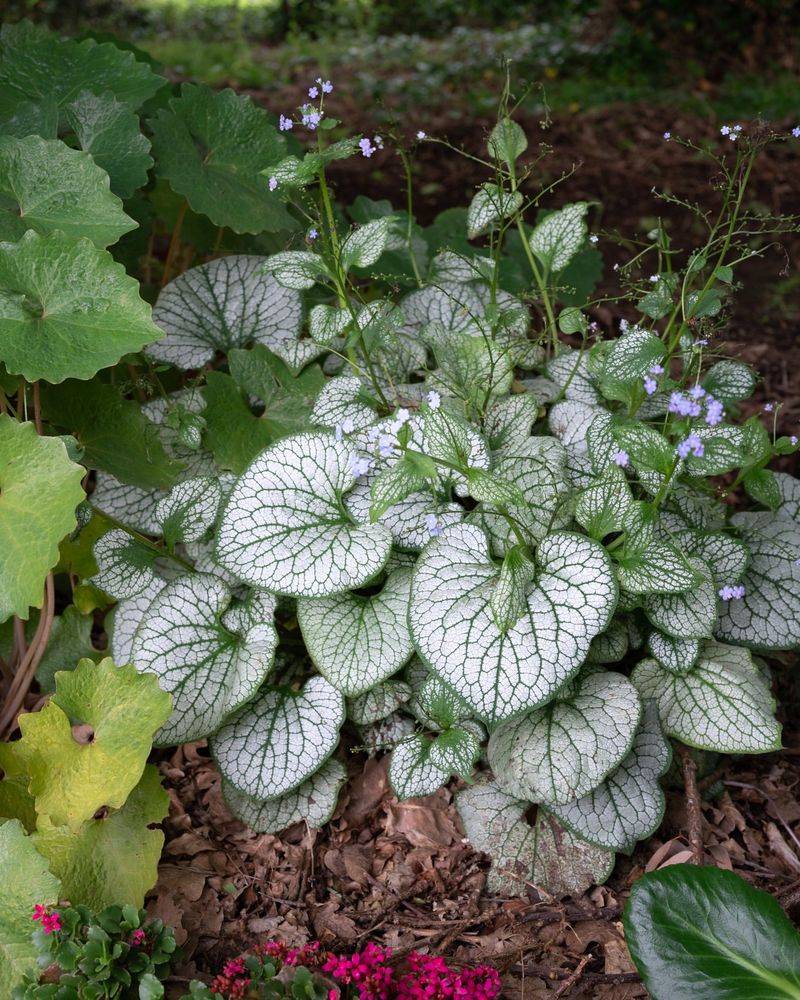
Heart-shaped leaves splashed with silver markings create a luminous effect in shaded areas, while delicate blue flowers resembling forget-me-nots dance above foliage in spring.
This underappreciated perennial deserves more attention for its dual-season appeal, offering both stunning foliage and charming blooms that brighten early-season gardens.
Variegated varieties like ‘Jack Frost’ and ‘Looking Glass’ provide the most dramatic foliage impact, reflecting light in ways that make dark corners sparkle.
Tough and adaptable, brunnera tolerates a wide range of soil conditions once established, though consistent moisture produces the most impressive foliage displays.
Oregon’s naturally moist climate suits this plant perfectly, allowing it to develop into substantial clumps that fill space without aggressive spreading behavior.
Slugs occasionally nibble leaves, but damage is usually minimal and doesn’t significantly impact the overall appearance or health of established plants.
Foliage remains attractive from spring through fall, providing a long season of interest that justifies its place in any shade garden design.
Pairing brunnera with spring bulbs creates a lovely succession of bloom, with flowers appearing just as daffodils and tulips begin to fade.
Experts in Oregon recommend this perennial for gardeners seeking low-maintenance options that deliver consistent beauty without demanding constant attention or special care throughout growing seasons.
7. Hellebores
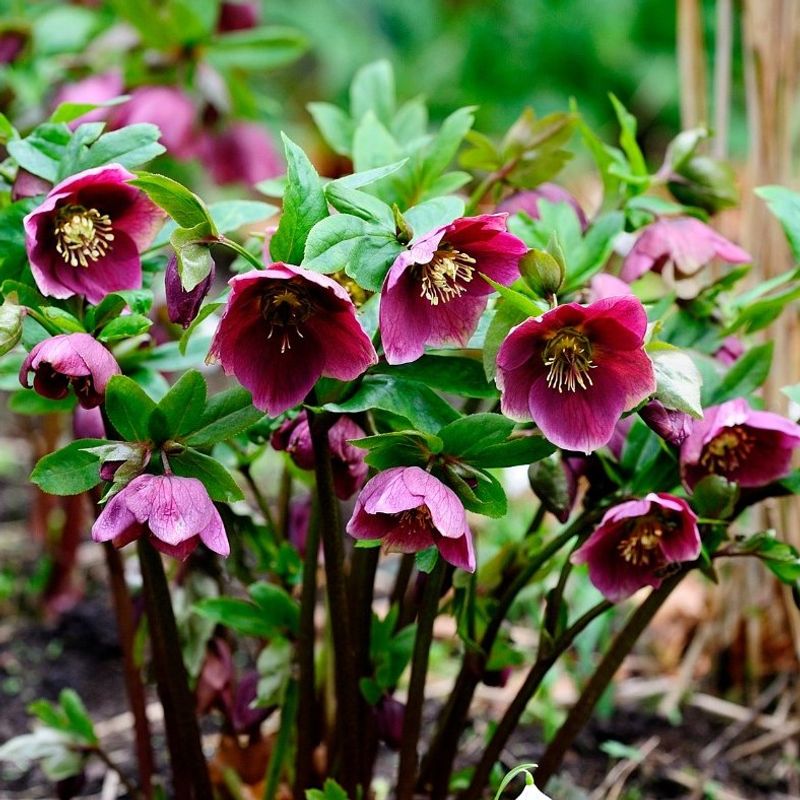
Nodding blooms emerge in late winter when little else dares to flower, bringing hope and color to gardens still gripped by cold temperatures.
Often called Lenten roses, these tough perennials bloom for weeks or even months, with flowers in shades ranging from pure white to nearly black.
Evergreen foliage provides structure throughout the year, making hellebores valuable for maintaining garden interest during dormant months when most perennials have disappeared underground.
Oregon’s mild winters allow hellebores to bloom earlier than in colder regions, sometimes producing flowers as early as January in protected locations.
Once established, these plants are remarkably drought-tolerant during summer months, requiring little supplemental water even during dry spells that stress other shade perennials.
Deer and rabbits avoid hellebores due to toxic compounds in foliage, making them excellent choices for gardens plagued by hungry wildlife.
Removing tattered old leaves in late fall allows emerging flower buds to show more clearly and prevents fungal diseases that sometimes affect foliage.
Self-sowing seedlings often appear around parent plants, providing free extras that can be transplanted or left to naturalize in woodland settings.
Pairing hellebores with early bulbs like snowdrops and winter aconite creates a stunning late-winter display that signals the approaching spring season beautifully.
8. Tiarella
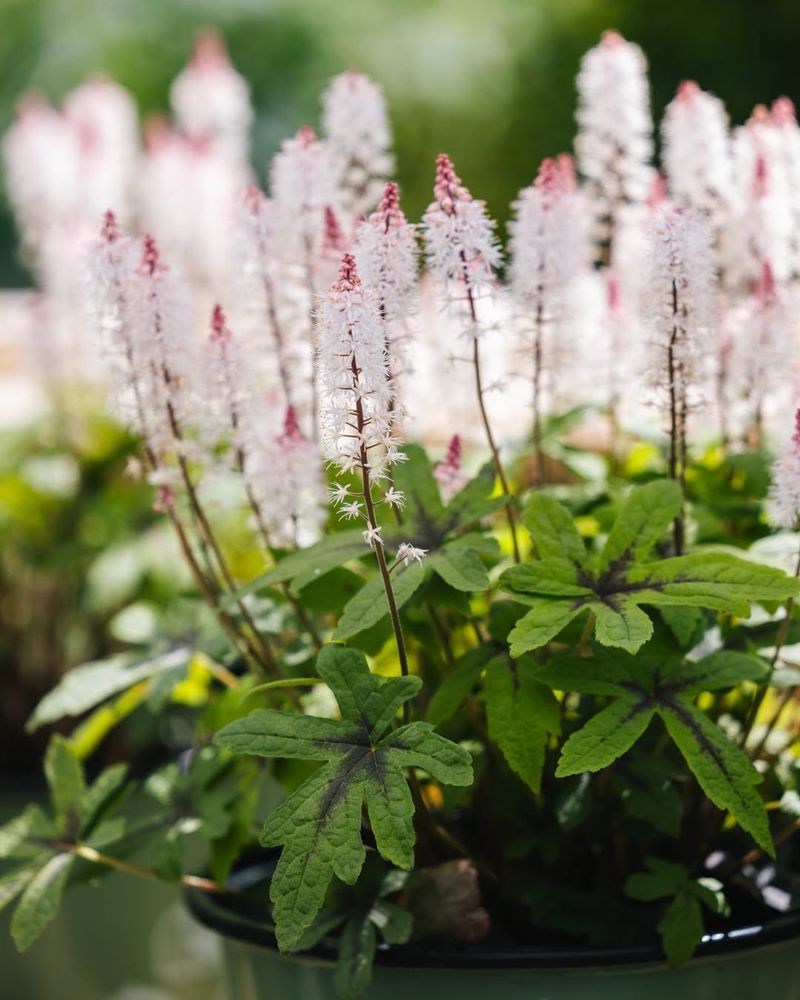
Frothy flower spikes rise like tiny bottle brushes above maple-like foliage, creating a delicate display that adds airiness to shaded plantings in spring.
Native to North American woodlands, foamflowers are naturally adapted to conditions found in Oregon’s shaded gardens and require minimal care once established.
Foliage often develops burgundy markings or veining that adds interest even when plants aren’t blooming, providing multi-season appeal in border plantings.
Spreading habit makes tiarella excellent for groundcover use, filling spaces under trees and shrubs where grass struggles to grow successfully.
Running types expand steadily but not aggressively, knitting together into a weed-suppressing carpet that reduces maintenance needs in difficult shaded areas.
Clumping varieties stay more compact, making them suitable for smaller gardens or mixed container plantings where space is limited.
Oregon gardeners value foamflowers for their ability to tolerate dry shade once established, a challenging condition that defeats many otherwise shade-tolerant perennials.
Pairing tiarella with ferns and hostas creates a naturalistic woodland effect that feels effortless and harmonious in residential landscape settings.
Experts recommend this native perennial for gardeners interested in supporting local ecosystems while creating beautiful, low-maintenance gardens that thrive with minimal intervention throughout seasons.
9. Solomon’s Seal
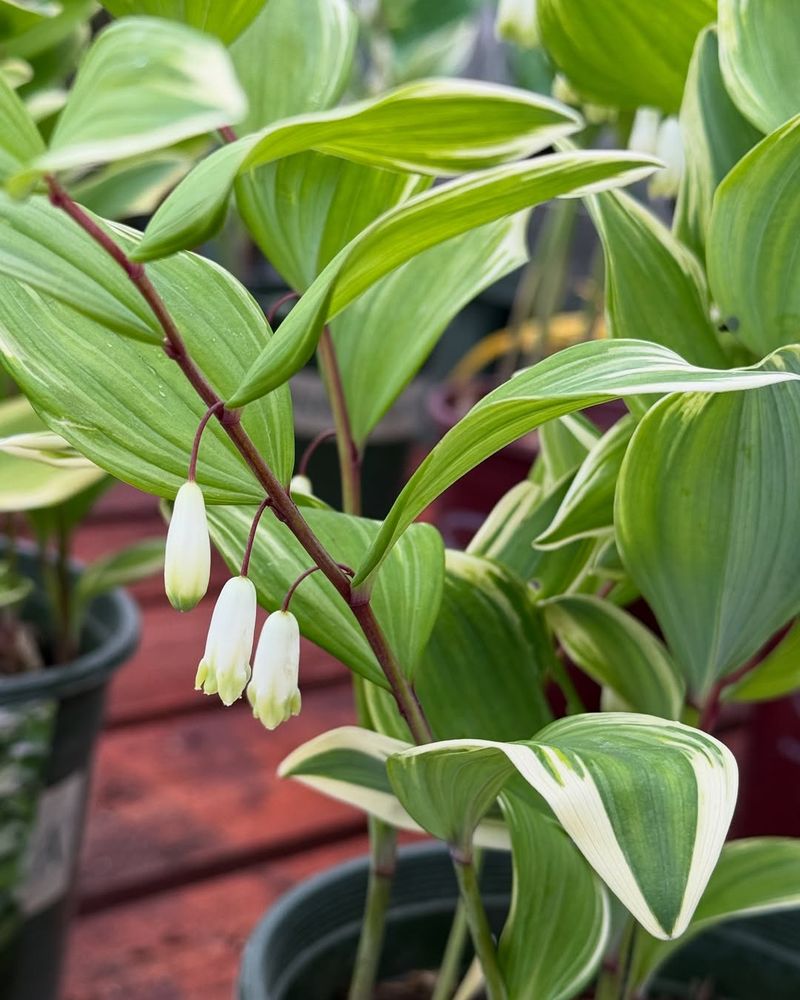
Arching stems lined with parallel-veined leaves create an architectural presence that brings elegance and structure to shaded gardens throughout the growing season.
Dangling white bell-shaped flowers appear in late spring, hanging beneath foliage like tiny lanterns that attract pollinators to shaded areas.
Blue-black berries follow flowers in fall, providing food for birds and adding another layer of seasonal interest to this already impressive perennial.
Native species and Asian varieties both perform excellently in Oregon’s climate, tolerating deep shade and dry conditions once extensive root systems become established.
Spreading rhizomes gradually form colonies that fill space without becoming invasive or overwhelming neighboring plants in mixed border plantings.
Variegated forms with cream-edged leaves offer even more visual interest, brightening dark corners with their striking foliage patterns throughout summer months.
Tall varieties can reach four to five feet, creating dramatic vertical accents in woodland gardens that might otherwise lack height and dimension.
Shorter species work beautifully as mid-border plants, providing a graceful transition between low groundcovers and taller background specimens in layered designs.
Oregon experts praise Solomon’s seal for its undemanding nature and consistent performance, making it ideal for gardeners seeking elegant, low-maintenance options for challenging shaded locations.
10. Epimedium
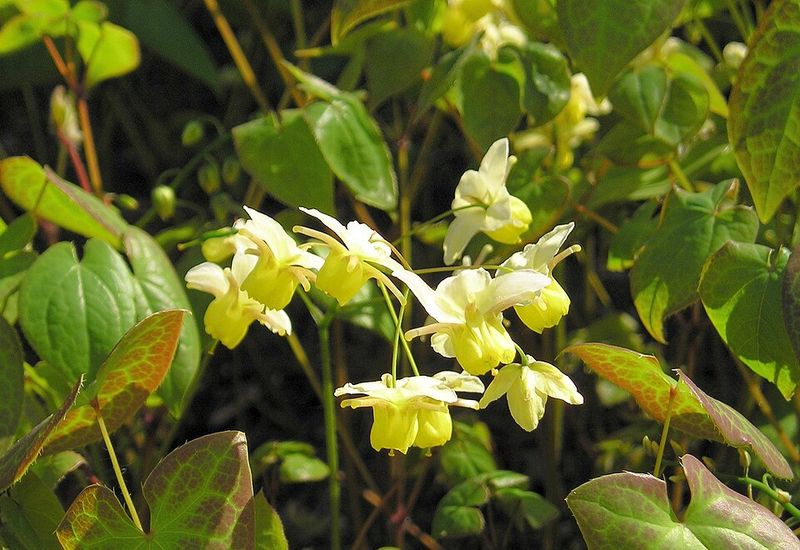
Delicate flowers resembling tiny columbines hover above heart-shaped foliage in spring, creating a fairy-like display that enchants anyone who discovers this underused perennial.
Often called barrenwort or bishop’s hat, epimedium produces blooms in shades of yellow, pink, white, or bicolors that seem to float magically above leaves.
New foliage often emerges with bronze or red tints that add color interest before maturing to green for the remainder of summer.
Tough, drought-tolerant roots make epimedium one of the best choices for dry shade, that notoriously difficult condition where tree roots compete aggressively for moisture.
Once established, these plants require virtually no supplemental watering, even during extended dry periods that stress most other shade-loving perennials significantly.
Weed-suppressing foliage forms dense mats that reduce maintenance needs while providing attractive groundcover that remains semi-evergreen in mild Oregon winters.
Cutting back old foliage in late winter before flowers emerge allows blooms to show more clearly and refreshes plants for the coming season.
Slow but steady spreading habit means epimedium takes a few years to establish but then performs reliably for decades without division or replacement.
Oregon specialists recommend this perennial for gardeners seeking truly low-maintenance options that deliver consistent beauty in challenging shaded locations under mature trees and shrubs.
11. Japanese Anemone
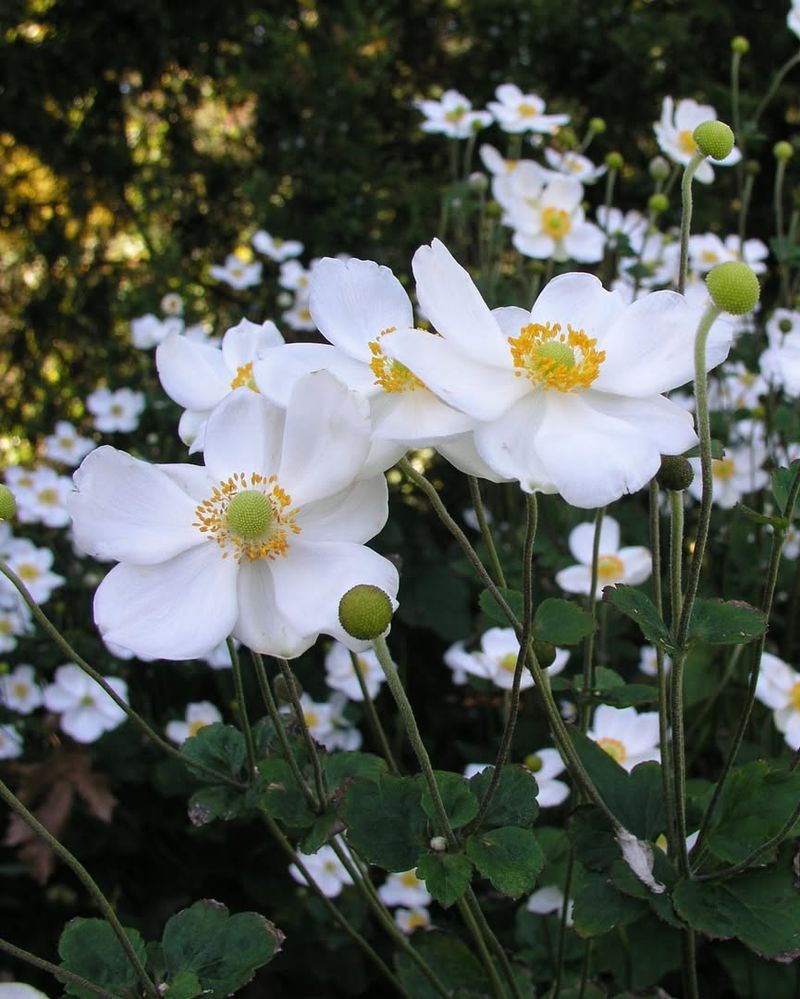
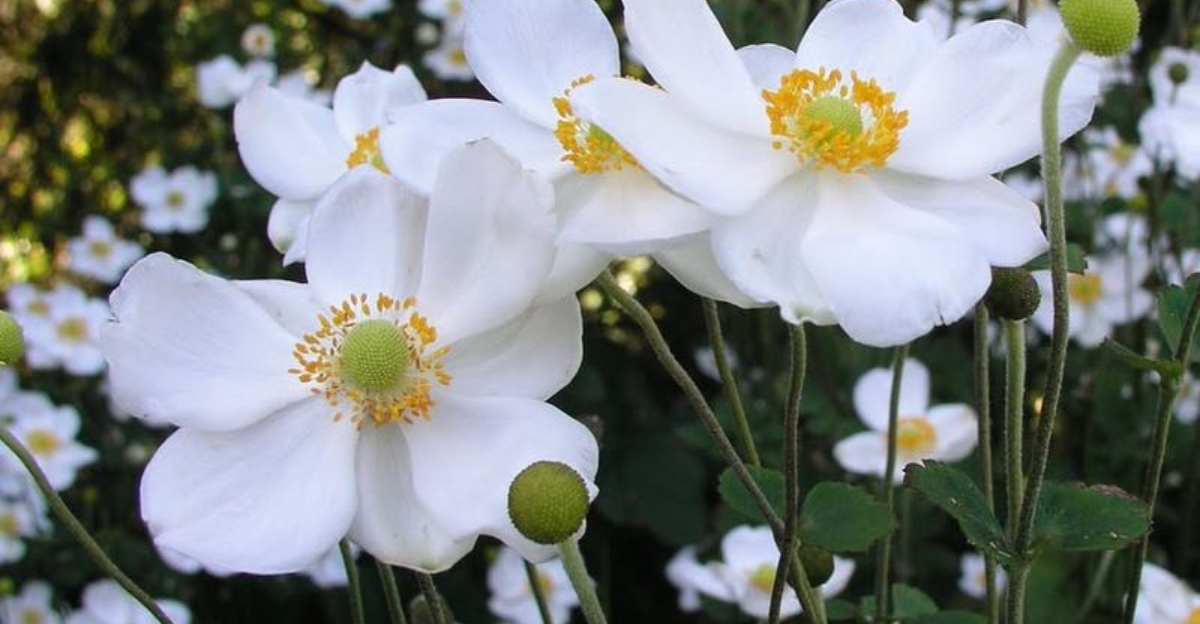
Poppy-like blooms on tall, slender stems bring much-needed color to shaded gardens in late summer and fall when few other perennials are flowering.
Pink or white flowers with golden centers create a soft, romantic effect that complements autumn foliage and extends the blooming season significantly.
Dark green foliage forms attractive mounds that look good throughout summer, even before the spectacular late-season flower display begins in earnest.
Oregon’s mild climate allows Japanese anemones to naturalize beautifully, spreading gradually through underground runners to form impressive colonies over time.
Some gardeners find them too enthusiastic in rich, moist soil, but their spreading habit can be managed easily by removing unwanted shoots.
Alternatively, plant them in areas where you want coverage, such as under trees or along woodland edges where their expansive nature becomes an asset.
Tall varieties reach three to four feet, providing valuable height in shaded borders that often lack vertical interest during late-growing seasons.
Shorter cultivars work well in smaller gardens or front-of-border positions where their lower stature fits better with overall design proportions.
Experts throughout Oregon recommend Japanese anemones for gardeners seeking reliable late-season color in shade, as these dependable perennials perform year after year with minimal care or attention required.
12. Pulmonaria
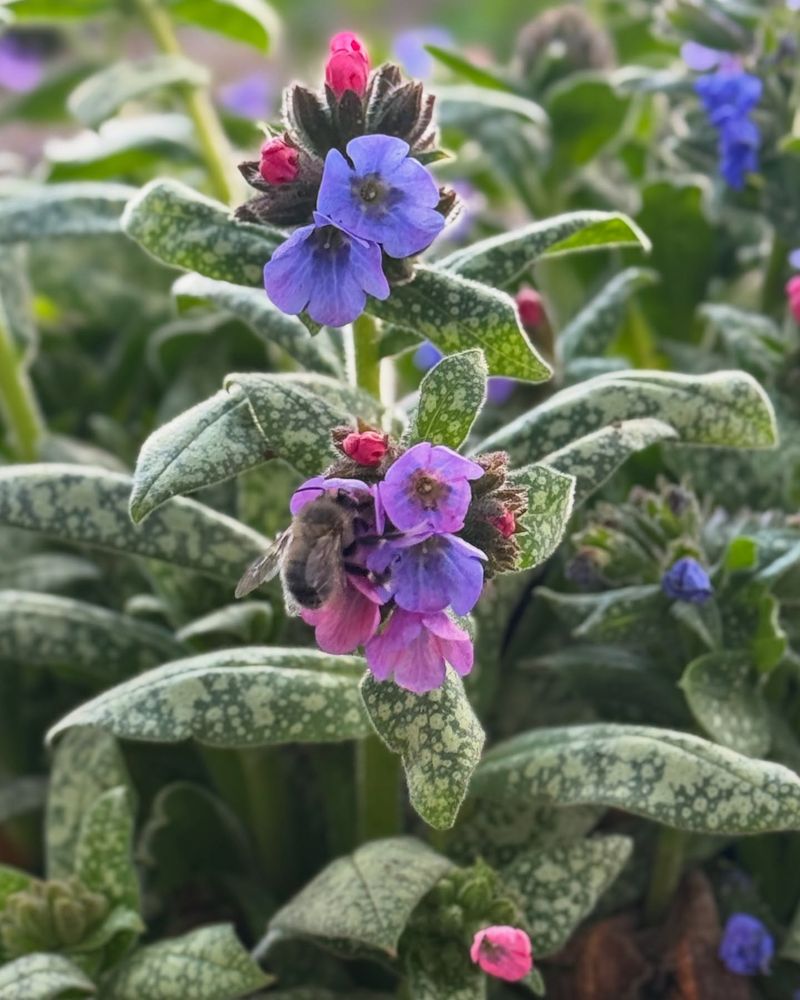
Silver-spotted foliage creates a striking pattern that brightens shaded areas throughout the growing season, while early spring flowers in pink and blue add welcome color.
Often called lungwort, pulmonaria produces flowers that open pink and mature to blue, creating a charming two-toned effect on each flowering stem.
Modern varieties offer improved mildew resistance and more dramatic foliage patterns than older selections, making them better choices for contemporary garden designs.
Blooming alongside early bulbs and hellebores, pulmonaria helps extend the spring flower show with clusters of tubular blooms that attract early-season pollinators.
Foliage emerges after flowering and remains attractive through fall, providing long-lasting interest that justifies space in shade gardens where every plant must earn its keep.
Spotted or silvered leaves reflect light in dim corners, creating a luminous effect that makes dark areas feel brighter and more inviting.
Oregon’s moist spring weather suits pulmonaria perfectly, supporting vigorous growth and abundant flowering without supplemental watering or special care from gardeners.
Removing faded flowers encourages fresh foliage growth and prevents self-sowing, though seedlings that do appear can be interesting variations of parent plants.
Dividing clumps every few years rejuvenates plants and provides extras to expand plantings or share with fellow gardeners interested in this versatile perennial.
13. Ferns
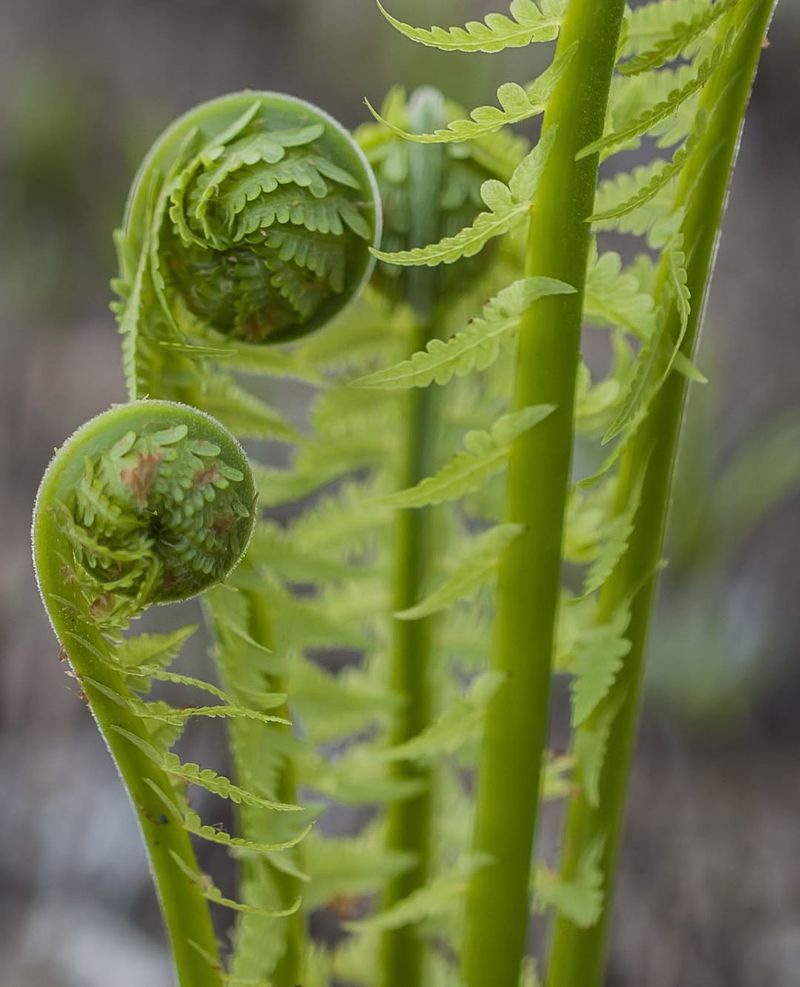
Unfurling fiddleheads in spring create a sense of anticipation and wonder, gradually opening into delicate fronds that add unmatched texture to shaded gardens.
Oregon’s native species like sword fern and lady fern thrive with virtually no care, while exotic varieties from Asia offer different textures and forms.
From tiny maidenhair ferns to massive ostrich ferns, there’s a species suited to every garden size and design style imaginable.
Evergreen types provide year-round structure, remaining green and attractive even during winter months when deciduous perennials have disappeared completely underground.
Deciduous varieties offer the excitement of seasonal change, with fresh spring growth and graceful dormancy that allows other plants to shine during colder months.
Layering different fern species creates depth and complexity in shaded plantings, mimicking natural forest understories that feel peaceful and harmonious.
Most ferns prefer consistent moisture but tolerate occasional dryness once established, making them more adaptable than their delicate appearance might suggest.
Oregon’s naturally humid climate provides ideal conditions for ferns to reach impressive sizes without constant watering or maintenance from busy gardeners.
Experts recommend incorporating multiple fern varieties into shade gardens, as their varying textures and heights create interest without relying on flowers for visual impact throughout seasons.