9 Shade-Loving Plants Perfect For North Carolina Backyards
If your North Carolina backyard is mostly shade, don’t worry – beautiful gardens aren’t out of reach. Many stunning plants actually thrive in cool, sheltered spots under trees, along fences, or on north-facing slopes.
From the humid coastal plains to the cooler mountain regions, North Carolina’s climate supports a wide variety of shade-loving species.
With the right choices, even the darkest corners of your yard can come alive with lush foliage, vibrant blooms, and surprising textures.
Let’s explore the best shade-tolerant plants that can transform overlooked nooks into eye-catching retreats full of life and seasonal charm.
1. Hostas Bring Beauty To Shady Spots
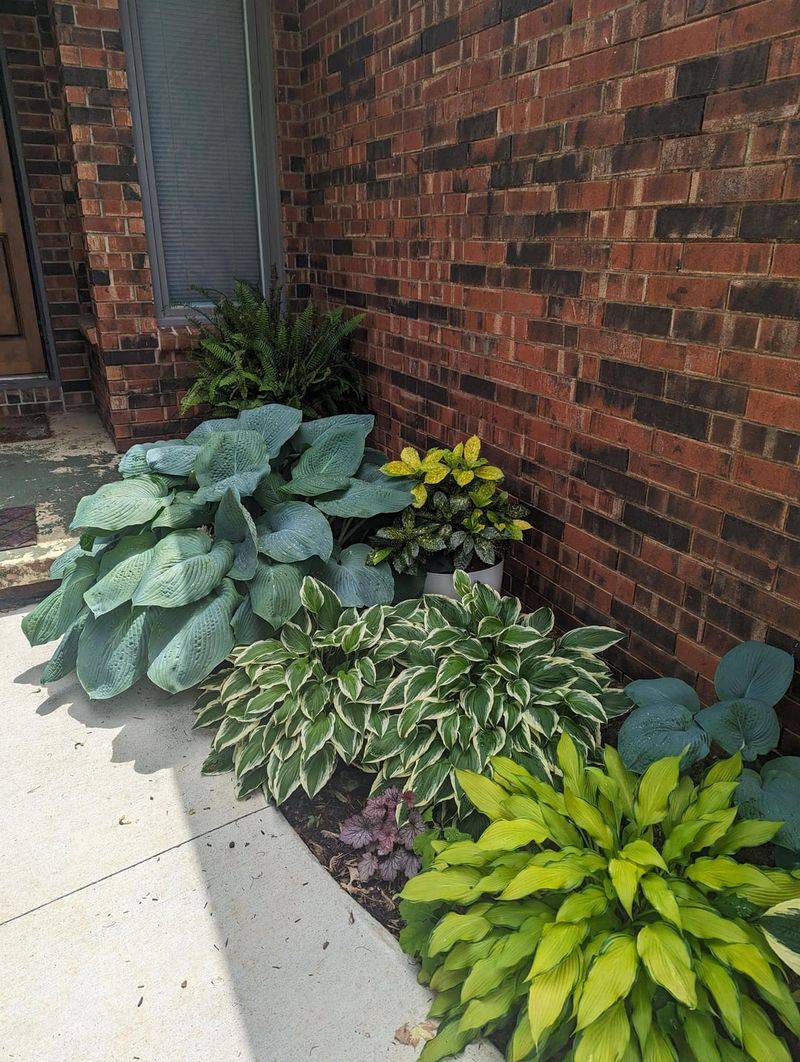
Walk through almost any established North Carolina neighborhood and you’ll spot hostas thriving under old oaks and towering pines.
These bold, leafy perennials are practically built for the South’s shady spots, tolerating humidity, clay-heavy soils, and the kind of dappled light that other plants struggle with.
Their wide, textured leaves come in shades of deep green, blue-green, gold, and creamy white, giving you plenty of design options.
Hostas work beautifully as border plants along walkways or as ground cover beneath deciduous trees. In North Carolina’s Piedmont region, they tend to push up reliable new growth each spring and settle in without much fuss.
They appreciate consistent moisture, so mulching around the base helps retain water during dry summer stretches.
Slugs can occasionally nibble on the leaves, but a light application of diatomaceous earth around the plant usually handles that problem without chemicals. Hostas go dormant in winter, which makes them low-maintenance during the colder months.
Splitting clumps every few years keeps them healthy and gives you extra plants to fill other shady corners of your yard.
2. Astilbe Adds Color And Texture To Shade
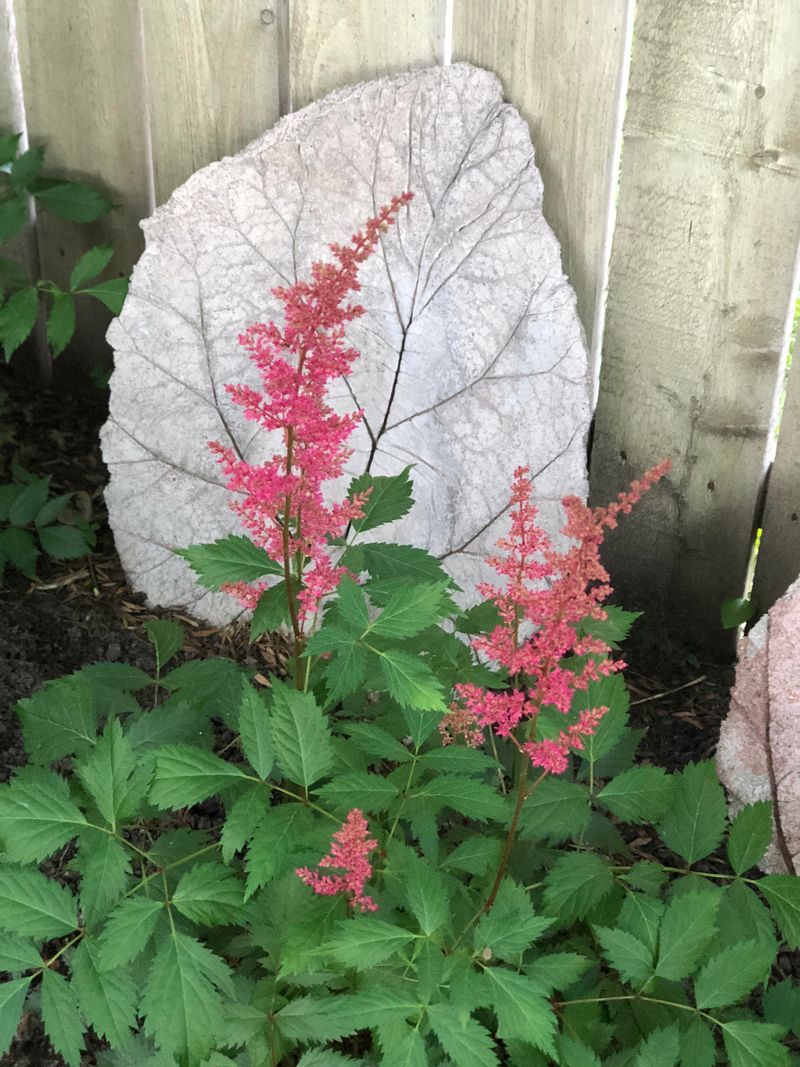
Few plants can match astilbe when it comes to bringing genuine color to a shady garden bed.
Those feathery, plume-like flower spikes shoot up in shades of pink, red, white, and lavender, creating a soft, almost magical display that brightens even the darkest corners.
Blooming from late spring into midsummer, astilbe gives North Carolina gardeners a reliable seasonal show when many shade plants are simply holding down the fort with foliage alone.
Astilbe thrives in moist, well-drained soil and appreciates the consistent humidity that much of North Carolina offers. In the mountain region especially, where summers stay cooler, astilbe can really stretch its growing season.
The fern-like leaves look attractive even after the blooms fade, adding texture to mixed shade borders throughout the rest of the season.
Plant astilbe where it gets morning light and afternoon shade for the best flowering results. Avoid letting the soil dry out completely during summer heat waves, and add a generous layer of compost at planting time to help it establish quickly.
Dividing clumps every three to four years encourages stronger blooms and prevents overcrowding in your garden beds.
3. Heuchera Offers Vibrant Foliage In Low Light
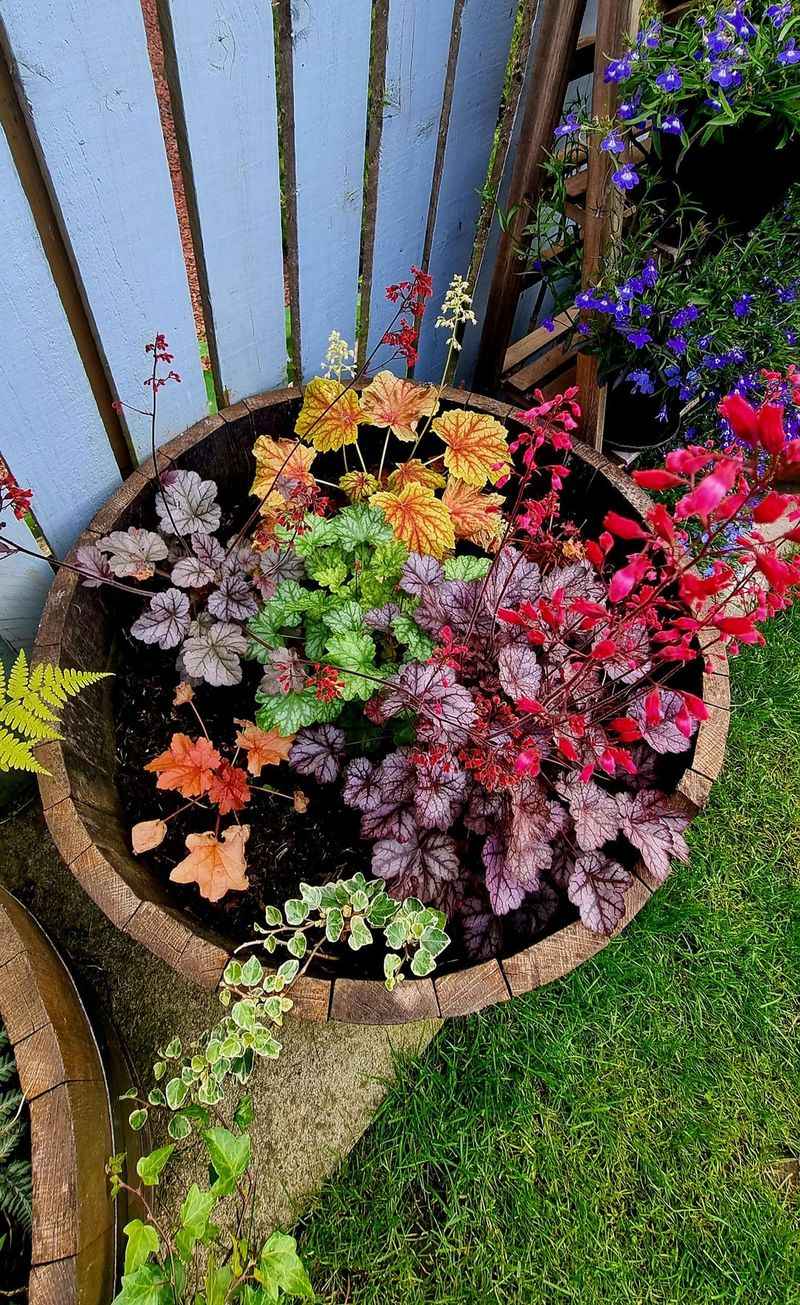
Heuchera, commonly called coral bells, might just be the most underrated foliage plant available to North Carolina gardeners.
The leaf colors alone are enough to stop you in your tracks, ranging from deep burgundy and chocolate brown to bright lime green and warm caramel.
Even on overcast days, a well-planted grouping of heuchera can make a shaded bed look like it was professionally designed.
These compact perennials handle partial to full shade with ease, making them ideal for spots under mature trees or along the north-facing side of a house.
North Carolina’s Piedmont and coastal regions suit heuchera well, though gardeners in the mountains should choose cold-hardy varieties to handle frosty winters.
The soil should drain reasonably well, as heuchera roots can rot in consistently waterlogged conditions.
Delicate flower spikes rise above the foliage in late spring, attracting hummingbirds and pollinators to your yard. Heuchera pairs beautifully with hostas and ferns, creating layered texture in mixed shade plantings.
Refreshing the plant by trimming away older, woody stems at the base every couple of years helps it stay vigorous and looking its best throughout the growing season.
4. Bleeding Heart Flourishes In Shaded Areas
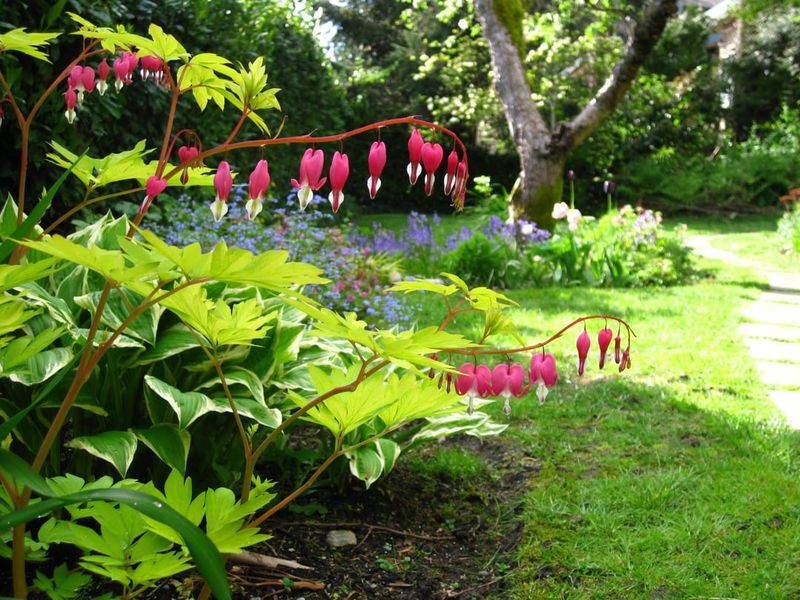
There is something almost storybook about bleeding heart in full bloom.
Those arching stems lined with perfectly shaped, pendulous pink or white flowers have charmed gardeners for generations, and they look especially magical in the filtered light of a shaded North Carolina backyard.
Blooming in early to mid-spring, bleeding heart arrives just in time to brighten the garden before the tree canopy fully leafs out.
One of its most convenient traits is summer dormancy. Once the heat of a Carolina summer sets in, bleeding heart quietly fades back into the soil, leaving space for neighboring plants to fill in.
Planting it alongside hostas or ferns is a smart strategy, since those plants expand just as bleeding heart retreats, keeping the bed looking full all season long.
Bleeding heart prefers loose, humus-rich soil that stays consistently moist in spring.
Amending your planting area with compost before putting it in the ground makes a noticeable difference in how well it establishes.
It performs beautifully across all three of North Carolina’s main regions, though mountain gardeners often enjoy a slightly longer bloom period thanks to cooler spring temperatures that slow the transition into summer heat.
5. Japanese Painted Fern Brings Elegance To Shade
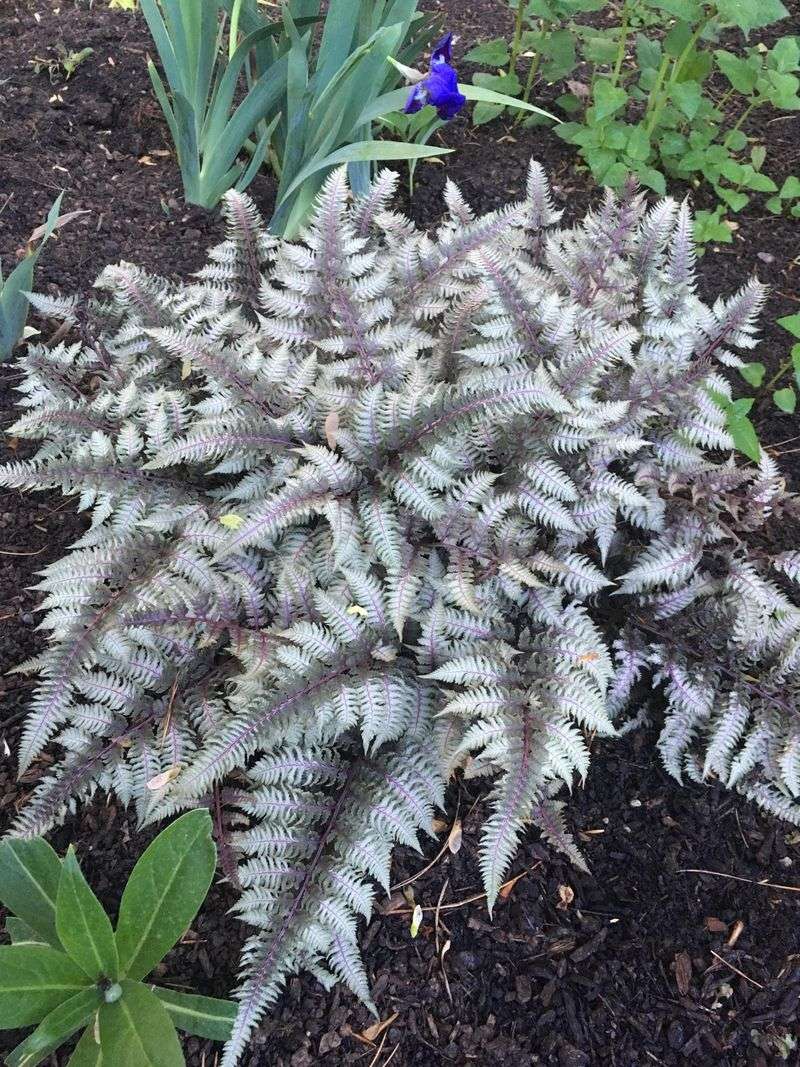
If you want a shade plant that looks like it belongs in a fine garden rather than a forgotten corner, Japanese painted fern is worth your attention.
The fronds shimmer with a silver and green pattern that catches even the faintest filtered light, creating an almost metallic glow in shaded beds.
It is one of those plants that makes visitors stop and ask what it is, which is always a satisfying gardening moment.
Japanese painted fern grows well across North Carolina, handling the humidity of the coastal plain and the cooler temperatures of the mountain region with equal ease.
It prefers moist, organically rich soil and does best with consistent watering during dry summer spells.
Mulching generously around the base helps lock in moisture and keeps the root zone cool even during July and August heat.
This fern pairs wonderfully with hostas, bleeding heart, and heuchera in layered shade plantings.
Unlike some ferns that spread aggressively, Japanese painted fern stays in a well-behaved clump, making it easy to manage in smaller garden spaces.
Cut back the old fronds in late winter before new growth emerges to keep the plant tidy and encourage a fresh, full display each spring season.
6. Solomon’s Seal Thrives In Woodland Gardens
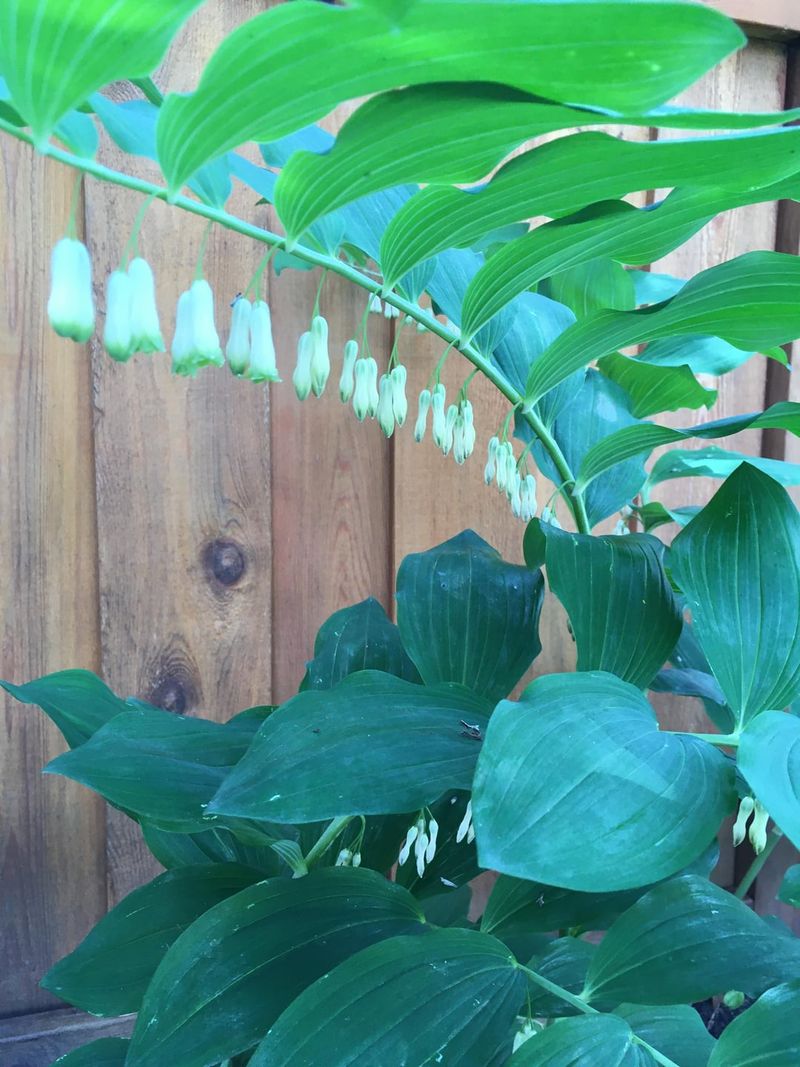
Solomon’s seal has a quiet elegance that suits North Carolina’s natural woodland landscapes perfectly.
The plant sends up graceful, arching stems lined with oval leaves, and in spring, small white bell-shaped flowers dangle beneath those stems like tiny lanterns.
It is a plant with real personality, adding a sense of movement and structure to shaded garden beds that more compact plants simply cannot replicate.
Native varieties of Solomon’s seal grow naturally in the forests of North Carolina’s mountain and Piedmont regions, which means they are well-adapted to local conditions. They prefer deep shade and moist, well-drained soil rich in organic matter.
Once established, Solomon’s seal spreads gradually by underground rhizomes, slowly filling in bare areas under trees where little else will grow successfully.
Fall brings another visual treat, as the leaves turn a warm golden yellow before the plant goes dormant for winter.
This seasonal color change adds unexpected interest to a shade garden that might otherwise look flat in autumn.
Solomon’s seal is a low-maintenance choice that rarely needs dividing or heavy care. A yearly top-dressing of compost in early spring is usually all it takes to keep this graceful plant performing beautifully year after year.
7. Tiarella Creates A Shady Oasis
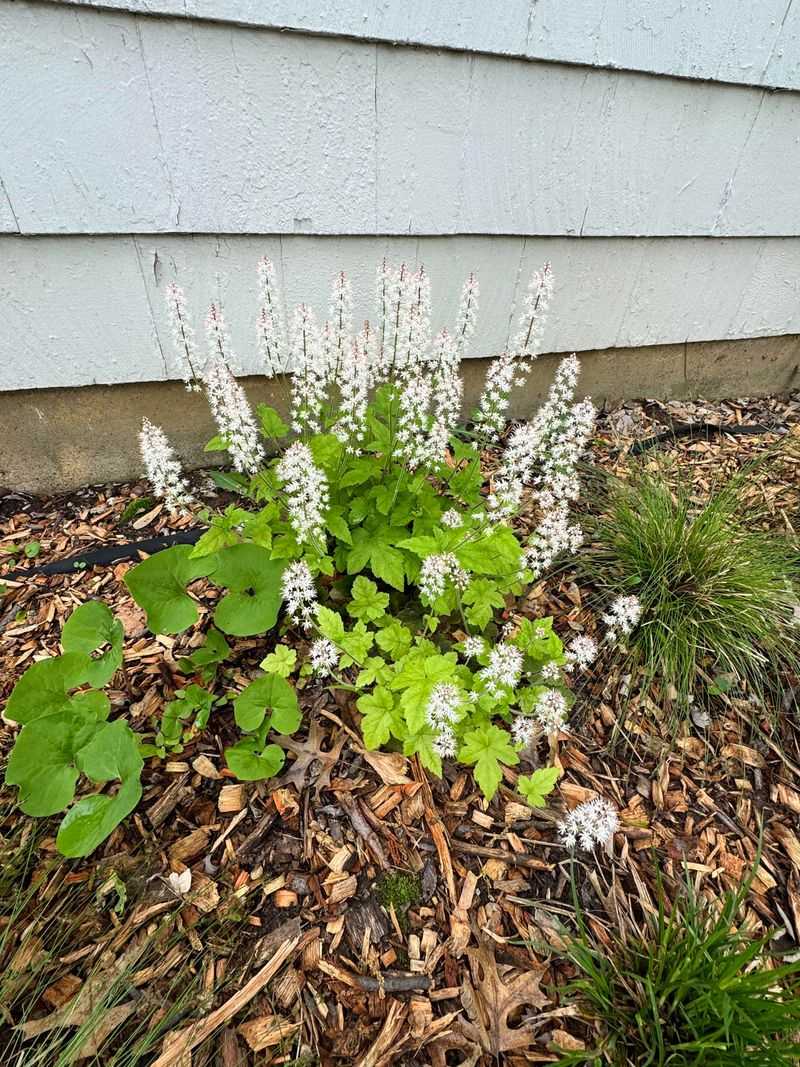
Foamflower, known botanically as tiarella, is one of those plants that earns its spot in the garden twice over.
First, in spring, it sends up frothy spikes of tiny white or pale pink flowers that hover above the foliage like a soft cloud.
Then, once blooming ends, the beautifully patterned leaves take center stage, holding their good looks through the rest of the growing season.
Tiarella is native to the eastern United States, including parts of North Carolina, which means it is genuinely at home in local conditions.
It thrives in dappled to full shade and appreciates the kind of moist, humus-rich soil found naturally on a woodland forest floor.
Gardeners in the mountain and Piedmont regions tend to have especially good results, though coastal gardeners can also grow it successfully with proper soil preparation and consistent watering.
As a ground cover, tiarella spreads at a polite pace, filling in shaded areas without becoming invasive. It works beautifully alongside hostas, ferns, and heuchera, creating a layered, naturalistic look that feels intentional rather than accidental.
Keeping the soil mulched helps maintain the consistent moisture tiarella prefers, especially during North Carolina’s occasionally dry summer months when shade gardens need a little extra attention.
8. Ferns Provide Lush Greenery For Shaded Spaces
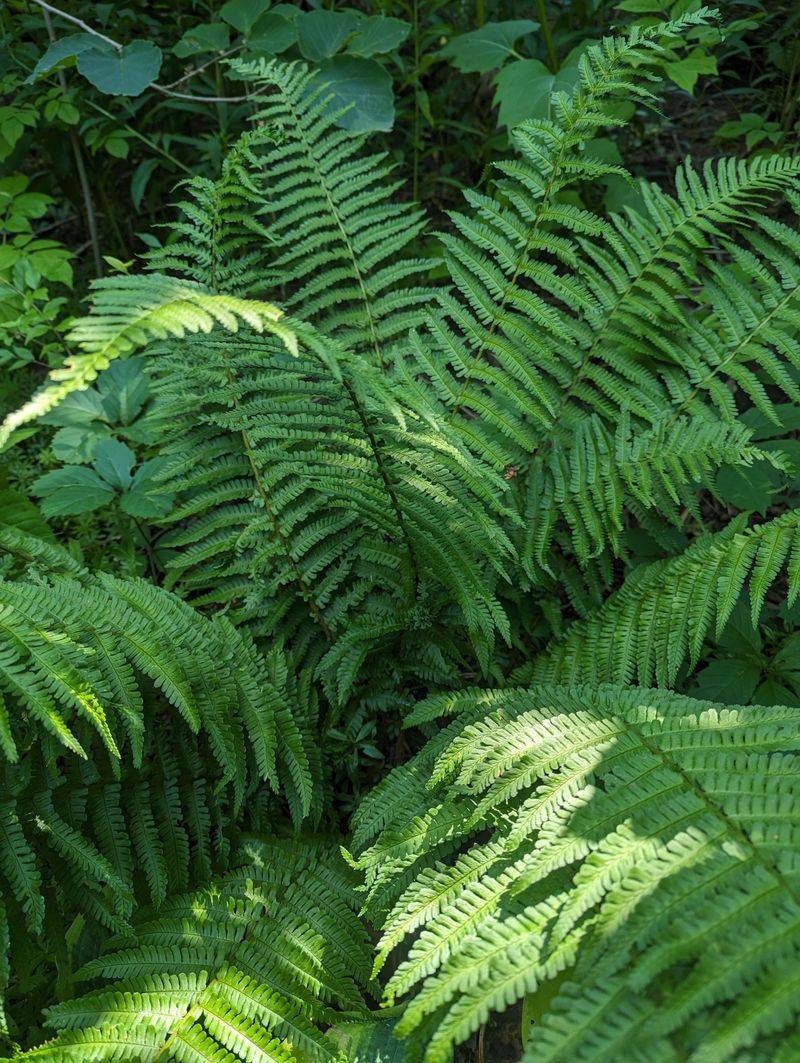
North Carolina is home to a remarkable variety of native ferns, and planting them in shaded backyard spaces is one of the smartest moves a gardener can make. Christmas fern stays green through winter, providing year-round structure in shaded beds.
Cinnamon fern and royal fern produce dramatic, vase-shaped clumps that bring a lush, tropical feeling to moist, shaded areas, especially near garden ponds or along creek-side plantings.
Ferns thrive in the humid conditions that much of North Carolina experiences, particularly in the coastal and Piedmont regions.
They prefer consistently moist soil loaded with organic matter, and they respond well to a thick layer of leaf mulch that mimics their natural forest floor environment.
Planting ferns in groups rather than individually creates a more impactful display and helps the bed retain moisture more effectively.
One practical benefit of ferns is their ability to outcompete weeds once established. A dense planting of native ferns can significantly reduce the amount of time you spend weeding shaded garden areas.
They also pair naturally with hostas, Solomon’s seal, and bleeding heart, creating layered woodland-style plantings that look beautiful from late spring through the first hard frost of autumn each year.
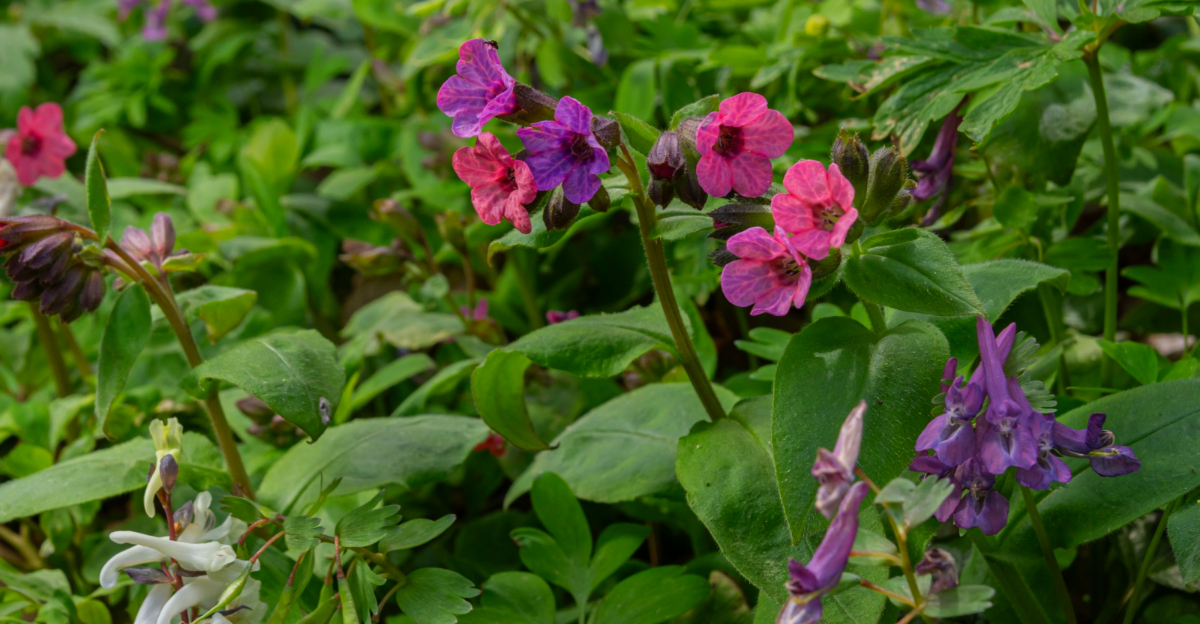
9. Lungwort Adds Early Blooms To Shady Gardens
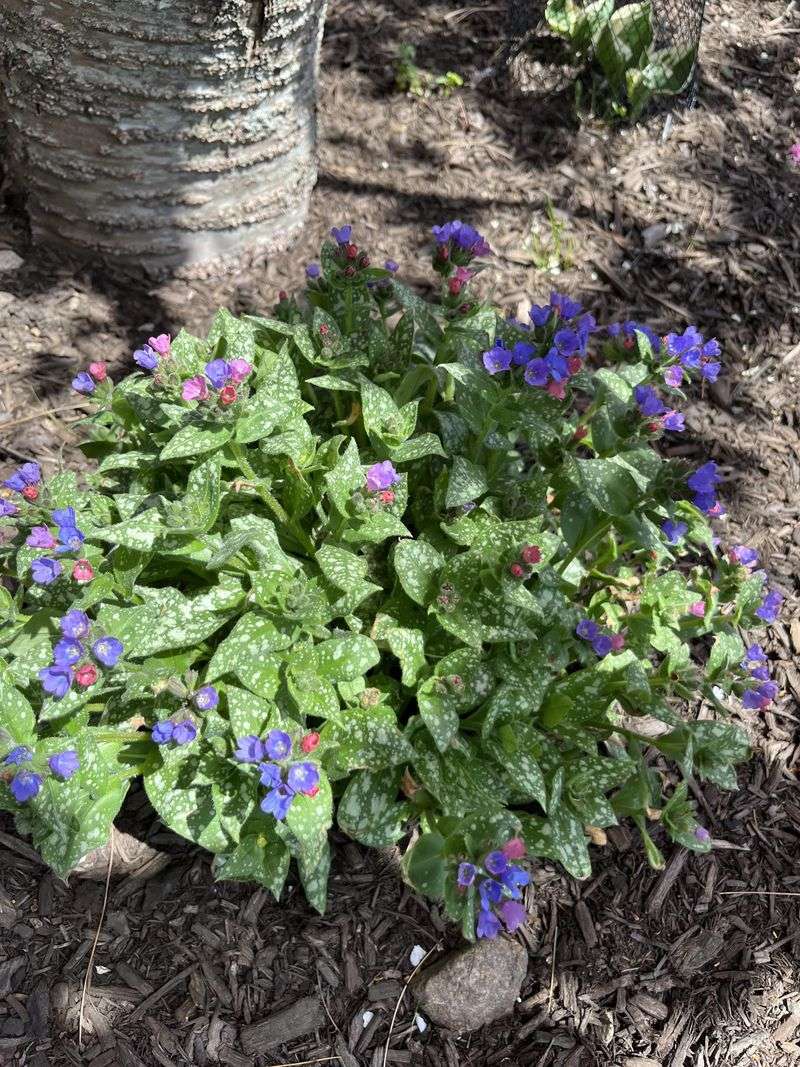
Lungwort earns its place in a shade garden by doing something most plants are not yet ready to do in late winter and early spring: it blooms.
Those clusters of small tubular flowers open in shades of blue, violet, pink, and sometimes white, often with multiple colors appearing on the same plant as the blooms age.
For North Carolina gardeners eager for color after a long winter, lungwort is genuinely exciting to watch emerge.
Beyond the flowers, the foliage is a real standout. Most lungwort varieties feature leaves speckled or splashed with silvery white markings that brighten shaded beds even after blooming ends.
The spotted leaves look especially striking when paired with the deep green fronds of ferns or the bold, solid-colored leaves of hostas nearby.
Lungwort grows best in partial to full shade with consistently moist, well-drained soil. It handles the humidity of North Carolina summers reasonably well, though it appreciates some afternoon shade protection during the hottest months.
Cutting back the foliage in midsummer if it starts looking tired encourages a fresh flush of new leaves. Dividing clumps every few years keeps plants vigorous and gives you extra specimens to spread throughout your shaded garden areas.