8 Shade-Loving Plants That Grow Well Under Michigan Trees
Have you ever stared at the bare, muddy patches beneath your Michigan maples and wondered if anything could actually grow there?
Gardening under a heavy canopy can feel like a struggle against deep shade, thirsty roots, and stubborn clay soil.
However, these quiet corners are not lost causes; they are untapped opportunities to create a lush, woodland sanctuary.
By choosing resilient plants that embrace Michigan’s cold winters and filtered light, you can transform a “problem area” into a vibrant habitat for local wildlife.
From delicate spring wildflowers to bold, architectural perennials, the options for a Great Lakes shade garden are surprisingly rich.
With the right selection, those shaded spaces beneath your trees will soon become the most rewarding part of your landscape.
1. Hostas Bring Lush Green Texture To Shady Corners
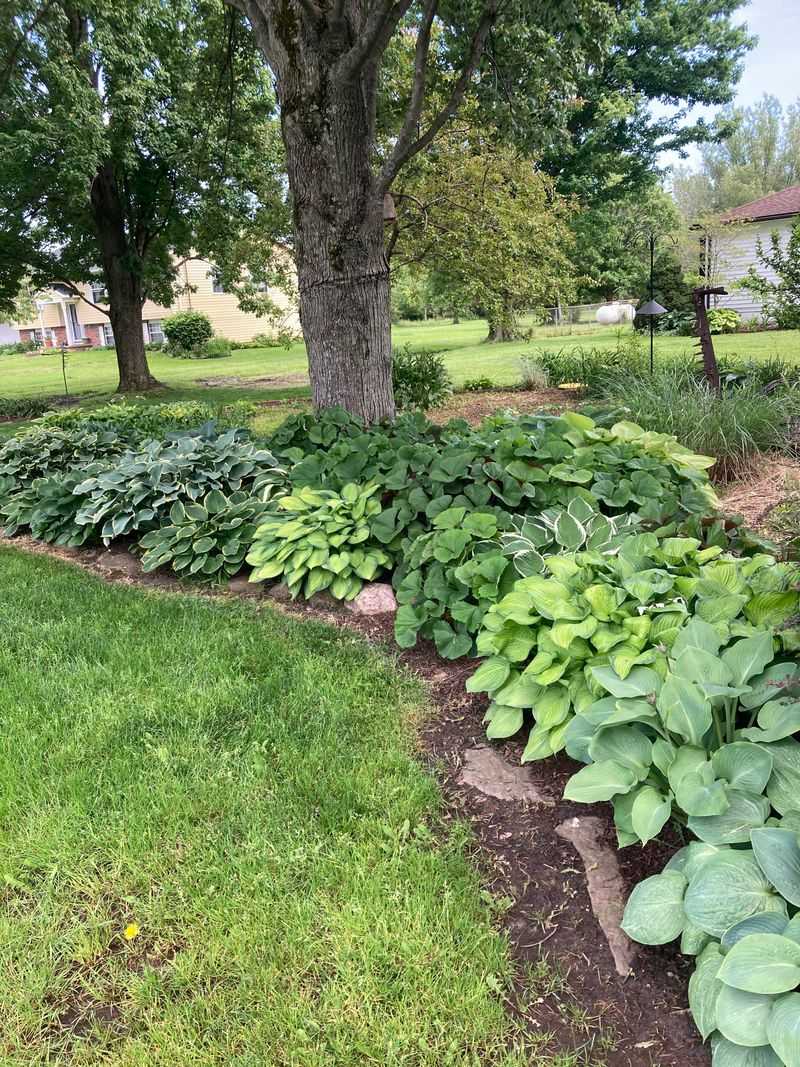
Hostas are the quintessential shade plant, offering unparalleled diversity in leaf color, size, and texture, which allows gardeners in Michigan to fill empty spaces beneath trees with dense, attractive foliage.
These perennials range from tiny, six-inch miniatures to giant four-foot-wide varieties, with colors from deep blue-green to gold-edged or variegated patterns.
When choosing hostas for shaded areas, consider both size and growth habit to ensure proper spacing – larger varieties need two to three feet between plants to prevent overcrowding, while smaller cultivars can be planted more tightly.
In Michigan, they perform best in partial to full shade, thriving under the canopy of maple, oak, or beech trees.
Soil preparation is key: hostas prefer moist, well-drained, organically rich soil.
Incorporating compost or aged leaf mold during planting helps establish a strong root system, which is particularly important in clay-heavy areas common across the state.
Regular watering is essential during dry summer periods, as Michigan weather can swing between wet and dry, sometimes unpredictably. Slugs and snails can damage leaves in humid conditions, so periodic inspection is advised.
Mid-to-late-summer flower spikes in lavender or white attract pollinators, adding both visual and ecological interest.
Cutting back old foliage in fall not only keeps beds tidy but also reduces overwintering pests and encourages robust growth in the following season.
By pairing hostas with ferns, astilbe, or bleeding heart, Michigan gardeners can create layered, textural plantings that bring life and color to shady corners year after year.
2. Astilbe Adds Feathery Flowers To Woodland Beds
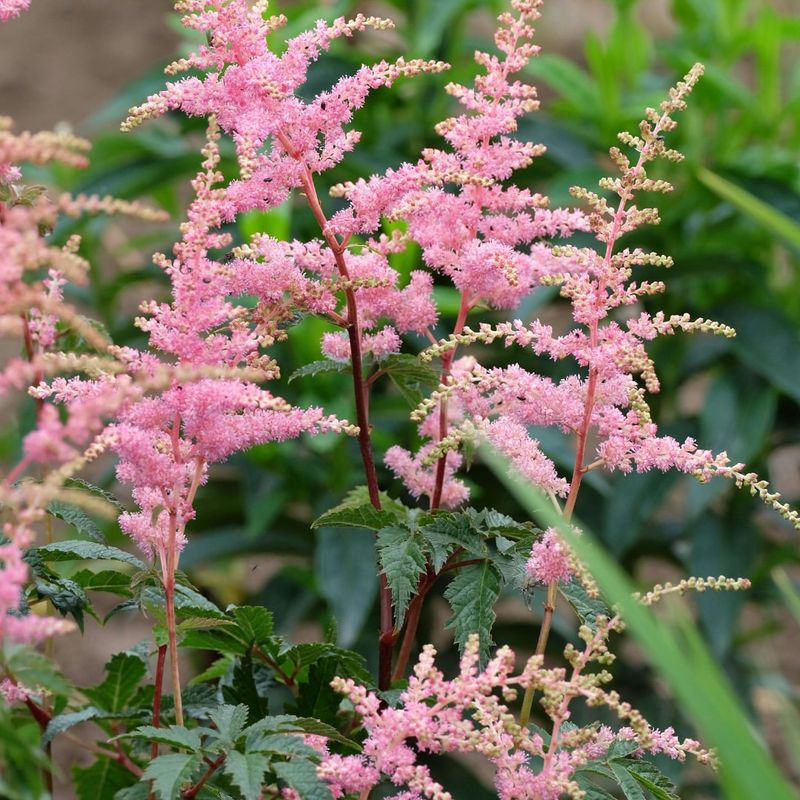
Astilbe is a shade-loving perennial that adds a unique vertical element to Michigan woodland gardens with its feathery plumes of flowers rising above fern-like foliage.
Available in shades of pink, red, white, lavender, and salmon, astilbe blooms from early to late summer depending on the variety, making it a striking focal point even in deep shade.
It thrives in consistently moist, humus-rich soil and is particularly suited for low-lying areas beneath trees where water may naturally collect.
While Michigan clay soils can pose challenges for some perennials, astilbe tolerates these conditions well, provided the ground is not waterlogged for extended periods.
Amending with compost enhances moisture retention while improving drainage, creating ideal growing conditions.
Planting in partial shade ensures a balance between flower production and healthy foliage; too much shade can reduce blooms, and too much sun can scorch delicate leaves.
Proper spacing of 18 to 24 inches allows airflow between plants, helping to prevent fungal diseases common in Michigan’s humid summers.
Dried seed heads remaining through fall and winter add subtle textural interest, making astilbe an ornamental feature year-round.
Its upright plumes draw pollinators, including bees and butterflies, contributing to garden biodiversity. Pairing astilbe with hostas, ferns, or bleeding heart creates layered, naturalistic beds that mimic the forest understory.
Regular division every three to four years helps maintain plant vigor, promotes larger flower displays, and prevents overcrowding, ensuring long-lasting performance and consistent aesthetic appeal in Michigan shade gardens.
3. Ferns Offer Elegant Foliage All Season
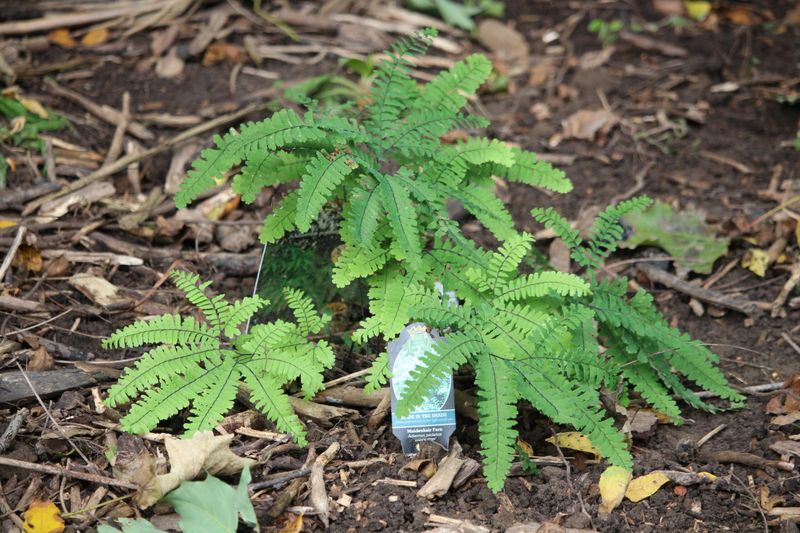
Ferns are among the most graceful and resilient plants for shaded areas under trees in Michigan. Native species such as maidenhair fern, ostrich fern, and interrupted fern provide timeless texture and movement to woodland plantings.
Their arching fronds soften the under-tree environment and create visual interest even without flowers. Ferns are particularly well-adapted to Michigan’s forest-like soil conditions, which are often slightly acidic and rich in organic matter.
The maidenhair fern’s delicate, fan-shaped leaflets contrast beautifully with the bolder, larger fronds of ostrich fern, which can reach heights of up to five feet in moist conditions.
In partial to full shade, ferns emerge in spring as tightly coiled fiddleheads, gradually unfurling and holding their foliage through early autumn.
Established ferns are low-maintenance, rarely requiring fertilizer or extensive care, and resist most pests and diseases.
Providing consistent moisture during the first growing season helps establish strong roots, after which the plants are remarkably resilient to Michigan’s variable rainfall and summer heat.
Ferns can be divided in spring to fill new beds, creating layered plantings alongside hostas or astilbe. Their naturalistic forms and woodland aesthetic complement trees, shrubs, and other shade-loving perennials.
By combining different fern species, Michigan gardeners can achieve dynamic textures, a range of heights, and a continuous green presence in shaded areas throughout the growing season, enhancing both the visual appeal and ecological function of under-tree gardens.
4. Bleeding Heart Swings With Charming Spring Blooms
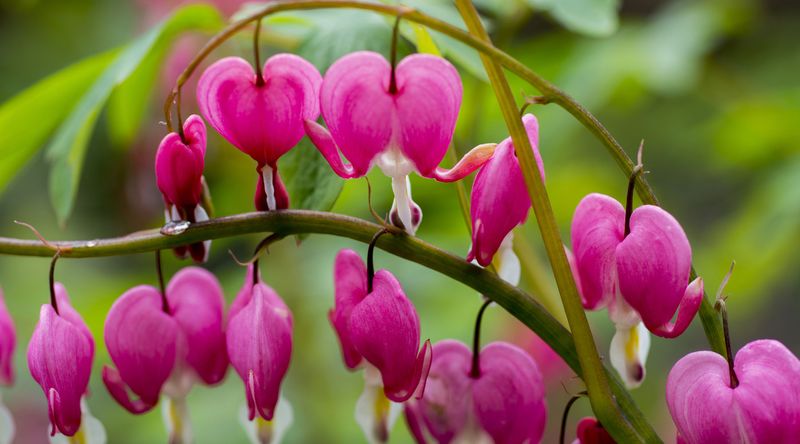
Bleeding heart is a standout in any Michigan shade garden, offering delicate, heart-shaped flowers suspended from gracefully arching stems that bring movement and charm to under-tree spaces.
In early spring, often while the tree canopy is still bare, bleeding heart produces its iconic pink or white blooms, usually appearing in May and lasting into early June.
This timing ensures the plant receives enough filtered light before larger leaves shade the understory. Bleeding heart thrives in partial shade with moist, humus-rich, well-drained soil, which aligns perfectly with the cooler spring conditions in Michigan.
Planting near a morning sun exposure while protecting foliage from hot afternoon rays helps prevent stress and extends bloom duration.
These perennials typically grow two to three feet tall and wide, making it important to space them about two feet apart to allow airflow and reduce disease risk.
Bleeding heart is long-lived when sited correctly and rarely needs division, although dividing crowded clumps in early fall or immediately after flowering can rejuvenate older plants and encourage stronger growth the following season.
Mulching around the base retains soil moisture, moderates temperature fluctuations, and prevents weeds from competing with tender roots.
Surrounding bleeding heart with ferns or hostas helps maintain a full, layered look once the flowers fade and the foliage begins to die back.
For Michigan gardeners, this combination ensures continuous visual appeal in shaded beds and supports a variety of pollinators that emerge early in the season.
5. Solomon’s Seal Arches Gracefully Through Shade
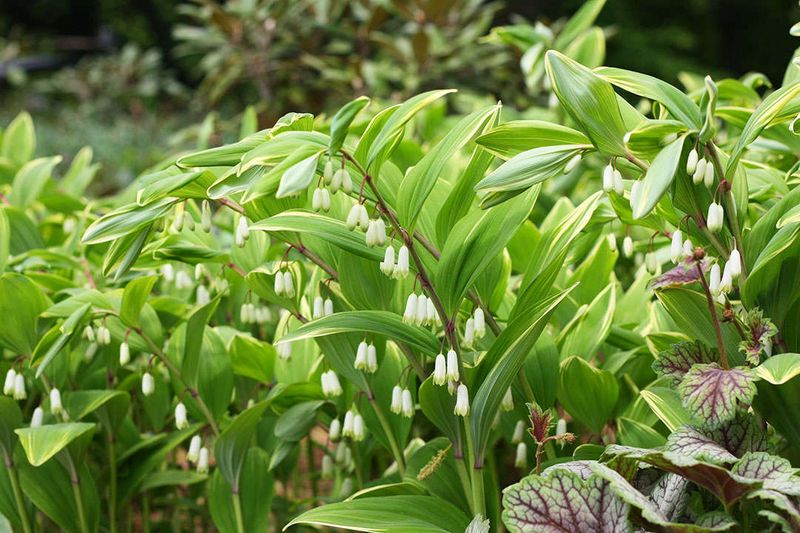
Solomon’s seal is an elegant, long-lived perennial that brings graceful arching stems, alternating leaves, and dangling white tubular flowers to Michigan shade gardens. Native to the state’s woodlands,
Polygonatum biflorum naturally thrives under trees, where roots compete for moisture and light is filtered through the canopy.
This species performs well in partial to full shade and prefers consistently moist, well-drained soil enriched with compost.
Solomon’s seal spreads slowly through underground rhizomes, forming natural colonies that suppress weeds and create a layered understory effect when combined with hostas, ferns, or astilbe.
The plant reaches heights of two to three feet, and spacing transplants twelve to eighteen inches apart allows healthy airflow between clumps, which helps prevent fungal diseases during Michigan’s humid summers.
In late spring, small white flowers bloom beneath each leaf node, attracting pollinators such as native bees.
By autumn, the foliage turns golden yellow before dying back, offering seasonal color and texture in the shaded bed. Solomon’s seal is remarkably resilient once established, tolerates occasional dry periods, and requires little maintenance beyond occasional division or removal of damaged stems.
Its upright, arching form adds visual interest and a sense of movement in shaded corners where other perennials might struggle.
For Michigan gardeners looking to fill dark understory spaces with a low-maintenance, aesthetically pleasing native plant, Solomon’s seal delivers both structure and seasonal charm year after year.
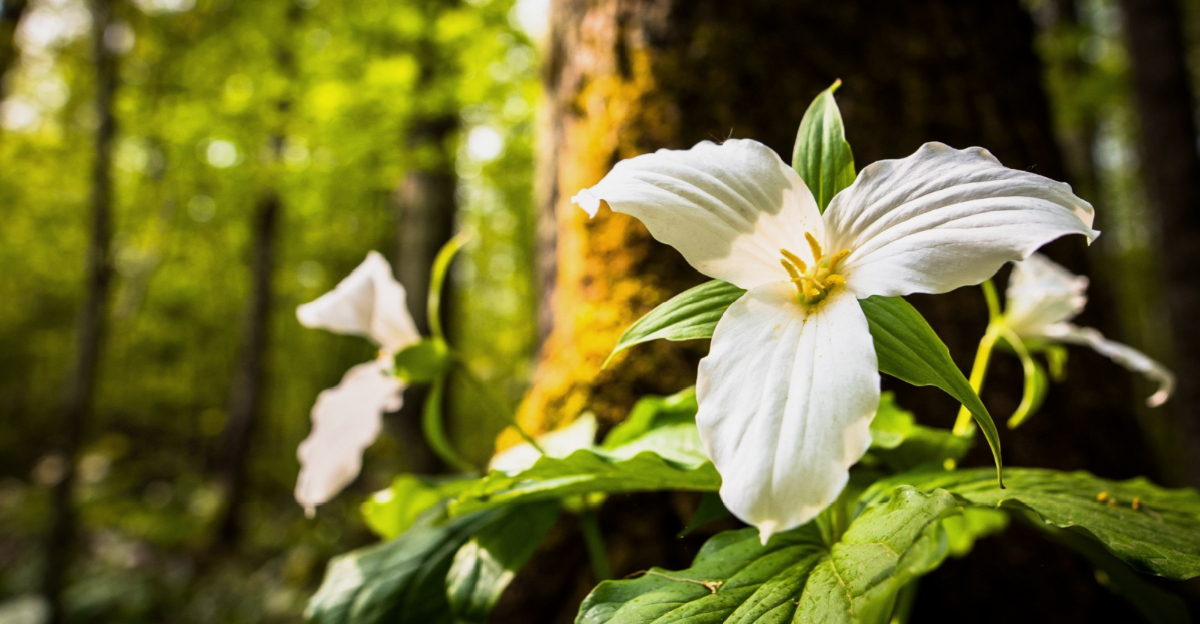
6. Trillium Welcomes Spring With Native Wildflower Charm
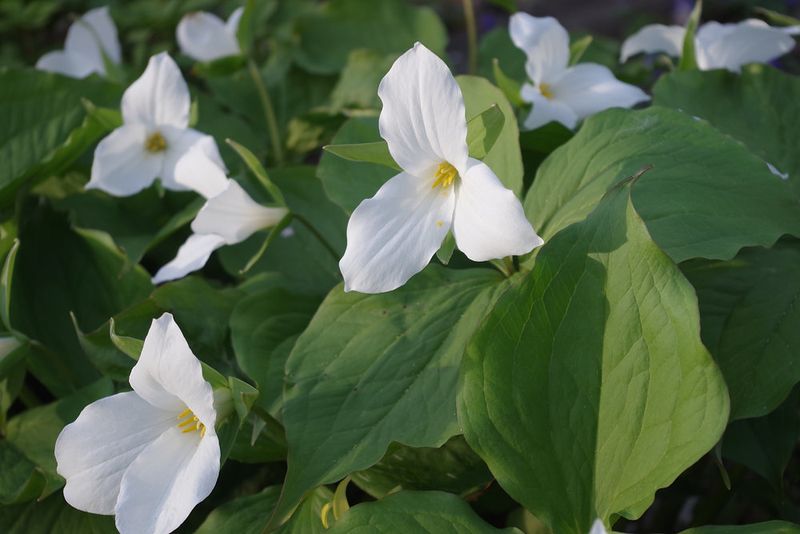
Trilliums are among Michigan’s most iconic woodland wildflowers, valued for their three-petaled blooms and three broad leaves that bring early spring color and native authenticity to shaded garden spaces.
White trillium, Trillium grandiflorum, is the species most commonly cultivated in gardens, though Michigan is home to several native species that thrive under deciduous trees and in rich, moist, well-drained soils with slightly acidic pH.
Planting in partial to full shade allows trilliums to mimic their natural forest habitat, benefiting from filtered light through the spring canopy.
These perennials emerge slowly in spring and can take several years to reach full bloom from seed, so using nursery-propagated transplants is recommended to accelerate flowering while protecting wild populations.
Space plants about twelve inches apart to allow for naturalization and to reduce competition for nutrients and light.
Trilliums go dormant by midsummer, so combining them with later-emerging shade plants like hostas or ferns ensures the garden remains visually full.
Regularly applying a thin layer of mulch helps retain soil moisture, moderates temperature, and protects roots from freeze-thaw cycles in Michigan.
By selecting native species that are well-adapted to local conditions, gardeners support early pollinators and maintain the ecological integrity of their shade gardens.
Trilliums add a timeless, woodland feel and perform beautifully as part of layered planting schemes beneath mature trees, offering a burst of spring beauty in spaces where many other perennials struggle.
7. Jack-in-the-Pulpit Adds Woodland Whimsy
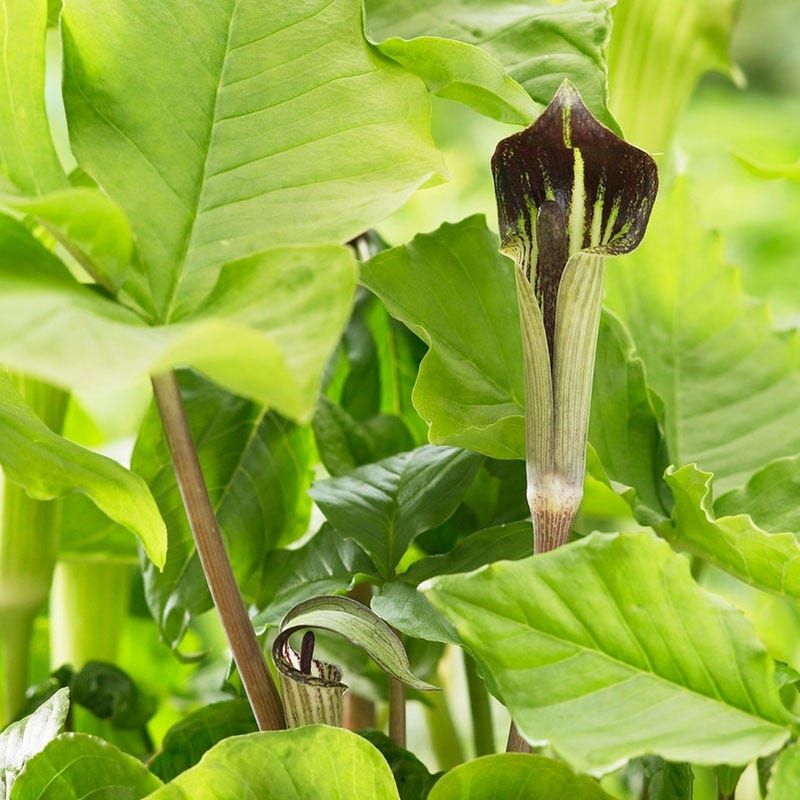
Jack-in-the-pulpit is a uniquely shaped, native Michigan wildflower that brings whimsy and visual intrigue to shaded garden beds.
Arisaema triphyllum produces a hooded spathe that shelters a central spadix, creating a dramatic, almost sculptural effect reminiscent of abstract art.
This plant grows naturally along Michigan stream banks and in moist forest understories, making it highly adaptable to the variable soil conditions found under trees, including areas with rich organic matter and occasional damp patches.
It prefers partial to full shade and thrives in humus-rich, well-drained soil.
Clay soils that retain water can be improved with compost to prevent corm rot. Jack-in-the-pulpit emerges in spring with one or two trifoliate leaves, quickly shading out weeds and establishing a low-maintenance ground cover beneath taller trees.
Flowers appear in May and June, followed by clusters of bright red berries in late summer, which attract birds and support local wildlife.
Spacing plants about twelve inches apart allows them to spread naturally over time, forming colonies that enhance woodland beds.
This species is long-lived when sited properly and tolerates Michigan winters without protection.
Pairing jack-in-the-pulpit with ferns, hostas, or Solomon’s seal creates a multi-layered, texturally rich landscape that remains visually appealing through the spring and summer growing seasons while providing ecological benefits.
8. Lungwort Brightens Shade With Spotted Leaves And Early Flowers
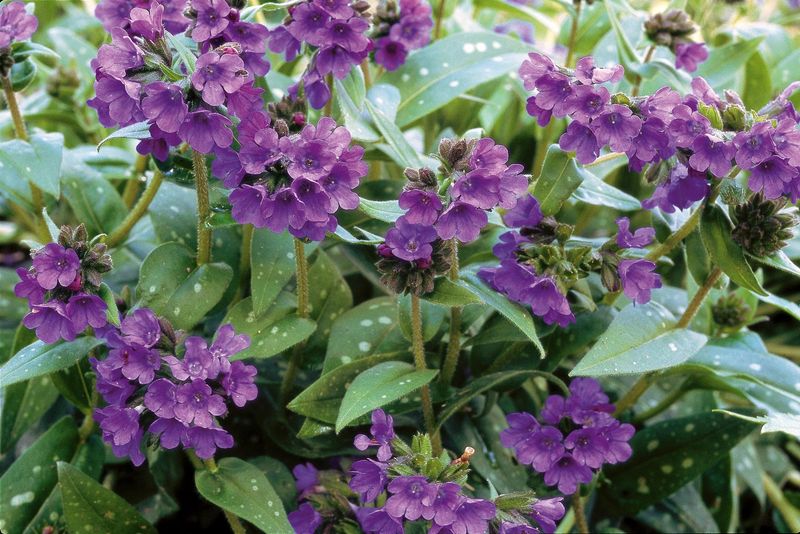
Lungwort is a versatile, shade-loving perennial that combines early spring flowers with attractive, silver-spotted foliage that maintains visual interest through summer.
Pulmonaria species bloom in April and May, often before most other perennials have fully emerged, making them critical for early nectar sources for pollinators in Michigan.
The flowers initially appear pink and gradually turn blue as they age, creating a two-toned effect that adds depth and charm to shaded garden beds.
Lungwort prefers partial to full shade and thrives in moist, humus-rich, well-drained soil, tolerating the clay soils common throughout Michigan.
Good air circulation is important to prevent powdery mildew during humid summers, and removing damaged leaves encourages healthy growth.
Plants should be spaced twelve to eighteen inches apart to allow adequate airflow and room to spread slowly over time.
Lungwort performs well under trees, filling in gaps and creating groundcover that complements taller perennials like hostas or Solomon’s seal.
The silver-speckled foliage remains attractive well after flowering, providing continuous visual interest and helping to brighten dark corners of the landscape.
Hardy through USDA Zone 3, lungwort is an ideal choice for Michigan gardeners seeking a low-maintenance, ornamental, and ecologically beneficial plant for shaded garden spaces.