14 Shade-Loving Plants That Transform Pennsylvania Backyards Into Green Retreats
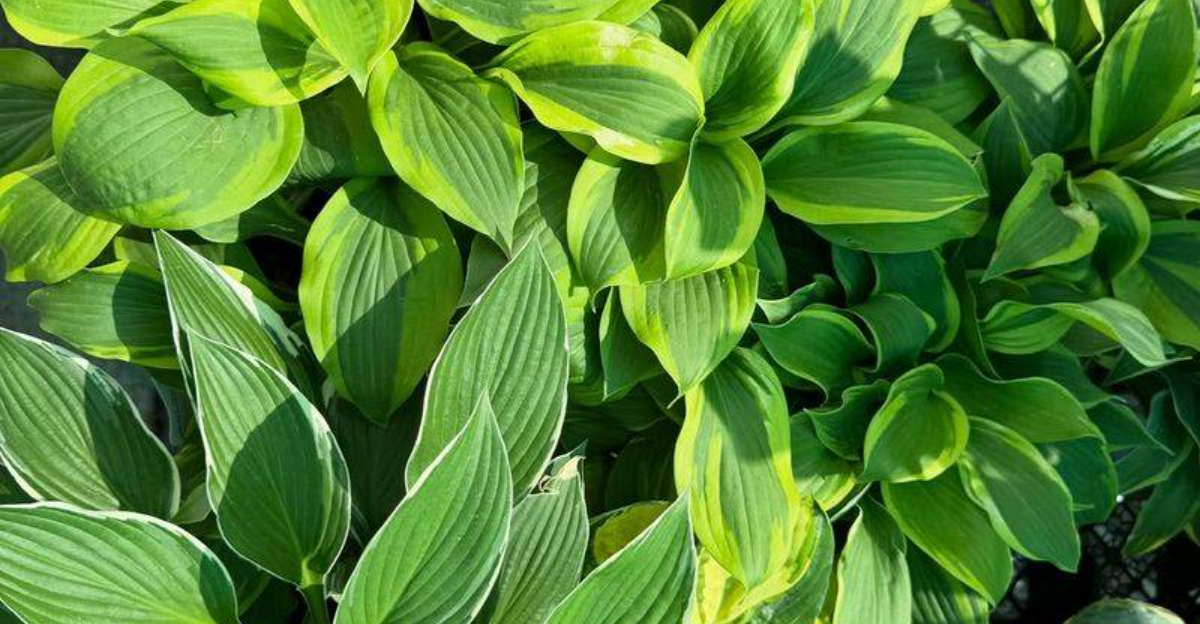
Pennsylvania backyards often feature towering trees and shaded corners that leave homeowners scratching their heads about what to plant.
Many gardeners mistakenly believe that shade means limited options, but nothing could be further from the truth.
Shade-loving plants bring vibrant colors, interesting textures, and lush greenery to those darker spots where sun-worshippers refuse to grow.
Your shaded yard can become a peaceful retreat filled with beautiful foliage and stunning blooms that thrive without direct sunlight.
1. Hostas Bring Bold Foliage To Shaded Corners
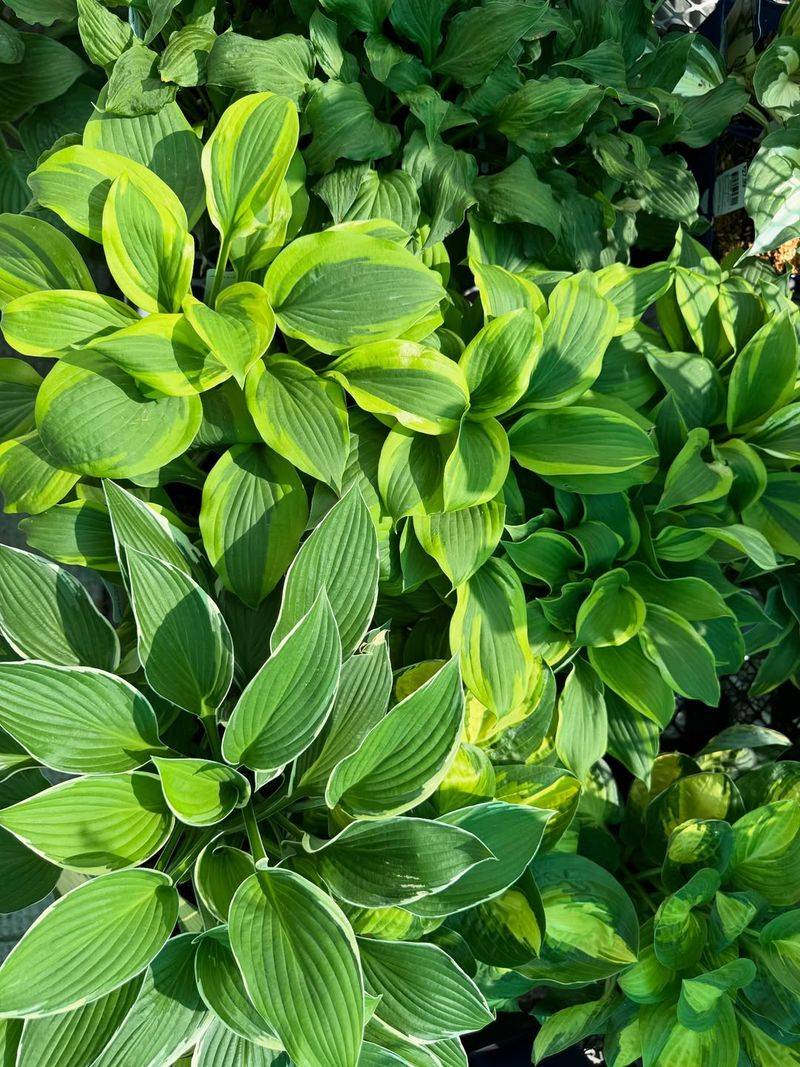
Hostas reign as the undisputed champions of shade gardening across Pennsylvania landscapes.
Their leaves come in dozens of varieties, ranging from tiny miniatures to massive specimens that span three feet wide.
Variegated patterns in cream, gold, and chartreuse add visual interest throughout the growing season.
These perennials return faithfully each spring, growing fuller and more impressive with each passing year.
Gardeners appreciate how hostas tolerate Pennsylvania’s clay-heavy soils and humid summers without complaint.
Purple or white flower spikes emerge in mid to late summer, attracting hummingbirds and adding vertical dimension.
Planting hostas beneath mature trees creates layered garden beds that look professionally designed.
Slugs sometimes nibble the leaves, but a sprinkle of diatomaceous earth around the base keeps them at bay.
Dividing established clumps every few years provides free plants to expand your collection or share with neighbors.
Pairing different hosta varieties together creates stunning contrast that makes shaded areas look intentional rather than neglected.
2. Astilbe Adds Feathery Blooms Throughout Summer
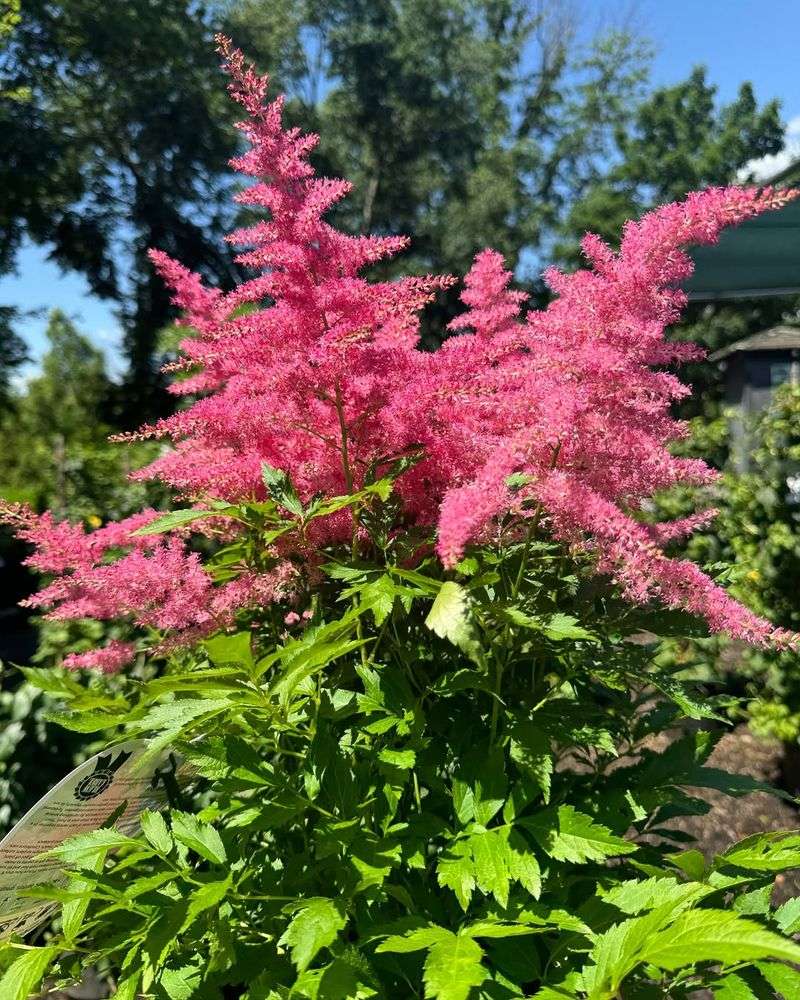
Feathery plumes rise above fern-like foliage when astilbe blooms from late spring through summer.
Colors range from pure white to deep magenta, offering options for every garden color scheme.
The flowers last for weeks, providing extended interest in areas where blooming plants often struggle.
Astilbe performs beautifully in Pennsylvania’s climate, handling both cold winters and occasional summer droughts once established.
These plants prefer consistently moist soil, making them perfect companions for hostas near downspouts or naturally damp areas.
The dried flower heads remain attractive through fall and winter, adding architectural interest when other perennials have faded.
Cutting them back in early spring makes room for fresh growth that emerges reliably each year.
Combining different astilbe varieties with staggered bloom times extends the flowering period across several months.
Their compact growth habit makes them suitable for smaller yards where space comes at a premium.
Butterflies and beneficial insects visit the blooms regularly, supporting local pollinator populations while beautifying your landscape.
3. Bleeding Heart Creates Romantic Garden Moments
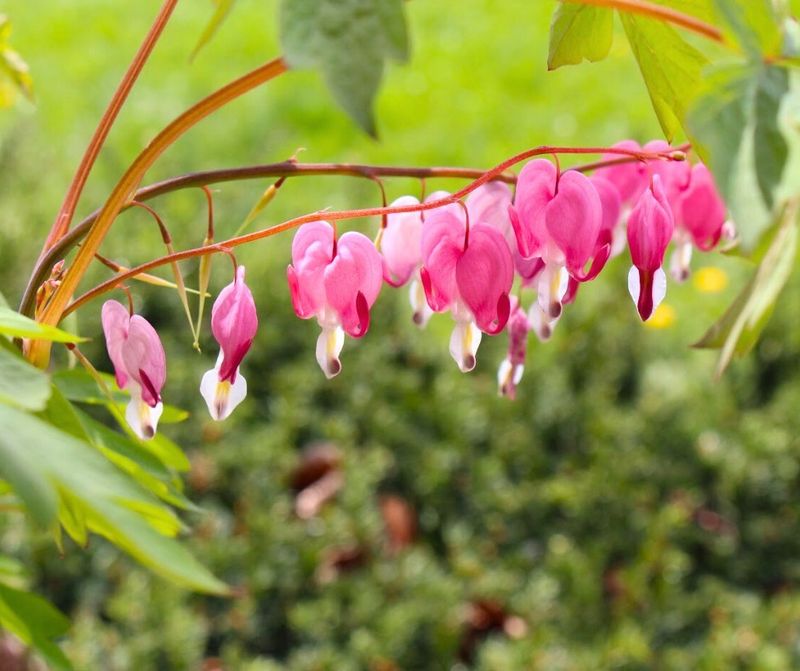
Heart-shaped flowers dangle like tiny lockets from arching stems in spring, creating an enchanting display.
Old-fashioned bleeding heart varieties bloom heavily in April and May before going dormant by midsummer.
Newer cultivars maintain their foliage longer and sometimes rebloom in fall when temperatures cool.
The blue-green leaves provide soft texture that complements bolder-leaved shade plants like hostas and brunnera.
Pennsylvania gardeners treasure bleeding hearts for their reliability and nostalgic charm that reminds many of grandmother’s gardens.
Planting them alongside later-blooming perennials helps disguise the bare spots left when the foliage fades.
These plants spread slowly through rhizomes, forming larger clumps that can be divided and shared.
White-flowered varieties brighten dark corners more effectively than pink ones, though both offer undeniable appeal.
Bleeding hearts handle Pennsylvania’s winter cold without protection, emerging faithfully each spring.
Pairing them with spring bulbs creates layered interest before trees fully leaf out and deepen the shade beneath their canopies.
4. Ferns Provide Textural Interest Year After Year
Pennsylvania’s native ferns bring woodland elegance to residential landscapes without demanding constant attention.
Christmas ferns stay evergreen through winter, providing structure when most perennials have retreated underground.
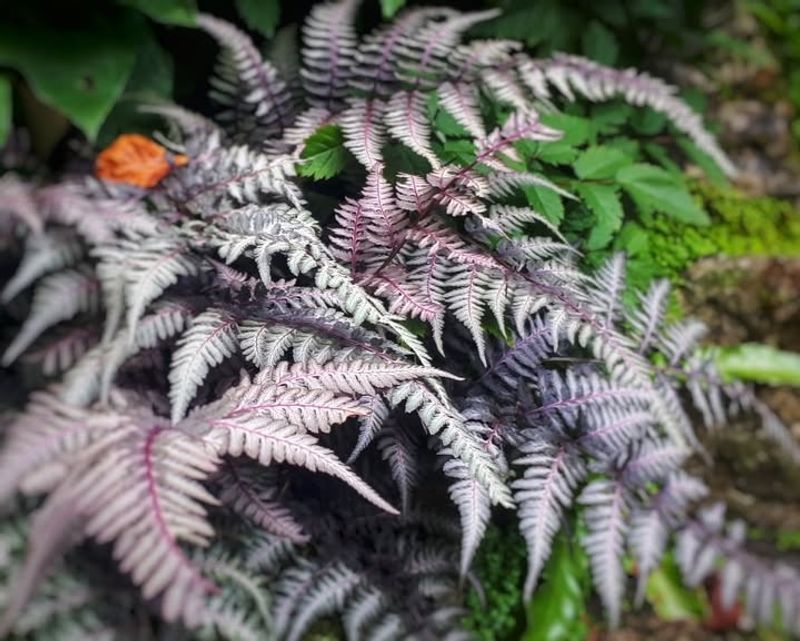
Japanese painted ferns offer silvery foliage with burgundy stems that brighten shaded spots with their unusual coloring.
Ostrich ferns grow tall and dramatic, creating living screens that add privacy to shaded sitting areas.
Their fiddle heads emerge in spring as tightly coiled spirals that slowly unfurl into graceful fronds.
Ferns require minimal care once established, thriving in the acidic soil found beneath pine and oak trees.
They spread through underground rhizomes, filling in bare areas without becoming invasive pests.
Combining different fern species creates varied heights and textures that make gardens look mature and thoughtfully planned.
These plants handle Pennsylvania’s occasional dry spells better than many gardeners expect, though they appreciate supplemental water during extended droughts.
Ferns never need deadheading or dividing, making them perfect for busy homeowners who want beautiful gardens without weekend-consuming maintenance schedules.
5. Coral Bells Offer Colorful Foliage Diversity
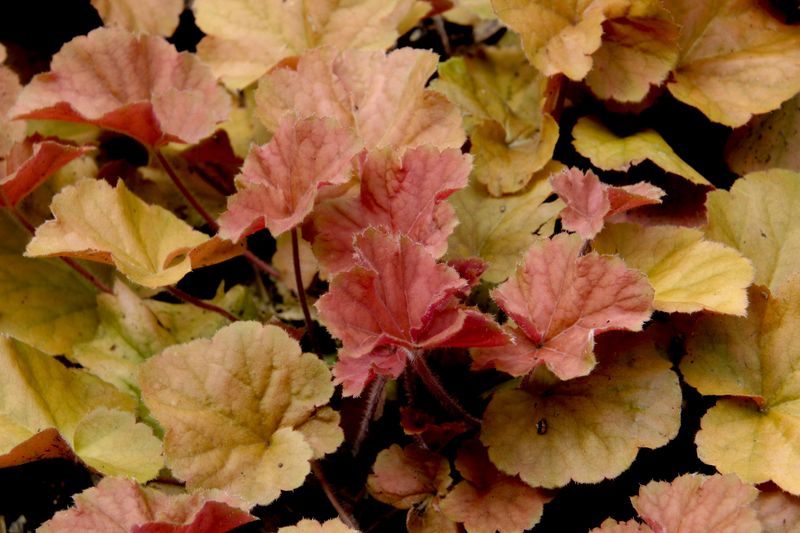
Foliage colors spanning lime green, burgundy, orange, and near-black make coral bells indispensable for shade gardens.
Modern breeding has created hundreds of varieties with ruffled, lobed leaves that look painted by artistic hands.
Delicate flower spikes rise above the foliage in late spring, attracting hummingbirds with their tubular blooms.
Coral bells maintain their colorful leaves from spring through fall, providing constant visual interest when many shade plants offer only green.
Pennsylvania’s climate suits them perfectly, though they appreciate afternoon shade in particularly hot summers.
These compact perennials work beautifully as edging plants along shaded pathways or tucked into container combinations.
Their shallow root systems allow them to grow successfully even in areas with heavy tree root competition.
Refreshing tired clumps every three to four years keeps plants vigorous and prevents woody centers from developing.
Combining different coral bell varieties creates tapestries of color that rival any sunny perennial border.
They handle Pennsylvania winters reliably, though a light mulch layer protects exposed crowns during particularly harsh cold snaps.
6. Japanese Forest Grass Adds Graceful Movement
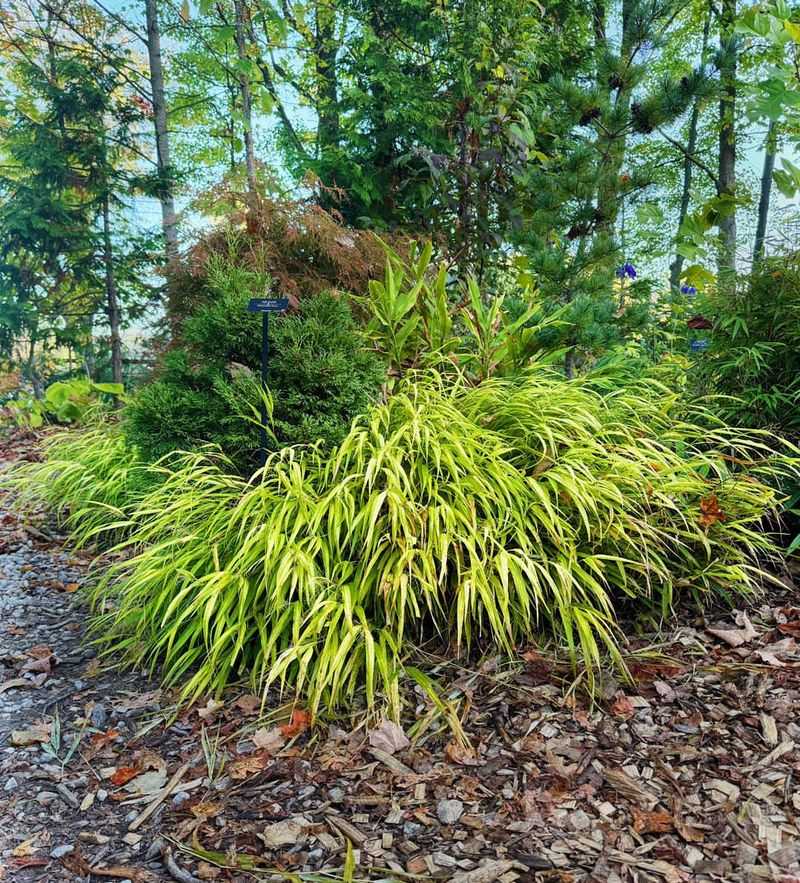
Cascading blades of golden or variegated foliage sway with the slightest breeze, adding motion to static shade gardens.
Japanese forest grass grows in elegant mounds that soften harsh edges and provide contrast against broad-leaved perennials.
The golden varieties practically glow in low light conditions, brightening areas that would otherwise feel dark and dreary.
This ornamental grass tolerates shade far better than most grass species, making it a unique option for woodland settings.
Pennsylvania gardeners value its deer resistance, as hungry browsers typically leave it untouched.
The foliage remains attractive from spring through fall, turning warm bronze tones before winter dormancy.
Cutting back the dried leaves in early spring takes just minutes and reveals fresh new growth emerging from the crown.
Planting Japanese forest grass near water features or along shaded slopes creates naturalistic scenes reminiscent of Asian gardens.
It spreads slowly through short rhizomes, forming larger clumps without becoming aggressive.
Pairing it with darker-leaved plants like black mondo grass creates dramatic contrast that draws the eye through shaded garden rooms.
7. Brunnera Displays Forget-Me-Not Flowers In Spring
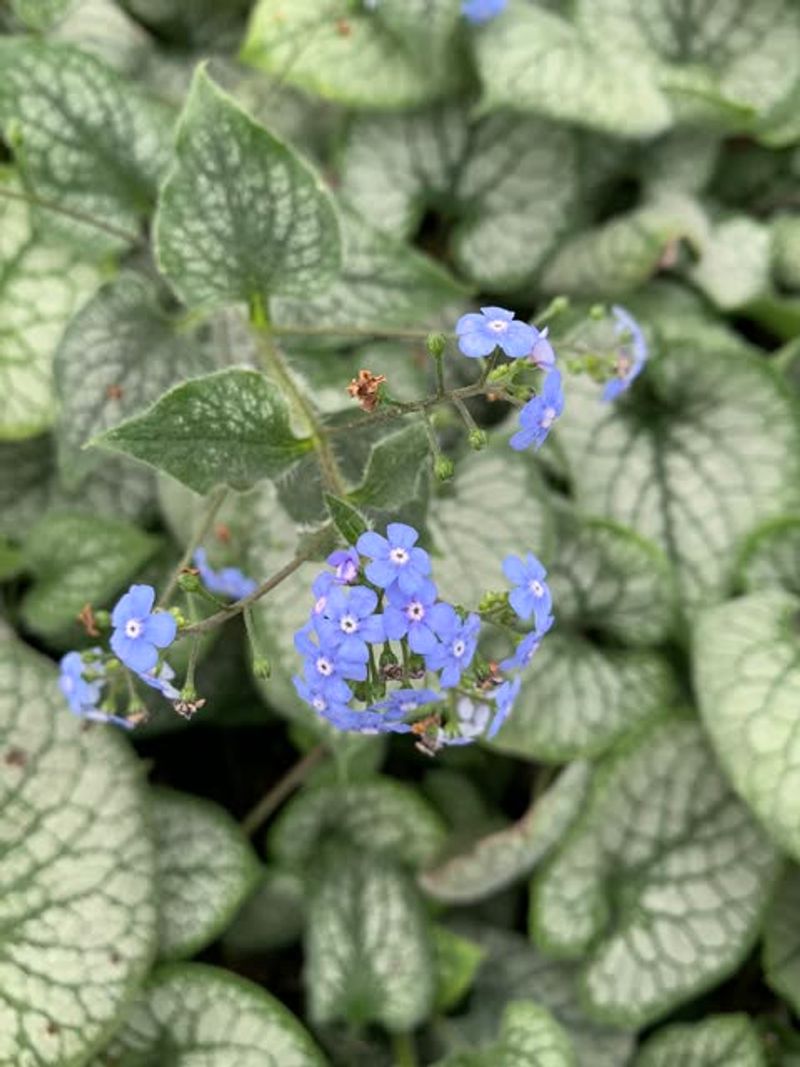
Clouds of tiny blue flowers resembling forget-me-nots hover above heart-shaped leaves each spring.
Variegated brunnera varieties feature silver markings on their foliage that illuminate shaded areas long after the flowers fade.
The leaves grow larger and more impressive as summer progresses, creating substantial groundcover beneath trees.
Pennsylvania’s spring weather suits brunnera perfectly, encouraging prolific blooming that lasts for several weeks.
These plants handle the transition from spring sun to summer shade that occurs as tree canopies fill in.
Brunnera tolerates dry shade once established, making it valuable for challenging spots beneath shallow-rooted maples.
The foliage remains attractive through fall, never looking tattered or requiring mid-season shearing.
Combining brunnera with spring bulbs and early-blooming perennials creates layered interest before summer plants take center stage.
These reliable perennials spread gradually, filling bare spots without overwhelming neighboring plants.
Slugs occasionally nibble the leaves but rarely cause significant damage to established clumps.
Dividing crowded plants in early fall provides extras to naturalize in woodland areas or share with fellow gardeners.
8. Tiarella Produces Delicate Foam-Like Blooms
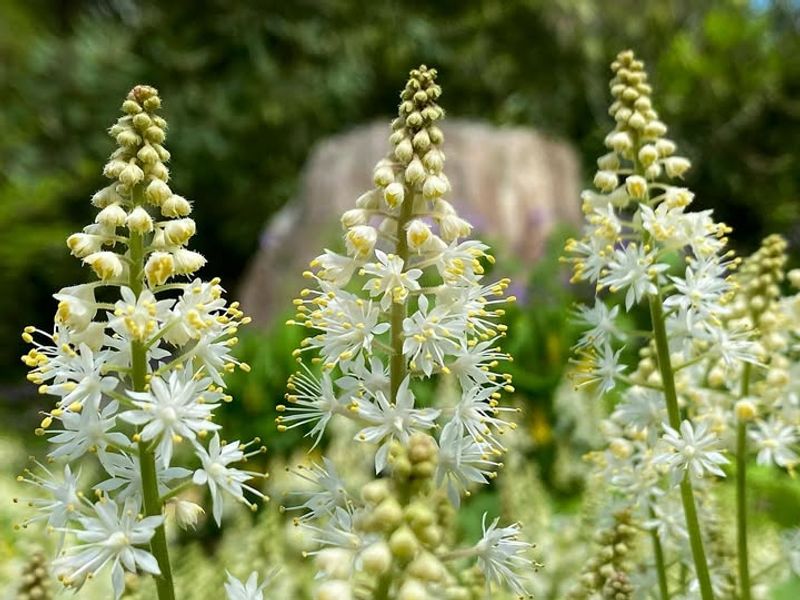
Bottle-brush flower spikes resembling seafoam rise above maple-shaped leaves in late spring and early summer.
Native to Pennsylvania woodlands, tiarella thrives in residential shade gardens with minimal care or intervention.
The foliage often displays burgundy markings along the veins, adding visual interest when flowers aren’t present.
These low-growing perennials spread through runners, creating attractive groundcover that suppresses weeds naturally.
Their shallow roots allow them to grow successfully even in root-filled areas beneath established trees.
Tiarella handles Pennsylvania’s climate extremes without complaint, tolerating both humid summers and frigid winters.
The semi-evergreen foliage often persists through mild winters, providing structure when other perennials have disappeared.
Pairing tiarella with taller shade perennials creates layered plantings that look professionally designed.
These plants appreciate consistent moisture but tolerate brief dry periods once their root systems establish.
Combining different varieties with varying foliage patterns adds complexity to simple planting schemes.
Native plant enthusiasts particularly value tiarella for supporting local ecosystems while beautifying residential landscapes with its understated elegance.
9. Lungwort Showcases Spotted Foliage And Early Blooms
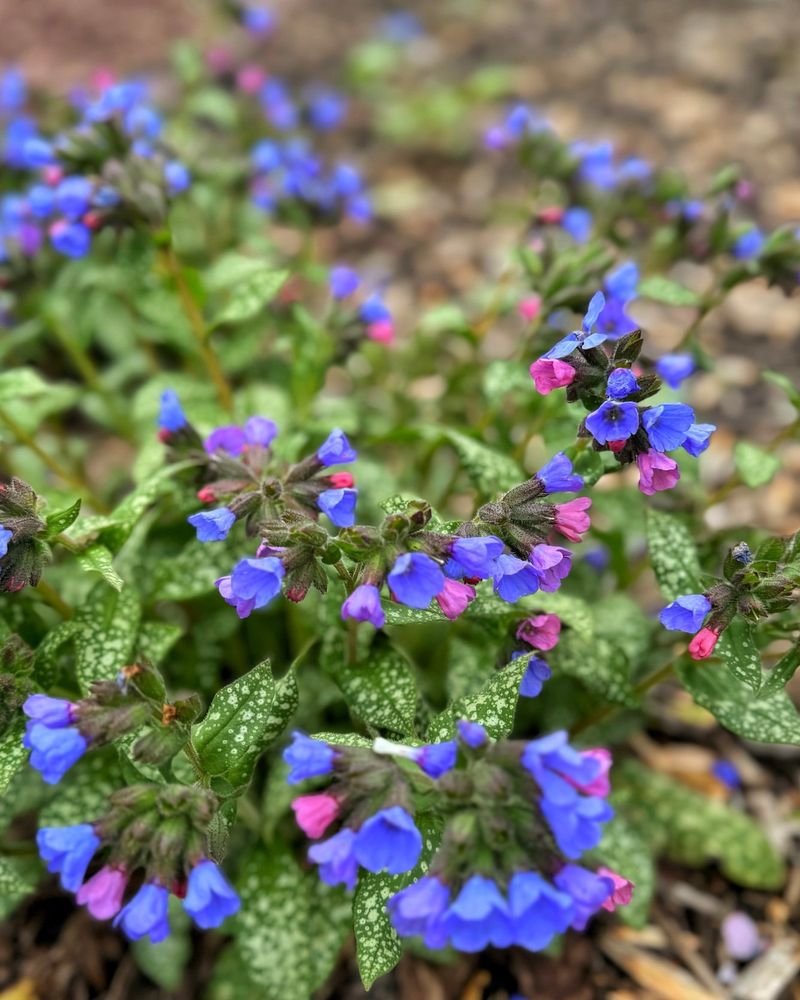
Flowers emerge in early spring displaying pink buds that open to blue blooms, often with both colors appearing simultaneously.
Silver-spotted leaves follow the flowers, remaining attractive throughout the growing season.
The spotted foliage brightens dark corners, creating the impression of dappled sunlight filtering through the canopy.
Lungwort blooms when few other shade plants offer flowers, providing critical early nectar for emerging pollinators.
Pennsylvania gardeners appreciate its reliability and tolerance for typical garden conditions.
These low-growing perennials work beautifully as groundcover or edging plants along shaded pathways.
The foliage remains fresh-looking through fall, never requiring mid-season cutting back or deadheading.
Lungwort tolerates dry shade once established, though it performs best with consistent moisture during active growth.
Combining varieties with different leaf patterns creates interesting tapestries that rival any flowering display.
These plants spread slowly, forming substantial clumps that can be divided every few years.
Their deer resistance makes them valuable in areas where browsing pressure limits plant choices and frustrates gardening efforts.
10. Solomon’s Seal Arches Gracefully Through Gardens
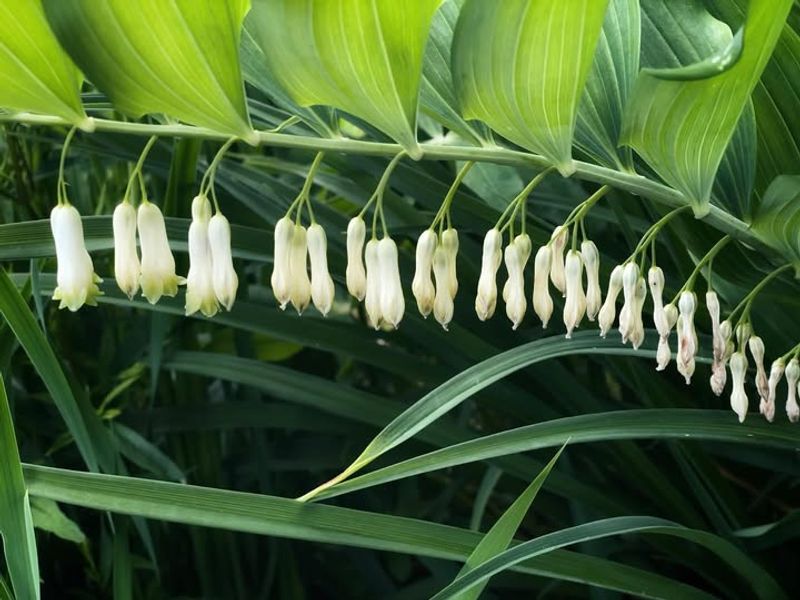
Small white bell-shaped flowers dangle beneath the stems in late spring, followed by blue-black berries in fall.
Native to Pennsylvania woodlands, Solomon’s seal naturalizes beautifully in residential shade gardens.
The plant’s architectural form provides vertical interest without overwhelming smaller companions planted nearby.
Variegated varieties feature cream-edged leaves that brighten shaded areas more effectively than solid green types.
Solomon’s seal spreads through rhizomes, gradually forming colonies that look increasingly natural over time.
Pennsylvania’s climate suits this native perfectly, requiring no special care or winter protection.
The stems remain attractive through summer even after flowers fade, contributing structure to layered plantings.
Cutting back frost-damaged foliage in late fall takes just minutes and keeps gardens looking tidy.
Pairing Solomon’s seal with lower-growing groundcovers creates professional-looking combinations that appear effortless.
These plants tolerate deep shade and root competition that defeats less adaptable species, making them problem-solvers for challenging spots.
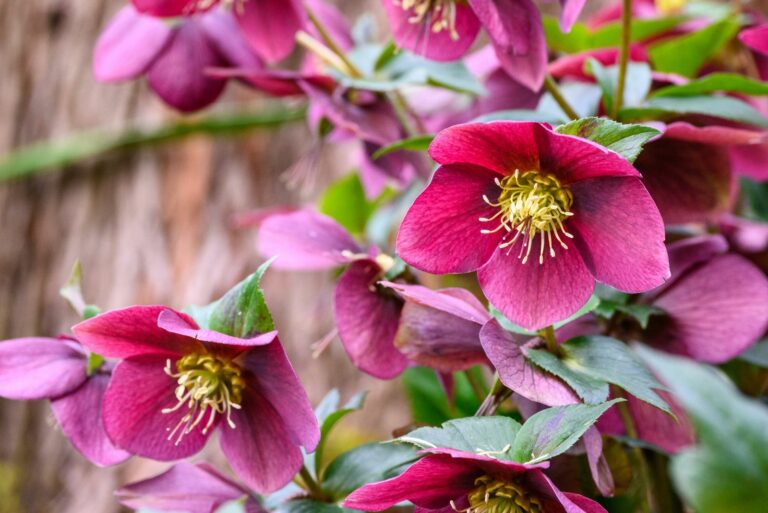
11. Hellebores Bloom When Snow Still Covers Ground
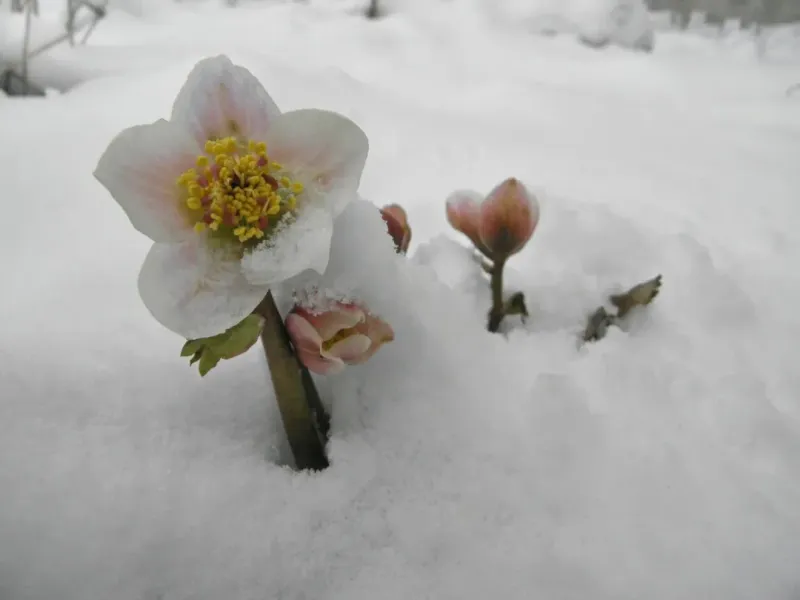
Flowers emerge in late winter, often pushing through snow to bloom when landscapes still look dormant and lifeless.
Leathery evergreen leaves persist through Pennsylvania winters, providing structure when other perennials have retreated underground.
Colors range from pure white to deep purple, with spotted and picotee patterns adding complexity.
Hellebores tolerate the dry shade beneath evergreens where many plants struggle to establish.
Their long bloom period extends from February through April, bridging the gap between winter and spring.
These tough perennials handle neglect gracefully, requiring minimal care once their root systems establish.
Removing tattered old leaves in late winter showcases emerging flowers and keeps plants looking fresh.
Hellebores self-sow modestly, producing seedlings that often display surprising color variations from their parents.
Pennsylvania gardeners treasure them for reliable performance in challenging conditions.
Deer avoid hellebores completely, making them valuable in areas where browsing pressure limits planting options.
Combining different varieties extends the bloom season and creates collections that become more valuable each year as plants mature and multiply naturally.
12. Epimedium Creates Weed-Suppressing Groundcover
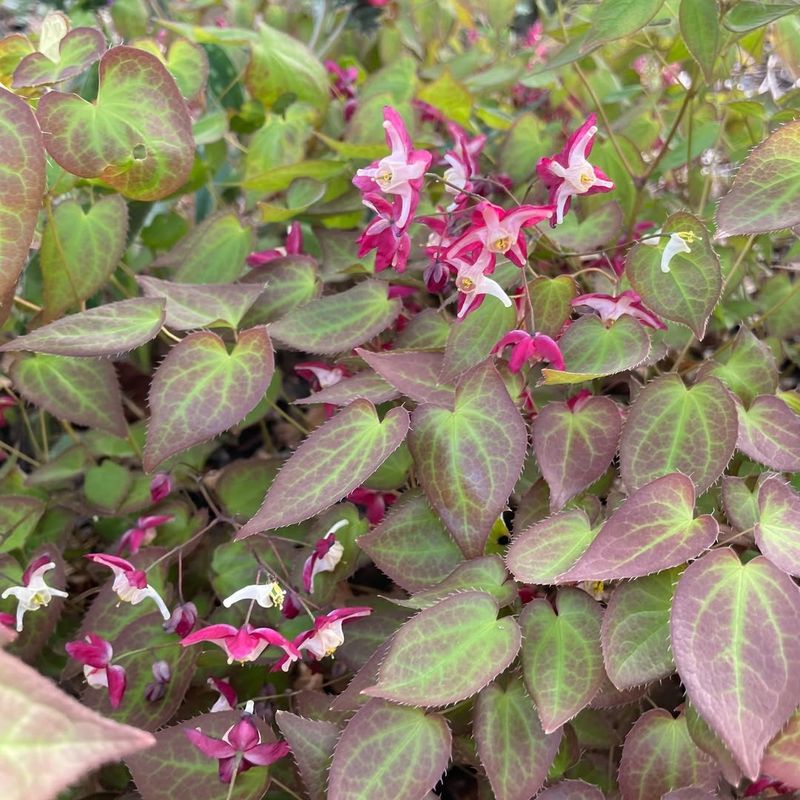
Delicate flowers hover above heart-shaped leaves on wiry stems in mid-spring, resembling tiny columbines.
The foliage emerges bronze-tinted before maturing to green, then often develops red tones in fall.
Epimedium spreads through rhizomes, forming dense mats that prevent weeds from establishing.
These tough groundcovers tolerate dry shade and root competition that defeats less resilient plants.
Pennsylvania gardeners value epimedium for covering large areas beneath trees where grass refuses to grow.
The semi-evergreen foliage provides winter interest in mild years, though it may brown during harsh cold snaps.
Shearing back tattered leaves in late winter reveals emerging flowers and fresh new growth.
Epimedium requires virtually no maintenance once established, making it perfect for busy homeowners.
Combining varieties with different flower colors creates subtle interest that rewards close observation.
These plants handle neglect remarkably well, thriving in forgotten corners where nothing else survives.
Their deer resistance adds to their appeal in areas where browsing wildlife creates constant gardening challenges and limits successful plant choices dramatically.
13. Lenten Rose Provides Early Season Drama
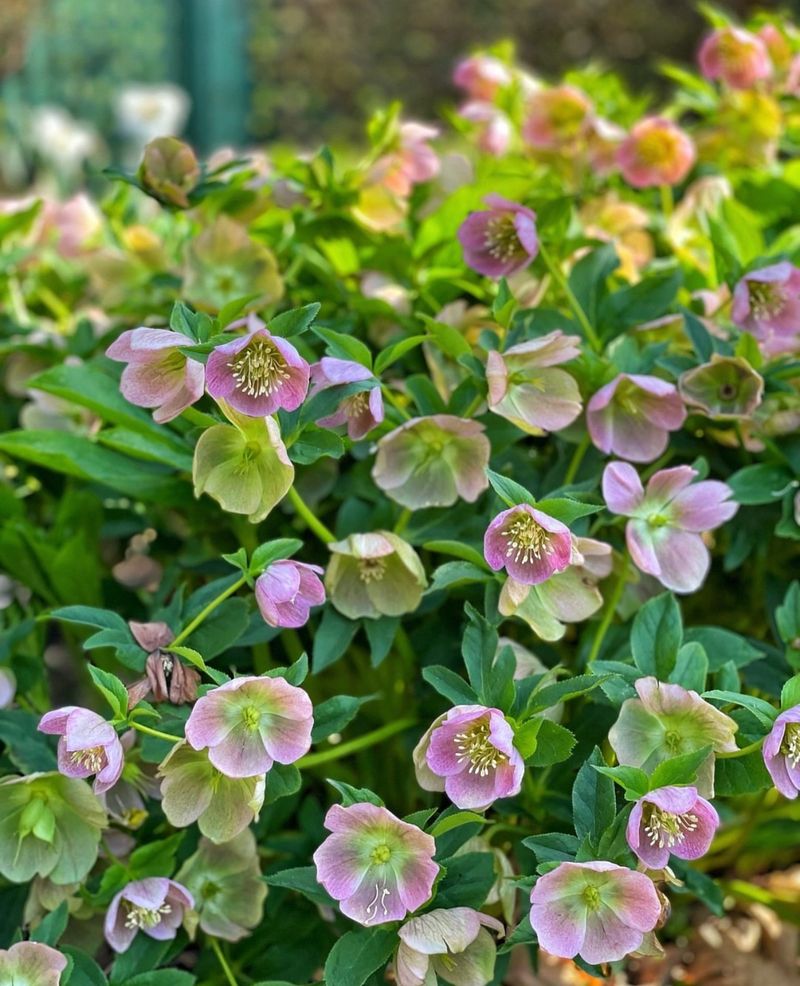
Nodding flowers in shades of burgundy, cream, pink, and green bloom prolifically from late winter into spring.
Lenten rose actually belongs to the hellebore family but earns its own recognition for spectacular performance.
The flowers last for months rather than weeks, providing extended interest when most gardens still look bare.
Evergreen foliage remains attractive year-round, creating structure in shade gardens through all seasons.
Pennsylvania’s climate suits Lenten rose perfectly, with cold winters encouraging prolific spring blooming.
These plants tolerate challenging conditions including dry shade, clay soil, and competition from tree roots.
Established clumps grow larger and more floriferous each year, becoming garden focal points.
Lenten rose self-sows generously, producing seedlings that bloom in their third or fourth year.
The offspring often display color variations, creating naturalistic drifts that look increasingly beautiful over time.
Deer completely ignore Lenten rose, making it invaluable where browsing pressure eliminates other plant options.
Pairing it with spring bulbs and early perennials creates layered displays that signal winter’s end and welcome returning warmth with cheerful optimism.
14. Wild Ginger Forms Lush Green Carpets
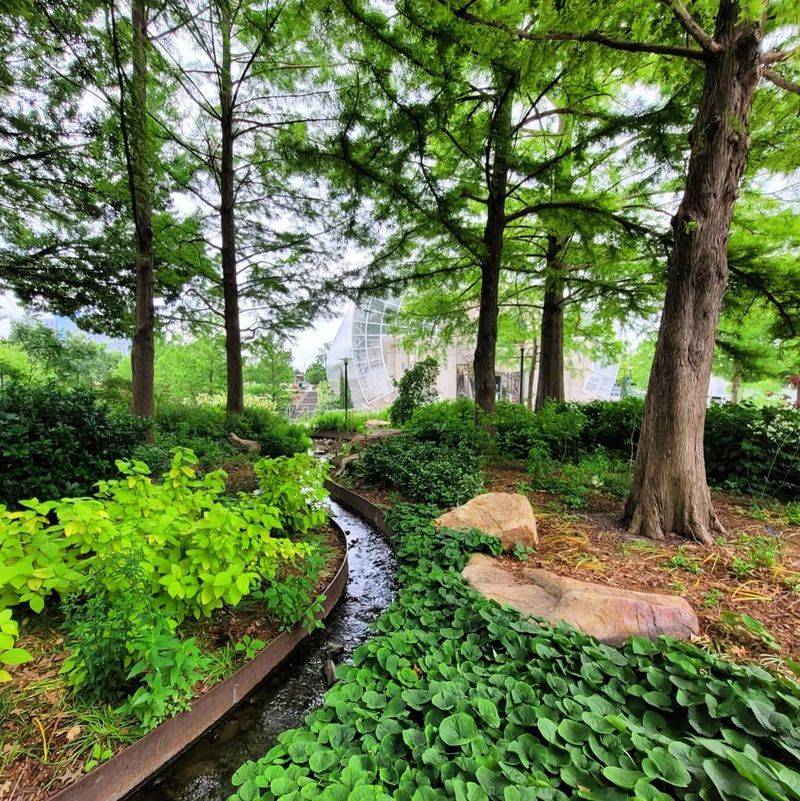
Heart-shaped leaves overlap to create dense carpets that suppress weeds while beautifying shaded areas.
Native to Pennsylvania woodlands, wild ginger naturalizes beautifully beneath trees and along shaded slopes.
The foliage emerges fresh green each spring, maintaining its appearance through fall without browning or requiring maintenance.
Curious burgundy flowers hide beneath the leaves near ground level, rewarding observant gardeners who take time to peek.
Wild ginger spreads through rhizomes at a moderate pace, filling bare spots without becoming invasive.
This native groundcover tolerates deep shade and dry conditions once established, solving problems in challenging areas.
Pennsylvania gardeners appreciate its ability to thrive where grass fails and other groundcovers struggle.
Wild ginger handles root competition from mature trees without complaint, making it perfect for naturalizing in woodland settings.
The foliage withers away in fall, reemerging reliably each spring as temperatures warm.
Combining wild ginger with spring ephemerals creates naturalistic plantings that support local ecosystems.
Its deer resistance and low maintenance requirements make it ideal for busy homeowners who want beautiful gardens without constant weekend work and endless upkeep demands.