9 Short Growing Season Crops For Northern California Gardens
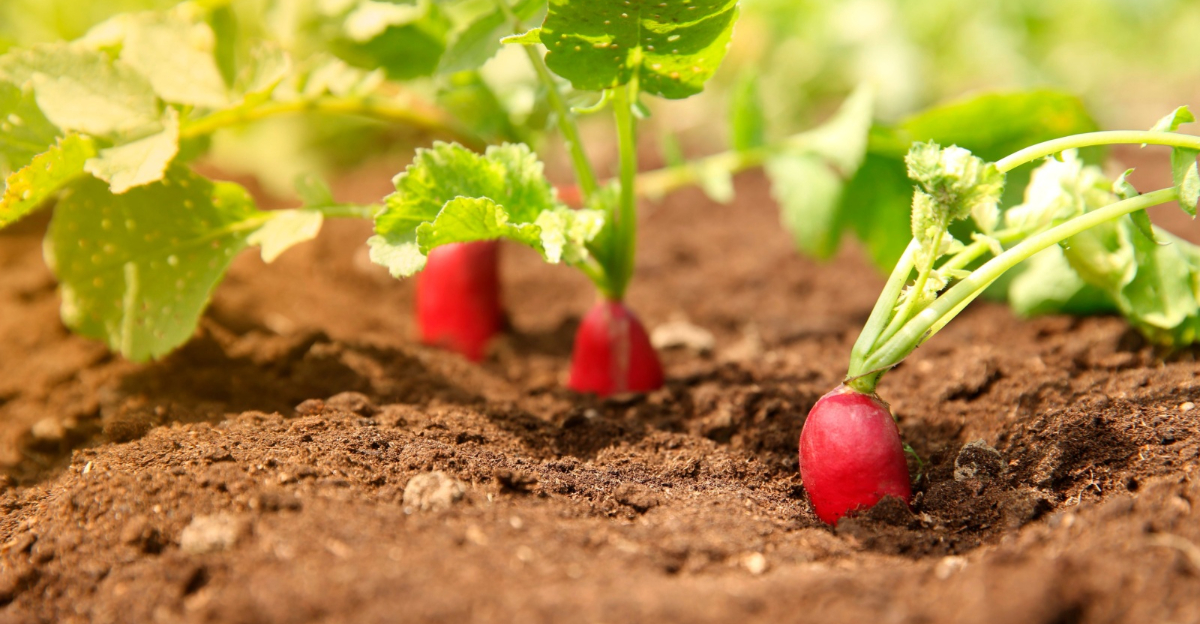
In Northern California, a planting window can open and close faster than you expect. One week feels cool and steady, the next starts to hint at summer heat, and crops either take off or fall behind.
That timing challenge is something many gardeners learn quickly, whether they are near the foggy coast or in warmer inland valleys. Short growing season crops make it easier to stay in step with those shifts.
By choosing vegetables that mature quickly, you can keep harvests coming in without missing your window.
It is a simple way to keep Northern California gardens productive through changing conditions.
1. Radishes Grow Fast And Are Ready In Weeks
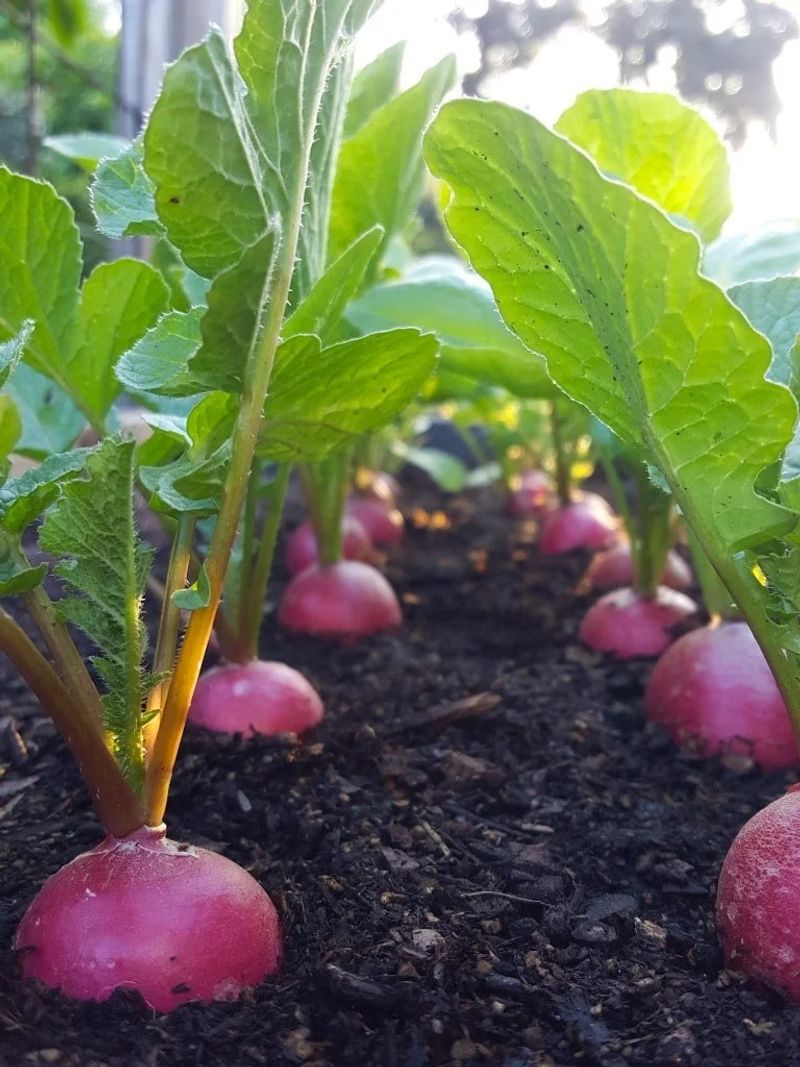
Few things in a Northern California garden are more satisfying than pulling up a crisp radish just three to four weeks after planting the seed.
Radishes are one of the fastest-maturing vegetables you can grow, with most varieties ready to harvest in just 25 to 30 days.
That speed makes them a go-to crop for gardeners who want results quickly without a long wait.
In Northern California, radishes do best when planted in early spring or fall, when soil temperatures stay cool and the air is mild. Hot weather causes radishes to bolt and turn woody, so timing matters.
Coastal areas near the Bay Area and Humboldt often have a longer window for cool-season planting than inland valleys.
Sow seeds about half an inch deep and thin seedlings to two inches apart for the best root development. Radishes work well tucked between slower-growing crops like carrots or broccoli, making use of space that would otherwise sit empty.
Varieties like ‘Cherry Belle’ and ‘French Breakfast’ are reliable choices for Northern California gardens. Water consistently to avoid cracked roots and harvest as soon as they reach maturity for the crispest flavor.
2. Arugula Brings Quick Harvests With Bold Flavor
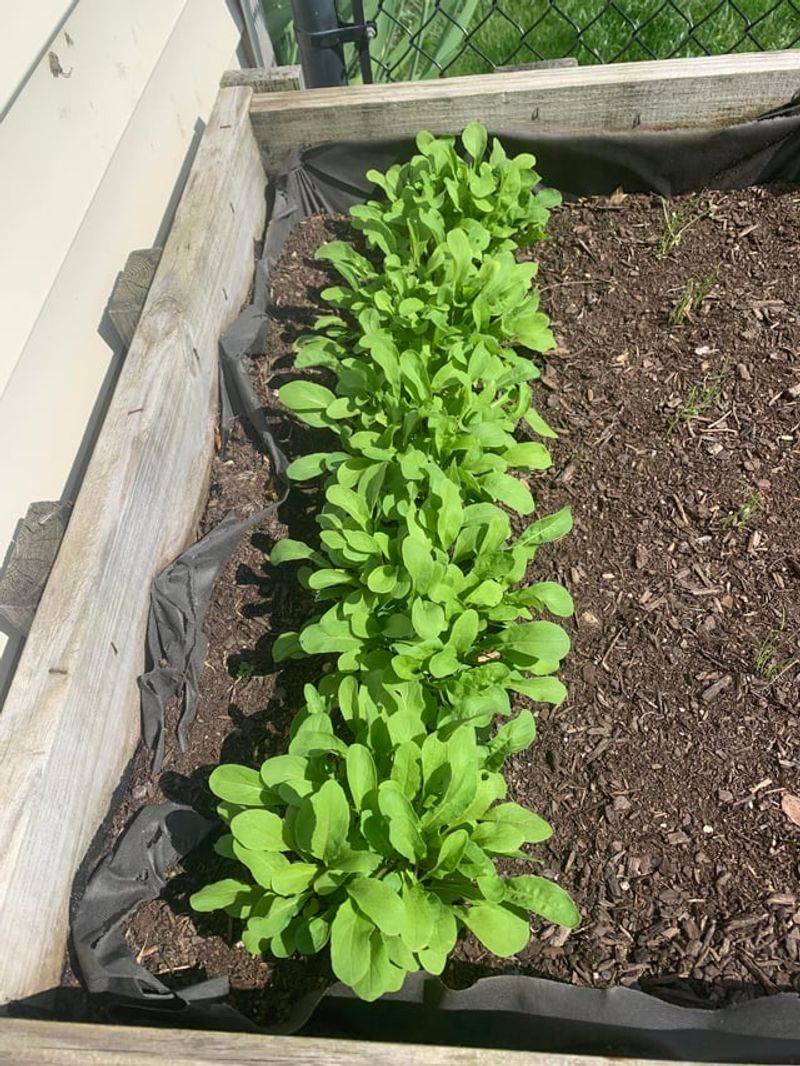
If you have ever bitten into a salad with a peppery, slightly nutty kick, there is a good chance arugula was involved.
This fast-growing leafy green is a favorite among Northern California gardeners who want fresh salad greens without waiting months for a harvest.
Arugula is typically ready to pick in as little as 30 to 40 days from seeding, making it one of the quicker cool-season crops around.
Arugula thrives in the mild, cool conditions that Northern California’s coastal and foothill regions offer during spring and early fall.
Inland valley gardeners should plant early in the season before heat sets in, since warm temperatures cause the plant to bolt and develop a sharper, more bitter taste.
Successive plantings every two to three weeks can keep a steady supply coming through the cooler months.
Scatter seeds directly in the garden bed or a container, lightly covering them with soil. Thin plants to about four to six inches apart.
Harvest outer leaves once they reach about three inches long, which encourages more growth from the center. Baby arugula leaves are especially tender and mild, great for salads, sandwiches, or tossed lightly with olive oil and lemon.
3. Leaf Lettuce Produces Early And Often
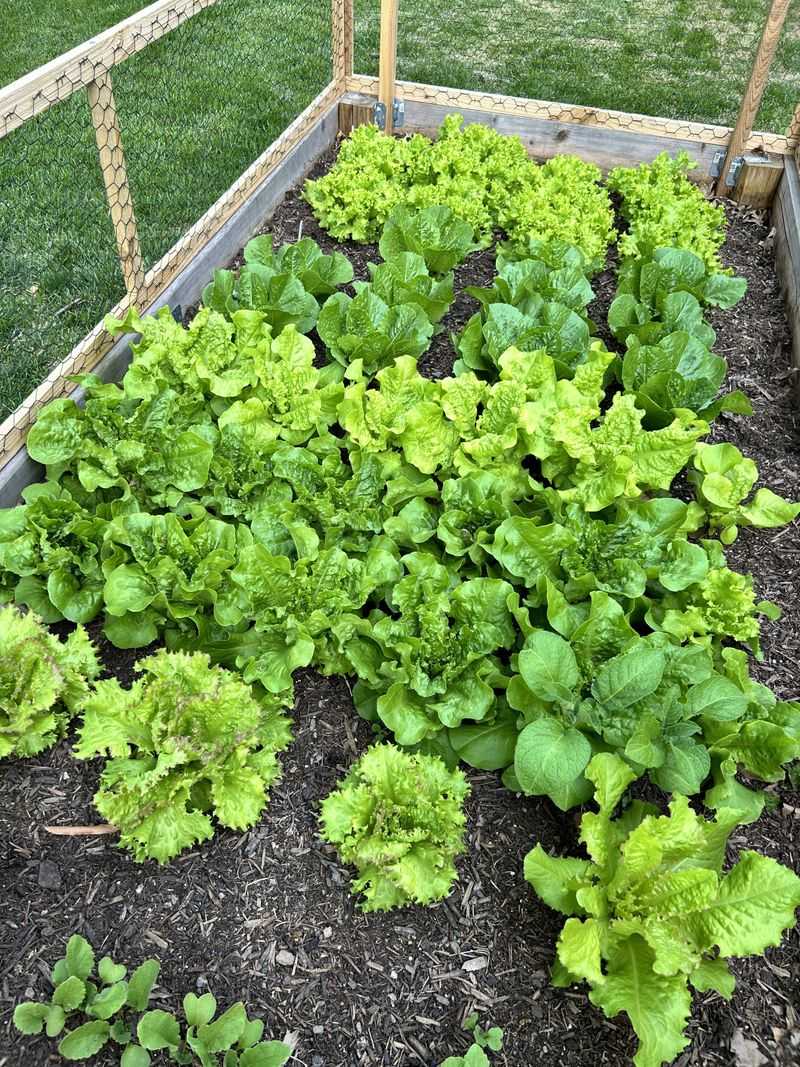
Cool mornings and mild afternoons create near-ideal conditions for leaf lettuce in many parts of Northern California, especially from late winter through late spring.
Unlike head lettuce, which takes longer to form a tight ball, leaf lettuce varieties can be harvested in as few as 30 to 45 days after planting.
Gardeners can cut outer leaves and let the plant keep growing, which means one planting can produce multiple harvests over several weeks.
Varieties like ‘Black Seeded Simpson,’ ‘Red Sails,’ and ‘Oak Leaf’ are well-suited to Northern California’s spring climate.
In coastal areas, lettuce may continue producing into early summer, while inland gardeners should plan to wrap up harvests before temperatures climb above 80 degrees Fahrenheit, which causes bolting and bitterness.
Plant seeds a quarter inch deep and thin to about six to eight inches apart for full-sized plants, or grow them closer together for baby greens. Lettuce roots are shallow, so consistent watering is important, especially during warmer spells.
A light layer of mulch helps retain soil moisture and keep roots cool. Growing lettuce in partial shade during warmer weeks can also extend the harvest window in hotter Northern California microclimates.
4. Spinach Thrives In Cool Northern California Weather
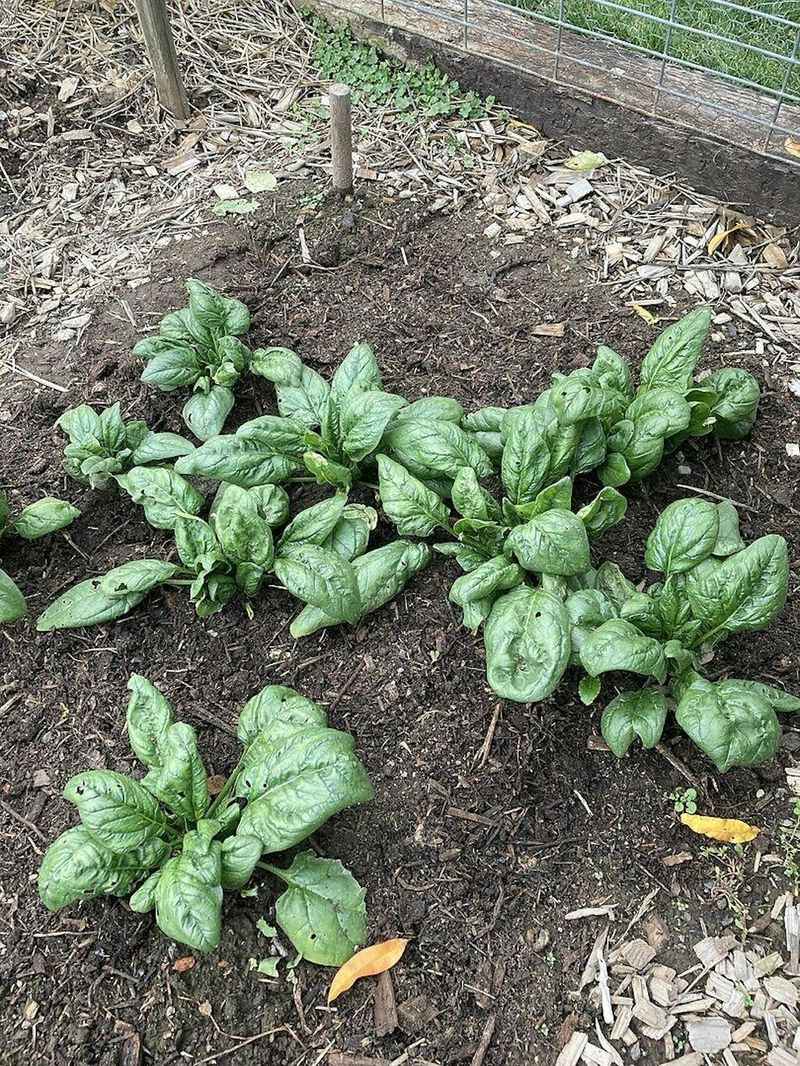
Walk through a Northern California garden in early March and you might spot spinach already growing strong, taking full advantage of the cool, moist conditions that define the region’s late winter and early spring.
Spinach is a cool-season crop that matures in roughly 35 to 50 days, depending on the variety, making it a solid choice for gardeners who want to start the season with something productive.
The ‘Bloomsdale’ variety is a longtime favorite for its dark, crinkled leaves and reliable performance in cool weather. ‘Tyee’ is another good option known for its slow bolting habit, which gives gardeners a slightly longer harvest window.
In Northern California’s coastal zones, spinach can sometimes be planted as early as February without much risk of frost damage.
Direct sow seeds about half an inch deep in rows spaced 12 inches apart. Thin seedlings to about three to four inches to allow proper airflow and root development.
Spinach prefers well-draining soil with consistent moisture and benefits from a nitrogen-rich fertilizer to support leafy growth. Harvest outer leaves regularly to encourage the plant to keep producing.
Once warm weather arrives and plants begin to bolt, pull them out and replace with a warm-season crop.
5. Green Onions Grow Quickly And Fit Anywhere
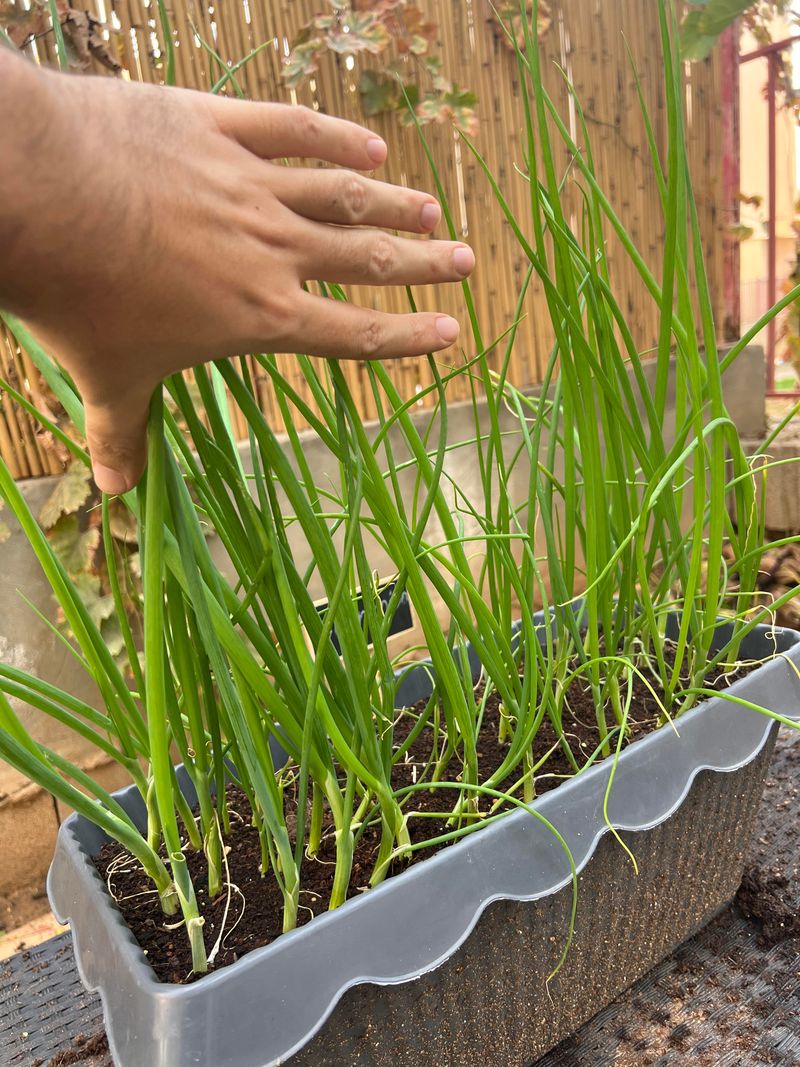
Space is often a challenge in Northern California gardens, especially in urban areas where raised beds and containers are the norm.
Green onions, also called scallions, are one of the most space-efficient crops you can grow, fitting neatly into small beds, container gardens, or even gaps between larger plants.
They are ready to harvest in about 60 to 70 days from seed, or much faster if you start from transplants or sets.
Green onions are not fussy about growing conditions, which makes them appealing for newer gardeners.
They grow well in both coastal and inland Northern California environments, as long as they receive consistent watering and at least six hours of sunlight daily.
Planting them in early spring or fall tends to produce the best results, since extreme heat can slow their growth.
Sow seeds about a quarter inch deep and thin or space plants about one inch apart. For a continuous harvest, plant a small batch every two to three weeks throughout the cool season.
You can harvest the whole plant or snip the green tops and let the base regrow for additional cuttings. Varieties like ‘Evergreen Hardy White’ and ‘Parade’ perform reliably in Northern California conditions and offer a mild, fresh flavor great for cooking or raw use.
6. Bok Choy Matures Fast In Mild Conditions
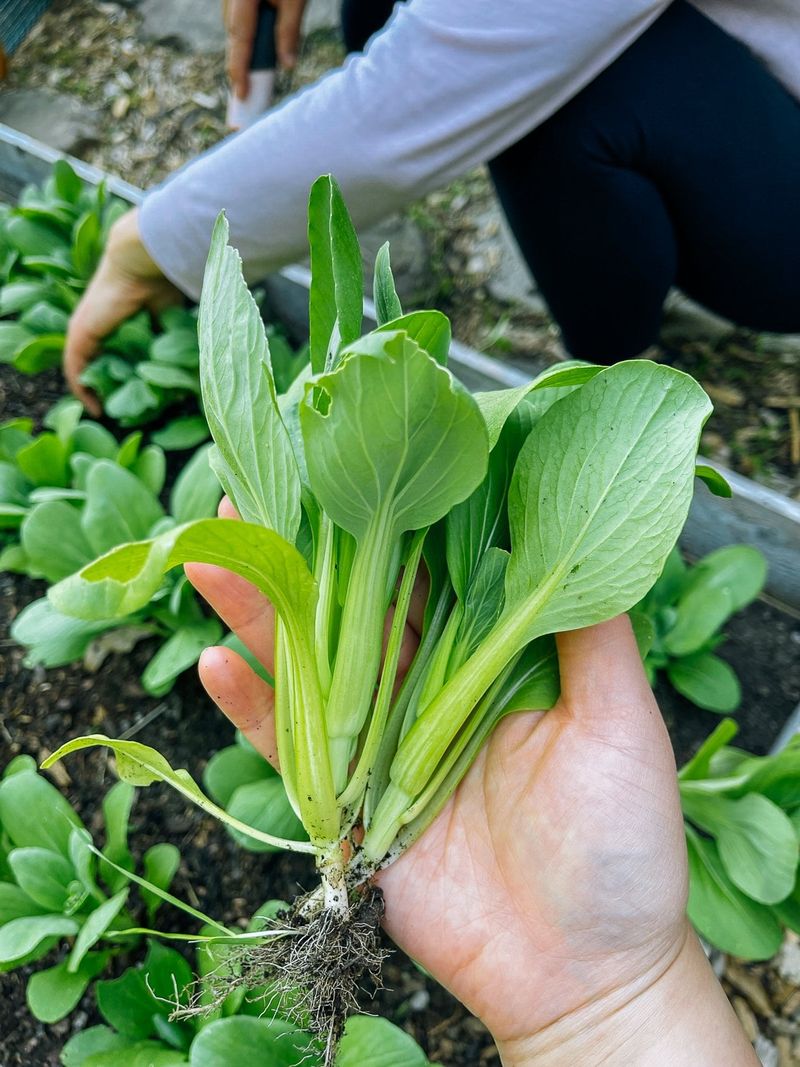
Northern California’s mild spring weather is practically made for bok choy, a leafy vegetable popular in Asian cooking that matures surprisingly fast under the right conditions.
Baby bok choy varieties can be ready to harvest in as few as 30 to 40 days, while full-sized varieties typically take 45 to 60 days.
That speed makes it a practical crop for gardeners who want to fill planting gaps between heavier crops.
Bok choy grows best when temperatures stay between 45 and 75 degrees Fahrenheit, a range that fits well with Northern California’s spring season.
Coastal areas often offer a longer window for cool-season crops like bok choy, while inland gardeners should plant early to avoid bolting in the heat.
Once temperatures consistently climb above 80 degrees, plants may flower and lose their tender texture.
Plant seeds about a quarter inch deep and thin to six to ten inches apart, depending on whether you want baby or full-sized heads. Bok choy prefers rich, well-draining soil and consistent moisture.
Irregular watering can cause tip burn on the leaves. Harvest the whole plant by cutting at the base, or remove outer leaves for multiple harvests.
Varieties like ‘Joi Choi’ and ‘Win-Win Choi’ are reliable performers in Northern California gardens.
7. Bush Beans Produce Quickly Once Soil Warms
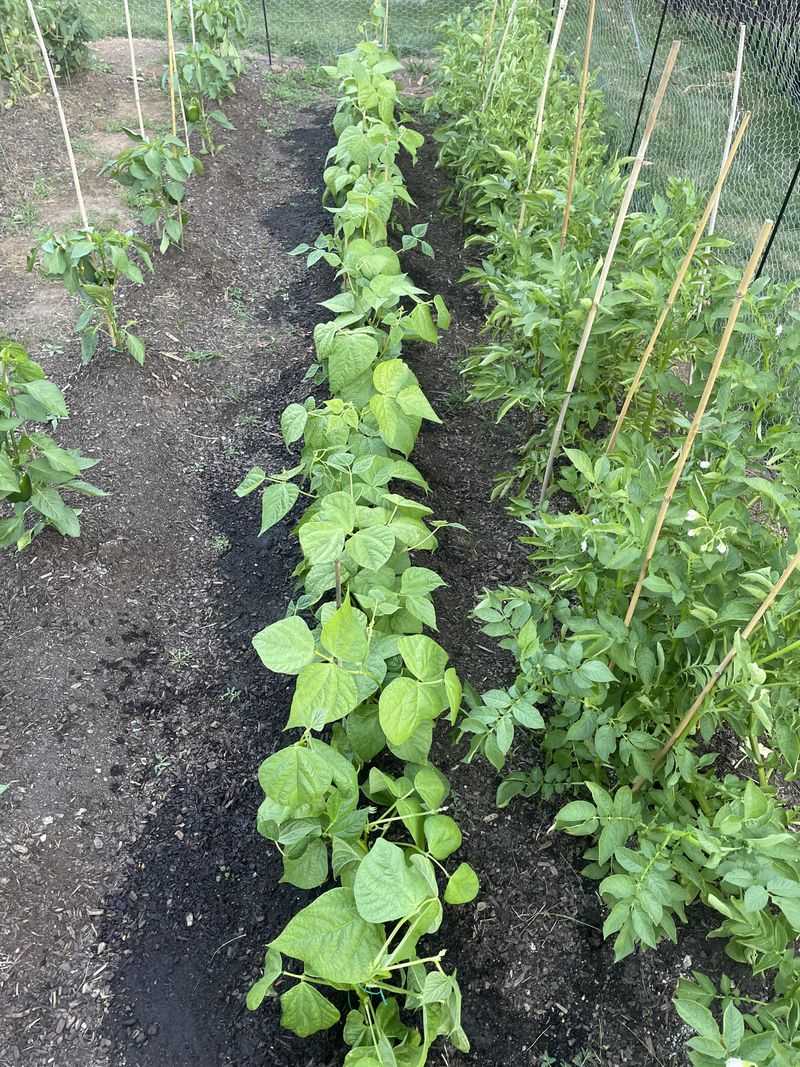
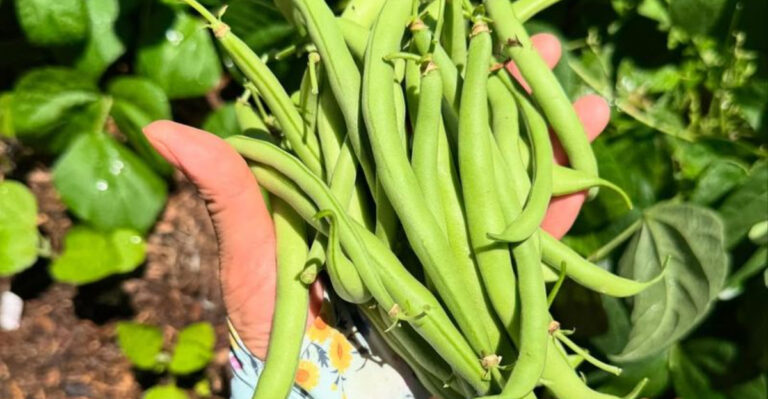
Unlike their pole bean cousins, bush beans do not need trellises or climbing structures, which makes them a low-maintenance choice for Northern California gardeners working with limited space or time.
What makes them especially appealing for shorter growing seasons is their speed: most bush bean varieties are ready to harvest in 50 to 60 days from planting.
That window fits nicely into Northern California’s warm late-spring and early-summer period.
Soil temperature is the key factor with bush beans. Seeds struggle to sprout in cold ground and may rot before germinating if planted too early.
In most Northern California inland valleys, late April through May is a reliable window for planting once soil temperatures reach at least 60 degrees Fahrenheit. Coastal gardeners may need to wait a bit longer due to cooler, foggier conditions.
Sow seeds about one inch deep and four to six inches apart in rows spaced 18 to 24 inches. Bush beans generally do not need much fertilizer, especially if the soil is already rich in organic matter.
Consistent watering during flowering and pod development is important for good yields. Varieties like ‘Provider,’ ‘Contender,’ and ‘Blue Lake 274’ are trusted options for Northern California gardens.
Harvest pods regularly to encourage continued production throughout the season.
8. Peas Grow Fast In Cooler Spring Weather
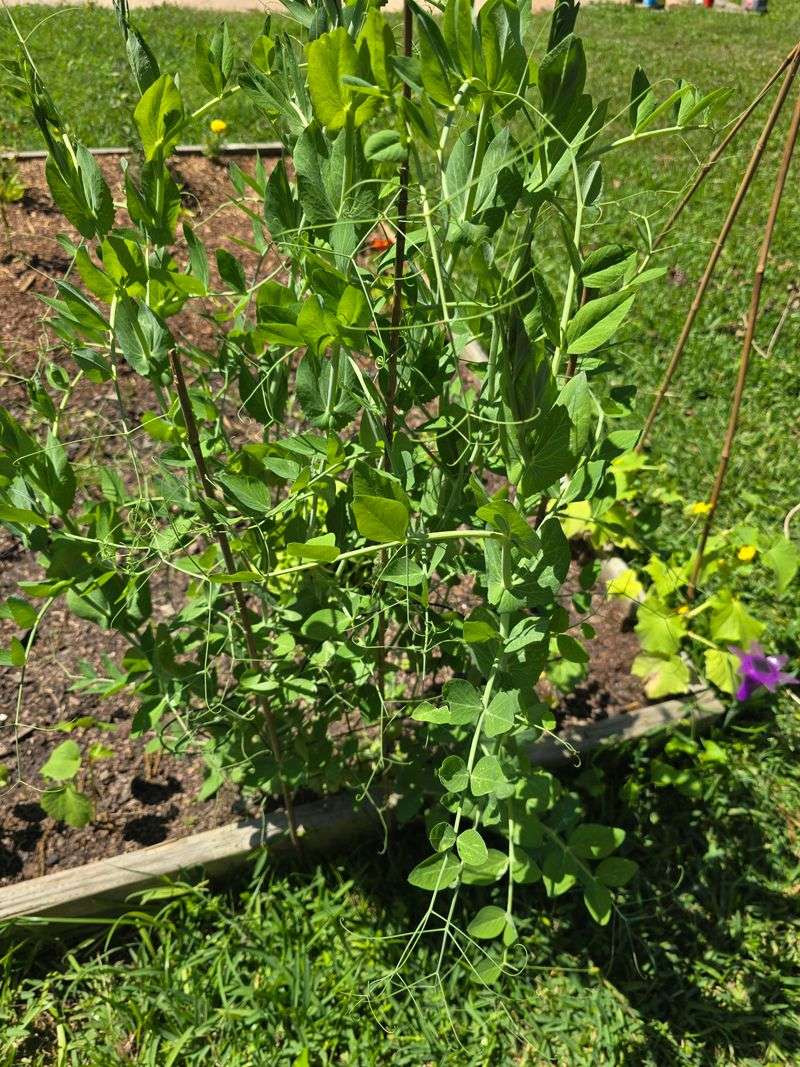
Early spring in Northern California brings exactly the kind of cool, moist weather that peas love. While many crops are still waiting for warmer soil, peas can be planted as soon as the ground is workable, often as early as February in many parts of the state.
Most snap and shelling pea varieties mature in 60 to 70 days, making them one of the earliest substantial harvests a Northern California gardener can expect in a given year.
Peas prefer cool temperatures between 45 and 65 degrees Fahrenheit. As inland valleys heat up in May and June, pea plants tend to slow down and eventually stop producing.
Coastal Northern California gardeners often have a longer spring window to work with, sometimes extending harvests into early summer.
Getting seeds in the ground early is the best strategy for maximizing your yield before summer heat arrives.
Sow pea seeds about one inch deep and two to three inches apart. Most peas benefit from a simple trellis or wire support, even shorter bush varieties.
Avoid heavy nitrogen fertilization, since peas fix their own nitrogen from the air. Water regularly but avoid waterlogged soil.
Varieties like ‘Oregon Sugar Pod,’ ‘Sugar Snap,’ and ‘Green Arrow’ are well-regarded choices for Northern California’s spring gardens.
9. Turnips Offer Quick Roots And Edible Greens
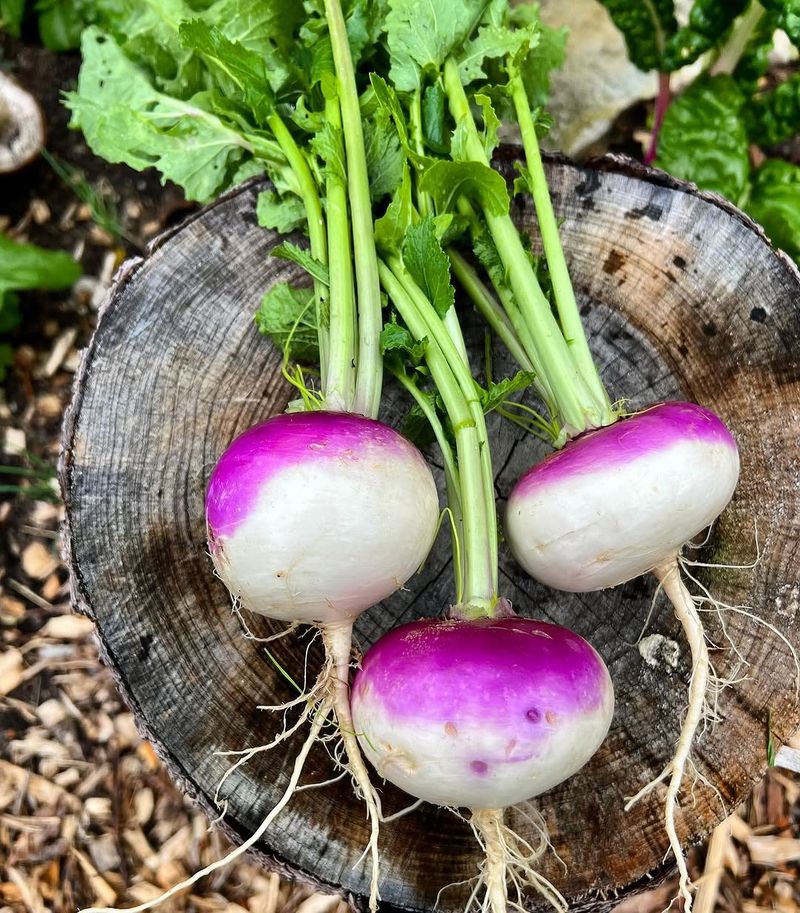
Turnips are one of those vegetables that tend to get overlooked in favor of more popular root crops, but Northern California gardeners who give them a chance often become repeat growers.
The reason is simple: turnips mature quickly, usually in 35 to 60 days depending on the variety, and they offer two harvests in one.
The roots are edible and flavorful, while the leafy tops can be used much like mustard greens in cooking.
Cool weather brings out the best in turnips, making them a natural fit for Northern California’s spring and fall planting seasons.
In inland areas, planting in late February or early March allows roots to develop before summer heat sets in.
Coastal gardeners may have more flexibility, sometimes planting through April with good results. Warm temperatures can cause roots to become tough and overly sharp in flavor.
Sow seeds directly in the garden about half an inch deep and thin plants to four to six inches apart as they grow. Turnips prefer loose, well-draining soil that allows roots to expand without obstruction.
Water evenly to prevent cracking. ‘Purple Top White Globe’ is a widely available variety that performs reliably in Northern California. Harvest roots when they reach two to three inches in diameter for the most tender texture and mild flavor.