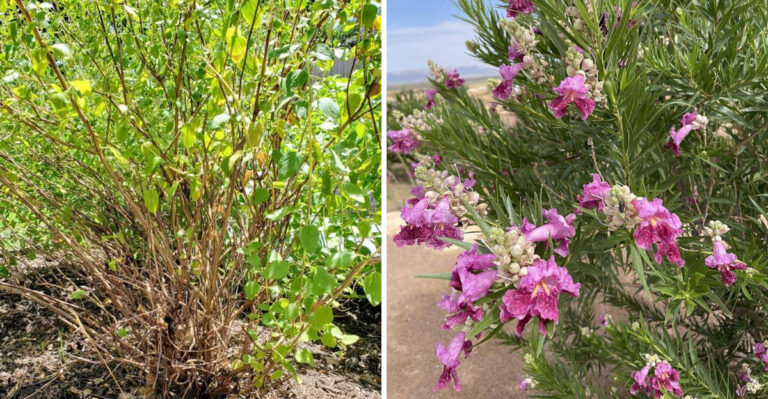
Should Arizona Gardeners Prune Desert Willow Before Spring
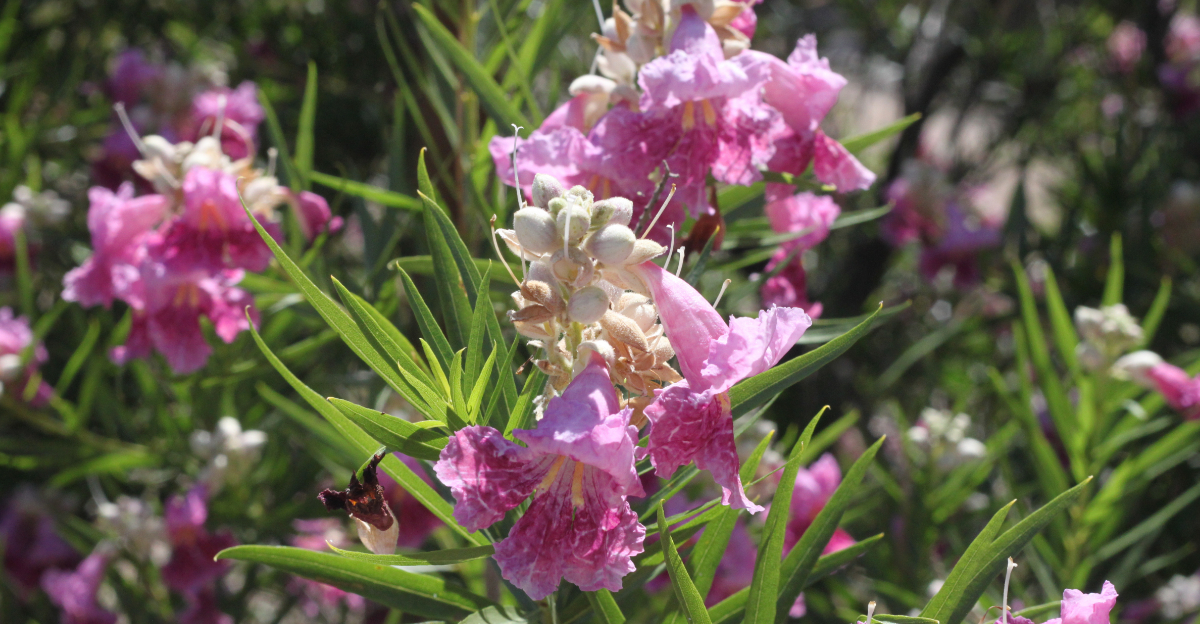
Arizona mornings bring a soft glow over desert gardens, the kind that makes you pause and notice which trees are waking up first.
After months of dry winter, the desert willow might already be pushing tiny green shoots or just waiting for a hint of warmth.
Many gardeners know the rhythm – cut too early, and you risk the buds; wait too long, and the tree grows wild and untamed.
Pruning can shape the tree, encourage more blooms, and keep it healthy, but timing is everything. Doing it at the right moment ensures the tree thrives without losing its natural beauty or energy.
For anyone wanting a vibrant desert willow that blooms all season, the following steps reveal when and how to prune for maximum results. Each cut can make a difference, and your garden will show it in flowers, shade, and structure soon after.
1. Timing Matters: When To Prune Desert Willow In Arizona
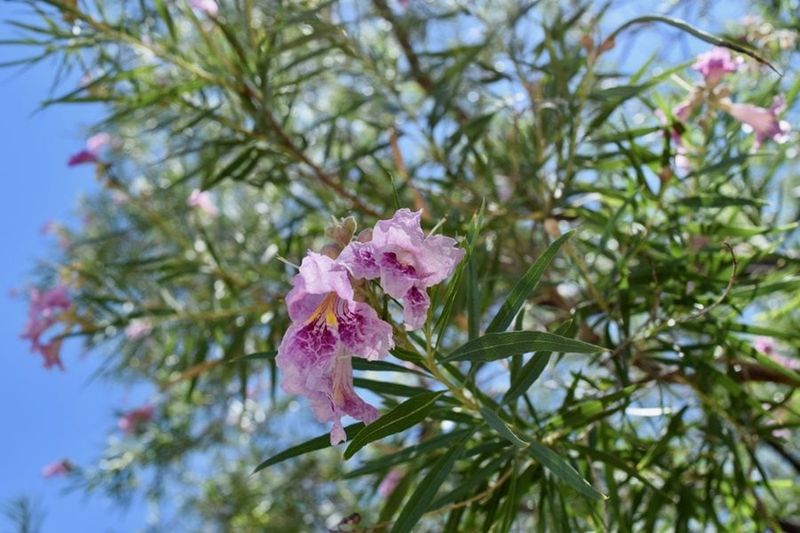
Many gardeners in Arizona assume that late winter is the perfect window for trimming nearly every tree in the yard. Desert willows bloom on new growth each year, so cutting branches before the leaves appear can remove the very shoots that would produce flowers.
The best approach for Arizona gardeners is to wait until the desert willow has started leafing out, which typically happens in early to mid-spring. Once fresh leaves are visible, it’s much easier to identify healthy branches and those that should be removed.
Pruning at this stage allows you to make informed cuts without diminishing the season’s flower display.
In Arizona, the climate varies quite a bit from Tucson to Flagstaff, so pay attention to your local conditions rather than following a strict calendar date. In the low desert areas like Phoenix and Tucson, leafing out can begin as early as late February or early March.
Cooler elevations may see this happen a few weeks later.
Rushing the process just because the calendar says spring is near can set your tree back. Patience really pays off with desert willows.
Waiting for those first green signs of life before making any cuts is one of the simplest and most effective habits an Arizona gardener can develop for long-term tree health and beauty.
2. Benefits Of Early Spring Pruning For Desert Willows
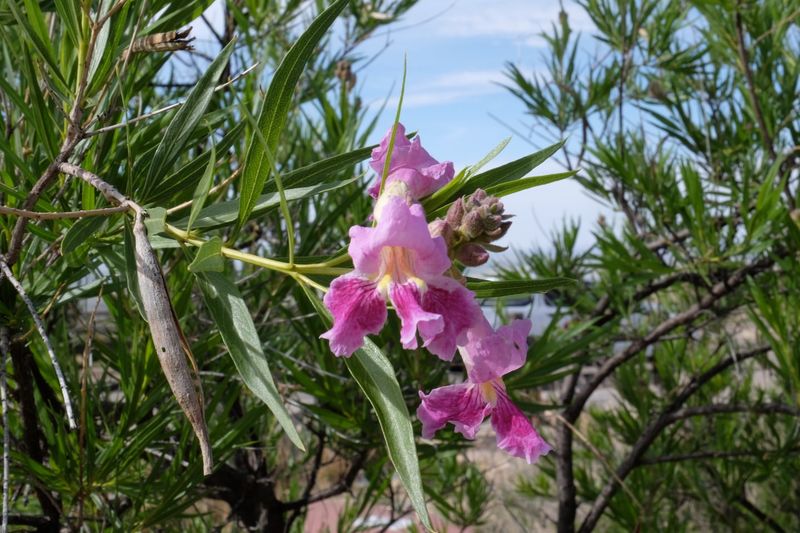
Pruning a desert willow at just the right moment in early spring can feel like giving your tree a fresh start. Once the tree has begun to leaf out and you can clearly see new growth forming, making careful cuts encourages the plant to direct its energy into producing stronger branches and more vibrant flowers throughout the season.
One major advantage of early spring pruning in Arizona is that the weather is still mild enough to reduce stress on the tree. Temperatures have not yet climbed into the brutal summer range, which means the tree can recover quickly and focus its resources on healthy new growth rather than dealing with heat-related stress at the same time.
Early spring pruning also gives you the chance to shape the tree before it becomes fully leafed out. You can spot structural problems more easily, like crossing branches or limbs growing in awkward directions, and address them before they become bigger issues later in the season.
Gardeners across Arizona also find that trees pruned in early spring tend to produce fuller, more even canopies by summer. This is especially noticeable in desert willow specimens that have been neglected for a few years.
A thoughtful early spring pruning session can genuinely transform a scraggly-looking tree into a well-balanced, eye-catching focal point in any Arizona landscape. Starting the growing season with clean, purposeful cuts is one of the best investments you can make for your tree.
3. Avoiding Common Mistakes When Trimming Desert Willows
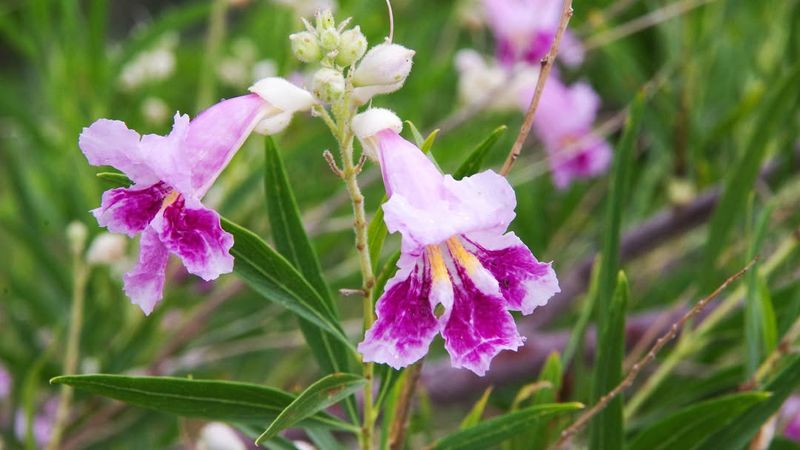
Even experienced Arizona gardeners can run into challenges when pruning desert willows. One common misstep is cutting too much of the canopy in a single session.
It’s best not to remove more than about one-third of the canopy at once, particularly for established trees, to avoid unnecessary stress and slower recovery. Pruning at the wrong time, especially during the hottest months from May through September, can expose freshly cut wood to intense sun, increasing the risk of sunscald and bark damage.
Topping – cutting straight across the top – is also discouraged because it creates unnatural growth patterns and weaker branches. Instead, focus on the tree’s natural form, removing only what is necessary to improve structure and airflow.
Dull or dirty tools can cause ragged cuts that take longer to heal and invite pests or disease, so always sharpen and sanitize your pruning implements before each session. Taking these precautions helps ensure your desert willow recovers quickly, maintains structural integrity, and produces healthy, vibrant blooms season after season.
By combining careful timing, appropriate cuts, and proper tool maintenance, you support the long-term health and ornamental value of this striking Arizona native.
4. Tools And Techniques For Healthy Desert Willow Pruning
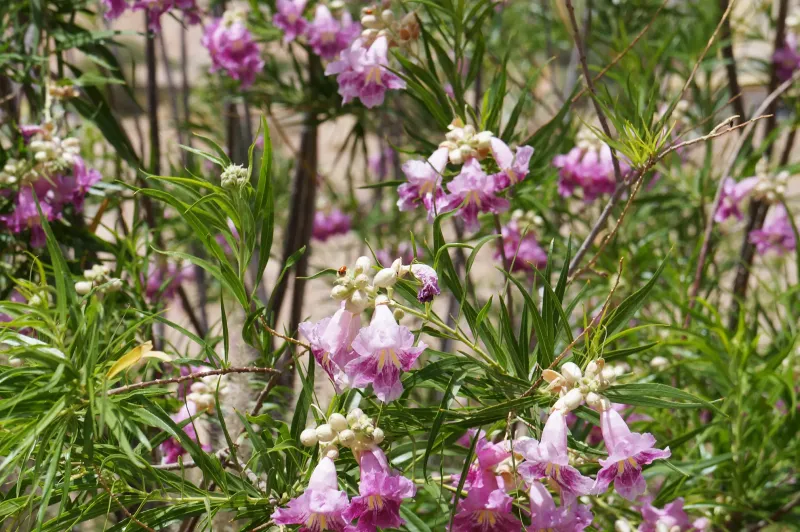
Having the right tools on hand before you start pruning your desert willow makes the whole process smoother and safer for both you and the tree. For smaller branches up to about half an inch in diameter, a sharp pair of bypass pruning shears works beautifully.
They make clean cuts that heal faster than the torn edges left by anvil-style pruners.
Loppers are your best friend for branches between half an inch and about an inch and a half thick. Their long handles give you extra leverage and reach, which is especially useful when working on the inner canopy of a mature desert willow in an Arizona yard.
For anything thicker, a pruning saw will give you the control and precision you need without damaging surrounding wood.
Technique matters just as much as the tool you choose. Always cut just outside the branch collar, which is the slightly swollen area where the branch meets the main trunk or a larger limb.
Cutting into or flush with this collar can interfere with the tree’s natural healing process and leave it vulnerable.
Before moving from one tree to another, wipe your blades with a diluted bleach solution or rubbing alcohol to prevent the spread of any potential disease. This simple habit is especially important in Arizona during the warmer months when certain fungal and bacterial issues can spread more quickly.
Keeping your tools clean and sharp is truly one of the most underrated aspects of responsible desert willow care.
5. Encouraging Blooms And Structure With Proper Cuts
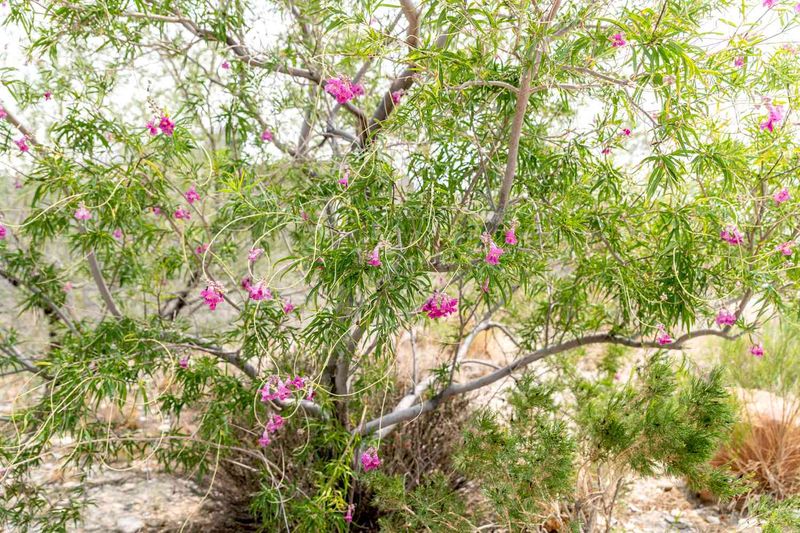
Few sights in an Arizona garden are as rewarding as a desert willow covered in its signature trumpet-shaped flowers. Getting that spectacular display year after year comes down to making thoughtful, well-placed cuts that encourage new growth while preserving the tree’s natural shape and energy.
Since desert willows flower on new wood, the goal is to stimulate fresh branch growth without overdoing it. Removing old, woody stems that have stopped producing new shoots is a great way to redirect the tree’s energy toward younger, more productive branches.
Focus on thinning out crowded areas rather than cutting back everything evenly.
For gardeners who want to train their desert willow into a single-trunk tree, consistent and patient pruning over several seasons is the way to go. Select one strong central leader and gradually remove competing stems over time.
In Arizona’s warm climate, desert willows respond well to this kind of gradual shaping, and the results can be stunning in a formal or semi-formal landscape design.
Crossing branches are worth addressing every season because they can rub against each other, creating wounds that weaken both limbs over time. When two branches cross, remove the one that is growing in a less desirable direction or the one that is thinner and less vigorous.
Each pruning session, even a light one, is a chance to refine the tree’s structure and set the stage for a more impressive bloom display the following season across your Arizona garden.
6. Maintaining Desert Willow Year-Round For Vibrant Growth
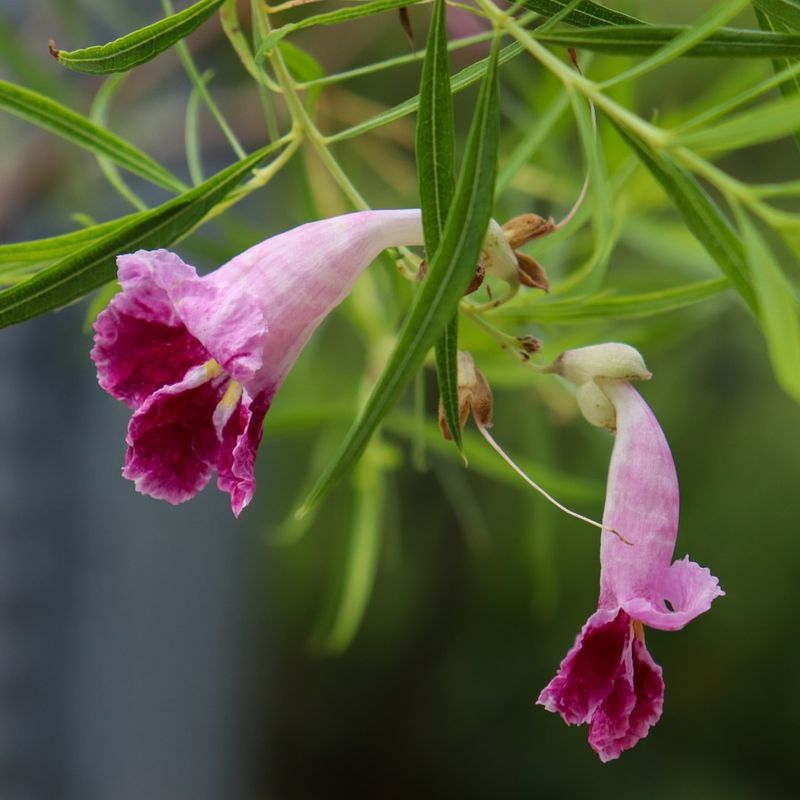
Pruning is just one piece of the puzzle when it comes to keeping a desert willow thriving in Arizona. Year-round care plays a huge role in how well the tree responds to pruning and how vigorously it grows from one season to the next.
Consistent attention throughout the year is what separates a struggling tree from a truly spectacular one.
Watering habits matter more than many people realize. Desert willows are drought-tolerant once established, but they appreciate a deep watering every couple of weeks during the hottest months of the Arizona summer.
Deep watering encourages roots to grow downward rather than staying shallow, which makes the tree more resilient during dry spells and extreme heat.
Applying a layer of mulch around the base of the tree is another simple but effective habit. Mulch helps the soil retain moisture, keeps roots cooler during Arizona’s intense summers, and gradually breaks down to add organic matter to the soil.
Keep the mulch a few inches away from the trunk itself to prevent any moisture-related issues at the base.
After any pruning session, keep an eye on the tree for a few weeks. Watch for signs of stress like wilting leaves, unusual discoloration, or unexpected branch loss.
Catching any issues early gives you the best chance of addressing them before they become serious. Regular monitoring combined with smart seasonal pruning and good watering practices will keep your Arizona desert willow looking vibrant, healthy, and full of beautiful blooms for many years to come.