Should Georgia Gardeners Cut Back Hydrangeas Before Spring Starts
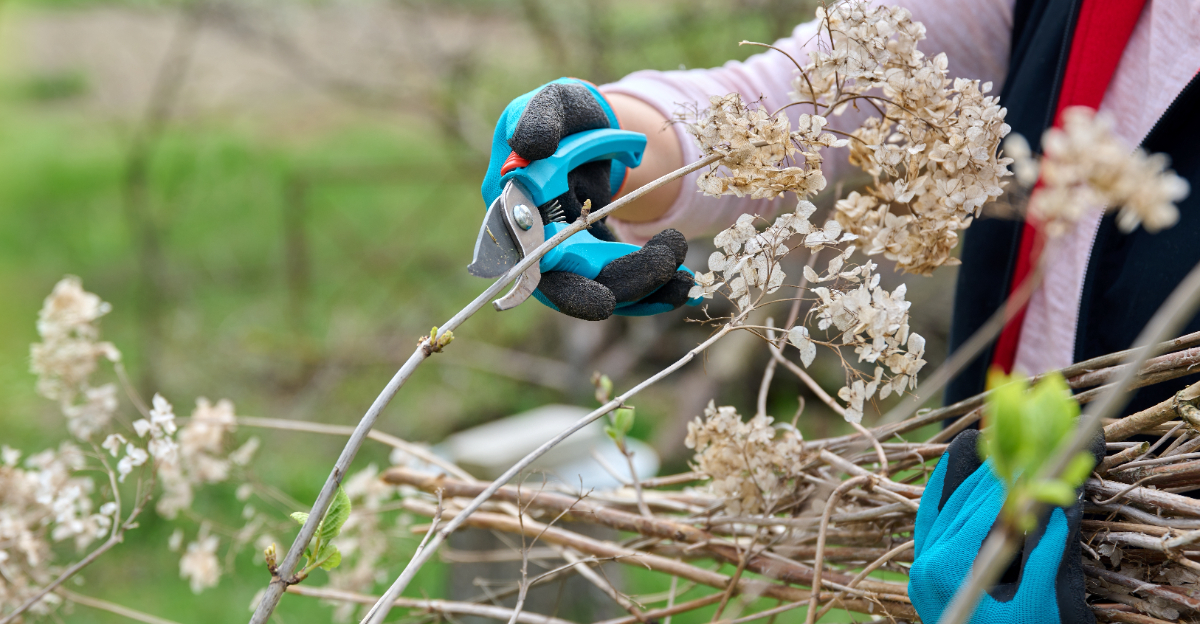
Hydrangeas are a familiar sight in many Georgia gardens, and once the landscape starts waking up, gardeners often begin looking at these shrubs a little more closely.
The branches may look a bit tangled, and the old flower heads from last season are often still sitting on the plant. It is around this time that many people pause and start wondering if something should be done to tidy things up.
Hydrangeas are known for their large, showy blooms that can brighten a yard for months, which is why gardeners want to make the right decision when caring for them.
A simple step at the right moment can help keep these shrubs looking healthy, full, and ready to put on another beautiful display across Georgia gardens.
1. Yes, Some Hydrangeas Can Be Cut Back Before Spring
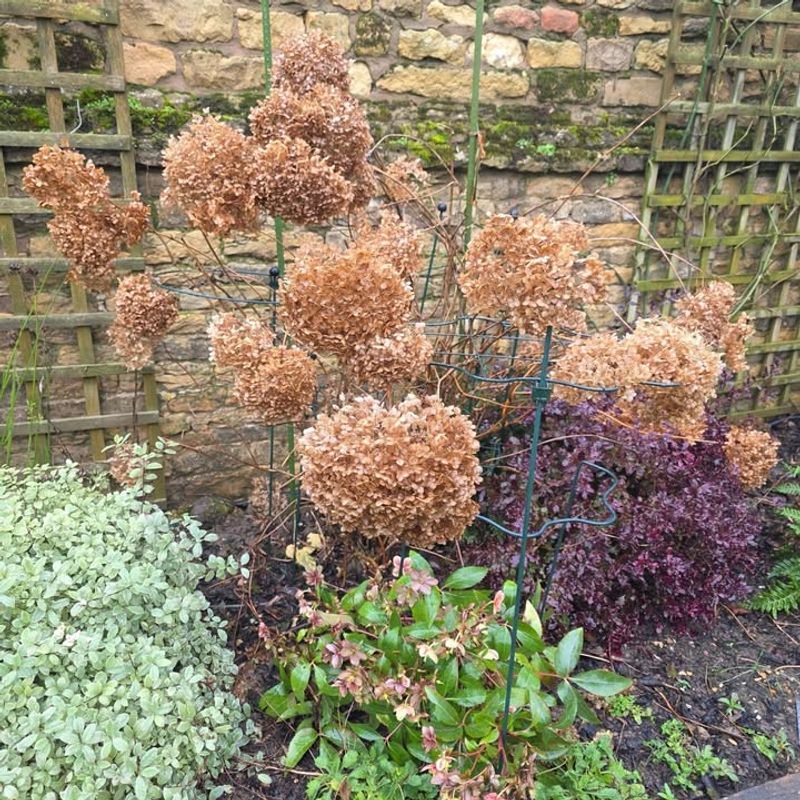
Not every hydrangea plays by the same rules, and that distinction matters more than most Georgia gardeners realize. Panicle hydrangeas and smooth hydrangeas are the two types that actually benefit from a good cutback before spring gets going.
Both of these bloom on new wood, meaning the flowers form on fresh stems that grow during the current season, not on last year’s branches.
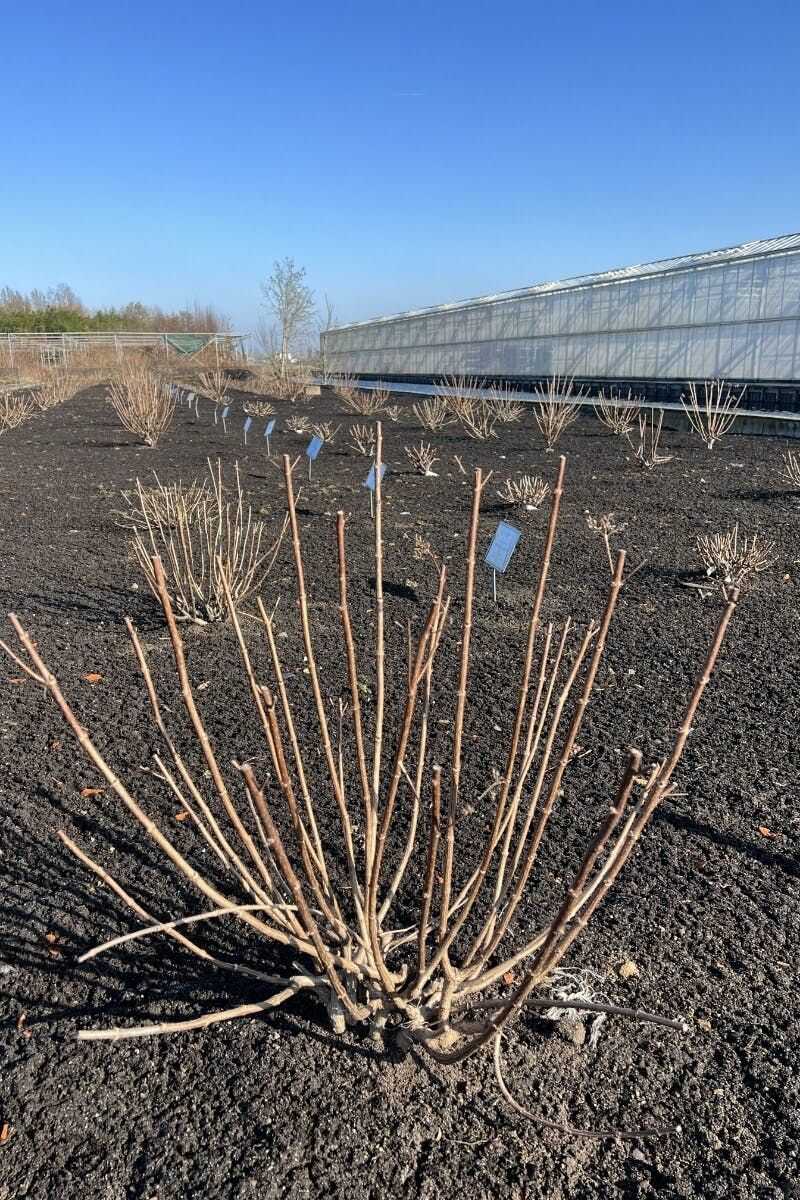
Panicle hydrangeas, like the popular Limelight variety, can handle a hard prune in late winter without any risk to the blooms. Smooth hydrangeas, including the well-known Annabelle, can even be cut down to about 12 to 18 inches above the ground.
That might sound dramatic, but these plants come back strong and produce full, healthy flower heads.
Bigleaf and oakleaf hydrangeas are a completely different story. Those two types set their flower buds on last year’s growth, so cutting them before spring means cutting off the blooms before they ever get a chance to open.
In Georgia, where bigleaf hydrangeas are extremely common, this mistake happens in yards all across the state every single year.
Before picking up your pruners, take a minute to figure out exactly what you have growing in your yard. Check the tag if you still have it, or look up the plant based on its leaf shape and flower style.
Getting that identification right is the single most important step before any pruning begins.
2. Pruning Helps Control Size Before New Growth Starts
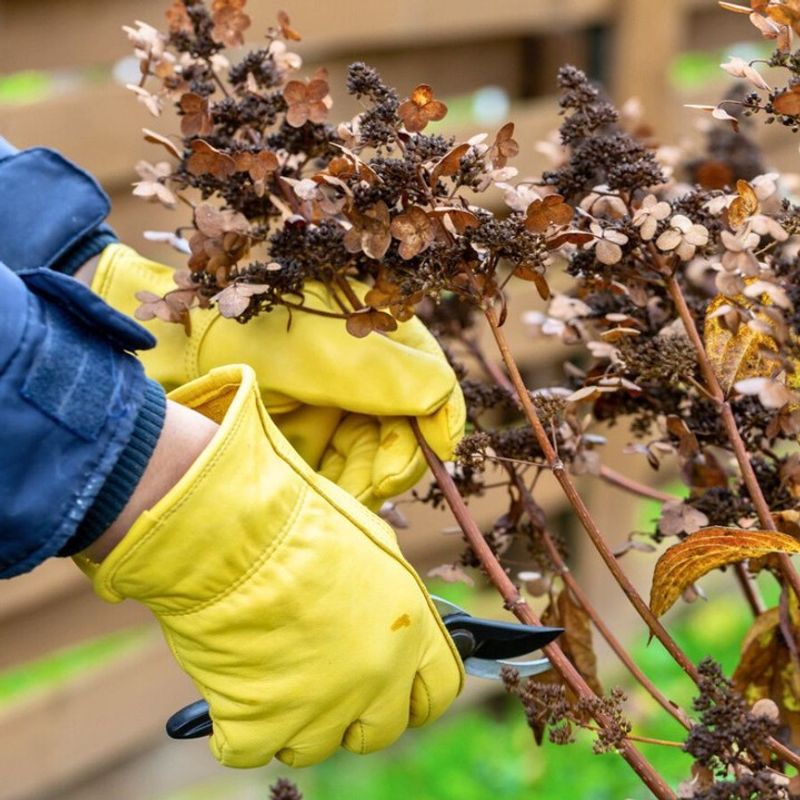
Some hydrangeas grow fast, and in Georgia’s warm climate, they can get seriously big in just a few seasons.
Panicle hydrangeas especially tend to push out a lot of woody growth year after year, and without any pruning, they can take over a garden bed before you know it.
Cutting them back before spring growth begins gives you a clean slate to work with. You can see the full structure of the plant clearly when there are no leaves in the way, which makes it much easier to decide where to cut.
Removing a third to half of the overall height is a reasonable approach for most established panicle hydrangeas in Georgia yards.
Size control is not just about looks. A plant that gets too large can start crowding out nearby shrubs or block sunlight from reaching smaller plants growing around it.
Keeping the size in check each year is a lot easier than trying to fix years of unchecked growth all at once.
Smooth hydrangeas benefit from size control too. Left unpruned for several seasons, they can develop a messy, floppy habit where the stems flop over under the weight of the flowers.
Cutting them back hard in late winter keeps the plant compact and upright, which actually helps the flower heads stay standing through Georgia’s hot, humid summers.
A consistent annual prune is far less stressful on the plant than an occasional severe cutback, so building it into your late-winter routine pays off over time.
3. Cutting Back Encourages Strong Fresh Stems
Woody old stems on a hydrangea are not doing the plant any favors. Over time, those older branches get thick and stiff, and the energy the plant puts into maintaining them could be going toward producing stronger, more productive new growth instead.
When you cut back panicle or smooth hydrangeas before spring, the plant responds by pushing out fresh, vigorous stems from the base and from the remaining woody structure.
Those new stems are thicker, more upright, and better able to support the large flower heads these plants produce.
In Georgia’s growing season, that new growth can move fast once temperatures warm up in March and April.
Sharp tools make a real difference here. Clean cuts heal faster and reduce the chance of disease entering through ragged or crushed stems.
A good pair of bypass pruners handles smaller stems well, while a pruning saw or loppers are better suited for thicker, older wood that has built up over several seasons.
Cutting to just above a healthy bud node is the right approach. Look for small, swollen bumps along the stem, and make your cut about a quarter inch above one of those.
That node becomes the starting point for new growth once the plant wakes up.
Georgia gardeners who skip this step often end up with tall, leggy plants that bloom at the very tips with weak stems underneath. A proper cutback in late winter sets up the whole season for better results from the ground up.
4. New Growth Produces The Season’s Flowers
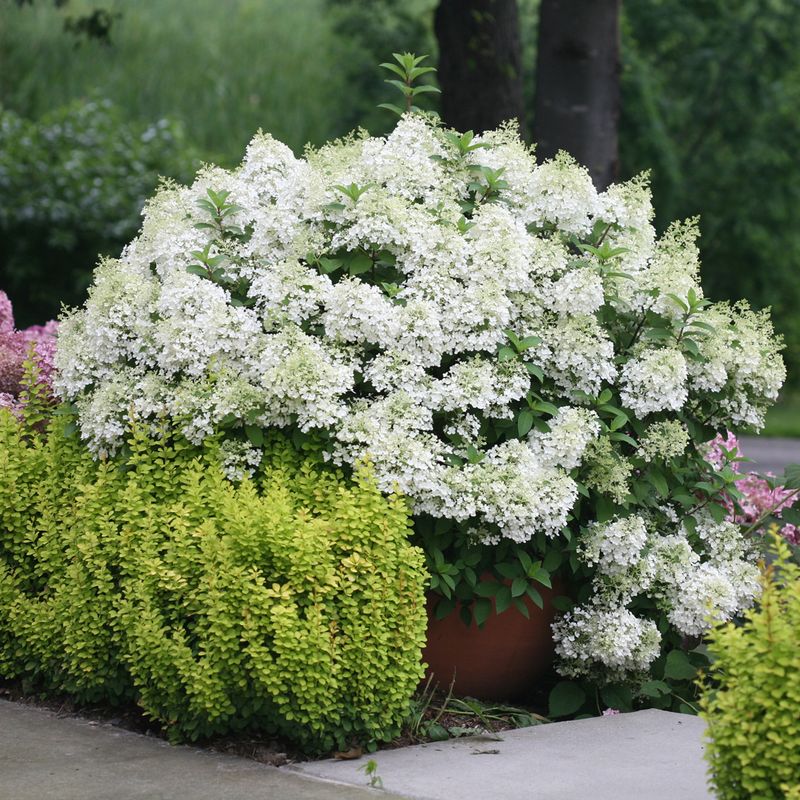
Fresh stems are where the action happens for panicle and smooth hydrangeas.
Unlike their cousins that rely on old wood, these two types form their flower buds on growth that appears during the current season, which completely changes how you approach pruning them.
After a proper late-winter cutback, the plant channels its energy into producing new shoots right from the start of the growing season.
In Georgia, that usually means new growth appears sometime in late February or March, depending on how mild the winter has been.
Those fresh shoots develop quickly and start forming flower buds as the season progresses.
Panicle hydrangeas typically bloom in mid to late summer, which means there is plenty of time for new growth to develop and mature before flowers open. Smooth hydrangeas bloom a bit earlier, often starting in June across much of Georgia.
Both timelines work perfectly with a pre-spring pruning schedule.
Skipping the prune does not mean no flowers, but it often means fewer, smaller blooms on weaker stems. Encouraging fresh growth from the base produces flower heads that are noticeably fuller and held up better on stronger stems.
Watching a hard-pruned smooth hydrangea push out dozens of new shoots in early spring is genuinely satisfying. Within just a few weeks, a plant cut back to about 12 to 18 inches above the ground transforms into a dense, leafy mound that fills in fast.
By summer, it is covered in big, round flower clusters that make the whole effort feel completely worth it.
5. Pruning Early Helps Shape The Plant
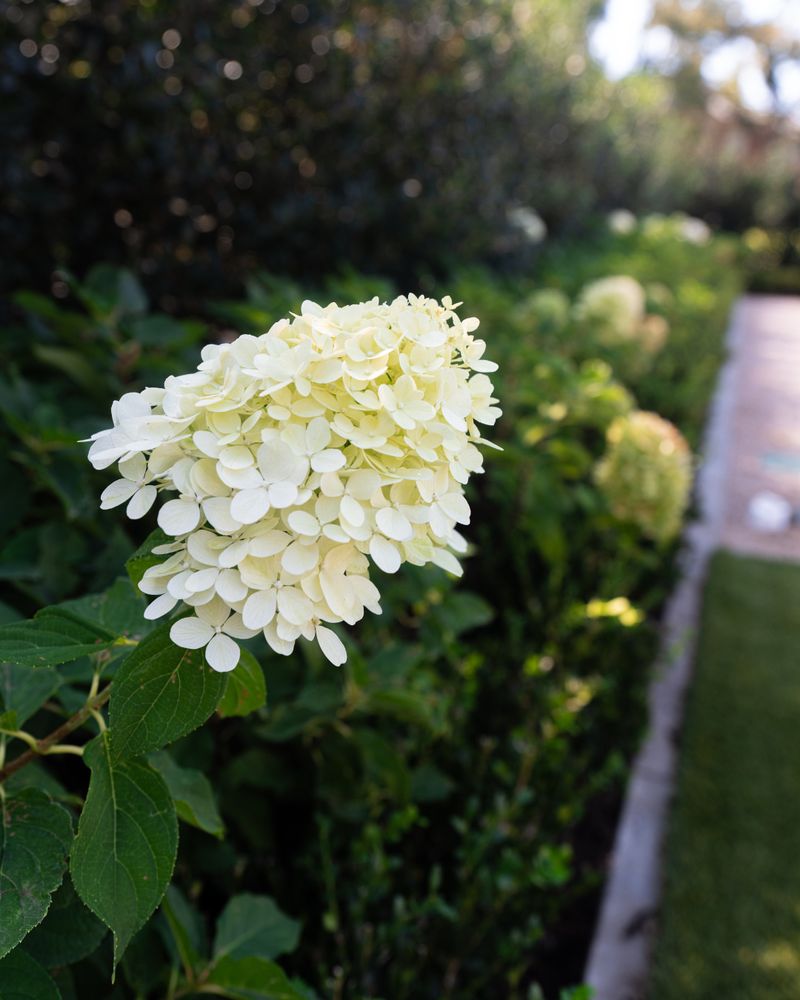
Shape matters more than most people think when it comes to hydrangeas in a home garden. A plant that grows in a balanced, open form looks better throughout the season and is actually healthier too.
Late winter is the ideal time to handle that shaping work, especially for panicle and smooth hydrangeas in Georgia.
Without leaves on the branches, the entire framework of the plant is visible. You can spot crossing branches, stems growing inward toward the center, and areas where the plant is lopsided or uneven.
Fixing all of that before growth begins is far easier than trying to correct it once the plant is fully leafed out.
For panicle hydrangeas grown as small trees or standard forms, shaping the canopy in late winter keeps the silhouette clean and intentional.
Removing any branches that cross each other or grow in awkward directions creates a more open structure that looks polished through the entire growing season.
Smooth hydrangeas respond well to being shaped into a low, rounded mound. Cutting all the stems back to a consistent height, rather than leaving some long and some short, produces a more uniform appearance when new growth fills in.
That uniformity carries through to the flowering stage, where the blooms end up at roughly the same level across the whole plant.
Georgia’s long growing season means hydrangeas have plenty of time to recover from shaping cuts and fill out beautifully before summer. A little time spent in late winter pays off with a much more attractive plant for the months ahead.
6. Removing Older Stems Improves Airflow
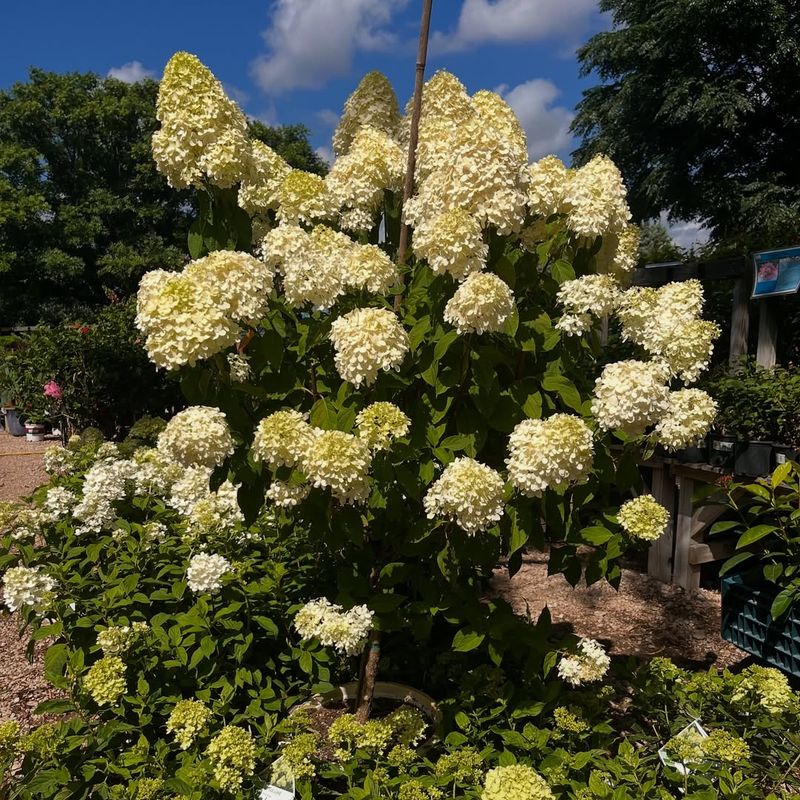
Dense, congested hydrangeas are a setup for problems in Georgia’s humid summers. When stems are packed too tightly together, air cannot move freely through the plant, and that stagnant environment is exactly what fungal diseases need to get started.
Removing some of the oldest, thickest stems during late-winter pruning opens up the center of the plant considerably.
You do not need to take out huge amounts, but selectively cutting two or three of the oldest stems at ground level makes a noticeable difference in how open and airy the plant feels.
Look for stems that are noticeably thicker and grayer than the others.
Powdery mildew and leaf spot are both common issues for hydrangeas across Georgia, particularly during the warm, wet stretches that show up from late spring through early fall.
Better airflow does not eliminate those problems entirely, but it reduces the conditions that allow them to spread quickly from one stem to the next.
Thinning also lets more sunlight reach the interior of the plant. Leaves that are shaded out in the middle of a dense shrub tend to stay wet longer after rain or morning dew, which keeps humidity levels high right where you do not want it.
Opening up the structure through selective stem removal is a simple step that takes maybe ten minutes, but the payoff through summer is real.
Georgia gardeners who deal with recurring fungal issues on their hydrangeas often find that better pruning habits reduce the problem significantly over time without any spraying required.
7. Early Pruning Helps Keep Large Shrubs Manageable
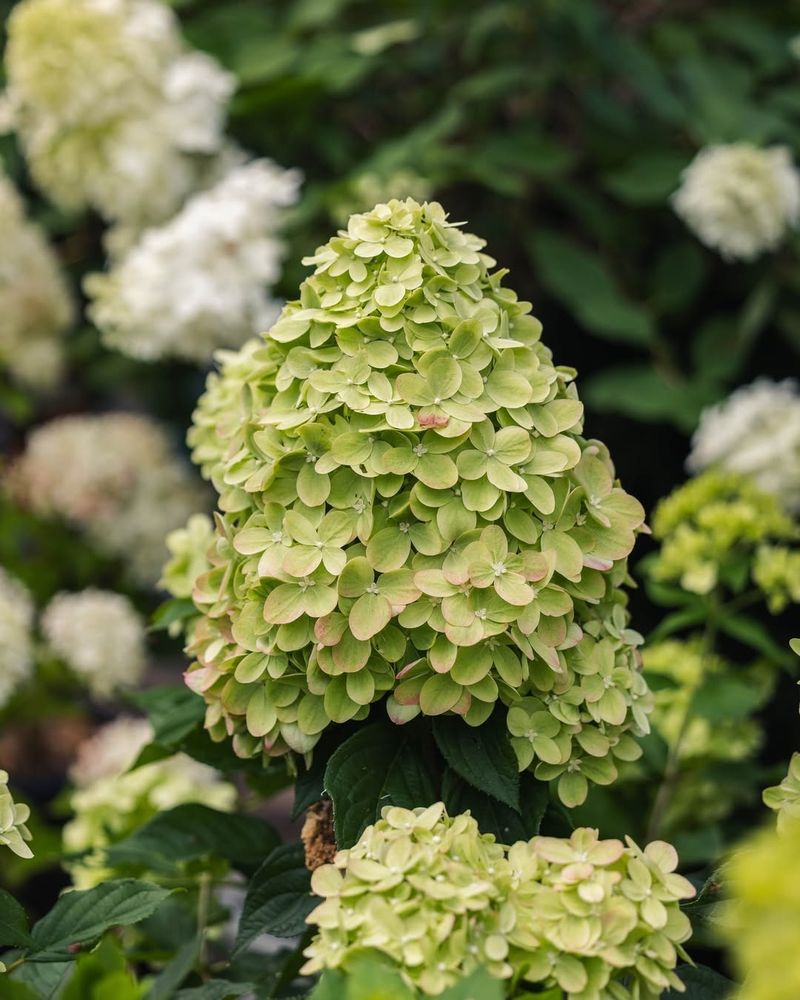
Panicle hydrangeas can get surprisingly large. Some varieties push past eight or ten feet if left completely unpruned for several years, and in a typical Georgia home landscape, that kind of size can quickly become a problem near walkways, fences, or house foundations.
Annual pruning in late winter keeps that growth in check without requiring a dramatic intervention every few years. Cutting back to a manageable framework each season means the plant never gets the chance to get far out of hand.
It is much easier to maintain a shrub that stays in the six to seven foot range than to try reclaiming one that has doubled in size.
For Georgia homeowners who grow panicle hydrangeas near structures or in smaller garden beds, keeping up with annual pruning is especially practical.
A plant that fits its space well requires less maintenance overall and does not create the kind of crowding that leads to other issues down the road.
Smooth hydrangeas tend to spread outward as they age, sending up new stems in a widening circle from the original planting spot.
Cutting them back each late winter keeps that spread contained and prevents the clump from swallowing up surrounding plants or spilling out onto lawn areas.
Staying consistent with the timing is key. Pruning in late winter, before Georgia’s warm spring temperatures kick off a burst of new growth, gives the plant just enough time to recover and redirect its energy into fresh, productive stems.
Skip a year, and you will notice the difference in how much more work the following season’s prune requires.