Should Georgia Gardeners Prune Azaleas Before Spring Arrives

Azaleas are one of the most recognizable sights in Georgia gardens. Every spring, their colorful blooms turn yards, parks, and neighborhoods into a sea of pinks, reds, whites, and purples.
Because they are such an important part of Southern landscapes, many gardeners want to keep their shrubs neat and well-shaped before the growing season begins.
But when late winter arrives and pruning season starts for many plants, azaleas can cause some confusion. It may seem logical to trim them before spring growth begins, especially when the shrubs look a little overgrown after winter.
However, azaleas follow a different rhythm than many other garden plants.
The timing of pruning can make the difference between a shrub covered in blooms and one that barely flowers at all.
Before reaching for the pruners, it helps to understand how azaleas prepare their flower buds and why early spring pruning often leads to disappointment when bloom season arrives.
1. Wait Until Azaleas Finish Blooming Before Pruning
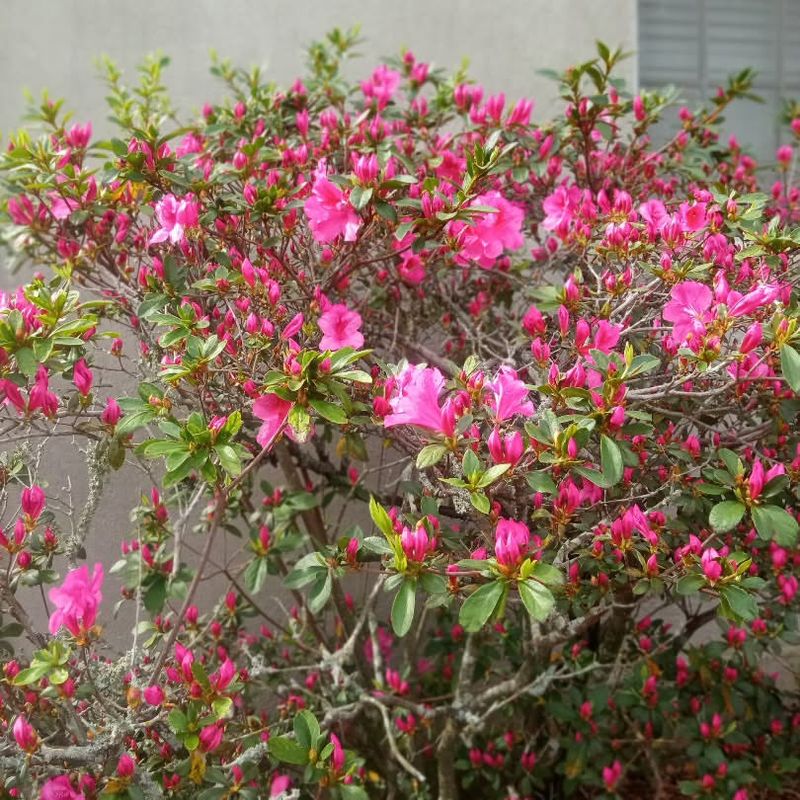
Patience pays off big when it comes to azalea care in Georgia. Grab those pruning shears too early, and you could be setting yourself up for a disappointing spring with no flowers to show for it.
Azaleas bloom once a year, and missing that window hurts more than most gardeners expect.
Azaleas set their flower buds in late summer and fall — not in spring. So by the time January rolls around in Georgia, those buds are already sitting on the branches, quietly waiting for warmer days.
Any pruning you do before the flowers open will remove those buds and wipe out the bloom season entirely.
Smart timing means waiting until the last flower drops before you pick up any tool. Right after blooming ends, usually sometime between late March and early May depending on your location in Georgia, that’s your green light.
Cutting at that point gives the plant the entire growing season to recover and form fresh buds for next year.
Some gardeners get antsy during winter and want to tidy things up. A little cleanup is fine, but save the real shaping work for post-bloom.
Rushing the process never produces better results — it just costs you flowers. Georgia’s warm growing season gives azaleas plenty of time to bounce back after a proper post-bloom trim, so there’s no reason to rush the calendar.
2. Pruning Too Early Can Remove Next Year’s Flower Buds
Cut an azalea in the wrong month, and you won’t see it bloom for a full year. That’s not an exaggeration — it’s exactly what happens when pruning is done before the plant has had its moment in the sun.
Understanding why this occurs makes it much easier to avoid the mistake.
Azaleas begin forming next year’s flower buds shortly after they finish blooming in spring. By midsummer, those buds are already developing.
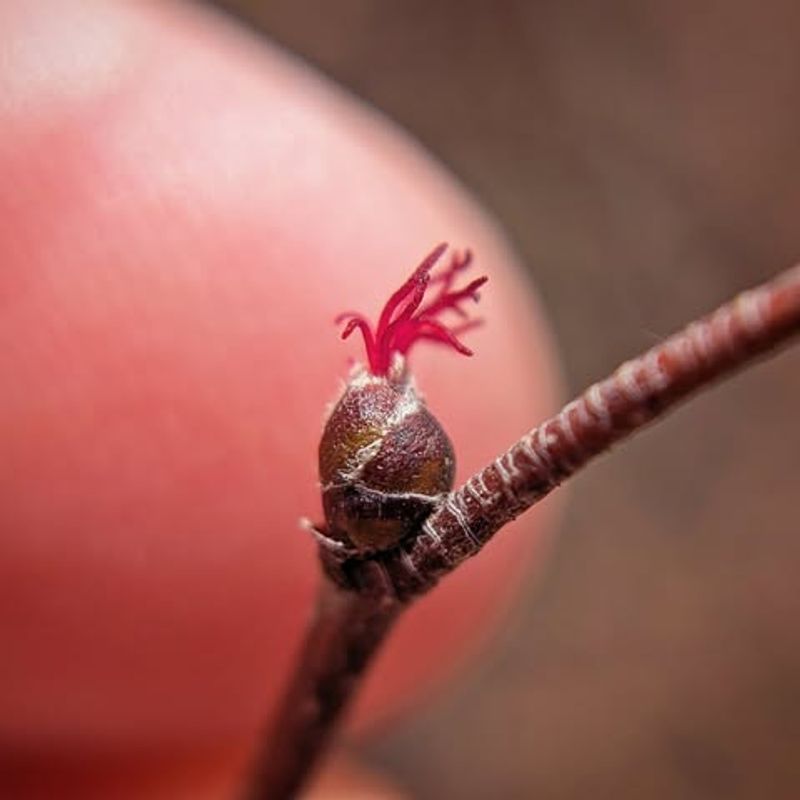
By fall, they’re fully formed and sitting right on the branch tips — the same spots where new growth would come from a pruning cut. Trim those tips in November or February, and you’re removing the very thing you’ve been waiting all year to see.
Georgia gardeners sometimes confuse azalea care with other shrubs that tolerate winter pruning without issue. Azaleas don’t work the same way.
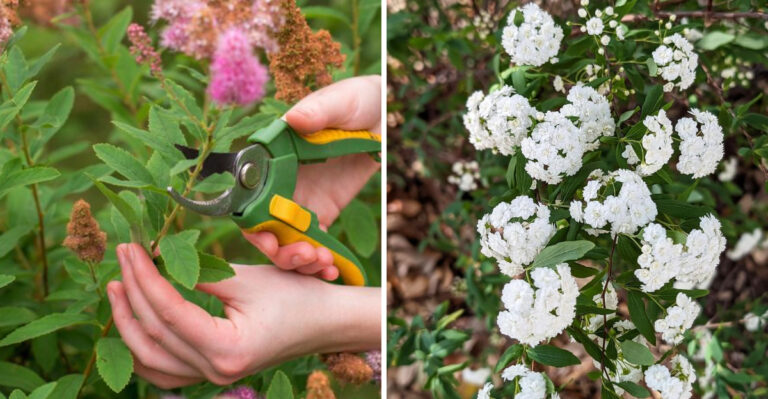
Forsythia, spirea, and other spring bloomers share this same sensitivity — prune before bloom, and you lose the flowers for that season.
A good way to think about it is that those small, slightly rounded buds on the branch tips in winter are not dormant branches. They’re next spring’s color, stored up and ready to go.
Learning to recognize the difference between a flower bud and a leaf bud takes a little practice, but once you see it, you’ll never make an early pruning mistake in your Georgia garden again.
Protect those buds, and your azaleas will reward you generously come spring.
3. Light Shaping Can Be Done Right After Flowers Fade

Right after the last bloom falls is honestly the best time to shape your azaleas — and most Georgia gardeners don’t take advantage of it. You don’t need to do a major overhaul.
Even a light trim at this point can make a real difference in how full and tidy the shrub looks by the following spring.
Light shaping means trimming back the outermost branches by a few inches to encourage bushier, denser growth.
You’re not cutting deep into the plant — just cleaning up the silhouette and nudging the shrub to branch out rather than stretch upward or outward in awkward directions.
Think of it as a haircut, not surgery.
In Georgia, the post-bloom window typically falls between late March and mid-May, depending on which part of the state you’re in. South Georgia azaleas tend to bloom a bit earlier than those up in the north Georgia foothills.
Wherever you are, the rule stays the same: wait for the flowers to fade, then get to work within a few weeks while the plant is still actively pushing new growth.
New growth that emerges after a light post-bloom trim will harden off through summer and be ready to carry next year’s flower buds by fall.
Skipping this step means the plant keeps its shape from the previous year, which isn’t always a problem — but a light cleanup every year or two keeps azaleas looking their best without stressing the plant or sacrificing blooms.
4. Remove Crossing Or Weak Branches To Improve Airflow

Crowded branches don’t just look messy — they create real problems for azalea health over time. When stems cross and rub against each other, small wounds develop that invite fungal issues, especially in Georgia’s humid summers.
Opening up the plant’s interior is one of the most practical things you can do during a post-bloom pruning session.
Weak, spindly branches that grow inward or droop toward the ground aren’t contributing much to the plant’s overall structure. Removing them redirects the plant’s energy toward stronger, outward-facing growth that fills in more evenly.
You’ll notice the difference in how the shrub looks within a single growing season.
Better airflow through the center of the plant also means foliage dries faster after rain or irrigation. Wet leaves sitting in stagnant air are a recipe for petal blight and leaf spot — both of which are common in Georgia’s climate during spring.
A little strategic pruning goes a long way toward preventing those issues without reaching for a spray bottle.
When removing crossing branches, always cut back to a healthy outward-facing bud or where the branch meets a larger stem. Don’t leave stubs — they don’t heal cleanly and can become entry points for problems down the road.
Sharp, clean bypass pruners make this job easier and cause less damage to the surrounding tissue. Sanitize your blades between plants, especially if you spot any signs of disease on one shrub before moving to the next one in your Georgia garden.
5. Trim Carefully To Maintain Natural Plant Shape

Azaleas have a natural mounding form that most people actually love — and yet somehow, a lot of them end up squared off like green boxes along a foundation.
Shearing azaleas into tight geometric shapes is one of the most common pruning mistakes made across Georgia landscapes, and it causes more harm than most people realize.
Heavy mechanical shearing removes branch tips all at once, which sounds efficient but creates a dense outer shell of foliage that blocks light from reaching the interior. Over time, the inside of the shrub becomes bare and woody while the outside looks green.
That uneven structure weakens the plant and makes it harder to manage as the years go on.
Hand-pruning individual branches is slower, but it preserves the plant’s natural layered structure. Each cut encourages growth from a specific point rather than triggering a flush of weak, crowded shoots along the outer edge.
The result is a shrub that looks full and natural rather than clipped and artificial — a much better fit for Georgia’s relaxed garden aesthetic.
Following the plant’s natural contour when trimming keeps the silhouette looking intentional without turning the shrub into something it’s not. Step back frequently while pruning to check the overall shape from a few feet away.
It’s easy to over-cut when you’re focused on one spot for too long. A gentle, thoughtful approach to shaping takes maybe twenty extra minutes but produces results that look far more polished and far more natural in any Georgia yard.
6. Avoid Heavy Cuts During Winter Or Early Spring

Winter is when a lot of gardeners feel the urge to get outside and do something productive in the yard. For most shrubs, a little winter pruning is perfectly fine.
For azaleas in Georgia, though, heavy cutting during the cold months is a decision you’ll regret when spring rolls around and there’s nothing blooming.
By December and January, azalea flower buds have been sitting on the branch tips for months. They survived the heat of summer, the transition into fall, and the first cold snaps of winter.
Cutting those branches now removes all of that stored-up potential in one afternoon. No buds, no blooms — it’s that straightforward.
Early spring is just as risky. Warm days in late February or early March can trick gardeners into thinking it’s time to start cutting back shrubs, but azalea buds are already swelling at that point, getting ready to open.
Heavy pruning right before bloom is almost as damaging as cutting during winter — you’ll lose most or all of the flowers for that season.
If you spot a branch that’s clearly not healthy — brittle, discolored, or showing no signs of budding — go ahead and remove it regardless of the season. Targeted removal of problem wood is always appropriate.
Just keep the scope narrow during winter and early spring in Georgia. Save the real shaping and structural work for after bloom, when the plant has already shown you what it’s got and the growing season is just getting started.
7. Fertilize After Pruning To Encourage Healthy Growth
Pruning and fertilizing go together like two parts of the same task — do one without the other, and you’re leaving results on the table.
After trimming your azaleas in Georgia, a round of fertilizer gives the plant the fuel it needs to push out strong new growth and start forming next year’s flower buds on schedule.
Azaleas prefer acidic soil, and Georgia’s native soil in many areas tends to lean in that direction naturally.
Still, a fertilizer formulated specifically for acid-loving plants — azaleas, camellias, and hollies are often grouped together on the label — gives you the right nutrient balance without accidentally pushing the soil pH in the wrong direction.
Apply it according to the package rate; more is not better with fertilizer.
Timing matters here just as much as product choice. Fertilize right after post-bloom pruning, typically late spring in Georgia, to support the flush of new growth that follows.
Avoid fertilizing in late summer or fall — pushing new tender growth too late in the season leaves it vulnerable to cold damage when temperatures drop.
Spread granular fertilizer evenly under the canopy of the shrub and water it in well. Avoid piling it directly against the main stems.
Organic options like cottonseed meal or composted pine bark work well for azaleas and improve soil structure over time, which is a real bonus in Georgia’s clay-heavy soils.
A fed, well-pruned azalea has every advantage heading into summer and will show it clearly with a stronger bloom the following spring.