Should Georgia Gardeners Prune Beautyberry Before Spring Growth Starts
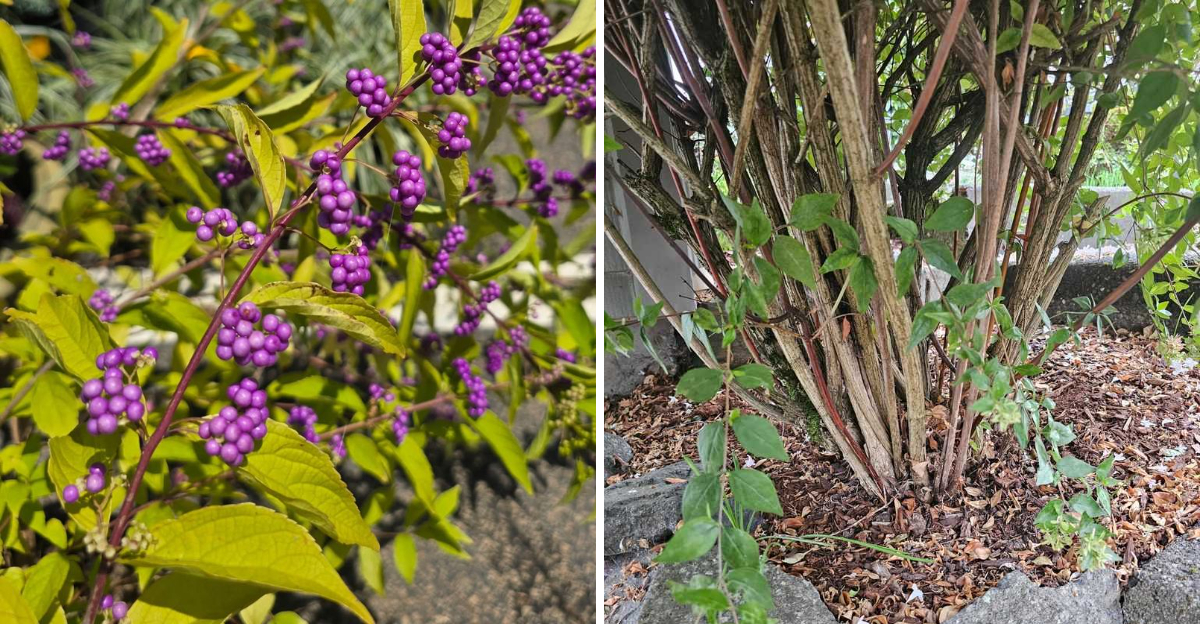
Beautyberry has a way of surprising Georgia gardeners every year, especially when it’s covered in those bright purple berries later on. But what happens before that stage often gets overlooked.
As spring approaches and new growth gets ready to push out, the question of pruning comes up fast. It can be tempting to cut it back right away to tidy things up, but timing here matters more than it seems.
This plant responds strongly to when and how it’s pruned, and a simple decision now can shape how full it looks and how well it performs later in the season.
Instead of guessing, it helps to understand what Beautyberry actually needs at this stage.
Knowing when to step in and when to hold off can make all the difference in how it grows and how impressive it looks once the season unfolds.
1. Prune Only Before New Growth Fully Breaks Dormancy
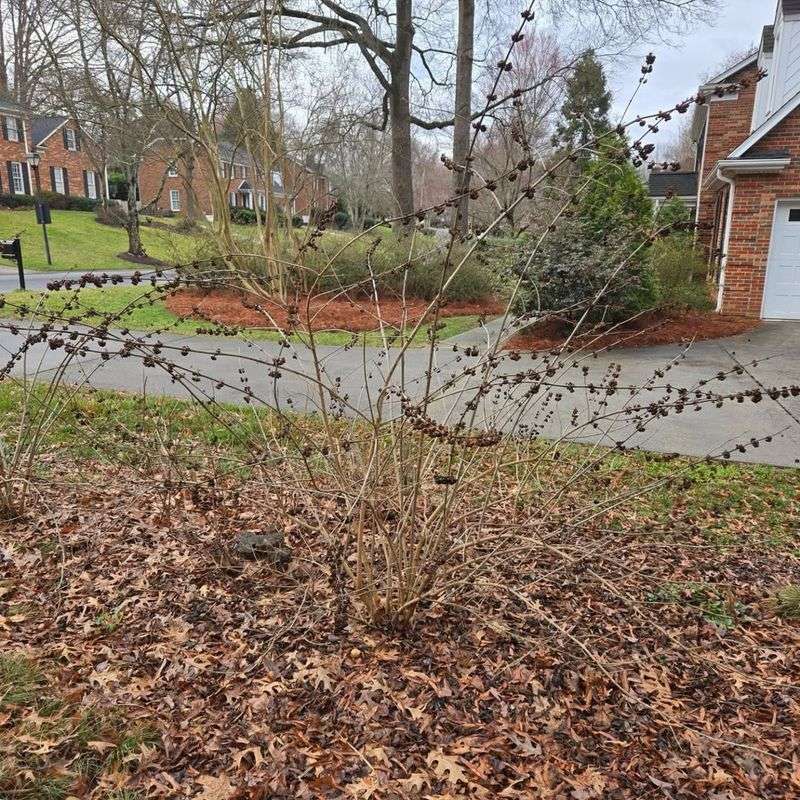
Catching your beautyberry before it wakes up is the whole game. Once you start seeing those tiny green buds swell and push out, the window for ideal pruning is closing fast.
Pruning during dormancy keeps the shrub from wasting energy on growth that will just get cut away anyway.
In Georgia, the timing depends on where you live. Gardeners in south Georgia, around Valdosta or Tifton, should plan to prune between December and early March, with January and February being the sweet spot.
Up in north Georgia, closer to Gainesville or Dahlonega, mid-March works better since cooler temperatures push dormancy a bit longer.
Waiting until you see active growth is a common mistake. At that point, the plant has already spent energy pushing out new shoots, and cutting them back sends it into a bit of a recovery mode.
You want to avoid that.
Dormant pruning also makes it easier to see what you are working with. Without leaves in the way, you can spot crossing branches, weak stems, and areas that need thinning far more clearly.
It is honestly one of the best times to assess the overall shape of the shrub.
Keep your tools sharp and clean before you start. Ragged cuts from dull blades take longer to heal and can invite problems.
A quick wipe with rubbing alcohol between plants keeps things tidy. Getting out there on a mild late-winter morning in Georgia makes the whole job feel less like a chore.
2. Beautyberry Flowers On New Wood Each Season
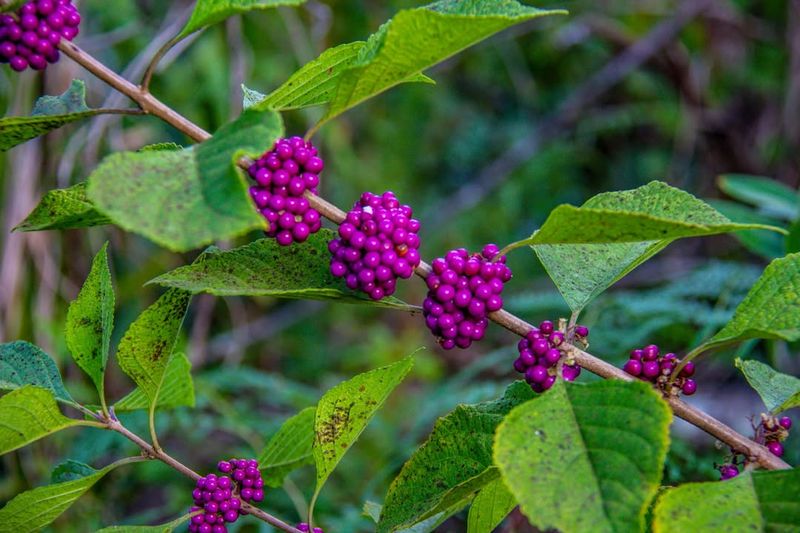
Right here is the reason pruning matters so much: beautyberry blooms on wood that grows in the current season. Cut it back hard before spring, and the plant responds by pushing out vigorous new canes loaded with flower buds.
Skip the pruning, and you end up with a tangle of old wood that produces far fewer blooms and berries.
Callicarpa americana, the native American beautyberry common across Georgia, follows this pattern every single year.
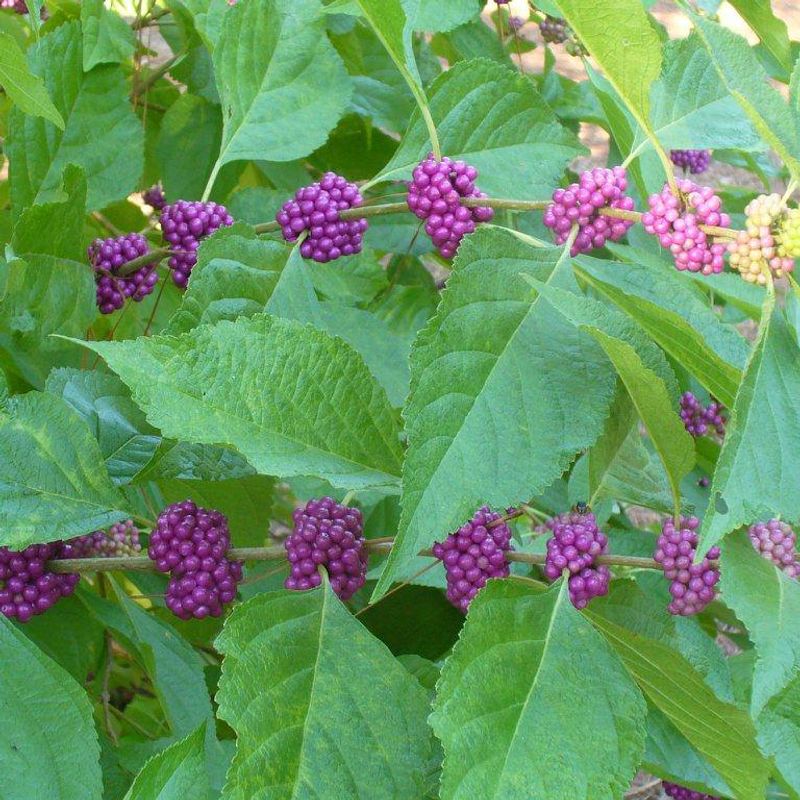
New growth emerges in spring, tiny pink flowers appear along those new stems in summer, and by fall those flowers become the brilliant purple berry clusters everyone loves.
No new wood means no flowers, and no flowers means no berries.
Gardeners sometimes worry that cutting their beautyberry back hard will hurt it. Honestly, the opposite tends to be true.
A well-pruned shrub in a Georgia yard usually comes back thicker and more productive than one left alone for several years. Old, unpruned shrubs get leggy and sparse over time.
Understanding this growth habit changes how you think about the whole pruning process. You are not just tidying up the plant, you are actively setting it up for a better performance.
Every cut made before those new canes start growing is an investment in the berry display you want to see in October and November.
Even a light cleanup of old stems encourages better new wood than doing nothing at all. Beautyberry is forgiving and responds well to attention given at the right time.
3. Late Pruning Reduces Flower And Berry Production
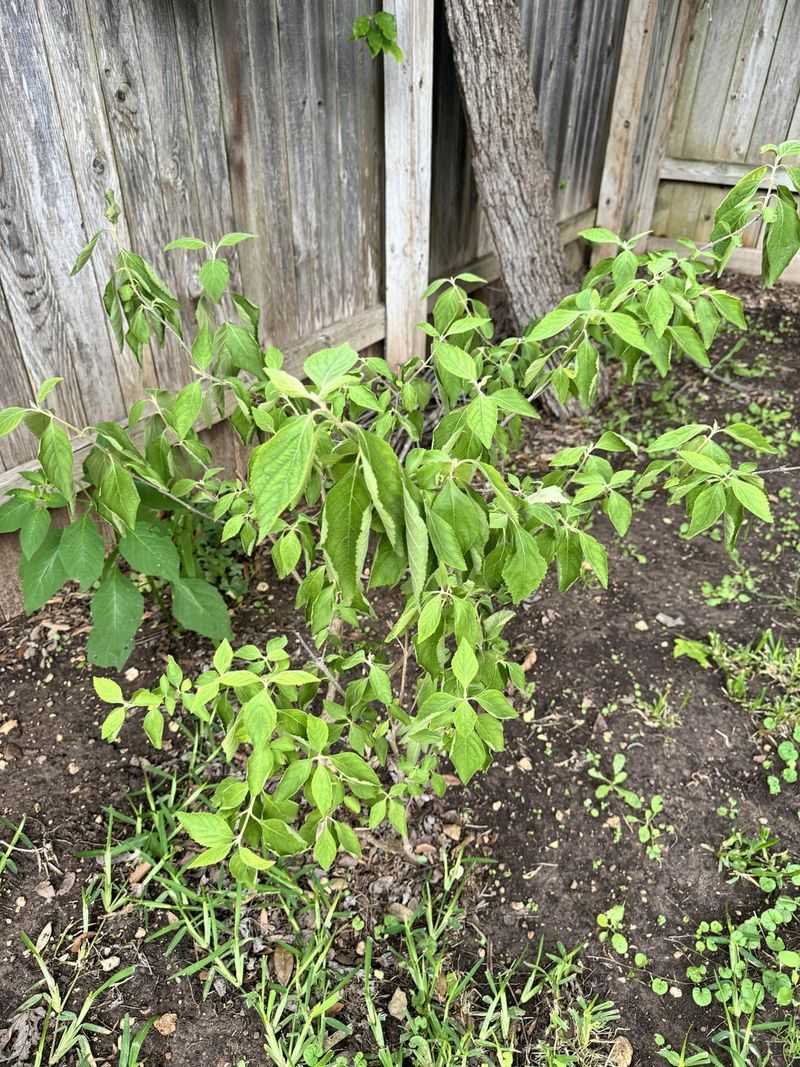
Pruning too late in the season is one of the fastest ways to shortchange your beautyberry harvest.
Once spring growth has pushed out several inches and flower buds are forming along those new stems, cutting them back removes the very wood that would have produced your fall berries.
You essentially reset the plant at the worst possible time.
Georgia summers are long and hot, but they are not infinitely long. Beautyberry needs a full growing season to develop flowers and ripen berries properly.
If you prune in May or June after growth is well underway, the plant may push out replacement canes, but those canes often do not have enough time to flower and fruit before cooler weather arrives.
Late pruning also stresses the plant right when it should be focusing all its energy on flowering. Redirecting resources toward wound recovery during peak growing season cuts into berry production in a way that early pruning simply does not.
Plenty of Georgia gardeners have learned this lesson the hard way after waiting too long and ending up with a shrub full of leaves but almost no berries come fall.
Skipping one year of good berry production is disappointing enough to make the pruning calendar stick in your memory for good.
Aim to finish any significant pruning before new growth reaches more than an inch or two. Beyond that point, it is better to leave the plant alone and plan to prune properly at the right time next late winter.
Patience with timing pays off in a big way by October.
4. Light Shaping Is Safer Than Heavy Cutting Now
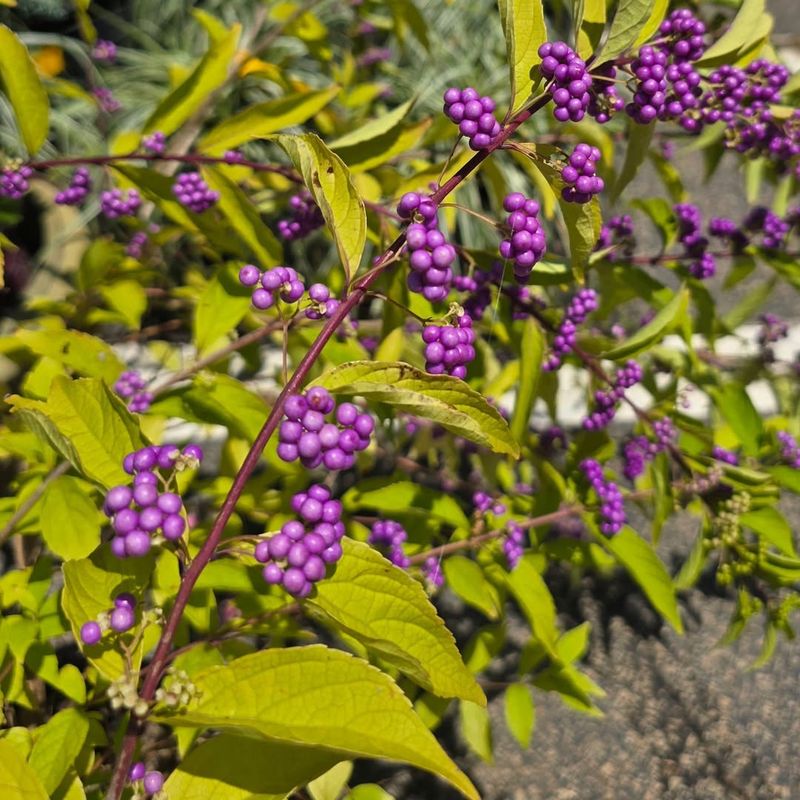
Not every beautyberry needs a dramatic overhaul every single year. Sometimes a light shaping pass is exactly what the plant needs, especially if it was pruned hard the previous season and came back full and healthy.
Knowing the difference between a shrub that needs a reset and one that just needs a cleanup saves you from overdoing it.
Light shaping means removing damaged or worn tips, trimming stems that are crossing awkwardly, and tidying the silhouette without cutting the whole plant back drastically.
For shrubs that are already in good shape, this kind of maintenance pruning keeps them looking tidy without disrupting too much of the upcoming growth cycle.
In Georgia gardens where beautyberry has been well-maintained for a few years, light shaping in late winter keeps the natural arching form intact while still encouraging fresh growth.
Heavier cuts are better saved for shrubs that have gotten overgrown, are producing fewer berries than they used to, or have significant old wood that needs clearing out.
One thing to watch for: avoid removing more than about one-third of the plant in a single session if you are going the light-shaping route.
Taking too much at once, even with good intentions, can push the shrub into a recovery phase rather than a productive growing phase.
A pair of sharp bypass pruners handles light shaping better than loppers for most of the work. Clean cuts at a slight angle just above a bud or node give new growth the best starting point heading into Georgia spring.
5. Hard Pruning Is Best Finished Earlier In The Season
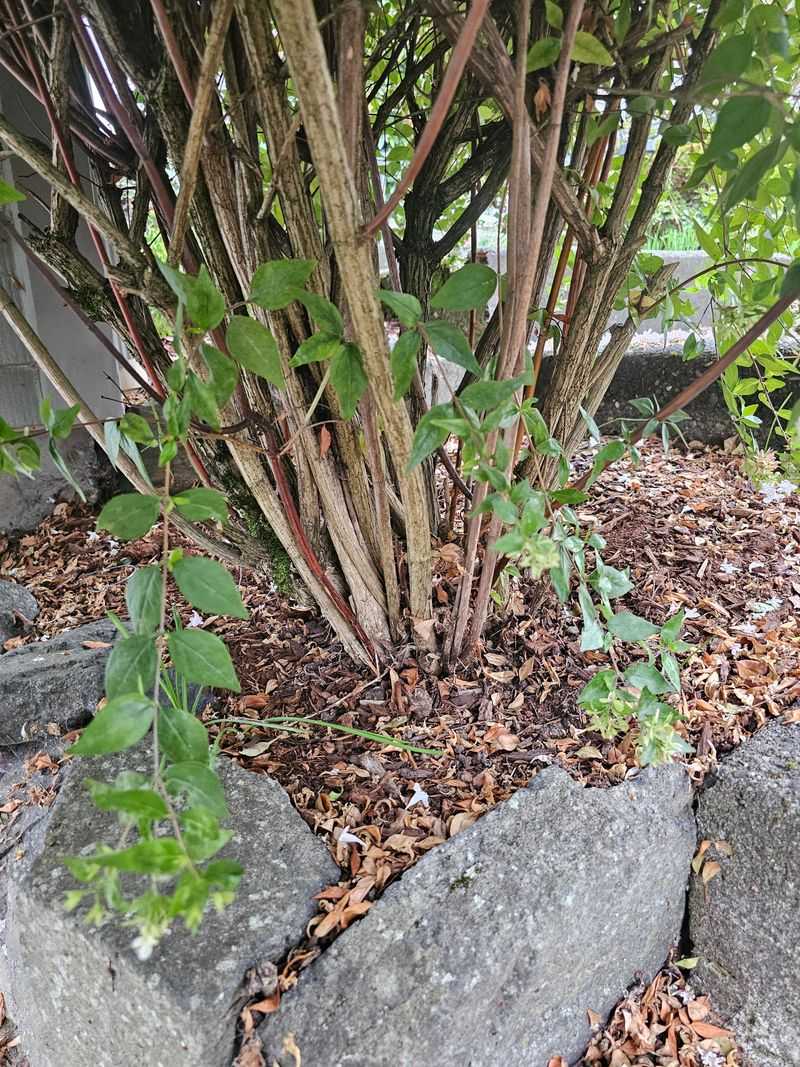
Hard pruning is a powerful reset button for beautyberry, but timing it right makes all the difference.
Cutting the shrub back to six to twelve inches above the ground is a legitimate technique that rejuvenates overgrown plants and encourages dense new growth.
The catch is that it really needs to happen before any significant spring growth starts pushing out.
In Georgia, finishing hard pruning by late February in the southern part of the state and no later than mid-March in the north gives the plant the full growing season it needs to recover and produce.
Push that timeline into April, and you are cutting into productive new wood rather than old dormant canes.
Shrubs that have not been pruned in several years often respond dramatically well to a hard cut. What looks like a drastic move in February turns into an impressively full and productive shrub by the following October.
New canes that emerge after a hard cut tend to be stronger and more vigorous than the old wood they replaced.
Do not be alarmed if a hard-pruned beautyberry looks completely bare and lifeless for several weeks after cutting. That is completely normal.
Georgia warmth and spring rain do their job, and new shoots emerge from the base and along the remaining stubs reliably.
Compost or a light layer of balanced fertilizer worked into the soil around the base right after hard pruning gives the plant a nutritional boost to support that burst of new growth. Consistent moisture through the first few weeks of spring helps too.
6. New Spring Growth Needs Time To Support Summer Blooms
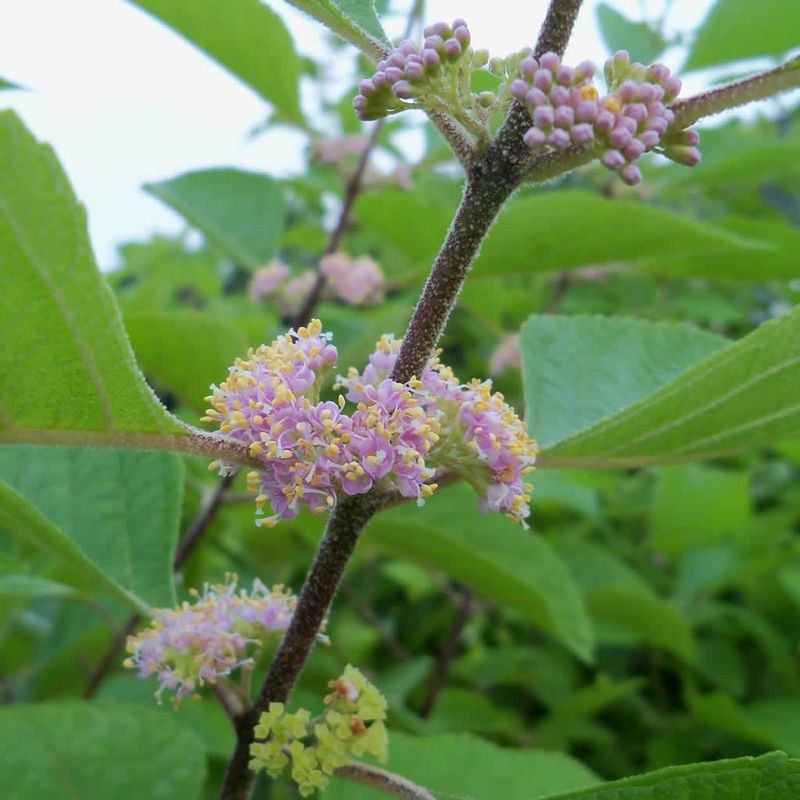
Spring growth on beautyberry is not just filler between pruning and berry season. Those new canes are doing important work, building the structure that will carry flowers in summer and berries in fall.
Rushing the process or interrupting it with late pruning throws the whole sequence off track.
After a well-timed late-winter pruning, beautyberry in Georgia typically starts pushing new growth in March and April depending on location.
By early summer, those canes are carrying clusters of small pink flowers that most people barely notice because they are waiting for the berries.
But those flowers are the whole point of protecting new growth from late pruning.
Each new cane needs roughly four to five months to go from emerging bud to ripe berry cluster. Prune too late and you cut that timeline short.
Prune at the right time and the plant has exactly what it needs to hit peak berry production right when Georgia fall weather arrives.
Soil health plays a supporting role here too. New canes grow faster and stronger in well-amended soil with decent drainage.
Georgia clay can hold moisture too long and slow root development, so working in compost before or right after late-winter pruning helps the plant push out vigorous growth more quickly once temperatures warm up.
Avoid heavy fertilizing once summer growth is fully underway. Too much nitrogen late in the season pushes leafy growth at the expense of flowers and berries.
A single early-spring feeding is usually plenty for most established beautyberry shrubs in Georgia yards.
7. Waiting Now Helps Preserve Fall Berry Display
By the time you are reading this in late winter or early spring, the best pruning window is either still open or just about to close.
If spring growth has not fully broken dormancy yet, you still have a chance to make your cuts and set up a great fall display.
But if those new shoots are already several inches long, the smartest move is to hold off entirely.
Leaving a beautyberry alone once it has broken dormancy protects the new wood that carries this season’s berry potential. Patience at this stage is not procrastination, it is strategy.
Cutting into active growth now means fewer berries in October, and in Georgia that fall display is genuinely worth protecting.
Beautyberry at peak berry season is something special in a Georgia landscape. Purple berry clusters that catch the afternoon light in October attract birds, stop neighbors mid-walk, and add a color that almost nothing else provides in a fall garden.
Protecting that display starts with the pruning decisions made months earlier.
Plan to mark your calendar for next late winter. If you missed the ideal window this year, use the time between now and then to observe how your shrub grows, where it gets dense, and which stems look older and less productive.
That information makes next year’s pruning session faster and more effective.
Georgia gardeners who get the timing right consistently end up with beautyberry plants that are fuller, more productive, and more visually striking than those left to grow unchecked. One good pruning season sets the tone for several great ones to follow.