Should Louisiana Gardeners Trim Hibiscus Before Spring Blooms
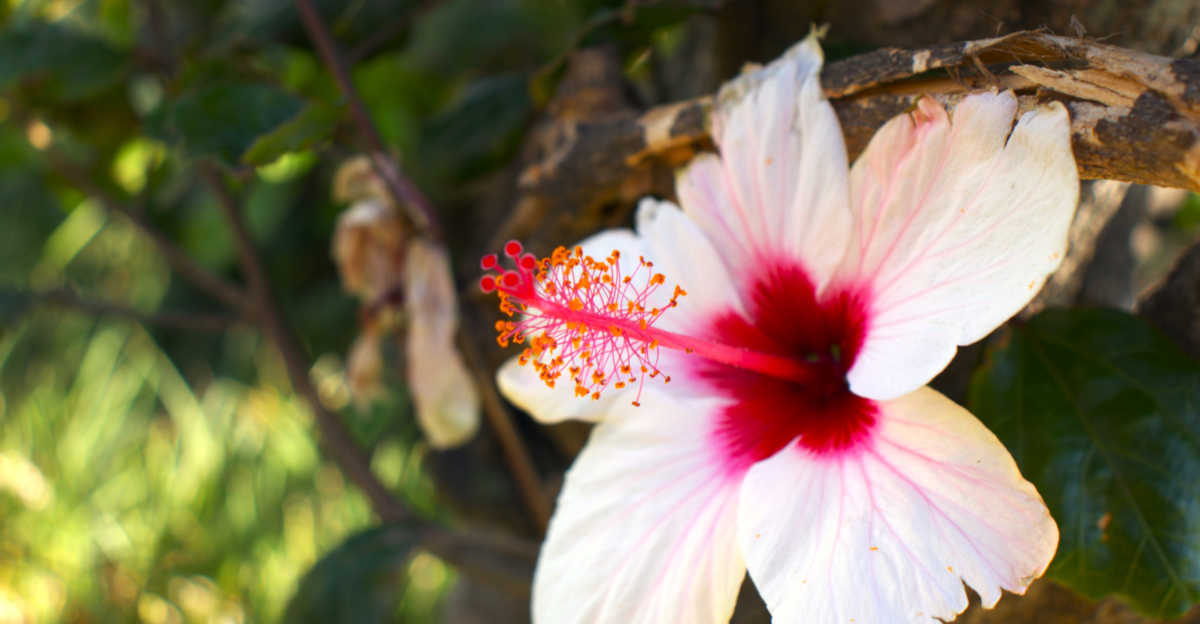
Hibiscus makes a statement, or it does nothing at all.
In Louisiana, these bold, tropical blooms have everything they need to thrive, but great results do not happen by accident. A well-timed cut can mean fuller plants, stronger growth, and flowers that actually live up to their reputation.
Pruning is where many gardeners get stuck. Cut too soon, and you risk slowing things down.
Wait too long, and you miss the moment when the plant is ready to push fresh growth.
Louisiana’s early warm spells make that timing even more important. The season moves quickly, and hibiscus responds just as fast.
Get it right, and your plant takes off. Here is how to time it properly, what to use, and what to avoid so your hibiscus puts on a show from the very start of the season.
1. Understanding Louisiana’s Unique Climate
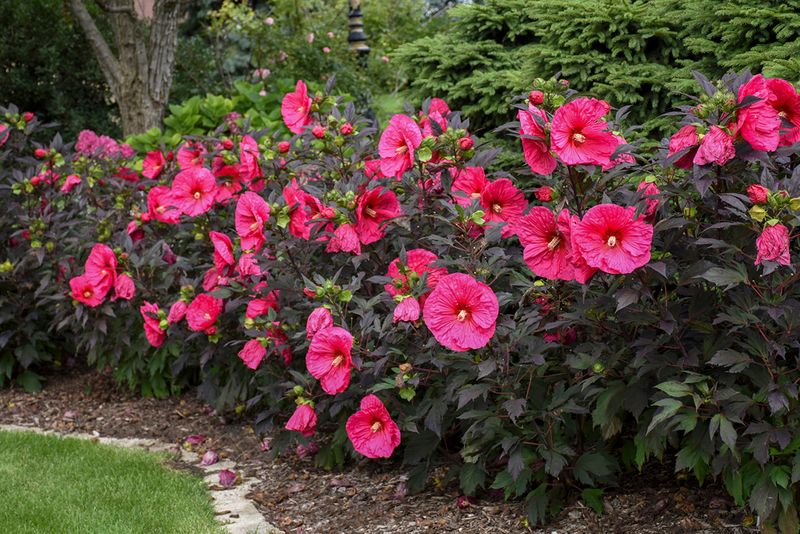
Louisiana’s weather is practically tailor-made for hibiscus lovers, and that’s not an exaggeration. The state sits in USDA hardiness zones 8 through 10, meaning winters are mild enough that hibiscus plants often stay semi-evergreen rather than going fully dormant.
That changes everything when it comes to pruning timing.
Unlike gardeners in colder states who wait until spring to see any sign of life, Louisiana gardeners often notice new growth on hibiscus as early as February.
The Gulf of Mexico keeps temperatures from dropping too severely, and the humidity creates a lush growing environment that most tropical plants absolutely love.
New Orleans and the surrounding parishes are especially warm, giving plants a head start compared to northern Louisiana spots like Monroe or Ruston.
Because hibiscus in Louisiana may never fully stop growing, gardeners need to pay close attention to the plant’s current state before reaching for the pruning shears. Cutting back a plant that is already pushing out fresh buds can delay blooming significantly.
Understanding your local microclimate, whether you’re near the bayou or further inland, helps you make smarter decisions about when to prune for the best spring results.
2. The Answer Is Yes, With One Important Timing Rule
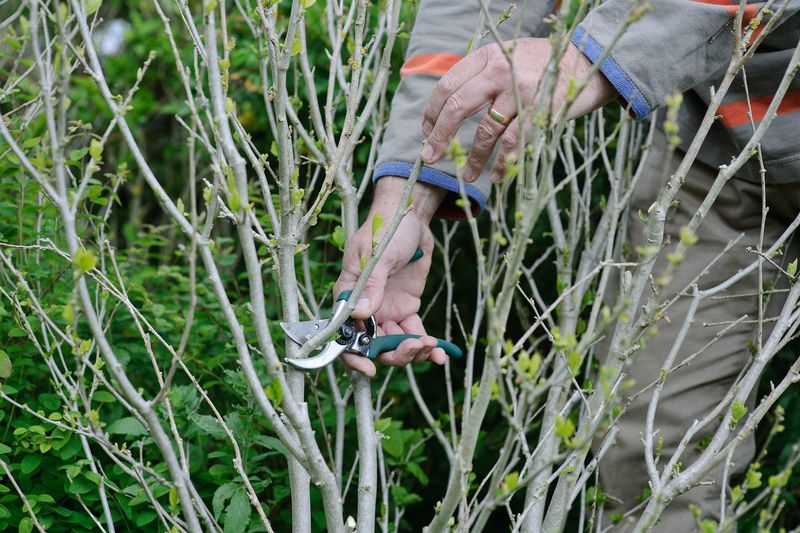
Timing is truly everything when it comes to pruning hibiscus in Louisiana, and getting it right can make your spring garden absolutely spectacular.
Most experienced Louisiana gardeners recommend pruning hibiscus in late winter, typically between late January and mid-February, just before new growth really kicks into high gear.
The goal is to cut back the plant before it puts serious energy into producing buds. If you wait too long and buds have already formed, you risk removing the very blooms you’ve been waiting all winter to see.
On the flip side, pruning too early during an unexpected cold snap can leave fresh cuts vulnerable to frost damage, which is still possible in northern Louisiana through early March.
A good rule of thumb used by experienced Cajun country gardeners is to watch for the first tiny leaf buds swelling on the branches. Once you see that early sign of life, you have a short but reliable window to do your pruning before full growth takes off.
Aim to prune on a dry, mild day when temperatures are well above freezing. Getting the timing right in Louisiana’s climate means more blooms, stronger branches, and a healthier plant all season long.
3. How Much To Cut Back Your Hibiscus Plant
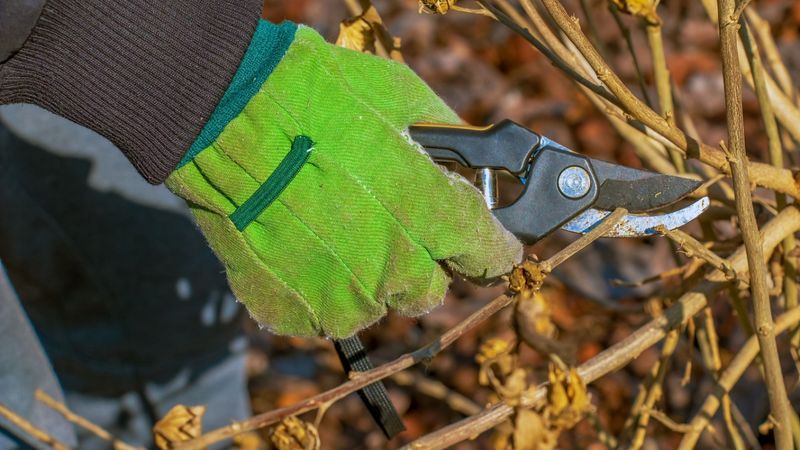
Grab your pruning shears and get ready, because knowing how much to cut is just as important as knowing when to cut.
A common mistake among newer Louisiana gardeners is going too light on the pruning, leaving leggy, woody stems that produce fewer blooms and less healthy foliage throughout the growing season.
For most hibiscus varieties grown across Louisiana, cutting back about one-third to one-half of the plant’s total height is the sweet spot.
This encourages the plant to send out strong new shoots from lower on the stem, which creates a fuller, bushier shape and ultimately produces more flowers.
Tropical hibiscus, which thrives beautifully in the warm Louisiana climate, responds especially well to a more aggressive pruning approach.
Hardy hibiscus varieties, sometimes called swamp rose mallow, can handle an even harder cutback since they tend to grow vigorously once warm weather settles in. Always cut just above a leaf node or visible bud, using clean, sharp tools to make smooth cuts that heal quickly.
Ragged cuts made with dull shears can invite disease into the plant, which is especially risky in Louisiana’s humid environment. A clean cut heals faster and keeps your hibiscus strong and productive all the way through the long southern summer.
4. Tools Every Louisiana Hibiscus Gardener Needs
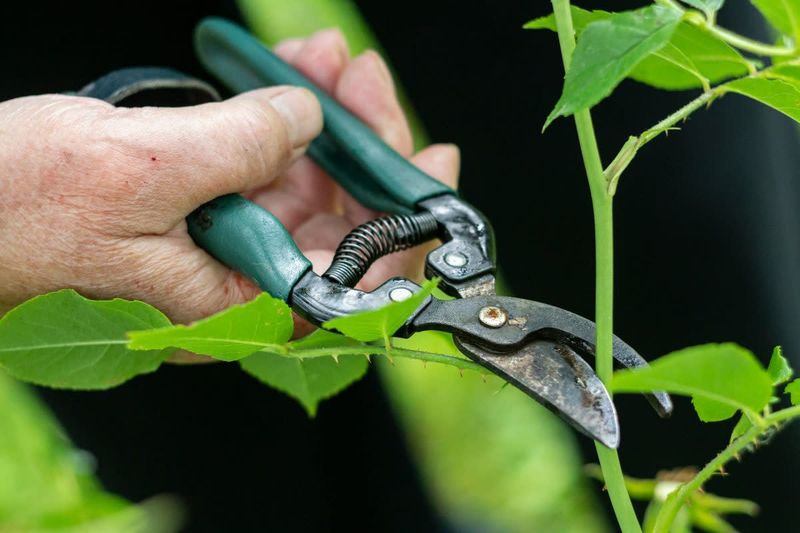
Having the right tools in your gardening kit is a game-changer, especially when you’re dealing with mature hibiscus shrubs that have been growing through multiple Louisiana summers.
The most essential tool is a pair of sharp bypass pruning shears, which make clean cuts without crushing the stem the way anvil-style pruners sometimes do.
For older, thicker hibiscus branches, a pair of loppers gives you the extra leverage needed to cut through woody growth cleanly and efficiently.
A pruning saw is handy for any branches thicker than an inch, which can happen on well-established plants that have been growing in Louisiana’s fertile soil for several years.
Always clean your tools with rubbing alcohol or a diluted bleach solution before and after pruning to prevent spreading any fungal or bacterial issues from plant to plant.
Gardening gloves are a must, not just for comfort but because hibiscus stems can have rough edges that irritate skin during extended pruning sessions. A small bucket or garden bag nearby makes cleanup quick and easy.
Louisiana’s warm, moist air means that plant debris left on the soil can attract pests or encourage fungal growth, so removing cuttings promptly after pruning is a smart habit that keeps your garden looking sharp and your plants healthier throughout the season.
5. Tropical Vs. Hardy Hibiscus: Pruning Rules Are Different
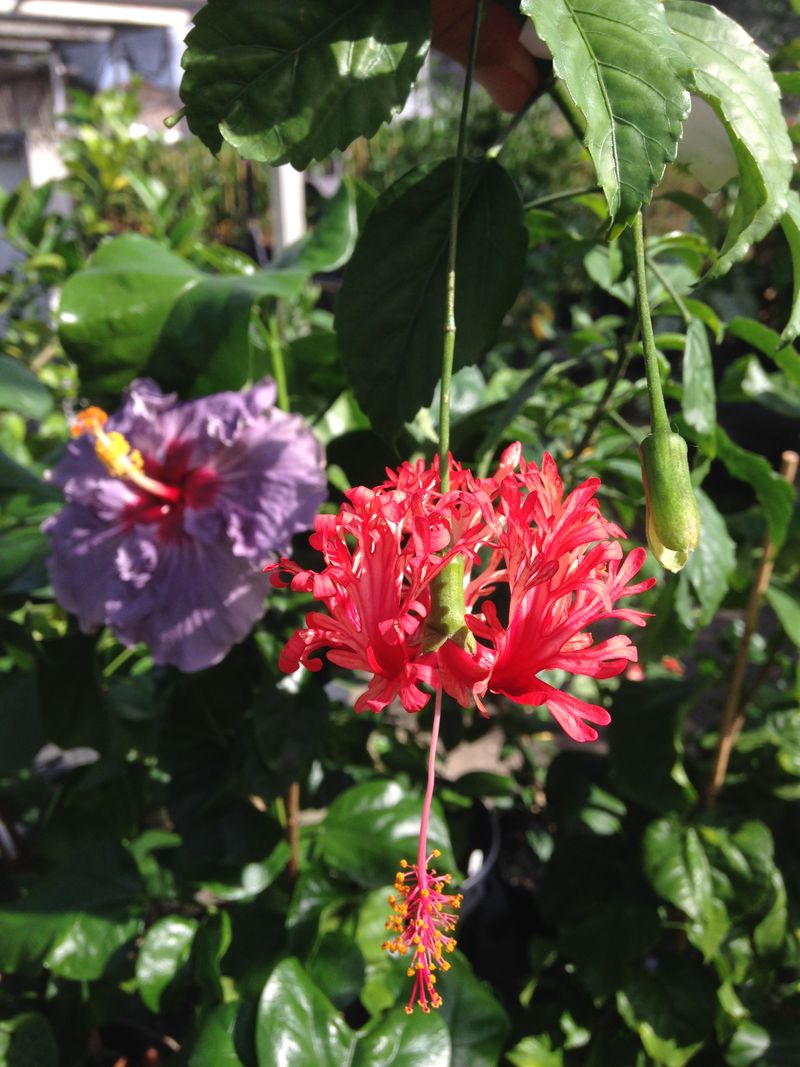
Not all hibiscus plants play by the same rules, and Louisiana gardeners who grow both tropical and hardy varieties quickly learn that each one has its own pruning personality.
Tropical hibiscus, the kind you often see in pots on New Orleans porches and patios, stays evergreen in most parts of Louisiana and needs a lighter, more careful approach to pruning.
Hardy hibiscus, sometimes called rose mallow or swamp hibiscus, is native to wetland areas and grows wild throughout Louisiana’s bayou country. It behaves more like a perennial, dying back each winter and returning from the base in spring.
The stems can be cut back close to the ground in late winter or just before new growth begins without any worry. Once spring warmth arrives, hardy hibiscus bounces back with incredible energy, often growing several feet in just a few weeks.
Tropical hibiscus needs a gentler touch because cutting it back too hard can stress the plant, especially if a late cold front is still possible. In warmer southern Louisiana parishes, tropical hibiscus can be pruned more aggressively than in the cooler northern parts of the state.
Knowing which type you have in your garden before you start pruning is step one, and when in doubt, your local Louisiana cooperative extension office is a fantastic resource for identifying your specific hibiscus variety and getting tailored pruning advice.
6. Common Pruning Mistakes Gardeners Should Avoid
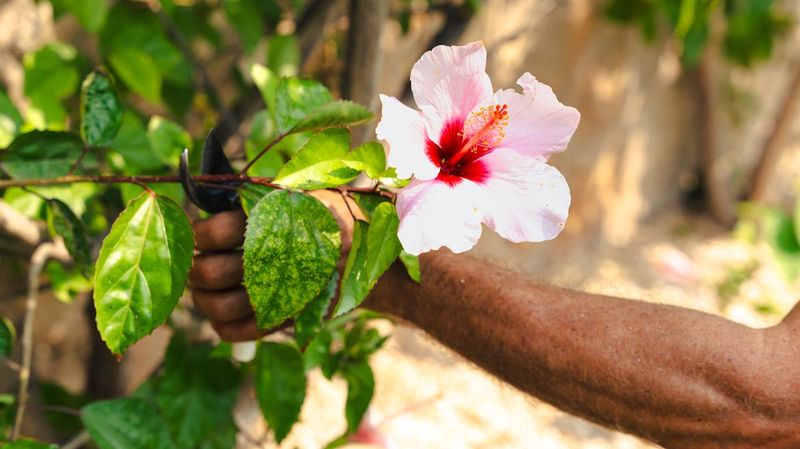
Even seasoned gardeners slip up sometimes, and hibiscus pruning is one of those tasks where a small mistake can cost you a full season of beautiful blooms. One of the most common errors made by Louisiana gardeners is pruning too late in the spring, after the plant has already set its flower buds.
Removing those buds means waiting even longer for color to appear in your garden.
Another frequent misstep is making cuts at awkward angles or leaving stubs too far above a leaf node. Stubs can dry out and become entry points for disease, which spreads quickly in Louisiana’s warm, humid air.
Always cut at a slight angle, about a quarter inch above a healthy bud or node, to encourage proper healing and strong new growth.
Over-pruning is also a real concern, especially with tropical hibiscus. Removing more than half the plant at once can send it into shock and significantly delay blooming.
Some Louisiana gardeners also forget to account for the weather forecast before pruning, and a surprise cold snap after cutting back the plant can cause real damage to freshly exposed stems.
Checking a reliable weather app before you prune, especially in northern Louisiana where frosts can linger into March, is a simple habit that protects your investment and keeps your hibiscus thriving all season.
7. Post-Pruning Care To Maximize Spring Blooms
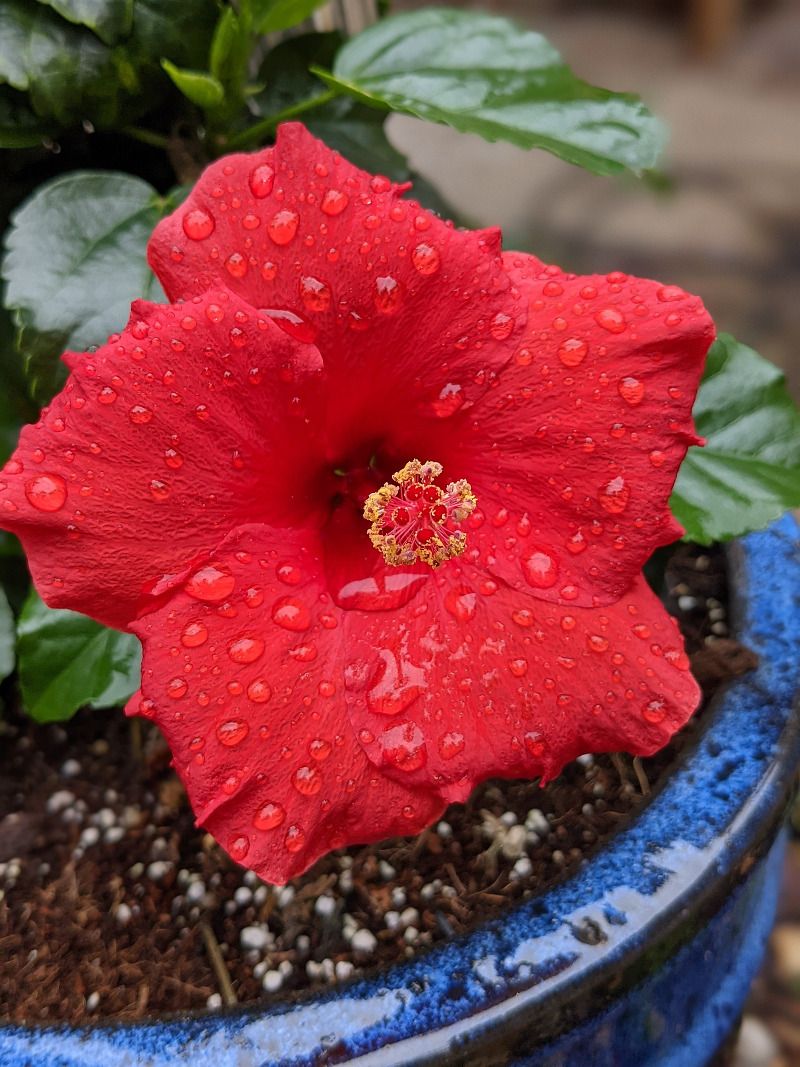
Pruning your hibiscus is really just the beginning of getting your plant ready for a show-stopping spring performance across your Louisiana garden.
What you do in the days and weeks after pruning matters just as much as the pruning itself, and a little extra care goes a long way toward producing those massive, colorful blooms hibiscus is famous for.
Start by giving your freshly pruned hibiscus a good drink of water, especially if the soil has been dry during the winter months. Louisiana’s winters can sometimes be surprisingly dry, and well-hydrated plants recover from pruning much faster than stressed ones.
A slow-release fertilizer applied shortly after pruning gives the plant the nutrients it needs to push out vigorous new growth as temperatures warm up.
Look for a fertilizer with a higher middle number, meaning higher phosphorus content, which supports strong root development and abundant flowering.
Mulching around the base of the plant helps retain moisture and keeps soil temperatures consistent, which hibiscus absolutely appreciates during the unpredictable Louisiana spring.
Keep an eye out for early signs of aphids or whiteflies, which tend to target fresh new growth on hibiscus plants throughout Louisiana.
Catching pest problems early means you can handle them quickly without disrupting the plant’s natural growth momentum heading into the warm, bloom-filled months ahead.