Should Oregon Gardeners Prune Rhododendrons Before Spring?
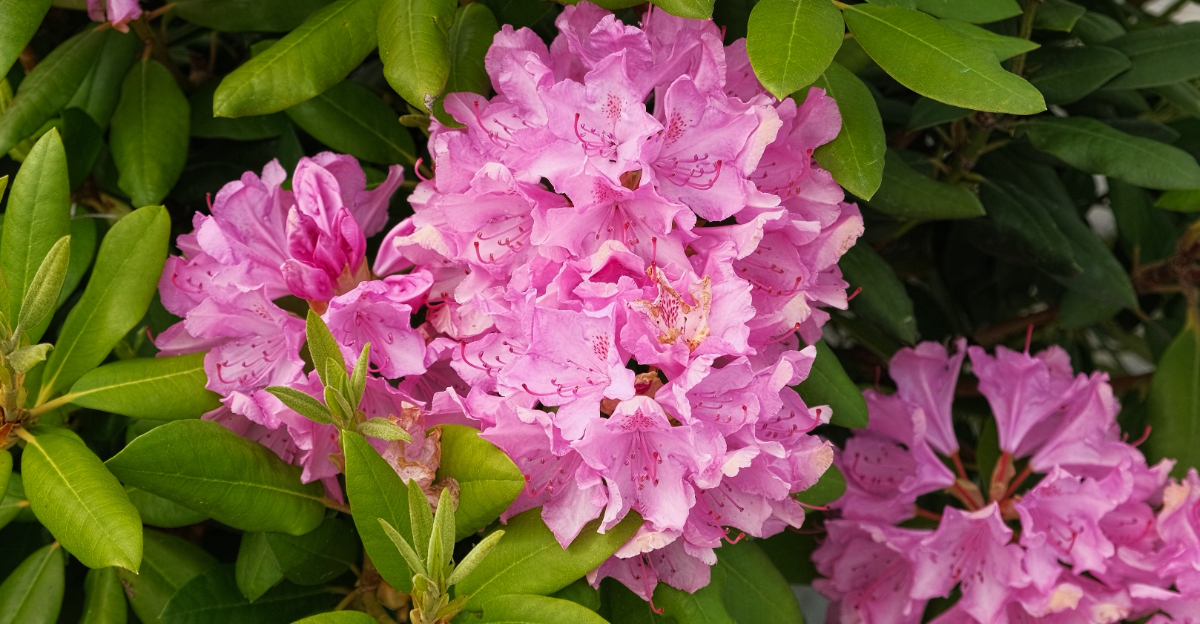
Rhododendrons are some of the most dazzling stars in an Oregon garden, with their lush leaves and vibrant blooms stealing the show every spring. But when it comes to pruning, timing is everything.
Trim them at the wrong moment and you risk cutting off next year’s flower buds or leaving the plant looking bare and stressed.
Gardeners who know the rhythm of their rhododendrons wait patiently, watching for the perfect post-bloom window to shape and tidy these shrubs.
Understanding when to prune keeps your plants healthy, encourages fuller growth, and sets the stage for the kind of flower show neighbors can’t stop talking about.
Thinking ahead and planning your pruning moves now can save headaches later and make sure your rhododendrons stay lush, bushy, and ready to dazzle every spring.
1. Cutting Too Soon?
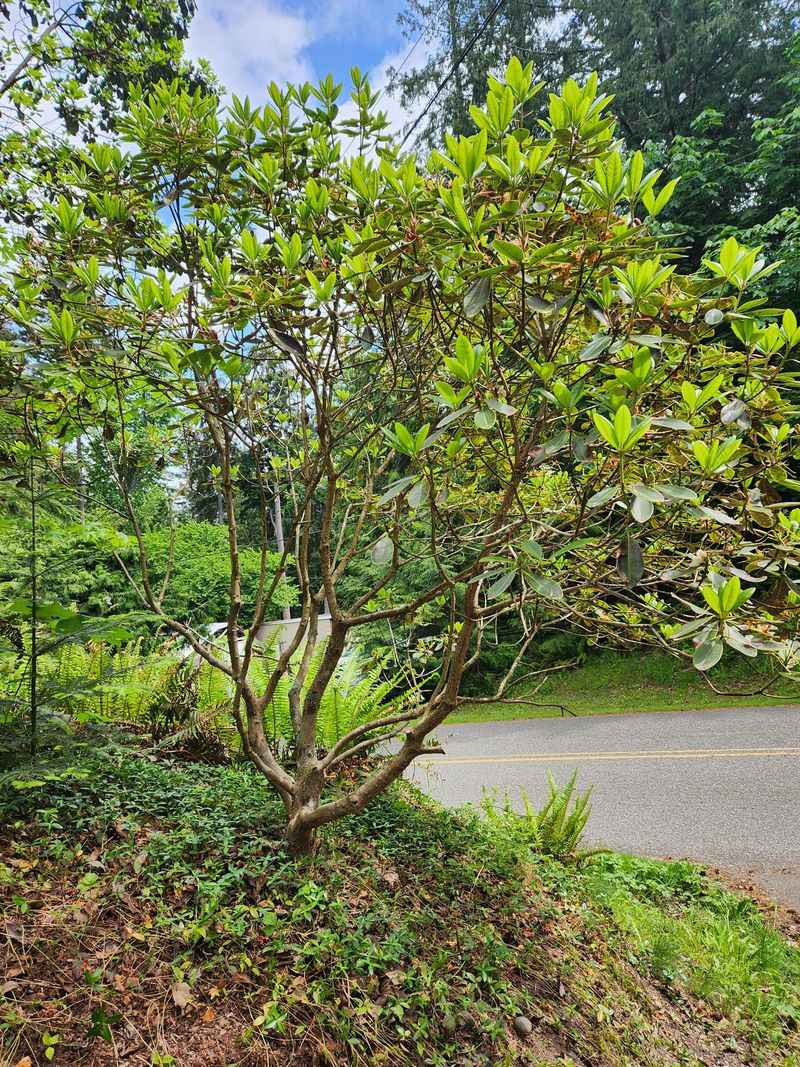
Many Oregon gardeners grab their pruning shears the moment winter starts to fade. It feels like the perfect time to tidy up the garden before spring arrives.
But cutting too soon can cause a big problem for your rhododendrons.
Rhododendrons set their flower buds shortly after they finish blooming, usually in late spring or early summer. Those tiny buds sit quietly on the branches all through fall and winter.
If you prune before spring, you risk snipping off buds that are already formed and waiting to open.
Losing those buds means losing your blooms. Your bush might look perfectly healthy but produce very few flowers the following season.
That’s a frustrating result after putting in so much garden work.
Pruning too early is one of the most common mistakes Oregon gardeners make with rhododendrons. The plant doesn’t show any obvious signs that the buds are there, so it’s easy to cut without realizing the damage.
Taking a closer look at branch tips before you cut can save next year’s flower show. Patience really does pay off when it comes to these beautiful shrubs.
2. Secret Timing For Blooms
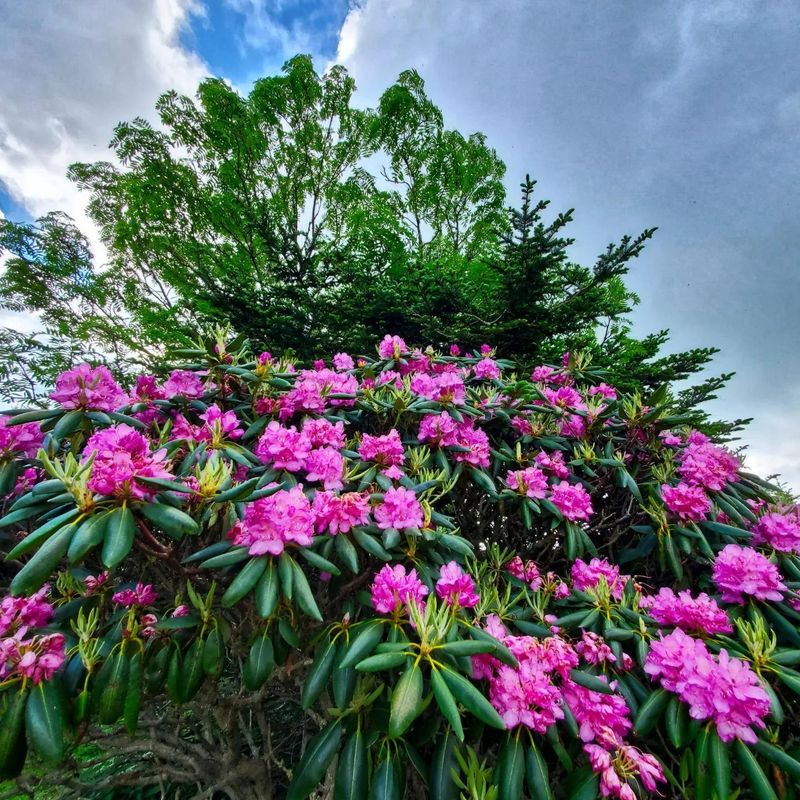
There’s a simple secret that experienced Oregon gardeners know: the best time to prune rhododendrons is right after the flowers fade. Most rhododendrons in Oregon finish blooming between late April and early June, depending on the variety.
That short window right after flowering is your golden opportunity.
Pruning at this exact time lets the plant heal quickly. New growth shoots up fast, and the plant can set fresh flower buds for next year before summer ends.
Wait too long into summer, and you might clip off those newly formed buds by accident.
Timing really is everything with rhododendrons. Oregon’s mild, rainy springs give these plants a great start, but gardeners still need to pay close attention to the calendar.
Watching for faded blooms is the easiest signal that it’s time to get to work.
Mark the date on your garden calendar when your rhododendron starts dropping its petals. Give it a few days, then start pruning.
This method works beautifully across Oregon’s many growing zones, from the Willamette Valley to the coast. Stick to this schedule and your plant will reward you with a stunning display every single spring.
3. Don’t Lose Next Year’s Flowers
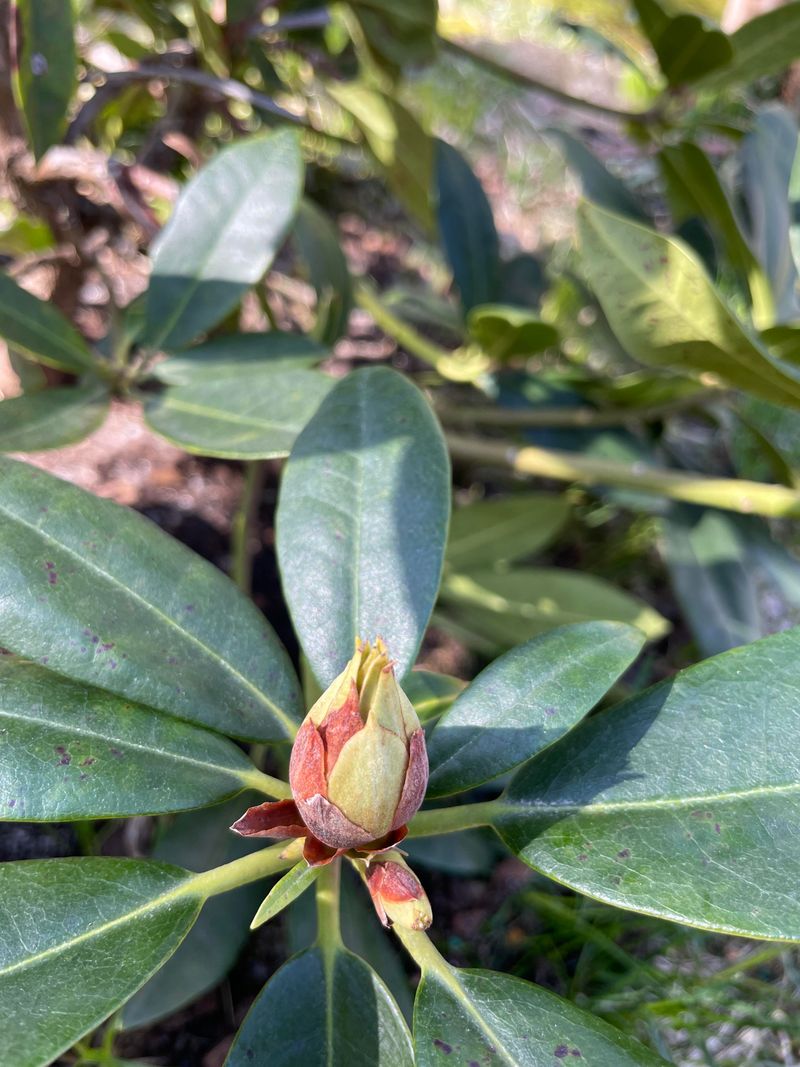
Flower buds on a rhododendron look like small, rounded bumps at the tips of branches. They form in early summer and stay there through the whole fall and winter season.
Cutting them off means you won’t see blooms until the plant can set new buds the following year.
Oregon gardeners who prune in fall or late winter often wonder why their rhododendrons barely bloom. The answer is almost always bud removal.
Once those buds are gone, there’s no quick fix. You simply have to wait an entire growing season for the plant to recover.
Learning to spot the difference between growth buds and flower buds takes a little practice. Flower buds are rounder and fatter, while growth buds are more pointed and narrow.
Taking a moment to look before you cut can protect months of the plant’s hard work.
Protecting those buds is the number one priority for keeping a rhododendron blooming beautifully in an Oregon garden. Always prune right after flowering ends, and always check branch tips before making any cuts.
A little careful attention in early summer means a spectacular flower show the following spring. Your neighbors will definitely notice the difference.
4. Pruning Tools That Work
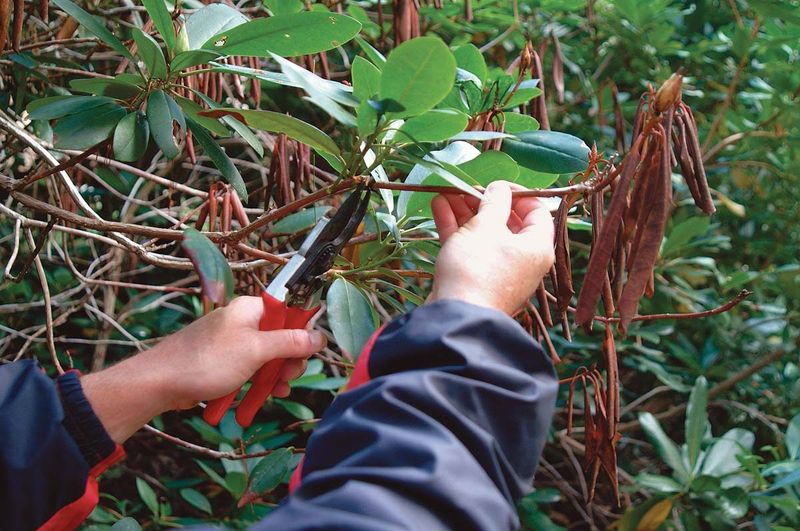
Good tools make pruning rhododendrons so much easier and safer for the plant. Sharp, clean cuts heal faster and reduce the risk of disease entering the wound.
Dull blades crush stems instead of cutting them cleanly, which can stress the plant unnecessarily.
Bypass pruning shears are the best choice for small to medium branches. They make a clean, precise cut without damaging surrounding tissue.
For thicker branches, a pair of loppers gives you more leverage and control without straining your hands.
Always clean your tools before and after pruning. Wiping blades with rubbing alcohol or a diluted bleach solution stops the spread of fungal diseases and bacteria between plants.
Oregon’s damp climate can make plants more vulnerable to disease, so keeping tools clean is especially smart in this region.
Investing in quality tools pays off over time. A good pair of bypass shears can last many years with proper care.
Sharpen the blades at the start of each pruning season to keep them working at their best. Store tools in a dry place to prevent rust.
With the right equipment in hand, pruning your Oregon rhododendrons becomes a quick, satisfying task rather than a chore.
5. Spot Damaged Branches Fast
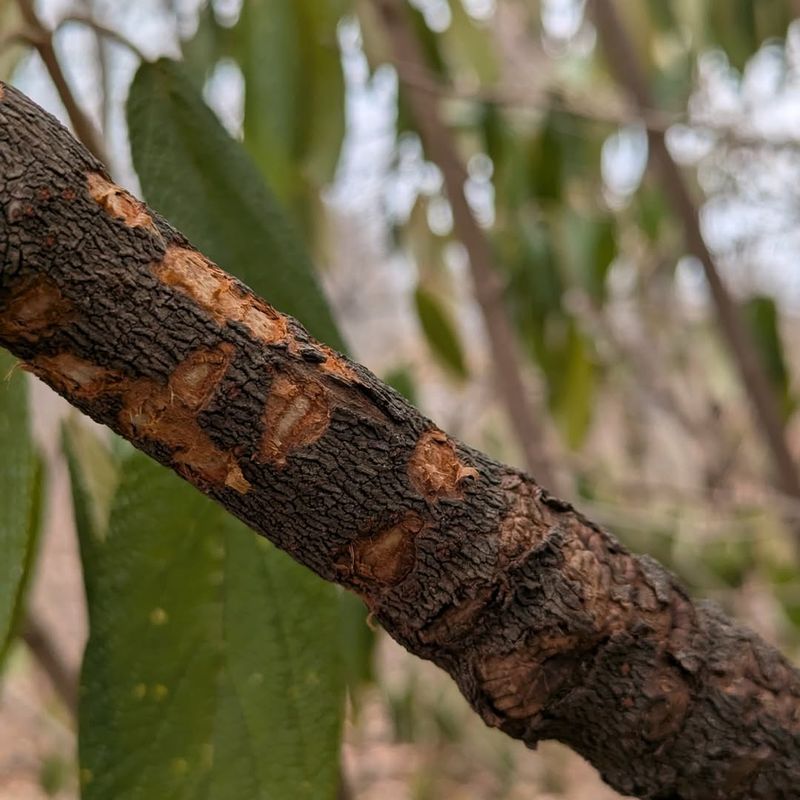
Even healthy rhododendrons can develop withered or damaged branches over time. Spotting them quickly keeps the rest of the plant strong and looking its best.
Fortunately, identifying damaged wood is easier than most gardeners expect.
Scratch a small section of bark with your fingernail. If the layer underneath is green and moist, the branch is alive.
If it looks dry, brown, or crumbly, the branch is no longer healthy and should be removed. Oregon’s wet winters can sometimes cause branches to struggle, especially in areas with poor drainage.
Removing damaged branches can be done at almost any time of year without harming the plant. This is one exception to the strict post-bloom pruning rule.
Getting rid of withered wood actually improves airflow through the plant and reduces the chance of disease spreading to healthy sections.
Make it a habit to walk through your Oregon garden in late winter and look over your rhododendrons carefully. Check for branches that look gray, brittle, or bare while surrounding branches show signs of life.
Catching problems early means the plant spends its energy on healthy growth instead of trying to support damaged wood. A quick inspection each season keeps your rhododendron looking full and vibrant all year long.
6. Shape Without Sacrifice
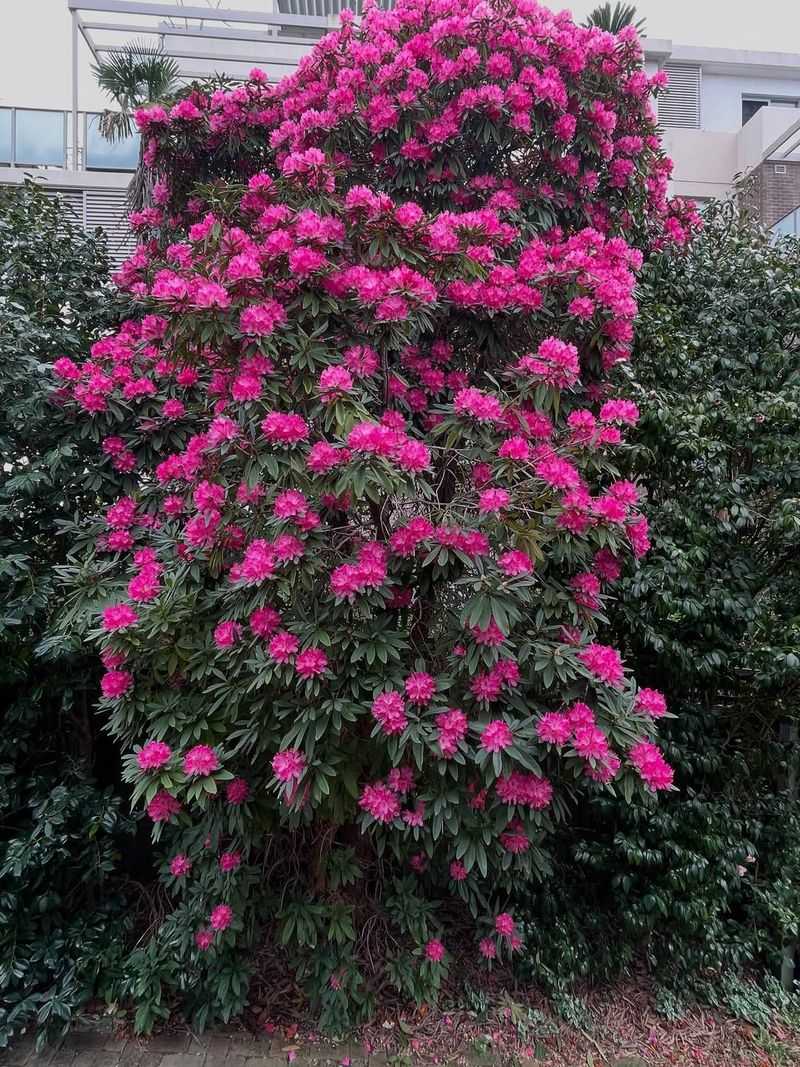
Shaping a rhododendron doesn’t have to mean sacrificing its bloom potential. With the right approach, you can create a beautiful, balanced plant that still flowers heavily every year.
The key is knowing where and how much to cut.
Always cut just above a leaf node or bud. This encourages the plant to branch out naturally and fill in gaps.
Avoid cutting into bare wood below the lowest leaves on a branch, as rhododendrons can struggle to regrow from those areas.
Oregon gardeners often want to control the size of their rhododendrons, especially when plants grow near walkways or windows. Removing no more than one-third of the plant at a time is a safe rule to follow.
Cutting too much at once puts the plant under stress and slows recovery.
Step back regularly while shaping to check your progress from a distance. It’s easy to over-cut when you’re focused on one small area.
Aim for a naturally rounded or layered shape that complements the plant’s growth habit. Rhododendrons don’t need to look perfectly manicured.
A slightly loose, natural shape actually suits Oregon’s lush garden style very well and lets the blooms take center stage each spring.
7. Boost New Growth
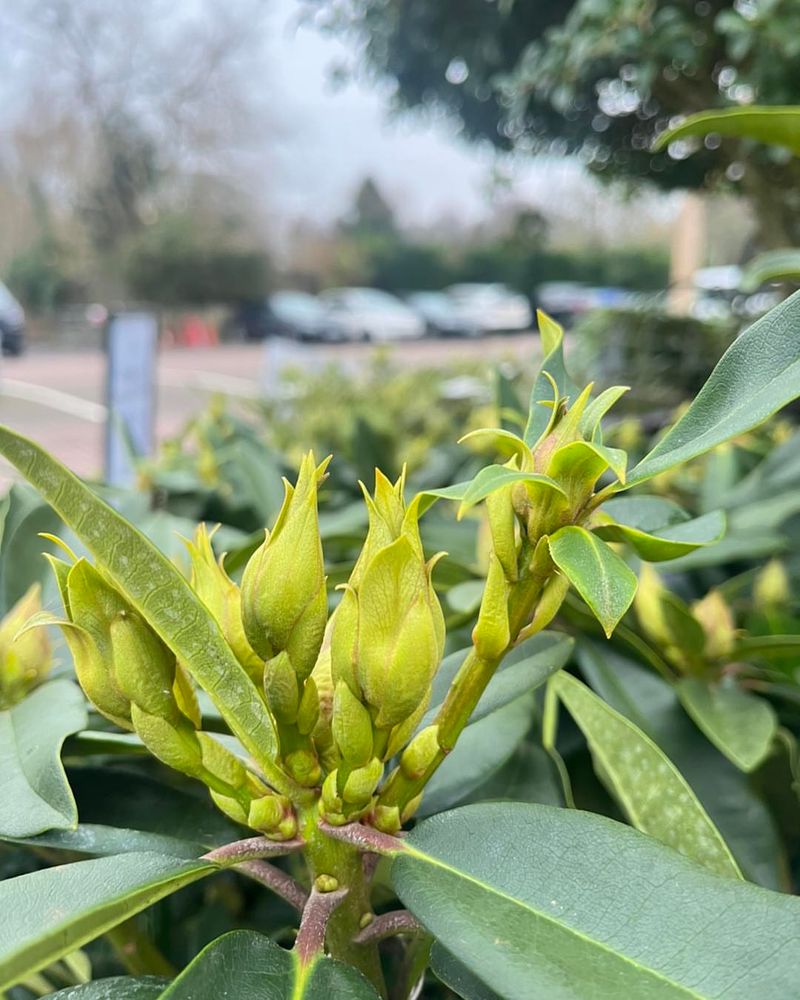
One of the most rewarding parts of pruning rhododendrons correctly is watching fresh new growth appear. After a well-timed pruning session, the plant responds by pushing out bright green shoots from the cut areas.
It’s a clear sign that the plant is healthy and responding well.
Feeding your rhododendron after pruning gives it an extra boost. Use a fertilizer formulated for acid-loving plants, since rhododendrons prefer slightly acidic soil.
Oregon’s naturally acidic soils in many areas are already a great match for these plants, but a little extra nutrition helps speed up recovery.
Water consistently after pruning, especially during dry spells in Oregon’s summer months. Rhododendrons have shallow root systems that dry out faster than many gardeners expect.
A layer of mulch around the base of the plant helps hold moisture in the soil and keeps roots cool during warmer days.
New growth after pruning is also a signal that the plant is setting up for a strong bloom next season. Those fresh shoots will eventually develop into the branches that carry next year’s flower buds.
Supporting that growth with proper watering, feeding, and mulching gives your Oregon rhododendron the best possible foundation for a spectacular spring display ahead.
8. Post-Prune Tricks
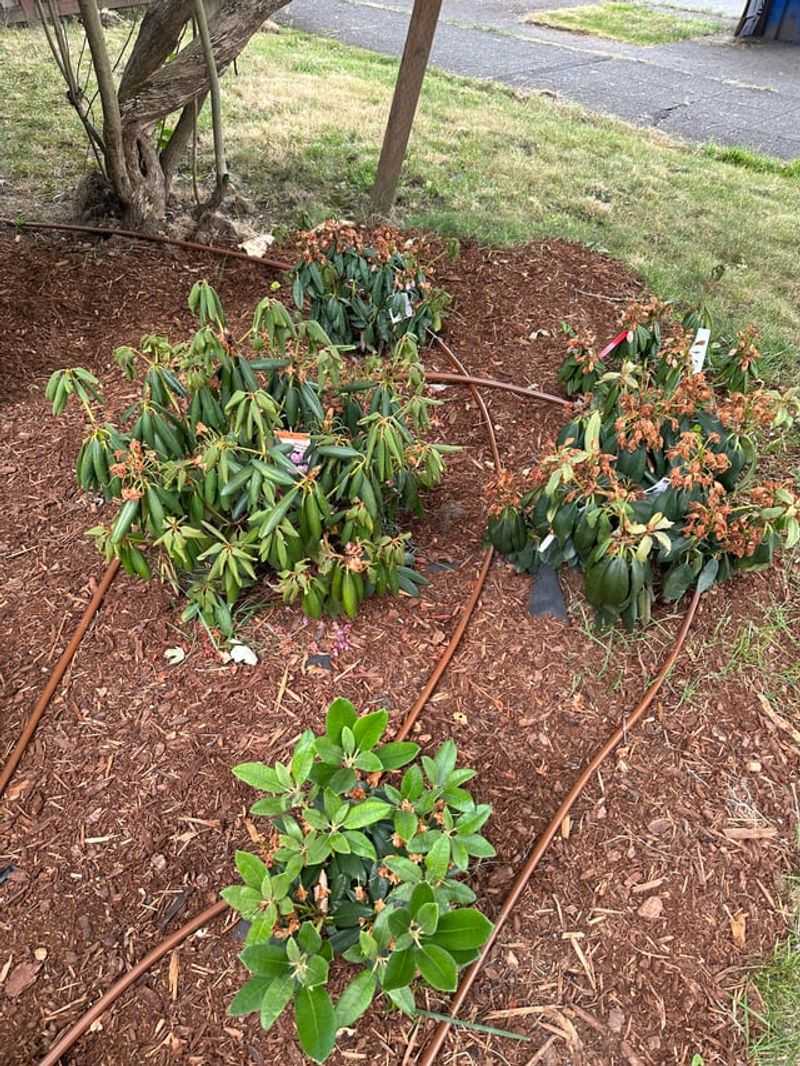
Finishing up a pruning session is just the beginning of caring for your rhododendron. A few smart steps right after pruning can make a big difference in how quickly the plant recovers and how well it performs next spring in your Oregon garden.
Start by clearing away all the clippings from around the base of the plant. Leaving them on the ground can invite pests and diseases to linger near the roots.
Dispose of any diseased material in the trash rather than the compost pile to avoid spreading problems.
Apply a fresh layer of mulch about two to three inches deep around the plant. Wood chips, bark mulch, or pine needles all work well for rhododendrons.
Keep the mulch a few inches away from the main stem to prevent moisture buildup against the bark.
Check the soil moisture regularly over the weeks following pruning. Oregon summers can be surprisingly dry, and newly pruned plants need consistent hydration to push out strong new growth.
A slow, deep watering once or twice a week is better than frequent shallow watering. Following these simple post-prune steps sets your rhododendron up for a healthy growing season and a flower display that will be the envy of the whole neighborhood next spring.