Should You Cut Back Oregon Iris Leaves After Flowering (Most People Do It Wrong)
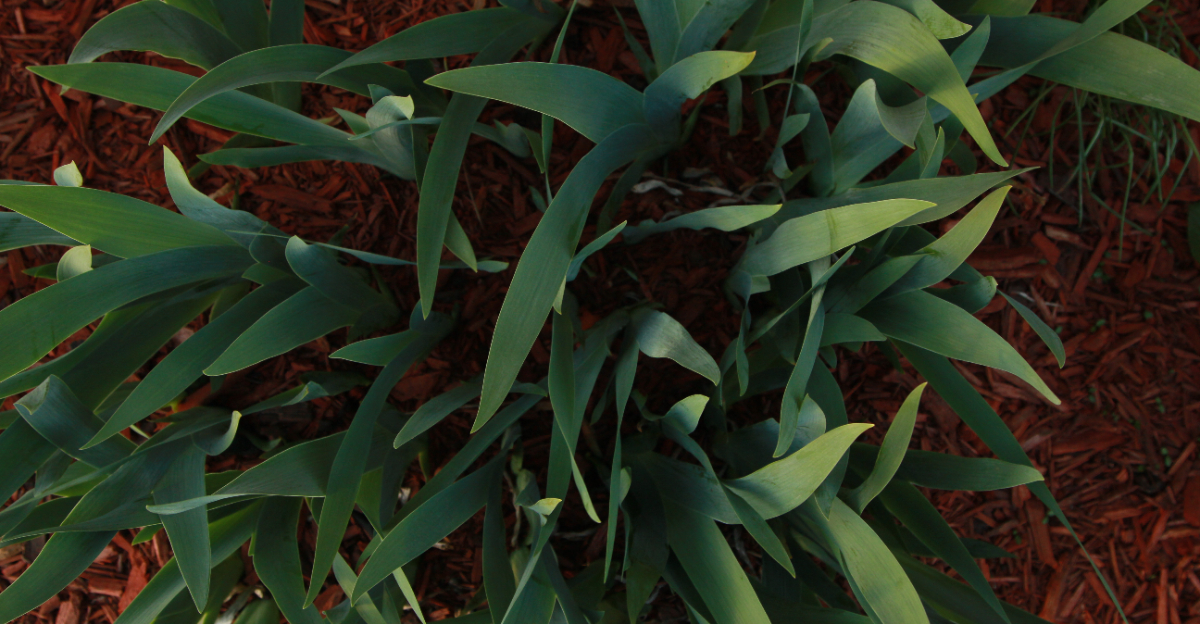
Irises finish blooming and suddenly every Oregon gardener becomes a decision maker. Do you cut the leaves back? Leave them alone? Trim them halfway?
Someone on the internet said fan the foliage, someone else said cut it all off, and now you’re standing in your garden holding a pair of shears feeling completely unsure.
It’s one of the most debated post-bloom questions out there, and most people are getting it wrong in one direction or the other.
Here’s the thing: what you do with iris leaves after flowering has a direct impact on how well the plant performs next season. Those leaves aren’t just sitting there looking green and decorative.
They’re actively working, feeding the rhizome, storing energy, and setting the foundation for next year’s blooms. Cut them back at the wrong time or in the wrong way and you’re essentially pulling the plug on that process early.
The right approach is simple once you understand what the plant is actually doing underground after the flowers are gone.
1. Don’t Cut Green Leaves Yet
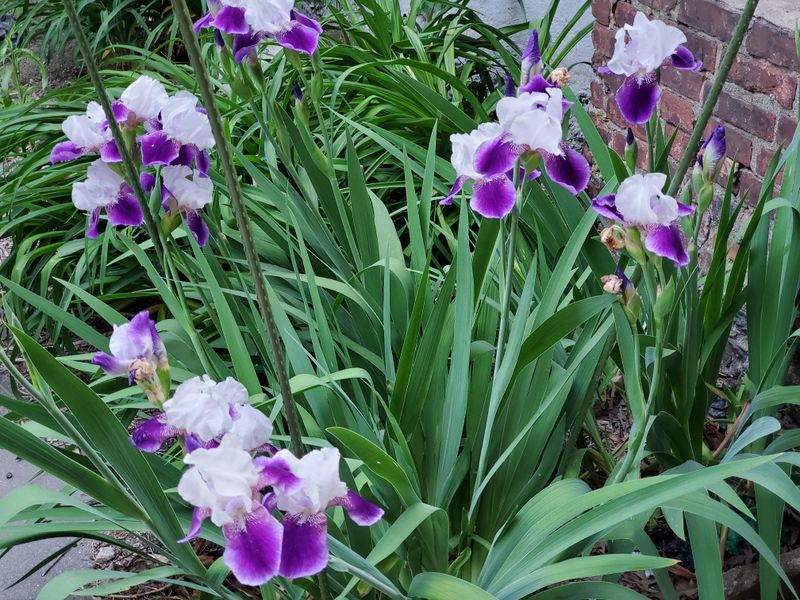
Right after your Oregon Iris finishes blooming, those green leaves might look like they are just in the way. Many gardeners in Oregon and across the Pacific Northwest want to tidy up the garden quickly.
But cutting green leaves too soon is one of the biggest mistakes you can make with this native plant.
Green leaves are still working hard even after the flowers are gone. They absorb sunlight and turn it into energy through photosynthesis.
That energy travels down into the rhizomes underground, helping the plant store food for next year’s growth.
Think of the leaves like solar panels. As long as they are green, they are collecting energy.
Cutting them off early robs the plant of that process. The rhizomes end up weaker and may not produce as many blooms next spring.
Patience is the key here. Let the leaves stay green for as long as possible.
Only start thinking about trimming once you notice natural browning or yellowing happening on its own. In most parts of Oregon, that natural change begins in late summer or early fall.
Resist the urge to clean up too early. A slightly untidy garden in June or July is a small price to pay for a spectacular bloom next spring.
Your Oregon Iris will thank you for the extra time.
2. Let Leaves Feed The Rhizomes
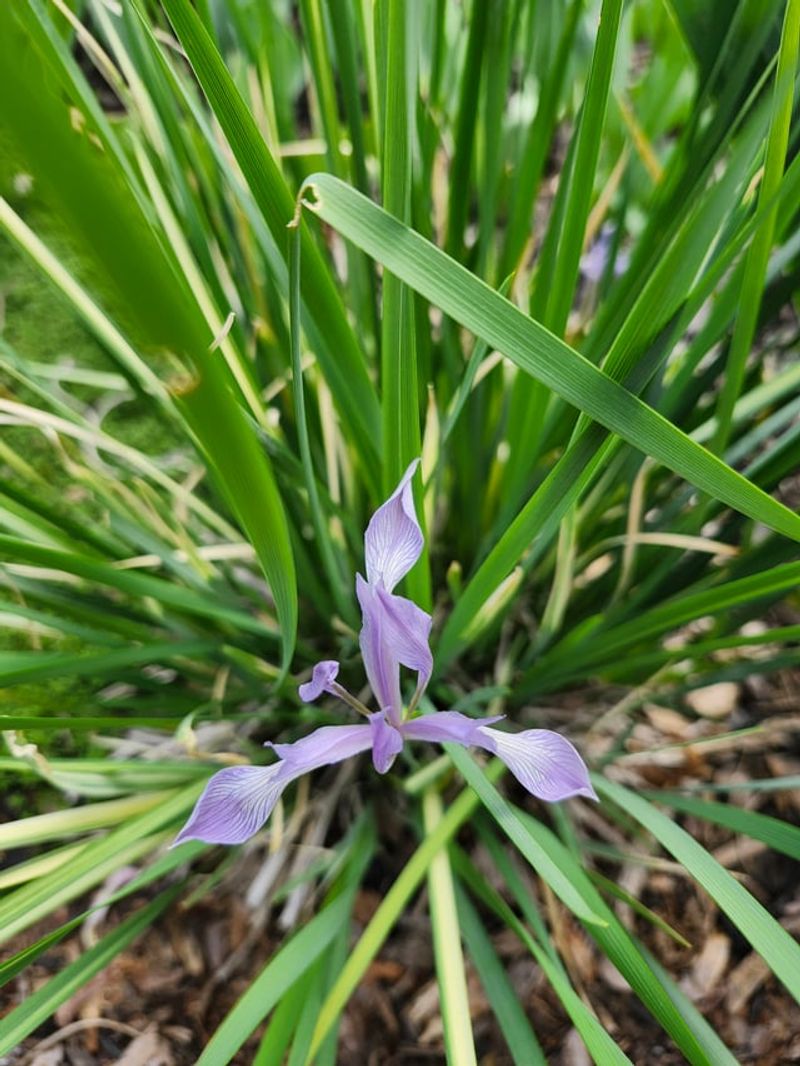
Here is something most people do not realize about Oregon Iris: the leaves and the rhizomes are deeply connected. After flowering ends, the plant shifts all of its energy from making blooms to storing nutrients underground.
The leaves are the main tool for that job.
Rhizomes are the thick, root-like stems that Oregon Iris grows from. They sit just at or below the soil surface and store carbohydrates and nutrients.
When leaves are left intact, they keep feeding those rhizomes through photosynthesis. Stronger rhizomes mean more flowers next year.
Gardeners in the Willamette Valley and other parts of Oregon often notice that plants with well-fed rhizomes spread more reliably and bloom more vigorously. It is not magic.
Your Oregon Garden Changes Every Week. Your Plan Should Too.
Gardening in Oregon changes quickly throughout the season. Every Friday you’ll receive a simple weekly plan showing exactly what to plant, prune, fertilize, harvest, and protect so you never miss the right timing.
It is just good plant biology working the way nature intended.
Cutting leaves early interrupts that feeding cycle. The rhizomes end up with fewer stored nutrients going into fall and winter.
Come spring, the plant has less energy to push out new growth and flowers.
So leave those leaves alone after flowering. Even if they start to look a little tired or floppy, they are still doing important work.
Give your Oregon Iris the full season to complete its natural cycle, and you will be rewarded with a stronger, healthier plant the following year.
3. Remove Faded Flower Stalks Only
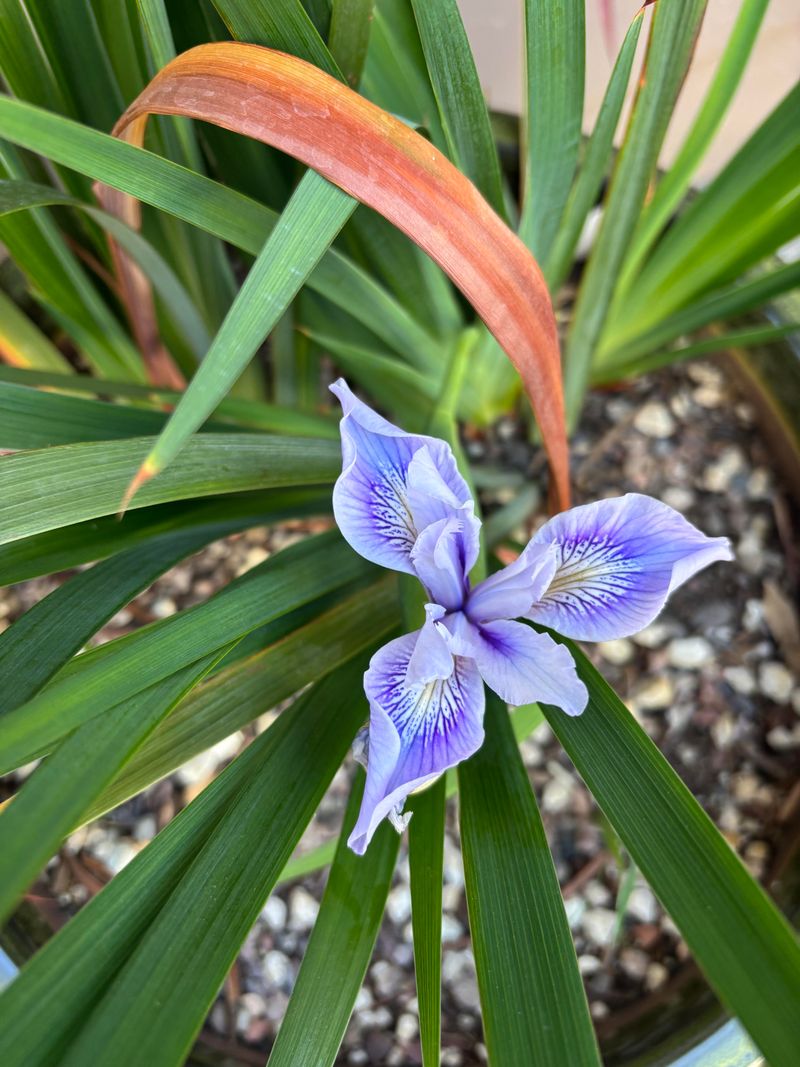
Once the blooms drop off, the flower stalks serve no purpose for the plant. Removing them is one of the few things you should do right after flowering ends.
It is a simple task, and it makes a real difference for the plant’s health.
Faded stalks left on the plant can sometimes attract pests or develop mold, especially in the wet coastal climates of Oregon and Washington. Removing them keeps things clean and reduces those risks.
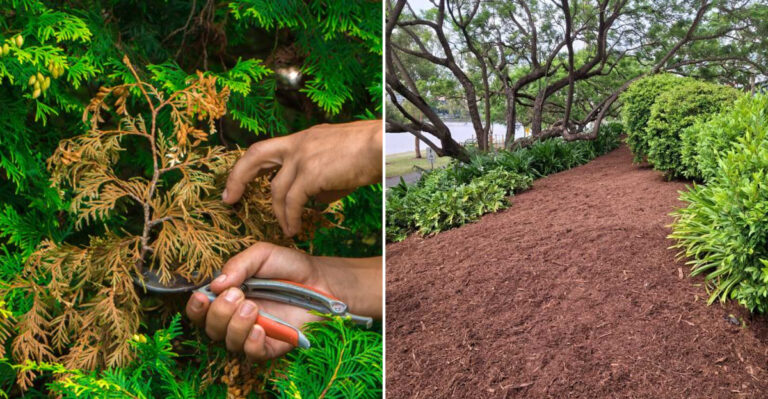
Use clean, sharp scissors or pruning shears and cut the stalk as close to the base as possible without cutting into the surrounding leaves.
There is another good reason to remove spent stalks early. If the plant is allowed to form seed pods, it uses extra energy to produce and ripen those seeds.
For most home gardeners who are not trying to collect seeds, removing the stalks prevents that energy drain.
Be careful not to pull the stalk out by hand. Yanking can disturb the rhizomes or accidentally remove nearby leaves.
A clean cut is always the better option.
Removing faded stalks also makes the garden look much neater without harming the plant at all. You get the tidy appearance you want while keeping all those energy-producing green leaves fully intact.
It is a win for both you and the plant.
4. Trim Damaged Tips Sparingly
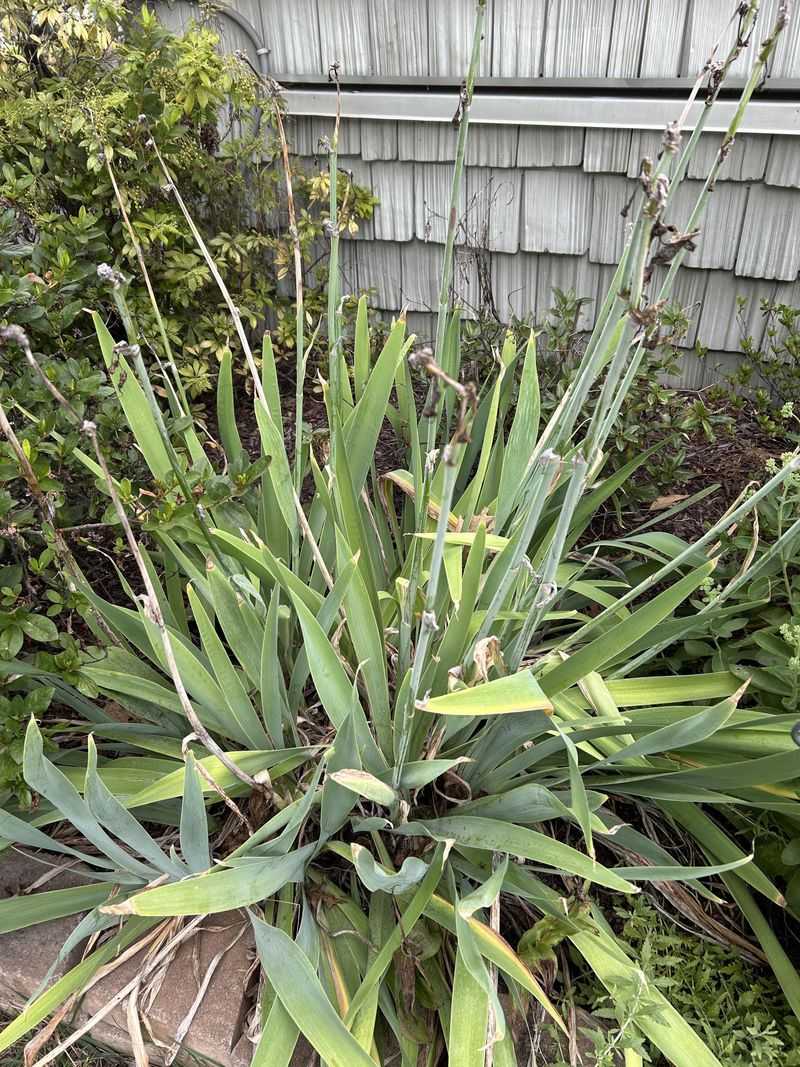
Sometimes Oregon Iris leaves develop brown or split tips during or after the flowering season. Wind, dry weather, or minor pest damage can cause this, especially in inland parts of Oregon where summers get warm and dry.
Trimming those damaged tips is fine, but you need to do it carefully.
The goal is to remove only the damaged portion of the leaf, not the whole thing. Use sharp, clean scissors and cut at an angle that mimics the natural leaf tip shape.
This keeps the plant looking tidy while preserving as much of the leaf surface as possible for photosynthesis.
Avoid cutting more than the damaged section. Every bit of green leaf that remains is still contributing energy to the rhizomes below.
Even a leaf that is half brown at the tip is still doing useful work with the green part that remains.
Some gardeners get carried away and trim too much because they want the plant to look perfect. That kind of over-trimming can stress the plant, especially during a warm Oregon summer when it is already working hard to stay hydrated.
A light touch is always best. Trim only what is clearly dead or damaged, then step back and let the plant do its thing.
Minimal interference is the smartest approach when it comes to managing Oregon Iris leaf tips during the growing season.
5. Wait Until Fall Cleanup
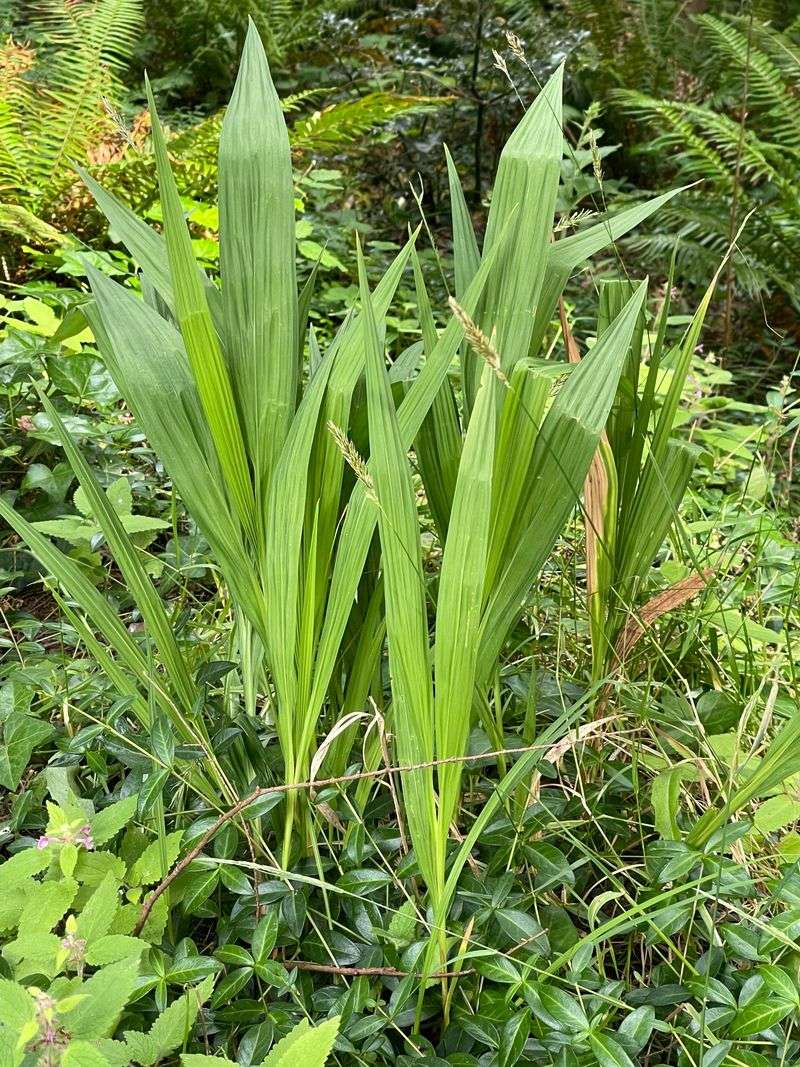
Fall is when things finally start to shift for Oregon Iris in the Pacific Northwest. As temperatures cool and daylight shortens, the leaves begin to yellow and brown naturally.
That is your signal that the plant has finished its active growing cycle for the year.
Most gardeners in Oregon find that this natural browning happens sometime between September and October, depending on location and weather patterns. Coastal areas may stay green a little longer than drier inland regions.
Watch the plant rather than the calendar for the best timing.
Once the leaves start to look mostly yellow or brown, it is safe to begin your fall cleanup. By this point, the rhizomes have had the full season to build up their nutrient reserves.
Removing the old foliage now will not hurt the plant at all.
Fall cleanup also helps prevent slugs, snails, and other pests from using old leaf debris as shelter over winter. In the damp climate of western Oregon, this is especially important.
Removing old leaves reduces hiding spots and keeps pest populations lower heading into spring.
Waiting for fall is the patient gardener’s reward. You give the plant everything it needs to thrive, and then you tidy up at exactly the right moment.
Timing your cleanup with the plant’s natural cycle is always more effective than following a fixed date on the calendar.
6. Cut Back After Frost
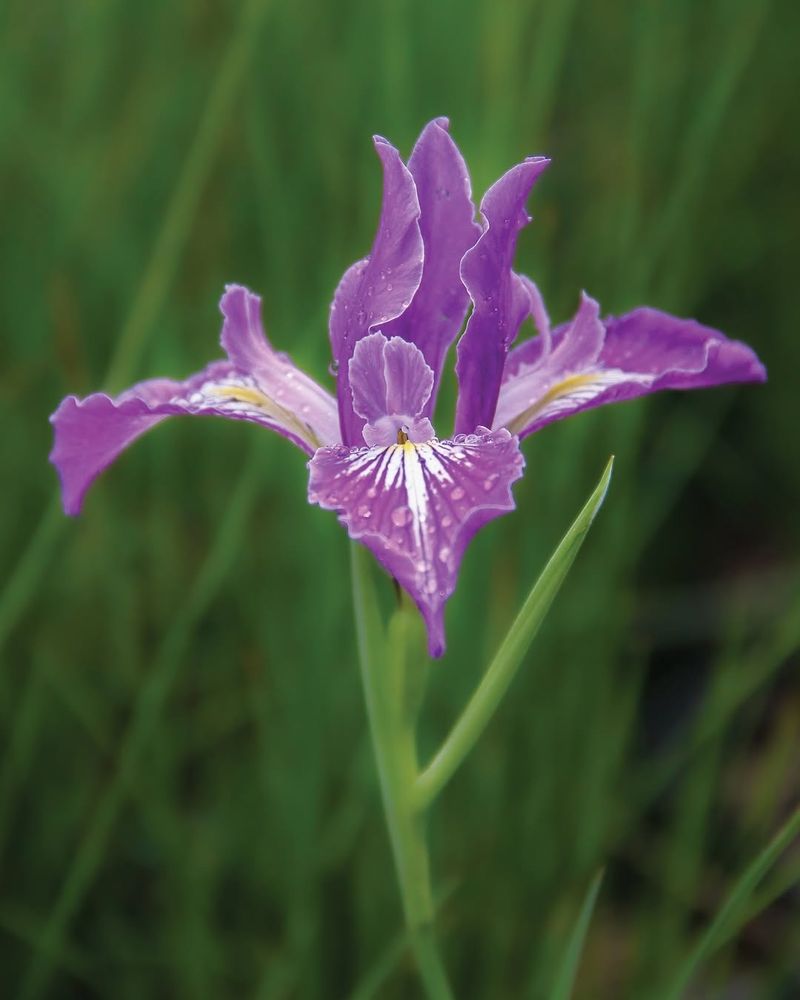
In many parts of Oregon, the first frost of the season is the clearest sign that it is time to cut back Oregon Iris leaves. Frost finishes off whatever green tissue remains in the leaves, turning them fully brown and papery.
At that point, the plant has gone completely dormant and the leaves have nothing left to offer.
Cutting back after the first frost is a reliable method because it removes all guesswork. You do not have to wonder whether the leaves are still feeding the rhizomes.
Once frost has hit, that process is done for the year. The plant is resting underground, ready to wait out the cold months.
Use clean pruning shears and cut the leaves back to about two to three inches above the ground. Do not cut all the way to the soil surface.
Leaving a small stub helps protect the crown of the plant from potential cold damage during harsh winters in higher elevation parts of Oregon.
After cutting, clear away the trimmings from the garden bed. Leaving them in place can create a damp, matted layer that encourages mold and provides shelter for pests over winter.
Cutting back after frost feels satisfying because it is a clear, purposeful task with a defined moment. It wraps up the gardening season neatly and sets your Oregon Iris up for strong regrowth when warmer weather returns in spring.
7. Clear Away Old Foliage
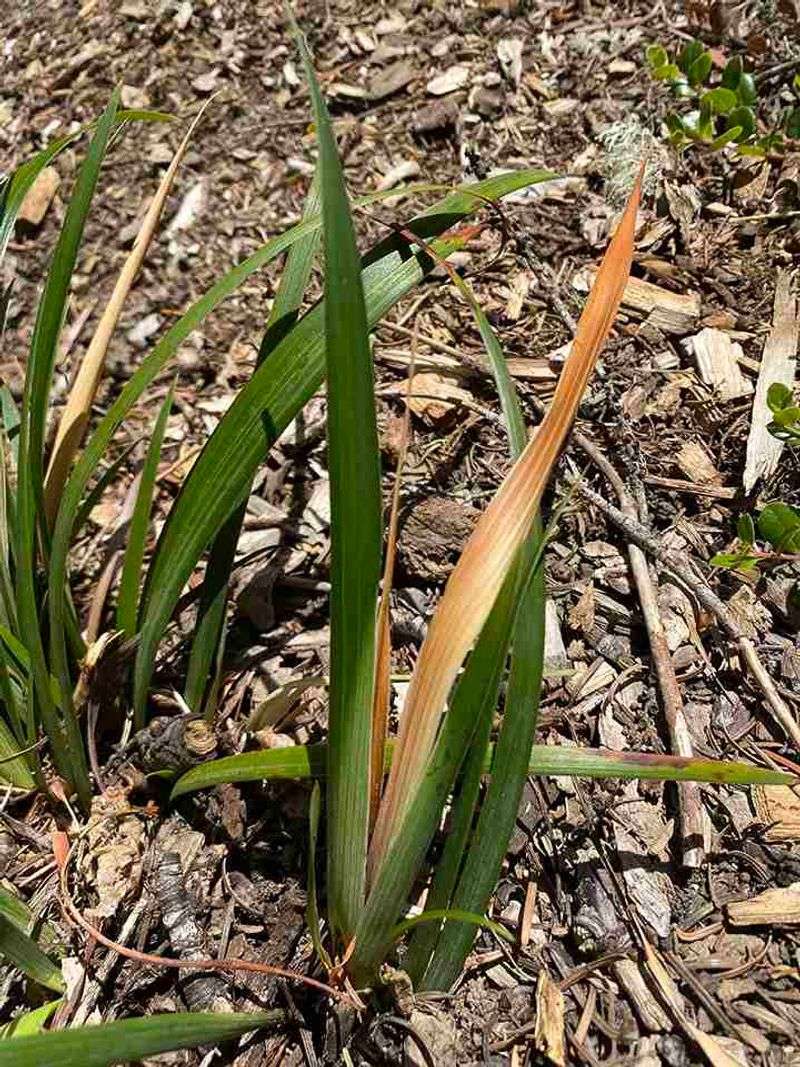
After cutting back Oregon Iris leaves, clearing the old foliage away from the garden bed is just as important as the cutting itself. Old plant material left on the soil surface can create problems that follow the plant into the next growing season.
Damp, decomposing leaves provide the perfect hiding spot for slugs, which are a serious issue in the wet winters of western Oregon and coastal areas of the Pacific Northwest. Removing the debris takes away that shelter and gives you a head start on pest management before spring even arrives.
Old foliage can also harbor fungal spores. When it sits wet against the soil all winter, those spores can spread to nearby plants or infect the rhizomes just below the surface.
A clean garden bed reduces that risk significantly.
Toss the cleared foliage into your compost pile if it looks healthy and free of disease. Diseased material should go into yard waste rather than compost to prevent spreading any problems.
Either way, getting it off the garden bed is the priority.
Once the bed is cleared, you can add a light layer of mulch around the plants to help protect the rhizomes through winter. Just keep the mulch thin and loose so it does not trap excess moisture against the crown.
A clean, lightly mulched bed is the best way to send your Oregon Iris into winter in great shape.