Should You Fertilize Crape Myrtle In Georgia This April
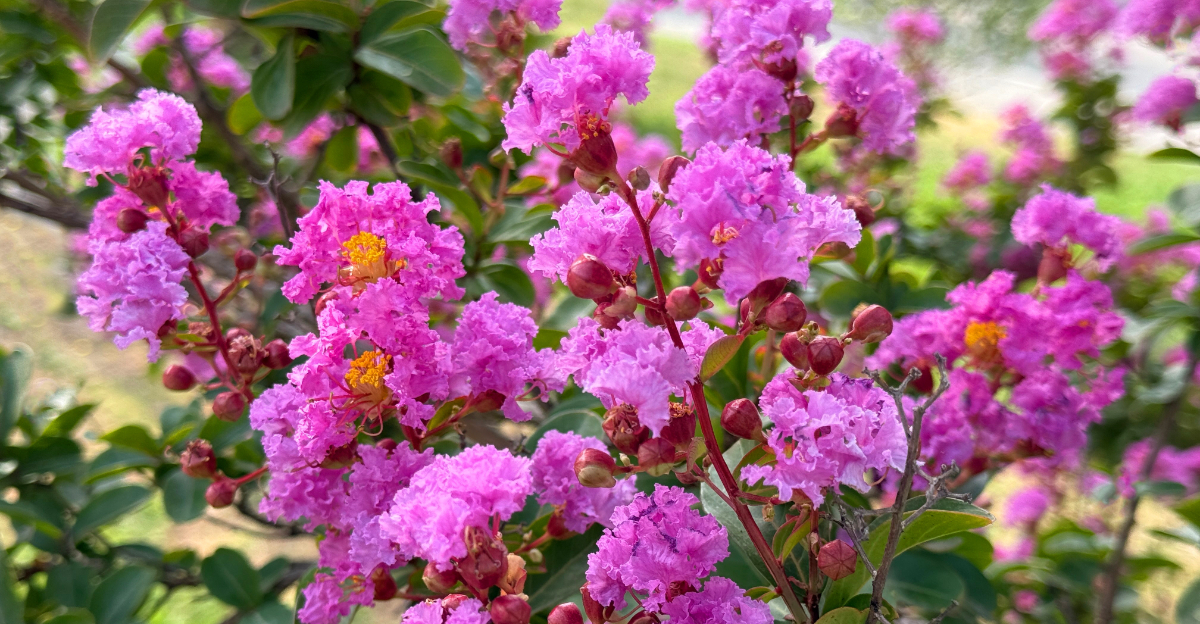
Crape myrtles in Georgia can look ready for a boost in April, especially when new growth starts to show along the branches. It is easy to assume fertilizer will help push stronger blooms and fuller growth at this stage.
Timing matters more than it seems, and early feeding does not always lead to better results. Some trees respond with uneven growth or put energy in the wrong places when nutrients go in at the wrong moment.
Each tree can sit at a slightly different stage, even within the same yard, which makes a one time approach less reliable. What works for one may not match another just a few steps away.
The real answer depends on what the tree shows right now and how far along it has moved into active growth.
1. Fertilize In Early To Mid April As New Growth Begins
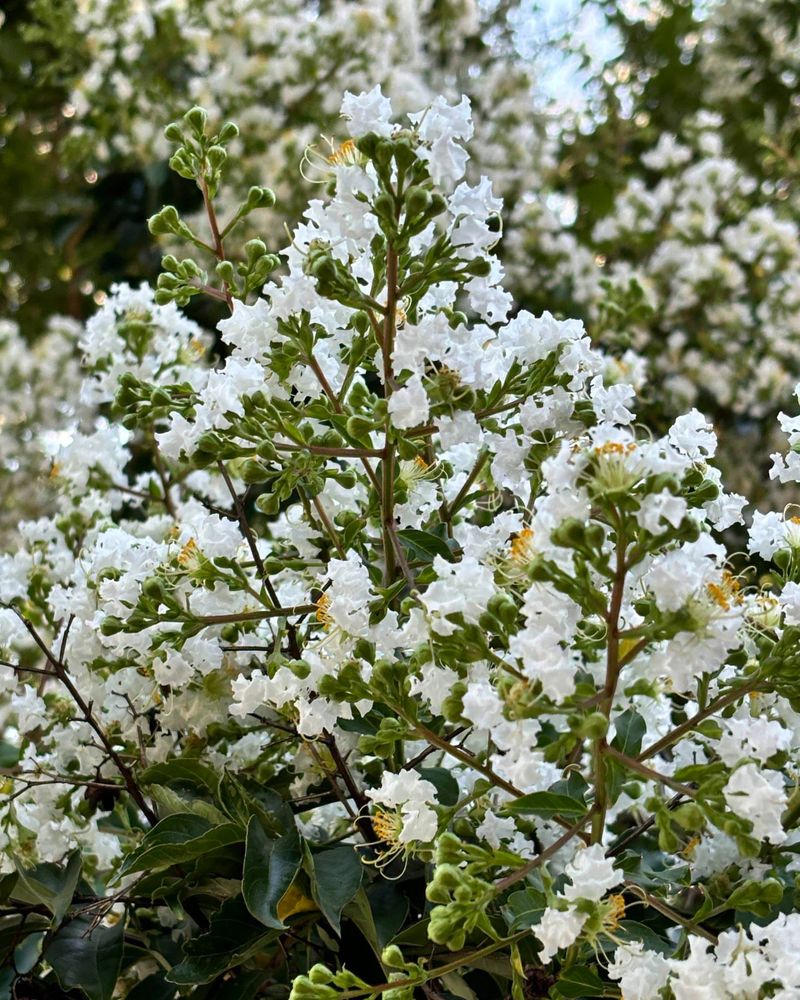
Watching those first tiny green buds push out on your crape myrtle is basically your signal to act.
Early to mid-April is when crape myrtles in Georgia start actively pulling nutrients from the soil, so applying fertilizer at this point actually makes sense instead of just sitting in the ground unused.
Before the leaves fully unfurl, the root system is already working hard underground. Feeding at this stage gives the plant something to work with as it shifts into full growth mode.
Waiting too long means the tree is already spending energy it does not have yet.
Soil temperature in Georgia typically reaches a workable range by early April across most of the state, especially in the central and southern regions.
North Georgia gardens may run a week or two behind, so watch the actual growth on your tree rather than going strictly by the calendar date.
A light application of a balanced fertilizer around the drip line, not right against the trunk, works well at this stage. Broadcast it evenly and avoid piling it up in one spot.
Uneven feeding can create patchy growth that looks awkward through the season.
Crape myrtles respond better to consistent, measured inputs than to heavy one-time doses. Starting the season with a modest, well-timed feed sets a better pace than overloading the tree right out of the gate.
Think of it less like a boost and more like a steady, reliable start to the growing season ahead.
2. Avoid Fertilizing Before Leaves Fully Start Expanding
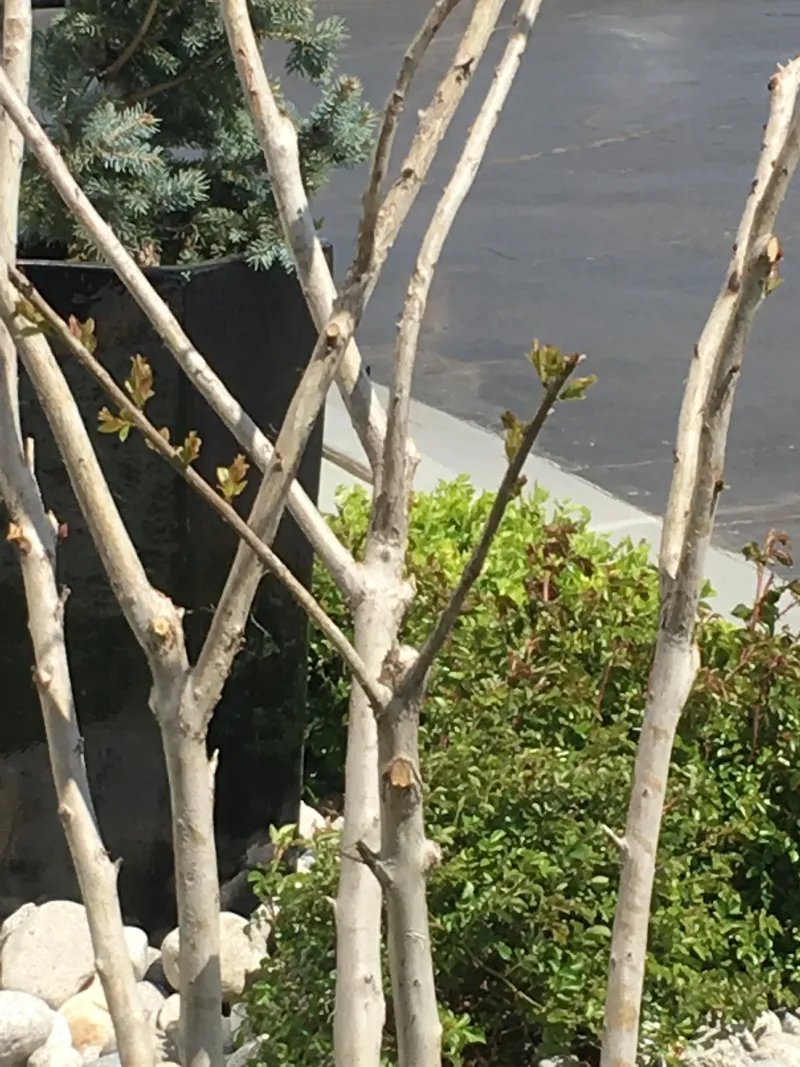
Jumping the gun with fertilizer is a common mistake, and it happens more than most gardeners admit.
Applying nutrients before the tree is actively growing means those nutrients just sit in the soil, exposed to rain and runoff, without doing much good for the plant itself.
Crape myrtles go through a brief window in early spring where buds are swelling but leaves have not started expanding yet. At that point, the plant is not really pulling nutrients through the roots in any meaningful way.
Fertilizing too early can actually encourage competing weeds more than it helps the tree.
Georgia winters are mild compared to states further north, but crape myrtles still take their time waking up. Even in warm years, the tree needs a few weeks of consistently warmer nights before its root activity picks up enough to process fertilizer efficiently.
Patience during this phase pays off later.
A good rule of thumb is to wait until you can see actual leaf tissue starting to unfold, not just bud swell. Once small leaves are visibly opening and expanding, the tree is ready to use what you give it.
That shift usually happens somewhere between early and mid-April in most parts of Georgia.
Skipping early applications also helps you avoid wasting product. Fertilizer costs money, and applying it before the plant can use it is basically feeding the ground instead of the tree.
Waiting a little longer puts those nutrients exactly where they need to go.
3. Use A Balanced Fertilizer To Support Healthy Spring Growth
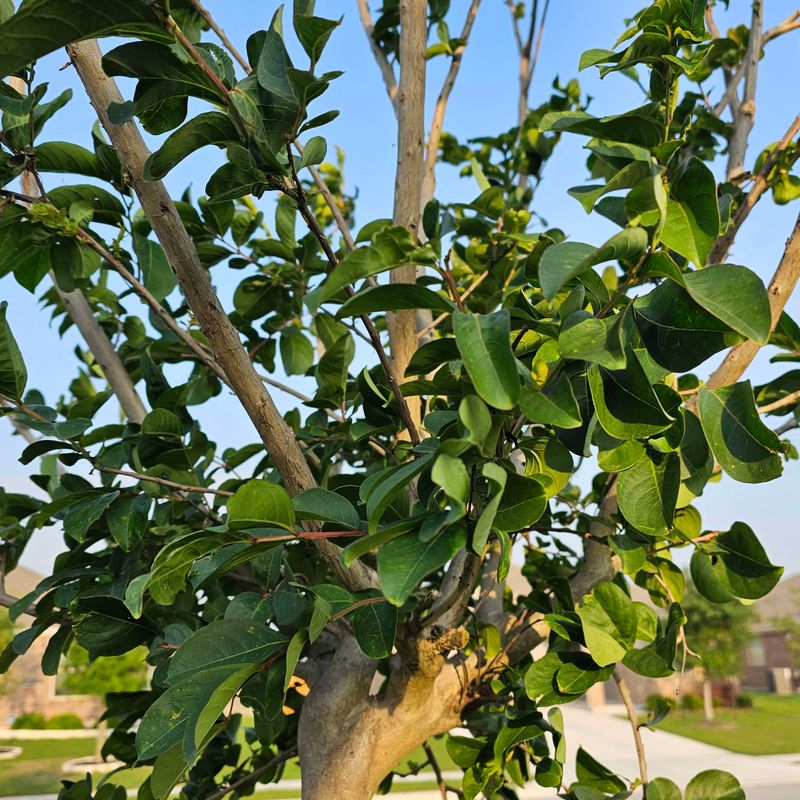
Not all fertilizers work the same way, and choosing the wrong one for crape myrtles can create more problems than it solves.
A balanced formula, something like a 10-10-10 or similar ratio of nitrogen, phosphorus, and potassium, gives the tree what it needs without pushing any one type of growth too hard.
Nitrogen drives leafy, green growth. Phosphorus supports root development and flowering.
Potassium helps with overall plant strength and stress resistance. When those three are balanced, the tree gets a well-rounded nutritional boost rather than a lopsided one that favors leaves over blooms.
High-nitrogen fertilizers are tempting because they green things up fast and visibly. But crape myrtles fed too much nitrogen often produce dense, lush canopies with fewer flower clusters.
Georgia summers are already hot enough to push good bloom production, so you want to support that natural tendency rather than work against it.
Slow-release granular options are especially practical for Georgia gardeners because they break down gradually through spring rains and warming soil.
A single application in mid-April can carry the tree through several weeks without needing a second feeding right away.
That steady release tends to match the tree’s actual growth pace more closely than a liquid feed does.
Always read the label before applying any product. Rates vary by brand and formulation, and using more than recommended does not speed things up.
It can actually stress the roots, particularly in sandy or well-drained Georgia soils where nutrients move through quickly.
4. Skip Heavy Feeding To Prevent Excess Leaf Growth Over Blooms
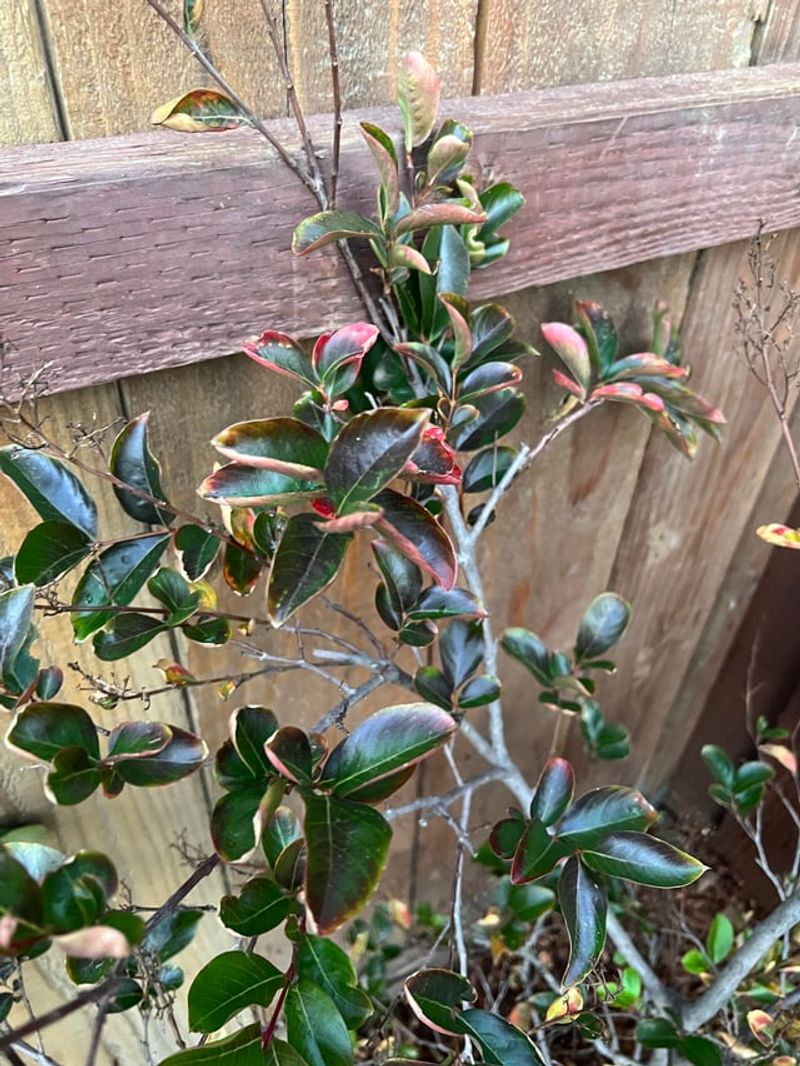
Heavy feeding sounds productive, but crape myrtles do not respond well to excess.
Pushing too many nutrients into the soil at once, especially nitrogen-heavy products, tends to redirect the tree’s energy away from flowering and into producing more leaves and stems instead.
Crape myrtles naturally want to bloom. That is one of the reasons Georgia gardeners love them so much.
But that flowering instinct gets suppressed when the tree has more leafy growth to support than it can manage alongside its blooming cycle. Keeping the feeding modest helps maintain that balance.
Overfed trees can also become more attractive to certain insects and fungal issues. Soft, lush new growth produced by heavy nitrogen applications is more vulnerable than the firmer growth that develops at a natural pace.
In Georgia’s humid summer climate, that extra vulnerability can turn into real headaches by June or July.
A single, well-timed application of a balanced fertilizer in April is usually enough to carry most crape myrtles through the early season. Adding more on top of that within a short window does not proportionally improve results.
Trees have limits on what they can actually absorb and use efficiently.
Restraint is genuinely underrated in crape myrtle care. Gardeners who feed lightly and consistently over several years often end up with healthier, better-blooming trees than those who apply heavy doses hoping for dramatic results.
Less really can be more when it comes to fertilizing these trees in Georgia’s already nutrient-active spring soil.
5. Water After Fertilizing To Help Nutrients Reach The Roots
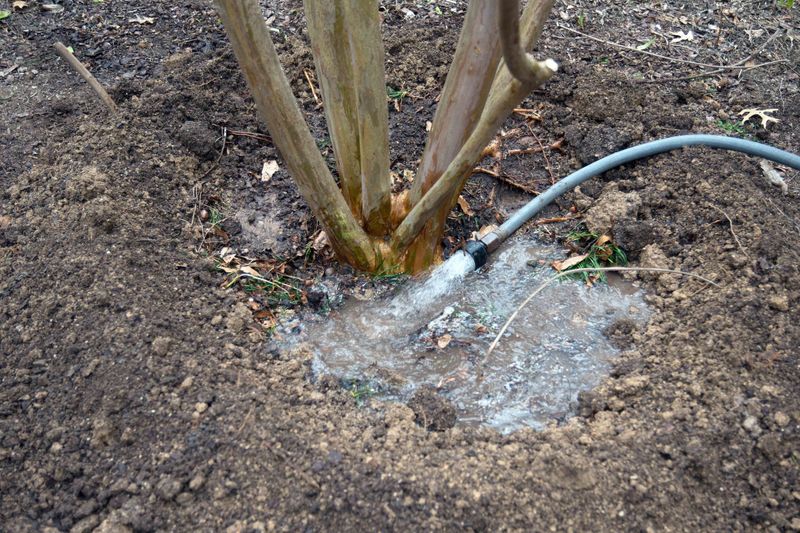
Applying fertilizer and walking away is only half the job. Without water, granular fertilizer just sits on the soil surface, exposed to sun and wind, without ever getting to where the roots can actually reach it.
Watering right after application is one of the simplest steps people skip.
A thorough soak after fertilizing helps dissolve the granules and move nutrients down into the root zone.
Crape myrtle roots spread out wide and relatively shallow, so the goal is to get moisture and dissolved nutrients across a broad area rather than concentrating it in one spot near the trunk.
Georgia springs can be unpredictable. Some years April brings plenty of rain, and other years it stays dry for stretches at a time.
If rain is not expected within a day or two of your application, watering manually is the smarter move rather than waiting and hoping the weather cooperates.
Sandy soils, which are common in parts of south and central Georgia, drain quickly and may need a slightly deeper watering to push nutrients far enough down.
Clay-heavy soils in north Georgia retain moisture longer but can also hold fertilizer near the surface if not watered in properly.
Knowing your soil type helps you adjust your approach.
Consistent soil moisture through April also supports the overall health of the tree as it pushes new growth.
Fertilizer and water work together, and neither one alone is as effective as both applied in the right order at the right time during this important spring window.
6. Do Not Fertilize Late In The Month If Growth Is Already Strong
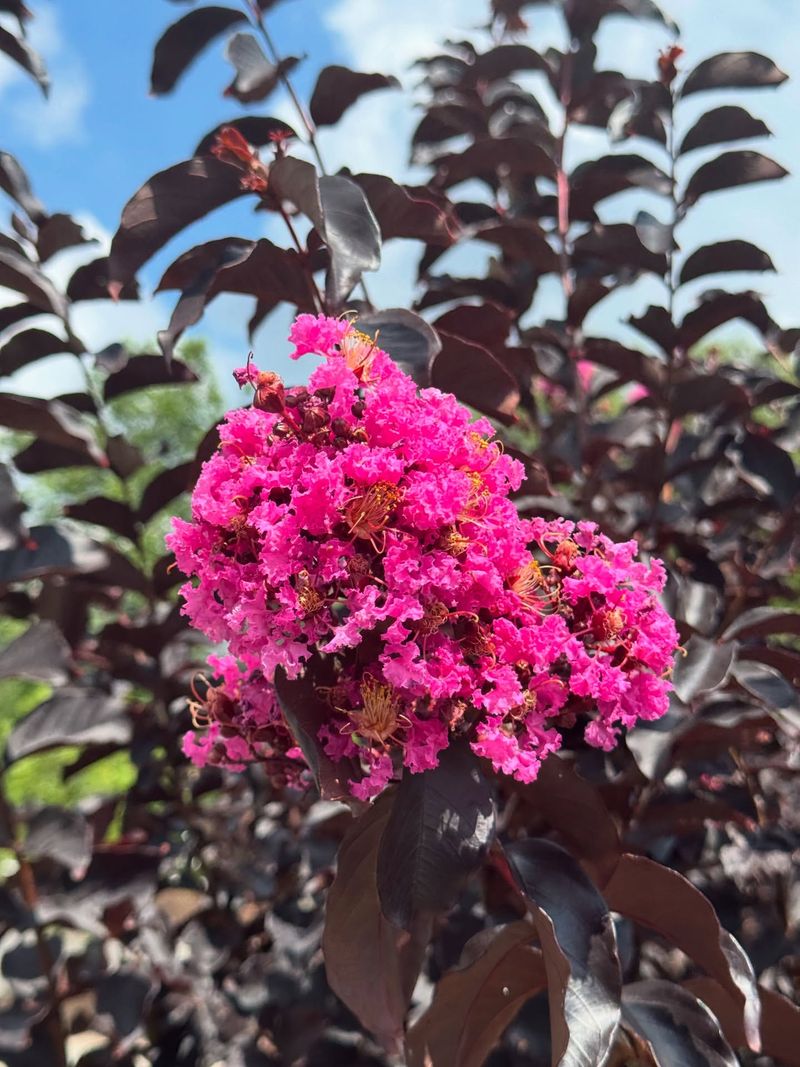
Strong, healthy growth by late April is actually a sign to back off, not pile on more fertilizer. If your crape myrtle is already leafing out vigorously with good color and solid new shoot development, the tree has what it needs for now.
Adding fertilizer on top of that momentum rarely improves things.
Late-month feeding when growth is already robust can push the tree into an overly vegetative phase heading into May. At that point, you want energy shifting toward flower bud development, not more leaf production.
Feeding again too soon can interfere with that natural seasonal transition.
Georgia crape myrtles that get a good early-April feeding and are growing well by late April have typically absorbed what they need from that first application.
Slow-release products especially continue feeding through May and into early summer, so a second application that quickly is often redundant rather than helpful.
Checking the actual growth on your tree is more reliable than following a rigid schedule. Some trees in particularly fertile Georgia soils may only need one feeding per season.
Others in sandy, nutrient-poor ground might benefit from a second light application in May or early June. The tree tells you more than the calendar does.
Skipping a late-April application when things look strong also reduces the risk of encouraging the soft, fast growth that fungal issues favor in Georgia’s warm, humid conditions.
Letting the tree settle into a natural pace after a good early feed is often the most practical choice a gardener can make in this region.
7. Established Trees Often Need Less Fertilizer Than New Plantings
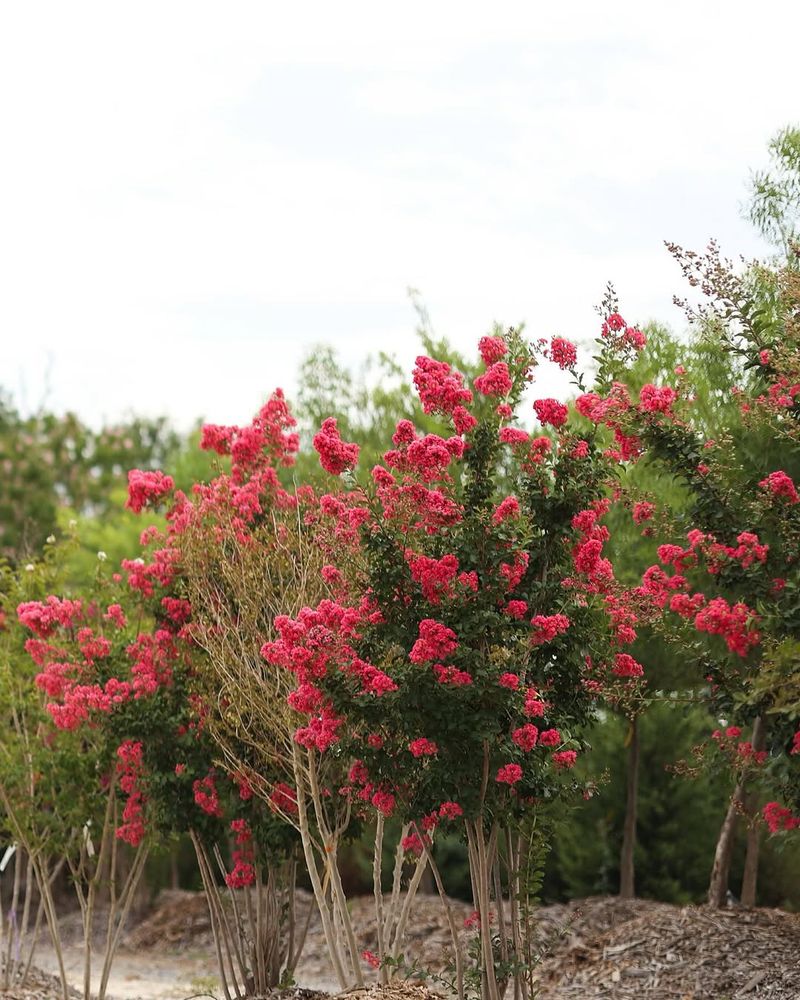
A crape myrtle that has been in the ground for several years has already built an extensive root system that pulls nutrients from a much wider area of soil than a new planting can.
Treating a mature tree the same way you treat a first-year sapling usually leads to overfeeding without any meaningful benefit.
New plantings genuinely need more support during their first couple of seasons. Roots are still establishing, the canopy is small, and the tree is working hard just to get anchored and stable.
A monthly light application from spring through midsummer, as recommended by the University of Georgia Extension, gives young trees a helpful push without overwhelming them.
Mature crape myrtles in Georgia often perform fine with a single annual application of a balanced fertilizer in spring. Some do well with no supplemental feeding at all if they are growing in decent soil with regular moisture.
Overfeeding mature trees year after year can actually lead to imbalanced growth patterns and reduced bloom quality over time.
Soil testing is genuinely useful here. A basic test from a Georgia county extension office can tell you whether your soil is already supplying adequate nutrients.
If nitrogen and phosphorus levels are already solid, adding more on top of that is unnecessary and potentially wasteful for both your budget and the tree.
Age and size matter when planning any fertilizer program.
Adjust your approach based on how long the tree has been in the ground, how it is currently performing, and what your soil is actually providing rather than applying the same amount to every tree regardless of its stage of growth.