Should You Fertilize Your Ohio Lawn In April
April hits and suddenly every lawn in Ohio starts waking up at once, patches greening up, growth picking up, and that urge to fertilize kicking in fast. It feels like the obvious move, but this is where many homeowners get it wrong without even realizing it.
Spring timing in Ohio is a bit of a balancing act. Cool season grasses are coming out of winter dormancy, soil temperatures are rising, and growth is just getting underway.
Adding fertilizer too early or using the wrong type can push weak top growth instead of building a stronger root system. Wait too long and you miss a key window to support steady, healthy development.
The goal in April is not just greener grass, it is setting up a lawn that can handle heat, foot traffic, and summer stress without constant fixes later on.
1. April Fertilizing Often Creates More Problems Than Benefits
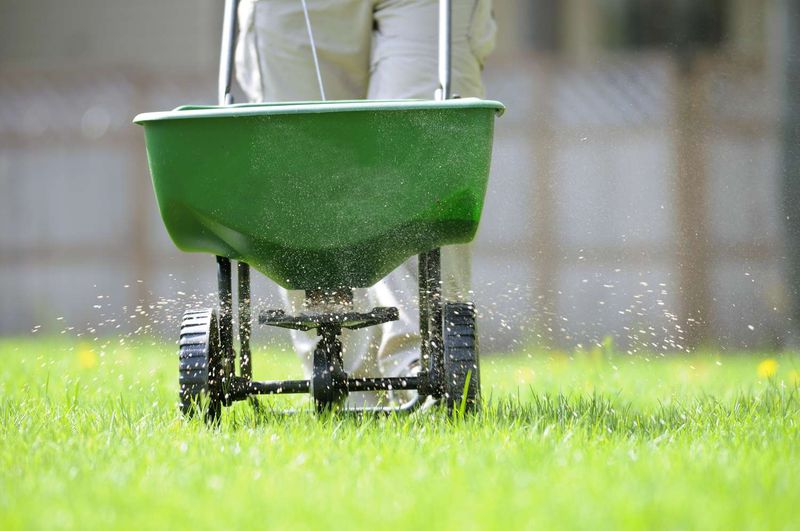
Most homeowners see green shoots poking up in early April and assume the lawn is ready for a big nutrient boost. That instinct feels right, but it often leads to more frustration than results.
Ohio’s spring weather is unpredictable, and fertilizing too early can push your lawn in the wrong direction before it has the strength to handle it.
Cool-season grasses like Kentucky bluegrass and tall fescue are just waking up in April. Their root systems are still shallow and recovering from winter dormancy.
Applying fertilizer at this stage forces the plant to redirect energy toward rapid blade growth rather than rebuilding a deep, sturdy root system.
According to Ohio State University Extension, light applications timed to soil conditions are far safer than heavy spring feeding.
Over-fertilizing in April also raises the risk of disease pressure, including Brown Patch and Pythium Blight, both of which thrive when lush, soft grass tissue meets Ohio’s wet spring conditions. Patience here pays off with a stronger, more resilient lawn through summer.
2. Soil Temperature Drives Lawn Growth More Than The Calendar
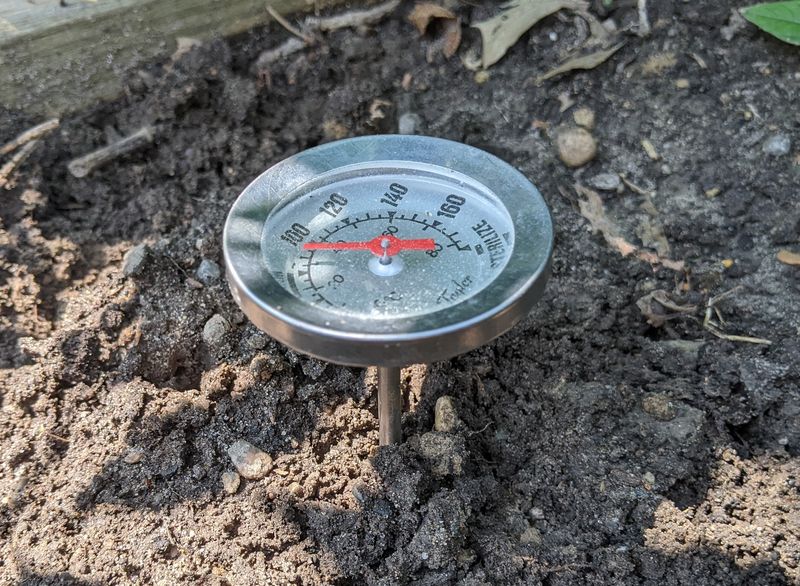
Flipping to April on the calendar does not mean your lawn is ready for fertilizer. The real signal comes from underground.
Soil temperature is the single most reliable indicator of whether cool-season grasses can actually absorb and use the nutrients you apply.
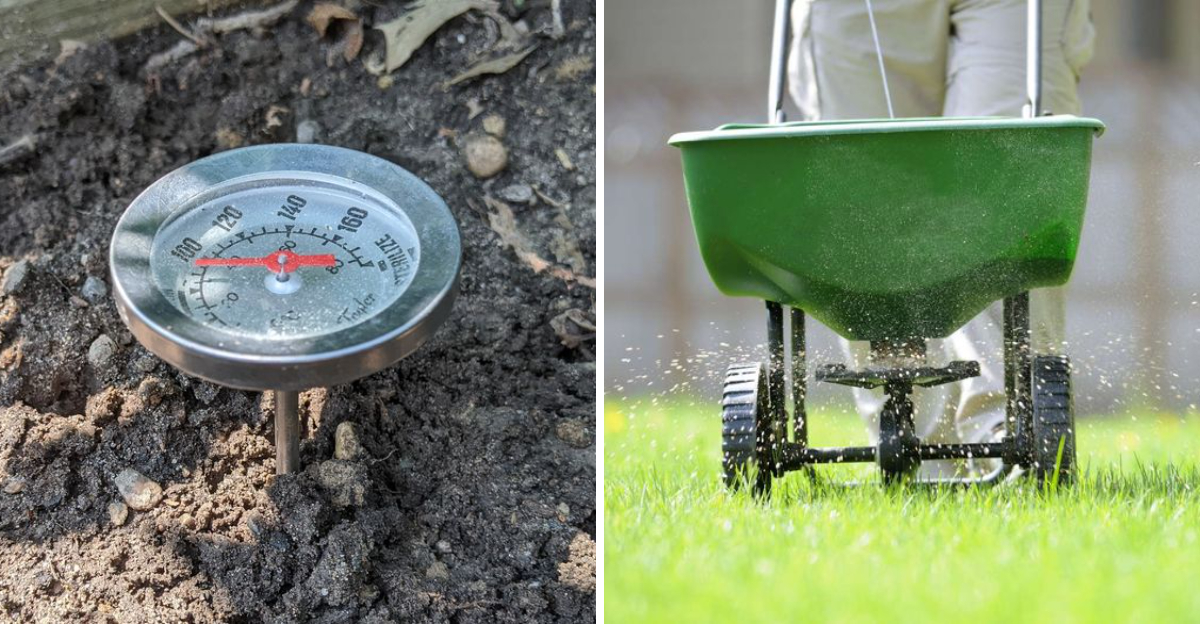
OSU Extension recommends waiting until soil temperatures consistently reach 50 to 55 degrees Fahrenheit before applying any spring fertilizer. Below that threshold, grass roots are sluggish, and nutrients sit in the soil without being taken up effectively.
In Ohio, soil temperatures at a four-inch depth often stay below 50 degrees well into April, especially in northern parts of the state.
Checking soil temperature is easier than most people think. Inexpensive soil thermometers are available at most garden centers, and several Midwest extension services publish real-time soil temperature maps updated throughout the season.
Taking a reading in the morning, when temperatures are most stable, gives you the most accurate picture. Fertilizing based on actual soil conditions rather than a date on the calendar removes a lot of guesswork and protects your investment in lawn care products.
3. Cool Season Grasses Grow Differently In Early Spring

Ohio lawns are dominated by cool-season grasses, and understanding how they behave in early spring changes everything about how you care for them.
Kentucky bluegrass, tall fescue, and perennial ryegrass all share a similar growth pattern: they surge in cool weather, slow down in summer heat, and then pick back up again in fall.
In early spring, these grasses prioritize shoot growth over root development. That flush of green you see in March and April is real, but it is driven largely by stored carbohydrates from the previous fall, not by active root uptake.
The root system is still catching up, which is why pushing growth too hard with fertilizer at this stage can backfire.
Tall fescue tends to green up a bit earlier than Kentucky bluegrass and handles spring variability reasonably well. Bluegrass, on the other hand, is slower to establish spring momentum and particularly sensitive to nutrient overload during this recovery phase.
Perennial ryegrass greens up quickly but can become overly lush with excessive nitrogen.
Knowing your grass type helps you make smarter decisions about if and when a light April application makes sense for your specific yard.
4. Early Nitrogen Pushes Weak And Excessive Top Growth
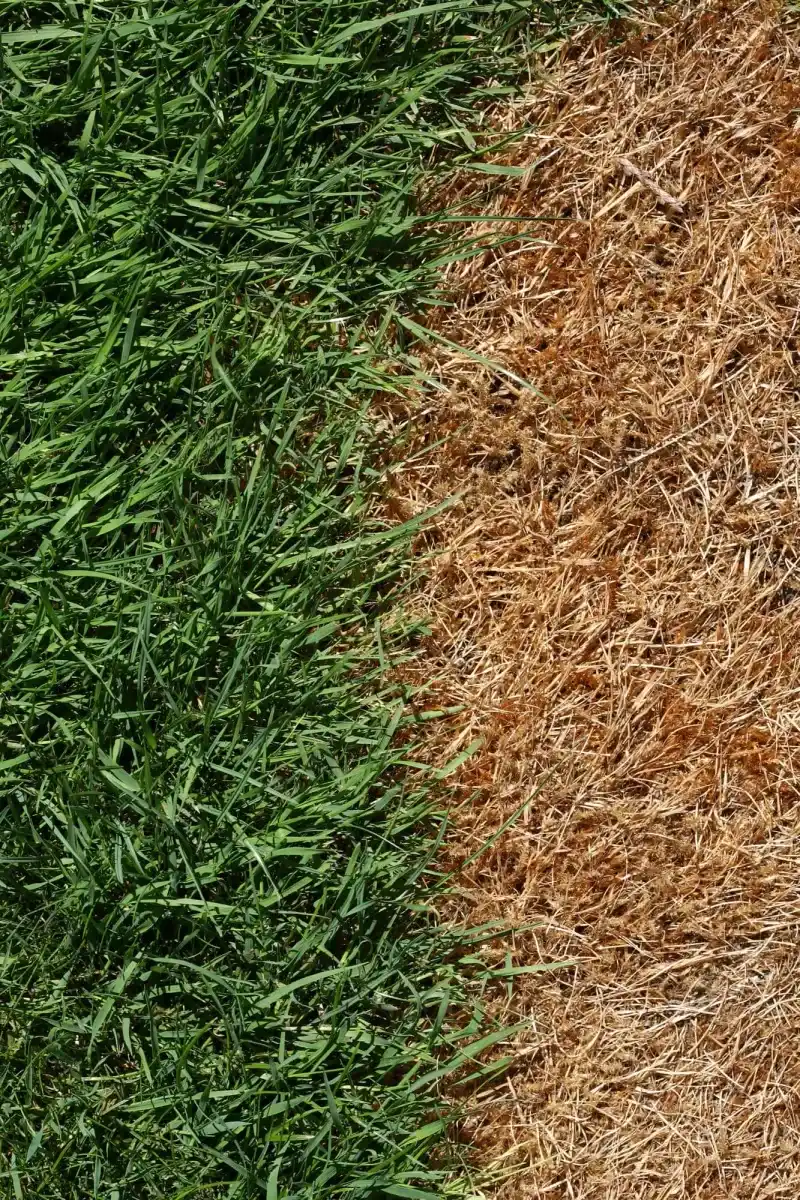
Nitrogen is the nutrient most associated with green, fast-growing grass. It works, but timing changes everything about whether that growth helps or hurts.
When nitrogen hits cool-season grass roots in early April before the soil has fully warmed, the result is often a burst of soft, weak blade growth that looks impressive for a week or two and then creates real problems.
That rapid top growth comes at a direct cost to the root system. The plant pulls stored energy upward to feed new blades, leaving roots thin and shallow.
A shallow-rooted lawn going into Ohio’s dry summer months struggles with heat, drought, and disease in ways that a well-rooted lawn simply does not.
Turf scientists describe this as a carbohydrate drain, where the plant depletes its reserves feeding surface growth instead of building structural strength below ground. The lush blades also hold moisture longer, which creates ideal conditions for fungal diseases.
OSU Extension guidance consistently points to light, slow-release nitrogen as the only reasonable spring option if you fertilize at all in April.
Heavy, fast-release nitrogen applications in early spring are one of the most common and costly mistakes Ohio homeowners make.
5. Spring Rainfall Influences How Nutrients Move Through Soil

Ohio springs are notoriously wet. April rainfall totals across the state regularly exceed three to four inches, and that moisture plays a major role in what happens to fertilizer after it hits the soil.
Understanding how rain moves nutrients through the ground helps explain why spring fertilizing carries more risk than most homeowners expect.
When rainfall is heavy and frequent, water-soluble nitrogen can leach below the root zone before grass plants have a chance to absorb it.
That means the fertilizer you paid for ends up deep in the soil or running off into storm drains and waterways, providing no benefit to your lawn and potentially contributing to water quality issues.
Ohio’s clay-heavy soils in many regions can make drainage unpredictable, with some areas staying saturated for days after a rain event.
Timing a fertilizer application between rain events is harder than it sounds in April. A narrow window of dry weather followed by a heavy storm can wash away nutrients before roots absorb them.
Slow-release fertilizer formulas reduce this risk somewhat, but they do not eliminate it.
Checking a ten-day forecast before applying any spring fertilizer is a practical habit that can save you money and protect local water quality at the same time.
6. Poor Timing Encourages Weed Growth Across The Lawn
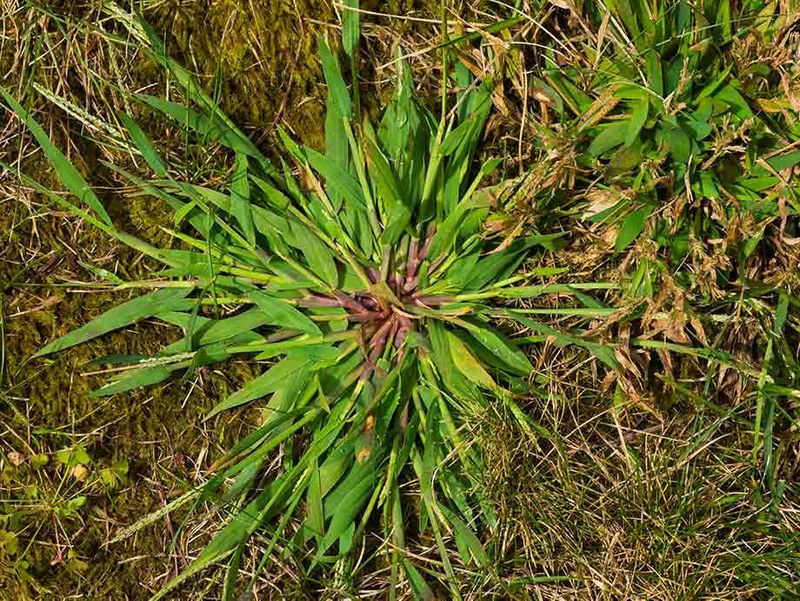
Fertilizer does not know the difference between your grass and the weeds growing alongside it. When you apply nutrients to a lawn that is not yet actively outcompeting weeds, you can accidentally give those unwanted plants a significant head start.
This is one of the less obvious but very real downsides of poorly timed spring fertilizing in Ohio.
Crabgrass, dandelions, and broadleaf weeds are opportunistic. They respond quickly to available nutrients, often faster than cool-season grasses in the early weeks of spring.
A nitrogen application in early April can fuel weed growth in thin or bare areas where your turf has not yet filled back in. Once weeds establish, they are much harder to manage without additional products and effort.
Pre-emergent herbicides used for crabgrass control also complicate the fertilizing timeline.
Many lawn care professionals recommend applying pre-emergent when soil temperatures approach 50 to 55 degrees, which often overlaps with the window some homeowners consider for spring fertilizing.
Applying fertilizer at the wrong time can disrupt this process or push grass growth in ways that reduce the effectiveness of weed control treatments. Coordinating both steps thoughtfully produces far better results than rushing either one.
7. Soil Testing Sets The Foundation For Accurate Fertilizing

Fertilizing without knowing your soil’s current nutrient levels is a lot like taking medicine without knowing what is wrong. You might get lucky, but you are just as likely to cause harm as to help.
A soil test removes that uncertainty and gives you a clear picture of exactly what your Ohio lawn needs before you spend money on products.
Ohio State University Extension offers affordable soil testing through their laboratory system. A basic test measures pH, phosphorus, potassium, and organic matter levels.
These results tell you whether your soil is acidic or alkaline, which directly affects how well grass roots can absorb nutrients even when fertilizer is present.
Many Ohio soils, particularly those with heavy clay content, run acidic and benefit from lime applications that no fertilizer can replace.
Collecting a soil sample is straightforward. Pull plugs from several spots around the yard, mix them together, and send the combined sample in for analysis.
Results typically come back with specific recommendations tailored to your soil conditions.
Testing every two to three years gives you an ongoing baseline. Homeowners who test regularly almost always spend less on lawn inputs over time because they are not guessing or over-applying products their soil does not actually need.
8. Fall Feeding Builds Stronger And Healthier Lawns
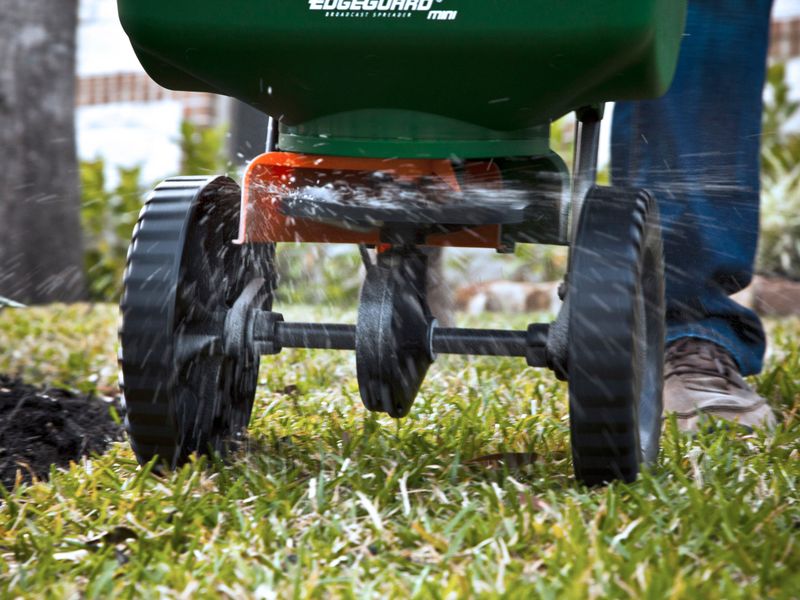
Ask any experienced Ohio lawn care professional when to fertilize cool-season grass, and the answer is almost always the same: fall.
September and October are the most productive and impactful windows for fertilizing Kentucky bluegrass, tall fescue, and ryegrass in Ohio, and the science behind that recommendation is straightforward.
During fall, cool-season grasses shift their energy focus from top growth to root development. Temperatures are dropping, days are shortening, and the plant instinctively prepares for winter by pushing carbohydrates and nutrients downward.
Fertilizing during this window feeds that natural process, helping roots grow deeper and store more energy reserves before the ground freezes.
A lawn that enters winter with deep roots and strong carbohydrate reserves greens up faster in spring, resists summer drought more effectively, and recovers from damage more quickly than one that relied heavily on spring feeding.
OSU Extension recommends a late-fall application in November as well, sometimes called a dormant feeding, which feeds the turf just before or after it goes dormant.
This timing puts nutrients in place to support early spring root activity without triggering the risky surge of top growth that an April application can cause. Fall feeding is simply the smarter long-term strategy for Ohio lawns.