Should You Fertilize Your Ohio Lawn In March (Most People Do It Too Early)
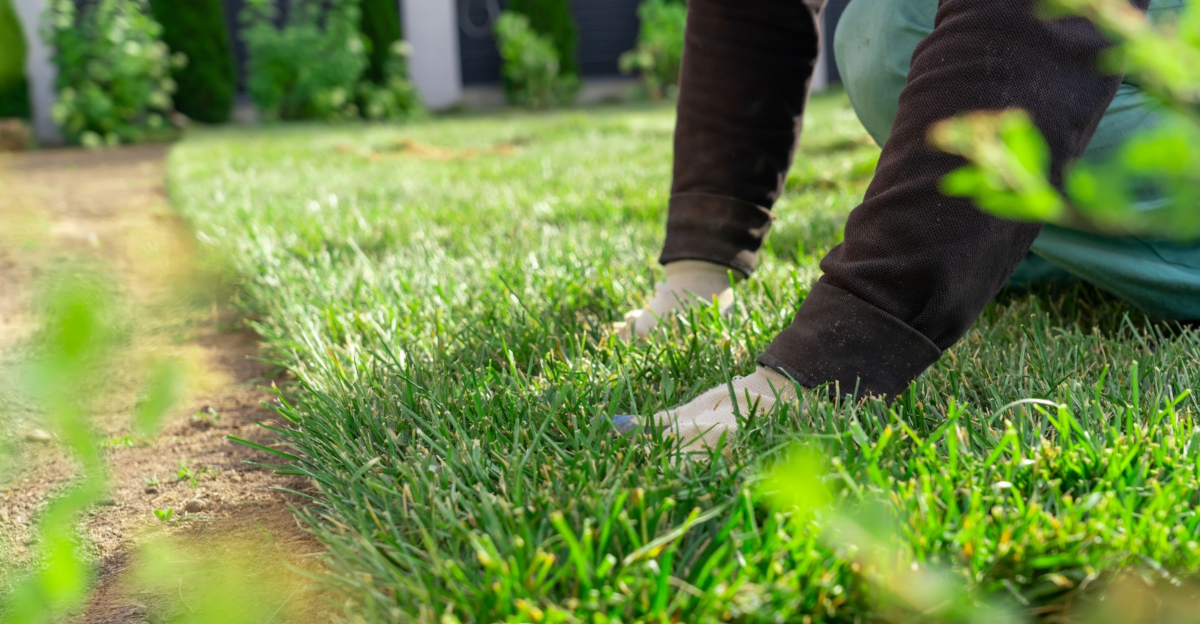
The first warm days of March have a way of making every Ohio lawn look a little hopeful again. Snow melts, patches of green start peeking through the brown, and suddenly the urge to grab a bag of fertilizer feels almost automatic.
Many homeowners rush out to feed their lawns the moment winter loosens its grip, convinced it will kickstart a thick, healthy carpet of grass.
The problem is that March fertilizing is one of the most common lawn care mistakes Ohio gardeners make.
Grass may look ready to grow, but the soil beneath it often tells a different story. When fertilizer goes down too early, much of it goes to waste, and it can even lead to weaker lawns later in the season.
Healthy turf depends far more on timing than many people realize. The real secret to a thick, green Ohio lawn is not more fertilizer.
It is knowing exactly when your grass actually starts growing.
1. March Fertilizing Often Starts Too Early For Ohio Lawns
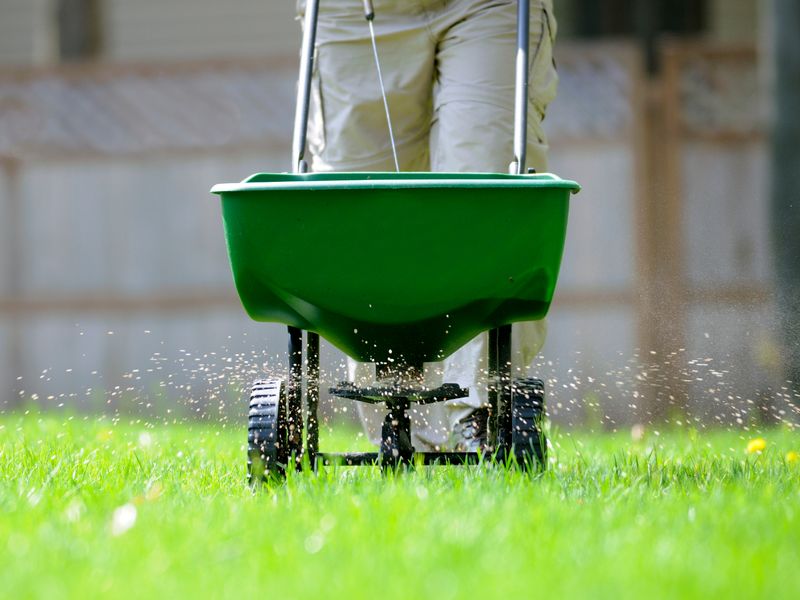
Walk through any Ohio neighborhood in early March, and you will likely spot a neighbor dragging out the spreader before the snow has even fully melted. The impulse makes sense, but timing matters more than eagerness when it comes to lawn fertilization.
Most Ohio lawns are covered in cool-season grasses like Kentucky bluegrass, perennial ryegrass, and fescue. These grasses follow a growth cycle tied closely to soil temperature, not the calendar date.
When soil temperatures are still hovering in the low 40s Fahrenheit, which is common across Ohio in early March, grass roots are barely active and cannot take in nutrients efficiently.
Fertilizer applied to cold, barely-growing turf does not get absorbed well. Instead, it can sit on the soil surface and wash away with rain or snowmelt, contributing to runoff into local waterways.
Ohio State University Extension advises homeowners to wait until the lawn shows clear signs of active growth before applying nitrogen-based fertilizers. Soil temperature is the real signal to watch, not the date on the calendar.
Waiting a few extra weeks can actually produce a healthier, greener lawn with far less waste and effort.
2. Cool Ohio Soil Temperatures Slow Nutrient Uptake
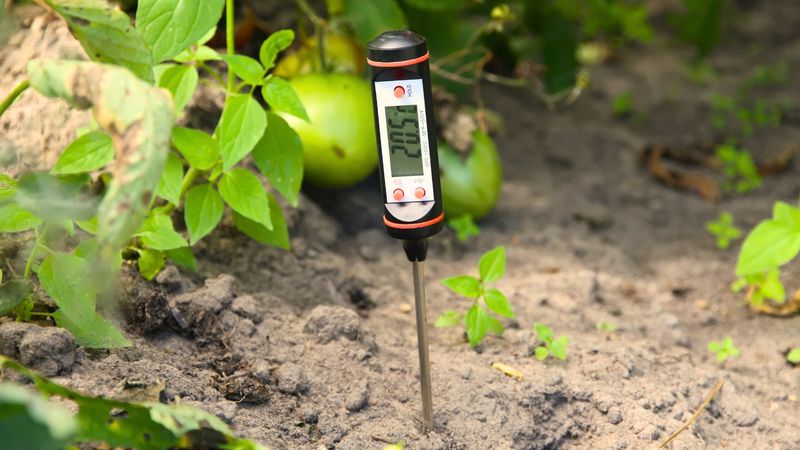
Grab a soil thermometer and push it into your Ohio lawn in early March, and you might be surprised by what you find. Soil temperatures across most of Ohio regularly sit between 38 and 48 degrees Fahrenheit during the first weeks of spring, well below the threshold grasses need to absorb nutrients effectively.
Grass roots rely on microbial activity and biological processes to take in fertilizer, and those processes slow way down in cold soil. Kentucky bluegrass and fescue, the most common Ohio lawn grasses, need soil temperatures of at least 50 to 55 degrees Fahrenheit before nutrient uptake picks up meaningfully.
According to Ohio State University Extension, soil temperatures in central Ohio typically do not reach that range until late March or even April, depending on the year.
Applying fertilizer before that threshold is reached means you are essentially wasting product and potentially contributing to water quality problems. Nitrogen that grass roots cannot absorb gets carried away by rain and snowmelt, ending up in streams and groundwater.
Checking soil temperature with an inexpensive thermometer takes just seconds and gives you a far more reliable signal than the date. Patience at this stage pays off with a stronger, healthier lawn later in the season.
3. Early Fertilizer Can Push Weak Spring Growth
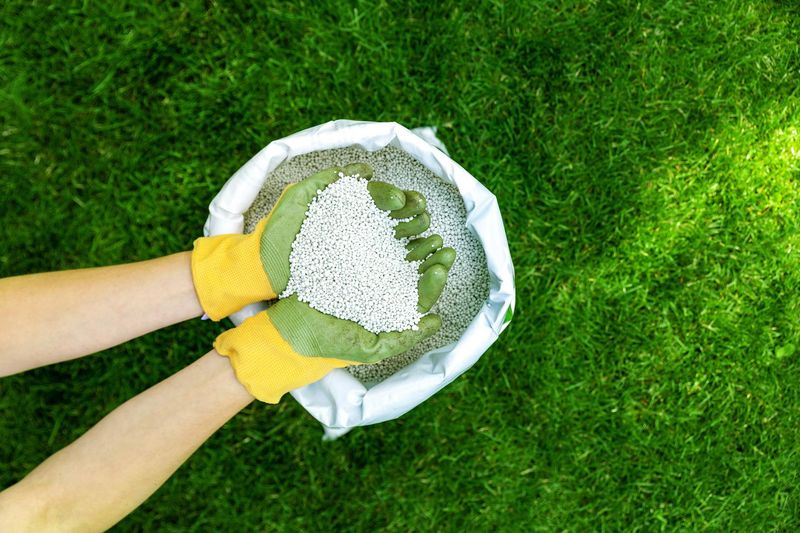
Picture spreading a big dose of nitrogen on your lawn while the soil is still cold, and then watching the grass suddenly flush bright green a week later. It looks great at first, but that flush of color can be misleading.
When nitrogen is applied before grass roots are ready, the plant uses what little energy it has to push fast, leafy top growth instead of developing a deeper, stronger root system. The blades grow quickly, but the roots stay shallow and weak.
Shallow roots make grass far more vulnerable to summer heat, drought stress, and pest pressure later in the year. Ohio summers can bring stretches of dry, hot weather that stress lawns significantly, and a shallow root system will struggle to survive those conditions.
University turfgrass research consistently shows that early, high-nitrogen spring applications encourage this kind of unbalanced growth. The grass looks lush but lacks the foundation needed to hold up through the season.
A better approach is to let the lawn green up naturally through its own energy reserves first, then apply a lighter, balanced fertilizer once soil temperatures are consistently above 55 degrees Fahrenheit. That approach encourages roots and shoots to develop together, building a genuinely resilient Ohio lawn.
4. Grass Roots Grow Better When Fertilizer Is Timed Correctly
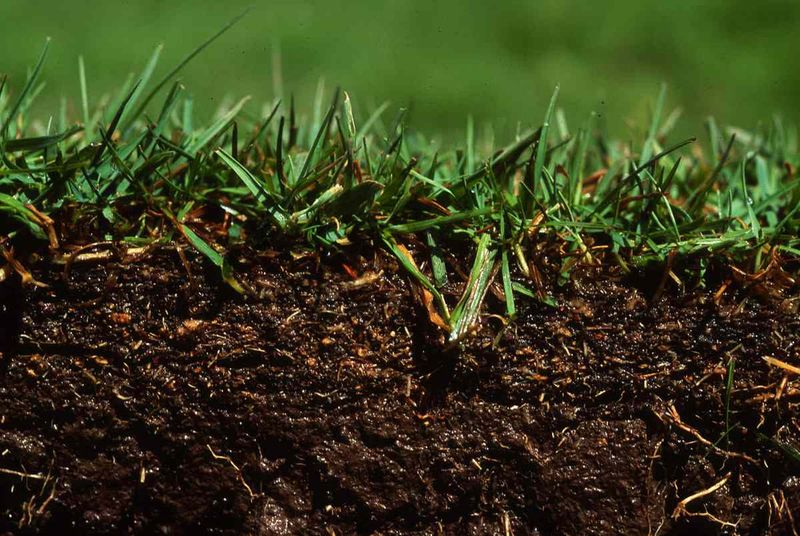
Most homeowners focus on what they see above ground, but the real strength of any Ohio lawn lives below the surface. Root development is the foundation of a healthy turf, and fertilizer timing plays a direct role in how deep and strong those roots grow.
Cool-season grasses like Kentucky bluegrass and perennial ryegrass experience two natural growth windows each year: spring and fall. During early spring, before soil temperatures warm adequately, the grass is focused on recovering from winter and expanding its root system.
Applying high levels of nitrogen during this period redirects the plant’s energy upward into leaf production, cutting short the root-building phase the grass desperately needs.
Timed correctly, a spring fertilizer application supports both healthy top growth and continued root expansion. Ohio State University Extension recommends light fertilization in late spring, around late April through May, when the grass is actively growing and soil temperatures are consistently above 55 degrees Fahrenheit.
At that point, the root system has had time to establish, and added nutrients support steady, balanced growth rather than a weak, leafy surge. Deeper roots help Ohio lawns access water and nutrients stored further down in the soil, making them far more resilient through summer heat and dry spells.
5. Late Spring Is Often A Better Fertilizing Window In Ohio

By the time May rolls around in Ohio, lawns have usually shifted into a noticeably different gear. Grass blades are standing upright, the color has deepened, and the lawn is actively growing and responding to sunlight and warmth.
That is exactly the moment many lawn care experts say fertilizer does its best work.
Late spring, roughly from late April through May, aligns with the period when Ohio soil temperatures consistently hold above 55 degrees Fahrenheit. At that point, grass roots are active, microbial activity in the soil is up, and the turf can actually use the nutrients you apply.
Fertilizer applied during this window gets absorbed efficiently, supporting steady growth without the surge of weak, leafy blades that early applications can trigger.
Ohio State University Extension notes that a late spring application, sometimes called the second feeding in a four-step program, is one of the more impactful treatments a homeowner can make. Using a slow-release nitrogen fertilizer during this period provides a steady supply of nutrients over several weeks, keeping the lawn fed without overwhelming it.
Combining this timing with proper mowing at the correct height, around 3 to 4 inches for most Ohio cool-season grasses, helps the turf make the most of every nutrient it receives.
6. Fall Fertilization Builds The Strongest Ohio Lawns
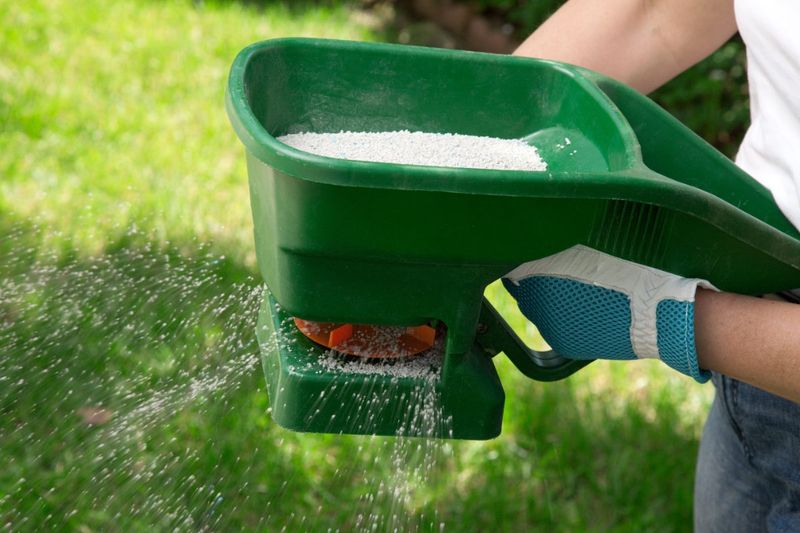
Ask any experienced Ohio lawn care professional when fertilizer makes the biggest difference, and most will point straight to fall. September and October are when cool-season grasses like Kentucky bluegrass, fescue, and perennial ryegrass are in their most active and receptive growth phase of the entire year.
As air temperatures cool in autumn, Ohio lawns shift their energy downward into root development and carbohydrate storage. Fertilizing during this period, particularly with a nitrogen-rich product applied in early September and again in late October or early November, feeds those processes directly.
The grass builds a stronger root system, stores more energy for winter survival, and comes out of dormancy in spring with a head start that no March application can match.
Ohio State University Extension consistently highlights fall as the most beneficial time to fertilize cool-season lawns. A late-fall application, sometimes called a dormant feeding, applied just before the grass goes dormant but while the soil can still absorb nutrients, is particularly valuable.
The nutrients get taken in and stored, ready to fuel fast, healthy green-up in spring. For Ohio homeowners who want to simplify their lawn care routine, prioritizing fall fertilization over early spring applications is one of the most effective adjustments they can make.
7. Soil Testing Helps Ohio Gardeners Fertilize More Effectively
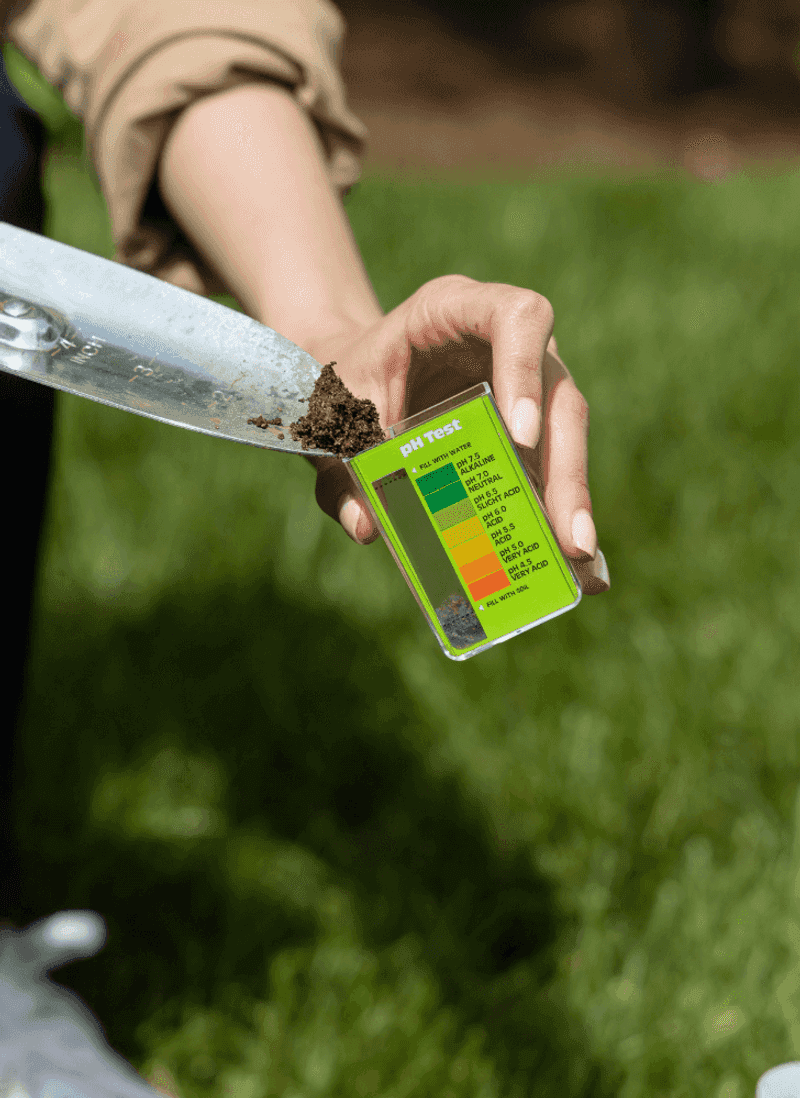
Fertilizing without a soil test is a bit like taking medicine without knowing what is wrong. You might help things, or you might make them worse, and you will never really know which one happened.
A basic soil test removes that guesswork entirely.
Ohio State University Extension offers soil testing through the OSU Extension Soil and Plant Nutrient Laboratory, and many local county extension offices can help homeowners get started. A standard soil test measures pH, phosphorus, potassium, and other key nutrients, giving you a clear picture of what your lawn actually needs.
Many Ohio soils fall into a slightly acidic range, and knowing your exact pH helps you decide whether lime or sulfur adjustments are needed before adding any fertilizer.
Without testing, homeowners often apply fertilizer their soil does not need, wasting money and potentially creating nutrient imbalances that stress the turf over time. Excess phosphorus, for example, can run off into Ohio waterways and contribute to algae growth in lakes and streams.
Soil testing typically costs between 20 and 30 dollars and is worth every penny. Testing every two to three years gives you an updated picture of your soil’s health and keeps your fertilization plan targeted, efficient, and environmentally responsible.
8. Healthy Lawn Practices Reduce The Need For Early Fertilizer
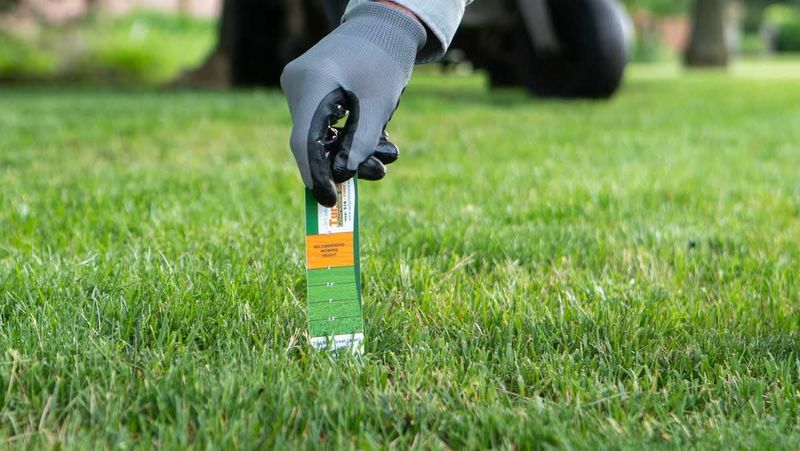
A lawn that is already in good shape going into spring does not need an aggressive early feeding to look good. Good year-round habits build the kind of turf that greens up naturally and handles seasonal changes without needing a chemical boost to get started.
Mowing at the right height is one of the most underrated practices in Ohio lawn care. Keeping cool-season grasses at 3 to 4 inches encourages deeper rooting and shades the soil surface, which slows weed germination and reduces moisture loss.
Cutting grass too short, sometimes called scalping, removes the leaf area the plant needs for photosynthesis and puts the lawn under stress just as it is trying to grow.
Proper watering habits matter just as much. Ohio lawns generally need about one inch of water per week during the growing season, either from rainfall or irrigation.
Watering deeply and infrequently encourages roots to grow downward in search of moisture, building exactly the kind of strong root system that makes a lawn resilient. Overseeding thin areas in fall, aerating compacted soil, and removing thatch buildup are all practices that improve turf health year-round.
A lawn maintained with these habits simply needs less fertilizer overall, and whatever you do apply will be used far more effectively.