Should You Mulch Tulip Beds In Early Spring In Ohio

Tulips can look tough, but early spring in Ohio puts them in a tricky spot. Cold nights, wet soil, and sudden temperature swings can all affect how well they bloom.
That is why mulching sounds like a smart move at first. It seems like an easy way to protect the beds and help the flowers along.
But spring mulch is not always as helpful as it sounds. Put down too much, do it too early, or trap too much moisture around new growth, and you can create problems instead of preventing them.
In some cases, mulch helps stabilize the soil and shield bulbs from late cold snaps. In others, it can slow warming, hold excess moisture, and work against healthy growth.
For Ohio gardeners, the timing matters just as much as the mulch itself.
1. Remove Heavy Mulch Early
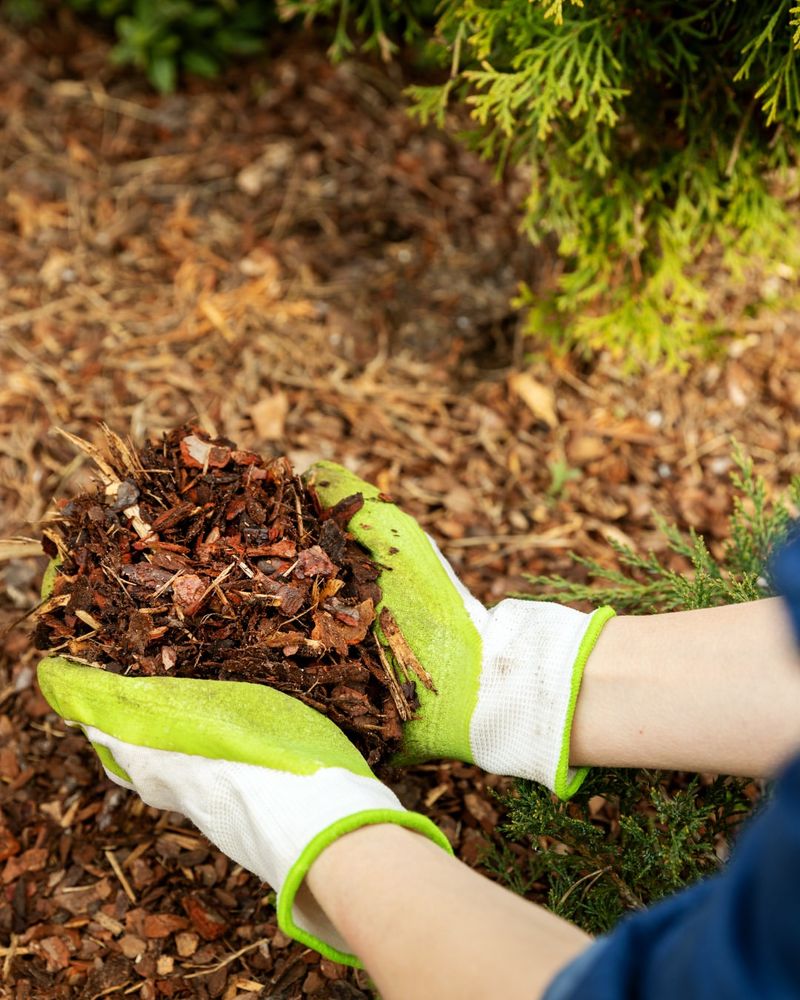
Thick winter mulch has one job: protect your tulip bulbs from the brutal freeze-and-thaw cycles that Ohio winters are famous for. But once late February rolls around, that heavy layer starts working against you.
Straw, wood chips, or shredded leaves piled several inches deep can hold onto cold temperatures longer than bare soil would, keeping the ground frozen even as air temperatures climb.
Ohio State University Extension recommends pulling back heavy mulch in late winter or very early spring, before tulip shoots have pushed more than an inch or two above ground. If you wait too long, those tender green shoots can get bent, broken, or deprived of the light they need to develop properly.
A good rule of thumb for Ohio gardeners is to check your beds around late February or early March. If shoots are starting to peek through, it is time to act.
Pull the mulch back gently and set it aside rather than hauling it away entirely. You may want it nearby if a hard frost is still in the forecast.
Removing heavy mulch at the right moment gives your tulips the clear runway they need to take off.
2. Keep Tulip Beds Light In Spring

Not all mulch is created equal, and the difference between a protective winter layer and a spring layer is really about thickness and purpose. Winter mulch is meant to insulate.
Spring mulch is meant to support. Once your tulips are actively growing, a thick blanket of material does more harm than good, but going completely bare is not the right move either.
A light layer of one to two inches of organic mulch, such as shredded bark or compost, can help Ohio tulip beds retain just enough moisture without smothering emerging growth. According to guidance from the Chicago Botanic Garden, keeping mulch thin and loose around actively growing bulbs reduces the risk of rot and allows the soil to breathe properly.
Think of a spring mulch layer as a light jacket rather than a winter coat. You want coverage without bulk.
Spread the material evenly and keep it away from direct contact with tulip stems. A little breathing room goes a long way.
For Ohio gardeners dealing with clay-heavy soils that tend to hold moisture, keeping that spring layer especially light can make a noticeable difference in how well your beds drain and how healthy your tulips look through the season.
3. Give New Shoots Room To Grow
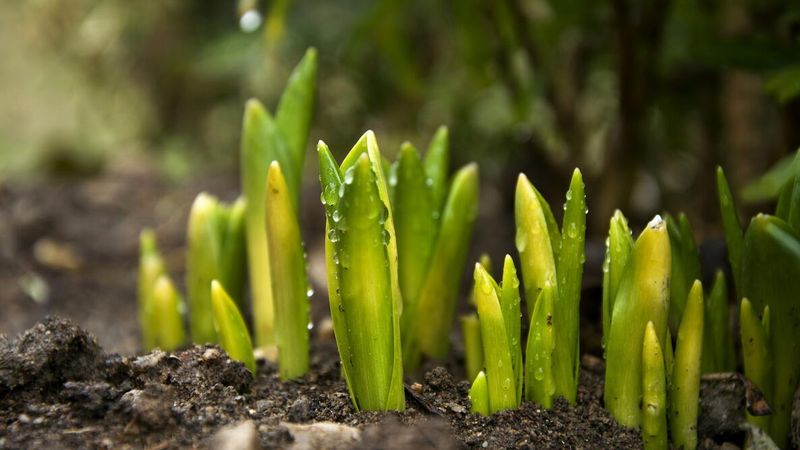
Picture a tulip shoot pushing up through cold Ohio soil in early March. It is one of the most determined little things in any garden.
But pack too much mulch around those emerging tips and you are essentially asking them to fight their way through a wall before they even get started. That extra resistance stresses the plant before it ever gets a chance to bloom.
Proper airflow around young tulip shoots matters more than most gardeners realize. Tightly packed mulch creates pockets of trapped humidity right at ground level, which is exactly where fungal problems like botrytis tend to start.
Ohio springs are already wet enough without adding extra moisture traps around your bulbs.
Leave a small clear zone of at least two to three inches around each emerging shoot when you apply or adjust your spring mulch. This does not mean leaving the soil completely exposed, but it does mean being intentional about placement.
Spreading mulch in a ring rather than piling it directly against stems gives shoots the space, light, and airflow they need to develop strong and straight. A little extra care during this stage pays off when bloom time arrives and your tulips stand tall instead of leaning or flopping over.
4. Let Sun And Air Reach The Soil
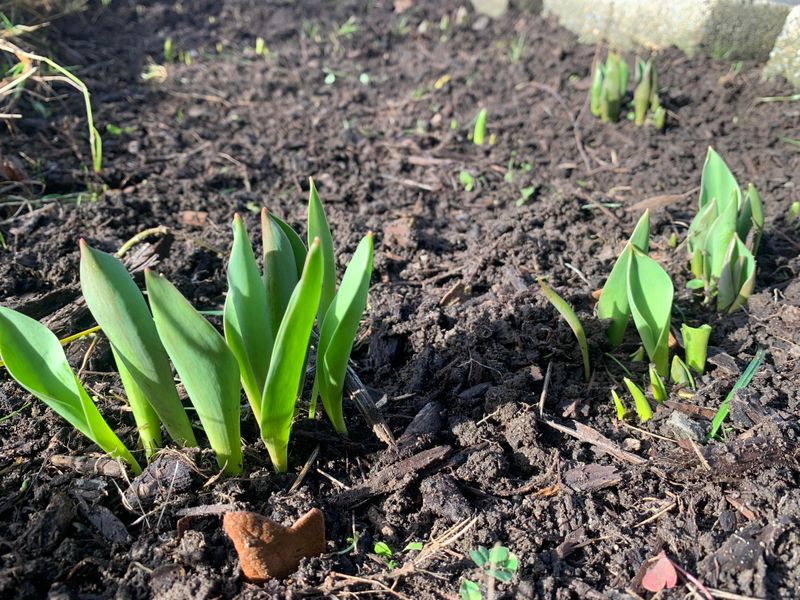
Ohio springs are notoriously soggy. Between snowmelt, April rain, and heavy clay soils in many parts of the state, tulip beds can stay waterlogged for weeks at a stretch.
That is why giving your soil a chance to breathe and dry out a little in early spring is not just helpful, it is genuinely important for bulb health.
Sunlight warms the soil faster than almost anything else you can do. When you pull back heavy mulch and let direct sun hit the ground, you kick-start the soil warming process that tulips need to shift from dormancy into active growth.
Soil temperature is a key trigger for bulb development, and shaded, mulch-covered soil can lag several degrees behind exposed beds.
Good airflow also helps surface moisture evaporate more quickly, reducing the wet conditions that invite fungal issues. For Ohio gardeners in areas with dense tree cover or north-facing beds, this is especially worth paying attention to.
Even a few hours of direct sun each day can make a meaningful difference in how fast your soil dries and warms. Pulling mulch back to allow sunlight and air to reach the soil surface is one of the simplest and most effective early spring steps you can take for a healthier tulip bed.
5. Prevent Rot With Smarter Mulching
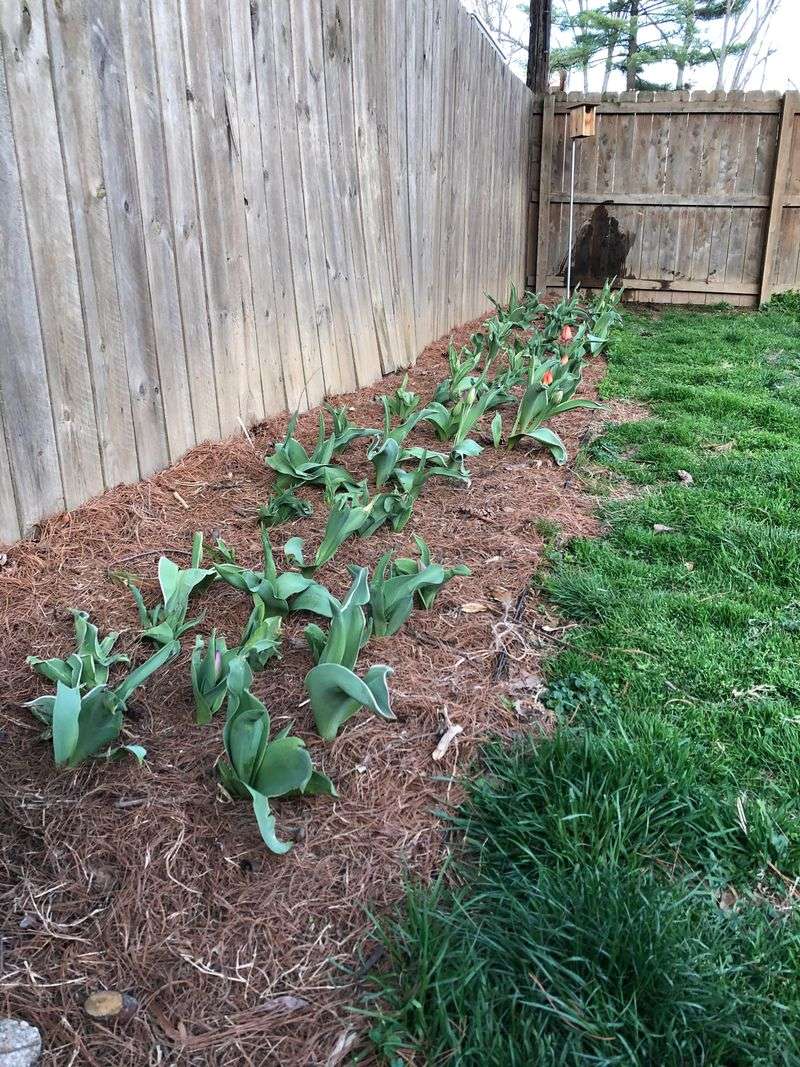
Soggy bulbs are one of the most frustrating problems Ohio tulip growers deal with, and improper mulching is often part of the reason. When thick mulch holds moisture against bulbs and stems for extended periods, the conditions become perfect for rot.
Bulbs sitting in consistently wet, poorly drained soil simply cannot perform the way they should come bloom time.
Smarter mulching starts with choosing the right material. Shredded hardwood bark and compost break down in a way that improves drainage over time.
Heavy materials like wet leaves or thick straw can mat down and hold water in a way that does more harm than good around bulbs. If your Ohio garden has clay soil, this distinction matters even more since clay already drains slowly on its own.
Applying mulch in a thin, even layer and keeping it pulled back slightly from the base of stems creates better airflow and lets excess moisture escape more easily. Checking your beds after heavy rain is a practical habit worth building.
If water is pooling on top of the mulch or the soil feels spongy when you press it, that is a sign your mulch layer may be too thick or too compacted. Adjusting early prevents bigger problems later in the season.
6. Protect Roots Without Trapping Cold
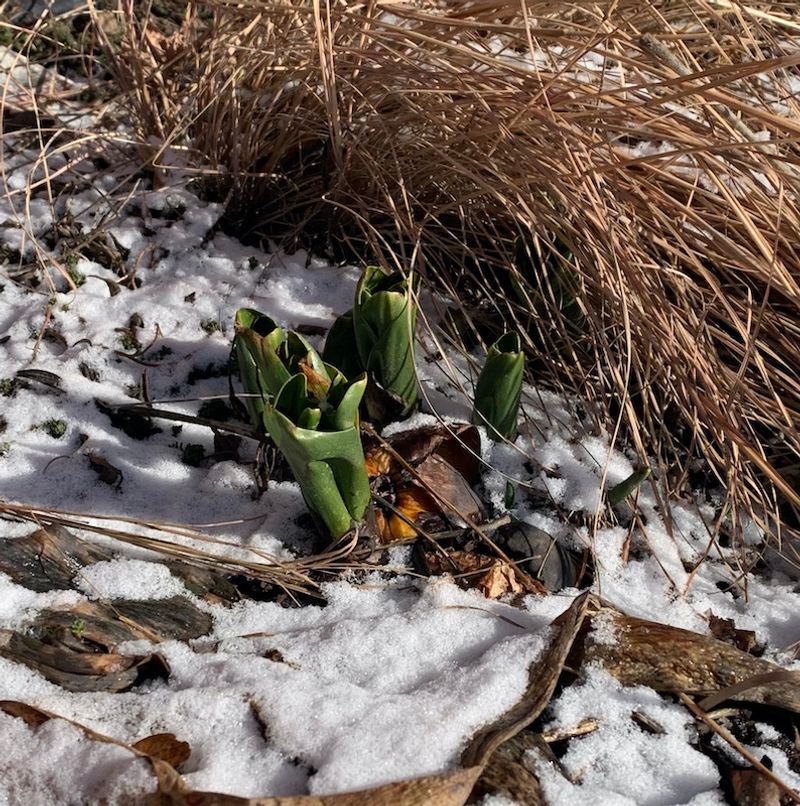
March in Ohio is a month of contradictions. You might get a 60-degree afternoon followed by a hard frost two nights later.
That back-and-forth temperature pattern is exactly why completely stripping all mulch from your tulip beds too early can backfire. Tulip roots and bulbs still need some buffer against sudden temperature drops, even after growth has begun.
The trick is finding the middle ground between overprotecting and underprotecting. A light mulch layer of one to two inches provides just enough insulation to soften the impact of a late frost without trapping cold temperatures against the soil the way a thick layer would.
Think of it as leaving a thin blanket on rather than wrapping up in a heavy comforter.
Ohio gardeners should keep an eye on the forecast throughout March and into April. If a hard freeze is predicted, temporarily adding a thin layer of straw or floating row cover over your beds for a night or two can protect emerging shoots without the downsides of leaving heavy mulch in place all season.
The goal is flexible protection, not permanent insulation. Responding to your local weather patterns rather than following a rigid schedule is one of the most practical approaches to early spring tulip care in Ohio’s variable climate.
7. Set Up Stronger Spring Blooms

Every decision you make about mulch in early spring adds up to one outcome: how well your tulips bloom. Proper mulch management does not just keep bulbs alive, it actively supports better flowering by creating the soil conditions where tulips can put their energy into producing strong stems and vivid blooms rather than struggling against rot, cold, or smothered growth.
When tulip beds drain well, warm up at the right pace, and have good airflow around emerging shoots, the plants can focus on what they do best. Research from university extension programs consistently points to soil temperature and moisture balance as two of the biggest factors in tulip bloom quality.
Getting both right through smart mulching choices is one of the most direct ways to influence your results.
Ohio gardeners who take the time to adjust their mulch in early spring, rather than ignoring beds until bloom time, often notice taller stems, more vibrant colors, and longer-lasting flowers. It is not a complicated process, but it does require a little attention during a narrow window of time in late February through early April.
The payoff is a tulip bed that puts on a real show when spring finally settles in across Ohio and neighbors start slowing down to take a second look at your yard.
8. Refresh Tulip Beds For Ohio Spring

A fresh start for your tulip beds does not have to be complicated. A few practical steps taken in late March or early April can make a real difference in how your garden looks and performs through the rest of the season.
Start by pulling back any remaining heavy mulch, checking for signs of rot or damage around bulbs near the surface, and giving the bed a light rake to loosen any matted material.
Drainage is worth checking at this point too. After Ohio’s wet winter, some beds develop low spots where water collects.
If you notice standing water or consistently soggy patches, adding a thin layer of compost can help improve soil structure over time while also giving your tulips a gentle nutrient boost as they grow.
Watch your local weather patterns through April and adjust as needed. If a late frost is coming, a light protective layer is easy to add and remove.
Once temperatures stabilize and your tulips are actively growing, a clean one to two inch mulch layer will carry you through the rest of spring with minimal effort. Refreshing your beds at the right moment sets a positive tone for the entire season and keeps your Ohio tulip garden looking its best from the first shoots right through to the final blooms.