Should You Prune Viburnums Before Spring In Georgia
Viburnums can look like they need a quick trim as winter ends, but cutting them at the wrong time can quietly take away the blooms you were expecting.
In Georgia, many viburnums are already forming flower buds before spring fully arrives, which makes early pruning a risky move.
It is easy to assume a late winter trim will help shape the plant and encourage growth, but for most varieties, it does the opposite when it comes to flowering. Those buds you remove now are the ones that would have opened in just a few weeks.
The better approach comes down to timing and knowing what type of viburnum you have. In many cases, waiting until after flowering keeps the plant full, healthy, and covered in blooms instead of cutting them off before they even get a chance to show.
1. Most Viburnums Should Not Be Pruned Before They Bloom
Cutting into a viburnum before it blooms is one of the easiest ways to accidentally wreck your spring flower show.
Viburnums set their flower buds during the previous growing season, which means those buds are already sitting on the branches all winter, just waiting for warmer weather to open up.
If you prune in January or February thinking you are helping the plant, you are actually removing the buds that were about to become flowers.
Across Georgia, viburnums start showing their blooms anywhere from late February in the south to late March or even early April in the northern parts of the state.
Arrowwood viburnum, doublefile viburnum, and Korean spice viburnum are all popular here and all follow this same pattern.
Prune before those buds open, and you will spend spring staring at bare branches instead of clusters of flowers.
A lot of gardeners prune shrubs in late winter just out of habit, treating everything the same way they treat crape myrtles or roses. Viburnums do not work that way.
Skipping the pre-bloom pruning and waiting a few extra weeks costs you nothing and saves the entire season worth of flowers. Patience is genuinely the better strategy here, and once you get used to holding off, it becomes second nature.
Your Georgia viburnum will reward that patience every single spring with a full, beautiful bloom display.
2. Pruning Too Early Can Cut Off Flower Buds
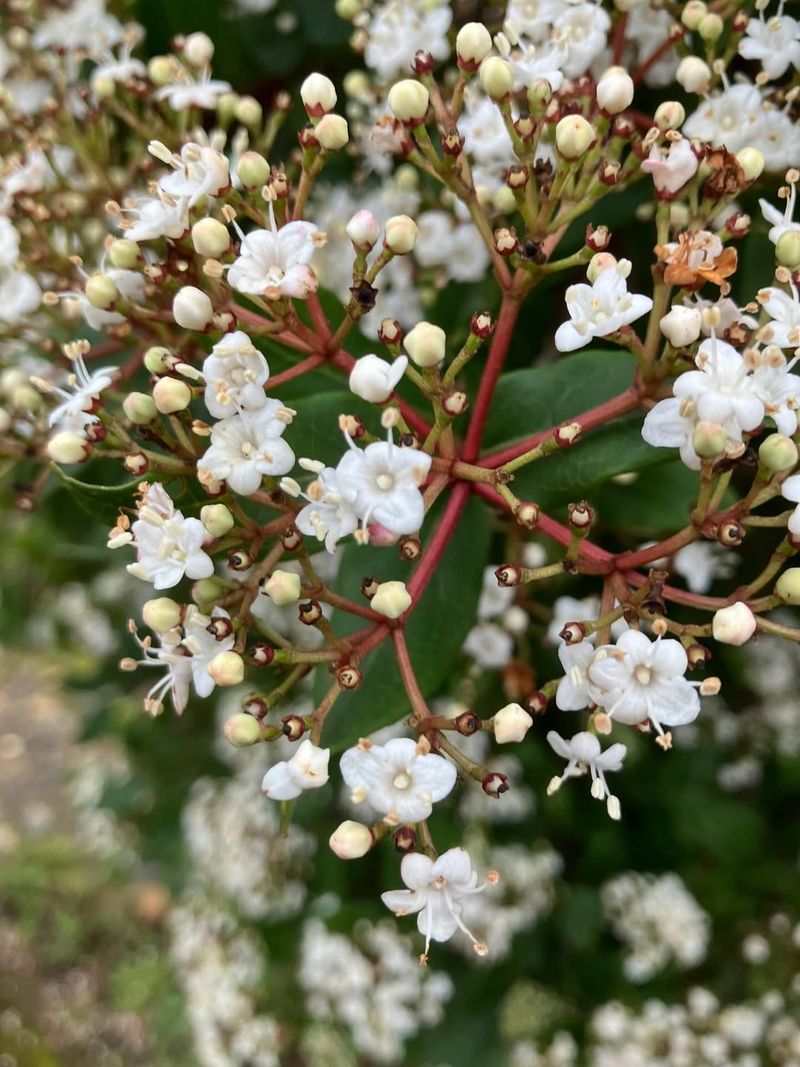
Flower buds on viburnums are small, rounded, and already present on the wood by fall. Walk up to your viburnum in December and look closely at the branch tips.
Those little swollen nodes are not just new growth points — they are your future flowers, already formed and waiting. Cut those branches off in January, and those buds go straight into the yard waste bin.
In Georgia, warm spells in late winter can make it tempting to get outside and start tidying up the garden early. A few warm days in February can feel like spring, but viburnums are not ready to be cut yet.
Even if the plant looks a little scraggly or overgrown, the buds on those branches are worth protecting. Waiting just a few more weeks until after the flowers open and fade is a much smarter move.
Gardeners in South Georgia sometimes see their viburnums start blooming as early as mid-February, while folks in the Atlanta area or the North Georgia mountains might wait until late March or April.
Either way, the rule is the same: hold off on any significant pruning until those flowers have come and gone.
Cutting too early does not hurt the plant in a serious way, but it absolutely wipes out the bloom for that year. One bad pruning decision in February can leave you flower-free until the following spring, which is a long wait for a mistake that is completely avoidable.
3. It Is Best To Prune Right After Flowers Fade
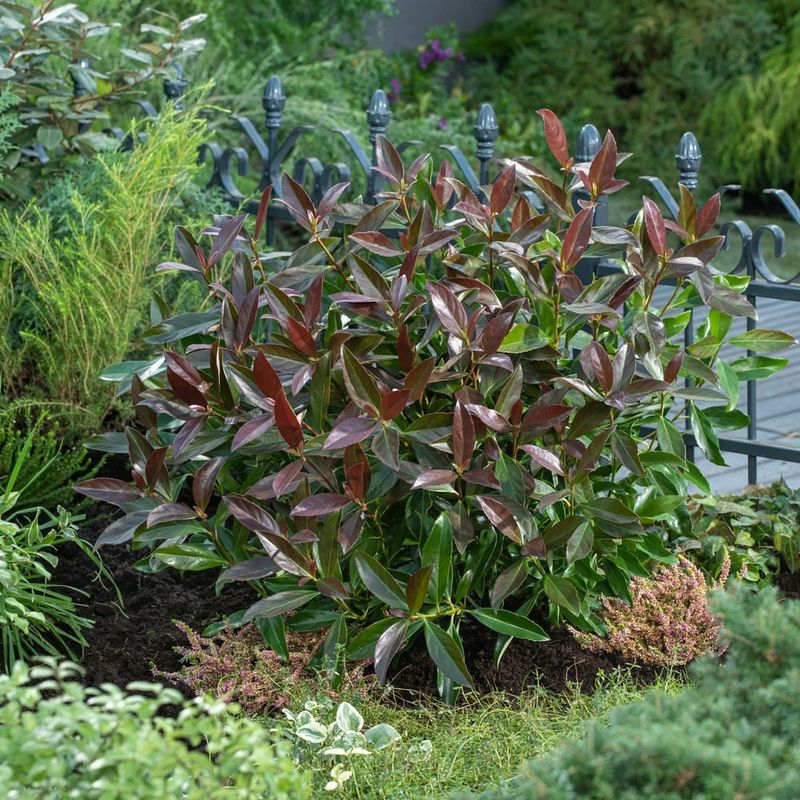
Right after the blooms fade is your sweet spot for pruning viburnums in Georgia.
At that point, the flowers are done, the plant is actively pushing out new growth, and you have the whole growing season ahead for the shrub to recover and fill back in.
Pruning at this stage lets you shape the plant, remove old wood, and encourage fresh branching without touching a single bud that matters.
In South Georgia, that post-bloom window might open up in March. In the northern parts of the state, you might be waiting until late April or even early May depending on the variety and the year.
Whatever the timing, the key is to watch the plant, not the calendar. When the last petals drop and the flower clusters start browning, that is your cue to get to work.
Keep in mind that viburnums do not need heavy pruning every single year. A light shaping after bloom — trimming back any long, awkward branches and cleaning up the overall silhouette — is usually all that is needed.
If you want to do more significant cutting to reduce the size or thin out crowded stems, this is also the right time to do it. Just avoid removing more than about one-third of the plant in a single session.
Sticking to that guideline keeps the shrub from getting stressed and gives it the best chance of setting strong buds again before next spring rolls around in Georgia.
4. Only Remove Broken Or Rubbing Branches If Needed
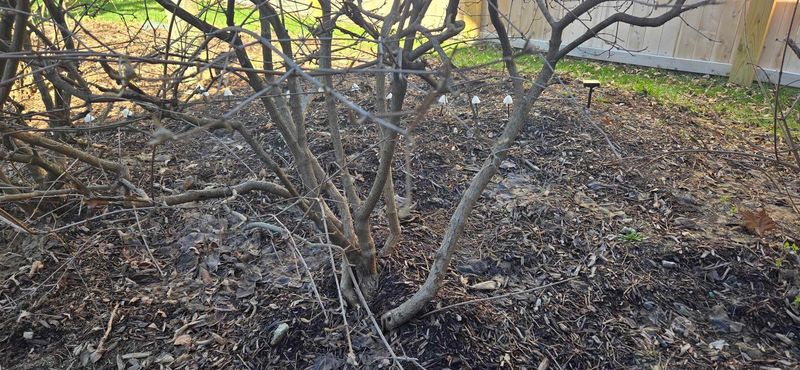
Not every pruning job has to wait for the perfect season. Broken branches, cracked stems, and limbs that are rubbing hard against each other are worth removing whenever you notice them, regardless of the time of year.
Leaving a cracked branch hanging does more harm than good, and rubbing branches can create wounds that invite problems into the plant over time.
Out in a Georgia yard, storms can snap viburnum branches pretty easily, especially in late summer when the shrubs are full and heavy.
If a branch breaks during a July thunderstorm, there is no reason to leave it dangling until spring.
Cut it back cleanly to a healthy lateral branch or to the main stem, and move on. Spot-pruning like this is perfectly fine and does not affect the overall bloom cycle in any meaningful way.
Rubbing branches are a little trickier to judge. Two stems crossing and grinding against each other will eventually wear away the bark at the contact point, leaving raw wood exposed.
When you see that happening, remove the weaker or less well-placed of the two branches. Do it carefully, make a clean cut, and do not take any more wood than necessary.
Outside of these specific situations, resist the urge to prune just because you feel like doing something. Viburnums in Georgia tend to look their best when they are allowed to grow with minimal interference outside of that post-bloom pruning window each year.
5. Many Viburnums Grow Flowers On Old Branches
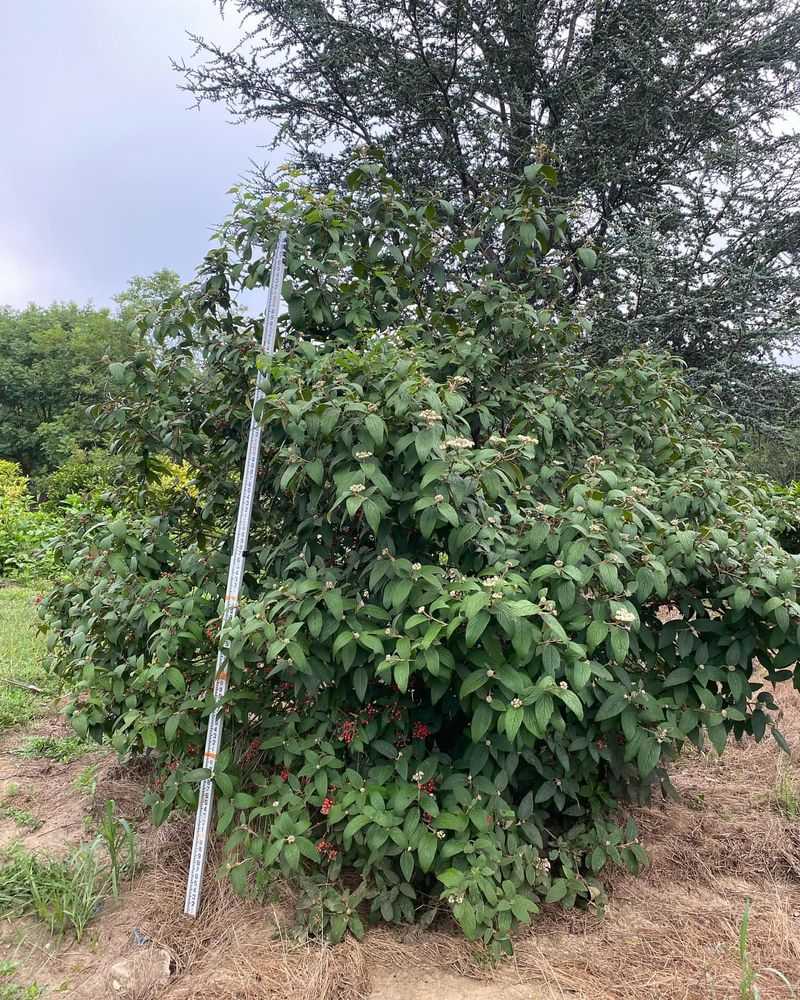
Old wood is where the magic happens with viburnums. Unlike some shrubs that produce flowers on brand-new growth each season, most viburnums bloom on wood that grew the previous year.
Gardeners call this blooming on old wood, and it completely changes how and when you should be picking up your pruning shears.
Picture it this way: the branches your viburnum grew last summer are the same ones carrying the flower buds right now, in late winter. Every inch of wood you remove before bloom is potentially a cluster of flowers you will never see.
Arrowwood viburnum, blackhaw viburnum, and doublefile viburnum are all common in Georgia landscapes, and all of them follow this old-wood blooming pattern. Knowing that simple fact changes everything about how you approach pruning.
Some gardeners in Georgia learn this the hard way after a well-intentioned late-winter trim leaves their viburnum nearly flowerless come spring.
It can be confusing because other popular shrubs, like butterfly bush or crape myrtle, actually benefit from hard pruning in late winter.
Viburnums are just built differently. Once you understand that the flowering potential is already locked into last year’s wood, it becomes much easier to resist the urge to prune early.
Give those old branches the chance to do their job, let the flowers open and finish, and then decide what needs to come off. Following that approach consistently will keep your Georgia viburnums looking full and floriferous year after year.
6. Heavy Pruning Before Bloom Can Reduce Flowers
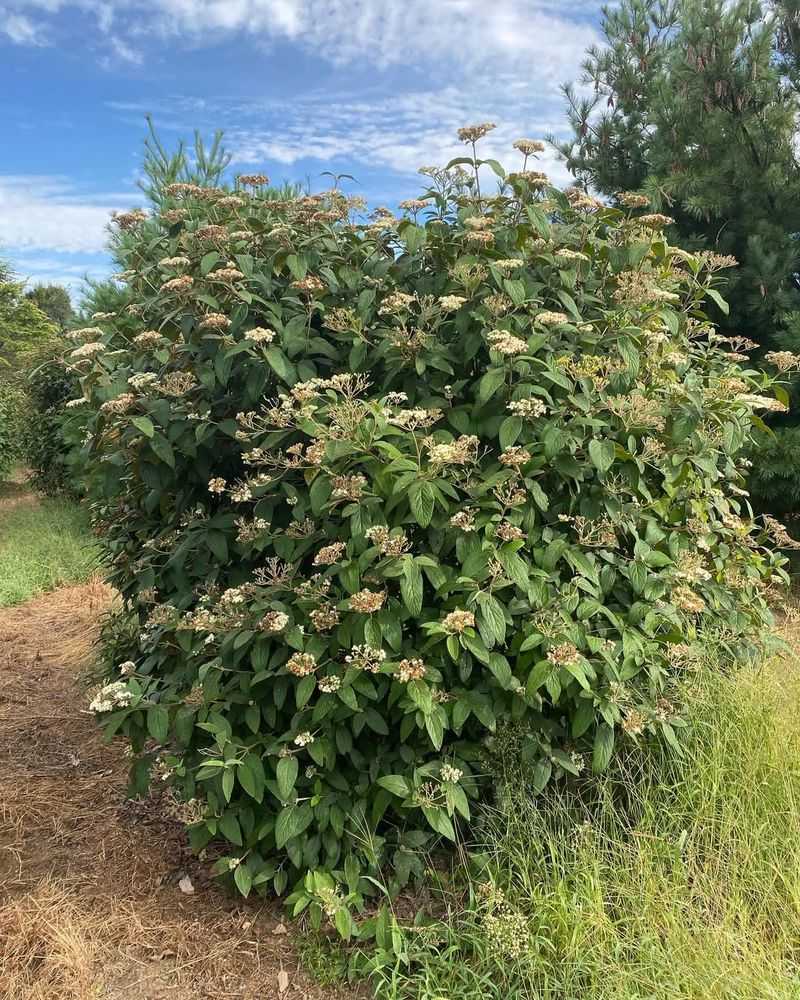
Grab a saw and take off half the plant in February, and you should not be surprised when May arrives with barely a flower in sight.
Heavy pruning before bloom does not ruin the plant permanently, but it absolutely strips away the flowering wood and leaves you with a viburnum that looks like it forgot what spring is supposed to be about.
Severe pruning before spring growth is sometimes recommended for viburnums that have gotten completely out of control — truly overgrown shrubs that need a reset.
Going that route means accepting that you will likely lose most or all of the bloom for that season, but the plant will recover and come back stronger the following year.
For most homeowners in Georgia who just want a tidy, full shrub with a good flower display, heavy pre-bloom pruning is simply not worth it.
A viburnum that has not been drastically cut back will almost always put on a better show than one that was aggressively pruned in winter.
If size is a concern, the smarter move is to do gradual, post-bloom shaping over two or three seasons rather than taking drastic action all at once. Slow, patient pruning keeps the flowers coming and avoids the shock of removing too much wood in a single season.
7. Waiting Until After Bloom Keeps Plants Full And Healthy
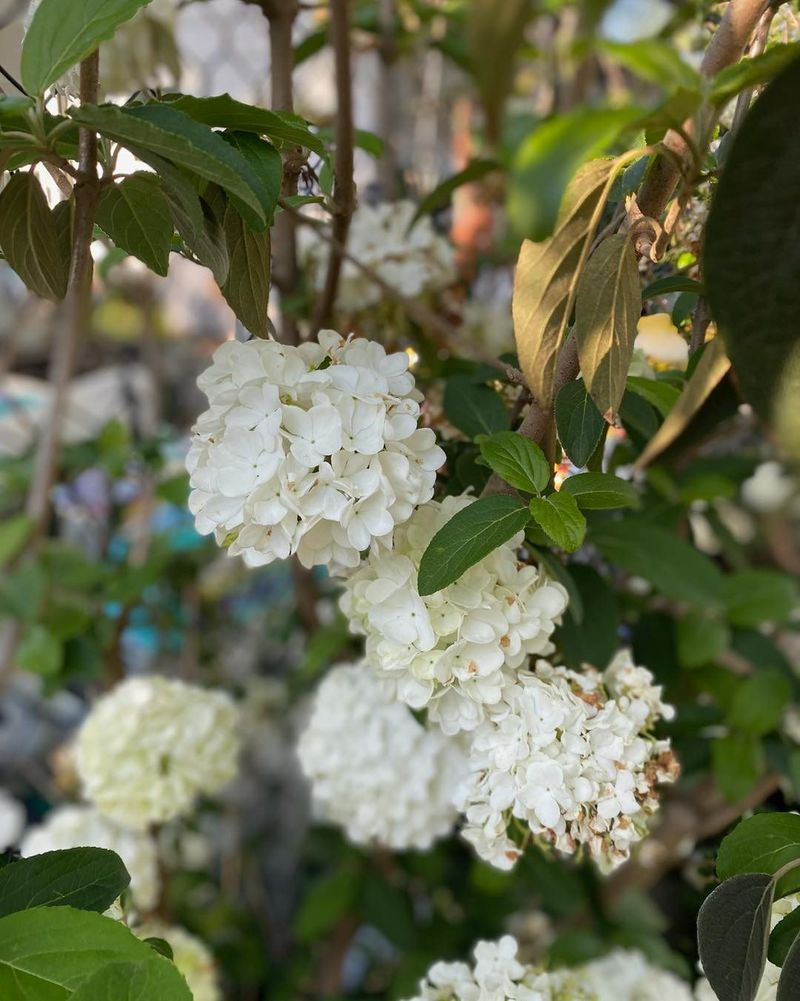
Timing really does make all the difference with viburnums, and waiting until after bloom is the single best habit you can build as a Georgia gardener.
Plants that get pruned at the right time stay fuller, branch more densely, and come back with stronger flower production the following spring.
Skipping the pre-bloom urge to prune and waiting those few extra weeks pays off in a very visible way.
After the flowers fade, the plant still has the entire spring and summer growing season to push out new shoots and set fresh buds for next year.
Pruning right at that moment gives each cut stem the maximum amount of time to branch out, harden off, and develop buds before fall arrives.
A viburnum pruned in April or May in Georgia is going to look considerably fuller and more vigorous by the time October rolls around compared to one that was cut in January.
Beyond just the flowers, post-bloom pruning keeps the overall structure of the shrub healthier. Removing older, less productive stems after bloom encourages younger, more vigorous wood to take over.
Thinning out crowded areas improves airflow through the canopy, which helps reduce the chance of fungal issues during Georgia’s hot, humid summers.
Over time, a viburnum that gets consistently pruned at the right moment develops a natural, layered shape that looks great in the landscape without a lot of fuss.
Patient, well-timed pruning is genuinely one of the simplest things you can do to keep your viburnums thriving for years.