Should You Skip Or Keep Watering Trees In Winter In Colorado
Winter watering is one of the most confusing tree care topics for Colorado homeowners, especially when landscapes look dormant and frozen.
Cold temperatures often create the impression that trees no longer need attention, even though underground conditions tell a different story.
Colorado’s dry winters, low humidity, and frequent sunny days quietly pull moisture from soil long after leaves have dropped.
Snowfall alone does not always provide consistent hydration, particularly when storms are light, uneven, or followed by rapid melting.
Trees continue losing moisture through bark and roots during winter, even when visible growth has completely stopped.
Extended dry spells combined with wind can stress trees without showing immediate warning signs above ground.
Many problems blamed on harsh winters actually begin months earlier when soil moisture drops too low.
Watering decisions feel risky during cold weather, which causes many homeowners to avoid them altogether.
Others water too late, too often, or under the wrong conditions, creating different problems altogether.
Knowing when winter watering matters in Colorado can quietly determine how trees leaf out, recover, and perform once spring arrives.
1. Colorado’s Dry Winter Climate Creates Unique Watering Needs
Most people think winter means plenty of moisture, but Colorado experiences some of the driest conditions during cold months with minimal precipitation falling.
Snow might blanket your yard occasionally, yet the state receives far less moisture than trees actually need to stay hydrated throughout the dormant season.
Strong winds sweep across Colorado landscapes constantly, pulling moisture from soil and tree tissues even when temperatures drop below freezing for extended periods.
Trees continue losing water through their bark and branches during winter, creating a slow but steady drain on their internal moisture reserves over time.
The combination of low humidity, fierce winds, and scarce precipitation makes Colorado winters particularly challenging for trees trying to maintain adequate hydration throughout dormancy.
Your trees face dehydration risks even while dormant because the environmental conditions actively work against moisture retention in ways many homeowners never consider.
Understanding this unique climate challenge helps explain why winter watering remains crucial for tree health across Colorado rather than being an optional maintenance task.
Ignoring these dry conditions can weaken trees significantly, making them vulnerable to diseases, pests, and structural problems that emerge once warmer weather returns.
Recognizing Colorado’s distinct winter environment is the first step toward developing an effective tree care strategy that addresses the state’s specific moisture challenges.
2. Dormancy Doesn’t Mean Trees Stop Needing Water
A common misconception suggests that once trees enter their dormant phase, they shut down completely and require no resources until spring growth begins again.
Trees actually maintain minimal metabolic activity throughout winter months, keeping root systems alive and protecting living tissues from freezing damage through various biological processes.
These ongoing life functions require moisture to continue operating properly, even though the demand decreases significantly compared to active growing seasons in Colorado.
Root systems stay active beneath the frozen surface, absorbing available water and nutrients whenever soil temperatures rise above freezing, which happens more often than expected.
Without adequate moisture reserves, trees struggle to maintain essential cellular functions that protect them from cold injury and prepare them for spring growth cycles.
Bark and branch tissues also need moisture to remain flexible and resilient against temperature fluctuations that can cause cracking and splitting in Colorado’s variable climate.
Think of dormancy as a reduced-activity state rather than complete shutdown, similar to how your body still needs water even when you’re sleeping at night.
Trees that enter winter with insufficient moisture reserves face significantly higher stress levels and may show damage symptoms once active growth resumes in spring.
Providing consistent winter moisture helps trees maintain their defense systems and ensures they’re ready to thrive when Colorado’s growing season finally returns after long months.
3. Young and Newly Planted Trees Face Higher Risk
Established trees with deep, extensive root systems can access moisture from deeper soil layers, but young trees lack this advantage during Colorado’s challenging winters.
Newly planted specimens haven’t had time to develop the robust root networks needed to find water independently, making them completely dependent on supplemental watering efforts.
Trees planted within the last two years face the highest vulnerability because their root balls remain small and concentrated near the surface where soil dries quickly.
Cold temperatures and dry winds can quickly deplete the limited moisture available to these shallow root systems, leaving young trees stressed and struggling to survive.
Without regular winter watering, young trees may experience severe dehydration that compromises their ability to establish properly and grow vigorously once spring arrives in Colorado.
Evergreen species face particular challenges because they continue losing moisture through their needles throughout winter, creating even greater demands on their underdeveloped root systems.
Consistent moisture support during the first few winters after planting dramatically improves survival rates and helps trees develop the strong foundation they need for long-term health.
Pay special attention to any trees planted during the previous growing season, as they need the most careful monitoring and consistent watering throughout their first Colorado winter.
Investing time in winter watering for young trees pays significant dividends by ensuring they develop into strong, healthy specimens that enhance your property for decades.
4. Timing Your Winter Watering Sessions Correctly
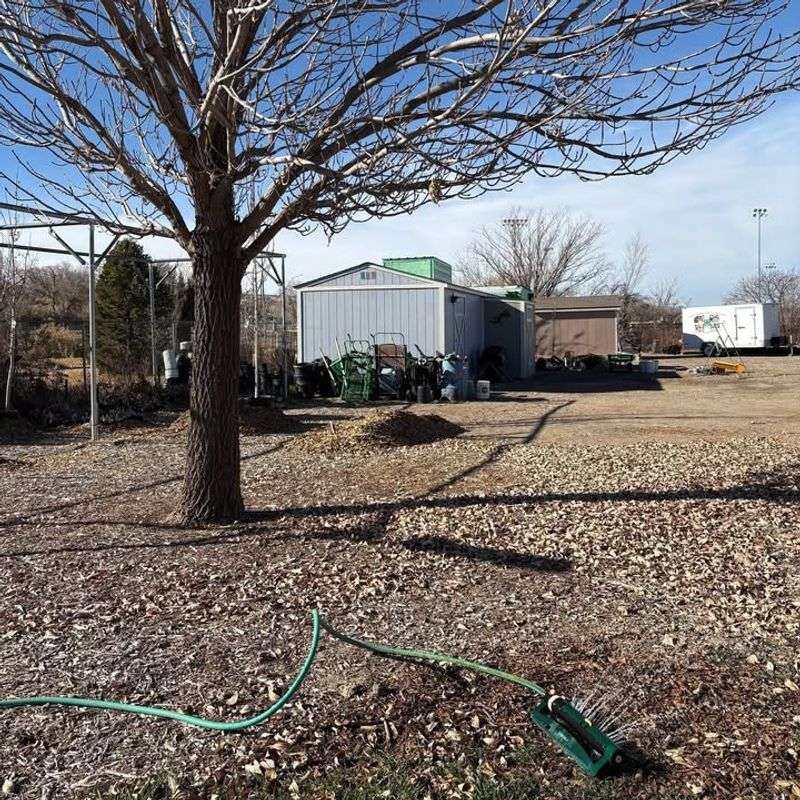
Choosing the right time to water makes a significant difference in how effectively moisture reaches tree roots and supports their health throughout Colorado’s winter season.
Water only during warmer afternoon hours when temperatures climb above freezing, typically between noon and three o’clock on sunny days across the state.
This timing allows water to soak into the soil before evening temperatures drop, preventing ice formation that can damage roots and make moisture unavailable to trees.
Avoid watering early in the morning or late in the evening when temperatures remain below freezing, as this creates frozen layers that block water absorption.
Look for days when temperatures reach at least forty degrees Fahrenheit, as this ensures soil remains receptive to water and roots can actively absorb the moisture provided.
Colorado often experiences several warm spells throughout winter, creating ideal windows for watering sessions that support tree health without risking ice-related problems or waste.
Monitor weather forecasts carefully to identify upcoming warm periods, then plan your watering schedule around these favorable conditions for maximum effectiveness and tree benefit.
Consistent timing helps establish a routine that ensures trees receive regular moisture without requiring constant attention or complicated scheduling throughout the long winter months.
Smart timing transforms winter watering from a challenging chore into a manageable task that fits naturally into your seasonal landscape maintenance routine across Colorado.
5. How Much Water Trees Actually Need in Winter

Determining the correct amount of water prevents both under-watering that stresses trees and over-watering that wastes resources and potentially causes root problems in Colorado.
Most established trees need approximately ten gallons of water per inch of trunk diameter during each winter watering session to adequately hydrate their root zones.
Measure trunk diameter at chest height to calculate your specific tree’s needs, then multiply by ten to determine the total gallons required for each session.
Young trees with trunks smaller than four inches in diameter typically need about ten to fifteen gallons per watering, regardless of their exact trunk measurement.
Apply water slowly to allow proper soil penetration, letting it soak deeply into the root zone rather than running off the surface or pooling around trunks.
Focus watering efforts on the area extending from the trunk outward to the drip line, where most active feeder roots are located and absorb moisture most efficiently.
Colorado’s dry conditions mean you should water established trees once or twice monthly during winter, adjusting frequency based on snowfall, temperature patterns, and soil moisture levels.
Check soil moisture by digging down four to six inches near the tree; if soil feels dry at this depth, watering is needed regardless of surface conditions.
Proper watering amounts ensure trees receive adequate hydration without creating waterlogged conditions that can damage roots and reduce oxygen availability in Colorado’s heavy clay soils.
6. Evergreen Trees Require Extra Winter Attention
Pine, spruce, fir, and other evergreen species face unique challenges during Colorado winters because they retain their needles and continue transpiring moisture throughout cold months.
Unlike deciduous trees that drop leaves and significantly reduce water loss, evergreens constantly lose moisture through their foliage, creating ongoing hydration demands even in freezing weather.
Strong winter winds common across Colorado intensify this moisture loss, pulling water from needles faster than roots can sometimes replace it from frozen or dry soil.
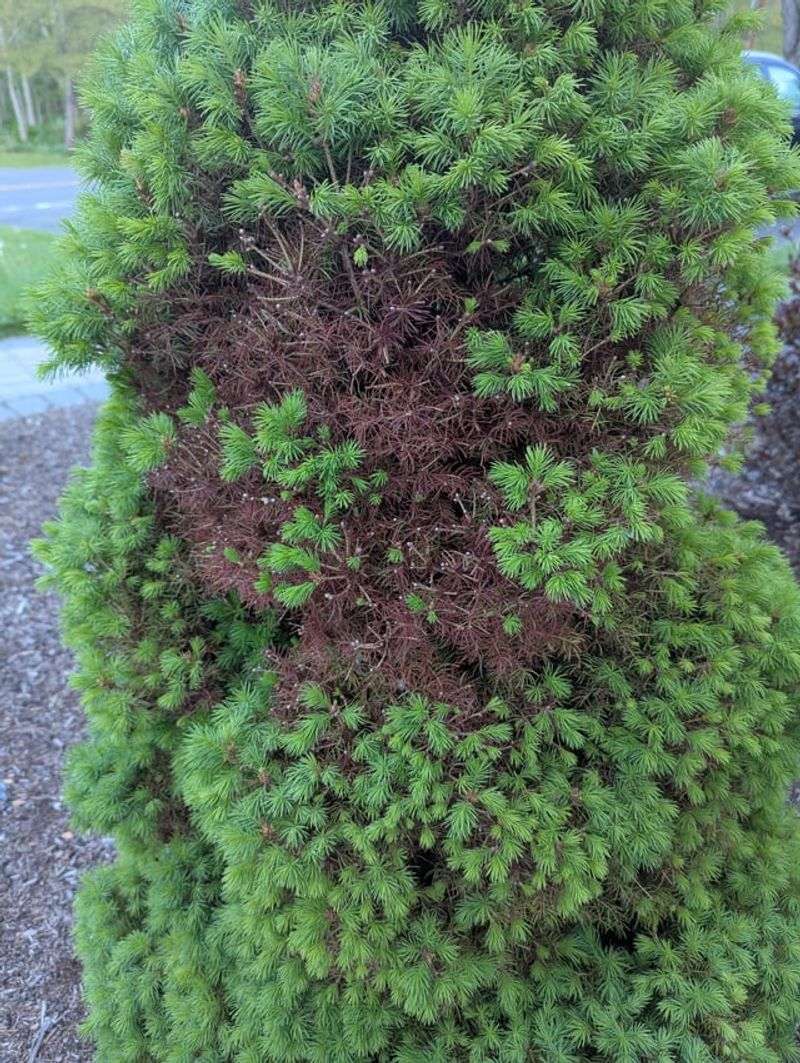
Evergreens showing brown or reddish needles by late winter often suffer from desiccation caused by inadequate moisture availability rather than cold damage or disease problems.
This condition, called winter burn, occurs when trees cannot replace water lost through their needles, causing foliage to dry out and turn brown in patches.
Preventing winter burn requires consistent watering throughout the dormant season, ensuring evergreens maintain adequate moisture reserves to support their ongoing transpiration needs despite harsh Colorado conditions.
Pay particular attention to evergreens planted in exposed locations where wind speeds increase, as these specimens face even greater moisture loss and dehydration risk.
Blue spruce, a beloved Colorado species, proves especially vulnerable to winter desiccation and benefits tremendously from regular watering sessions throughout the coldest months of winter.
Maintaining healthy, green evergreens through winter requires recognizing their unique needs and providing consistent moisture support that matches their year-round water demands across the state.
7. Proper Watering Techniques for Frozen Ground

Frozen soil presents special challenges for winter tree watering, requiring modified techniques that work with rather than against Colorado’s cold conditions and frozen ground layers.
Surface soil often freezes while deeper layers remain unfrozen, so focus on getting water past the frozen crust to reach active root zones below the surface.
Use a slow-drip method that allows water to gradually penetrate frozen layers rather than running off or pooling on top of impermeable ice-crusted soil surfaces.
Soaker hoses work exceptionally well for winter watering in Colorado because they deliver water slowly and steadily, giving it time to melt through frozen layers.
Position hoses in a spiral pattern extending from the trunk to the drip line, covering the entire root zone area where trees can access moisture effectively.
Allow water to run for several hours at low pressure, ensuring adequate volume reaches tree roots rather than wasting water through runoff or evaporation losses.
Remove hoses after each watering session to prevent them from freezing solid and becoming damaged, which would require replacement before you can water trees again.
Mulch layers around trees help insulate soil and reduce the depth of frozen ground, making winter watering more effective and allowing moisture to penetrate more easily.
Mastering frozen-ground watering techniques ensures your trees receive adequate moisture even during Colorado’s coldest periods when traditional watering methods prove ineffective or wasteful for landscape maintenance.
8. Signs Your Trees Need Winter Water Immediately
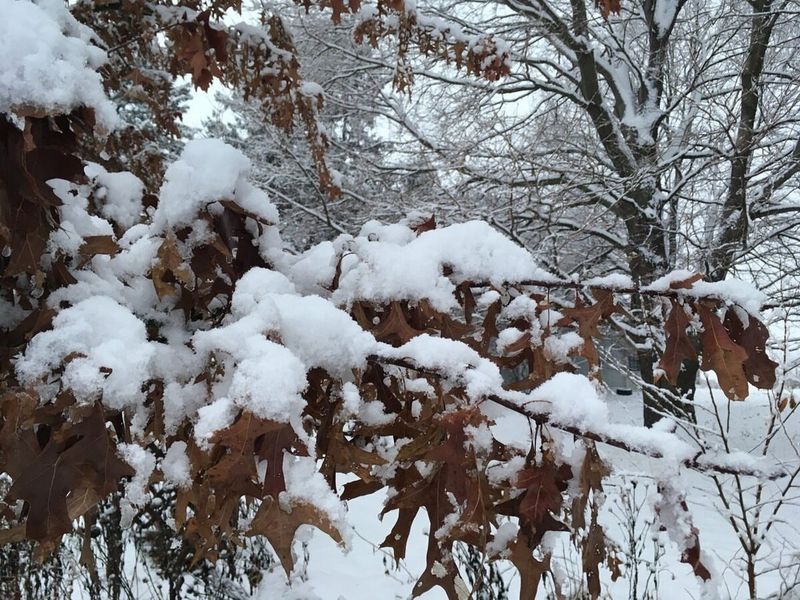
Learning to recognize dehydration symptoms helps you respond quickly before moisture stress causes permanent damage to your valuable landscape trees throughout Colorado’s challenging winter months.
Evergreen needles turning brown, especially on the sunny south side of trees, signal severe moisture deficiency that requires immediate attention to prevent widespread foliage loss.
Curling or wilting needles and leaves, even on dormant trees, indicate that moisture levels have dropped dangerously low and trees are struggling to maintain basic functions.
Cracks appearing in tree bark during winter often result from dehydration rather than cold damage, as dry tissues lose flexibility and split under temperature stress.
Soil that appears dusty and pulls away from tree trunks indicates extremely low moisture levels that leave roots unable to access water they desperately need.
Check soil moisture regularly throughout winter by digging down several inches; completely dry soil at root depth means trees need water regardless of surface snow cover.
Trees showing these stress symptoms in Colorado require immediate deep watering during the next warm period to prevent further decline and potential long-term health consequences.
Early intervention makes a tremendous difference in helping stressed trees recover and preventing damage that might not become fully apparent until spring growth begins months later.
Regular monitoring helps you catch problems early when they’re easiest to correct, protecting your investment in landscape trees and maintaining your property’s beauty throughout Colorado winters.
9. Creating a Sustainable Winter Watering Schedule
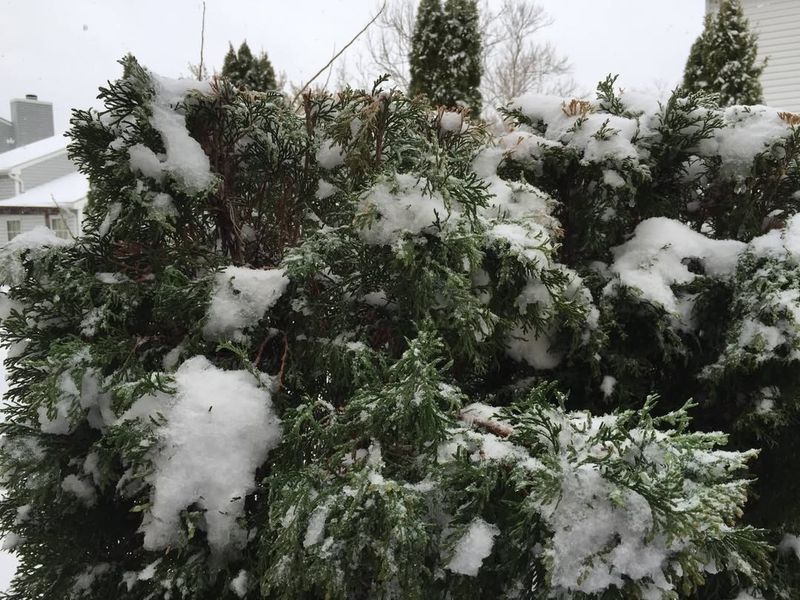
Developing a consistent watering routine removes guesswork from winter tree care and ensures your trees receive adequate moisture throughout Colorado’s long, dry cold season reliably.
Mark your calendar for monthly watering sessions as a baseline, then adjust frequency based on actual weather conditions, snowfall amounts, and observed soil moisture levels.
Winter months with significant snow accumulation may require less supplemental watering, while particularly dry periods demand more frequent attention to maintain adequate tree hydration across Colorado.
Keep a simple log noting watering dates, amounts, and weather conditions to help you identify patterns and refine your approach over multiple winters for better results.
Group trees with similar water needs together in your watering schedule to streamline the process and ensure each specimen receives appropriate attention during each maintenance session.
Set reminders on your phone or computer to prompt watering during warm spells, preventing you from missing ideal opportunities when conditions favor effective moisture application.
Consider installing a rain gauge to track natural precipitation amounts, helping you determine when supplemental watering becomes necessary versus when nature provides adequate moisture for trees.
Building winter watering into your regular routine makes it second nature rather than a forgotten chore, significantly improving tree health outcomes across Colorado’s challenging climate conditions.
A well-planned schedule transforms winter tree care from an overwhelming task into a manageable routine that protects your landscape investment and ensures beautiful, healthy trees year-round.