11 Shower Plants That Thrive In Michigan Bathrooms Despite Cold Winter Conditions
Michigan winters are tough on houseplants, but bathrooms offer a surprising refuge—especially for plants that love humidity.
Even when the rest of the house feels dry and cold, showers create warm, steamy conditions that certain plants thrive in.
These bathroom-friendly plants handle low light, fluctuating temperatures, and consistent moisture better than most.
They help soften hard surfaces, improve air quality, and turn ordinary bathrooms into calming retreats.
For Michigan homeowners, the appeal is practicality. These plants don’t require grow lights or constant care.
They simply take advantage of what’s already there.
When chosen wisely, shower plants stay lush all winter, proving that indoor gardening doesn’t have to stop when snow hits.
Sometimes, the best growing environment isn’t a sunny window—it’s the room with the running water.
1. Pothos (Epipremnum Aureum)
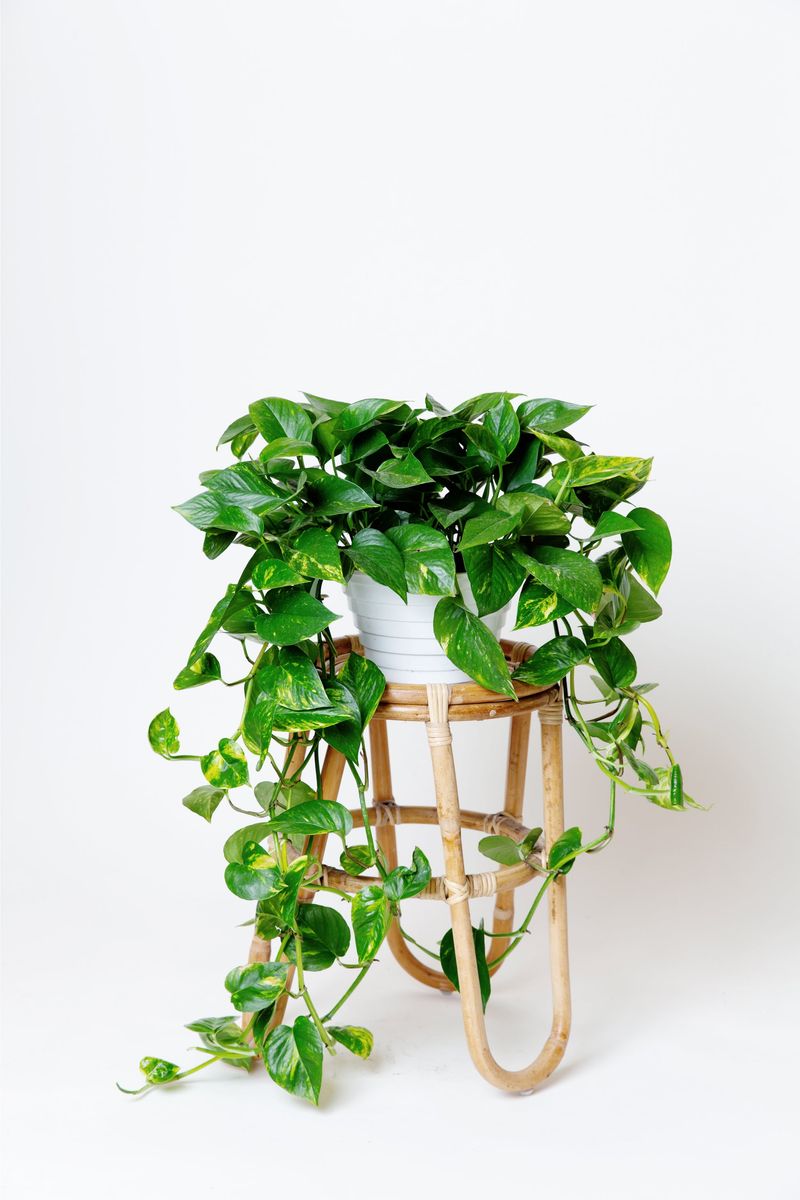
Golden pothos has earned its reputation as one of the most forgiving houseplants you can grow, making it perfect for Michigan bathrooms during the chilly months.
This trailing vine features heart-shaped leaves that cascade beautifully from shelves or hanging planters, creating an instant jungle vibe.
When winter hits Michigan and outdoor light becomes scarce, pothos continues thriving because it tolerates low-light conditions better than most plants.
Your bathroom’s warm, humid air from daily showers mimics the tropical rainforest environment where pothos naturally grows.
The plant actually prefers temperatures between 65-85°F, which matches most heated Michigan homes perfectly during winter.
Unlike fussy plants that demand constant attention, pothos forgives occasional neglect and adapts to various moisture levels.
The vines grow quickly, sometimes adding several inches per month, giving you visible progress even during dreary winter days.
You can train the stems to climb a moss pole or let them dangle freely for different aesthetic effects.
Pothos also helps remove indoor air pollutants, making your bathroom air fresher with every shower you take.
Simply water when the soil feels dry an inch down, and your pothos will reward you with vibrant growth all winter long.
2. Snake Plant (Dracaena Trifasciata)
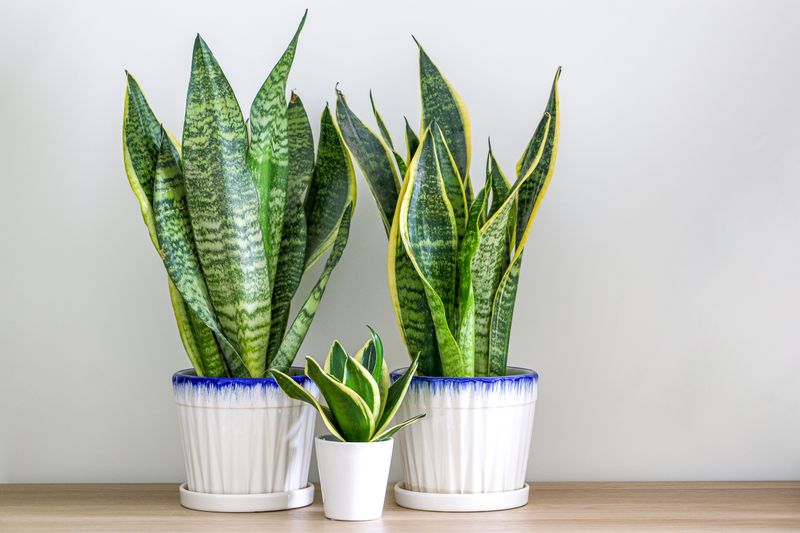
Architectural and striking, snake plants stand tall with their sword-like leaves that add modern elegance to any bathroom corner.
These resilient plants handle Michigan’s indoor winter conditions like champions because they’ve evolved to survive in harsh, dry environments.
Snake plants actually prefer being slightly neglected, making them ideal for busy folks who might forget to water regularly.
Your bathroom’s fluctuating humidity from steamy showers to drier periods between uses doesn’t bother this adaptable plant one bit.
During Michigan winters when natural light dwindles, snake plants continue growing slowly in low-light bathroom conditions.
They store water in their thick, fleshy leaves, so they can go weeks without watering—perfect for winter travel plans.
The upright growth pattern means snake plants fit nicely on floors, counters, or narrow shelving without taking much horizontal space.
Some varieties feature beautiful yellow edges or silvery-green patterns that catch whatever light filters through your bathroom window.
Snake plants also release oxygen at night, unlike most plants, potentially improving your bathroom’s air quality around the clock.
Place yours near a window if possible, but even a dim corner will work just fine throughout the coldest months.
3. Spider Plant (Chlorophytum Comosum)
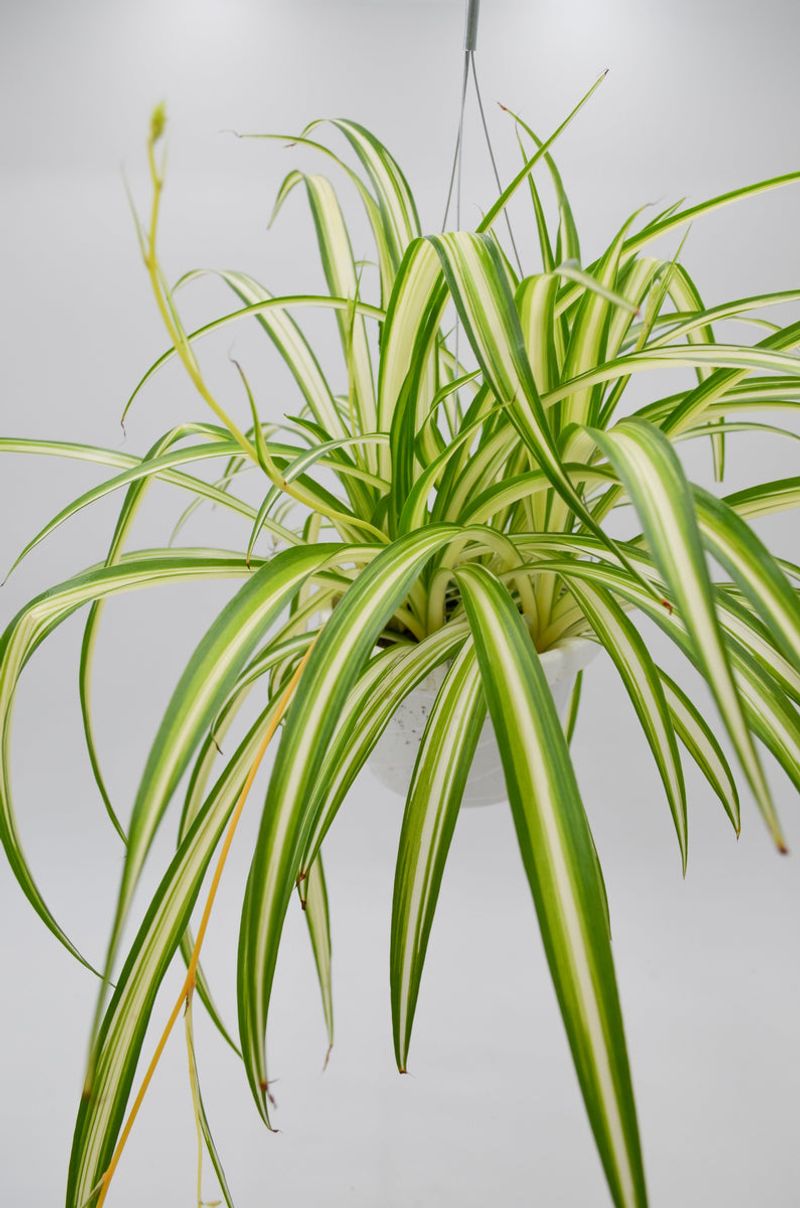
With arching leaves that fountain outward and cute baby plantlets dangling on stems, spider plants bring playful energy to bathroom spaces.
Michigan homeowners love spider plants because they adapt remarkably well to the temperature swings that happen when you run hot showers in cold houses.
The plant’s striped green-and-white foliage brightens even the dimmest winter bathrooms, reflecting whatever light is available.
Spider plants actually enjoy the moisture boost from your daily shower routine, which helps their leaves stay vibrant and prevent browning tips.
They grow quickly and produce adorable baby plants called “spiderettes” that dangle down like little ornaments.
These babies can be left attached for visual interest or snipped off and rooted to create new plants for other rooms.
During winter months when heating systems dry out most rooms, your bathroom’s humidity keeps spider plants looking their freshest.
The plant tolerates a wide range of light conditions, from bright indirect light near windows to shadier spots farther from natural light sources.
Spider plants are also non-toxic, making them safe choices if you have curious pets who wander into the bathroom.
Water when the top inch of soil feels dry, and watch your spider plant flourish throughout Michigan’s longest, coldest season.
4. Peace Lily (Spathiphyllum Species)
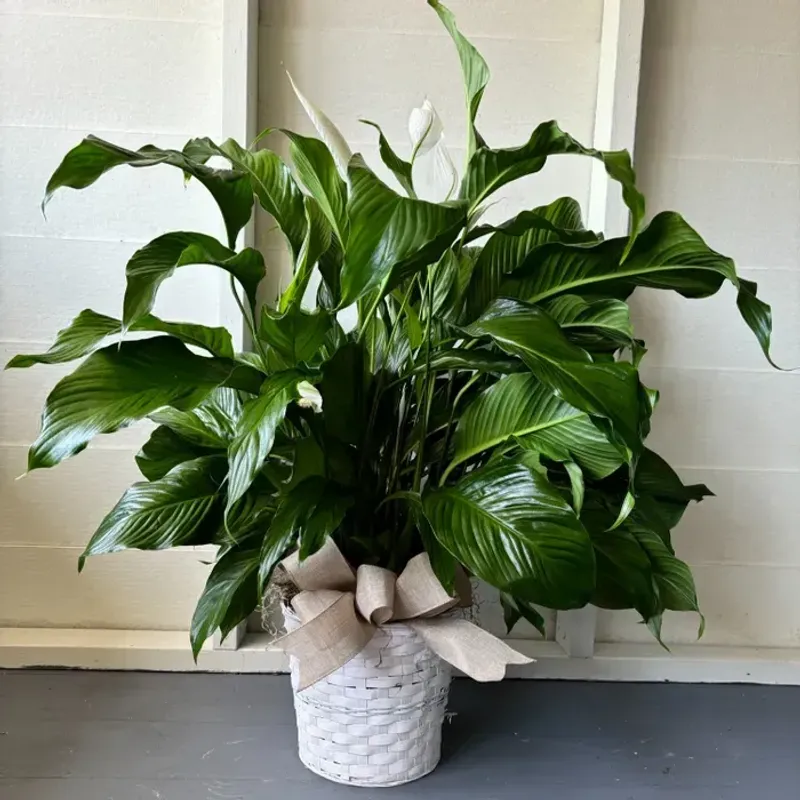
Elegant white blooms emerge like small flags of surrender above glossy green leaves, making peace lilies instant bathroom showstoppers.
What makes peace lilies especially wonderful for Michigan bathrooms is their clear communication—they literally droop when thirsty, then perk up hours after watering.
This visual feedback system takes the guesswork out of plant care, perfect for beginners still learning their green thumb skills.
Peace lilies genuinely appreciate the humidity generated by your morning and evening showers, which keeps their leaves looking polished and healthy.
During Michigan’s dark winter months, these plants continue growing in lower light conditions that would discourage many flowering plants.
The white spathes (which people often mistake for petals) can bloom multiple times throughout the year when conditions are right.
Your heated bathroom provides the consistent warmth peace lilies prefer, protecting them from cold drafts that might sneak through other parts of your home.
The plant’s air-purifying qualities have been documented by researchers, meaning it actively filters bathroom air while looking beautiful.
Peace lilies prefer evenly moist soil rather than completely drying out, which the bathroom environment helps maintain naturally.
Place yours on a vanity or shelf where it can enjoy indirect light, and it’ll reward you with graceful beauty all winter.
5. Boston Fern (Nephrolepis Exaltata)

Feathery fronds cascade in all directions, creating a lush, Victorian-era elegance that transforms ordinary bathrooms into spa-like retreats.
Boston ferns have a reputation for being finicky, but Michigan bathrooms during winter actually provide their ideal conditions.
The consistent humidity from regular showers prevents the crispy brown edges that plague Boston ferns in drier rooms.
While these ferns struggle in heated living rooms where humidity plummets during winter, bathroom moisture keeps their delicate fronds supple and green.
Your bathroom also shields the fern from cold drafts that sneak through windows and doors in other parts of your home.
Boston ferns prefer temperatures between 60-75°F with high humidity—exactly what most Michigan bathrooms offer during winter months.
The plant’s arching growth habit looks spectacular in hanging baskets positioned near showers where they catch maximum steam.
Unlike many houseplants that tolerate bathroom conditions, Boston ferns actually thrive best in this environment.
Check the soil regularly and keep it consistently moist but not waterlogged, as ferns dislike completely drying out.
Mist the fronds occasionally between showers if you notice any browning, though bathroom humidity usually provides enough moisture.
With proper bathroom placement, your Boston fern will stay lush and full throughout even the harshest Michigan winter.
6. ZZ Plant (Zamioculcas Zamiifolia)
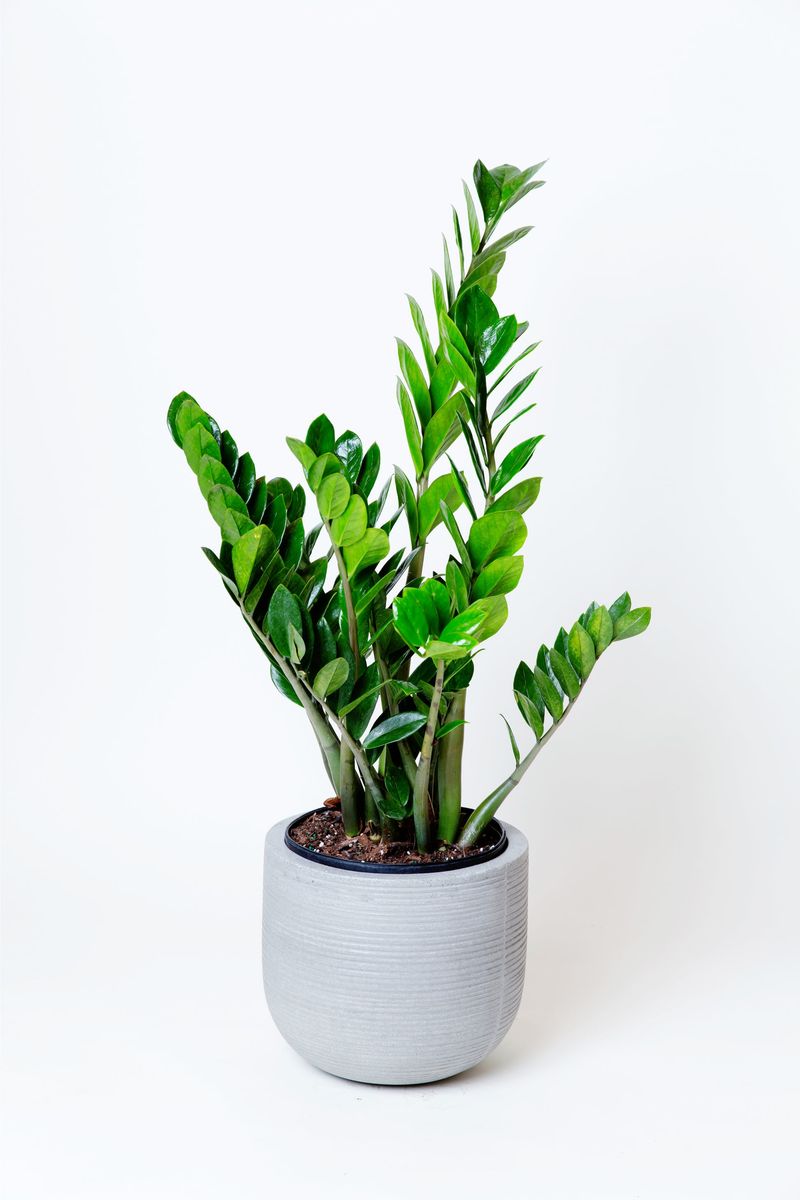
Glossy, waxy leaves grow on thick stems that look almost artificial in their perfection, making ZZ plants ideal for modern bathroom aesthetics.
Michigan winters mean shorter days and less natural light, but ZZ plants handle dim conditions better than almost any other houseplant.
This plant stores water in its rhizomes underground, allowing it to survive weeks of neglect if you forget to water during busy winter schedules.
The ZZ plant’s tolerance for infrequent watering makes it perfect for bathrooms that might not get daily use or attention.
Its slow, steady growth means you won’t need to repot frequently, and it maintains a tidy appearance without constant pruning.
ZZ plants actually prefer drying out between waterings, so the less humid periods between showers suit them perfectly.
The deep green, shiny foliage reflects light beautifully, helping brighten darker bathroom corners during gloomy Michigan winters.
This plant tolerates a wide temperature range, so fluctuations between steamy showers and cooler room temperatures don’t stress it.
ZZ plants grow upright rather than sprawling, making them space-efficient choices for smaller bathrooms or crowded countertops.
Place yours in any bathroom spot with minimal light, water sparingly, and watch it maintain its stunning appearance throughout the coldest months.
7. Heartleaf Philodendron (Philodendron Hederaceum)
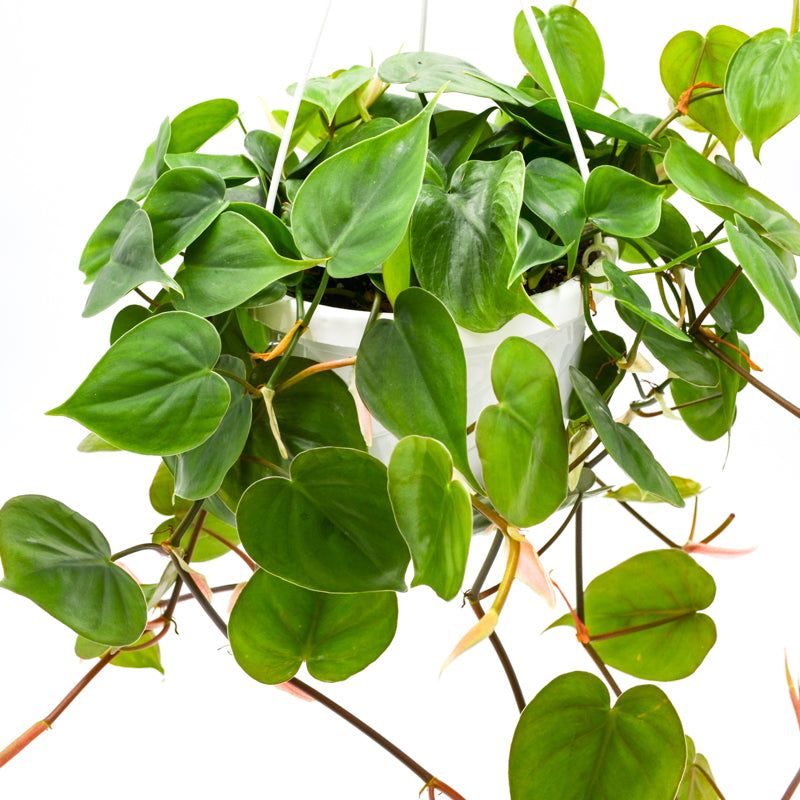
Heart-shaped leaves in rich green cascade gracefully from pots, creating romantic, flowing greenery that softens hard bathroom surfaces.
Heartleaf philodendrons come from tropical rainforests, so your steamy Michigan bathroom during winter actually recreates their native habitat perfectly.
The plant’s vining nature means you can train it to climb, trail, or even wrap around bathroom fixtures for creative displays.
During Michigan’s reduced winter daylight, heartleaf philodendrons continue growing in moderate to low light conditions without complaint.
The warm indoor air from your heating system combined with shower humidity creates ideal growing conditions for these tropical beauties.
Philodendrons grow quickly, sometimes producing new leaves weekly, giving you something to look forward to during dreary winter months.
The vines can extend several feet, creating impressive living curtains or shelf decorations that change and grow over time.
These plants tolerate occasional missed waterings, though they prefer evenly moist soil that bathroom humidity helps maintain.
Heartleaf philodendrons also filter indoor air pollutants, contributing to a fresher, cleaner bathroom environment.
The plant’s easygoing nature and rapid growth make it rewarding for beginners while remaining interesting for experienced plant enthusiasts.
Position yours on a high shelf or in a hanging basket where the vines can trail freely, and enjoy lush growth all winter.
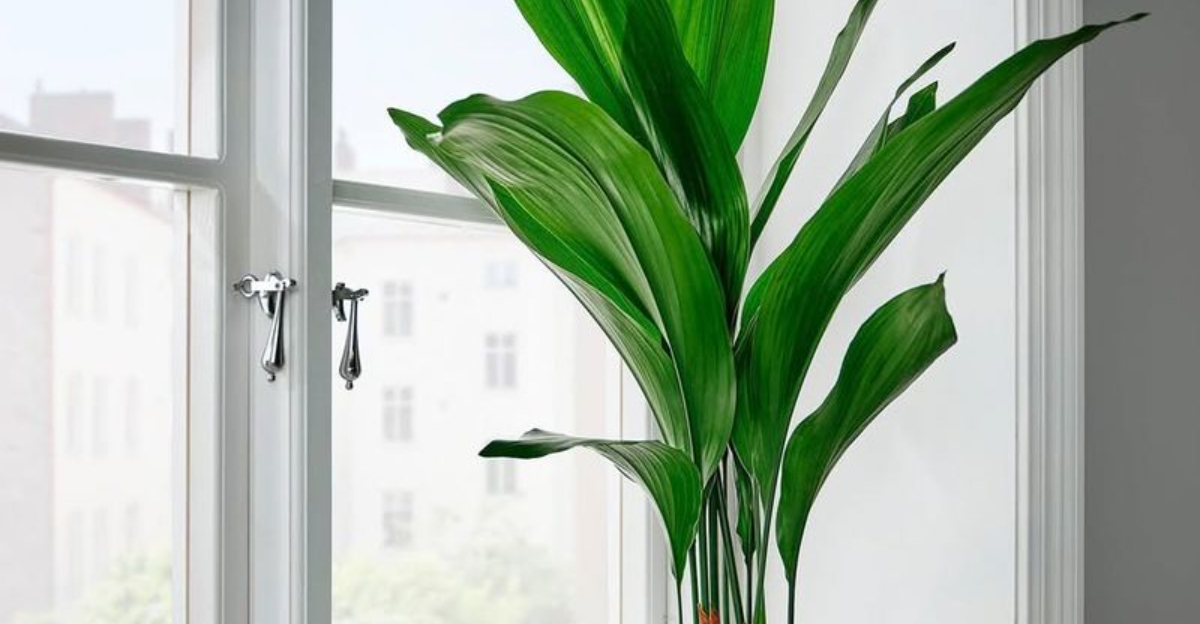
8. Cast Iron Plant (Aspidistra Elatior)
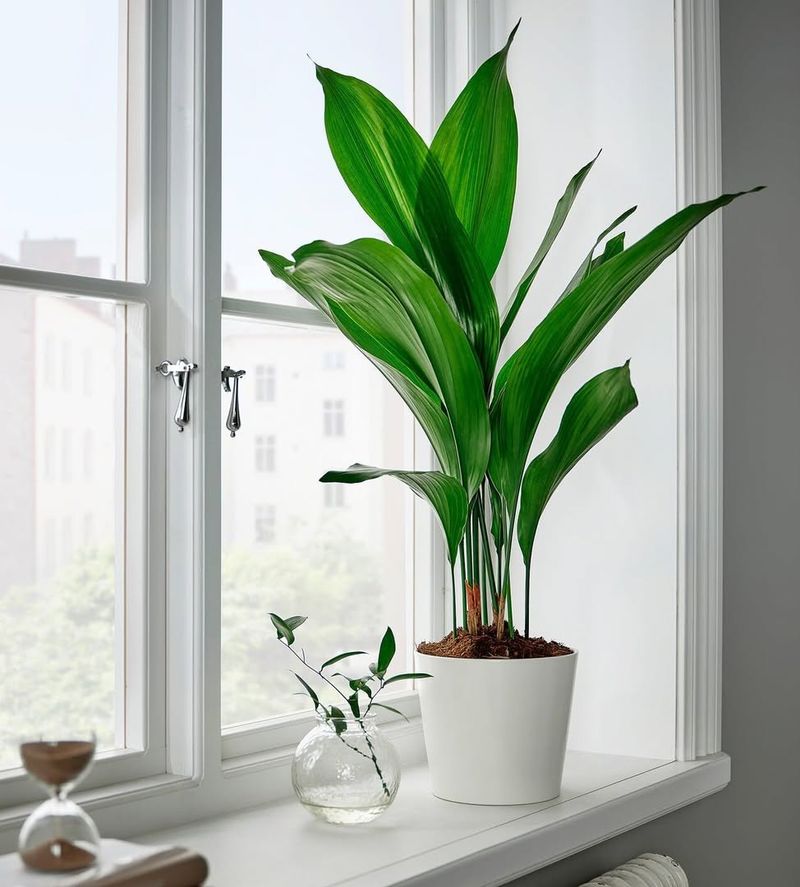
Broad, dark green leaves emerge directly from the soil in elegant arches, creating a sculptural presence that anchors bathroom corners beautifully.
True to its tough-as-nails name, the cast iron plant survives conditions that would stress or harm most other houseplants.
Michigan winters bring temperature fluctuations when you heat your home, but cast iron plants handle these changes without showing stress.
This plant tolerates extremely low light, making it perfect for bathrooms with small windows or no natural light at all.
The cast iron plant grows slowly and steadily, maintaining its appearance without requiring frequent care or intervention.
It actually prefers cooler temperatures than many tropical plants, so it won’t suffer if your bathroom runs slightly chilly.
The plant’s thick, leathery leaves withstand both dry periods and humid bathroom conditions with equal ease.
Cast iron plants rarely need fertilizing and can go long stretches without water, making them ideal for low-maintenance bathroom greenery.
The upright, clumping growth habit means it won’t sprawl or become unruly, keeping your bathroom looking neat and organized.
Some varieties feature attractive white or cream variegation that adds visual interest to darker bathroom spaces.
Place your cast iron plant anywhere in the bathroom, water when the soil dries out, and it’ll steadily grow throughout Michigan’s coldest season.
9. Chinese Evergreen (Aglaonema Species)
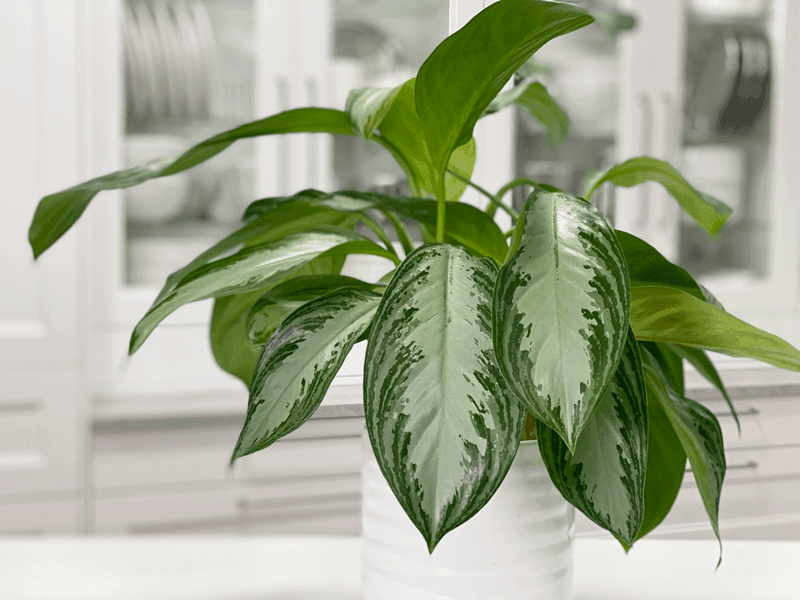
Patterned leaves in stunning combinations of green, silver, pink, and red make Chinese evergreens living works of art for bathroom counters.
These tropical plants genuinely love the warm, humid environment your Michigan bathroom provides during cold winter months.
Chinese evergreens tolerate low light remarkably well, continuing to produce new colorful leaves even when winter daylight is scarce.
The plant’s compact growth habit fits perfectly on bathroom counters, shelves, or small stands without overwhelming limited space.
Dozens of varieties exist with different leaf patterns and colors, so you can choose one that matches your bathroom’s color scheme.
Chinese evergreens prefer consistent warmth, which your heated bathroom provides, protecting them from cold drafts elsewhere in your home.
The plant’s thick stems and leaves store moisture, allowing it to tolerate occasional watering forgetfulness during busy winter schedules.
Shower humidity keeps the leaves looking glossy and vibrant, preventing the dull appearance that can develop in drier rooms.
Chinese evergreens grow slowly and maintain their shape well, requiring minimal pruning or maintenance throughout the season.
The plant also filters indoor air toxins, contributing to better air quality in your bathroom environment.
Water when the top inch of soil feels dry, and your Chinese evergreen will display its beautiful foliage all winter long.
10. Lucky Bamboo (Dracaena Sanderiana)
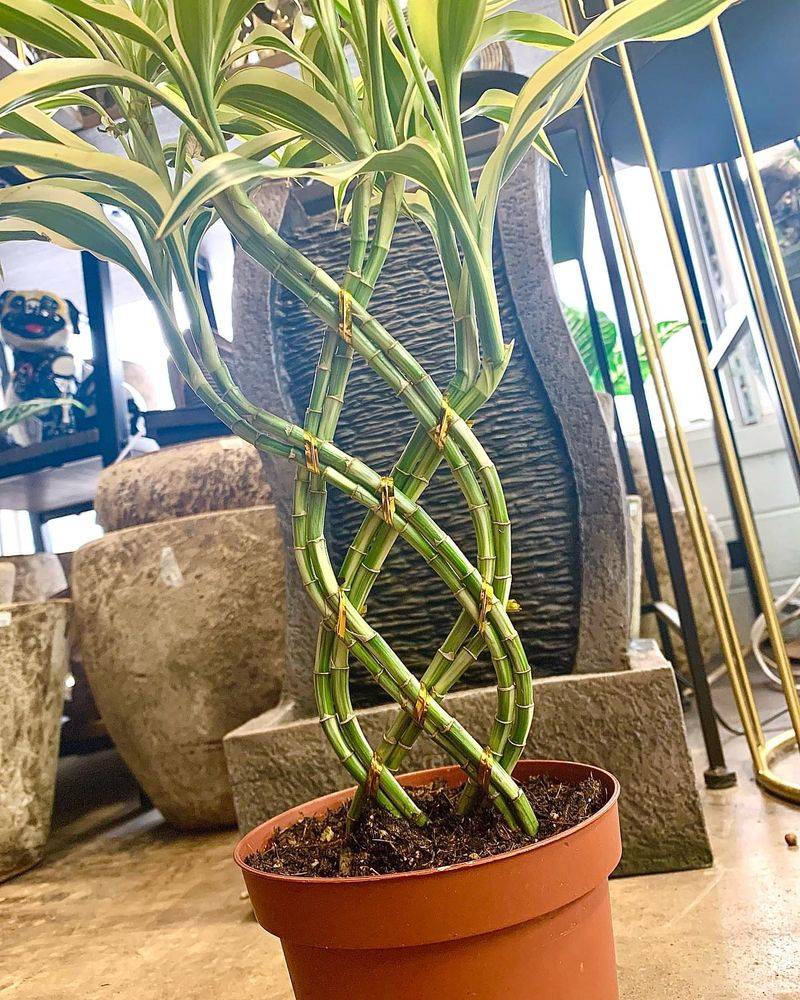
Graceful stalks twist and spiral in mesmerizing patterns, bringing zen-like tranquility and vertical interest to bathroom countertops.
Despite its name, lucky bamboo isn’t actually bamboo but a tropical plant that loves the exact conditions Michigan bathrooms offer in winter.
This plant can grow directly in water, making it incredibly low-maintenance and perfect for bathroom environments with high humidity.
The clear glass containers typically used for lucky bamboo add modern elegance while letting you monitor water levels easily.
Lucky bamboo tolerates low light conditions beautifully, continuing to grow even in bathrooms with minimal natural light during short winter days.
The plant prefers warm, stable temperatures, which your heated bathroom provides consistently throughout the cold season.
Shower steam keeps the stalks and leaves hydrated, preventing the yellowing that can occur in drier environments.
You can arrange multiple stalks in artistic patterns, creating personalized displays that reflect your style and creativity.
Lucky bamboo grows slowly and maintains its shape well, requiring only occasional water changes and minimal care.
The plant’s association with good fortune in feng shui adds a positive, hopeful element to your daily bathroom routine.
Simply keep the water level consistent, change it every few weeks, and your lucky bamboo will thrive throughout Michigan’s winter months.
11. Bird’s Nest Fern (Asplenium Nidus)
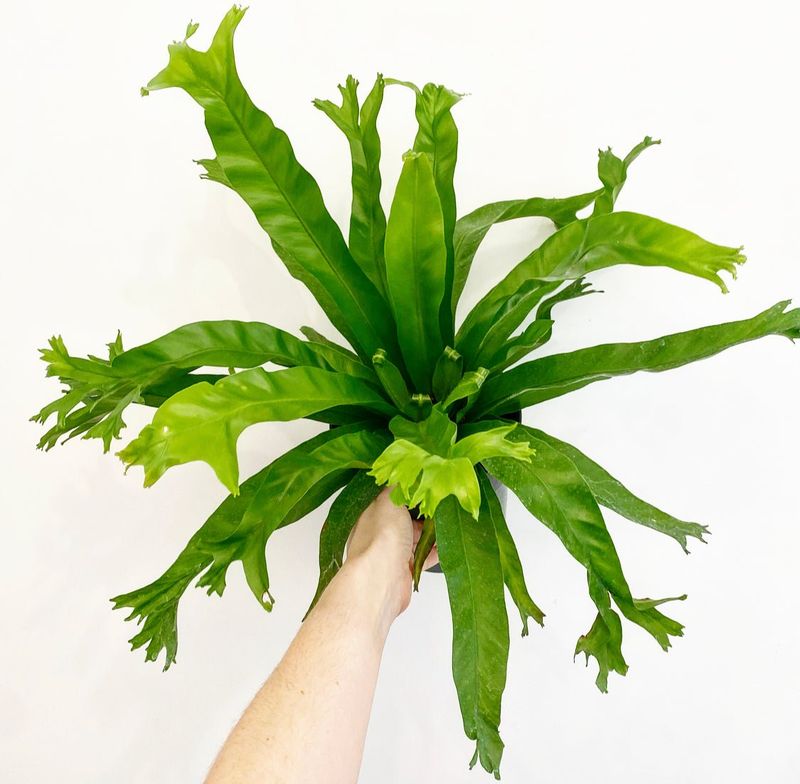
Bright green fronds unfurl from a central rosette that resembles a bird’s nest, creating a tropical focal point that energizes bathroom spaces.
Bird’s nest ferns originate from humid tropical forests, making your steamy Michigan bathroom their ideal winter home.
Unlike many ferns with delicate, divided fronds, this species features broad, wavy leaves that create bold visual impact.
The plant absolutely thrives on the humidity from daily showers, which keeps its fronds vibrant and prevents the browning common in drier rooms.
During Michigan winters when indoor heating dries out most spaces, bathrooms maintain the moisture levels bird’s nest ferns desperately need.
The fern prefers stable, moderate temperatures, and your bathroom’s consistent warmth protects it from cold drafts and temperature swings.
Bird’s nest ferns tolerate lower light levels than many tropical plants, making them suitable for bathrooms without bright windows.
The compact, rosette growth pattern means the plant won’t sprawl or become unmanageable, fitting neatly on shelves or stands.
New fronds emerge tightly curled from the center, slowly unfurling like living sculptures that provide ongoing visual interest.
Keep the soil consistently moist but not soggy, and avoid getting water in the central rosette where new growth emerges.
With proper bathroom placement near your shower, bird’s nest ferns will stay lush and beautiful throughout the entire winter season.