12 Shower Plants That Will Flourish In Pennsylvania Bathrooms This Season
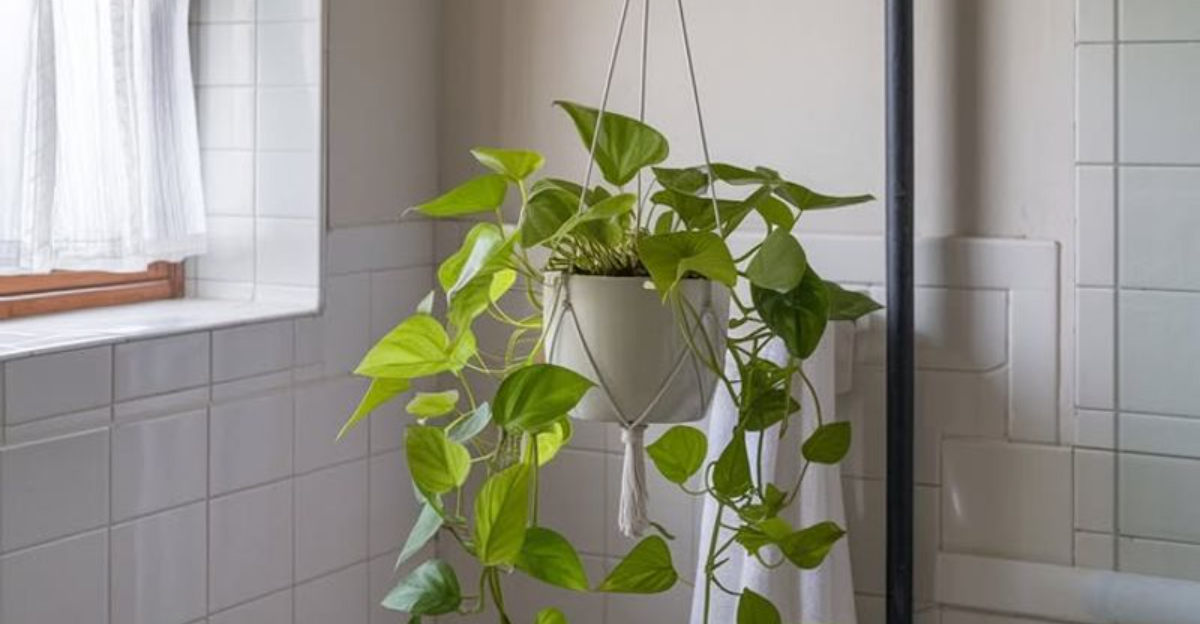
Turning your Pennsylvania bathroom into a lush indoor garden is easier than you might think with the right plant choices today.
Shower plants thrive in humid environments, making your bathroom the perfect spot to grow vibrant greenery all year long.
Pennsylvania winters can be harsh, but these moisture-loving plants will bring life and fresh air into your home this season.
From low-light lovers to air-purifying champions, discover which plants will transform your bathroom into a tranquil, green oasis now.
1. Boston Fern
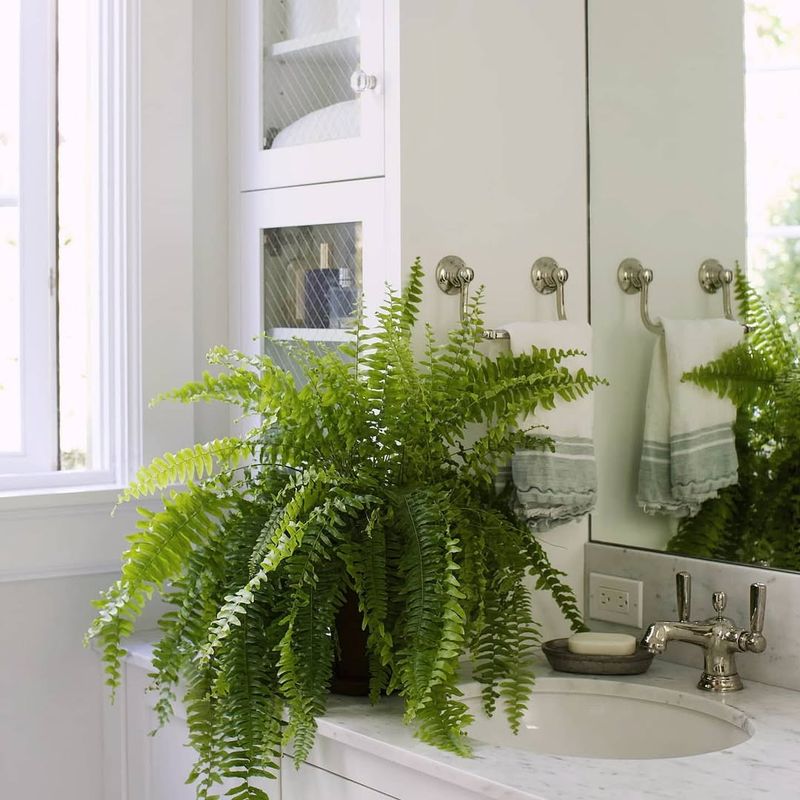
Boston ferns absolutely love the steamy conditions found in Pennsylvania bathrooms, especially during our chilly winter months when indoor heating runs constantly.
Their feathery fronds create an elegant cascade that softens hard bathroom surfaces while purifying the air you breathe every single day.
Humidity from hot showers mimics their natural tropical habitat, keeping those delicate leaves vibrant and green without much extra effort required.
Hang one near your shower or place it on a shelf where indirect light filters through a frosted window gently.
Water regularly to keep soil moist but never soggy, and mist the leaves occasionally if your bathroom tends to dry out quickly.
Pennsylvania tap water works fine, though letting it sit overnight helps remove chlorine that might damage tender foliage over extended periods.
Brown leaf tips usually signal low humidity or inconsistent watering, so adjust your care routine accordingly for best results always.
This classic fern brings timeless beauty and a spa-like atmosphere to any bathroom space, regardless of size or style preferences today.
2. Pothos
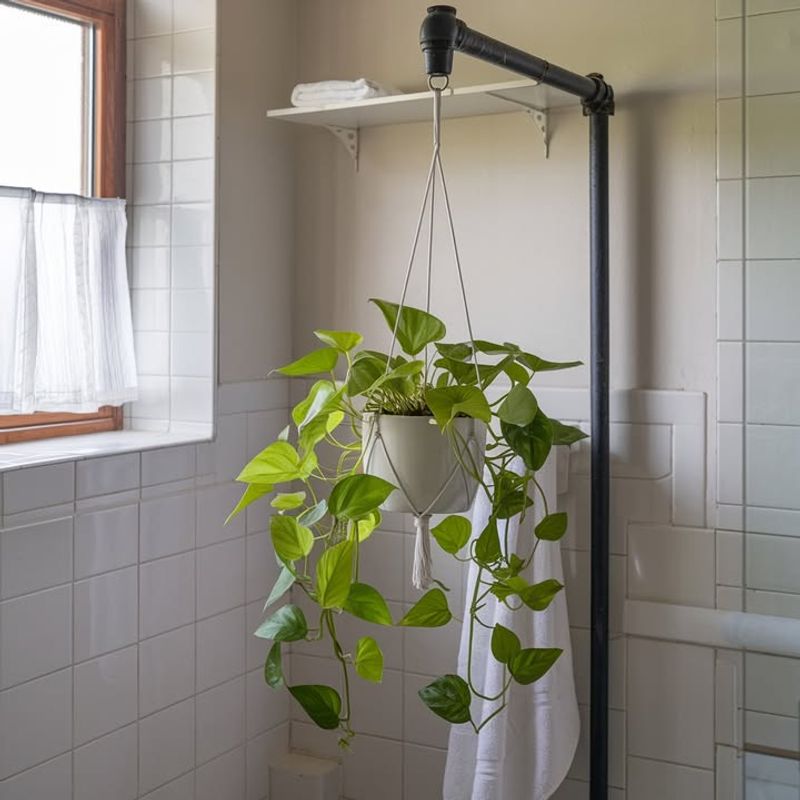
Pothos stands out as one of the most forgiving plants you can grow indoors, making it perfect for busy Pennsylvania households.
Its heart-shaped leaves come in various shades, from deep green to golden yellow, adding visual interest to plain bathroom walls effortlessly.
Vines grow quickly in humid environments, so you can train them along shelves, around mirrors, or even across shower curtain rods creatively.
Low light conditions do not bother pothos at all, which makes windowless bathrooms perfectly suitable for this resilient tropical beauty always.
Water when the top inch of soil feels dry to your touch, and watch as new leaves unfurl regularly throughout the year.
Pennsylvania winters can create dry indoor air, but shower steam provides the moisture pothos craves naturally without any special equipment needed ever.
Trim back leggy vines to encourage bushier growth, and propagate cuttings in water to create new plants for other rooms easily.
This adaptable vine tolerates occasional neglect better than most houseplants, bouncing back quickly even after you forget watering schedules sometimes unexpectedly.
3. Spider Plant
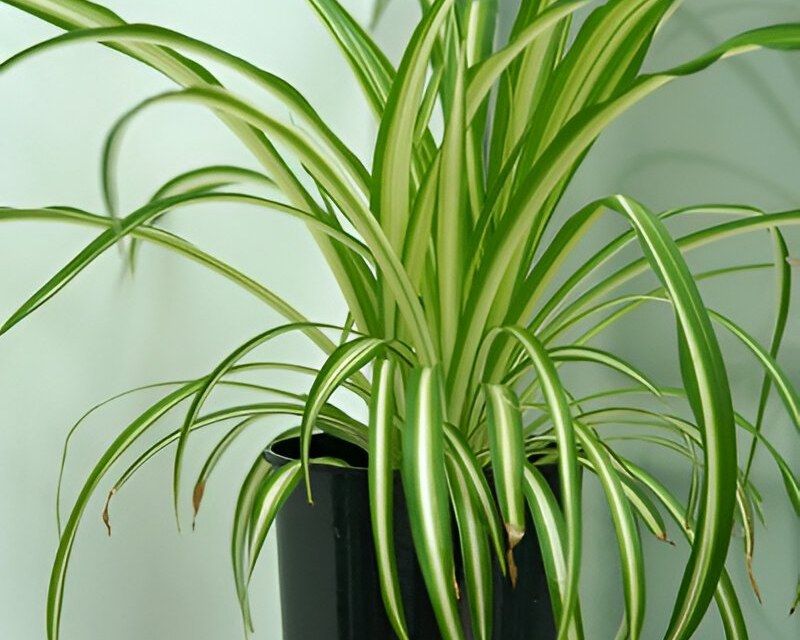
Spider plants produce charming baby plantlets that dangle from arching stems, creating a whimsical display in any Pennsylvania bathroom space available.
Their striped leaves add a cheerful pop of color while filtering toxins from the air, improving overall indoor air quality significantly.
These hardy plants tolerate a wide range of light conditions, from bright indirect sunlight to dimmer corners near your shower area.
Humidity from daily showers keeps leaf tips healthy and prevents the browning that often occurs in drier rooms throughout your home.
Water moderately, allowing soil to dry slightly between waterings, and feed monthly during spring and summer for optimal growth rates always.
Pennsylvania tap water sometimes contains fluoride that causes leaf tip damage, so using filtered or rainwater prevents this common issue effectively.
Propagate those adorable baby plants by snipping them off and rooting them in water or soil for gifts or additional greenery.
Spider plants grow quickly and produce cascading foliage that softens bathroom corners while requiring minimal maintenance from you throughout the year consistently.
4. Orchid
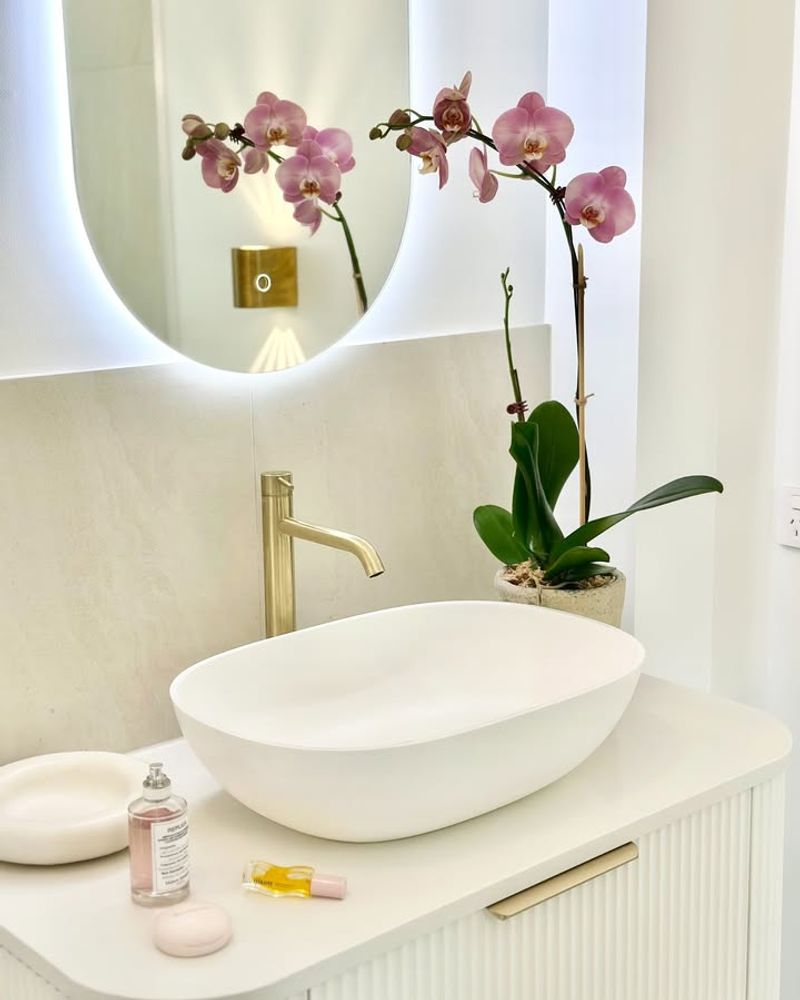
Orchids might seem intimidating, but bathroom conditions in Pennsylvania actually provide the ideal environment for these exotic bloomers to thrive beautifully.
Phalaenopsis orchids, commonly called moth orchids, prefer the exact humidity levels your shower creates naturally every single morning without fail.
Their stunning blooms last for months, adding elegance and sophistication to even the simplest bathroom decor styles you might prefer.
Place orchids where they receive bright, indirect light, such as near a frosted window or under a skylight for best results.
Water weekly by soaking roots thoroughly, then allowing them to dry completely before the next watering session to prevent root issues.
Pennsylvania winters provide cooler nighttime temperatures that actually encourage orchids to set new flower spikes for spectacular spring displays ahead.
Use orchid-specific potting mix that drains quickly, as these plants grow on trees in nature and dislike sitting in soggy soil.
Mist leaves occasionally if humidity drops, though shower steam usually provides enough moisture to keep foliage healthy and vibrant always naturally.
5. Peace Lily
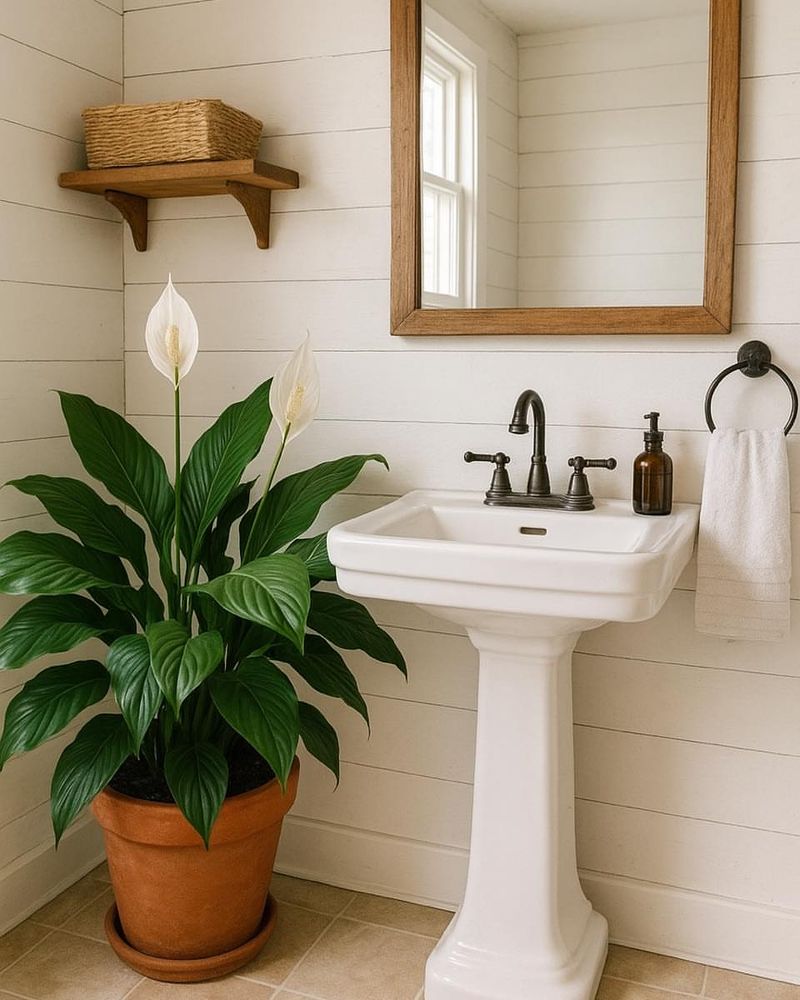
Peace lilies signal when they need water by drooping dramatically, then perk up within hours after a good drink from you.
This built-in communication system makes them foolproof for Pennsylvania homeowners who worry about overwatering or neglecting their bathroom greenery accidentally.
Their glossy leaves and elegant white blooms add a touch of serenity to any bathroom, creating a calming retreat atmosphere instantly.
Low light tolerance means peace lilies thrive even in bathrooms with small windows or no natural light sources at all effectively.
Shower humidity keeps leaves dust-free and healthy, reducing the need for manual cleaning that other houseplants often require regularly.
Water when soil feels dry an inch below the surface, and watch those dramatic droops disappear as roots absorb moisture quickly.
Pennsylvania tap water works well, though fluoride sensitivity sometimes causes brown leaf tips that remain purely cosmetic and not harmful overall.
Peace lilies filter common household toxins from bathroom air, making your space healthier while looking absolutely gorgeous throughout every season consistently.
6. Air Plant
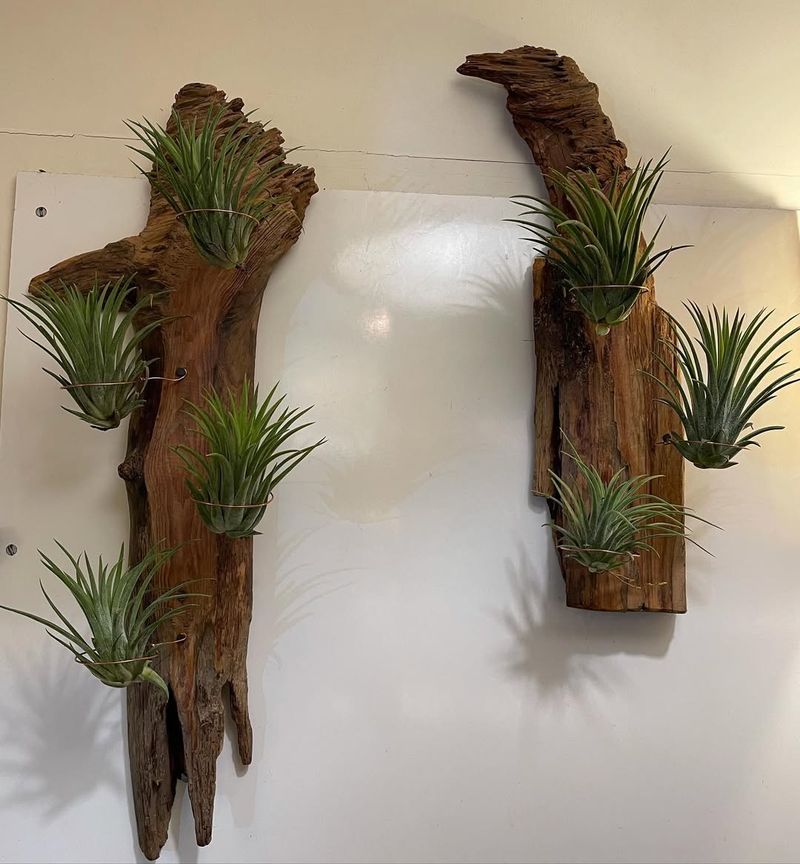
Air plants require no soil whatsoever, making them perfect for creative bathroom displays that showcase your unique personality and style preferences.
Mount them on driftwood, place them in glass terrariums, or simply set them on bathroom shelves where shower steam reaches regularly.
Pennsylvania bathroom humidity provides most of the moisture these fascinating plants need to survive and flourish throughout the entire year.
Mist air plants two to three times weekly, or soak them in water for twenty minutes every week for optimal hydration.
Bright, filtered light keeps them healthy, though they adapt well to lower light conditions found in many Pennsylvania bathrooms today.
After watering, shake excess moisture off gently and place them upside down to dry completely, preventing water from pooling in leaf bases.
Air plants produce colorful blooms when happy, adding unexpected pops of pink, purple, or red to your bathroom decor scheme.
Their alien-like appearance sparks conversation among guests while requiring far less maintenance than traditional potted plants you might consider growing instead always.
7. Bamboo
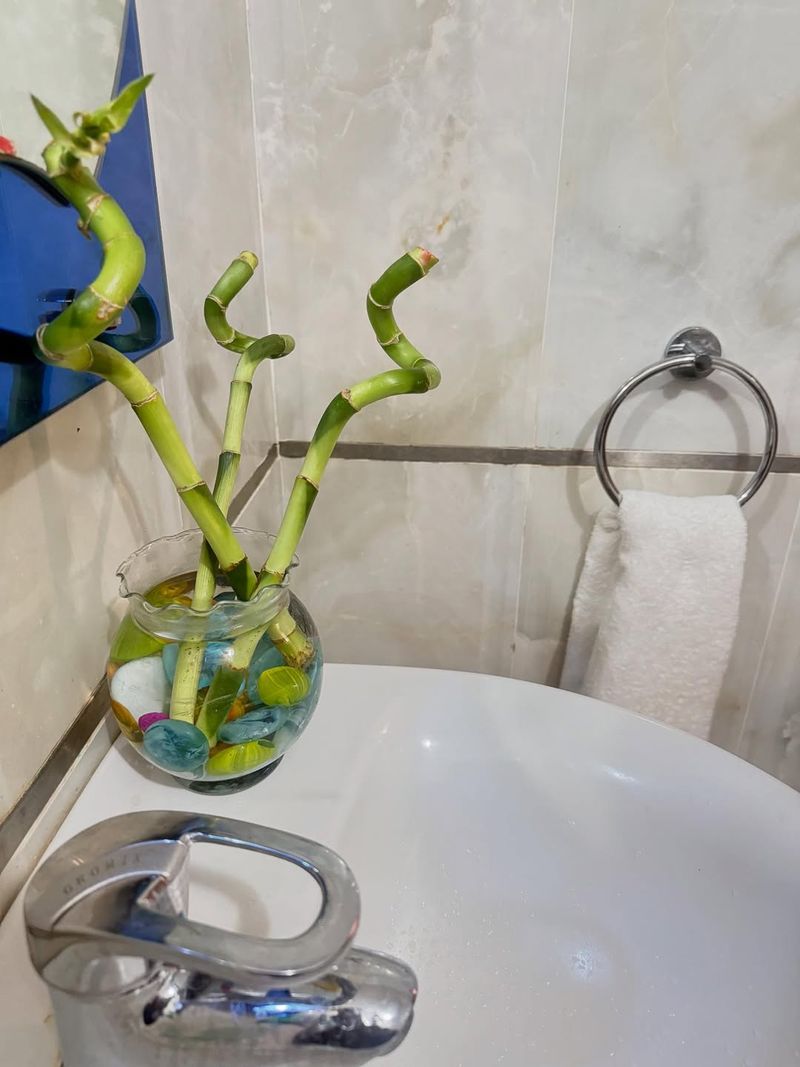
Lucky bamboo grows happily in plain water, making it an incredibly low-maintenance choice for Pennsylvania bathrooms with limited space available.
Its upright stalks bring a zen-like quality to bathroom counters, creating a peaceful atmosphere that helps you unwind after long days.
Arrange multiple stalks in decorative vases filled with pebbles and water for an attractive display that requires minimal effort always.
Change water weekly to keep it fresh and prevent algae growth that can cloud containers and harm plant health overall.
Indirect light suits bamboo best, as direct sunlight can scorch leaves and cause yellowing that detracts from its beauty significantly.
Pennsylvania tap water sometimes contains chemicals that cause brown leaf tips, so filtered or distilled water works better for sensitive plants.
Bamboo tolerates cooler temperatures common in Pennsylvania winters, making it more resilient than many tropical alternatives you might consider instead.
Trim yellow leaves promptly to maintain a tidy appearance, and watch as new shoots emerge regularly throughout the growing season.
This plant symbolizes good fortune in many cultures, adding positive energy to your daily bathroom routine naturally and effortlessly always.
8. English Ivy
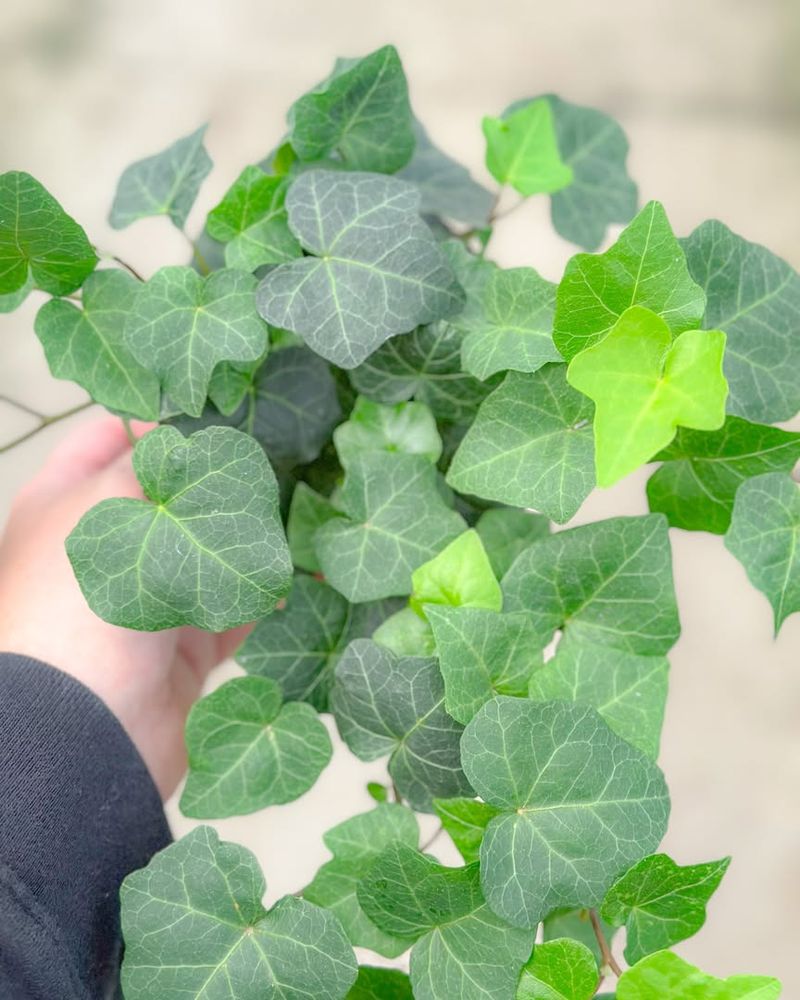
English ivy trails gracefully from hanging baskets or climbs decorative trellises, offering versatility in how you style your Pennsylvania bathroom space.
Its classic foliage comes in solid green or variegated patterns, allowing you to match existing decor themes effortlessly and beautifully always.
Cool Pennsylvania temperatures suit ivy perfectly, as it prefers moderate conditions rather than tropical heat that many houseplants require constantly.
Shower humidity prevents the spider mite infestations that plague ivy growing in drier rooms throughout your home during winter months.
Water when the top inch of soil dries out, and provide bright, indirect light for the most vigorous growth rates possible.
Prune regularly to control growth and encourage bushier foliage that fills in gaps along vines for a fuller appearance overall.
English ivy filters airborne toxins effectively, improving bathroom air quality while looking absolutely stunning in any container or hanging arrangement.
Pinch off stem tips and root them in water to propagate new plants, expanding your bathroom jungle without spending extra money.
9. Aloe Vera
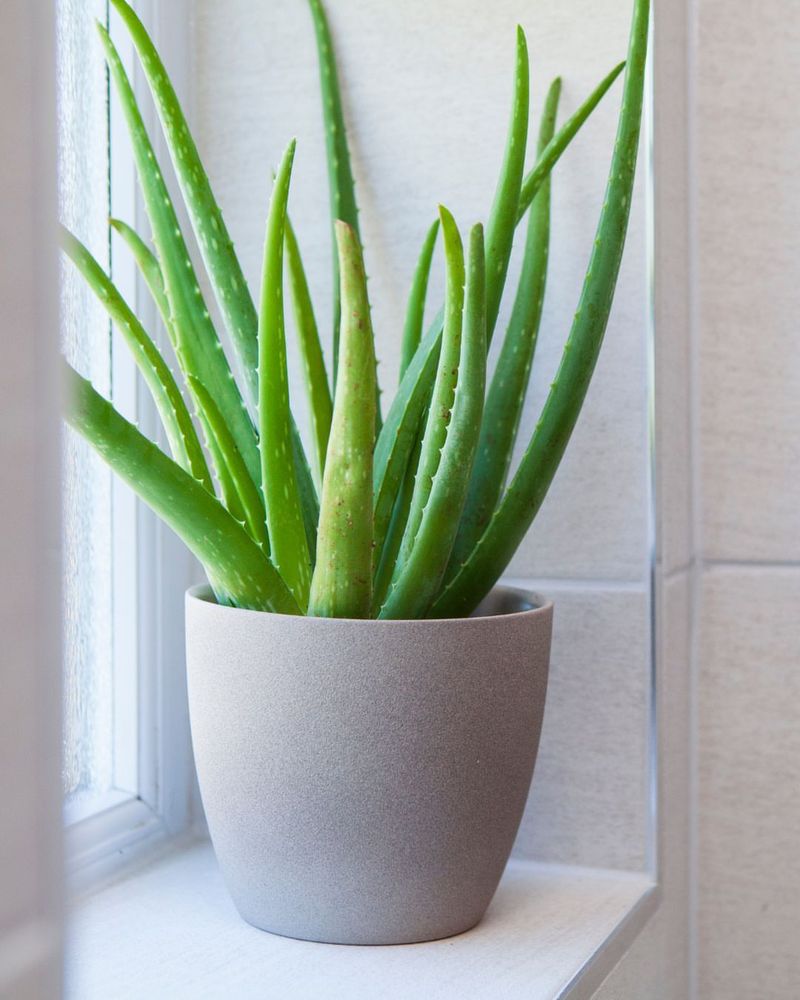
Aloe vera offers dual benefits as both a decorative plant and a natural remedy for minor burns or skin irritations you encounter.
Its thick, fleshy leaves store water efficiently, making it drought-tolerant and perfect for forgetful waterers living in Pennsylvania households today.
Place aloe near a bathroom window where it receives several hours of bright light daily for the healthiest growth possible.
Shower humidity provides occasional moisture boosts, though aloe prefers drier conditions than most bathroom plants on this list require regularly.
Water deeply but infrequently, allowing soil to dry completely between waterings to prevent root rot that can damage plants permanently.
Pennsylvania winters bring lower light levels, so aloe may need supplemental grow lights if your bathroom lacks adequate natural sunlight sources.
Use well-draining cactus soil to mimic the sandy conditions aloe enjoys in its native desert habitat for best results.
Snap off a leaf when needed and apply the soothing gel directly to sunburns or minor kitchen accidents for immediate relief naturally.
10. Philodendron
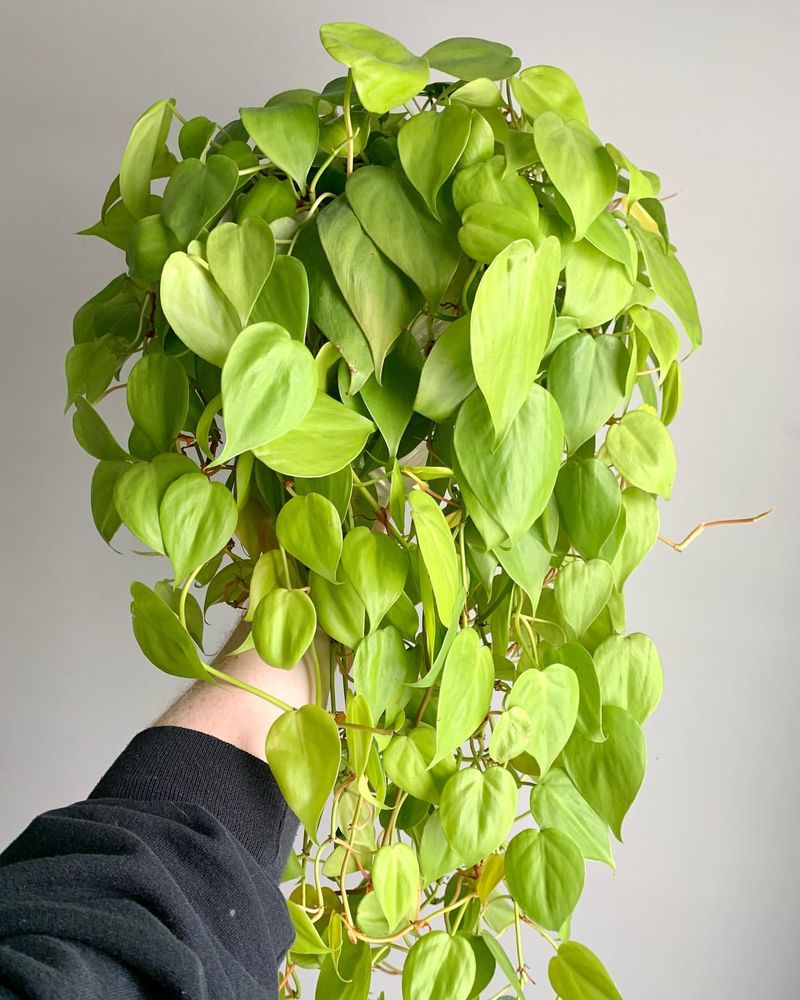
Philodendrons rank among the easiest plants to grow indoors, making them ideal for Pennsylvania beginners just starting their bathroom plant journey.
Heart-shaped leaves grow quickly in humid environments, creating lush greenery that transforms plain bathrooms into tropical retreats within just months.
Train vines up moss poles or let them trail from shelves, depending on the look you want to achieve creatively.
Low to medium light conditions suit philodendrons perfectly, so windowless bathrooms or those with frosted glass work wonderfully for placement.
Water when the top two inches of soil feel dry, and enjoy watching new leaves unfurl regularly throughout the year.
Pennsylvania shower steam provides the humidity philodendrons crave, keeping leaves glossy and preventing the brown edges common in drier rooms.
Wipe leaves occasionally with a damp cloth to remove dust and keep them looking their absolute best always naturally.
Philodendrons tolerate occasional neglect surprisingly well, bouncing back quickly even after you forget to water them for extended periods sometimes.
11. Snake Plant
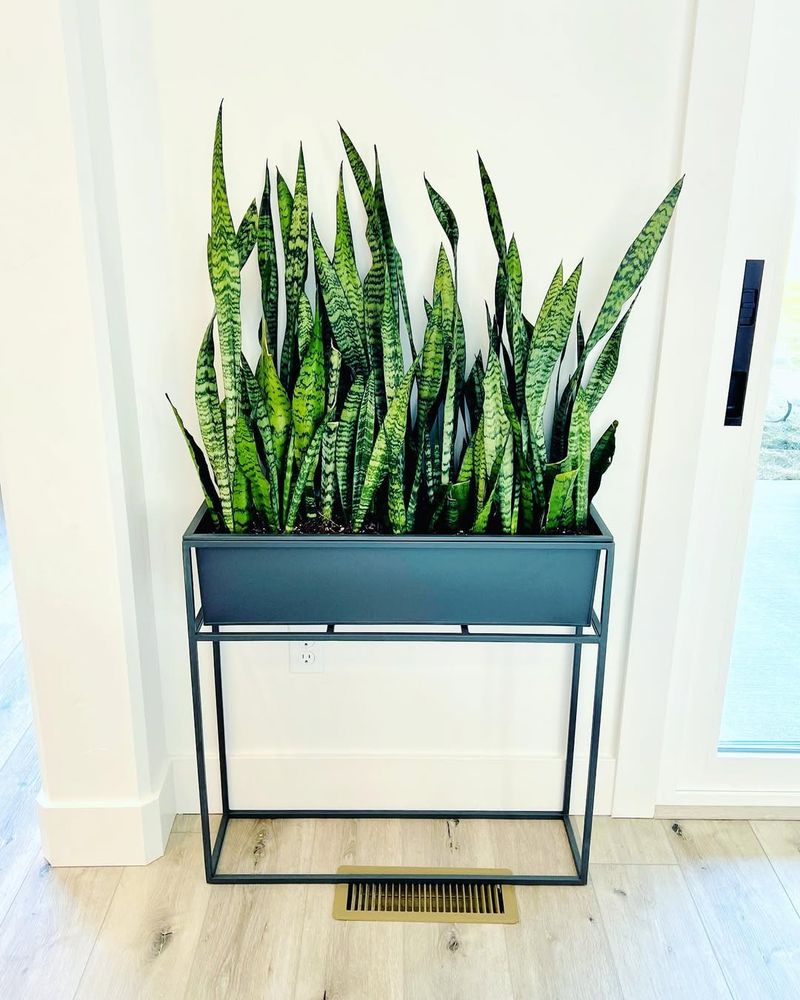
Snake plants tolerate neglect better than almost any other houseplant, making them perfect for Pennsylvania bathrooms that do not receive daily attention.
Their upright, sword-like leaves add architectural interest to bathroom corners while requiring minimal care throughout the entire year consistently and reliably.
Low light conditions do not faze snake plants at all, so even the darkest bathrooms can support healthy growth easily.
Water sparingly, allowing soil to dry completely between waterings, as overwatering causes more problems than underwatering for this resilient species.
Pennsylvania bathroom humidity provides enough moisture to keep leaves healthy without frequent watering sessions that other plants demand regularly always.
Snake plants purify air by converting carbon dioxide to oxygen at night, improving sleep quality if your bathroom connects to bedrooms.
Their striking variegated patterns come in shades of green, yellow, and silver, adding visual appeal to any decor style effortlessly.
Propagate by dividing root clumps or rooting leaf cuttings in soil, creating new plants to share with friends and family members easily.
12. Fittonia
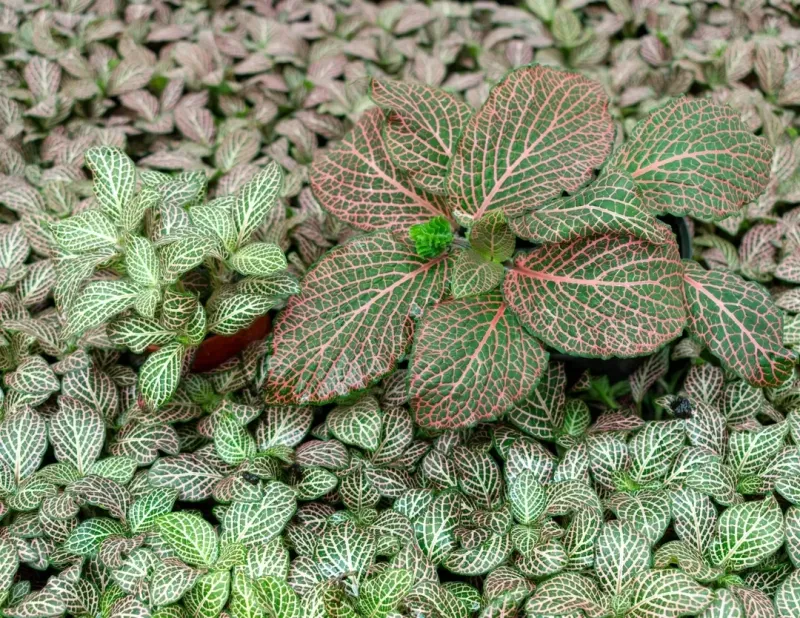
Fittonia, commonly called nerve plant, displays stunning foliage patterns in pink, white, or red against deep green backgrounds that captivate attention.
These compact plants fit perfectly on small bathroom shelves or counters where space is limited but you still want colorful greenery.
Pennsylvania bathroom humidity keeps fittonia leaves crisp and vibrant, preventing the wilting that occurs in drier indoor environments regularly.
Water consistently to keep soil evenly moist, as fittonia dramatically wilts when thirsty but recovers quickly after receiving a good drink.
Low to medium light suits these shade-loving plants, making them perfect for bathrooms without direct sunlight exposure throughout the day.
Pinch back leggy stems to encourage bushier growth and maintain a compact shape that looks tidy and attractive in small spaces.
Fittonia grows slowly compared to vining plants, so it will not quickly outgrow its designated spot in your bathroom layout.
Pair different colored varieties together for a striking display that adds personality and charm to your Pennsylvania bathroom decor scheme effortlessly.