8 Shrubs Arizona Gardeners Should Fertilize In April Before Heat Arrives
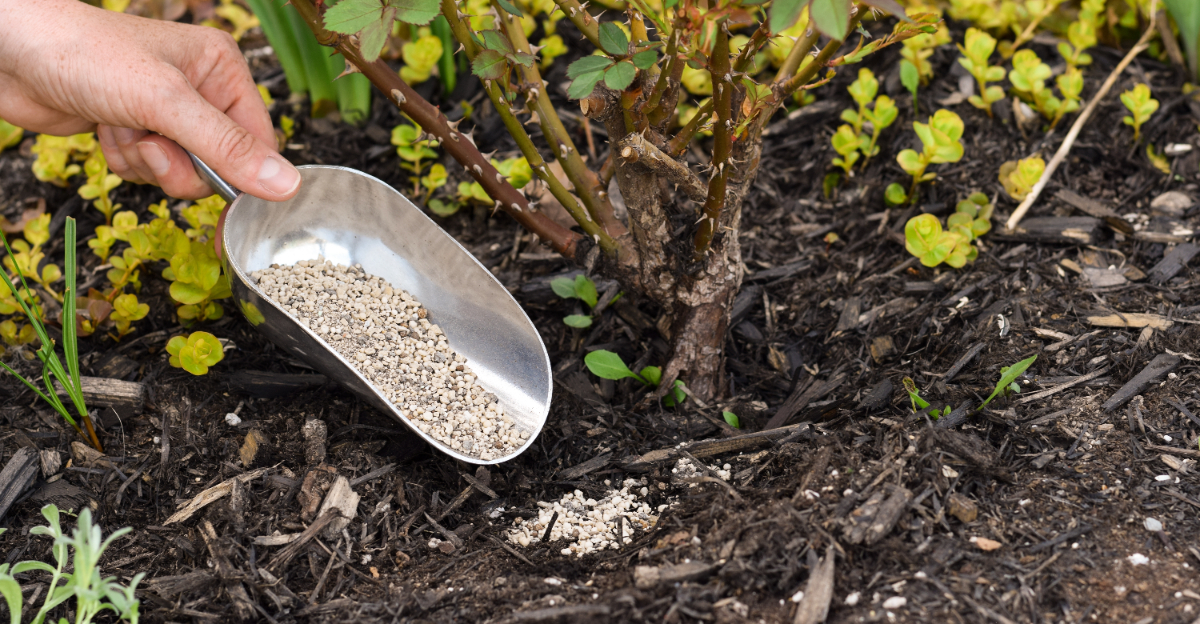
April in Arizona brings a short window when shrubs begin to respond before intense heat takes over, and what happens during this time can shape how they hold up through the hottest months.
Growth starts to pick up, and plants show clear signs of what they need, even if it is not obvious at first glance.
Many shrubs look fine on the surface, yet lack the strength to push through the season without extra support. Others respond quickly when given the right boost at the right moment.
The difference becomes clear later when some plants stay full and steady, while others fade under pressure. Timing plays a quiet but important role here, especially before temperatures climb higher.
Knowing which shrubs benefit most during this period can make the entire landscape feel more stable once summer settles in.
1. Roses Benefit From A Spring Feeding Before Active Growth Peaks
April is prime time for roses in Arizona, and skipping a feeding this month is a missed opportunity most gardeners regret by June. Roses in this region push out new canes and buds fast once spring temperatures settle in, and they need fuel to do it well.
Arizona’s alkaline soil is notoriously tough on roses. Nutrients like iron and manganese become less available at higher pH levels, which shows up as yellowing leaves even when the plant looks otherwise healthy.
A fertilizer formulated specifically for roses, or one that includes chelated iron, helps work around that issue in a way that general-purpose products often do not.
Apply on a three to four week schedule starting in April, and always water thoroughly before and after. Dry soil plus fertilizer is a recipe for root stress, especially as temperatures start climbing toward the high 90s by late spring.
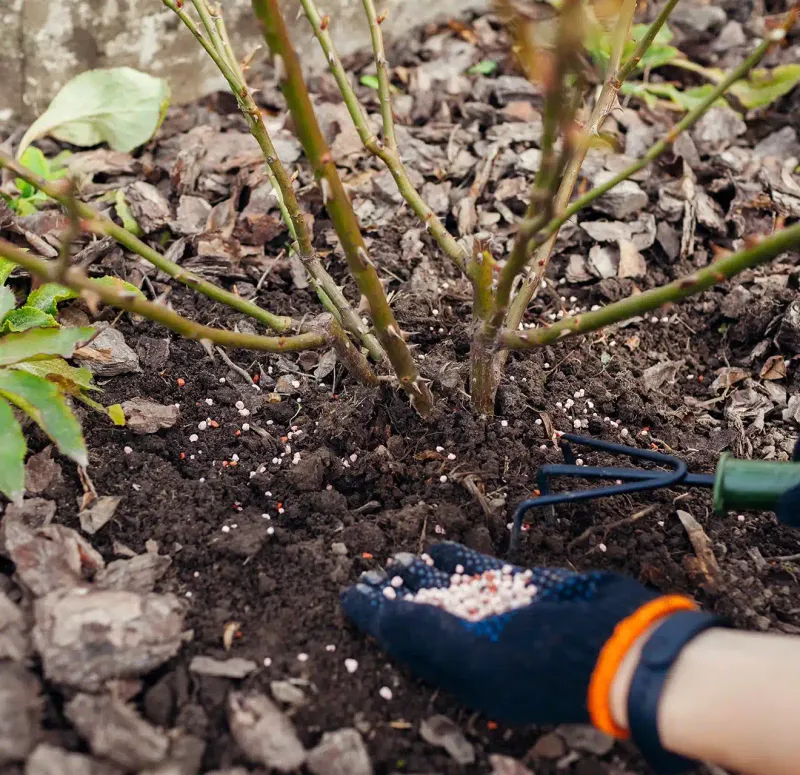
Granular options are reliable and easy to apply evenly around the drip line, where feeder roots are most active. Avoid piling product near the base of the canes.
Pull back any mulch, spread the fertilizer out to the canopy edge, water it in well, then replace the mulch to help hold moisture through the warming weeks ahead.
Stopping fertilizer applications by early summer helps prevent soft growth that struggles once extreme heat settles in across Arizona.
2. Bougainvillea Responds Best To Fertilizer As Growth Picks Up
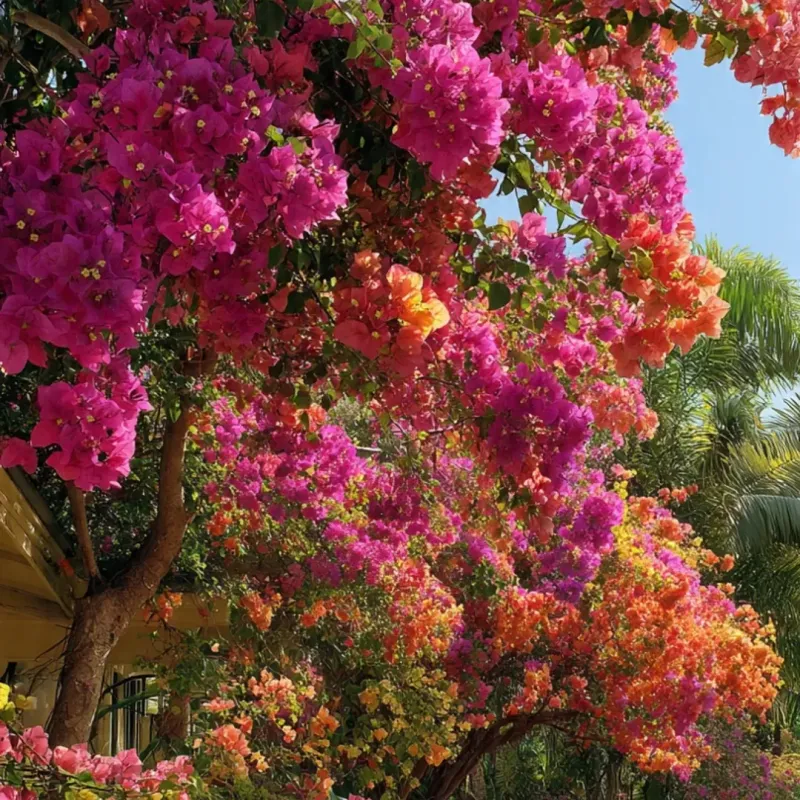
Few plants put on a show quite like bougainvillea in the Sonoran Desert, but getting that display takes a little strategy in April.
By mid-spring, new growth is pushing out fast, and a targeted feeding at this stage can help direct that energy toward flowering rather than just leafy expansion.
Phosphorus is the nutrient to prioritize here. A fertilizer with a higher middle number on the label, such as a 5-10-5 or similar ratio, encourages bud development over leafy growth.
Too much nitrogen and you end up with a big green plant that barely blooms, which is a common frustration for Arizona gardeners who overfeed with lawn fertilizers or general-purpose blends.
Light feeding works better than heavy doses. Bougainvillea does not need to be pushed hard to perform well in this climate.
One moderate application in early April, followed by consistent watering, is usually enough to support a strong late-spring bloom cycle.
Keep in mind that bougainvillea blooms most heavily when it experiences some stress, particularly slight drought between watering cycles. So do not combine a heavy feeding with aggressive irrigation.
Let the soil dry out a bit between waterings to keep the plant in bloom-triggering mode rather than pure growth mode throughout the spring season.
Applying fertilizer too frequently can actually reduce blooming, so spacing out feedings helps keep the plant focused on producing flowers rather than excess foliage.
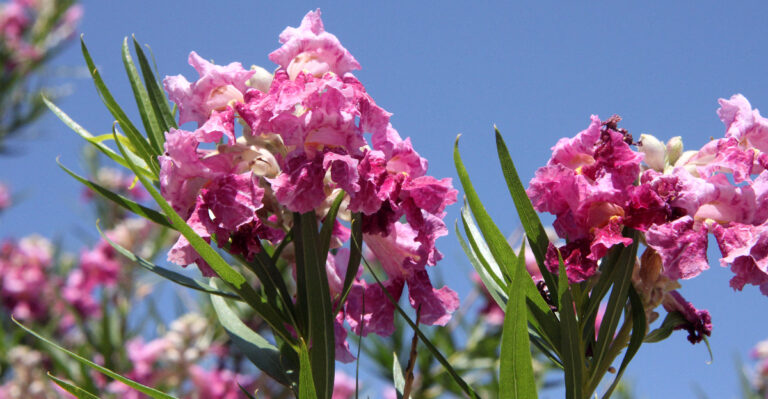
3. Oleander Uses Early Feeding To Support Fast Seasonal Growth
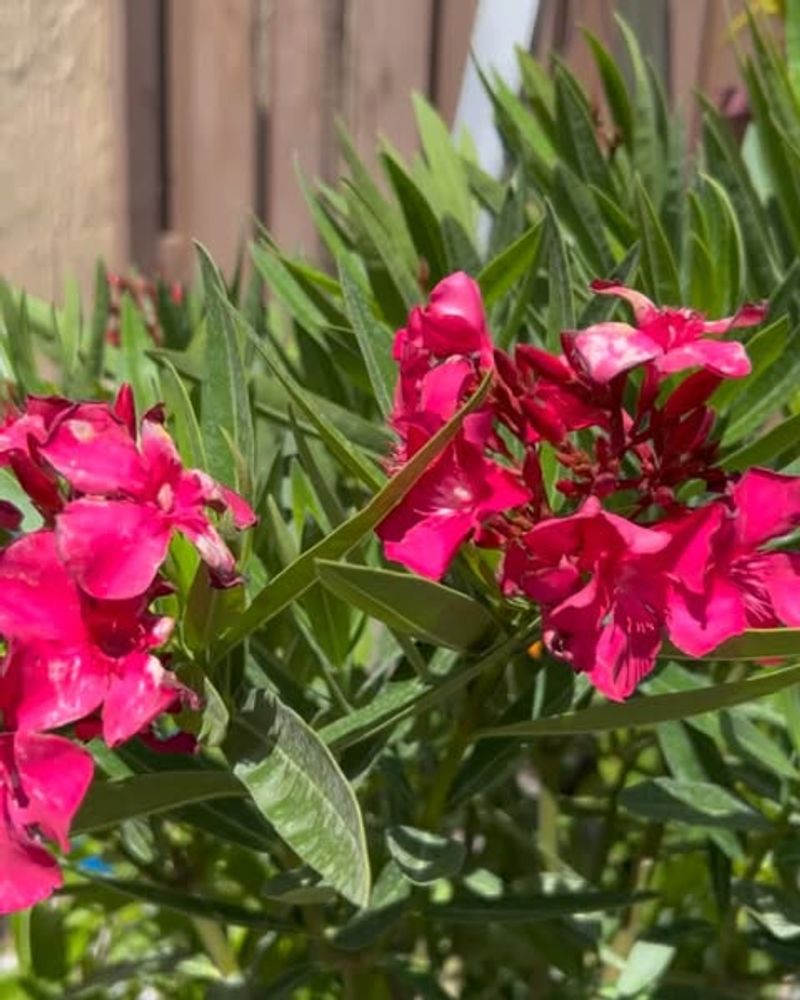
Oleander is tough, but tough does not mean it runs on nothing. April is when these shrubs start putting out rapid new growth across Arizona, and a light feeding this month helps channel that energy into healthy structure rather than weak, stretched-out stems.
Go conservative with the amount you apply. Oleander is sensitive to overfeeding, and pushing too much fertilizer at once tends to produce soft, fast growth that does not hold up well under summer heat.
A balanced granular fertilizer applied at half the recommended rate is a safer approach than loading up and hoping for the best.
Spread the fertilizer evenly under the canopy, reaching out toward the drip line where roots are pulling in the most water and nutrients. Water the area well before applying and again immediately after.
In Arizona’s sandy or rocky soils, nutrients move quickly, so getting them down into the root zone promptly matters more than in heavier clay-based soils.
Oleander planted along walls or in reflected heat zones will push harder in April than plants in shadier spots, so adjust your expectations accordingly.
Plants in full sun exposure may need slightly more support heading into summer, while those in partial shade often need very little to maintain a healthy growth rate through the warm season.
4. Lantana Grows Stronger With A Light Boost In Early Spring
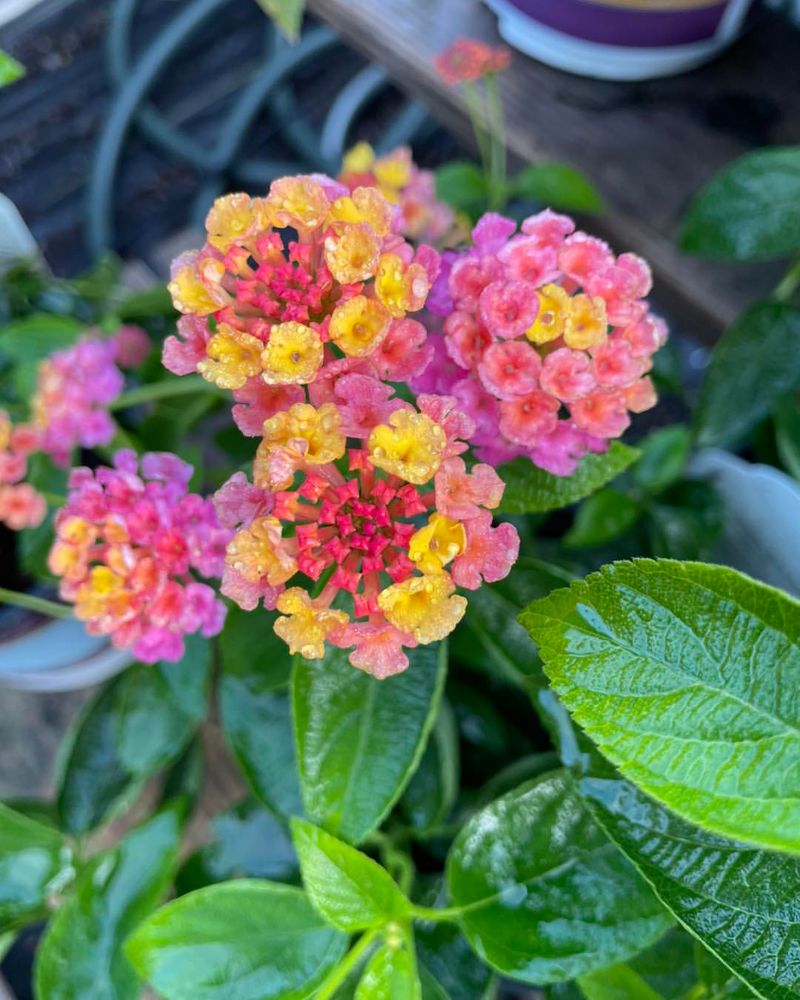
Lantana is one of the most reliable bloomers in Arizona, but even reliable plants perform better with a little support at the right moment. April feeding gives lantana a head start before the summer heat pushes everything into survival mode rather than growth mode.
Less is more with lantana. Overfeeding, especially with high-nitrogen fertilizers, shifts the plant’s energy toward producing leaves and stems instead of flowers.
A diluted balanced fertilizer applied once in early April is usually enough to get things moving without tipping the balance toward foliage-heavy growth that reduces the color display you are actually after.
Monthly light feedings through spring and into early summer are a reasonable approach for most Arizona gardeners. Just keep an eye on how the plant responds.
If you are seeing lots of green growth but few blooms, cut back on the nitrogen and let the plant coast a bit.
Lantana roots are relatively shallow, so water the area well before applying any fertilizer. Dry soil and concentrated nutrients can cause root irritation, which slows growth rather than encouraging it.
After applying, water again thoroughly so the nutrients move down into the active root zone.
Lantana in full sun locations across the Phoenix metro area tends to bloom most consistently when feeding and watering stay moderate and steady throughout the growing season.
5. Texas Sage Needs Minimal Feeding But Benefits From A Light Start
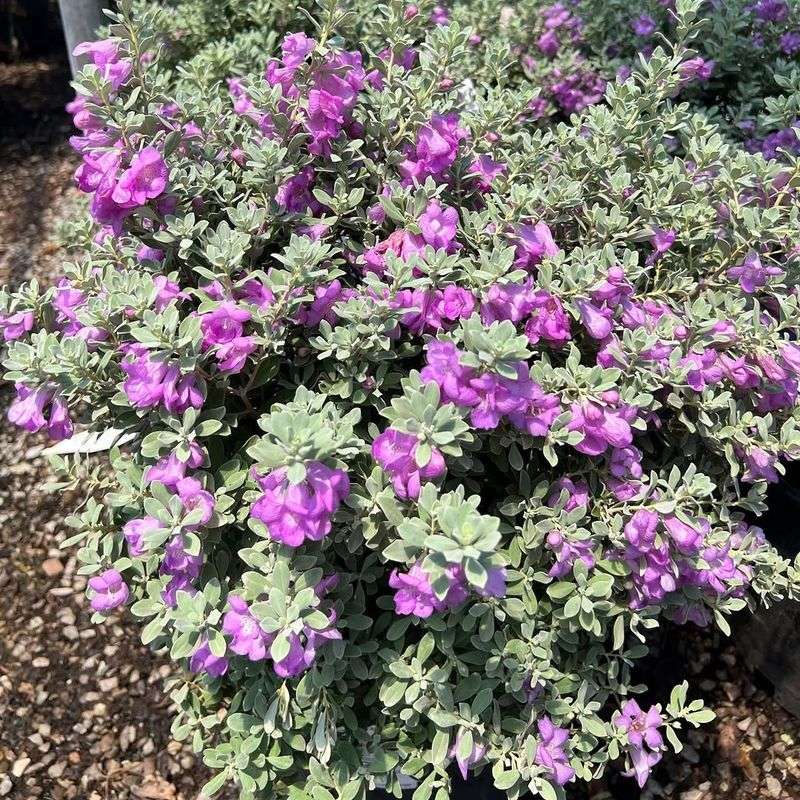
Texas sage, sometimes called purple sage or cenizo, is one of the most drought-adapted shrubs you can grow in Arizona. It does not ask for much, and that includes fertilizer.
Still, a very light feeding in April can give it a small edge heading into the growing season without disrupting its natural rhythm.
The key word here is light. A half-dose of a low-nitrogen fertilizer applied once in early spring is about all this plant needs or wants.
Pushing it with heavy nutrients tends to produce soft, lush growth that looks out of character and does not hold up well through the intense Arizona summer.
Stick to something balanced or slightly lower in nitrogen to keep growth steady and natural-looking.
Texas sage blooms in response to humidity and rainfall, not fertilizer. So do not expect a feeding to trigger flowers directly.
What it does support is overall plant health and root development heading into the season when heat stress is at its peak.
Skip fertilizing entirely if your plant is already growing vigorously or if it was recently transplanted. New plants in particular need time to establish in Arizona’s rocky, alkaline soils before being pushed with nutrients.
Water consistently through April and let the soil dry between cycles. That approach does more for long-term plant health than any fertilizer application on its own.
6. Bottlebrush Benefits From A Light Feeding As Growth Resumes
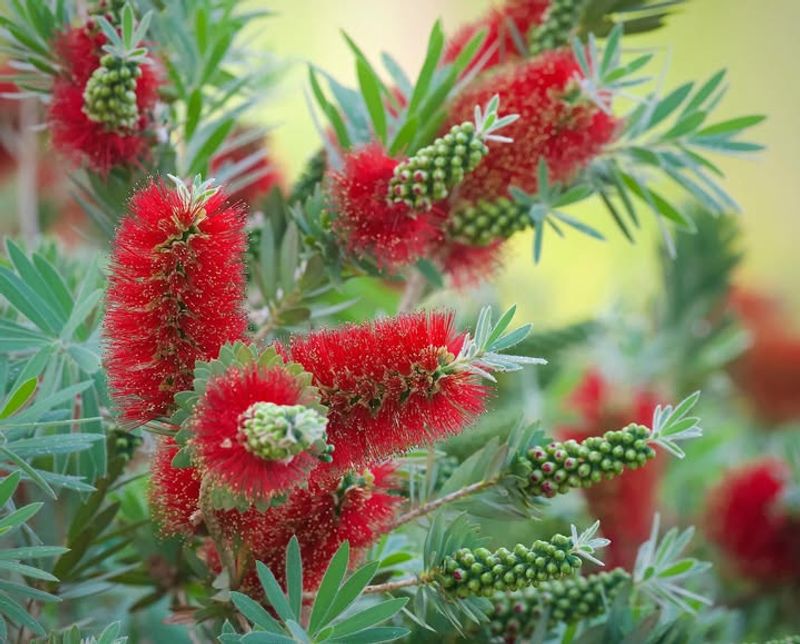
Bottlebrush earns its name every spring when those bright red flower spikes emerge and light up the yard.
April is when that growth cycle really kicks into gear in Arizona, and a light feeding at this point helps the plant push out healthy new growth and a strong first flush of blooms.
A balanced fertilizer works well for bottlebrush. Nothing fancy is required.
Granular slow-release products are a good fit because they deliver nutrients gradually over several weeks, which matches the steady growth pace of the plant better than a single heavy liquid application that spikes and fades quickly.
Apply out to the drip line rather than right at the base of the trunk. Bottlebrush has a wide, spreading root system, and concentrating fertilizer near the center of the plant means much of it never reaches the active feeder roots.
Water deeply before and after to move nutrients into the soil where they can actually be used.
One feeding in April is typically enough to carry bottlebrush through spring in most Arizona locations. If you notice pale or yellowish new leaves, that can point to an iron deficiency, which is common in alkaline desert soils.
Adding a chelated iron supplement alongside your regular fertilizer application can help address that issue without overloading the plant with nutrients it does not need right now.
7. Hibiscus Performs Better With Nutrients As Growth Speeds Up
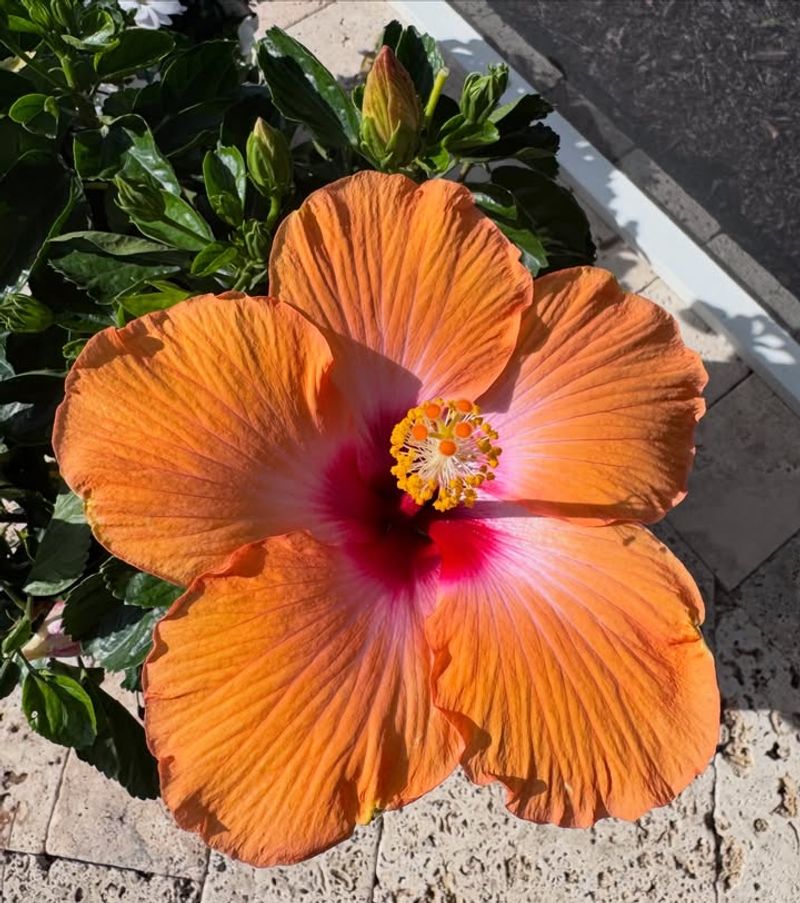
Hibiscus in Arizona can be a spectacular performer through spring and early summer, but it needs consistent support to hit that potential.
April feeding is one of the most reliable ways to set the plant up for a strong bloom cycle before heat becomes the dominant factor through July and August.
Phosphorus and potassium are the nutrients to focus on for hibiscus.
A fertilizer with a higher second and third number on the label supports root strength and flower production better than a high-nitrogen blend, which tends to push leafy growth at the expense of blooms.
Read the label carefully before buying, because not all flower fertilizers are formulated the same way.
Avoid overfeeding. Hibiscus responds well to regular light applications rather than one heavy dose.
A moderate feeding in early April, followed by another in late April or early May, keeps nutrient levels steady without shocking the root system during a period of active growth.
Water management matters as much as fertilizing for hibiscus in this climate. Consistent moisture helps the plant absorb nutrients efficiently.
Letting the soil dry out too much between waterings during April limits how much benefit the plant actually gets from any fertilizer you apply. Aim for deep, thorough watering every few days rather than frequent shallow watering to support strong root activity through the spring growth window in Arizona.
8. Yellow Bells Need Little Feeding But Tolerate A Light Spring Boost
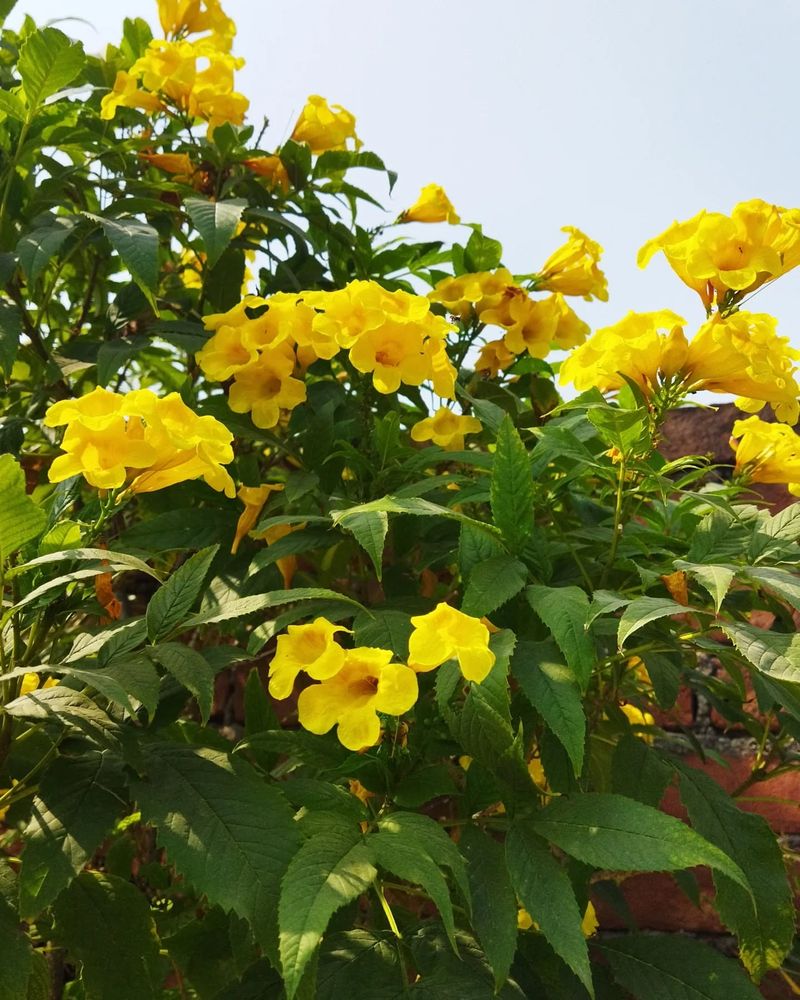
Yellow bells, known botanically as Tecoma stans, is one of the most naturally vigorous shrubs in Arizona. It blooms heavily, handles heat well, and does not demand much from the gardener.
That said, a light feeding in April can give it a small advantage as it ramps up for its biggest growth period of the year.
Keep the fertilizer amount modest. Yellow bells is adapted to lean desert soils, and pushing it with heavy nutrients often results in fast, floppy growth rather than the compact, upright form most gardeners prefer.
A low-dose balanced fertilizer, applied once in early April, is enough to support the plant without encouraging excessive shoot growth that needs frequent pruning to manage.
Granular slow-release fertilizers are a practical choice here because they reduce the risk of overfeeding. They break down gradually over weeks, which suits the steady growth pace of yellow bells better than a single concentrated liquid application.
Spread the product out to the drip line and water it in well.
If your yellow bells is already growing aggressively or was fertilized recently, you can skip April feeding entirely without much consequence. Across Arizona, this shrub tends to perform well with minimal intervention as long as it gets adequate sunlight and occasional deep watering.
Sometimes the best approach is simply staying out of the way and letting the plant do what it naturally does best in desert conditions.