7 Shrubs Deer Usually Avoid In Pennsylvania Landscapes
Few things frustrate Pennsylvania gardeners more than walking outside to find freshly planted shrubs chewed down overnight. Deer wander through many neighborhoods and wooded areas, and a well kept garden can quickly turn into an easy meal.
Even the most carefully planned landscape can struggle when hungry visitors stop by on a regular basis.
While deer seem willing to sample a wide range of plants, they do have preferences. Some shrubs are simply less appealing because of their scent, taste, or texture.
Gardeners who choose these varieties often notice far less damage in their yards, even in areas where deer are common.
Selecting the right shrubs can make a big difference when designing a landscape that stays healthy and attractive. Instead of constantly replacing plants or trying different deterrents, many homeowners focus on shrubs deer usually pass by.
With thoughtful choices, it becomes much easier to create a Pennsylvania garden that stays full, colorful, and far less tempting to wandering wildlife.
1. Boxwood (Buxus Spp.)
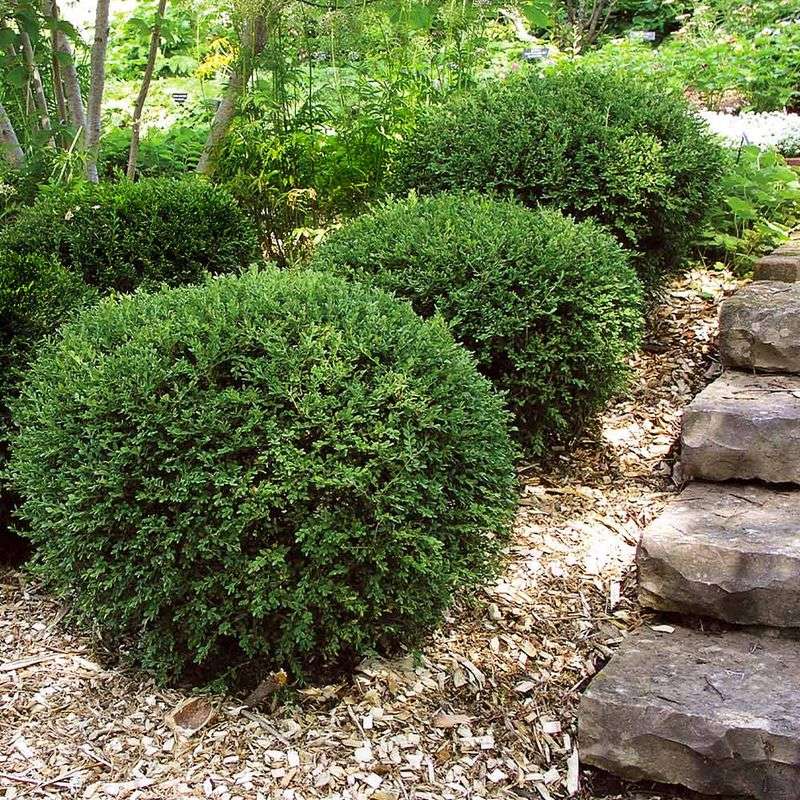
Walk through almost any classic Pennsylvania garden and you are likely to spot a boxwood. These evergreen shrubs have been a landscaping staple for centuries, and for good reason.
Their dense, compact growth makes them perfect for shaping into hedges, borders, and topiaries.
One of the biggest reasons deer tend to leave boxwoods alone is their strong, distinctive scent. The foliage releases an odor that most deer find unpleasant, which makes boxwoods a reliable choice for yards where deer pressure is high.
Many Pennsylvania homeowners near wooded areas rely on boxwoods as a first line of defense around their foundation plantings.
Boxwoods are also incredibly versatile. They grow well in both full sun and partial shade, and they can handle Pennsylvania winters without too much trouble.
Most varieties stay green all year, which means your yard gets structure and color even during the coldest months.
When planting boxwoods, make sure the soil drains well. They do not like sitting in wet ground for long periods.
Adding a layer of mulch around the base helps keep moisture balanced and roots protected during harsh Pennsylvania winters.
Pruning is simple and rewarding. A light trim once or twice a year keeps them tidy and encourages full, bushy growth.
Popular varieties like ‘Green Mountain’ and ‘Winter Gem’ perform especially well across Pennsylvania’s different climate zones.
If you want a low-maintenance, deer-resistant shrub that looks polished year-round, boxwood is one of the best choices you can make for your landscape.
2. Inkberry Holly (Ilex Glabra)
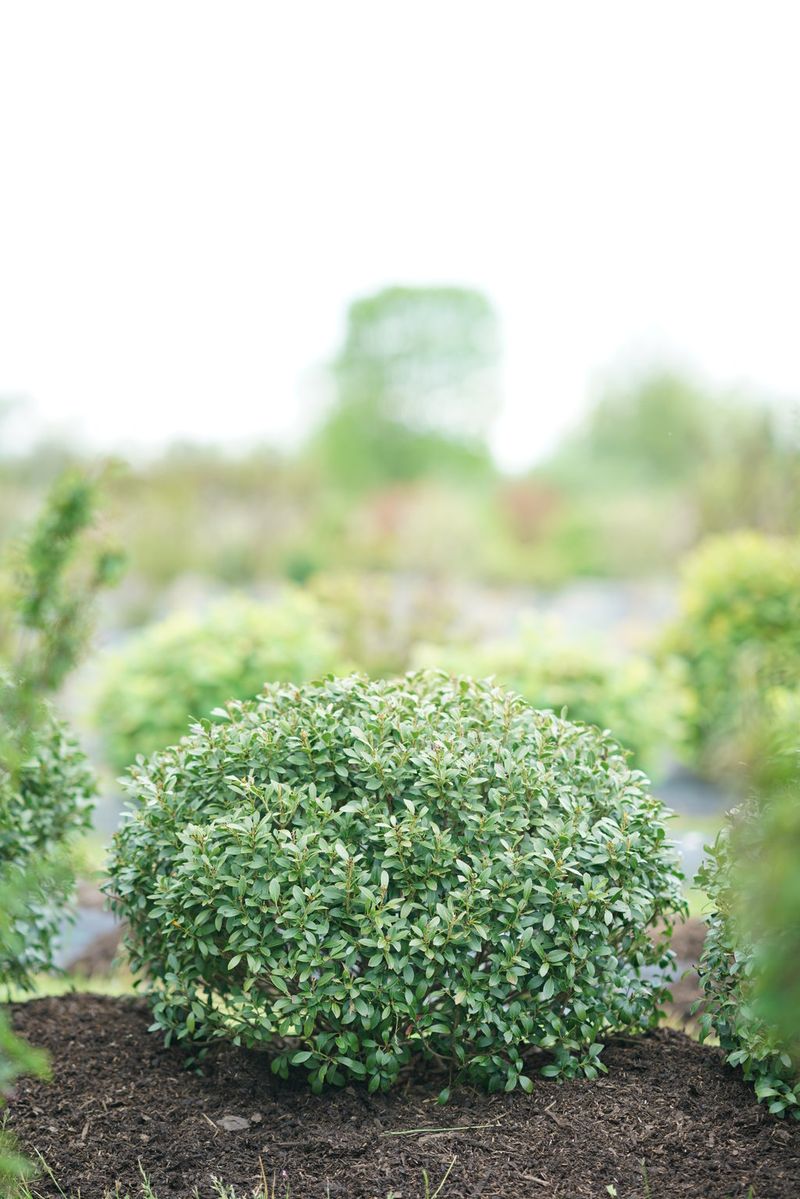
Not every shrub that deer avoid has to be a fancy ornamental. Inkberry holly is a native Pennsylvania shrub that blends right into natural landscapes while quietly keeping deer at bay.
Its glossy, dark green leaves are not on deer’s preferred menu, making it a smart and eco-friendly choice for local gardeners.
What makes inkberry holly especially appealing is its ability to thrive in tough conditions. It handles wet, poorly drained soil far better than most shrubs, which makes it a great fit for low-lying areas of your yard.
Rain gardens and spots near streams across Pennsylvania are perfect locations for this tough little plant.
Beyond its deer-resistant qualities, inkberry holly is a fantastic wildlife plant. Birds love the small, dark berries that appear in late summer and persist through winter.
Planting inkberry holly means you are supporting local wildlife while also protecting your garden from hungry deer.
This shrub grows to about five to eight feet tall and spreads gradually over time, creating a natural, informal hedge. It works beautifully when planted in groups along property lines or near water features.
The foliage stays green well into the cold months, adding year-round structure to your Pennsylvania landscape.
Inkberry holly requires very little maintenance once established. Minimal pruning and occasional watering during dry spells are usually all it needs.
For Pennsylvania gardeners looking for a native, no-fuss shrub that deer consistently skip over, inkberry holly deserves serious consideration in any planting plan.
3. Mountain Laurel (Kalmia Latifolia)
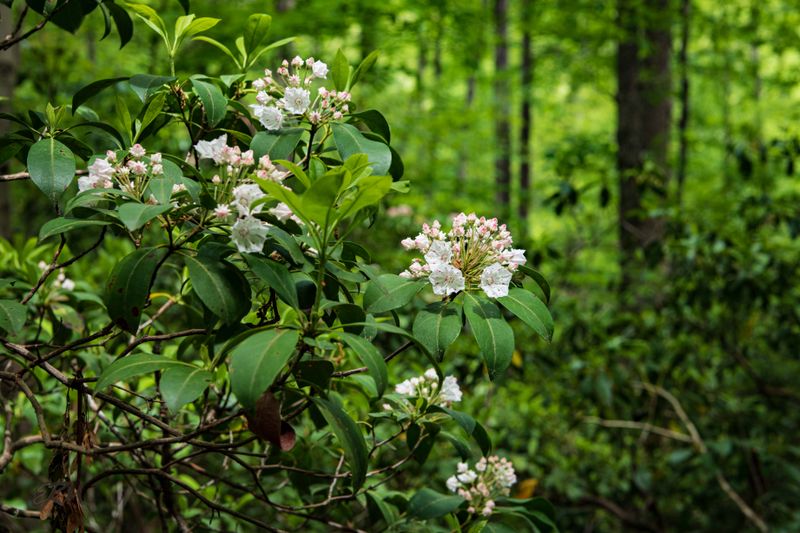
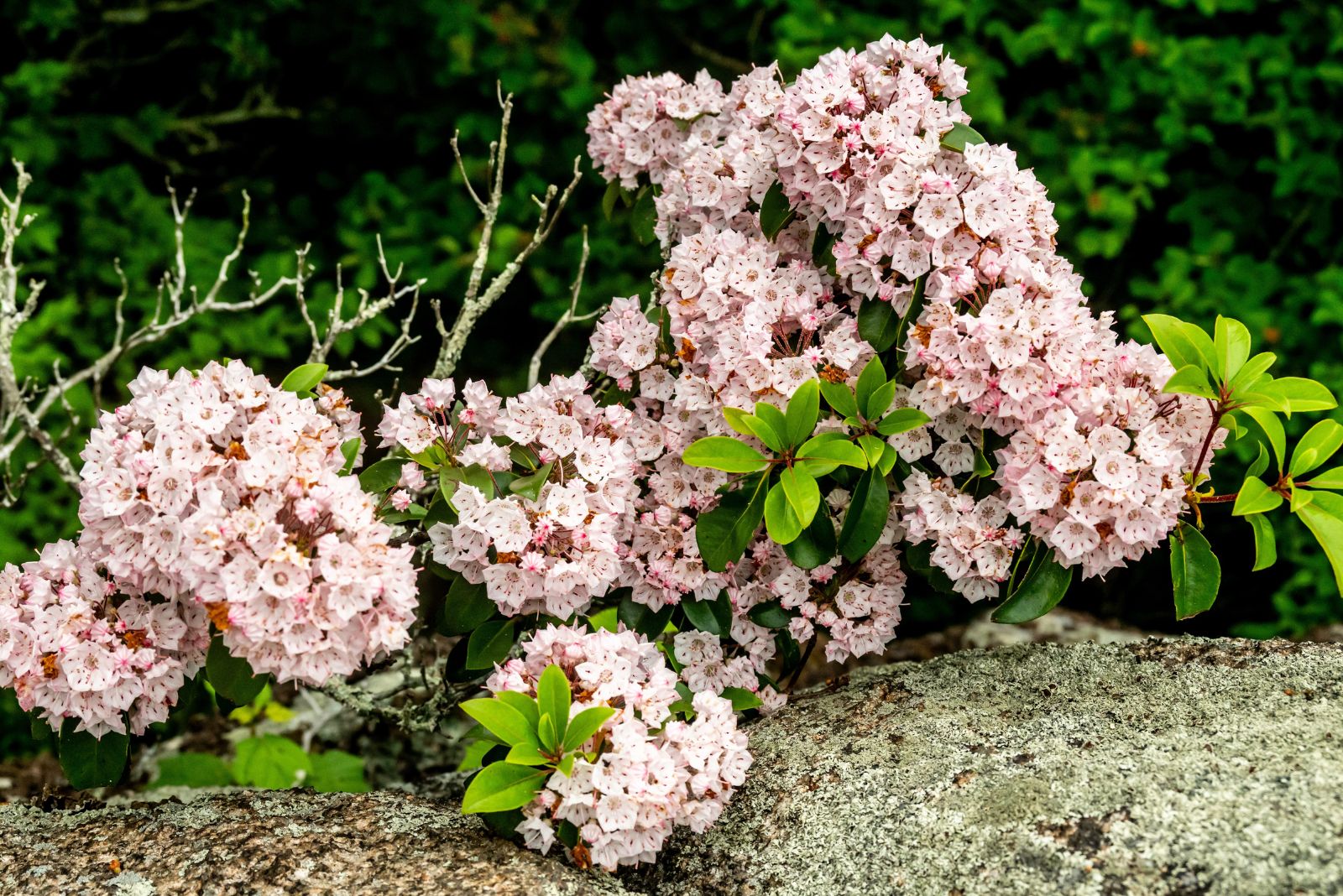
Pennsylvania takes a lot of pride in its state flower, and mountain laurel earns that honor every single spring. When it blooms, the clusters of pink and white cup-shaped flowers are absolutely stunning.
Entire hillsides across the state light up with color, especially in the Pocono region and along the Appalachian ridges.
Deer tend to avoid mountain laurel because it contains natural compounds called grayanotoxins. These substances make the plant unappealing and even harmful to grazing animals, so deer have learned over time to steer clear.
That natural protection makes mountain laurel one of the most reliable deer-resistant shrubs you can plant in Pennsylvania.
Mountain laurel thrives in the acidic, well-drained soils that are common across much of Pennsylvania.
It does best in partial shade, which makes it a wonderful choice for planting under tall trees or along the edges of wooded areas. In full shade, it may produce fewer blooms, but the foliage remains attractive all year.
This shrub grows slowly but can eventually reach heights of five to fifteen feet depending on the variety.
Compact cultivars like ‘Elf’ and ‘Minuet’ are excellent for smaller yards where space is limited. Regular watering during the first couple of growing seasons helps establish strong roots.
Once mountain laurel is established, it needs very little care. It is a long-lived shrub that rewards patient gardeners with decades of beauty.
For Pennsylvania homeowners who want a native, deer-resistant showstopper, mountain laurel is truly hard to beat in any four-season landscape.
4. Spirea (Spiraea Spp.)
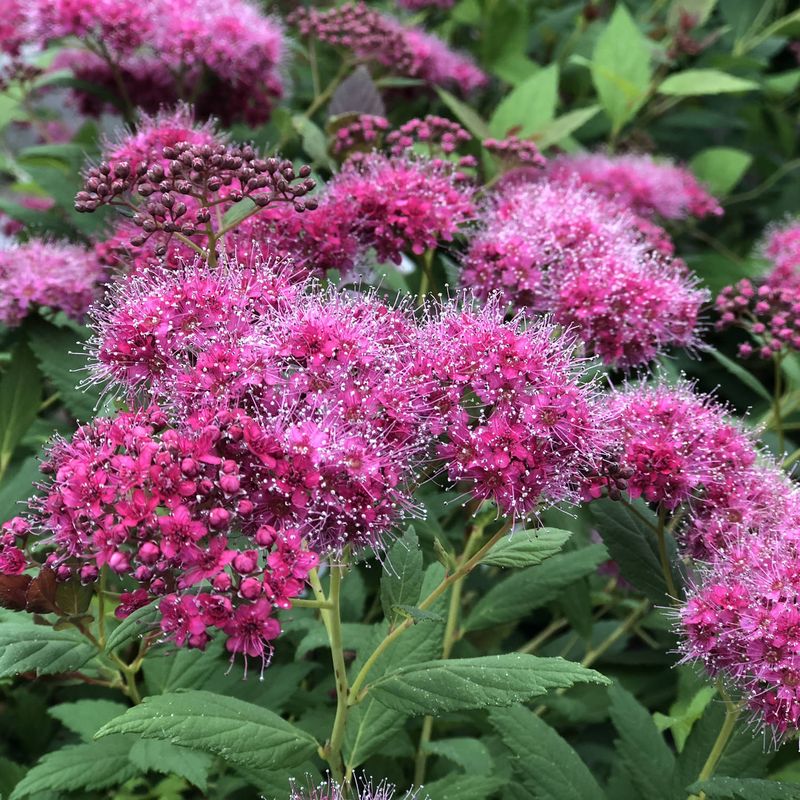
Few shrubs put on a flower show quite like spirea. When it blooms in late spring or early summer, the branches practically disappear under a wave of tiny pink or white flowers.
It is one of those plants that stops people in their tracks and makes them ask, what is that beautiful shrub?
Deer tend to pass right by spirea without taking a bite. The texture and taste of the foliage simply do not appeal to them, which is great news for Pennsylvania gardeners who want color without the worry.
Spirea is especially popular in suburban neighborhoods around Pittsburgh, Harrisburg, and Allentown where deer wander into yards regularly.
One of spirea’s best qualities is how low-maintenance it is. It grows in a wide range of soil types and tolerates both full sun and light shade.
Once established, it handles Pennsylvania’s humid summers and cold winters without much fuss. Occasional pruning after flowering keeps it looking tidy and encourages strong regrowth.
Popular varieties like ‘Goldflame’ and ‘Little Princess’ stay compact and are ideal for smaller spaces.
‘Anthony Waterer’ is another favorite that produces bright pink blooms and attracts pollinators throughout the season. Mixing different spirea varieties creates a layered, dynamic look in your landscape beds.
Beyond its deer resistance, spirea also attracts butterflies and bees, making your Pennsylvania garden more lively and productive.
For gardeners who want reliable color, easy care, and strong deer resistance all in one package, spirea consistently delivers season after season without disappointment.
5. Butterfly Bush (Buddleja Davidii)
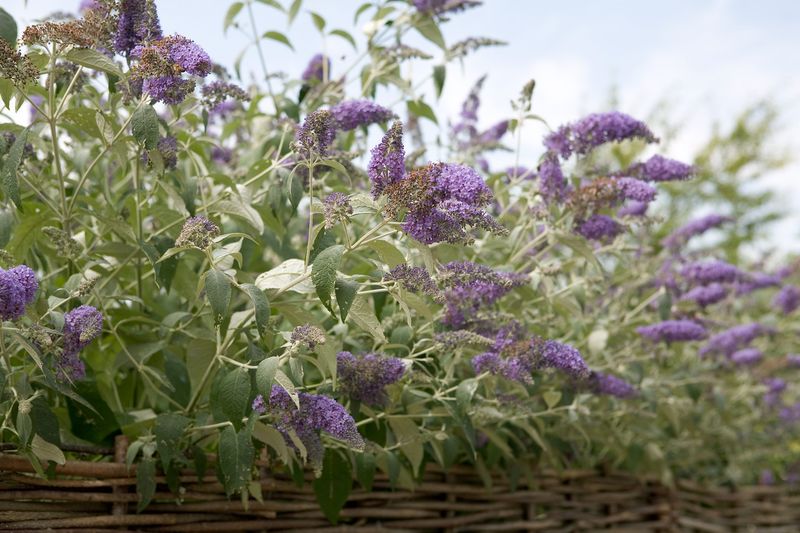
If your goal is to fill your Pennsylvania garden with butterflies while keeping deer away, butterfly bush might be exactly what you have been looking for.
The long, cone-shaped flower spikes come in shades of purple, pink, white, and blue, and they attract pollinators from what seems like miles away. It is truly one of the most eye-catching shrubs you can grow.
Deer tend to leave butterfly bush alone because of its aromatic foliage. The strong fragrance that people find so pleasant is actually off-putting to deer.
That scent acts as a natural barrier, making butterfly bush a dependable choice for Pennsylvania yards that back up to fields or wooded areas where deer roam freely.
Butterfly bush blooms from midsummer all the way through fall, which means your garden stays colorful long after many other shrubs have finished their season.
Deadheading spent blooms encourages more flowers to form and keeps the plant looking neat. It is a simple task that pays off with weeks of extra color.
This shrub prefers full sun and well-drained soil. It grows quickly and can reach six to ten feet tall in a single season.
In Pennsylvania, butterfly bush may experience some dieback during particularly harsh winters, but it usually bounces back from the roots come spring with plenty of energy.
A quick note for responsible gardening: some areas caution against planting butterfly bush because it can spread into natural areas.
Choosing sterile or low-seed varieties like ‘Lo and Behold’ helps reduce that risk while still giving you all the beauty and deer resistance this shrub is famous for.
6. Barberry (Berberis Thunbergii)
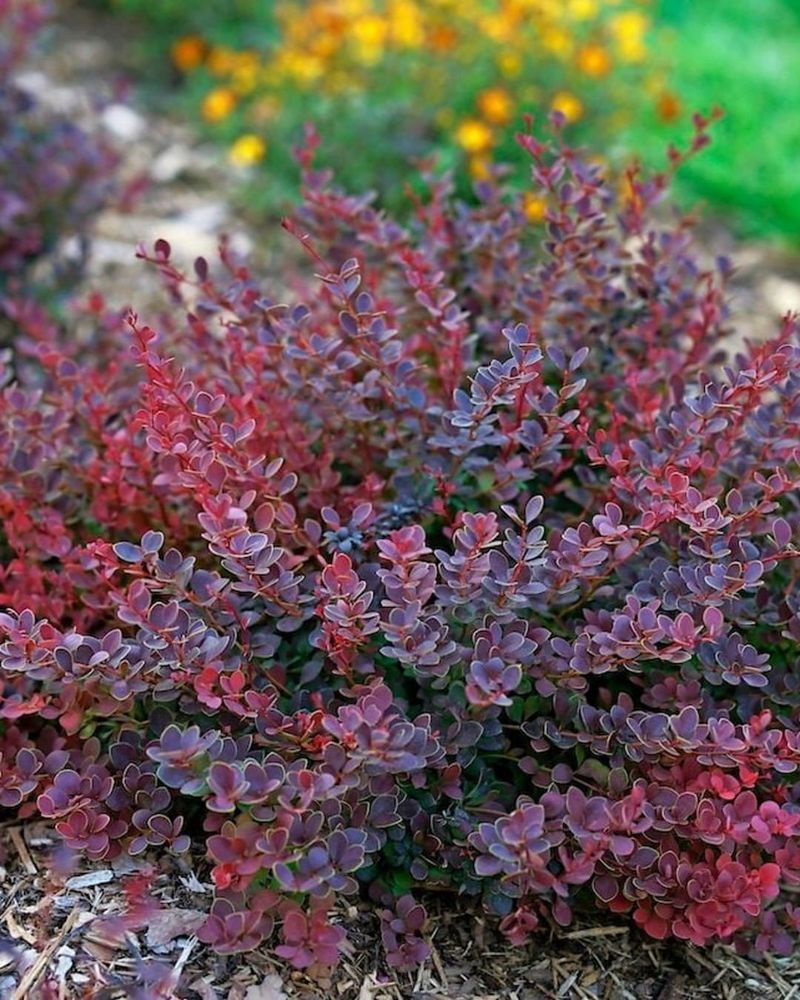
Sharp thorns and deer do not mix well, and that is exactly why barberry makes this list. The thorny branches of Japanese barberry create a natural deterrent that deer quickly learn to avoid.
One or two encounters with those spines are usually enough to send any deer looking for an easier meal somewhere else.
Barberry is also a visual standout in Pennsylvania landscapes. The foliage comes in shades of deep red, burgundy, gold, and green depending on the variety.
In fall, the leaves intensify in color before dropping, and small red berries cling to the branches well into winter, adding seasonal interest when most other shrubs look bare.
It grows in a wide range of conditions, from full sun to partial shade, and tolerates many different soil types.
That adaptability makes it a popular choice across Pennsylvania, from the rolling farmland of Lancaster County to the hillside gardens of Pittsburgh’s North Shore neighborhoods. Once established, barberry is quite drought tolerant.
One important thing to know is that Japanese barberry is considered invasive in some parts of Pennsylvania. Birds eat the berries and spread the seeds into natural areas, where barberry can crowd out native plants.
Before planting, check with your local Penn State Extension office to understand current guidelines in your county.
If barberry is permitted in your area, choosing sterile varieties helps reduce the spreading concern while still giving you that bold, deer-resistant presence in your landscape.
When used thoughtfully, barberry adds structure, color, and reliable deer protection to your Pennsylvania garden beds year after year.
7. Bayberry (Morella Pensylvanica)
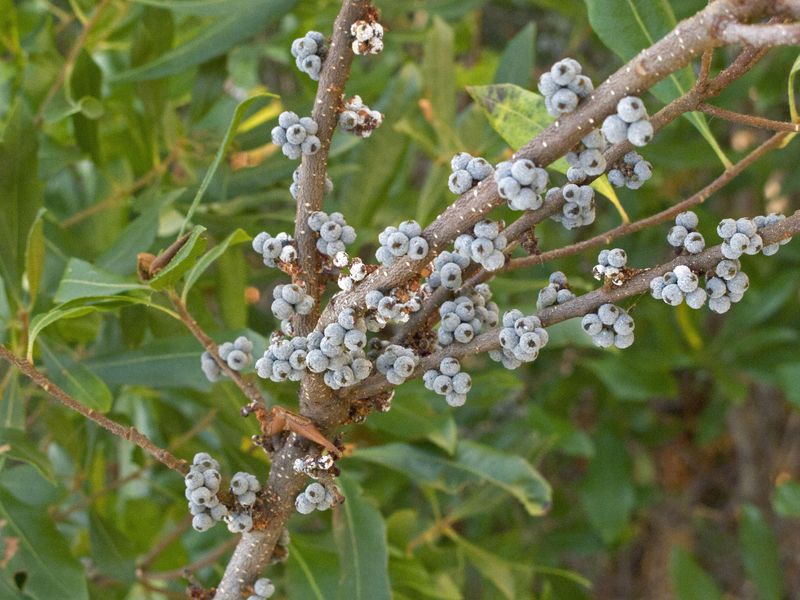
There is something wonderfully old-fashioned about bayberry. Early American colonists used the waxy berries to make fragrant candles, and the plant has been valued ever since for its usefulness and rugged charm.
Today, Pennsylvania gardeners appreciate bayberry for a very practical reason: deer almost always leave it alone.
The secret is in the scent. Bayberry leaves and berries release a strong, aromatic fragrance that deer find unappealing.
That same scent is what many people find pleasant and woodsy. So while you are enjoying the smell of your garden, deer are heading in the opposite direction, which is exactly what every Pennsylvania gardener hopes for.
Bayberry is native to the eastern United States, which means it is perfectly adapted to Pennsylvania’s climate and soils.
It handles sandy, poor soil with ease and even tolerates salt spray, making it a popular choice for properties near roads that get heavily salted in winter. It is also quite tolerant of wind exposure.
This shrub grows to about five to ten feet tall and spreads into a rounded, informal shape. It is semi-evergreen, meaning it holds onto some of its leaves through mild winters.
The small, gray waxy berries are a favorite food source for birds, especially yellow-rumped warblers during fall migration across Pennsylvania.
Bayberry grows best in full sun but tolerates light shade. Because it fixes nitrogen in the soil, it actually improves the ground around it over time.
For Pennsylvania gardeners who want a native, wildlife-friendly, and reliably deer-resistant shrub, bayberry is a truly rewarding and low-maintenance landscape choice.