9 Shrubs Michigan Gardeners Should Cut Back Before Spring Arrives
Michigan winters can be tough on shrubs, leaving them looking ragged and overgrown. Before spring breathes new life into your garden, the smartest gardeners grab their pruning shears and get to work.
Pruning at the right time helps rejuvenate shrubs, encouraging bigger blooms, healthier growth, and a yard that shines throughout the season.
Knowing which shrubs to prune before spring arrives can make all the difference in your garden’s success.
Whether you’re an experienced gardener or just starting out, cutting back the right plants now ensures they’ll thrive when warmer weather hits.
A little effort now means a more beautiful, vibrant garden all year long. Ready to tackle your yard? Start pruning today for the best results this growing season.
1. Crape Myrtle
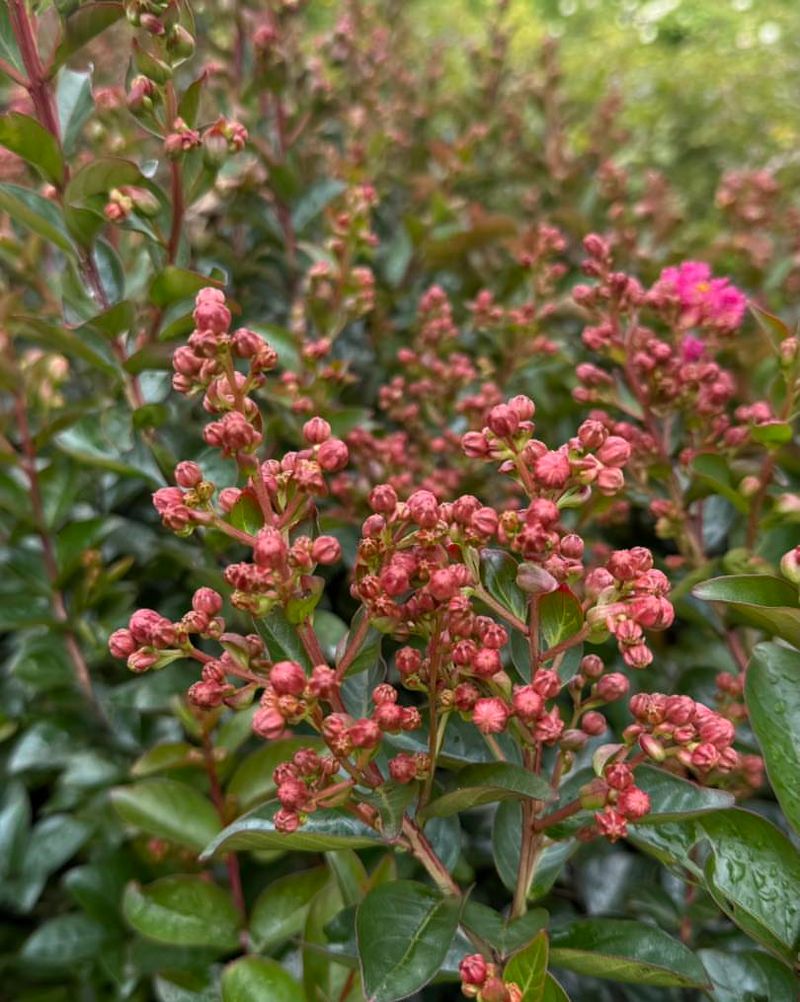
Most gardeners are surprised to learn that Crape Myrtle is actually winter-hardy in parts of Michigan, especially in the southern Lower Peninsula where temperatures stay a bit milder.
This stunning shrub blooms on new wood, which means the flowers you see each summer grow from branches that sprouted earlier that same year.
Pruning it correctly before spring is one of the best things you can do to set it up for success.
Aim to prune your Crape Myrtle in late winter, just before you start to see any signs of new growth emerging.
Remove any thin, crossing, or crowded branches to open up the center and improve air circulation throughout the plant.
Cutting back to healthy wood encourages the shrub to push out strong, vigorous new stems that will carry loads of colorful blooms.
One mistake Michigan gardeners often make is cutting Crape Myrtle too aggressively, a practice sometimes called “crape murder.” Instead, focus on selective pruning that keeps the natural shape intact while removing only what needs to go.
Sharp, clean tools are a must to avoid tearing the bark and inviting disease. When done right, a well-pruned Crape Myrtle rewards you with a spectacular floral show from midsummer all the way into early fall.
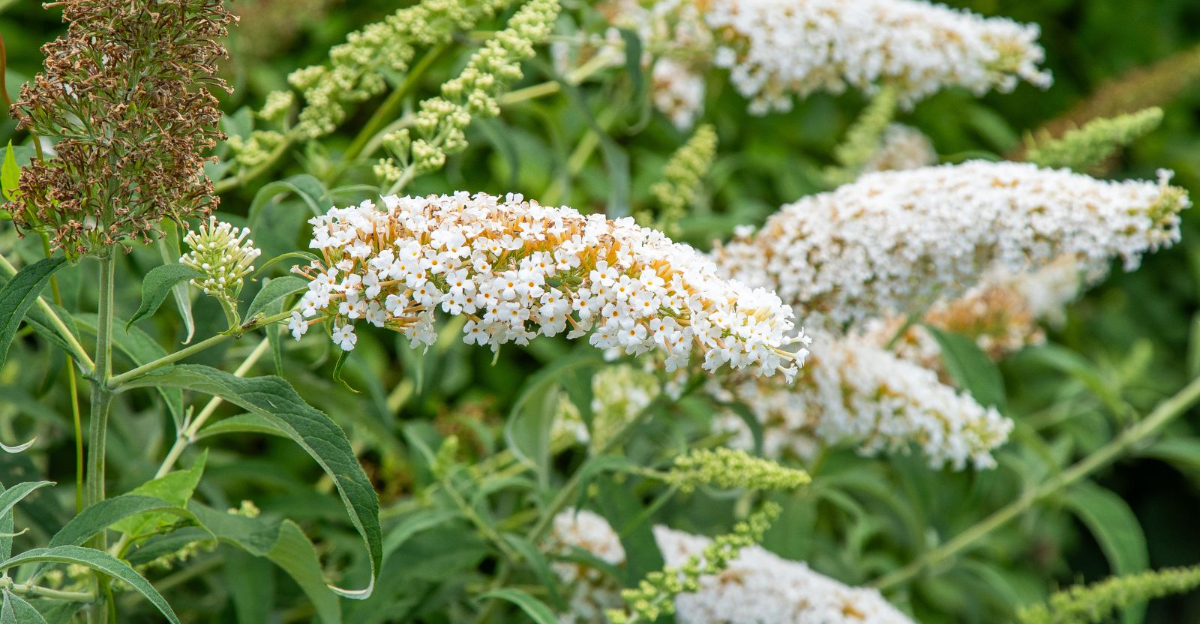
2. Butterfly Bush
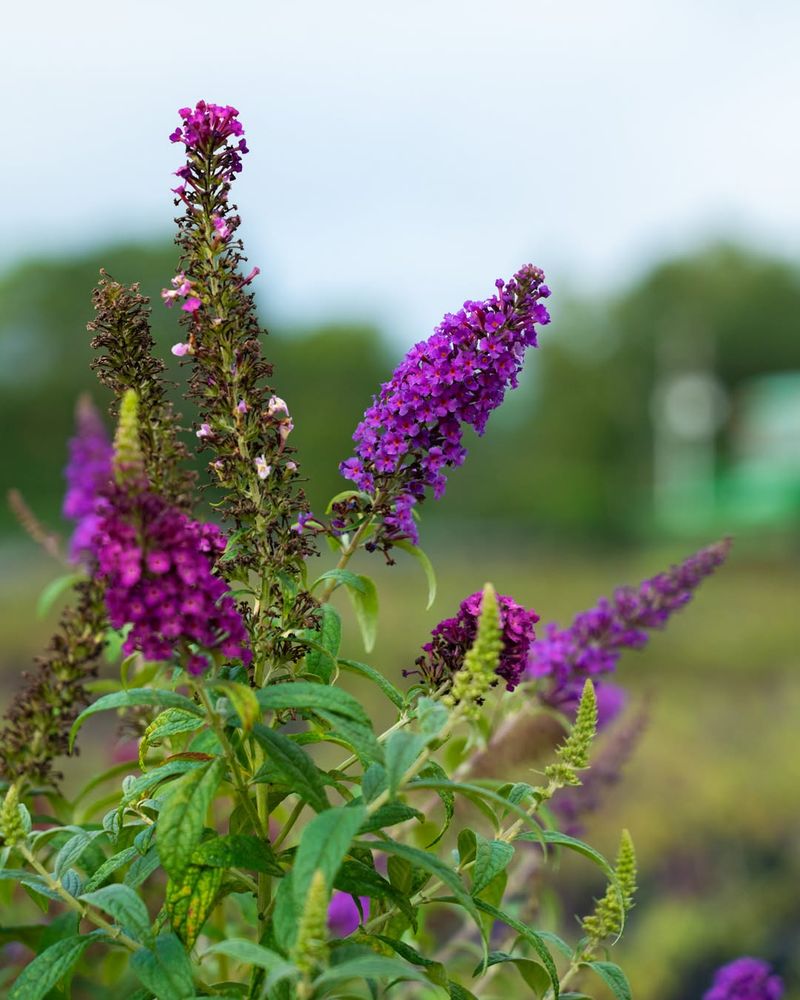
Few shrubs attract as much wildlife excitement as the Butterfly Bush, also known by its botanical name Buddleia davidii.
On a warm summer afternoon in Michigan, you can spot dozens of butterflies hovering around its long, fragrant flower spikes. That magical show starts with one simple task: a hard prune before spring growth kicks in.
Butterfly Bush blooms entirely on new wood, meaning last year’s old stems will not produce flowers.
Cutting the plant back to about 12 inches from the ground in late winter or very early spring might feel drastic, but it is exactly what this shrub needs.
That bold pruning encourages a burst of fresh, densely packed stems that will eventually carry far more blooms than an unpruned plant ever could.
Michigan gardeners should wait until the worst of winter has passed before making cuts, typically in late March or early April depending on your zone.
Using sharp bypass pruners or loppers, work your way through the old woody stems, cutting cleanly just above a healthy bud or node.
After pruning, a light layer of compost around the base gives the roots a nutritional boost heading into the growing season.
By midsummer, your Butterfly Bush will be a towering, fragrant beacon for pollinators across your entire yard.
3. Rose Of Sharon
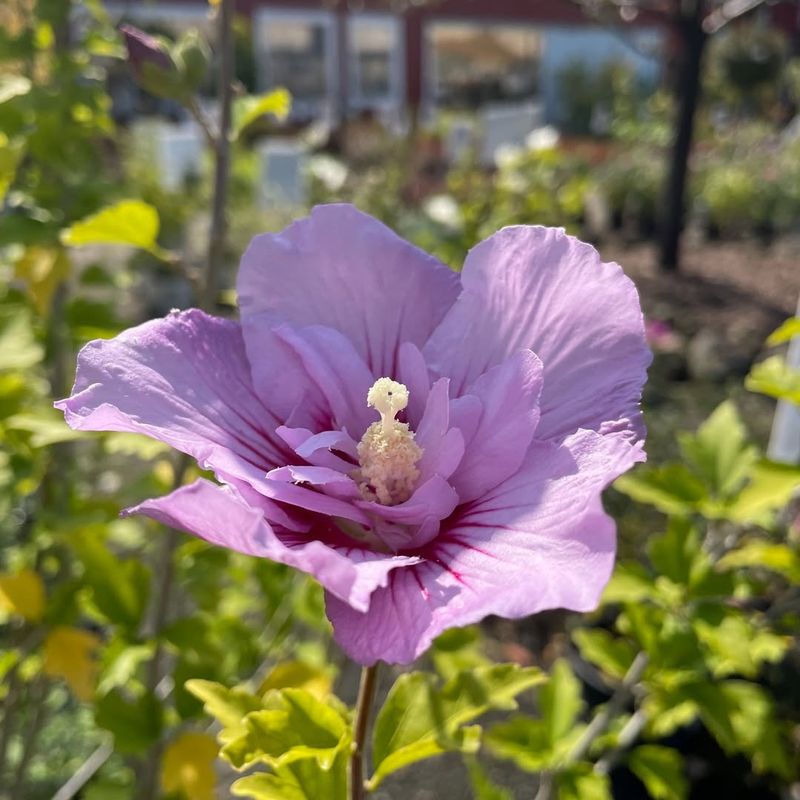
Rose of Sharon has been a backyard favorite in Michigan for generations, and it is easy to see why.
This reliable shrub bursts into bloom in late summer when most other plants are winding down, filling the garden with large, tropical-looking flowers in shades of white, pink, purple, and red.
Getting that show started right means giving it a good prune before spring takes hold. Because Rose of Sharon, or Hibiscus syriacus, blooms on new wood, pruning in early spring is the smart move.
Start by removing any branches that look weak, damaged, or are crossing over each other in a way that creates a tangled mess.
Cutting back the remaining branches by about one-third encourages the plant to push out strong, productive new growth loaded with flower buds.
One thing Michigan gardeners should watch for is the tendency of Rose of Sharon to self-seed aggressively. Pruning before seed pods fully mature can help keep that in check.
If you have an older, overgrown plant that has gotten out of hand over several Michigan winters, a more aggressive renovation prune can bring it back to a manageable, attractive size.
Clean cuts made just above a healthy bud or lateral branch give the plant the best possible start heading into the warmer months ahead.
4. Spirea (Summer-Blooming Varieties)
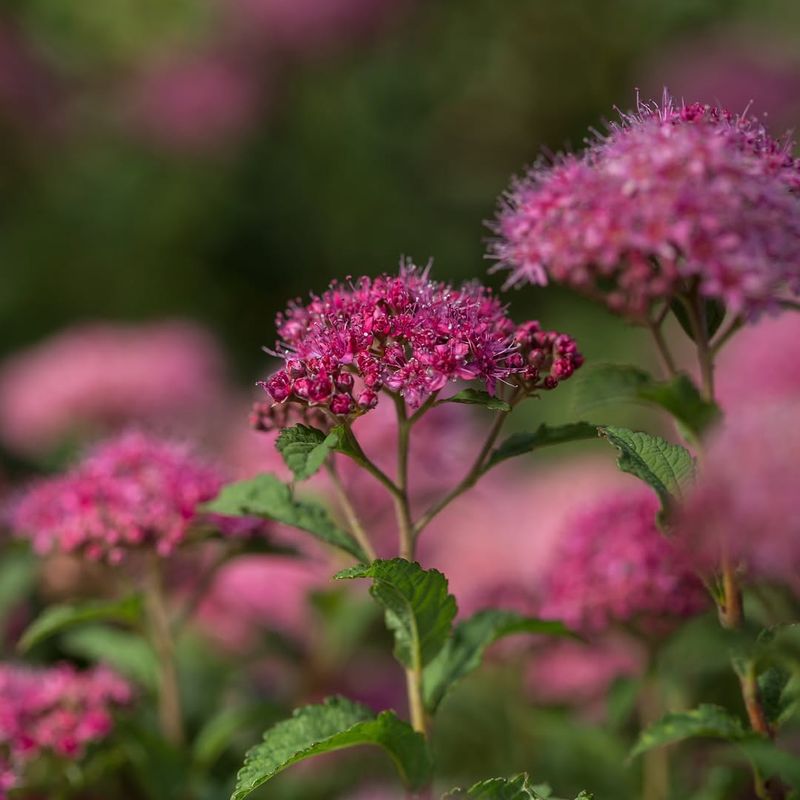
Summer-blooming Spirea is one of those hardworking Michigan garden shrubs that rarely gets the credit it deserves.
Varieties like Magic Carpet and Goldflame put on a brilliant display of color, but they need a good early-spring haircut to really hit their stride.
Skip the pruning, and you end up with a leggy, unproductive plant that blooms far less than it should.
Unlike spring-blooming Spirea varieties that flower on old wood, summer types bloom entirely on new growth produced during the current season. That makes late winter or very early spring the perfect window to prune them back hard.
Cut the entire plant back to about six to eight inches above the ground, removing all of the old, twiggy stems to make way for a fresh, dense flush of new branches.
After pruning, Michigan gardeners often notice their Spirea rebounds with impressive speed once the soil warms up.
The new growth tends to be more compact, more colorful, and far more floriferous than what the old stems would have produced.
Adding a balanced, slow-release fertilizer after pruning can give the plant an extra nutritional push.
By early summer, your Spirea will be a tight, mounding cushion of vibrant foliage and flowers that looks polished and purposeful in any garden bed across Michigan.
5. Hydrangea (Smooth And Panicle Types)
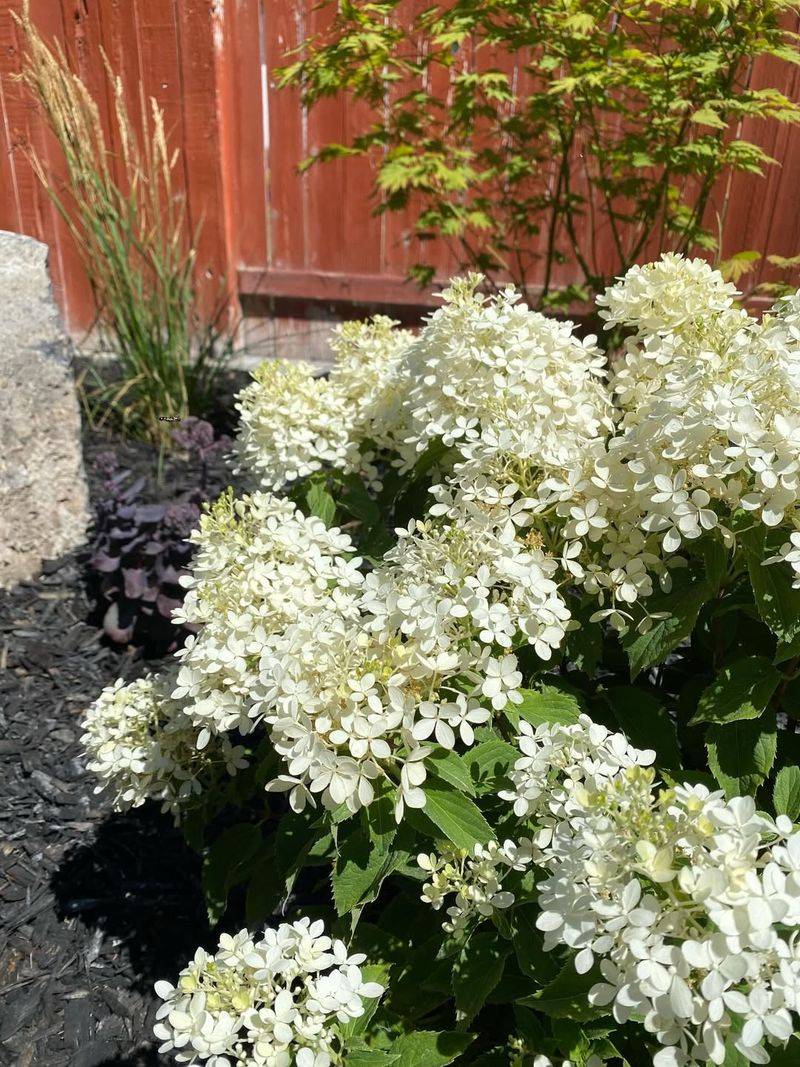
Not all hydrangeas are created equal when it comes to pruning, and knowing the difference can save you a season of disappointment.
Smooth hydrangeas like Annabelle and panicle types like Limelight are the ones Michigan gardeners should be cutting back before spring fully arrives.
Both of these popular varieties bloom on new wood, making a late-winter prune not just helpful but genuinely necessary.
For smooth hydrangeas, pruning back to about 12 inches from the ground gives the plant a clean slate and encourages strong, upright stems that can support those famously massive flower heads without flopping over.
Panicle hydrangeas are a bit more forgiving in terms of height, but removing about one-third of the oldest stems and lightly shortening the remaining branches produces fuller, more impressive flower clusters come summer.
Michigan winters can leave hydrangea stems looking battered and brown, so it is a good idea to wait until late March or early April before making cuts, giving you a clearer picture of what is still alive and what needs to go.
Always prune just above a healthy, outward-facing bud to direct new growth in the right direction.
With a little patience and the right pruning approach, both smooth and panicle hydrangeas will reward Michigan gardeners with a jaw-dropping floral display from midsummer through early fall.
6. Weigela
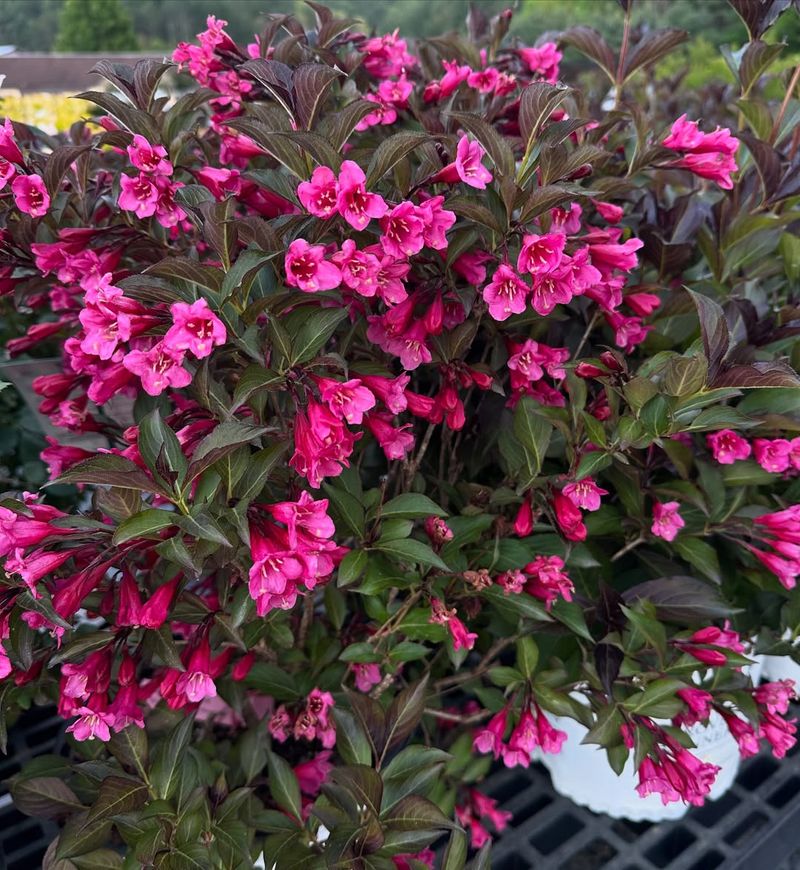
Weigela is one of those shrubs that Michigan gardeners fall in love with at the garden center and then sometimes neglect once it is planted.
With its arching branches and trumpet-shaped flowers in shades of pink, red, and white, it has real wow factor.
But without regular pruning, Weigela can quickly become a tangled, overcrowded mess that produces fewer and fewer flowers each year.
Early spring is the right time to tidy up Weigela by removing any branches that look damaged, hollow, or simply too old to be productive.
While Weigela does produce some blooms on old wood in late spring, newer varieties and reblooming types benefit significantly from a light shaping before growth begins.
Focus on cutting out the oldest, thickest stems at the base to allow sunlight and air to reach the younger, more productive branches growing underneath.
Michigan gardeners dealing with an older, overgrown Weigela plant can take a more aggressive approach by cutting the entire shrub back to about 12 inches from the ground every few years.
This kind of rejuvenation pruning gives the plant a fresh start and often results in a much healthier, more vigorous shrub going forward.
After pruning, water the plant well and top-dress the soil with a layer of compost to support strong new growth throughout the spring and summer growing season ahead.
7. Forsythia
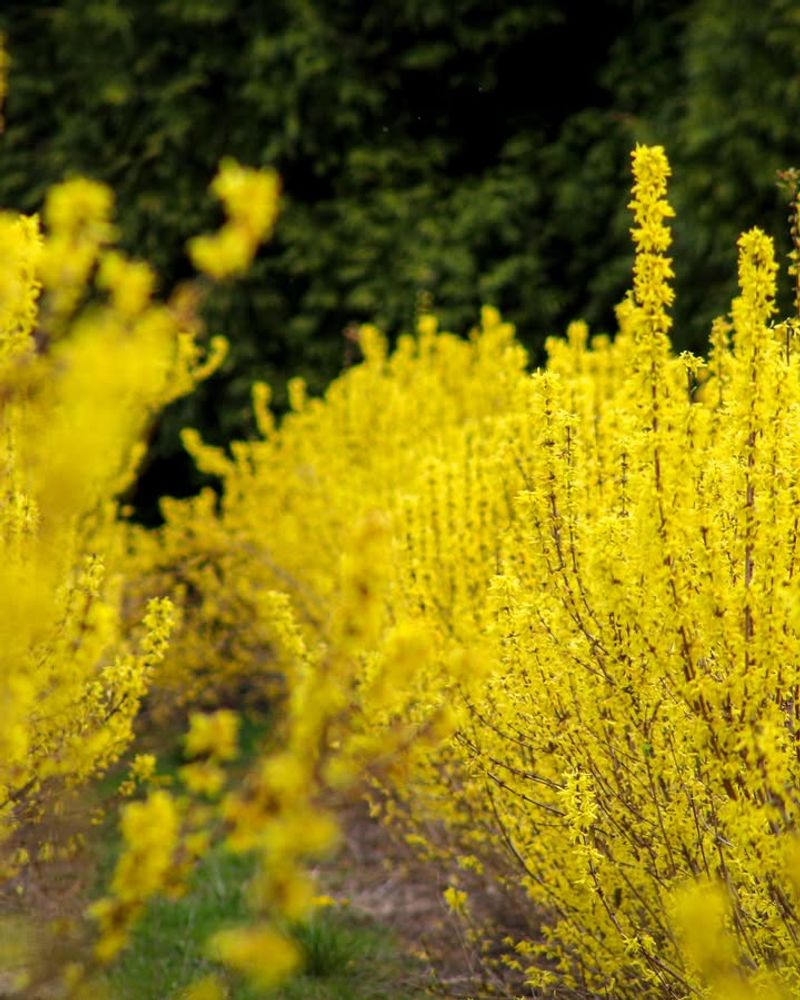
There is something genuinely cheerful about Forsythia. It is almost always the first shrub to burst into color each spring in Michigan, covering its bare branches in bright yellow flowers before a single leaf has even appeared.
That early bloom is exactly what makes pruning timing so important for this particular shrub, because getting it wrong means missing out on the whole show.
Forsythia blooms on old wood, which means the flower buds you see in spring were set on branches grown the previous summer.
Pruning it too early in the season, before it flowers, removes those buds and costs you the bloom entirely.
The smart approach is to let Forsythia finish flowering first, then prune right after the petals fall, typically in mid to late spring in most parts of Michigan.
That said, early spring is still a good time to remove any obviously damaged, crossing, or completely unproductive branches that are cluttering the center of the shrub.
Removing that dead or weakened wood before the growing season begins helps the plant focus its energy on healthy branches and sets up better bloom production for next year.
For overgrown Forsythia, cutting one-third of the oldest stems all the way to the ground each year gradually refreshes the plant without sacrificing the following spring’s flower display.
8. Knock Out Roses
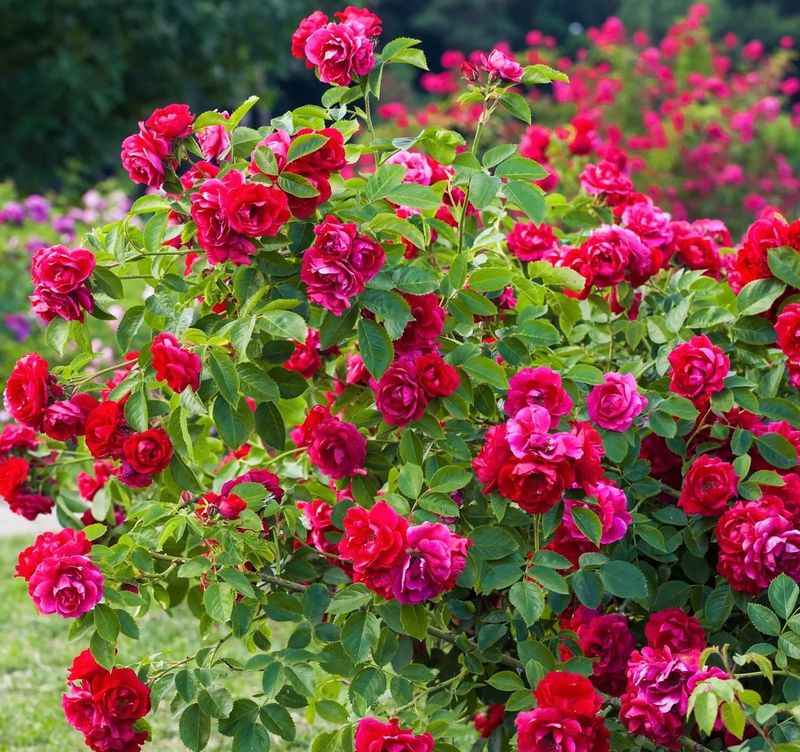
Knock Out Roses changed the rose game for home gardeners everywhere, and Michigan gardeners have embraced them enthusiastically.
These tough, low-maintenance roses are resistant to many common diseases and bloom in waves from late spring all the way through fall.
But even the most resilient rose benefits from a solid early-spring pruning to get the season off to a strong start.
Knock Out Roses bloom on new wood, so cutting them back before growth begins is the key to encouraging the most vigorous, flower-packed performance possible.
In Michigan, late March to mid-April is usually the right window, once the worst freezes have passed but before new buds start pushing hard.
Cut the canes back by about one-third to one-half, making each cut at a 45-degree angle just above an outward-facing bud to encourage an open, airy shape.
While pruning, remove any canes that look shriveled, discolored, or hollow at the center, as these will not produce healthy new growth.
Cleaning up fallen leaves and old mulch around the base of the plant at the same time helps reduce the risk of fungal issues later in the season.
After pruning, apply a fresh layer of mulch and a rose-specific fertilizer to give your Knock Out Roses the nutritional foundation they need to deliver months of stunning color across your Michigan garden.
9. Beautyberry
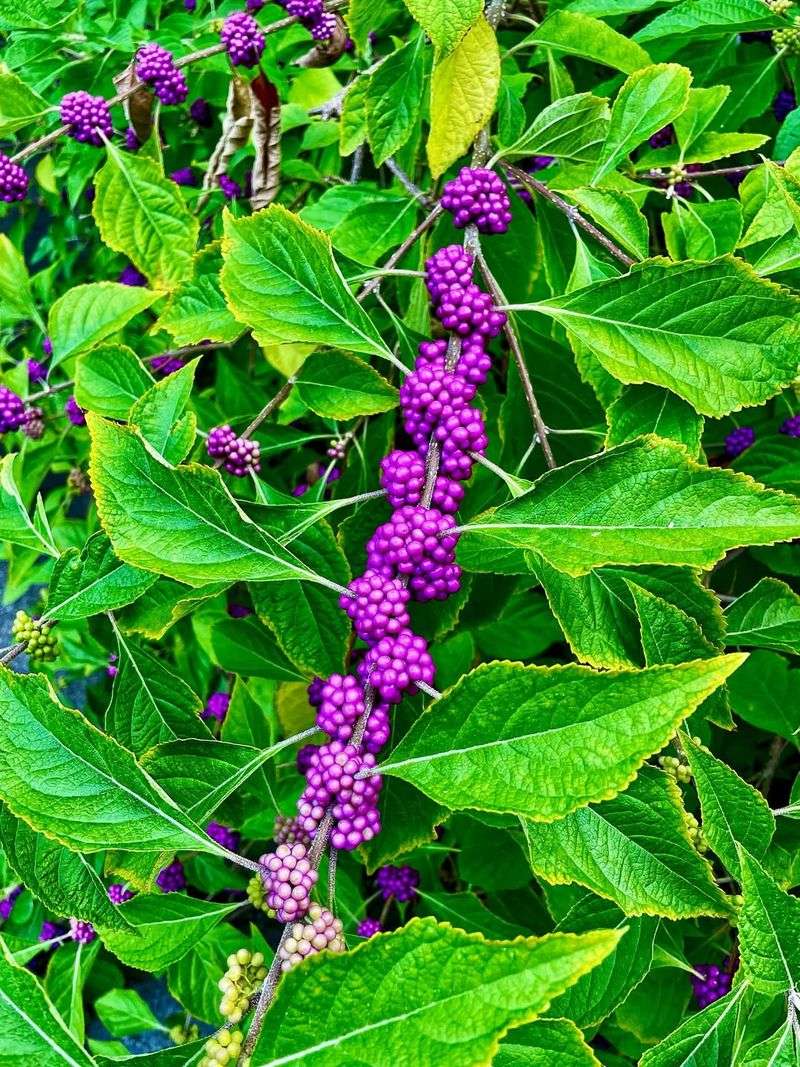
Beautyberry might be one of the most underrated shrubs in the entire Michigan gardening world.
Come late summer and fall, its branches are absolutely covered in clusters of vivid, metallic-purple berries that practically glow in the sunlight.
Most people stop and stare when they see it for the first time, and the good news is that getting that spectacular berry show starts with a simple early-spring prune.
Beautyberry, known botanically as Callicarpa americana, blooms on new wood produced during the current growing season.
Cutting it back hard in late winter or early spring, typically to about 12 inches above the ground, encourages a strong flush of vigorous new stems.
More new stems mean more flowers, and more flowers mean more of those incredible berry clusters that make this shrub such a standout in fall landscapes across Michigan.
Michigan winters can leave Beautyberry looking pretty rough by the time February rolls around, with lots of thin, twiggy growth that serves no real purpose.
Removing all of that old material cleanly gives the plant a fresh start and prevents the shrub from wasting energy on unproductive wood.
After pruning, a light feeding with a balanced fertilizer helps speed up recovery. By midsummer, your Beautyberry will be thriving, and by early fall it will be the most eye-catching plant in your entire Michigan yard.