9 Shrubs Mississippi Gardeners Should Cut Back Before Spring
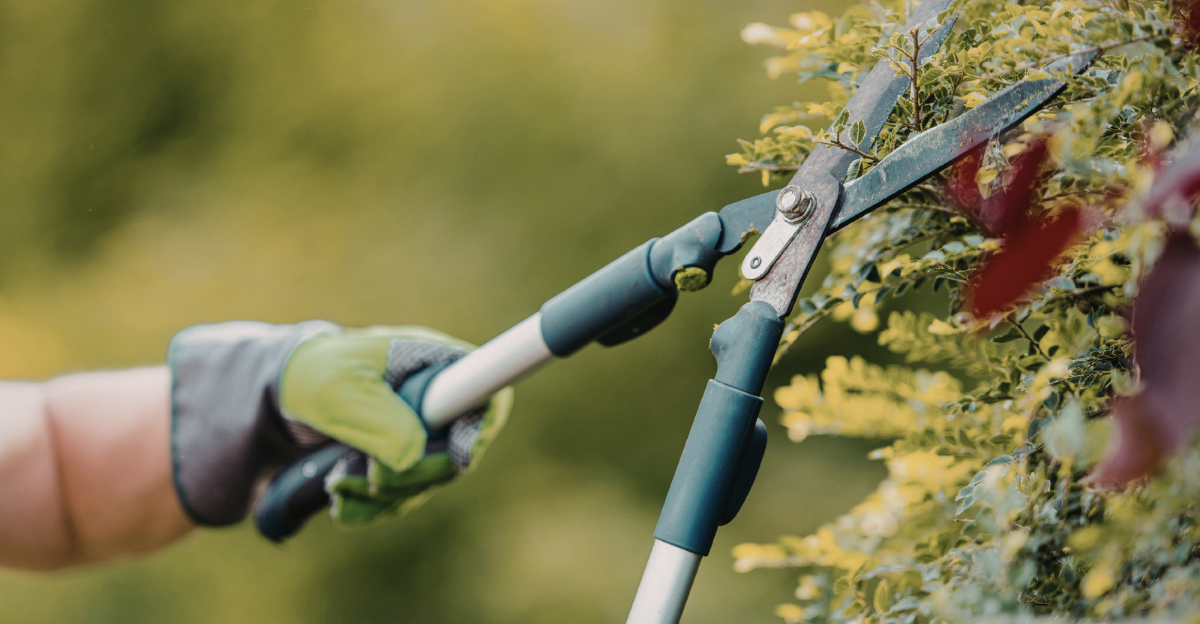
Grab your pruners! Mississippi shrubs need a late-winter haircut.
If you want bigger blooms, fuller shrubs, and a yard that looks polished all season, late winter is the moment to act.
In warm, humid climate, shrubs grow fast and can quickly become leggy or overgrown. A smart cutback before spring wakes them up, encourages stronger growth, and sets the stage for a healthier landscape.
Gardeners across the Magnolia State, from Jackson to the Gulf Coast have a big advantage: mild winters make it possible to prune earlier than in colder regions. The trick is timing.
Pruning just before new growth begins helps shape plants without accidentally removing the buds that will soon burst into flowers.
Below are nine shrubs that respond especially well to a late-winter trim. Give them the right cut now, and they’ll reward you with thicker growth, brighter blooms, and a cleaner, more beautiful yard all season long.
1. Crape Myrtle
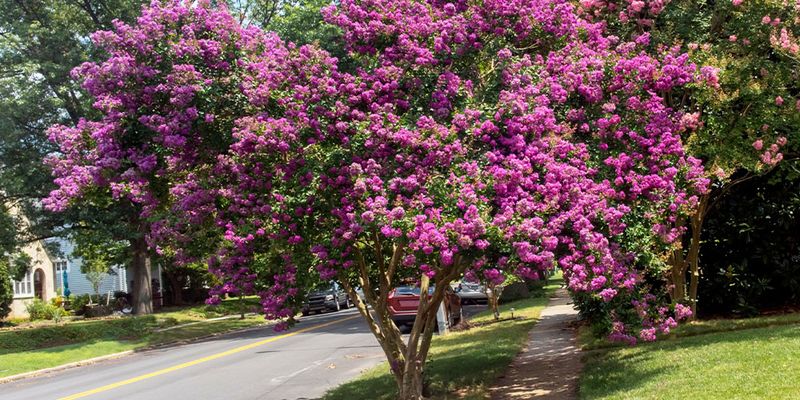
Few plants are as beloved as the crape myrtle. Drive through any neighborhood in the state and you will spot them lining driveways, framing porches, and filling front yards with color.
But here is the thing: a lot of people prune them way too hard, cutting them down to ugly stubs every year.
The right approach is much gentler. Before spring arrives, focus on removing crossing branches, wood, and any thin twiggy growth from the inside of the plant.
This opens up the canopy and lets air and light move through freely. Avoid cutting the main trunks unless they are damaged or diseased.
Crape myrtles wake up a little later than you might expect, so late February or early March is the sweet spot for pruning. Cutting too early on a warm spell can trick the plant into pushing growth that gets hit by a late frost.
Wait until you are confident the coldest nights are behind you. When done right, a properly pruned crape myrtle will reward you with bigger blooms, a stronger structure, and a more graceful shape all summer long.
2. Forsythia
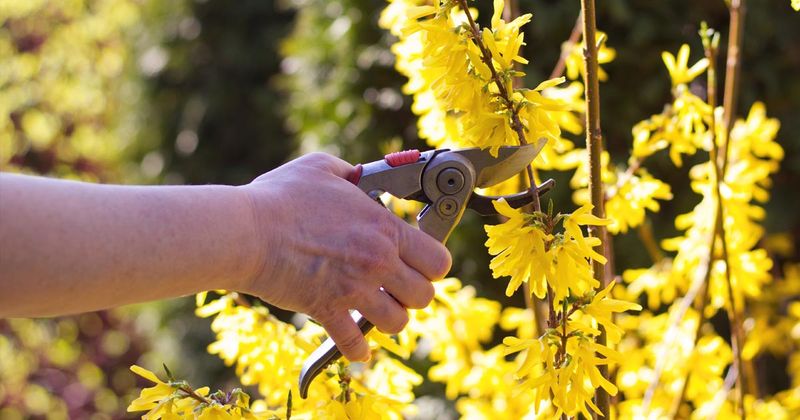
Forsythia is the shrub that screams spring is almost here. Those bright yellow blooms are one of the first signs of the season, and gardeners look forward to them every year.
But forsythia can get wildly overgrown if left alone, turning into a tangled mess of arching branches that crowd out everything around it.
Pruning forsythia is a little tricky because it blooms on old wood, meaning the flowers come from branches that grew the previous year. If you cut it back too hard before those blooms appear, you will lose the flower show.
The best strategy is to prune right after it finishes blooming in early spring, but you can also do a light cleanup in late winter to remove dead or damaged stems without sacrificing too many flowers.
Every three to four years, forsythia benefits from a harder rejuvenation prune where you cut about one-third of the oldest stems all the way down to the ground. This keeps the plant young and vigorous.
In Mississippi’s warm climate, forsythia bounces back quickly and fills in with fresh new growth before you know it. Keeping this shrub in check means you get a cleaner, more controlled display of those cheerful yellow flowers each spring.
3. Butterfly Bush
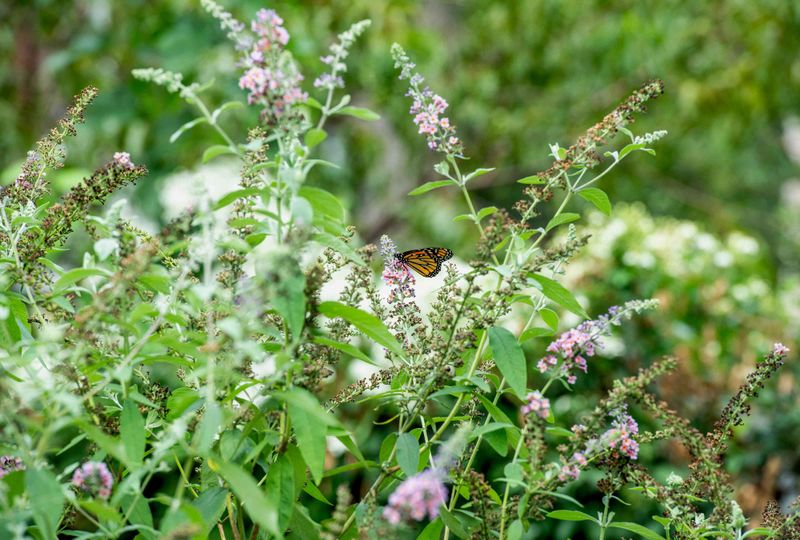
Don’t be shy with the pruners, butterfly bush loves a bold cut. Left unpruned, it turns into a woody, scraggly mess with hard.
Left unpruned, it turns into a woody, scraggly mess with fewer flowers and less appeal for the pollinators it is famous for attracting. Gardeners who want a full, floriferous plant every summer should make this pruning task a top priority before spring.
Unlike some shrubs where you have to be cautious, butterfly bush loves a hard cutback. In late winter, cut the entire plant down to about 12 inches from the ground.
It sounds dramatic, but this shrub is incredibly tough and will push out strong new growth from the base once temperatures warm up. The new growth is what produces the fragrant flower spikes that butterflies and hummingbirds cannot resist.
In Mississippi, where the growing season is long and hot, butterfly bush can grow several feet in a single season after being cut back. That means you get a fresh, full-sized plant every year without the woody buildup that makes older shrubs look tired.
Cutting it back also keeps the plant from spreading too aggressively, which is helpful in warmer climates where it can naturalize quickly. Grab your loppers in late February and give this one a serious trim.
4. Knock Out Rose
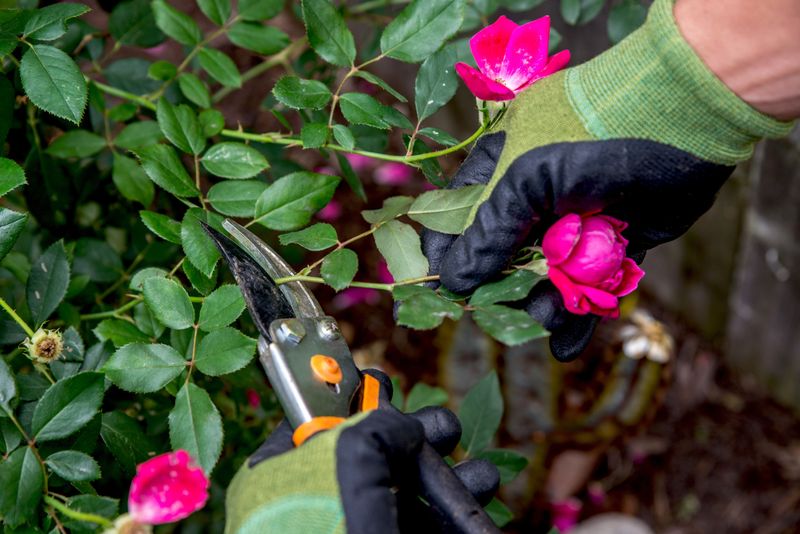
Knock Out roses changed the game for gardeners. Before they came along, growing roses in the South meant dealing with complicated care routines, disease problems, and constant fussing.
Knock Outs are tough, disease-resistant, and bloom from spring all the way through fall with almost no effort. But even these low-maintenance beauties need a proper cutback before spring.
Late winter is the ideal time to prune Knock Out roses.
Cut the entire shrub back by about one-third to one-half of its total height. If the plant has gotten very large or woody over the years, you can be even more aggressive and cut it back to about 12 to 18 inches.
The plant will not mind at all and will bounce back with a flush of new growth and blooms.
Always use sharp, clean pruning shears and make your cuts at a slight angle just above an outward-facing bud. Removing dead, crossing, and weak stems during this pruning session also helps air circulate through the plant, which reduces the risk of fungal diseases.
Summers are hot and humid, so good airflow matters. After pruning, add a layer of compost around the base to feed the roots and set your Knock Outs up for their best season yet.
5. Beautyberry
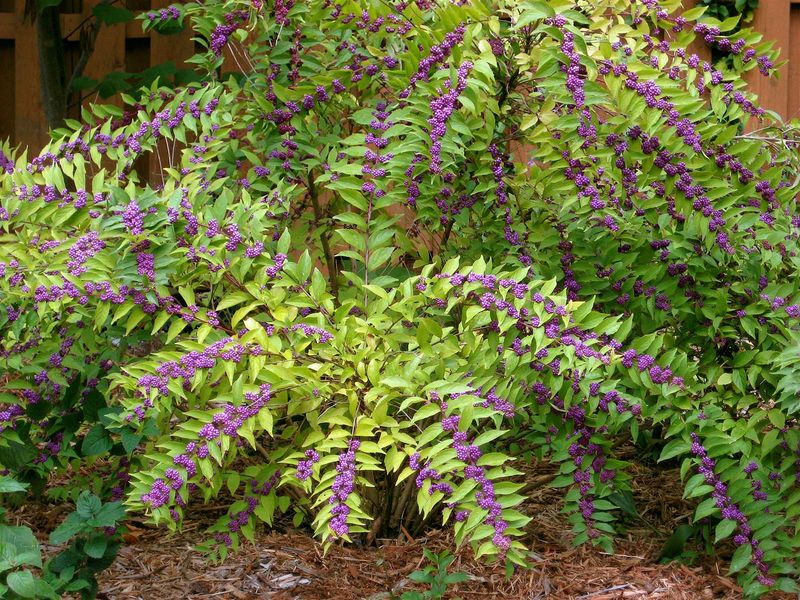
If you have ever seen a beautyberry loaded with clusters of electric purple berries in the fall, you already know why gardeners love this native shrub. American beautyberry is a tough, adaptable plant that thrives in the state’s heat and humidity.
But by late winter, those long arching branches can look pretty ragged, and that is exactly when you should reach for your pruners.
Beautyberry blooms and fruits on new wood, which means the harder you cut it back, the better the show you get in the fall. In late winter, cut the entire shrub down to about 12 inches from the ground.
This might feel extreme, but beautyberry responds beautifully to this treatment. It pushes out vigorous new growth in spring that will be loaded with berries by September.
One of the best things about beautyberry is that it is a true native, perfectly suited to the local soil and climate conditions found across the state. Birds love the berries too, so you are also supporting local wildlife when you keep this shrub healthy and productive.
After pruning, a light application of balanced fertilizer helps fuel that fast regrowth. By midsummer you will have a full, lush shrub, and by fall it will be one of the most eye-catching plants in your entire yard.
6. Spirea
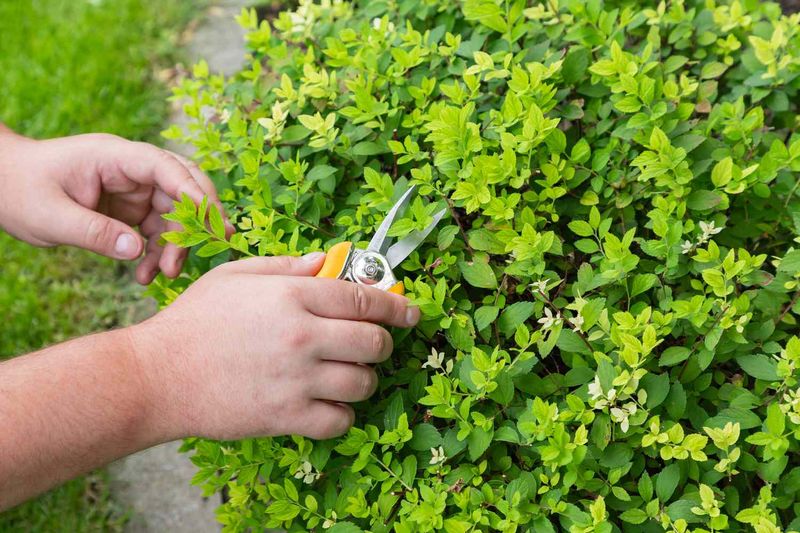
Spirea is a garden workhorse that shows up in yards all across the state. It is easy to grow, comes in many varieties, and puts on a great show of white or pink flowers in spring or summer depending on the type you have.
The catch is that without regular pruning, spirea becomes a thick, woody tangle that produces fewer flowers and looks increasingly messy over time.
The pruning approach for spirea depends on when yours blooms. Spring-blooming spirea, like Bridal Wreath, flowers on old wood, so you should prune it right after it finishes blooming rather than before.
Summer-blooming types, like Anthony Waterer, bloom on new wood and benefit from a hard cutback in late winter before new growth begins. Cutting summer bloomers down by about half to two-thirds encourages a fresh flush of growth and better blooms.
For older, overgrown spirea plants in gardens, a rejuvenation prune every few years does wonders. Cut the entire plant back to about 6 to 8 inches from the ground in late winter.
It will look bare for a few weeks, but the new growth that emerges is much more vibrant and productive than the old woody stems. Add mulch after pruning to hold moisture in the soil and keep roots protected during any lingering cold snaps that winters occasionally bring.
7. Abelia
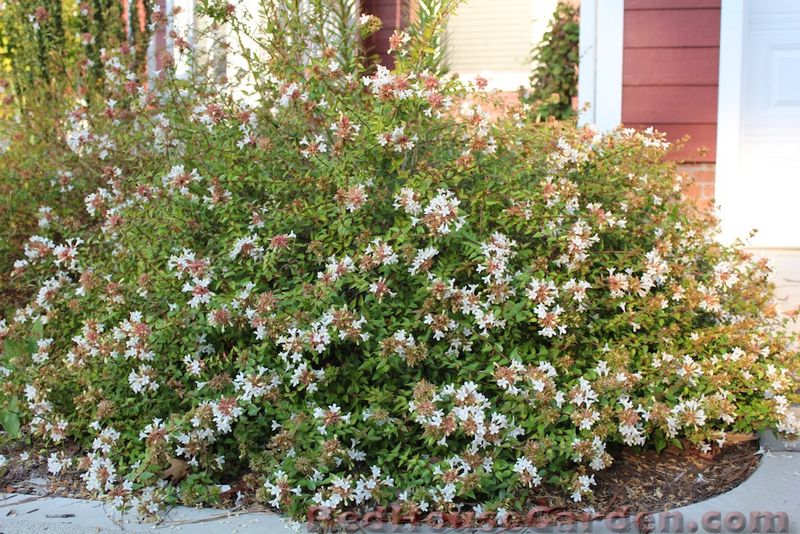
Looking for a shrub that practically takes care of itself and still looks amazing? Meet abelia.
It is heat-tolerant, semi-evergreen, and produces delicate tubular flowers that attract butterflies and hummingbirds from summer right through fall. In Mississippi, abelia holds onto many of its leaves through winter, which makes it a great choice for year-round structure in the landscape.
But even this tough shrub benefits from a bit of attention before spring.
Late winter is the right time to do a light to moderate pruning on abelia. Start by removing any winter-damaged, dead, or crossing branches.
Then selectively cut back some of the longer, arching stems to encourage a bushier, more compact shape. Abelia does not need to be cut back as hard as something like butterfly bush, but a thoughtful trim makes a real difference in how it looks and performs through the growing season.
Every three to five years, abelia responds well to a more aggressive rejuvenation prune where you cut the oldest and woodiest stems all the way to the base. This keeps the plant from getting too large and leggy.
Gardeners who skip pruning altogether often end up with a beautiful but oversized shrub that crowds neighboring plants. Regular maintenance pruning keeps abelia at a manageable size while preserving its graceful, arching form and its ability to put on a long, reliable bloom display each year.
8. Hydrangea
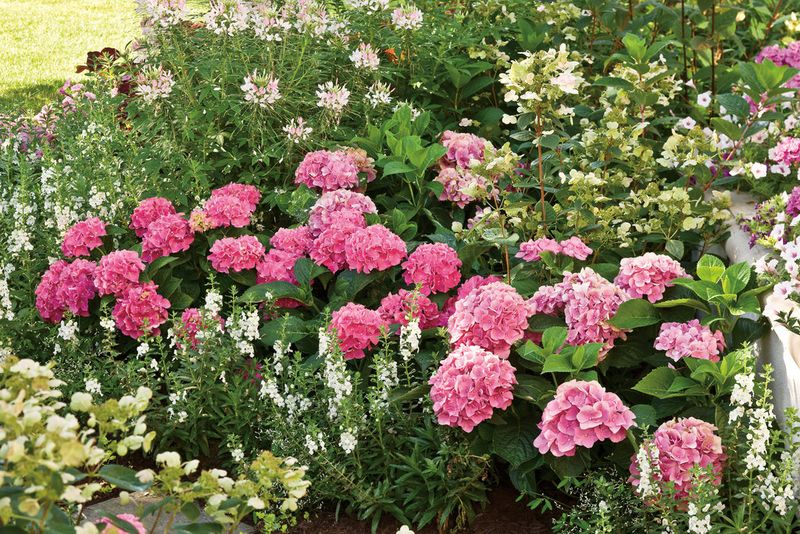
Nothing steals the spotlight like hydrangeas in a garden.
Those big, showy blooms in shades of pink, blue, white, and purple make a bold statement in any garden. But hydrangeas are also one of the most misunderstood shrubs when it comes to pruning, and cutting them at the wrong time is the number one reason gardeners end up with no flowers.
The key is knowing which type of hydrangea you have. Bigleaf and oakleaf hydrangeas bloom on old wood, meaning the flower buds form on last year’s growth.
Pruning these in late winter will remove those buds and cost you the bloom. For these types, only remove dead or damaged stems in late winter and wait until after flowering to do any shaping.
Smooth hydrangeas, like Annabelle, and panicle hydrangeas bloom on new wood and can be cut back hard in late winter without any concern. In Mississippi, where smooth and panicle hydrangeas are widely grown, late February pruning gets them off to a strong start.
Cut smooth hydrangeas back to about 18 to 24 inches and panicle types by about one-third. The new growth that follows will be strong and loaded with blooms by summer, making all that pruning work completely worth it.
9. Loropetalum
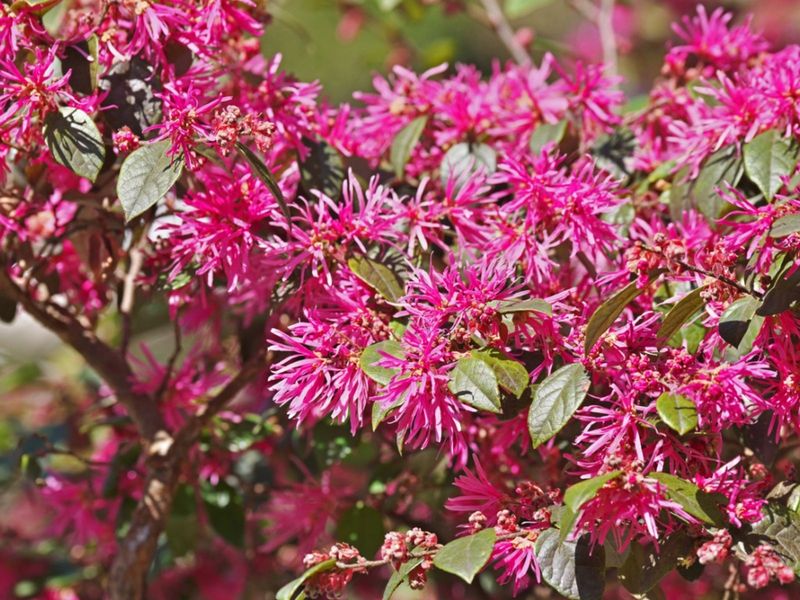
Loropetalum, sometimes called Chinese fringe flower, has become a staple in landscapes over the past couple of decades. With its striking burgundy or green foliage and wispy pink or white flowers, it adds year-round color and texture to gardens across the state.
It is tough, adaptable, and handles summer heat without missing a beat. However, it can grow surprisingly fast and get out of hand if you do not stay on top of pruning.
Late winter is a good time to reshape loropetalum before the spring growth flush kicks in. Since it blooms in early spring, try to prune as early as possible in late winter to avoid cutting off too many of the developing flower buds.
A light to moderate shaping prune works well for most plants. Focus on removing any long, wayward branches that are breaking the shape you want and thinning out any dense, congested areas inside the shrub.
For loropetalum that has grown too large for its spot in the garden, a harder rejuvenation prune every few years will bring it back into scale. Gardeners often plant loropetalum under windows or along walkways where size control is important.
After pruning, this shrub responds quickly in the warm spring, pushing out fresh new growth and those eye-catching fringe flowers that make it such a popular choice throughout the region.