9 Shrubs North Carolina Gardeners Should Never Cut Back Before Spring
Pruning at the wrong time can quietly ruin a season of blooms in North Carolina gardens. Many gardeners trim shrubs during winter cleanup, only to realize months later that their plants never flowered.
The problem is simple but easy to miss. A large number of popular shrubs form their flower buds on growth from the previous year.
Across the Coastal Plain, Piedmont, and Mountain regions, these early blooming shrubs spend winter holding the buds that will soon burst into color.
Cutting them back too early removes those buds and leaves plants healthy but disappointingly bare when spring arrives.
Understanding which shrubs rely on last season’s growth can make a big difference in how your landscape performs.
When you know which plants should be left alone through winter, your North Carolina garden has a much better chance of delivering a vibrant spring display.
1. Azaleas
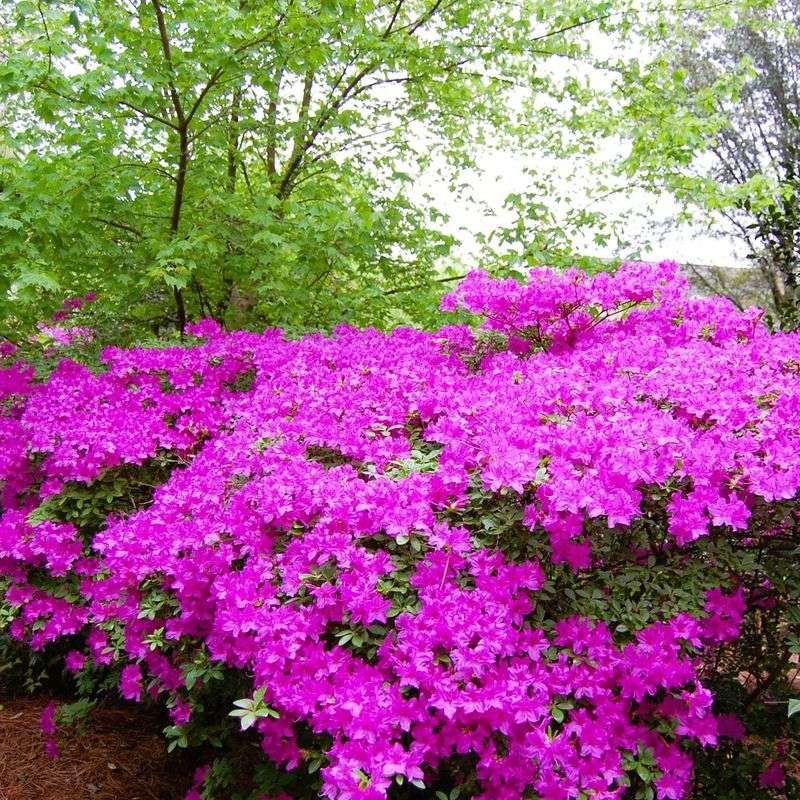
Few things signal spring in North Carolina quite like azaleas bursting into color across front yards and garden beds.
These beloved shrubs are absolute showstoppers, but here is the catch: they bloom on old wood. That means every flower bud forming next spring is already sitting on the branches you grew last year.
If you grab your pruning shears before those blooms open, you are cutting away months of quiet bud development in one swift move.
North Carolina gardeners who prune azaleas in late winter or early spring often wonder why their plants barely flower the following season.
The answer is almost always mistimed pruning. The right window for trimming azaleas is right after the blooms fade, usually sometime in late spring.
Most horticulturists recommend finishing any pruning no later than mid-July to give the plant enough time to set new buds for the following year.
Waiting those few extra weeks feels like nothing compared to watching a full season of color disappear.
Azaleas also do not need heavy pruning very often. A light shaping after flowering is usually all it takes to keep them looking tidy and healthy.
North Carolina’s warm climate gives azaleas plenty of growing time, so trust the plant, put down those shears until after bloom time, and enjoy the spectacular show they put on every single spring.
2. Camellias
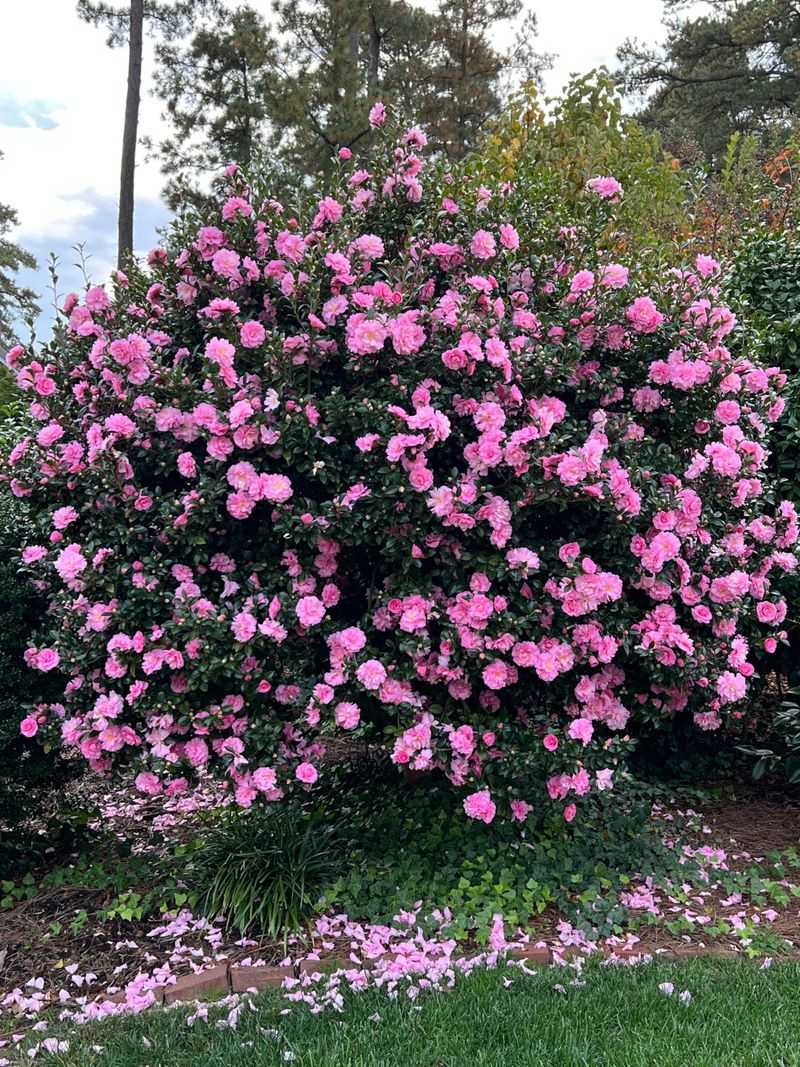
Camellias have a reputation for being the royalty of Southern gardens, and North Carolina is lucky enough to have the climate to grow them beautifully.
What makes camellias tricky is that many varieties bloom in late fall or winter, which is exactly when some gardeners feel the urge to tidy things up outside.
Camellias set their flower buds on the previous year’s growth, just like azaleas. Pruning them before they finish flowering will remove buds that have been quietly developing since summer.
You end up with a neatly trimmed shrub that produces almost no blooms, which defeats the whole purpose of growing camellias in the first place.
The best time to prune camellias in North Carolina is right after they finish blooming, typically in late spring.
This gives the plant the longest possible growing season to develop new wood and set fresh buds for the next flowering cycle.
Light shaping is all that most camellias ever really need. Camellias are remarkably long-lived shrubs, with some plants thriving for well over a hundred years.
Treating them with patience and respect for their natural bloom cycle pays off in a big way. Skip the winter pruning session, let them strut their gorgeous flowers, and then tidy them up once the show is completely over. Your garden will thank you for it.
3. Hydrangea (Bigleaf And Mophead Varieties)
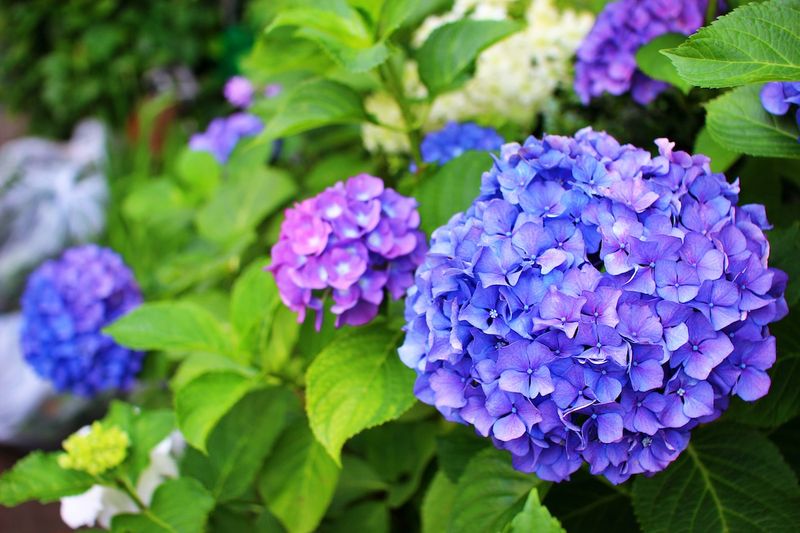
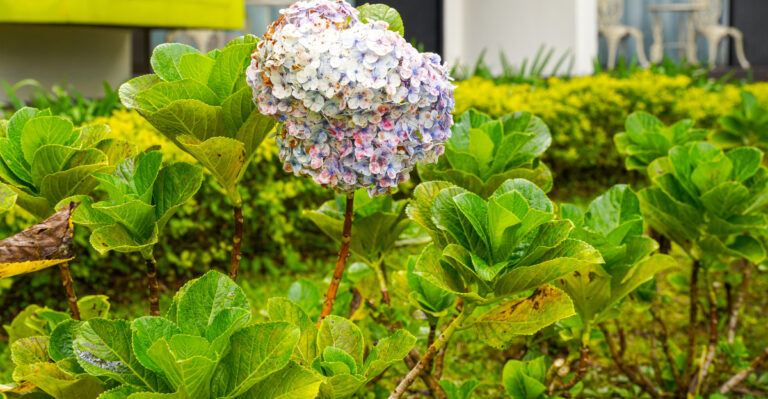
Bigleaf and mophead hydrangeas are some of the most photographed plants in North Carolina gardens, and for good reason.
Those big, round flower heads in shades of blue, pink, and purple are genuinely stunning. But these varieties have a quirk that catches many gardeners off guard every single year.
Hydrangea macrophylla blooms on old wood, meaning the flower buds you are hoping to see next summer are already resting on stems from last year’s growth.
Cutting those stems back before spring means cutting away the blooms before they ever get a chance to open.
It is one of the most common pruning mistakes made in North Carolina gardens. Many gardeners see brown or dried stems over winter and assume the plant needs a hard cutback to refresh.
Resist that urge. Those stems are protecting the buds hiding just beneath the surface, waiting for warmer temperatures to wake up and grow.
Leave them alone and let nature do its work. The right time to prune bigleaf and mophead hydrangeas in North Carolina is right after the flowers fade in summer.
Remove spent blooms and trim lightly for shape, but avoid cutting back healthy green stems unless absolutely necessary.
If you are unsure whether a stem is still viable, scratch it lightly with your fingernail and look for green underneath before making any cuts.
4. Rhododendrons
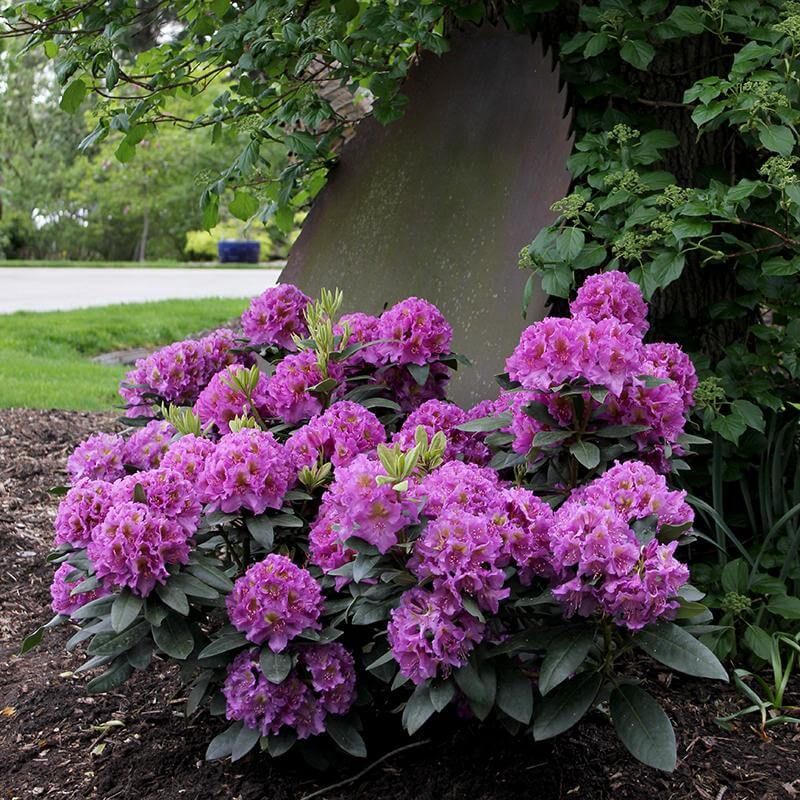
Walk through almost any wooded North Carolina neighborhood in spring and you will likely spot rhododendrons putting on a breathtaking display.
These large, evergreen shrubs produce spectacular clusters of flowers in shades ranging from white to deep magenta, and they are a staple in gardens across the state.
Rhododendrons set their flower buds during the previous growing season, which means all that bloom potential is already stored in the wood going into winter.
Pruning before spring removes those buds before they ever open. Even a well-intentioned trim at the wrong time can result in a season with noticeably fewer flowers.
North Carolina’s mountain regions are especially well-known for wild rhododendrons putting on stunning shows every spring.
Garden varieties follow the same cycle, so the same pruning rules apply whether you are growing them in Asheville or Charlotte. Patience is truly the most important pruning tool you own.
Wait until the flowers have fully faded before doing any significant trimming. For most rhododendrons in North Carolina, that window falls in late spring or early summer.
Deadheading spent flower clusters right after blooming can actually help the plant direct more energy into new growth rather than seed production.
Keep pruning light, focus on removing any crossed or damaged branches, and your rhododendrons will reward you with gorgeous blooms year after year.
5. Forsythia
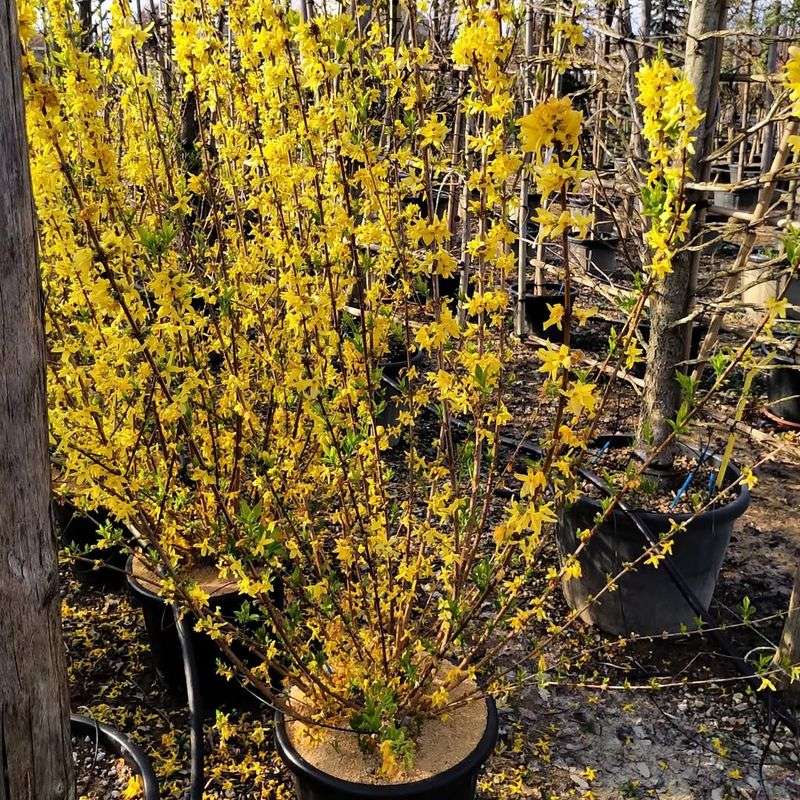
Forsythia is one of those shrubs that makes the whole neighborhood feel like spring has officially arrived.
Those bright yellow flowers exploding along bare branches in late winter are pure joy, especially after months of gray skies and dormant landscapes across North Carolina.
Here is what you need to know: forsythia blooms on old wood. Every one of those cheerful yellow flowers grows from buds that formed on last year’s branches.
Pruning before the flowers open in spring means cutting away the very thing everyone looks forward to seeing each year.
A lot of gardeners make the mistake of trimming forsythia in late fall or early winter to keep it tidy through the cold months.
While the plant will survive just fine, it will bloom much less the following spring. The loss is noticeable and honestly a little heartbreaking when you realize what caused it.
The ideal time to prune forsythia in North Carolina is right after the flowers finish, usually in mid to late spring.
At that point, you can shape the shrub as much as you like and it will have the entire growing season to develop new wood and set buds for next year.
Forsythia grows quickly, so it handles pruning well as long as the timing is right. Give it that simple courtesy and it will reward you with that signature burst of yellow every single spring.
6. Lilac
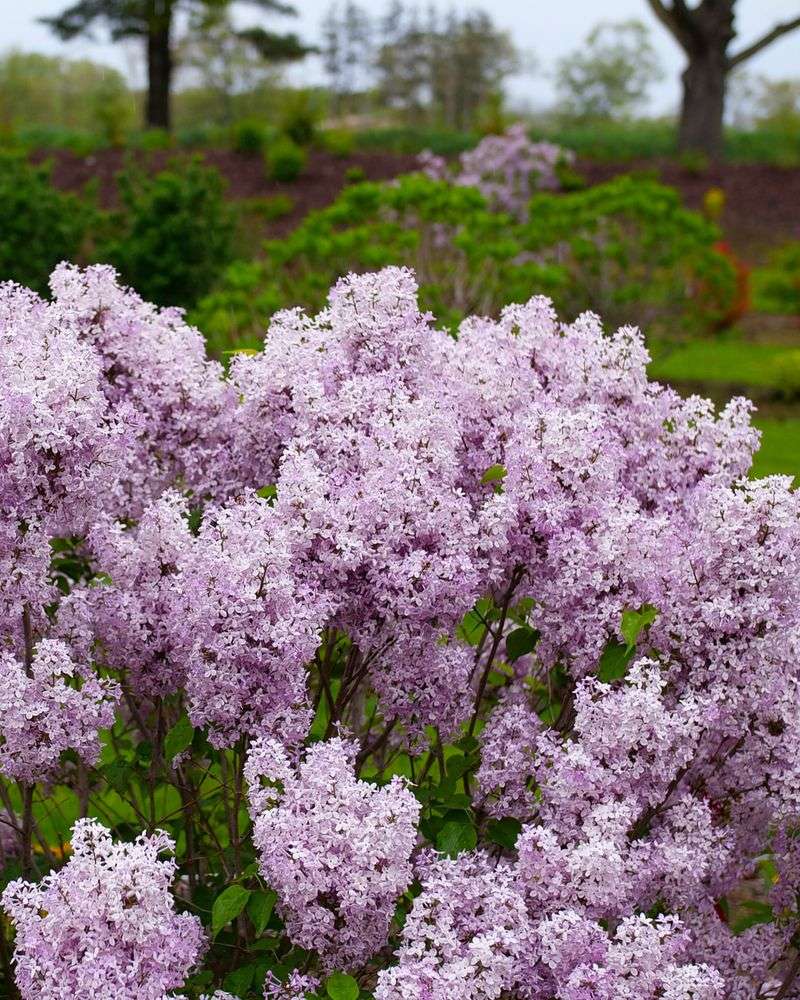
There is something almost magical about the scent of a lilac in full bloom. North Carolina gardeners who grow Syringa vulgaris know that fragrance well, and they look forward to it every spring with genuine excitement.
Lilacs are not the easiest shrubs to grow in the South, but when they thrive, they are absolutely worth every bit of effort.
Lilacs bloom on old wood, forming their flower buds on the previous year’s growth during summer and fall.
Pruning before spring removes those buds entirely, and since lilacs can be slow to recover, you may wait more than one season before seeing a strong bloom again.
That is a long time to go without those gorgeous purple clusters. North Carolina gardeners sometimes struggle with lilacs because the state’s mild winters do not always provide enough chill hours for heavy blooming.
Protecting whatever bud development does happen by avoiding early pruning is even more important here than in cooler climates.
Every bud counts when you are working with a plant that already has climate challenges to deal with.
Prune lilacs immediately after they finish blooming, ideally before mid-July, to give them the best chance of setting new buds for next year.
Remove old, woody stems at the base to encourage fresh growth, and lightly shape the outer canopy if needed.
Skip the winter trim and you will be rewarded with clusters of fragrant blooms that make your whole yard smell incredible.
7. Spirea (Early-Blooming Varieties)
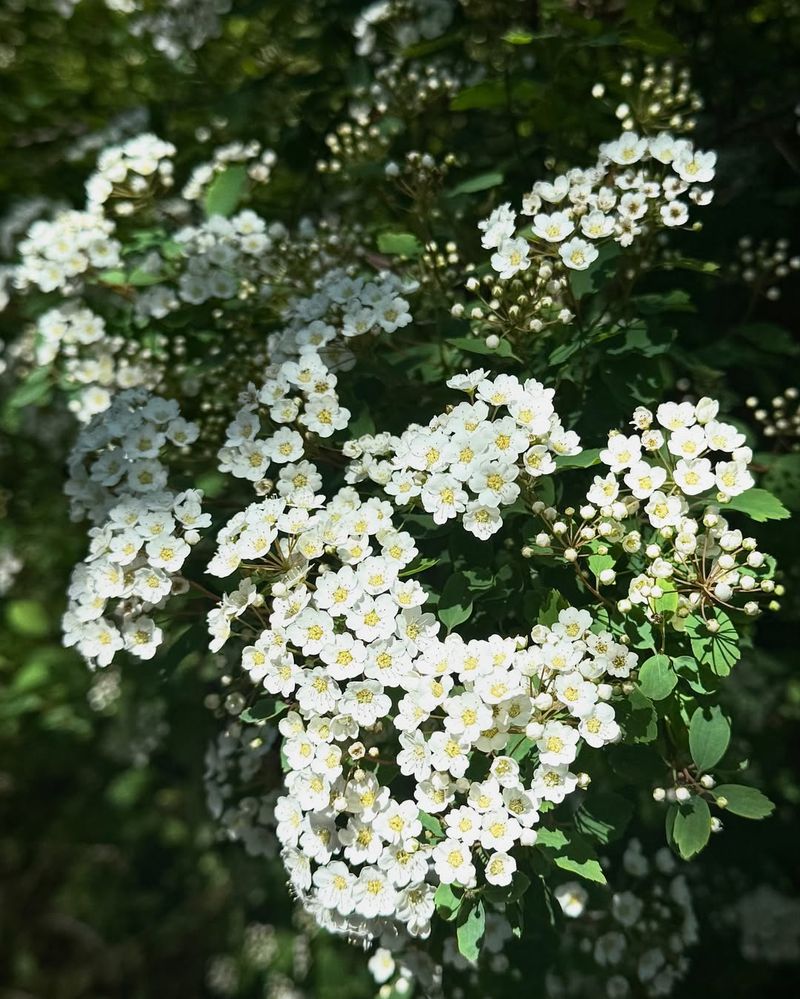
Early-blooming spirea varieties are workhorses of the North Carolina garden world. They are tough, adaptable, and absolutely covered in flowers when spring rolls around.
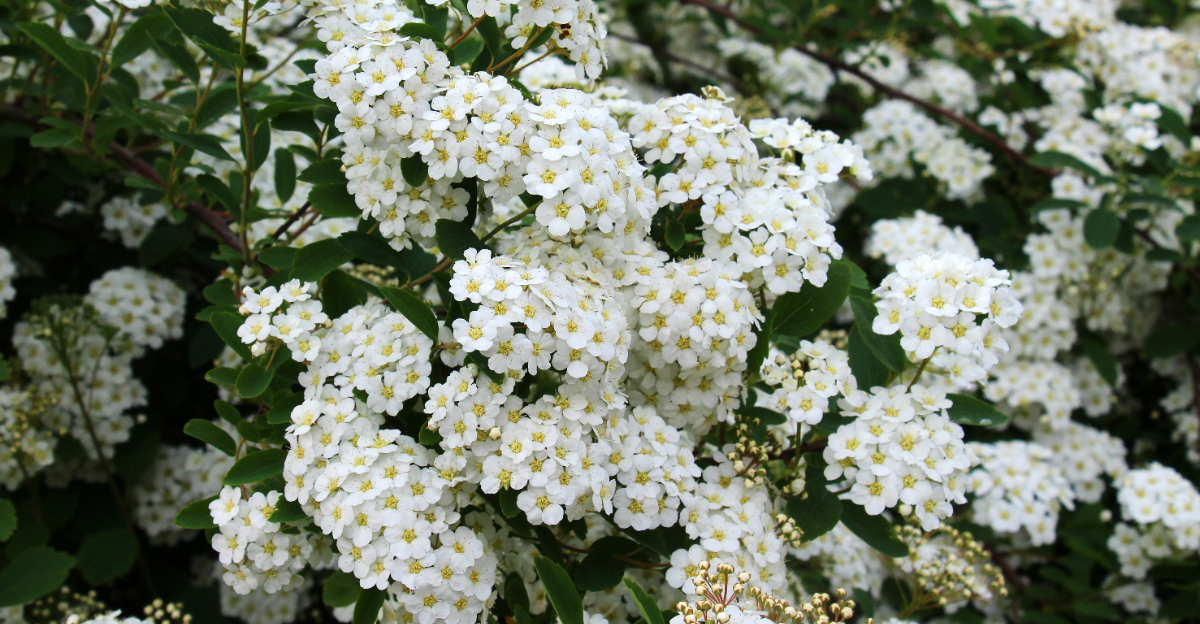
Varieties like Bridal Wreath spirea put on a cascading white flower show that stops people in their tracks, and the display lasts for weeks when conditions are right.
Spring-flowering spirea blooms on old wood, meaning those arching branches covered in buds right now are exactly what will carry next season’s flowers.
Cutting them back before they bloom removes all that stored floral potential in one go. It is the kind of pruning mistake that feels minor in the moment but becomes very obvious come spring.
Some gardeners confuse early-blooming spirea with summer-blooming varieties like Anthony Waterer, which actually blooms on new growth and can be pruned in early spring without issue.
Knowing which type you have planted in your North Carolina garden is key to getting the timing right.
When in doubt, wait and see when it blooms before picking up the pruning shears. Once those early-blooming spirea flowers fade, usually in mid to late spring, that is your green light to prune.
Shape the shrub, remove any crossing branches, and thin out older stems to encourage healthy new growth.
Spirea responds beautifully to post-bloom pruning and will fill back in quickly thanks to North Carolina’s warm growing season. Get the timing right and you will have a spectacular show every single year.
8. Viburnum (Many Spring-Flowering Varieties)
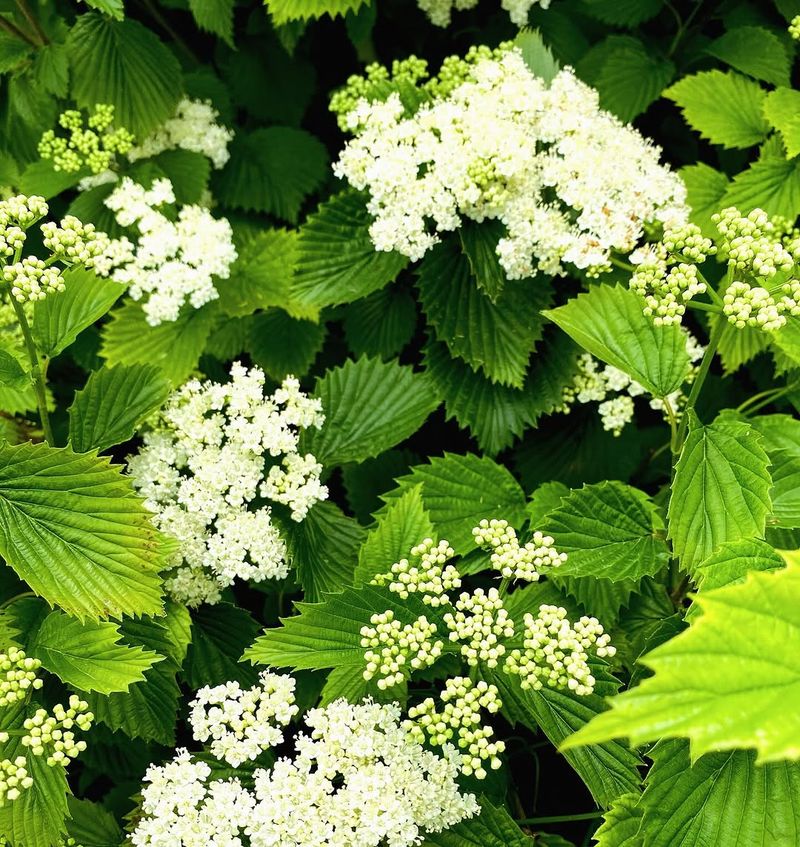
Viburnum is one of those underrated garden gems that deserves a lot more attention.
With varieties like Viburnum carlesii filling the spring air with an incredible fragrance and others offering stunning clusters of white or pink blooms, these shrubs bring serious beauty to North Carolina gardens without requiring much fuss.
Many spring-flowering viburnum varieties bloom on old wood, which means the flower buds are already set on last year’s branches well before spring arrives.
Pruning these shrubs in late fall or winter removes those buds before they ever open. You end up with a tidy-looking plant that blooms poorly or not at all, which is a real shame given how spectacular viburnums can be.
The sheer variety of viburnums available to North Carolina gardeners makes it worth doing a little research on your specific plant before you prune.
Some summer-flowering species bloom on new wood and follow different timing rules. For spring bloomers, though, the rule is consistent: wait until after the flowers fade before making any cuts.
Post-bloom pruning for viburnums typically falls in late spring or early summer in North Carolina.
At that point, you can thin out crowded branches, remove any weak or damaged stems, and shape the overall structure of the shrub.
Viburnums are generally low-maintenance and do not need heavy pruning often. A light touch after blooming is usually all it takes to keep them looking their absolute best season after season.
9. Witch Hazel
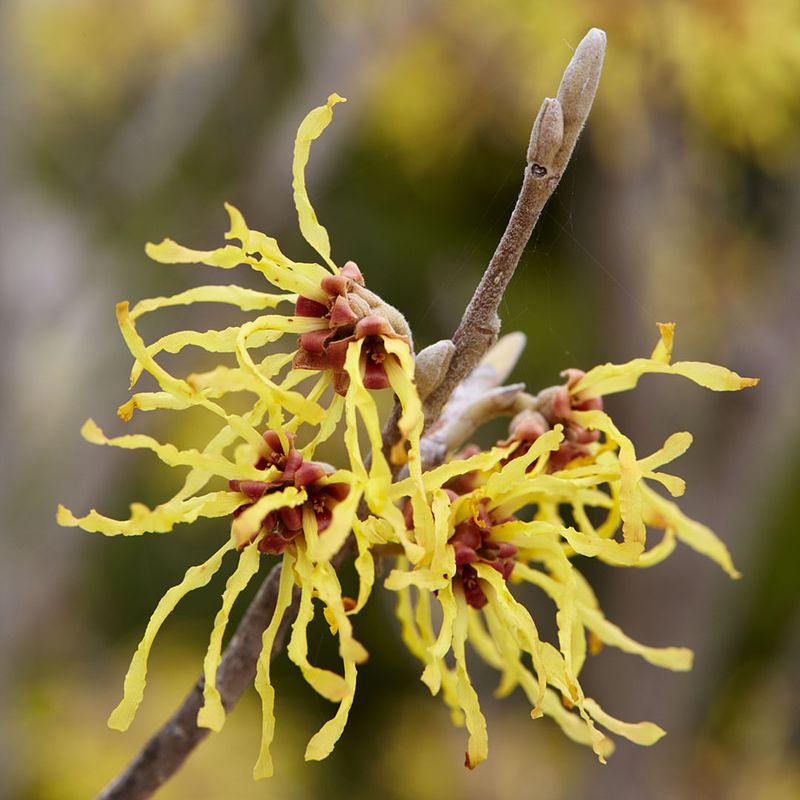
Witch hazel might be the most fascinating shrub on this entire list.
While most plants are completely dormant through the cold months, Hamamelis virginiana is out there blooming in fall and early winter with those wild, ribbon-like yellow flowers that look almost too unusual to be real.
It is a true conversation starter in any North Carolina garden. Because witch hazel blooms on last year’s growth, pruning before or during its bloom period removes the very branches carrying those extraordinary flowers.
For a shrub that blooms when almost nothing else does, losing even a portion of that display feels like a significant loss.
North Carolina gardeners who grow witch hazel often say watching it bloom in November or December is one of the most surprising pleasures in their garden.
Witch hazel is also native to North Carolina and the broader eastern United States, which means it is perfectly adapted to the local climate and soil conditions.
It rarely needs much pruning at all, which actually makes it an ideal low-maintenance choice for busy gardeners who want seasonal interest without a lot of work.
If you do need to prune witch hazel, wait until after it finishes blooming, then do your trimming in late winter or early spring before new growth begins.
Remove any crossing branches or stems that are growing in awkward directions. Keep cuts minimal and thoughtful, and this remarkable shrub will continue surprising and delighting you with its quirky, cold-weather blooms for many years to come.