9 Shrubs North Carolina Gardeners Should Trim During March For Bigger Blooms
March can quietly decide how spectacular your garden looks later in the season, especially across North Carolina.
As temperatures begin to warm and shrubs wake up from winter dormancy, the work you do now can shape the size, strength, and beauty of the blooms that follow.
A quick trim at the right moment encourages fuller growth, better structure, and more impressive flowering once spring settles in. Across the Piedmont, Coastal Plain, and Mountain regions, many popular plants respond especially well to careful March pruning.
Waiting too long can mean missed opportunities for stronger seasonal growth and thicker, healthier shrubs throughout the landscape. The good news is that a few strategic cuts right now can set the stage for a garden that looks far more vibrant in the months ahead.
If you want bigger blooms and stronger shrubs this season, these popular plants in North Carolina gardens are ready for a timely March trim.
1. Crape Myrtle
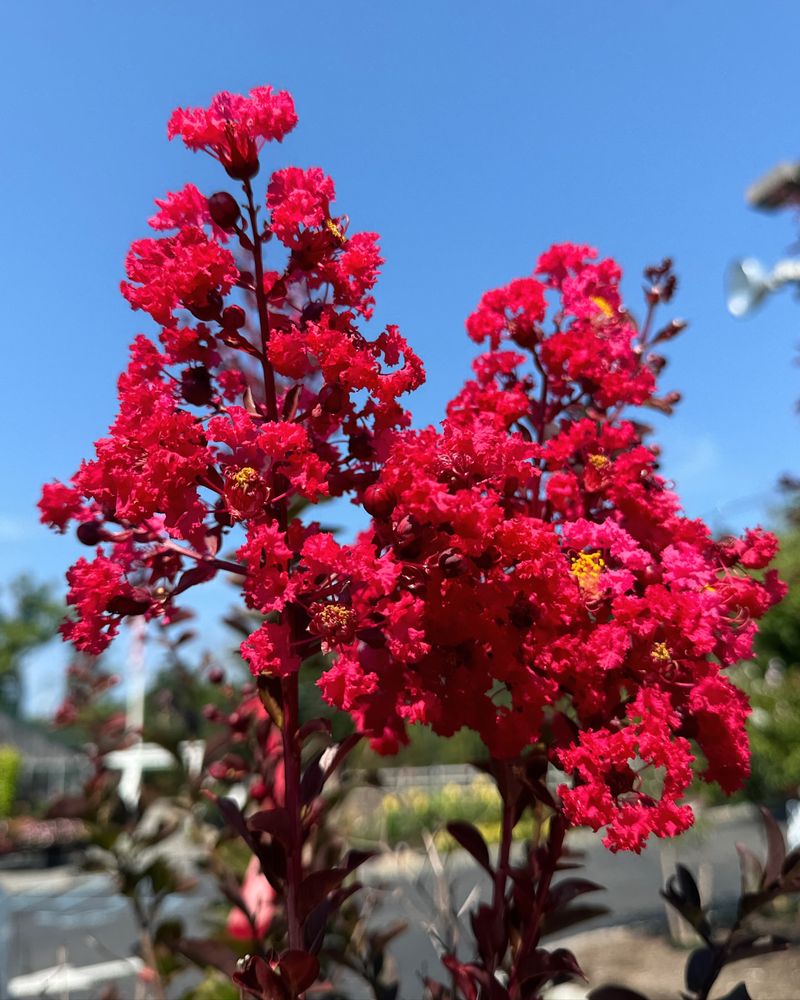
Few shrubs are as beloved in North Carolina as the crape myrtle, and for good reason. These stunning plants burst into clouds of pink, red, white, or purple blooms every summer, turning ordinary yards into something spectacular.
The secret to getting the most out of them? Pruning at the right time. Crape myrtles bloom on new wood, meaning the fresh growth they put out each spring is exactly where those flowers will form.
Trimming in March, before new growth kicks off, gives the plant a head start on building strong, healthy branches that support bigger blooms.
Focus on removing any crossing branches and cutting away suckers that sprout from the base of the trunk.
One common mistake North Carolina gardeners make is over-pruning, sometimes called “crape murder,” where the tops are chopped off entirely. This weakens the plant and actually reduces bloom quality over time.
Instead, aim for a light, thoughtful trim that keeps the natural shape intact. Sharp, clean tools are a must to avoid tearing the bark.
With proper March pruning, your crape myrtle will reward you with an explosion of color all summer long.
2. Butterfly Bush
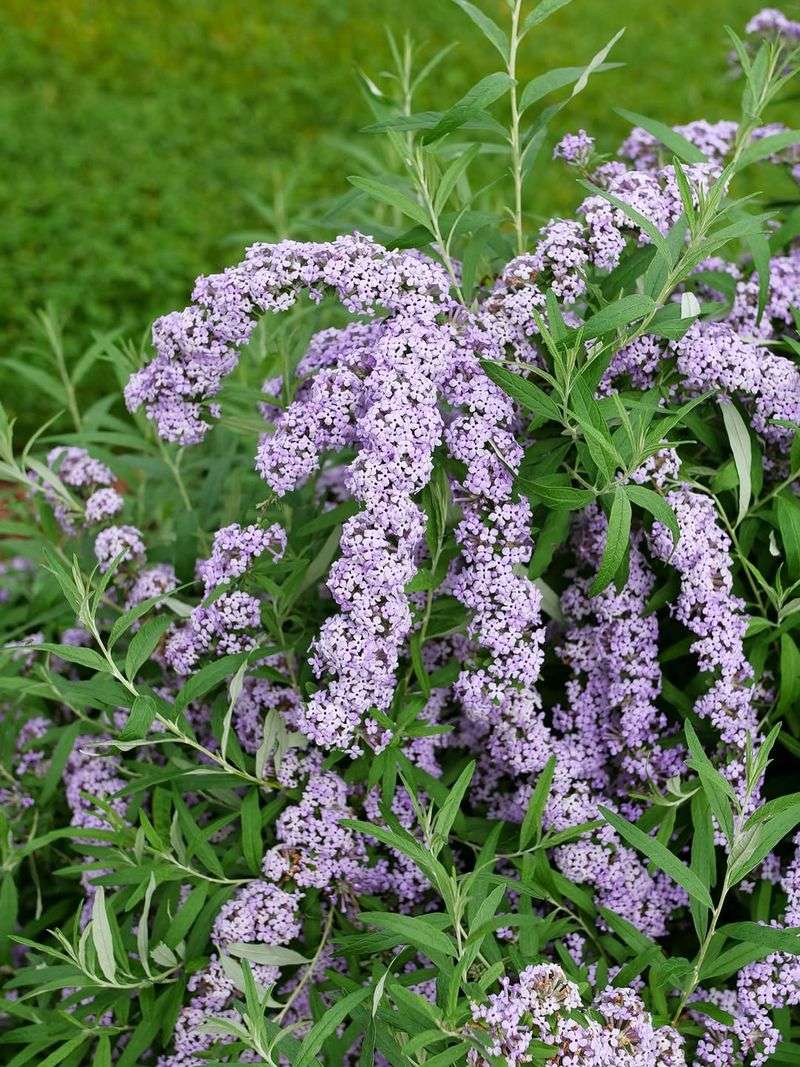
There is something almost magical about watching a butterfly bush in full summer bloom, with dozens of butterflies fluttering around its long, fragrant flower spikes. But that magical display starts with one bold move in March: cutting it back hard.
Butterfly bush, known botanically as Buddleia davidii, blooms on new wood produced during the current growing season. That means the more vigorously it grows in spring, the bigger and more abundant those blooms will be.
In North Carolina, March is the ideal window to cut stems back to about one to two feet from the ground. Remove any weak, damaged, or crossing stems while you are at it, since those just crowd the plant without contributing much.
It might feel dramatic to cut a shrub down so far, but butterfly bush is incredibly resilient and bounces back fast. Within just a few weeks of pruning, you will see fresh green shoots pushing up from the base, full of energy and ready to grow.
By midsummer, those shoots will have turned into long, arching wands tipped with fragrant flower clusters in shades of purple, pink, or white.
North Carolina summers and butterfly bushes are a perfect match, and a good March trim is what makes that relationship shine at its best.
3. Rose Of Sharon
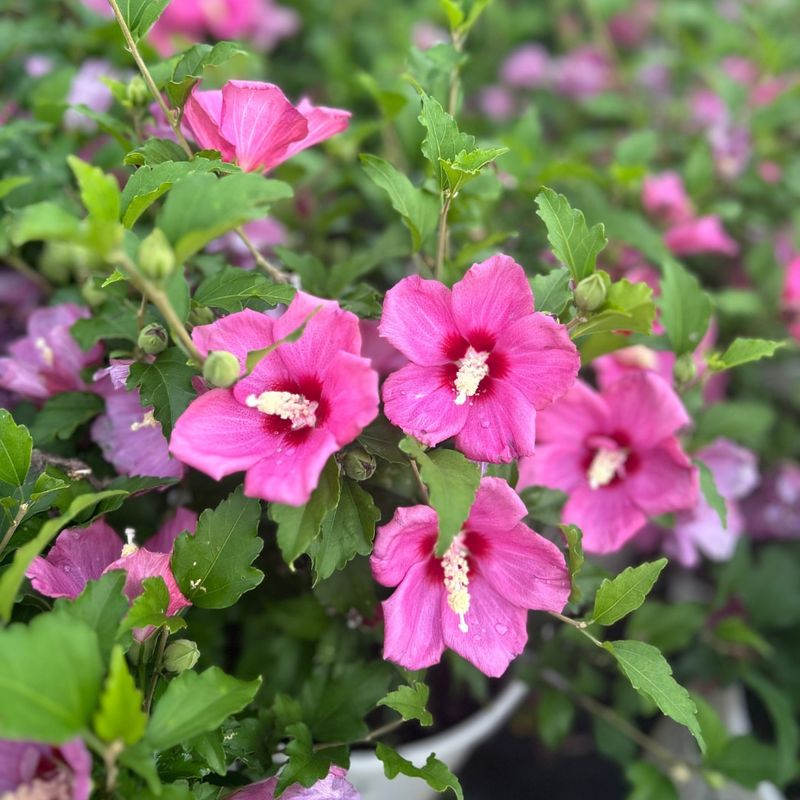
Rose of Sharon has been growing in Southern gardens for generations, and it is easy to see why.
This tough, adaptable shrub produces gorgeous hibiscus-like flowers in shades of white, pink, lavender, and deep purple, blooming reliably through the hottest parts of summer when many other plants have slowed down.
Pruning in March, while the plant is still dormant, gives you the clearest view of the shrub structure. That makes it much easier to spot which branches need to go.
Focus on removing any wood that looks damaged or is clearly crossing and rubbing against other stems. Light shaping at this stage helps control the size of the plant and directs the plant energy toward producing stronger, more vibrant blooms later in the season.
Rose of Sharon blooms on new wood, so any growth that comes in after your March trim is exactly where the flowers will appear.
Across North Carolina, this shrub is a go-to for late summer color, and a proper early spring pruning session makes a noticeable difference in bloom size and quantity.
Keep your cuts clean and avoid going too heavy, since this shrub responds best to thoughtful, moderate trimming rather than drastic cutbacks. A little attention in March sets the stage for months of beautiful flowers ahead.
4. Hydrangea (Smooth And Panicle Types)
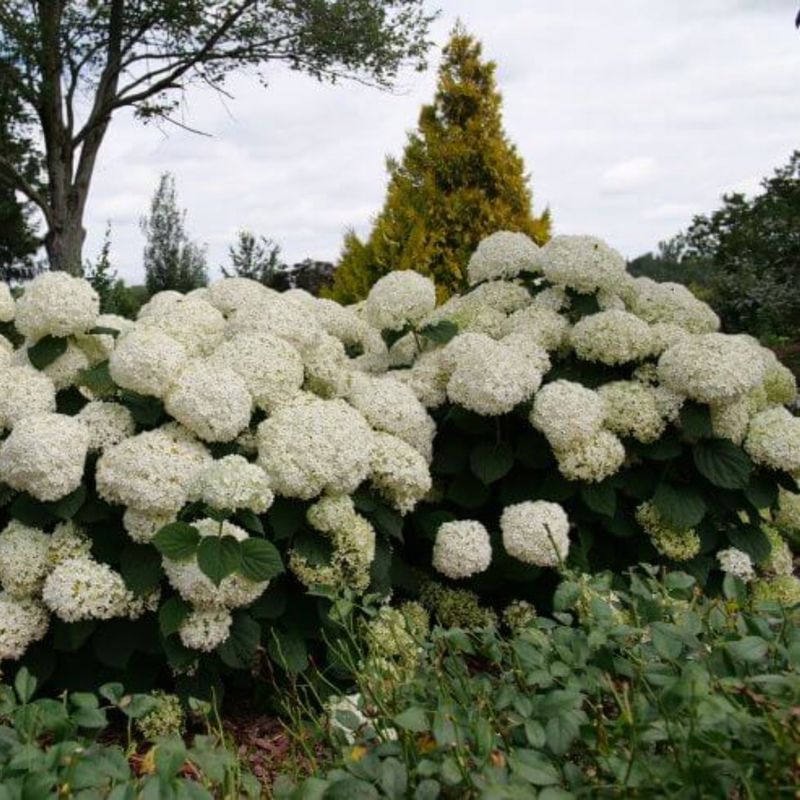
Not all hydrangeas are pruned the same way, and getting this right makes all the difference. Smooth hydrangeas, like the beloved ‘Annabelle,’ and panicle hydrangeas, like ‘Limelight,’ both bloom on new wood.
That puts them squarely in the March pruning category for North Carolina gardeners.
Cutting smooth hydrangeas back to about twelve inches from the ground in March encourages the plant to push out strong new stems, which will carry those iconic giant white flower heads.
Panicle hydrangeas can handle a slightly lighter trim, but cutting them back by about one third in early spring consistently produces bigger, showier blooms come summer.
Both types are forgiving and energetic growers, so do not be shy about making those cuts.
One thing worth knowing is that bigleaf hydrangeas, the classic blue and pink varieties, bloom on old wood and should not be pruned in March, since that removes next season’s flower buds.
Sticking to smooth and panicle types for your March garden session keeps things simple and effective.
Across North Carolina, these hydrangeas are staples in home landscapes, and they absolutely thrive with proper timing.
A good March trim paired with consistent watering through the growing season means you can look forward to the most impressive hydrangea blooms your yard has ever seen.
5. Spirea (Summer Blooming Varieties)
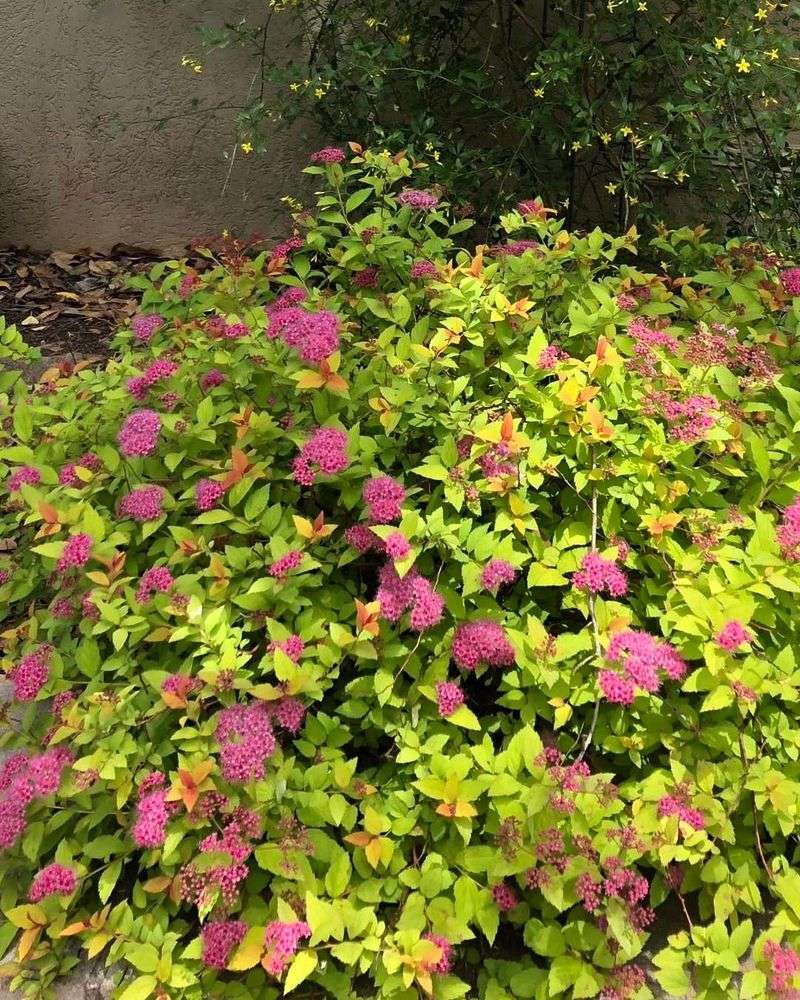
Spirea is one of those hardworking shrubs that rewards you generously when you give it a little attention at the right time.
Summer-blooming varieties like ‘Magic Carpet’ and ‘Goldflame’ are especially popular in North Carolina gardens for their cheerful flowers and colorful foliage, and March is the perfect month to get them ready for their big season.
These summer-blooming spireas produce their flowers on new wood, which means fresh spring growth is where all the action happens.
Cutting them back in March, before that new growth really takes off, pushes the plant to send up vigorous new shoots loaded with blooming potential.
Some gardeners cut the oldest, woodiest stems down close to ground level, which encourages a steady renewal of younger, more productive growth from the base of the plant.
The result by summer is a fuller, more compact shrub covered in clusters of bright blooms. Spirea is also incredibly tough and adapts well to the warm, humid conditions that define a North Carolina spring and summer.
After pruning, give the shrub a light application of balanced fertilizer to fuel that fresh new growth. Within weeks, you will start to see the payoff as bright green leaves unfurl along every stem.
Come July, those stems will be tipped with the kind of blooms that make neighbors stop and ask what your secret is.
6. Forsythia
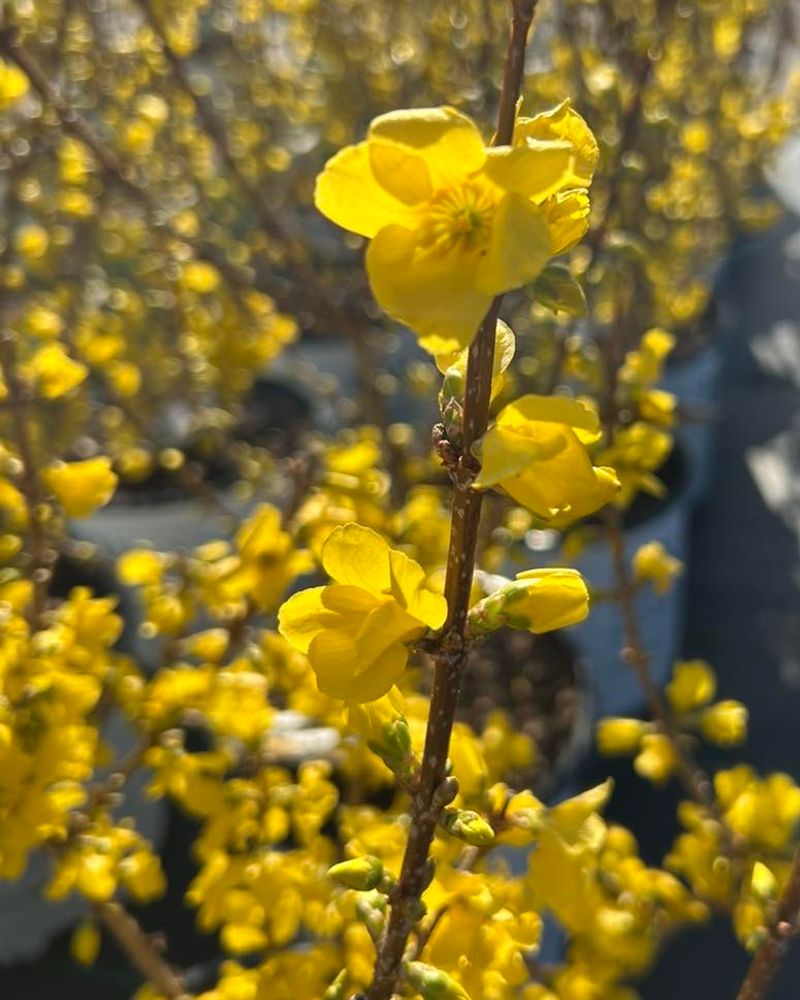
Bright yellow forsythia blooms are one of the most cheerful signs that spring has truly arrived in North Carolina. This fast-growing shrub puts on a dazzling show in late winter to early spring, with branches covered in golden flowers before a single leaf appears.
Knowing when and how to prune it is the key to keeping that show going year after year.
Unlike many of the shrubs on this list, forsythia blooms on old wood, meaning it sets its flower buds the previous season. Pruning it in March before it blooms would remove those buds and cost you the display.
The right move is to enjoy the blooms as they appear in late winter, then trim the shrub right after the flowers fade. In North Carolina, that window often falls in March, making it part of your spring garden routine.
After blooming, cut the oldest stems down near ground level to keep the shrub vigorous and well-shaped.
Forsythia can become quite large and rangy if left unchecked, so this post-bloom pruning keeps it manageable and encourages fresh, productive stems for next year’s flower buds.
Think of it as a thank-you trim after the shrub has done its job. With consistent yearly attention, forsythia stays healthy, full, and ready to deliver that brilliant yellow burst of color every single spring.
7. Viburnum (Flowering Varieties)
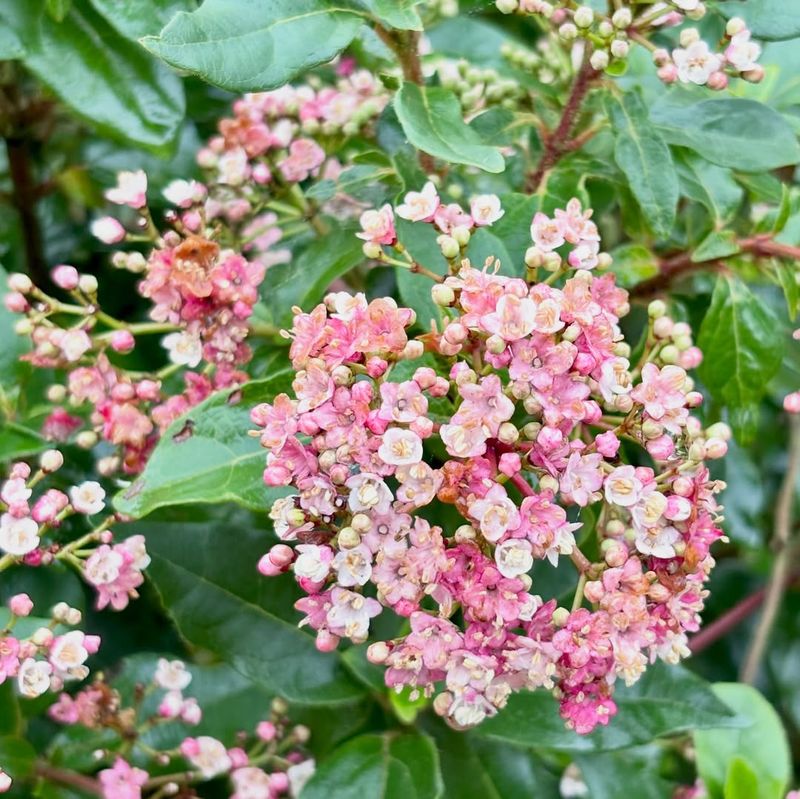
Flowering viburnums are some of the most underrated shrubs in North Carolina landscapes.
Varieties like ‘Burkwoodii’ and ‘Mohawk’ produce clusters of sweetly fragrant flowers that fill the yard with scent in spring, while other types, like ‘American Beautyberry,’ offer spectacular fall interest too.
Getting the most from these shrubs starts with smart pruning in March.
Light pruning in early spring, before new growth emerges, helps remove any wood that did not survive the winter and opens up the shrub structure for better air circulation. Better airflow means healthier foliage and stronger blooms.
Focus on thinning out crowded stems and removing any branches that cross or rub against each other. The goal is a more open, balanced shape that lets sunlight reach the interior of the plant.
Keep in mind that some viburnum varieties bloom on old wood, so going too heavy with the pruning shears in March can reduce spring flowering. A light, selective approach works best for most flowering types.
If the shrub is badly overgrown, spread the rejuvenation process over two or three years rather than tackling it all at once. North Carolina’s mild springs give viburnums plenty of time to recover and push out fresh growth after a March trim.
With a little patience and the right technique, flowering viburnums become one of the most rewarding shrubs in any Tar Heel State garden.
8. Knock Out Roses
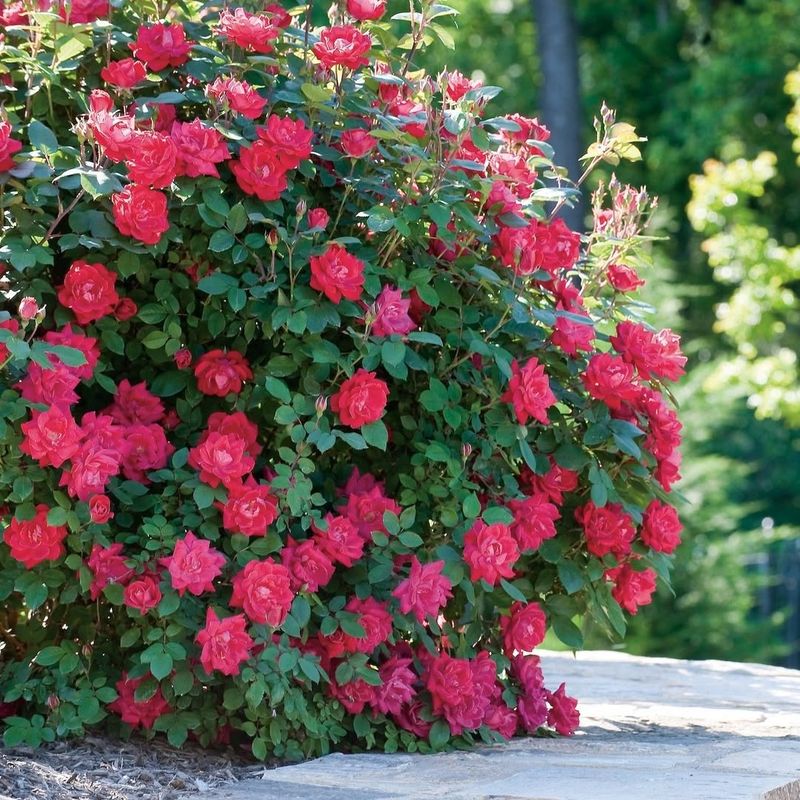
Knock Out roses changed the rose-growing game when they were introduced, and North Carolina gardeners quickly fell in love with them.
These tough, disease-resistant beauties bloom in wave after wave of color from spring all the way through fall, and they ask for very little in return.
That said, a good March pruning session makes a big difference in how strong and colorful those blooms turn out.
Knock Out roses bloom on new growth, so encouraging vigorous spring growth is the goal. In March, trim the canes back by about one third of their height, cutting just above an outward-facing bud to encourage an open, airy shape.
Remove any tips that look dried out or damaged from winter cold, and clean up any old leaves around the base of the plant to reduce the chance of disease spreading into the new season.
After pruning, a dose of rose-specific fertilizer gives the plant a nutrient boost right when it needs it most. Within a few weeks, you will see fresh red-tinged new growth pushing out from every stem, which is always an exciting sign.
By late spring, those stems will be loaded with the bright blooms Knock Out roses are famous for.
Across North Carolina, from the mountains to the coast, these shrubs are a garden staple, and March pruning is the simple habit that keeps them performing at their very best all season long.
9. Weigela
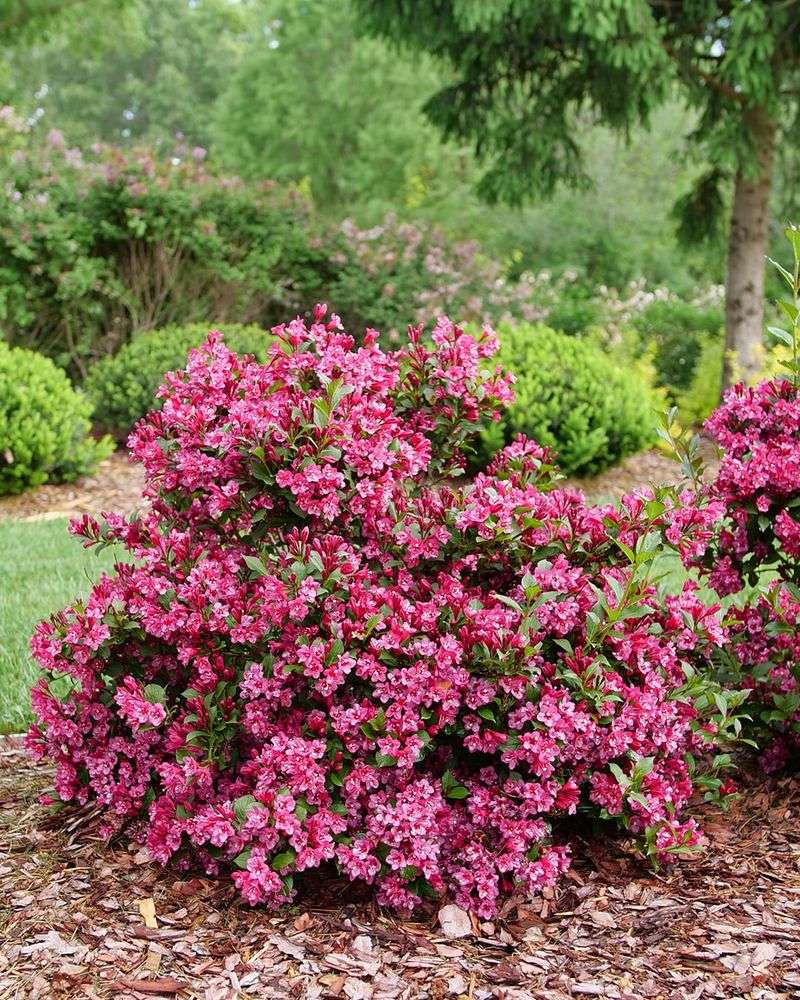
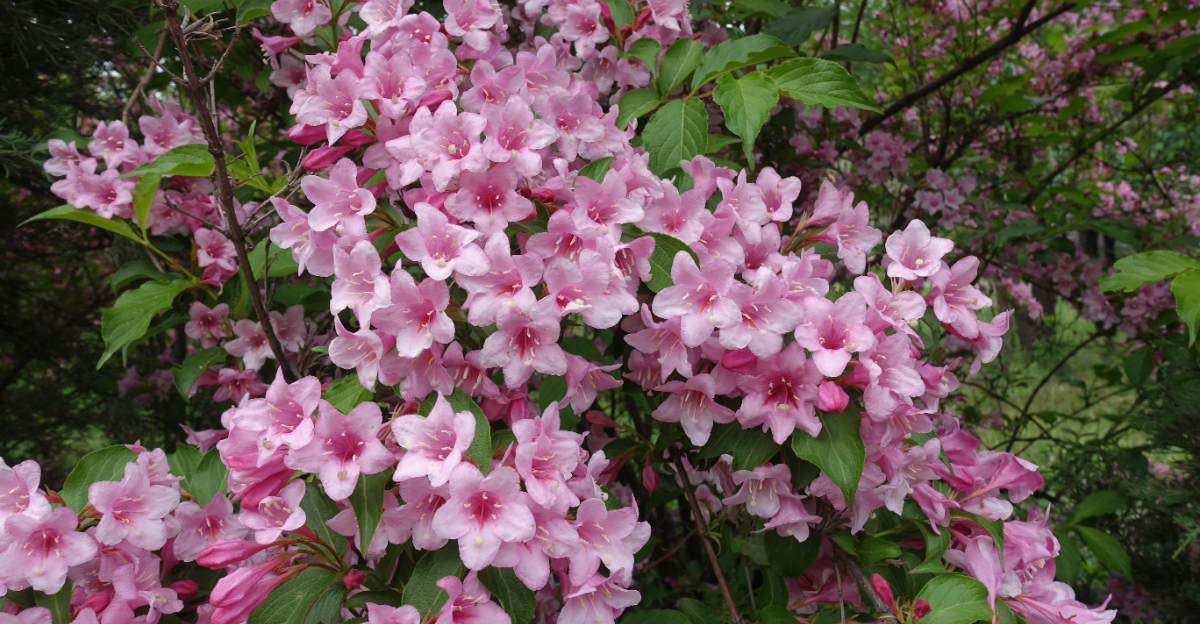
Weigela is a shrub that earns its place in any North Carolina garden with its gorgeous trumpet-shaped flowers in shades of red, pink, and white.
Hummingbirds absolutely love it, which is reason enough to grow it, but the blooms themselves are stunning even without the feathered visitors.
Getting the most from weigela starts with understanding how it grows and when to prune.
Weigela blooms on new growth, so encouraging fresh, vigorous stems in spring is the key to a big floral display. March is a great time to prune weigela in North Carolina, right before the new growth begins pushing out in earnest.
Cut back any stems that look weak or twiggy, and remove the oldest, woodiest canes at or near ground level to make room for fresh new growth from the base. This renewal approach keeps the shrub youthful and productive year after year.
Avoid cutting into large, healthy stems unnecessarily, since weigela responds best to targeted, purposeful pruning rather than a heavy all-over trim.
After your March session, the shrub will reward your effort with an enthusiastic flush of new growth that carries an impressive show of blooms in late spring.
Weigela is tough, adaptable, and well-suited to North Carolina’s varied climate zones, from the Piedmont to the foothills. Give it a good March trim and watch it absolutely shine when the warmer days finally arrive.