9 Shrubs Pennsylvania Gardeners Should Prune In March
March in Pennsylvania feels like a coin flip: sunshine one afternoon, sleet the next. That stop-start weather is exactly why a simple pruning plan pays off.
Late-winter structure stays easy to read, sap flow has not fully ramped up, and many summer-flowering shrubs have not committed their flower buds yet.
A few smart cuts now can calm down a leggy foundation shrub, boost fresh growth, and keep a border from swallowing the walkway by July.
March pruning works best for shrubs that bloom on new wood, meaning flowers form on the season’s fresh stems. Spring bloomers like lilac and forsythia play by a different rule, so they usually wait until after flowering.
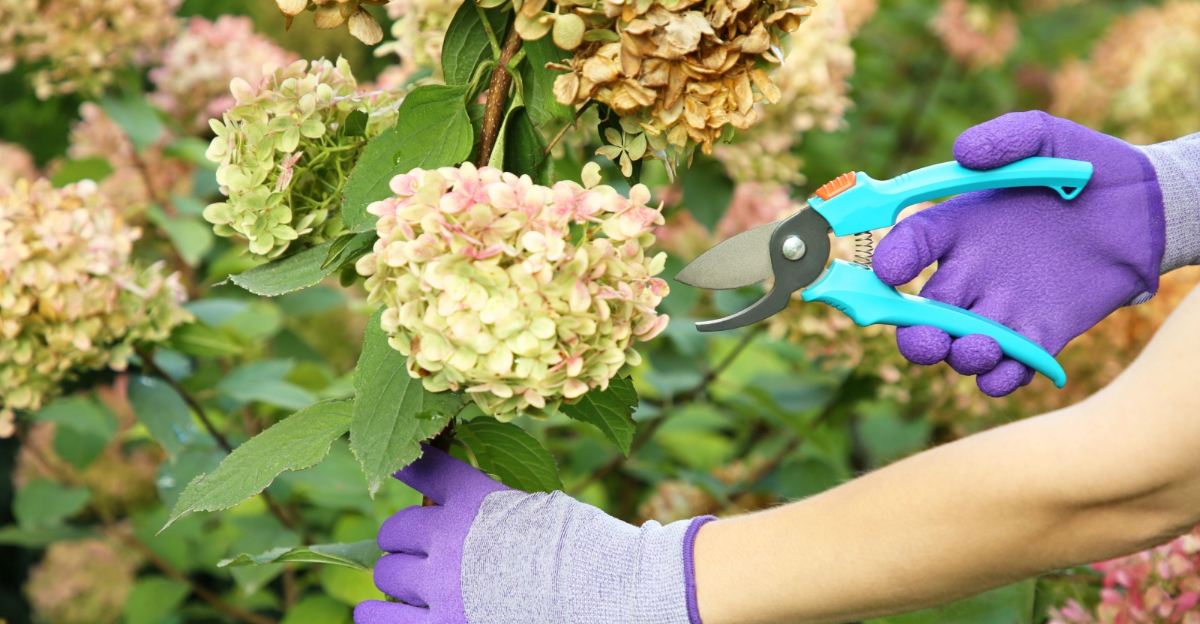
Pennsylvania also throws late frosts, so timing matters. Aim for a mild stretch, use sharp bypass pruners, and focus on thinning, shaping, and removing older wood where it makes sense.
Clean cuts just above healthy buds heal well.
1. Panicle Hydrangea Takes A March Prune For Strong Summer Blooms
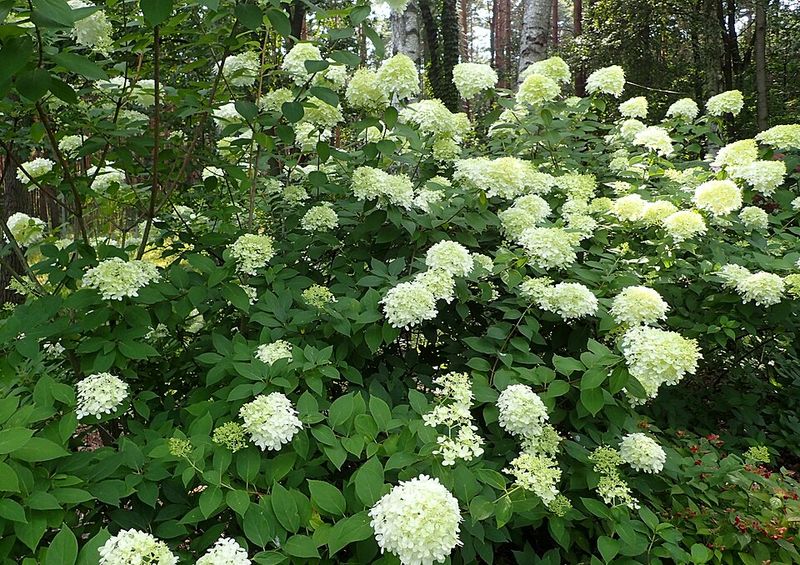
Panicle hydrangea can look like a bundle of tan sticks in March, but that bare outline actually helps. Branch angles and crowded spots stand out before leaves fill in, making it easier to see what needs attention.
Many Pennsylvania yards place this shrub near foundations or fences, so size control matters well before summer heat arrives. Old flower heads often linger through winter for texture, and early spring offers a good moment to tidy the plant.
Its toughness also explains why gardeners rely on it in places where winters swing between freeze and thaw.
Bloom timing makes March a smart pruning window. Panicle hydrangeas produce flowers on new growth, so trimming in late winter or early spring usually fits their natural cycle.
Buds can swell quickly after a warm stretch, so the ideal moment may arrive sooner than expected. Late frosts still appear in parts of Pennsylvania, which encourages a balanced approach rather than heavy early cuts.
Start by removing dead, weak, or crossing stems. Shorten some remaining branches to keep the shrub from getting top heavy.
Many gardeners reduce overall height by about one third, then adjust based on the plant’s size and location.
Clean up fallen debris afterward and add a light layer of mulch a few inches away from the stems.
2. Smooth Hydrangea Handles A March Cutback For Fresh Flowering Stems
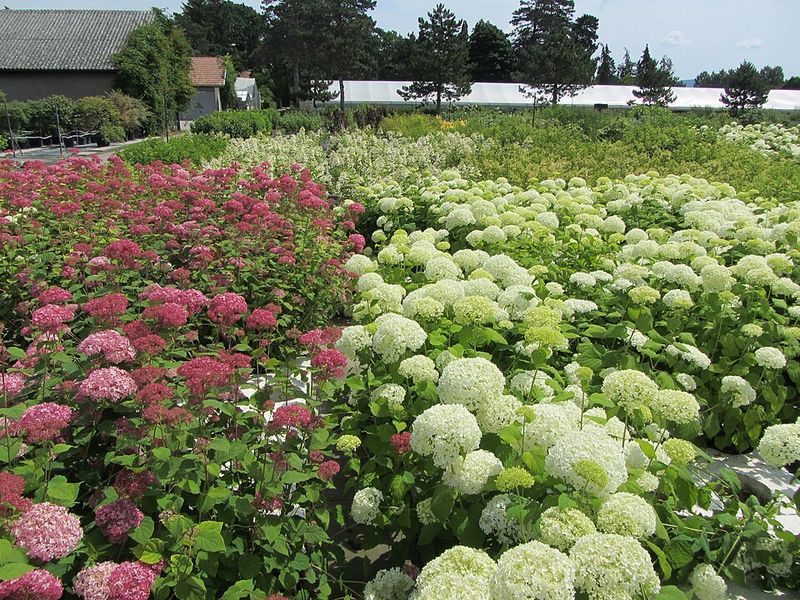
Smooth hydrangea feels like a Pennsylvania summer staple, especially the big white varieties that fill front garden beds. By late winter, the plant can look stiff and tangled, often with last year’s blooms still hanging on.
March brings the perfect reset before new growth begins. Pruning matters more than many gardeners expect, since those huge summer flowers can weigh stems down.
Rich soil and partial shade can also encourage softer growth, which makes smart pruning even more useful.
Smooth hydrangea blooms on new wood, which makes early spring a safe window for trimming.
A hard cut can lead to fewer but larger blooms, while lighter pruning leaves more stems and smaller flower heads.
Many Pennsylvania gardeners land somewhere in the middle for a balanced look that handles summer rain and storms. Buds may stay quiet well into spring, so the plant can appear dormant even as warmer days arrive.
Cut height shapes how the shrub grows later. Many gardeners trim stems to about 12 inches to keep the plant compact.
Others leave 18 to 24 inches to give new shoots stronger support. Thinning a few crowded stems in the center also helps prevent flopping once the blooms appear.
Clean cuts just above healthy buds keep the plant looking tidy.
Timing often depends on location. Southeastern Pennsylvania may warm up earlier, while colder northern areas often wait until late March.
Remove fallen debris after pruning and add a light layer of mulch a few inches away from the crown.
3. Japanese Spirea Benefits From A Quick March Trim For Neater Growth
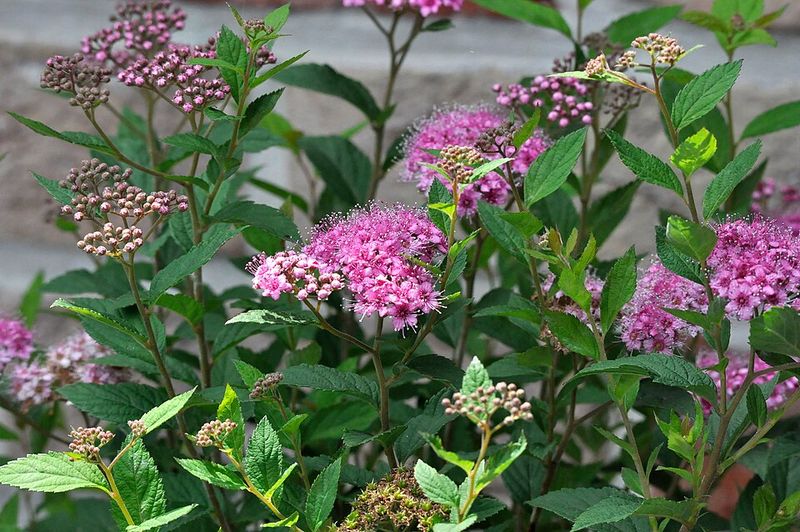
Japanese spirea often looks rough after a Pennsylvania winter. Stems tangle, tips break, and the mound can lose its shape, especially near walkways where snow piles up.
March pruning can restore that tidy form before new growth begins. Beds also stay easier to work in right now since perennials have not filled the space.
One important detail in Pennsylvania deserves attention. Japanese spirea is considered invasive in the state and can spread into natural areas where it competes with native plants.
Pruning can keep an existing shrub more contained, but it does not solve the larger issue. Many gardeners choose to replace older plants with better behaved shrubs over time.
For plants already in the yard, March pruning can focus on renewal rather than surface shaping.
Some gardeners cut the shrub back low to encourage fresh growth, while others remove older stems and shorten the rest to fit the space.
Clean cuts and a slightly wider base help keep light reaching the lower branches. Dispose of clippings and seed heads in the trash, and consider native replacements such as ninebark or summersweet for a similar garden effect.
4. Shrubby Potentilla Likes Light March Pruning To Stay Compact
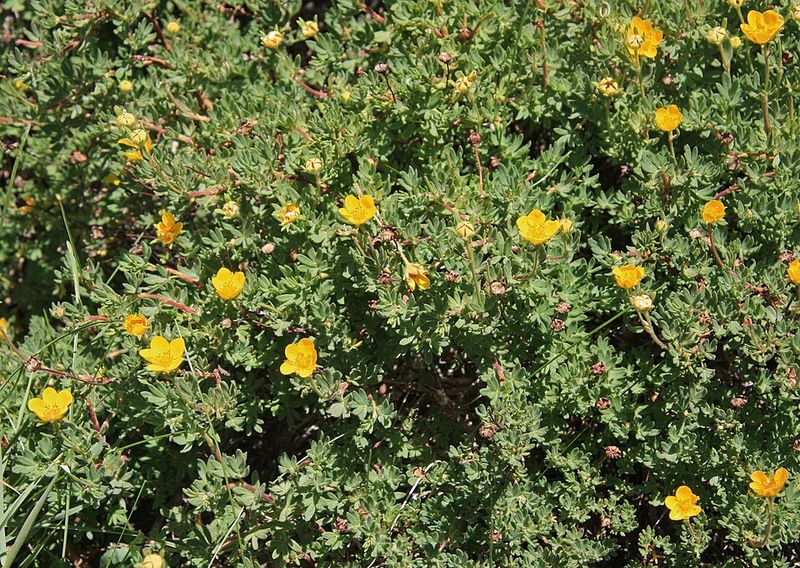
Shrubby potentilla earns its place in many Pennsylvania gardens thanks to its long bloom season and tough nature. Winter often leaves it looking twiggy, with thin interiors and uneven tips.
March offers a clear view of the structure, which makes shaping easier before leaves appear.
Older shrubs benefit from light renewal pruning. Removing a few of the oldest stems at the base opens the center and encourages younger growth that tends to flower more freely.
Plants that look especially scraggly can handle a stronger cutback in early spring and usually respond with fresh shoots.
Hand pruning works better than shearing. Small cuts just above a bud help keep the plant’s natural shape while maintaining a compact outline.
A gentle rounded form with some open space in the center improves airflow and helps the shrub stay healthy.
Soil conditions often influence timing in Pennsylvania. Wet clay can turn messy in early spring, so a firm day makes pruning easier.
Clear away fallen twigs and leaves, then add a light mulch layer. A deep watering during a warm stretch can support the first wave of new growth.
5. Summersweet Can Be Shaped In March For Fuller Summer Growth
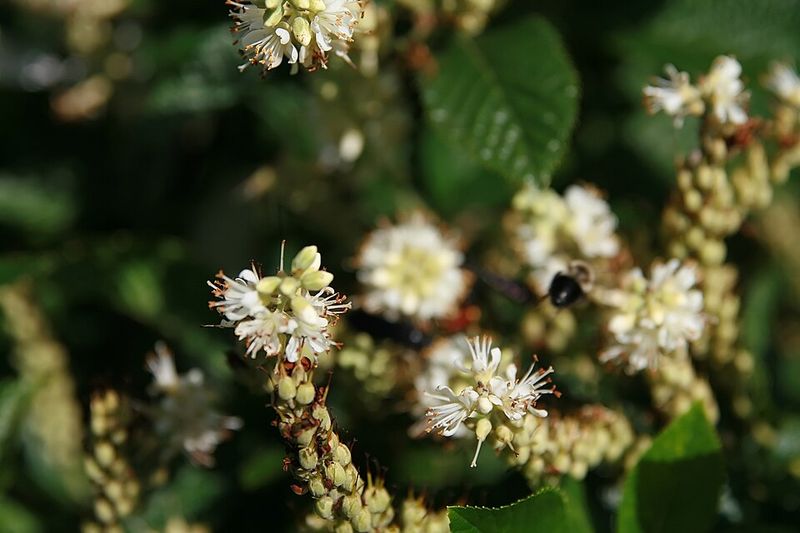
Summersweet thrives in Pennsylvania gardens where shade and moisture challenge many other shrubs. Its fragrant summer flowers add life to areas that struggle to produce color.
As a native plant, it also supports pollinators and wildlife throughout the season.
March works well for pruning because the shrub flowers on new growth and often leafs out later than nearby plants. Dead tips from winter can come off easily, and a few shaping cuts help reduce a wide or uneven outline.
Pruning before leaf buds expand keeps the plant’s natural form intact.
A light approach usually looks best. Removing one or two older stems at the base encourages new shoots from the crown.
Long branches can be shortened to a side branch instead of clipped flat, which keeps the shrub looking natural. Checking for small suckers around the base also helps keep beds tidy.
Moisture matters after pruning. Mulch can help hold soil moisture and reduce temperature swings, but good drainage remains important.
Summersweet often performs well in rain gardens or damp sites, and steady moisture during early growth tends to bring stronger blooms later in summer.
6. Rose Of Sharon Tolerates March Pruning To Manage Size And Shape
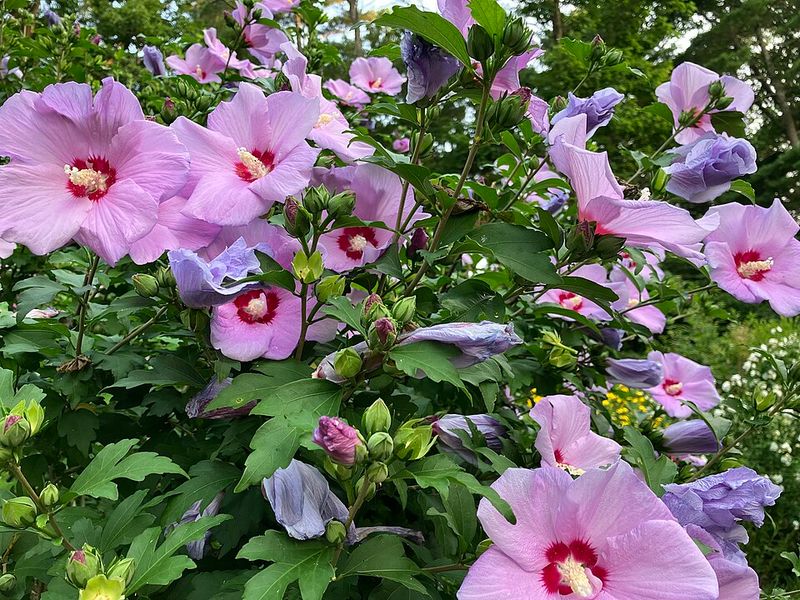
Rose of Sharon often becomes a late summer highlight in Pennsylvania gardens. Older shrubs can grow tall with bare lower stems, which may look awkward near patios or windows.
March pruning helps bring the plant back into scale before spring growth begins.
The shrub flowers on new growth, so early spring pruning rarely harms summer bloom. Gardeners can reduce height gradually over several seasons if the plant feels oversized.
This slower approach often works better in visible areas of the yard.
Start with basic cleanup. Remove crossing branches and inward growth to improve airflow through the canopy.
Taller stems can then be shortened to a side branch instead of cut flat across the top. An open vase shape usually allows light to reach lower buds and encourages fuller growth.
After pruning, remove any old seed pods to reduce unwanted seedlings. A mulch ring around the base helps maintain soil moisture and protects roots during early spring weather swings.
A deep watering during a warm stretch can support the plant’s first push of new growth.
7. Bluebeard Needs A March Cutback Before New Growth Starts
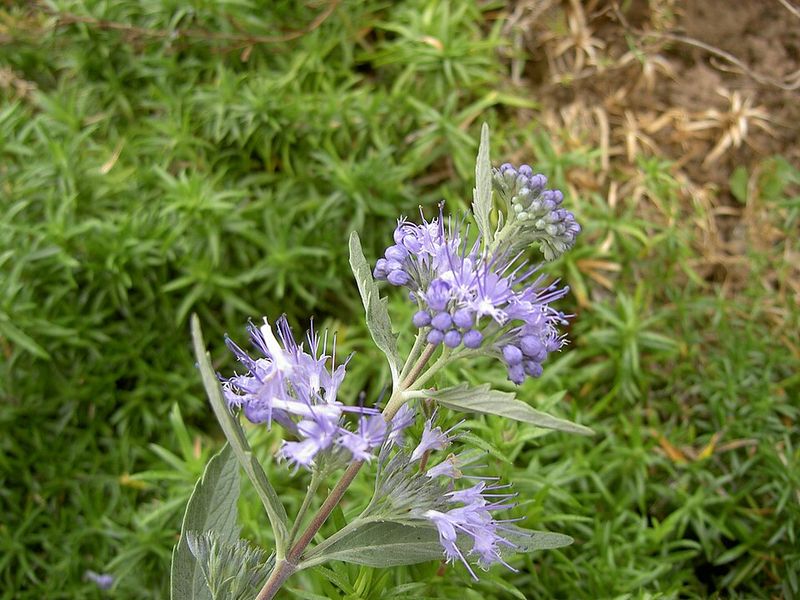
Bluebeard stands out in Pennsylvania gardens for its late season flowers and strong pollinator appeal. Winter often damages the top growth, especially in colder parts of the state.
March reveals which stems remain healthy and which ones should come out.
This shrub flowers on new growth, so early spring pruning fits its growth cycle well. Many gardeners cut it back after the harshest cold passes and before fresh shoots appear.
Tiny buds near the base often signal where new growth will begin.
A simple pruning method works well. Cut stems to about six to twelve inches above the ground or just above healthy buds.
Remove dead wood and thin weak stems to reduce crowding. A short framework of older wood helps the plant maintain a balanced shape as it fills out.
Good site conditions support strong regrowth. Bluebeard prefers full sun and well drained soil.
A light mulch layer can help protect roots during spring temperature swings. A deep watering during a dry March week can also encourage the first flush of growth.
8. Red Twig Dogwood Looks Brighter When Older Stems Are Cut In March
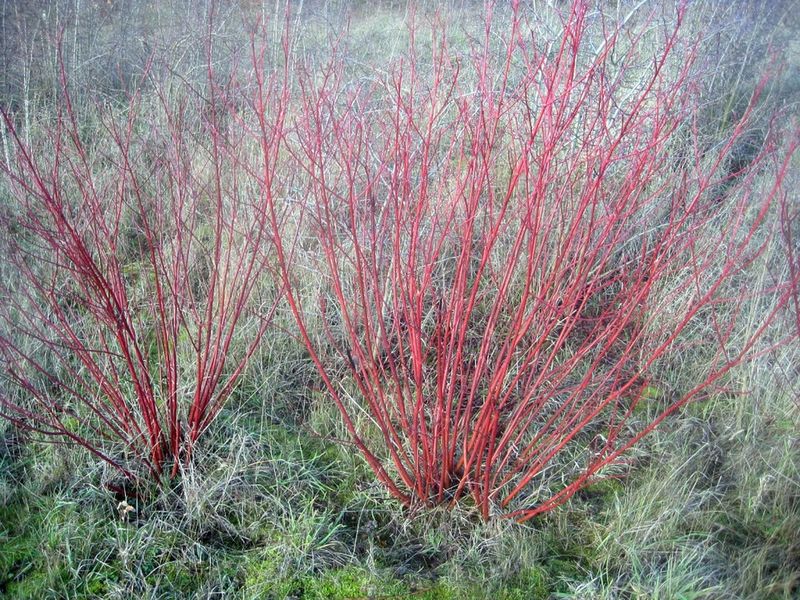
Red twig dogwood brightens many Pennsylvania landscapes during winter. Snow often highlights the vivid red stems, which stand out against the dormant garden.
Younger stems produce the strongest color, while older canes tend to fade.
March offers the best moment to refresh that color display. Removing about one third of the oldest stems at ground level encourages fresh growth that will show brighter color the following winter.
This renewal approach keeps the shrub attractive year after year.
Gardeners often start by removing the thickest and dullest stems. Crowded growth in the center can also come out to improve airflow.
Sharp loppers or a pruning saw make clean cuts on older wood and help maintain a balanced shape.
A mulch ring around the base helps reduce weeds and protects new shoots. Red twig dogwood prefers moist soil and often grows well in rain gardens or along stream edges.
A deep watering during dry spring weather helps support new stems as they begin to grow.
9. Buttonbush Can Be Pruned In March To Guide Its Shape
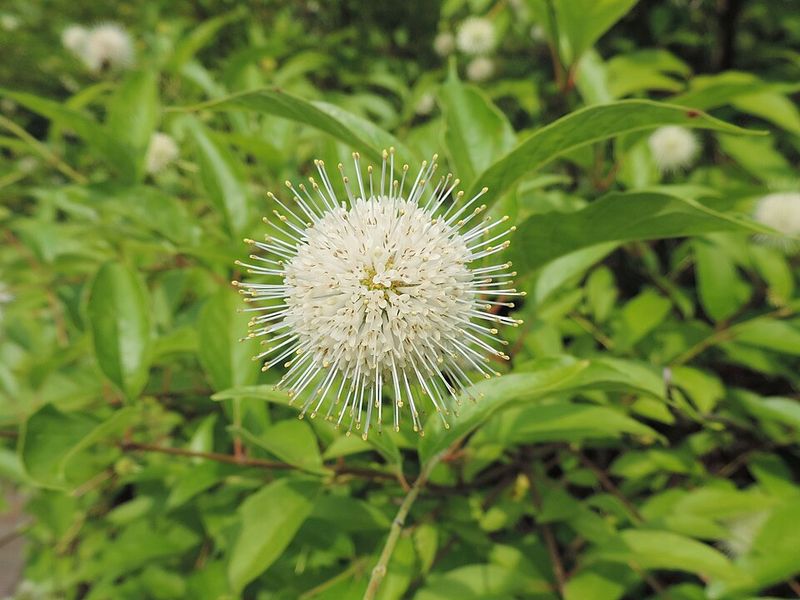
Buttonbush thrives in Pennsylvania landscapes that include wet soil or pond edges. Its round white blooms appear in midsummer and attract bees, butterflies, and other pollinators.
As a native shrub, it also plays an important role in supporting local wildlife.
March provides a clear view of the plant’s branch structure before spring growth thickens. Since buttonbush blooms on new wood, early spring pruning works well.
Light shaping can keep branches from leaning into paths or crowding nearby plants.
Most shrubs only need modest trimming. Removing crossing branches and shortening a few long stems usually keeps the plant balanced.
Older shrubs that feel unruly can handle a stronger rejuvenation cut, although many gardeners spread that work over two seasons.
Wet soil requires a gentle approach during maintenance. Standing on a board while pruning can protect the root zone from compaction.
A thin mulch layer helps hold moisture and reduce weeds, while keeping mulch away from the stems prevents rot. Once warm weather settles in, buttonbush often fills out quickly.