9 Shrubs That Bloom More Beautifully In Oregon When Pruned In Winter
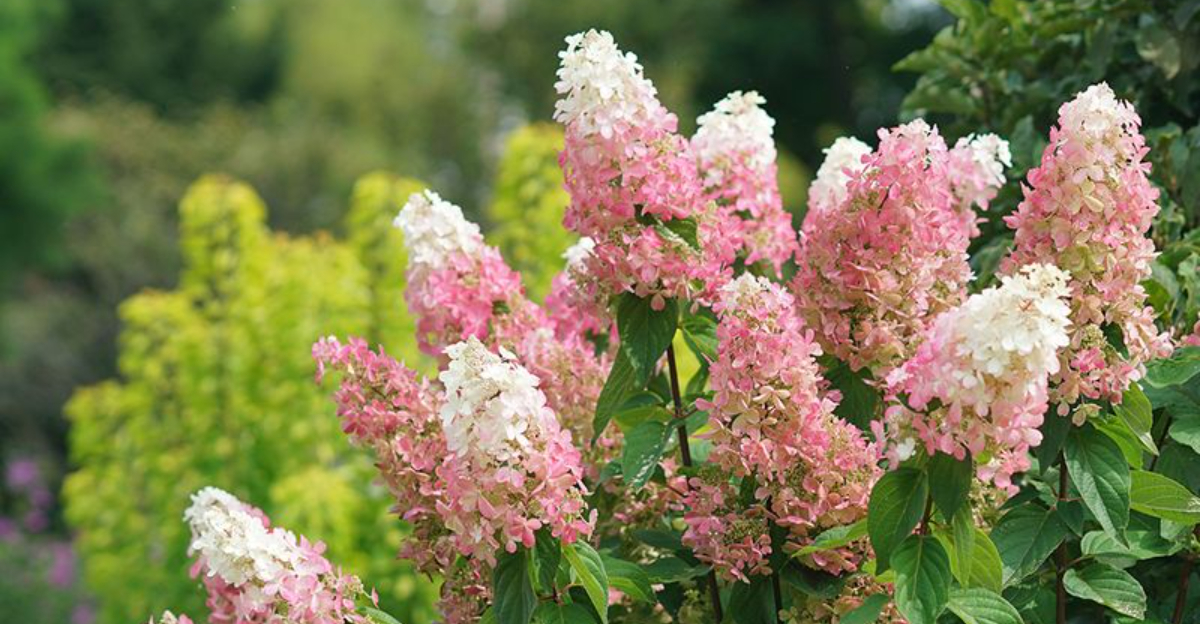
In Oregon, winter might seem like the wrong time to think about blooms, but that quiet season holds the keys to a show stopping spring.
When gardens slow down and leaves fall away, shrubs are resting and ready for a little attention.
Pruning during winter can feel like a leap of faith, yet it often pays off in spades once warmer days arrive.
Many flowering shrubs set the stage for their best performance months before buds appear.
A clean winter cut helps shape growth, improves air flow, and encourages stronger branches.
It clears out weak or crowded stems, giving plants room to stretch when spring rolls around.
For Oregon gardeners, this timing works hand in hand with the climate, keeping plants healthy and ready to burst into color.
Skipping winter pruning can leave shrubs tangled and tired, while smart cuts now help them put their best foot forward later.
It is one of those behind the scenes tasks that makes all the difference.
When spring finally shows its face, shrubs that were pruned in winter often bloom fuller, brighter, and more beautifully, proving that a little effort in the off season can steal the show.
1. Butterfly Bush (Buddleia)
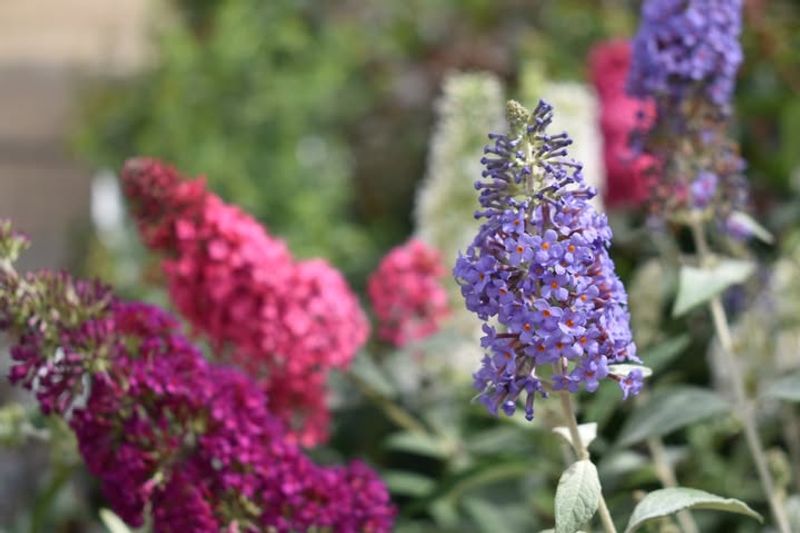
Butterfly bush transforms into a magnet for pollinators when given a good winter haircut in Oregon gardens.
This shrub blooms on new wood, which means every cut you make in late winter directly translates to more flower spikes in summer.
Oregon gardeners often prune butterfly bush down to about 12 to 18 inches from the ground between January and early March.
This aggressive trimming might look drastic, but the plant responds with vigorous new growth covered in cone-shaped flower clusters.
The timing works perfectly with Oregon’s climate because the shrub stays dormant during winter pruning.
Once warmer weather arrives, fresh stems shoot up quickly and develop buds that open into purple, pink, white, or yellow blooms depending on your variety.
Without winter pruning, butterfly bush becomes leggy and produces fewer flowers on older, woody stems.
Pollinators absolutely love the nectar-rich blooms that appear from summer through fall.
Your pruning efforts create a bushier plant with more flowering branches, which means more butterflies and hummingbirds visiting your yard.
Oregon’s moderate winters rarely damage butterfly bush, making it an ideal candidate for confident winter trimming that pays off with spectacular color.
2. Rose Of Sharon (Hibiscus Syriacus)
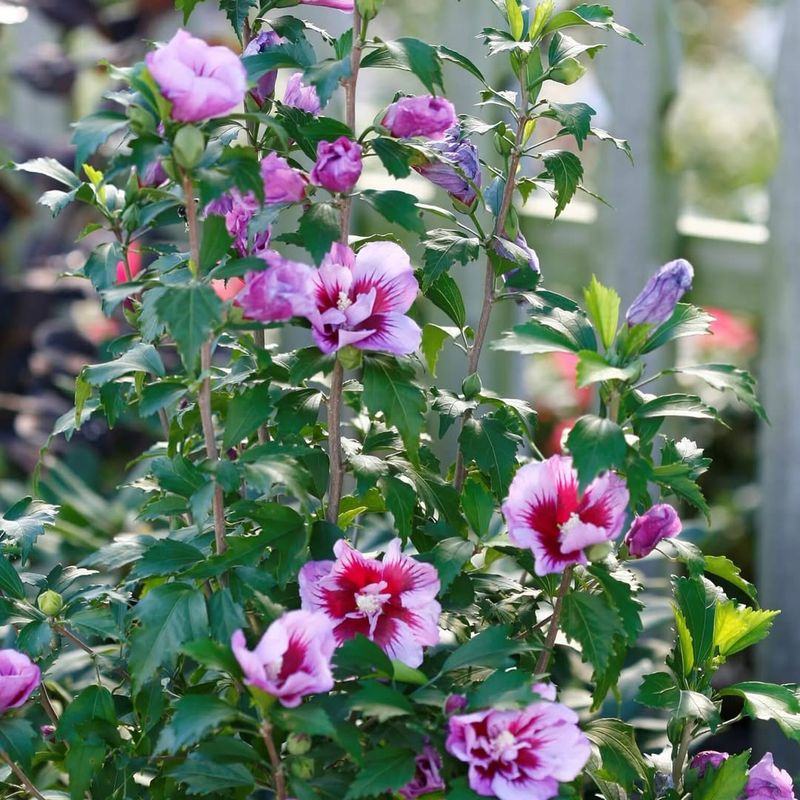
Late summer gardens in Oregon come alive when Rose of Sharon bursts into bloom after receiving proper winter attention.
This hardy hibiscus relative sets flowers exclusively on current-season growth, making winter the perfect pruning window.
Cutting back branches while the plant rests allows you to shape the shrub and remove any damaged or crossing limbs without sacrificing a single bloom.
Oregon gardeners typically prune Rose of Sharon in February or early March before new growth emerges.
You can trim lightly to maintain size or cut more heavily to rejuvenate an overgrown specimen.
Either approach encourages the plant to produce abundant new shoots that carry those distinctive tropical-looking flowers in shades of white, pink, purple, or blue.
The blooms appear when many other shrubs have finished flowering, giving your Oregon landscape continued interest through late summer and early fall.
Each flower lasts only a day, but the plant produces so many buds on new wood that the display continues for weeks.
Winter pruning maximizes the number of flowering stems, creating a fuller appearance and more prolific blooming.
Rose of Sharon tolerates Oregon’s winter conditions beautifully and bounces back quickly once spring warmth arrives.
Your pruning efforts result in a tidier shrub with stronger branching and significantly more flowers throughout the growing season.
3. Smokebush (Cotinus Coggygria)
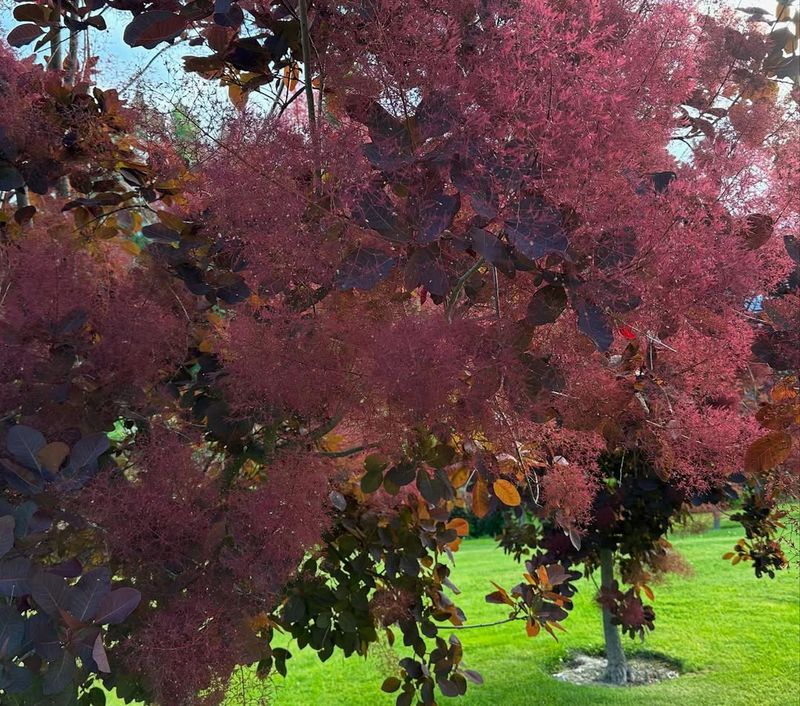
Smokebush earns its common name from the fuzzy, smoke-like flower plumes that appear in summer, and winter pruning in Oregon dramatically increases this unique display.
The shrub produces its distinctive blooms on new growth, so cutting back branches during dormancy sets the stage for maximum flower production.
Oregon’s climate suits smokebush perfectly, and the plant responds enthusiastically to thoughtful winter trimming.
Pruning can happen anytime from late January through early March while the shrub remains fully dormant.
You might choose to remove just a portion of the growth to maintain size, or you can cut the entire plant back hard for a more dramatic rejuvenation.
Either method encourages fresh stems that develop those airy, pinkish flower clusters that look like puffs of smoke floating above the foliage.
Beyond the flowers, smokebush offers gorgeous leaf color, especially in purple-leaved varieties that become even more vibrant on new growth.
Winter pruning creates a bushier plant with more branches, which means more opportunities for both flowers and colorful foliage.
Oregon gardeners appreciate how reliably this shrub rebounds after pruning, with vigorous new shoots appearing quickly once spring arrives.
The combination of unique blooms and attractive leaves makes smokebush a standout in mixed borders and foundation plantings throughout Oregon.
Your winter pruning investment pays dividends with a fuller, more floriferous shrub that draws attention all season long.
4. Crape Myrtle (Lagerstroemia)
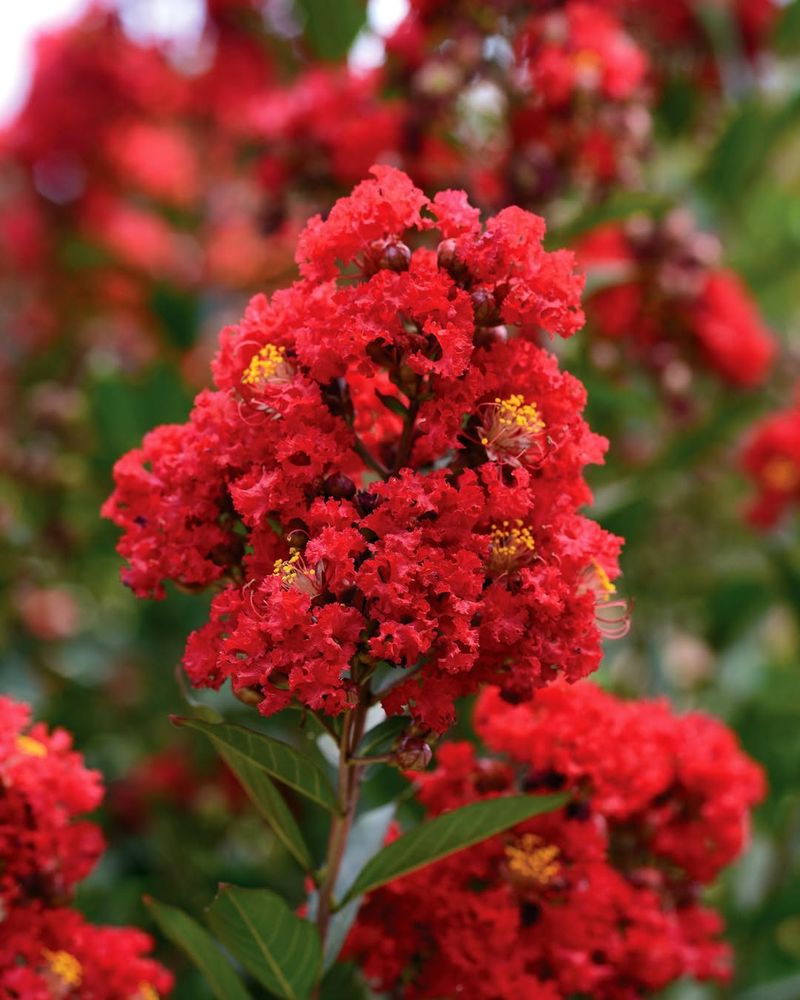
Crape myrtle might remind you of southern gardens, but it thrives in many Oregon locations and blooms spectacularly when pruned during winter dormancy.
This shrub flowers on new wood, producing clusters of crinkled blooms in shades ranging from white and pink to red and purple.
Winter pruning encourages strong new growth that supports heavier flower production and creates better overall plant structure.
Oregon gardeners should prune crape myrtle in late winter, typically February, before buds begin swelling.
Focus on removing thin, twiggy growth and any branches that cross or rub against each other.
Avoid the common mistake of topping the plant, which creates weak growth and reduces flowering potential.
Instead, selectively thin branches to open up the center and allow air circulation, which helps prevent fungal issues in Oregon’s sometimes damp climate.
This approach maintains the shrub’s natural vase shape while encouraging productive new stems.
Each new branch develops flower clusters at its tips, so more branches mean more blooms throughout summer and into fall.
Crape myrtle also offers attractive exfoliating bark that becomes more visible with proper pruning.
Oregon’s moderate winters rarely damage established plants, making this an excellent choice for gardeners seeking long-lasting summer color.
Your winter pruning efforts result in a healthier shrub with improved flowering and enhanced ornamental appeal that lasts multiple seasons.
5. Panicle Hydrangea (Hydrangea Paniculata)
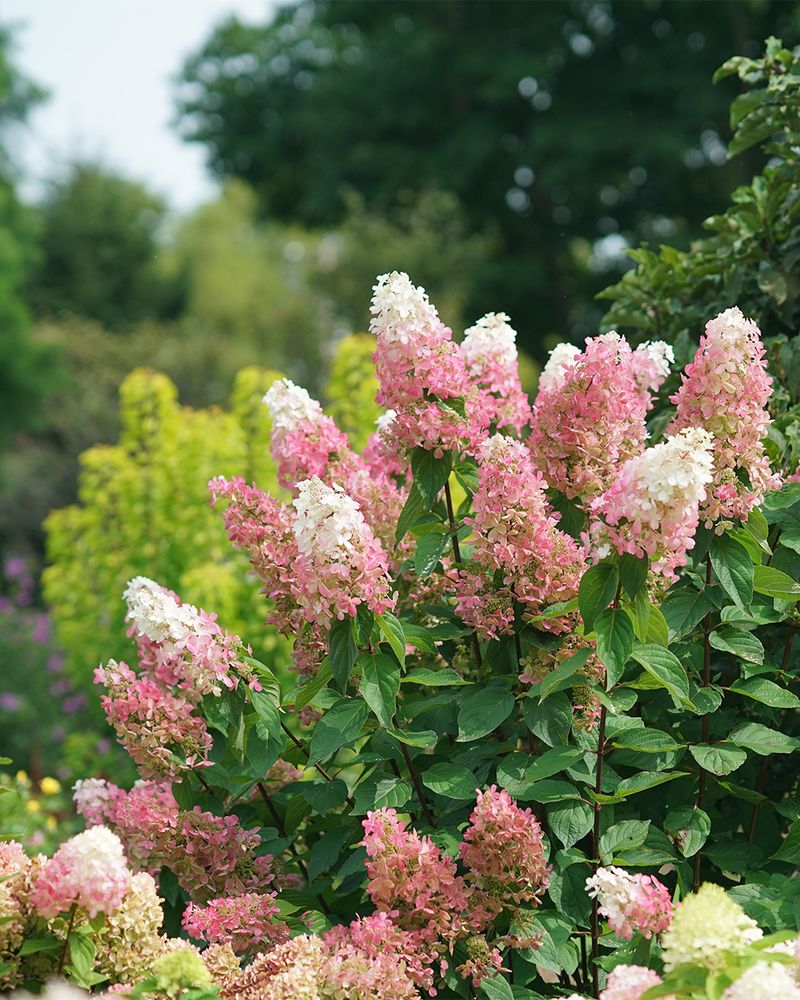
Among hydrangea varieties, panicle types stand out for their ability to bloom more abundantly after winter pruning in Oregon gardens.
Unlike other hydrangeas that flower on old wood, panicle hydrangeas produce their cone-shaped flower clusters on current-season growth.
This characteristic makes them perfect candidates for late winter trimming, which stimulates fresh stems loaded with blooms.
Oregon’s climate provides ideal conditions for panicle hydrangeas, and pruning in late February or early March sets up spectacular summer displays.
You can cut these shrubs back by about one-third to one-half their height, removing older stems and shaping the plant.
This pruning encourages vigorous new growth that develops large, showy flower panicles starting in mid-summer.
The blooms begin white or cream-colored and often age to pink or burgundy, providing changing color interest through fall.
Without winter pruning, panicle hydrangeas become leggy and produce smaller flower clusters on weaker stems.
Oregon gardeners who prune consistently enjoy fuller plants with stronger branches that better support the weight of those impressive flower heads.
Popular varieties like Limelight and Little Lime respond especially well to this pruning approach.
The combination of Oregon’s growing conditions and proper winter maintenance creates shrubs that become focal points in the landscape.
Your pruning work translates directly into bigger, more numerous flowers that last for months in the garden.
6. Bluebeard (Caryopteris)
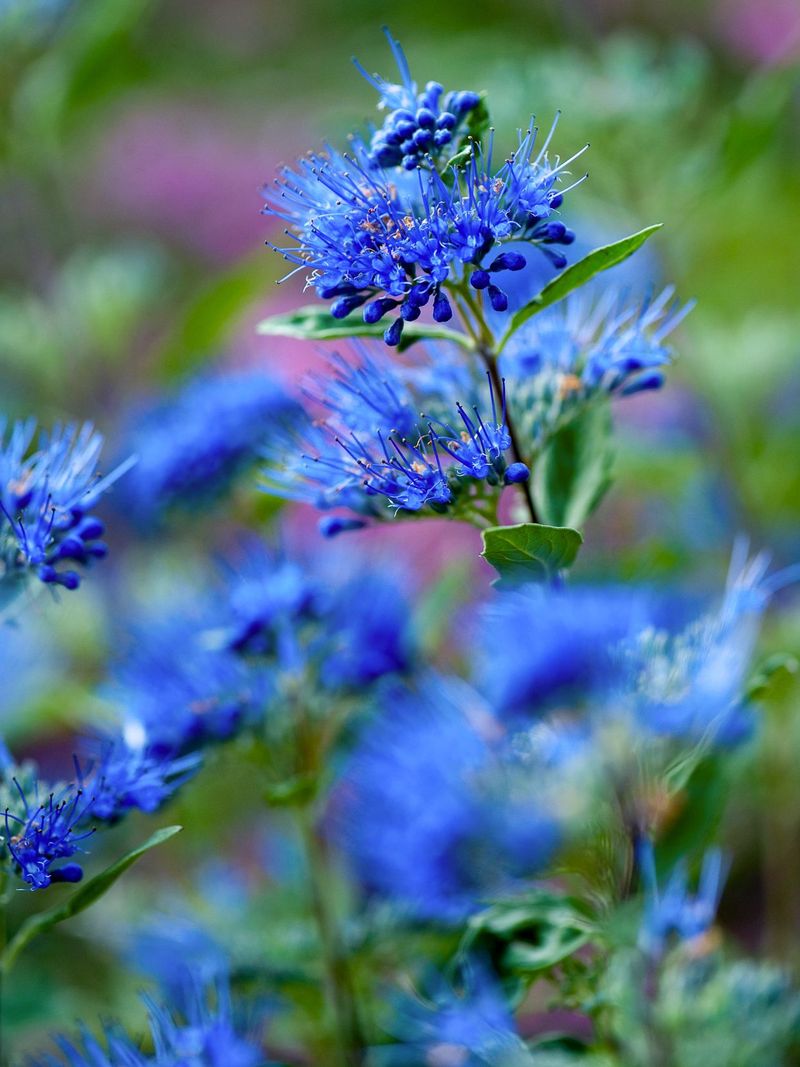
Bluebeard brings a welcome splash of true blue color to Oregon gardens in late summer, and winter pruning is the secret to maximizing this rare flower shade.
This compact shrub blooms exclusively on new growth, making it completely safe to prune hard during dormancy without sacrificing any flowers.
Oregon gardeners can confidently cut bluebeard back to within a few inches of the ground each winter.
The best pruning time falls in late February or early March, just before new growth begins.
This severe pruning might seem extreme, but bluebeard responds by producing numerous fresh stems that grow quickly once warm weather arrives.
Each new stem develops clusters of small blue or purple flowers that appear in August and September when many other shrubs have finished blooming.
The timing makes bluebeard particularly valuable in Oregon landscapes, extending the garden’s color season into fall.
Beyond flowers, the plant offers aromatic gray-green foliage that releases fragrance when brushed.
Winter pruning keeps the shrub compact and prevents it from becoming woody and sparse at the base.
Pollinators flock to bluebeard’s nectar-rich blooms, adding movement and life to your garden during late summer.
Oregon’s climate suits this shrub perfectly, and it handles winter pruning without any setback.
Your annual cutting-back ritual ensures a tidy, floriferous plant that delivers consistent performance year after year with minimal maintenance required.
7. Japanese Spirea (Spiraea Japonica)
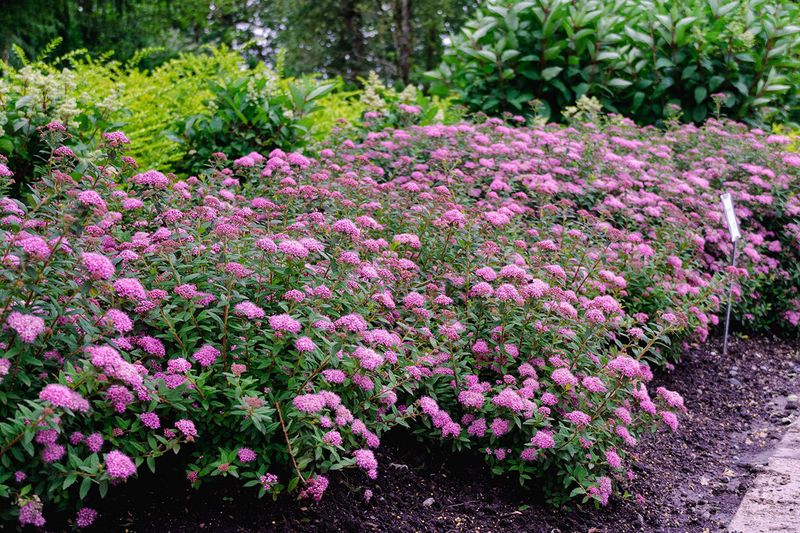
Japanese spirea varieties that bloom in summer benefit tremendously from winter pruning in Oregon, producing fuller plants with more flower clusters.
These shrubs develop their pink, red, or white blooms on new growth, making late winter the ideal time for trimming.
Oregon’s moderate climate allows you to prune without worrying about winter damage, and the shrubs respond quickly once spring arrives.
Pruning Japanese spirea in late February or early March involves cutting back the previous year’s growth by about one-third to one-half.
This trimming removes old flower heads and encourages the plant to produce fresh stems from the base.
Each new stem develops flat-topped flower clusters that appear from late spring through summer, depending on the specific variety.
Popular types like Anthony Waterer and Goldflame offer both colorful flowers and attractive foliage that emerges in shades of bronze or gold.
Winter pruning enhances both characteristics by stimulating vigorous new growth with the brightest leaf colors.
Without regular pruning, Japanese spirea becomes twiggy and produces fewer, smaller flower clusters on tired old wood.
Oregon gardeners appreciate how forgiving these shrubs are, bouncing back quickly from even aggressive pruning.
The compact size of most varieties makes them perfect for foundation plantings, borders, and mass plantings throughout Oregon landscapes.
Your winter pruning efforts create tidier, more floriferous shrubs that maintain their shape and bloom heavily season after season.
8. Glossy Abelia (Abelia X Grandiflora)
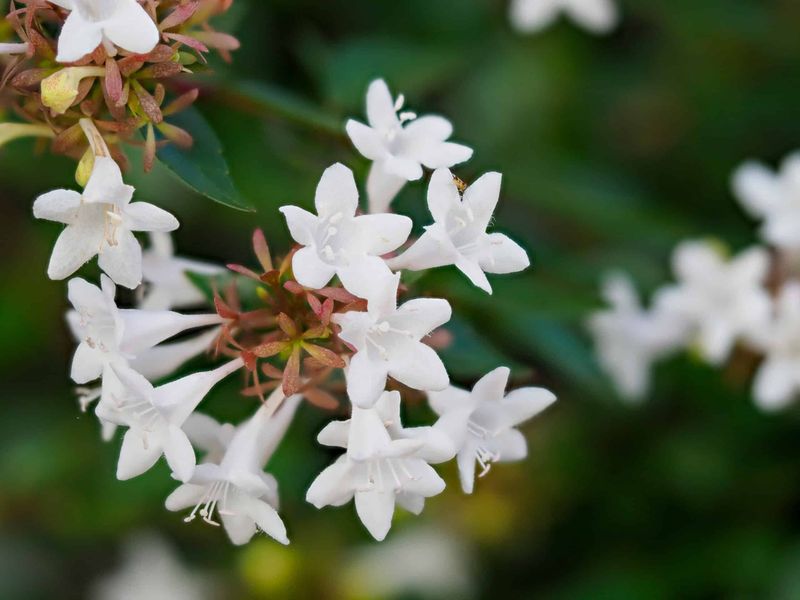
Glossy abelia offers months of delicate blooms in Oregon gardens, and winter pruning helps maintain the shrub’s shape while encouraging heavier flowering.
This semi-evergreen plant produces its small, tubular flowers on new growth throughout the growing season.
Oregon’s climate allows abelia to retain much of its foliage through winter, but late winter pruning refreshes the plant and stimulates productive new stems.
Prune glossy abelia in late February or early March, before new growth begins actively pushing.
You can shape the shrub by selectively removing older stems and cutting back any winter-damaged tips.
This maintenance encourages fresh growth that develops both attractive bronze-tinged new leaves and abundant flower buds.
The flowers appear continuously from late spring through fall, attracting hummingbirds and butterflies to Oregon gardens.
Each bloom is small but the plant produces them in such numbers that the overall effect is quite showy.
Winter pruning prevents the shrub from becoming leggy and sparse, maintaining a fuller appearance with better flower coverage.
Glossy abelia adapts well to various Oregon growing conditions and handles pruning without stress.
The combination of long blooming season, attractive foliage, and manageable size makes it a valuable addition to mixed borders and foundation plantings.
Your winter pruning investment keeps the plant looking tidy while maximizing its flowering potential throughout Oregon’s growing season.
9. Potentilla (Potentilla Fruticosa)
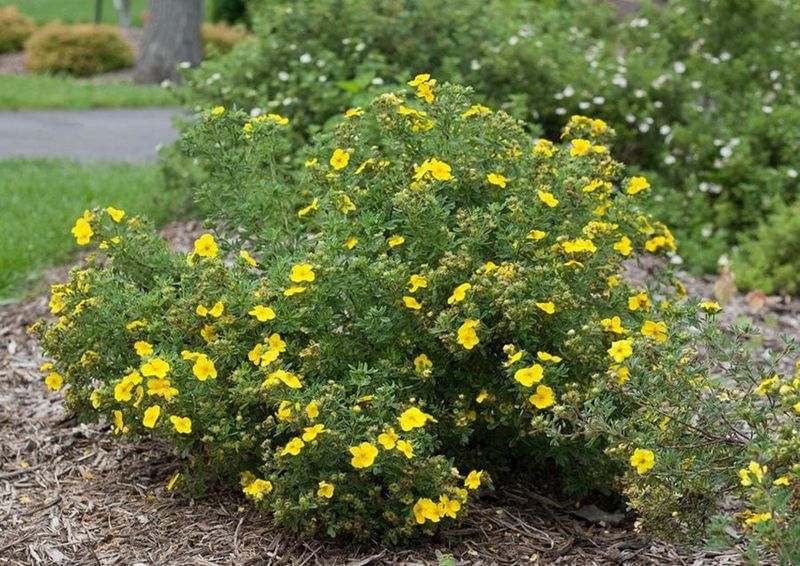
Potentilla ranks among the most reliable bloomers for Oregon gardens, flowering continuously from late spring through fall when pruned properly in winter.
This tough shrub produces its cheerful, rose-like flowers on current-season growth, making winter pruning completely safe and highly beneficial.
Oregon gardeners can rejuvenate potentilla each year without worrying about removing flower buds since they form on new wood.
Late winter pruning, typically in February or early March, involves cutting the shrub back by about one-third to one-half its height.
This trimming removes old, twiggy growth and stimulates fresh stems that emerge quickly once temperatures warm.
Each new branch develops numerous flower buds that open in succession, creating a display that lasts for months.
Flowers come in shades of yellow, white, pink, or orange, depending on your chosen variety, and they appear abundantly on well-pruned plants.
Potentilla tolerates Oregon’s various growing conditions remarkably well, from full sun to partial shade and various soil types.
Winter pruning prevents the shrub from becoming woody and unproductive at the base, maintaining a compact, attractive form.
The long blooming period makes potentilla especially valuable in Oregon landscapes where extended color is desired.
This shrub requires minimal care beyond annual pruning and handles Oregon’s climate fluctuations without complaint.
Your winter pruning efforts ensure a tidy, floriferous plant that delivers reliable performance and continuous color throughout the entire growing season.