Shrubs That Break Under Snow In Michigan And Better Plants To Grow Instead
Some shrubs look great in warm months but turn into a problem once Michigan winter starts piling on heavy, wet snow. Branches bend, split, or snap under the weight, leaving plants misshaped just when the landscape already looks rough.
That kind of damage is frustrating because it can happen in a single storm and take years to fix. In many cases, the issue is not just bad luck.
Some shrubs naturally grow in ways that make them more likely to break, especially if they have weak branching, soft wood, or a wide shape that catches snow. For homeowners, that can mean extra cleanup, pruning, and disappointment every winter.
The better move is choosing shrubs that can handle snow without falling apart. In Michigan, the right plants can stay strong through winter weather and still look good once spring arrives, making them a much smarter long term choice.
1. Boxwood
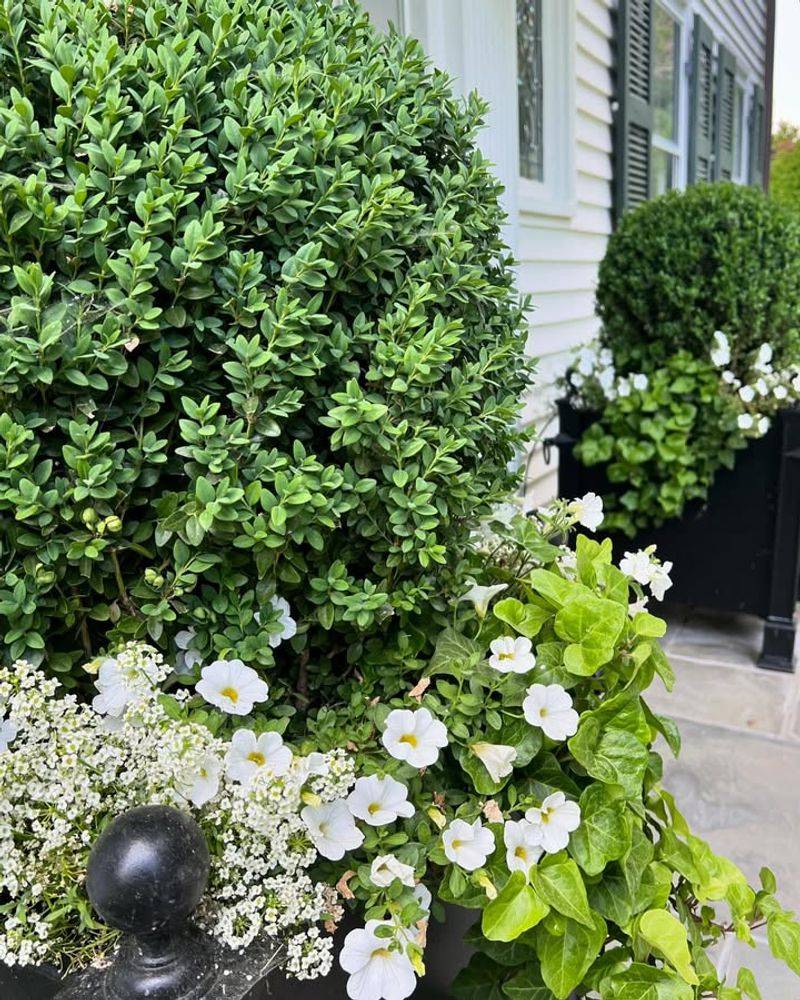
Walk through almost any Michigan neighborhood in February, and you will spot at least one Boxwood that looks like it had a rough night. Buxus sempervirens is one of the most popular landscape shrubs in the country, but Michigan winters treat it harshly.
Its dense, rounded shape acts almost like a snow catcher, collecting heavy, wet snow right in the center of the plant until the branches crack under the pressure.
Winter burn is another real problem here. Cold, dry winds pull moisture from the evergreen leaves while the frozen ground keeps roots from replacing it.
The result is brown, damaged foliage and weakened stems that snap easily when snow loads build up. Older boxwoods with thick, rigid branching are especially at risk during Michigan’s freeze-thaw cycles.
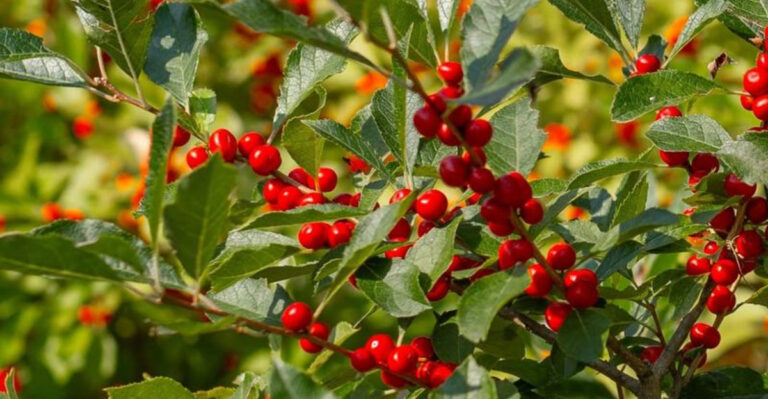
A smarter swap is Ilex glabra, commonly called Inkberry Holly. This native Michigan shrub has naturally flexible stems that handle snow much better than boxwood.
It stays green through winter, tolerates wet soils, and supports local wildlife with its dark berries. Inkberry grows in a rounded shape similar to boxwood, so the look stays familiar while the performance improves dramatically.
For gardeners who love that classic hedge style but want something that actually survives Michigan winters without constant repairs, Inkberry Holly is the clear winner.
2. Rose Of Sharon
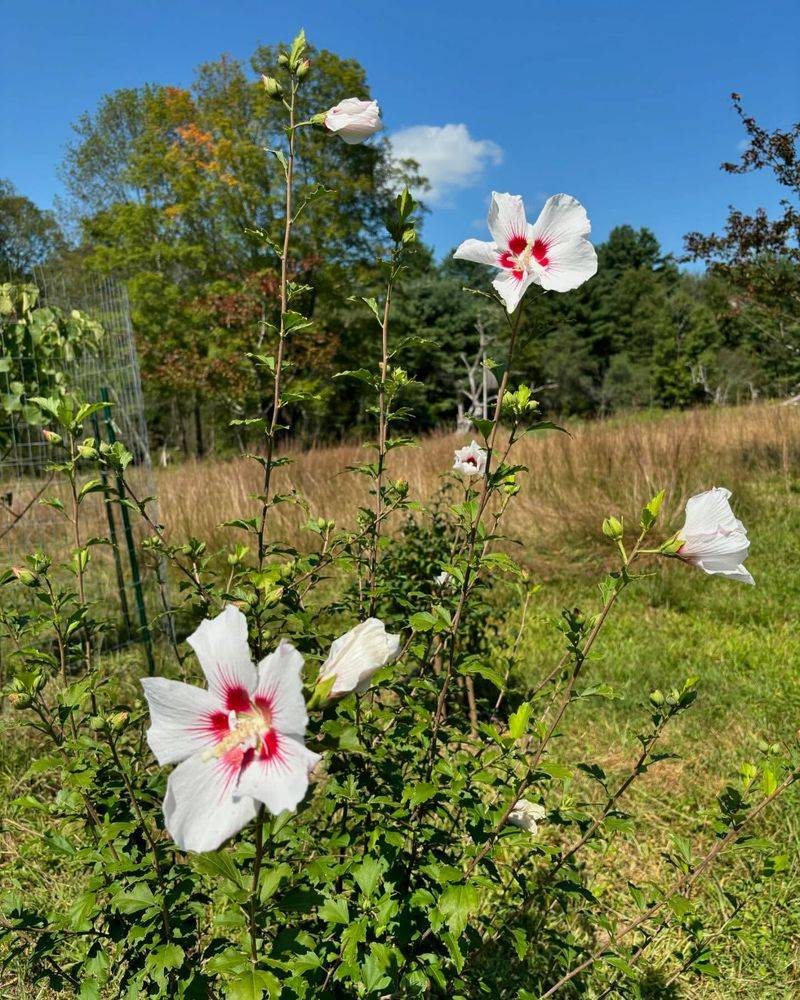
Rose of Sharon has a lot going for it during the summer months. Hibiscus syriacus blooms beautifully in late summer when most other shrubs have already finished, and gardeners across Michigan love it for that reason.
But come winter, this shrub reveals a serious weakness. Its tall, upright stems are naturally brittle, and they simply were not built to carry heavy snow loads.
When a big Michigan snowstorm rolls through, wet snow piles up on those stiff, vertical branches fast. Multi-stem plants are especially vulnerable because the snow pushes the stems outward, splitting the entire shrub apart at the base.
Once that happens, the plant almost never fully recovers its original shape, and the open center invites more damage in future winters.
Physocarpus opulifolius, known as Ninebark, is a fantastic native alternative that handles Michigan winters with ease. Its wood is naturally flexible rather than brittle, so snow bends the branches slightly without snapping them.
Ninebark also offers year-round interest with peeling, coppery bark in winter, white flower clusters in spring, and attractive seed pods through fall. Several compact and colorful cultivars are available, making it easy to fit into any garden size.
Switching from Rose of Sharon to Ninebark means you get a shrub that looks great every season and survives Michigan’s toughest winters without falling apart.
3. Butterfly Bush
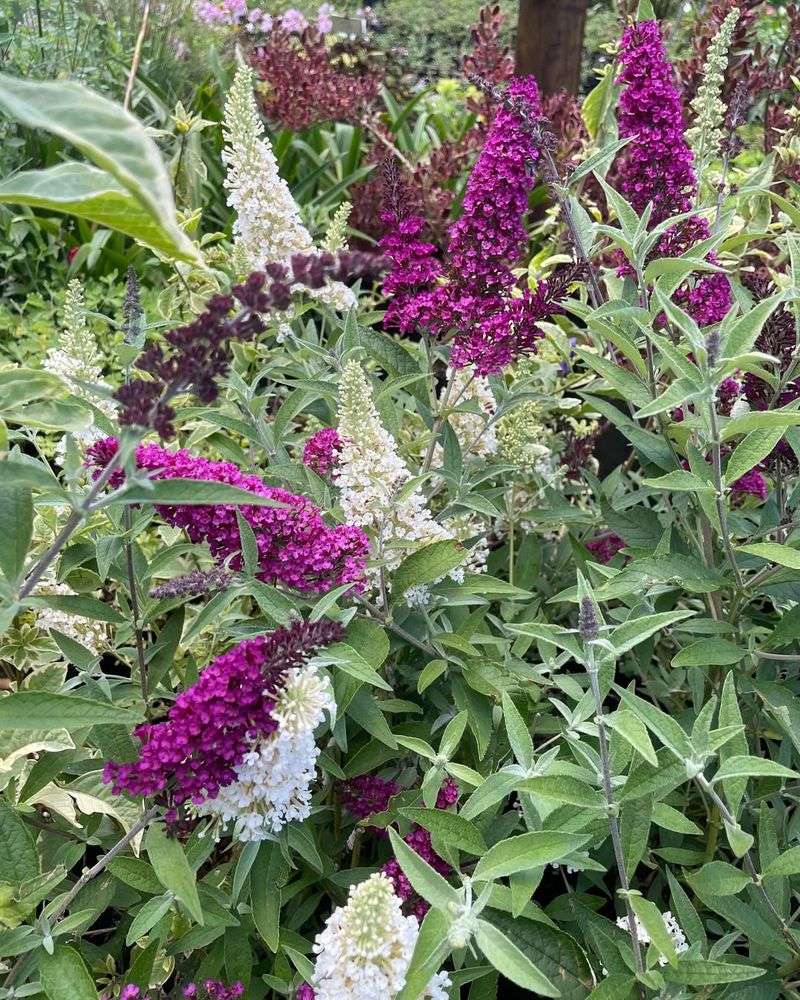
Butterfly Bush has one of the most misleading reputations in the gardening world. Buddleja davidii looks tough, blooms all summer long, and attracts pollinators like crazy.
But Michigan gardeners know the frustrating reality: this shrub struggles badly once temperatures drop. Its stems are not nearly strong enough to handle serious snow weight, and the plant’s cold sensitivity makes winter survival unpredictable at best.
In Michigan’s hardiness zones, Butterfly Bush often experiences heavy dieback right down to the soil line after a rough winter.
Even when it does come back from the roots in spring, the new growth starts late and the plant spends most of its energy just recovering rather than producing a strong bloom season.
Snow and ice load on the existing woody stems can cause significant breakage, leaving behind a tangled mess that takes considerable cleanup every spring.
Hydrangea paniculata, or Panicle Hydrangea, is a far more dependable choice for Michigan landscapes. Unlike Butterfly Bush, it has strong, woody stems that hold up beautifully under snow weight.
Panicle Hydrangeas bloom on new wood, so even if a harsh winter causes some tip damage, the plant bounces back and blooms reliably every year. Varieties like Limelight and Little Lime have proven themselves across Michigan gardens season after season.
For gardeners who want big summer blooms without the winter heartbreak, this hydrangea is the answer.
4. Forsythia
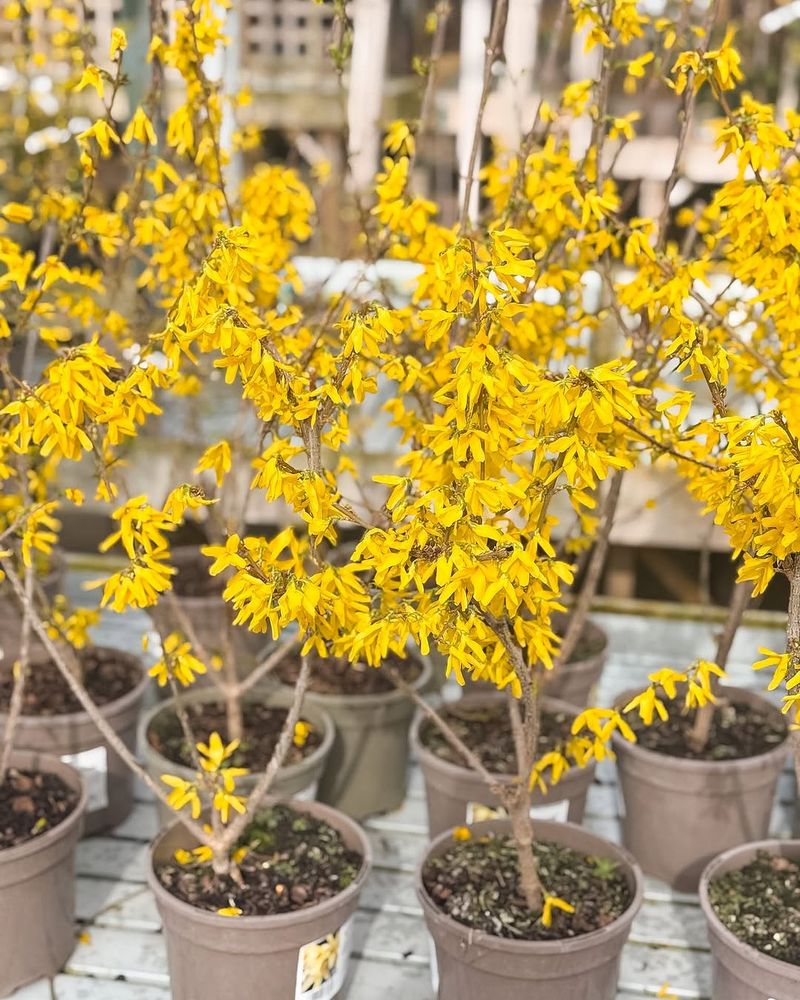
Forsythia is one of those shrubs that feels like a promise every spring. Those bright yellow blooms burst open just when Michigan gardeners are desperate for color after a long, gray winter.
But here is the thing most people do not realize until it is too late: Forsythia has a serious snow problem. Its long, arching branches act like natural snow shelves, collecting enormous amounts of wet, heavy snow with nowhere for it to go.
When Forsythia gets overgrown, which happens quickly without regular pruning, those arching branches spread out wide and low to the ground. A single heavy snowstorm can bend them completely to the soil or snap them outright.
Even if the branches survive the bending, repeated cycles of freezing and thawing through a Michigan winter weaken the wood significantly, making future breakage even more likely.
Cornus sericea, or Red Osier Dogwood, is a brilliant native alternative that handles Michigan snow like a champion. Its stems are naturally flexible and springy, bending under snow loads and bouncing right back when the snow melts.
As a bonus, Red Osier Dogwood puts on a stunning winter show with its vivid red stems that glow against a white snowy background. It also supports Michigan wildlife with berries and nesting habitat.
For gardeners who want winter interest without winter damage, this native shrub delivers on every level.
5. Bridal Wreath Spirea
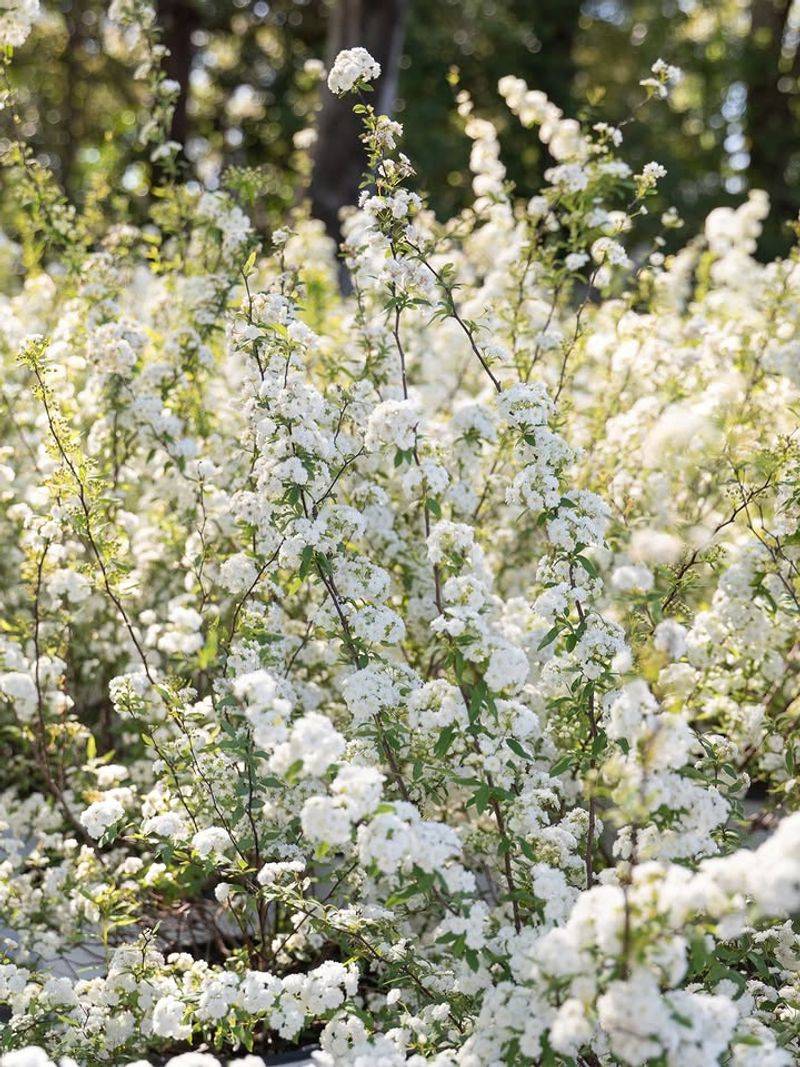
Few shrubs put on a spring show quite like Bridal Wreath Spirea. When Spiraea x vanhouttei covers itself in cascading white blooms, it looks like something straight out of a fairy tale.
Michigan gardeners have planted this shrub for generations, and it is easy to understand why. The problem shows up every winter, though, when that wide, arching growth habit turns from a feature into a serious liability.
Bridal Wreath Spirea naturally grows outward in a broad, fountain-like shape that spreads several feet in every direction. When heavy Michigan snow falls on those long, arching canes, the weight pulls the entire shrub apart from the center.
Older, more established plants are especially prone to this kind of splitting because their thick canes have less flexibility than younger wood. Once a mature Bridal Wreath splits open at the base, the damage is very hard to reverse.
Compact forms of Spiraea japonica, commonly called Japanese Spirea, offer a much smarter choice for Michigan yards. These lower-growing varieties stay tighter and more upright, which means snow slides off rather than collecting in the center.
Popular cultivars like Little Princess and Goldmound stay under three feet tall and hold their shape through even heavy snowfalls. They still bloom beautifully in summer and offer great fall color too.
For gardeners who love spirea but are tired of watching it collapse every winter, the compact Japanese types are a genuine upgrade.
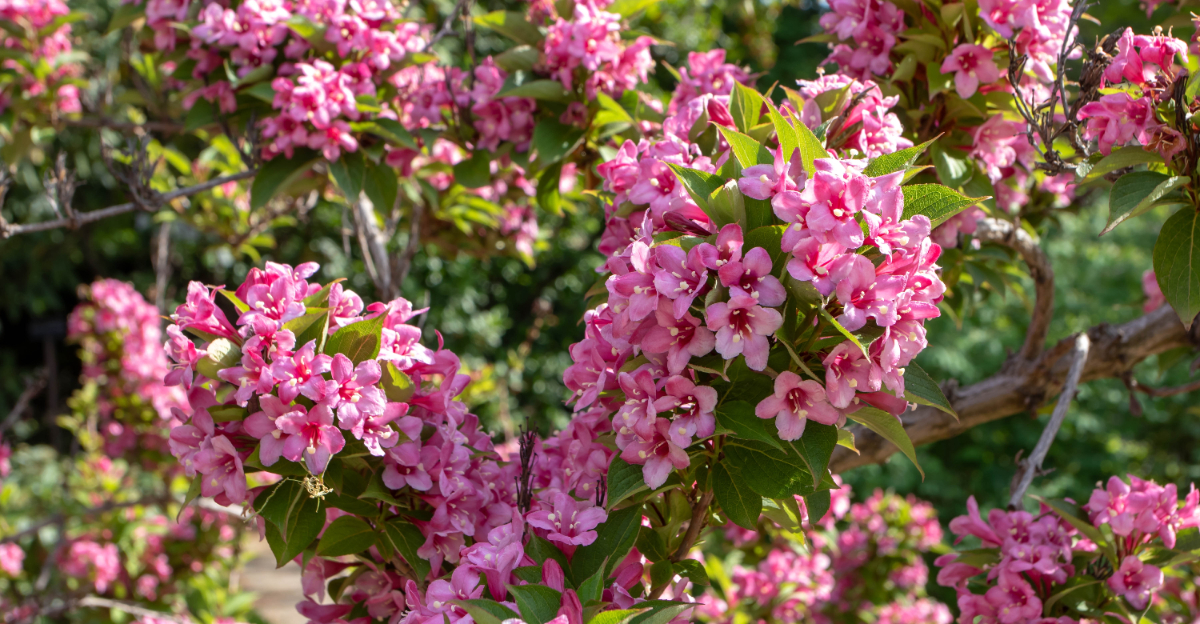
6. Weigela
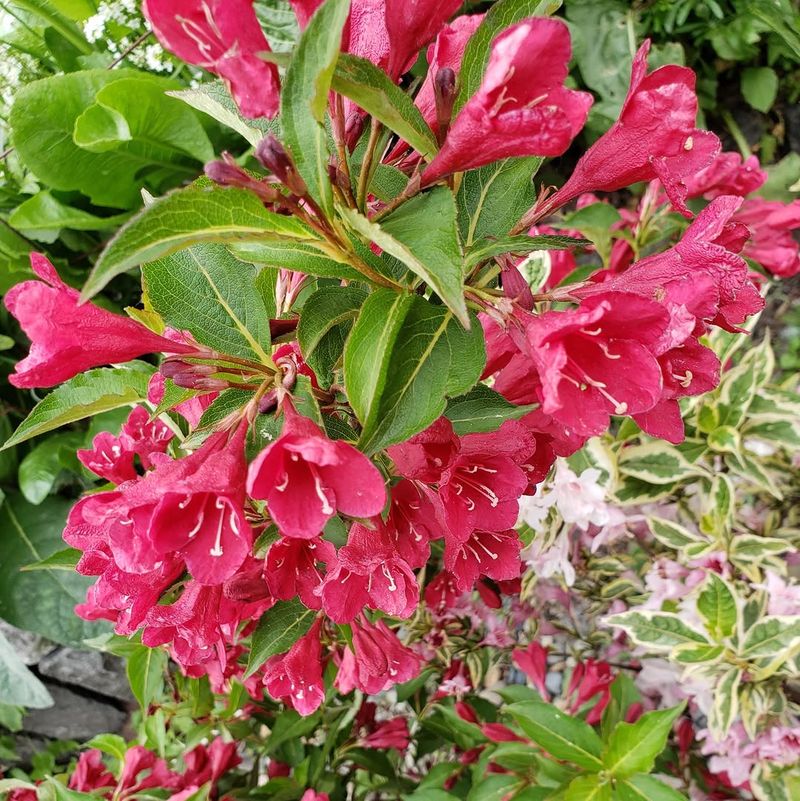
Weigela is a crowd-pleaser during the warmer months. Weigela florida produces those gorgeous tubular flowers in shades of pink, red, and white that hummingbirds absolutely love, and Michigan gardeners plant it widely for good reason.
But when winter arrives and the freeze-thaw cycles start rolling through, Weigela begins to show some real structural weaknesses that can frustrate even the most patient gardener.
The outer branches of Weigela are particularly vulnerable. They have moderate stem strength, which means a heavy, wet Michigan snowfall can easily weigh them down and snap them.
Repeated freeze-thaw cycles throughout the season weaken the woody tissue further, and by spring, many Weigela shrubs have significant dieback on the outer edges. The plant may survive, but it often looks ragged and uneven heading into the new growing season.
Amelanchier canadensis, known as Serviceberry, is a native Michigan alternative that brings incredible resilience along with four-season beauty. Its wood is strong and flexible, handling snow loads without the breakage issues that plague Weigela.
In spring, Serviceberry covers itself in delicate white flowers before almost any other plant wakes up. Summer brings sweet berries that birds adore, and fall turns the foliage into a blaze of orange and red.
For Michigan gardeners who want a shrub that earns its space in every season without the winter drama, Serviceberry is an outstanding choice.
7. Privet
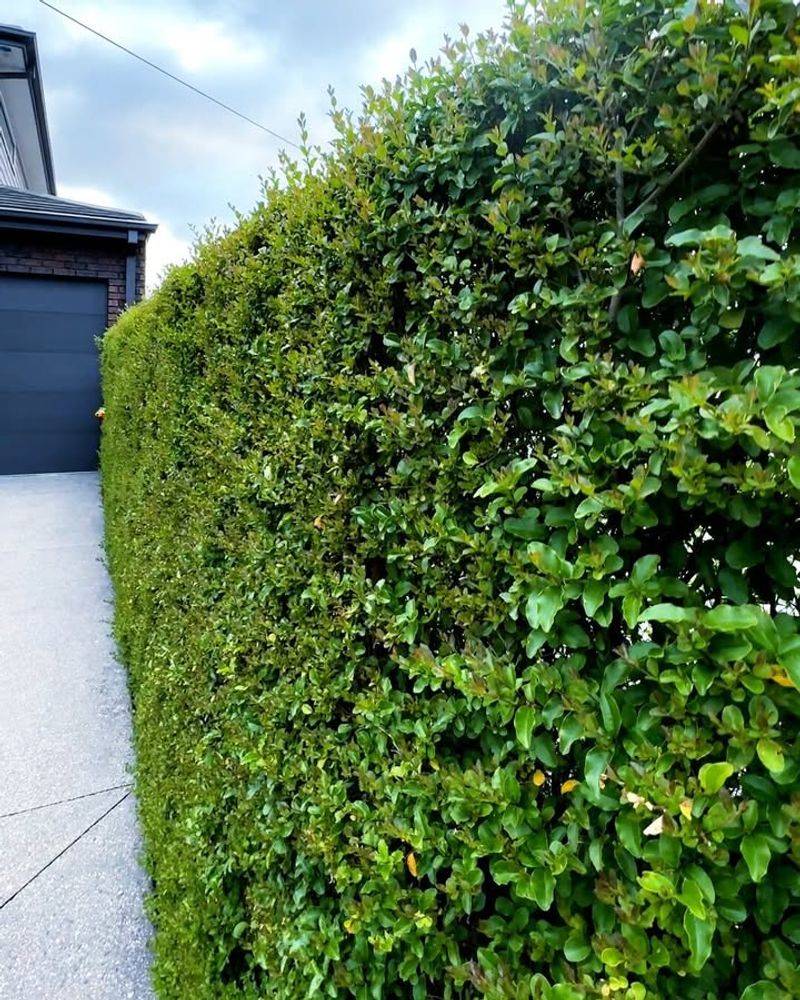
Privet hedges have been a staple of American landscaping for over a century, and plenty of Michigan homeowners still rely on Ligustrum vulgare for privacy screens and formal hedges. It grows fast, fills in quickly, and takes shearing well.
Those qualities make it tempting, but Michigan winters have a way of exposing Privet’s biggest flaw: it is far more vulnerable to cold and snow damage than most people expect.
In exposed locations across Michigan, Privet hedges take a beating from cold winds and heavy snow loads. The dense branching that makes Privet look full and lush in summer becomes a liability in winter, trapping snow and ice until stems weaken and break.
Significant dieback can occur after particularly harsh winters, leaving gaps in hedges that took years to establish. Replanting and waiting for new growth to fill in is a slow and discouraging process.
Viburnum trilobum, or American Cranberrybush Viburnum, is a native Michigan shrub that makes an outstanding hedge replacement. Its stems are much stronger and more cold-tolerant, and it shrugs off heavy snow without the dieback issues that plague Privet.
American Cranberrybush Viburnum also brings genuine seasonal beauty, with white flower clusters in spring and brilliant red berries that persist through winter, adding color to the landscape when everything else looks bare.
For Michigan gardeners who want a reliable, attractive hedge that actually handles the climate, this native viburnum is the smart upgrade.
8. Azalea (Non-Hardy Types)
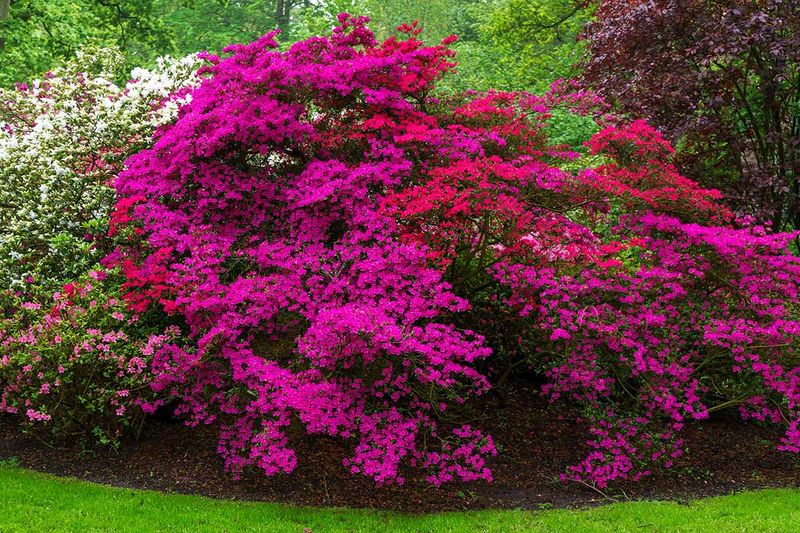
Azaleas are some of the most beloved flowering shrubs in American gardens, and their stunning spring blooms make it easy to see why. The trouble is that many Rhododendron varieties sold at garden centers across Michigan are not actually selected for cold climates.
They look perfectly healthy in the pot at the nursery, but Michigan winters tell a very different story once they are in the ground.
Snow and ice are particularly hard on non-hardy Azalea varieties. The weight of accumulated snow can snap branches and crush delicate flower buds that set in fall for next spring’s blooms.
Even without physical breakage, prolonged exposure to Michigan’s freeze-thaw cycles damages bud tissue at the cellular level, resulting in poor bloom years or no flowers at all. Repeated winter stress weakens the plant’s overall structure over time.
Hydrangea arborescens, commonly called Smooth Hydrangea, is a reliable Michigan-native alternative that performs consistently year after year.
Unlike non-hardy Azaleas, Smooth Hydrangea blooms on new wood each season, so even a tough winter does not cost you your summer flowers.
Its stems are flexible enough to handle snow loads without snapping, and the dried flower heads add gentle winter interest to the garden. Varieties like Annabelle and Incrediball are well-established favorites across Michigan landscapes.
For gardeners ready to stop gambling on plants that may not survive, Smooth Hydrangea is a dependable, beautiful solution.