12 Shrubs That Bring Lasting Curb Appeal To Arizona Homes
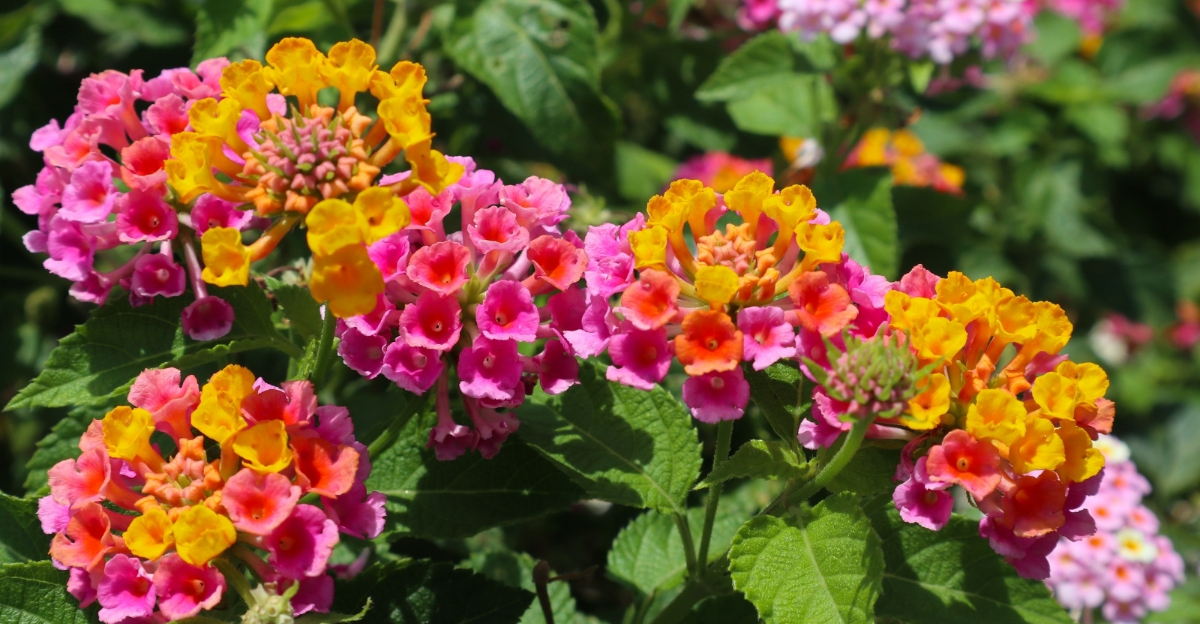
Arizona homes rely on curb appeal that can handle intense sun, dry air, and long stretches without rain.
Shrubs play a major role because they frame entryways, soften hard lines, and keep yards looking intentional year-round.
Many homeowners learn quickly that not every shrub can handle Arizona’s climate. Choosing the wrong ones often leads to constant replacements and frustration.
The best shrubs for Arizona offer structure without demanding daily attention. They hold shape, color, and texture even during the hottest months.
Long-lasting curb appeal comes from plants that grow steadily instead of struggling through each season.
Well-chosen shrubs reduce the need for frequent watering while still making homes look polished.
Arizona landscapes benefit when greenery works with the environment rather than fighting it. This approach keeps yards attractive without excessive effort.
Shrubs that thrive locally also age better over time, filling out naturally instead of thinning or burning.
When curb appeal stays consistent, the entire property feels more welcoming.
Smart shrub choices help Arizona homes look established, balanced, and visually appealing throughout the year.
1. Texas Ranger
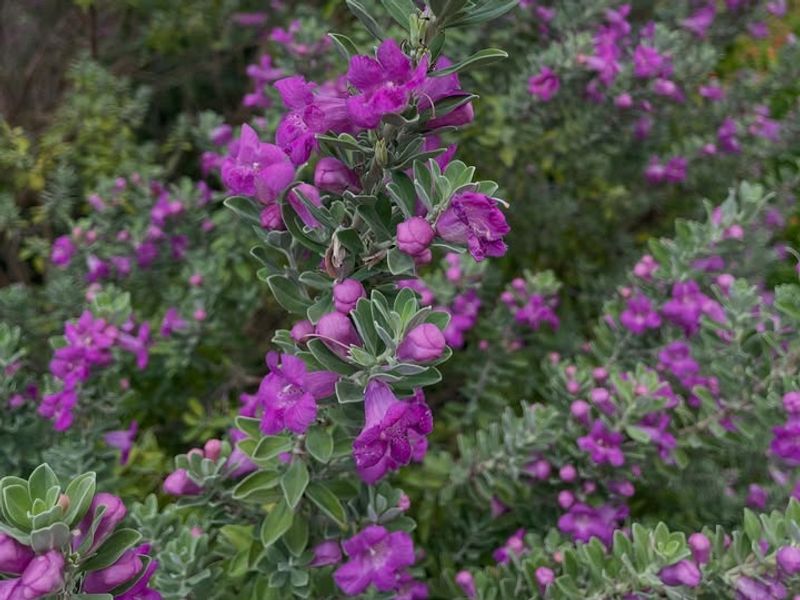
Fuzzy silver-gray foliage creates a soft, touchable texture that catches the eye from the street.
Blooms appear after summer rains across Arizona, covering branches with tubular flowers in shades of purple, pink, or white.
Butterflies and hummingbirds flock to these blossoms, turning your front yard into a wildlife haven. The shrub grows naturally into a rounded shape without much pruning, saving you time and effort on maintenance tasks.
Heat tolerance is exceptional, making this plant ideal for the hottest spots in your landscape.
Full sun exposure brings out the best color and flowering performance throughout the growing season.
Drought resistance means less watering once the root system establishes itself in Arizona soil.
Mature plants typically reach four to six feet tall and wide, creating a substantial presence.
Native habitat extends from the Sonoran Desert through parts of Texas, so adaptation to local conditions comes naturally.
Deer usually leave this shrub alone, which helps protect your investment.
Winter interest continues with the attractive evergreen foliage that never drops. Seasonal color bursts make neighbors stop and ask what you planted in your Arizona yard.
2. Red Yucca
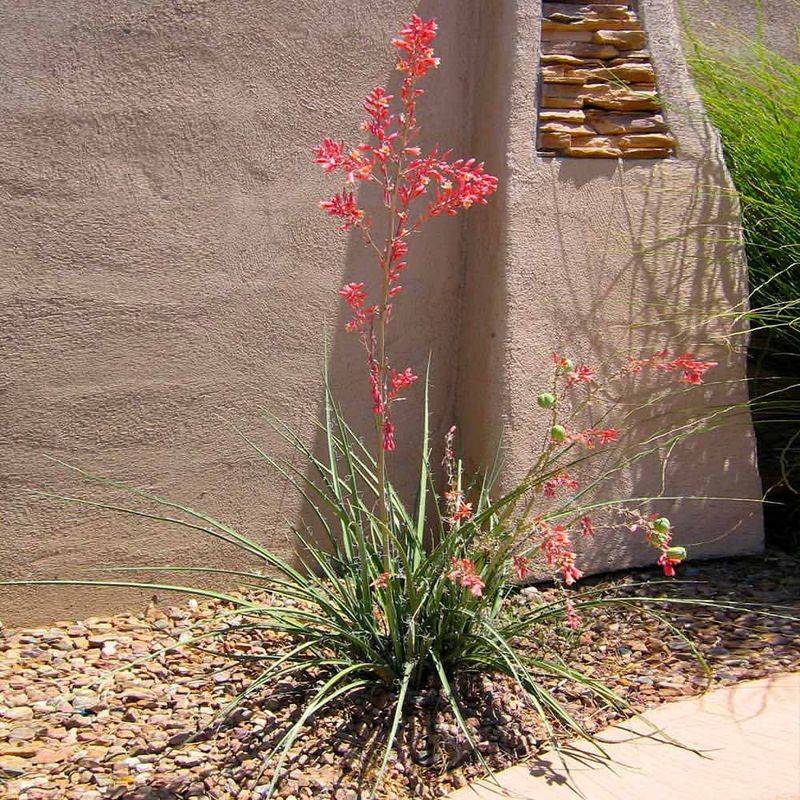
Spiky green leaves arch gracefully from the center, forming a fountain-like clump that adds architectural drama. Tall flower stalks shoot up in spring, displaying coral-red tubular blooms that hummingbirds absolutely adore.
Low water needs make this shrub perfect for Arizona homeowners who want beauty without high irrigation bills.
Once established, it survives on natural rainfall in most parts of the state.
Evergreen foliage provides year-round structure and color, even during the coldest winter months. The plant spreads slowly, eventually forming a clump about three feet tall and four feet wide.
Sharp leaf tips require thoughtful placement away from walkways and play areas where people might brush against them.
Despite the name, this plant isn’t a true yucca but shares similar characteristics.
Full sun exposure brings out the most vibrant flower color and healthiest growth patterns. Arizona’s intense summer heat doesn’t faze this tough performer at all.
Blooming season extends for several months, providing long-lasting color when many other plants look tired.
Minimal maintenance requirements mean more time enjoying your landscape instead of working in it.
Native to Texas and northern Mexico, adaptation to desert conditions is built into its DNA. Pairing it with rocks or gravel creates a stunning xeriscape display.
3. Desert Spoon
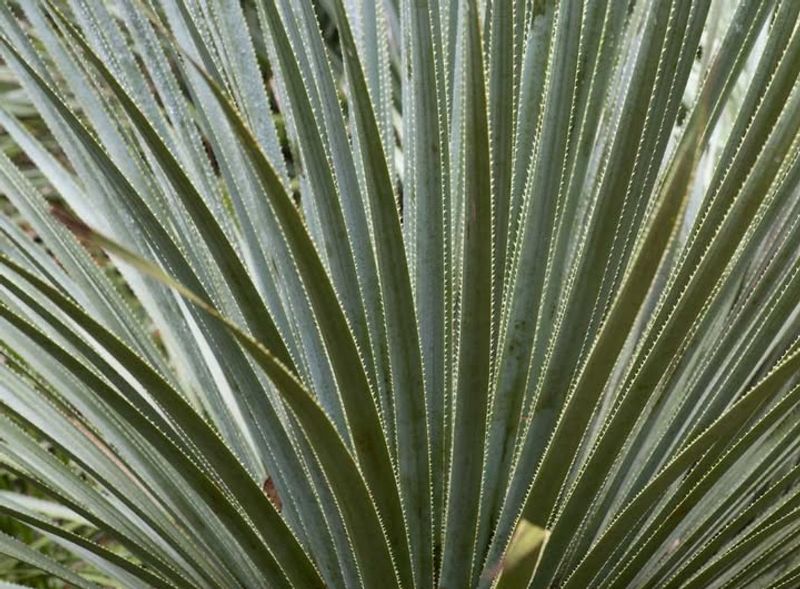
Hundreds of narrow blue-gray leaves radiate from the center, creating a perfect sphere that looks almost geometric.
Each leaf edge features tiny teeth that catch the light and create visual interest throughout the day.
Mature plants send up a dramatic flower spike that can reach fifteen feet tall in Arizona landscapes.
This spectacular display happens once in the plant’s lifetime, making it a memorable event for homeowners.
Slow growth rate means this shrub maintains its size for years without constant trimming or shaping. Placement near entryways or as focal points maximizes its architectural impact.
Extreme drought tolerance allows it to survive extended dry periods without any supplemental watering. Arizona summers don’t stress this desert native one bit.
Cold hardiness extends throughout most of the state, handling occasional freezes without damage. The blue-gray color provides a cool contrast against warmer-toned plants and hardscape materials.
Full sun exposure is essential for maintaining the compact, symmetrical form that makes this plant so attractive.
Shaded conditions cause loose, floppy growth that lacks visual appeal.
Wildlife value is moderate, with birds sometimes nesting in the dense foliage. Deer typically ignore this spiny shrub, keeping your landscape looking pristine.
4. Yellow Bells
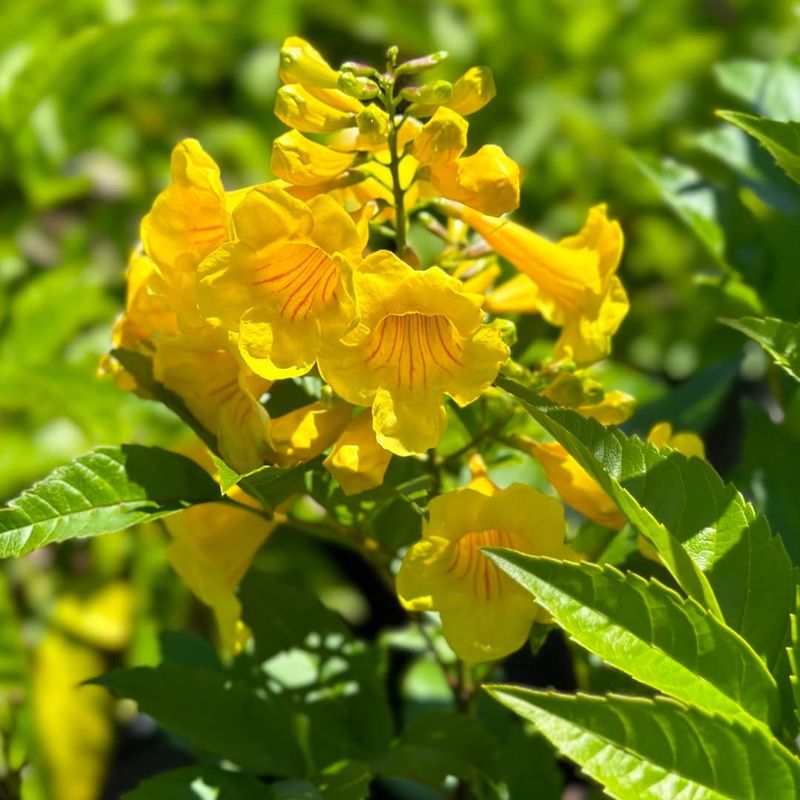
Bright golden-yellow trumpet-shaped flowers appear from spring through fall, creating months of cheerful color. Arizona gardeners love how reliably this shrub blooms when temperatures soar above one hundred degrees.
Fast growth rate means you’ll see substantial size increases each season, quickly filling empty spaces in your landscape.
Mature height ranges from three to six feet, depending on pruning and growing conditions.
Hummingbirds visit the tubular flowers constantly, providing entertainment and natural pest control benefits.
The shrub’s dense branching creates good cover for small birds seeking shelter.
Moderate water needs keep it thriving without excessive irrigation, though it appreciates regular watering during Arizona’s hottest months.
Established plants handle brief dry spells without wilting or losing leaves.
Evergreen to semi-evergreen foliage depends on winter temperatures in your specific location. Colder areas may see some leaf drop, while warmer zones maintain green leaves year-round.
Full sun to partial shade allows flexibility in placement throughout your property.
Morning sun with afternoon shade can reduce water needs while still producing abundant blooms.
Pruning in late winter encourages bushier growth and more flower production throughout the coming season. This shrub responds well to shaping, allowing you to control its size and form.
5. Fairy Duster
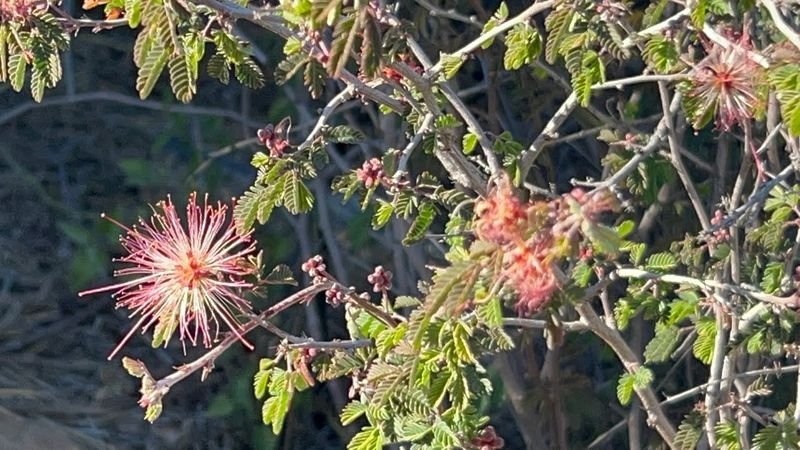
Delicate pink puffball flowers look like tiny fireworks bursting across the shrub’s surface.
Blooming starts in late winter and continues through spring, bringing early color when Arizona landscapes need it most.
Small compound leaves create fine-textured foliage that contrasts beautifully with bold, architectural plants. The compact size makes it perfect for smaller yards or as an edging plant along pathways.
Native to the Sonoran Desert, this shrub is perfectly adapted to Arizona’s challenging growing conditions. It thrives in rocky, well-drained soil that would challenge many other ornamental plants.
Pollinators go crazy for the fuzzy flowers, with bees and butterflies visiting constantly during bloom time. Watching the wildlife activity adds another dimension to your outdoor living space.
Mature size typically reaches three feet tall and wide, creating a neat, rounded form.
Minimal pruning keeps it looking tidy without requiring constant attention from homeowners.
Drought tolerance improves dramatically once the root system establishes itself in Arizona soil.
First-year plants need regular watering, but mature specimens handle dry conditions easily.
Full sun exposure produces the heaviest flower display and most compact growth habit. The shrub can tolerate some light shade but won’t bloom as prolifically.
6. Rosemary
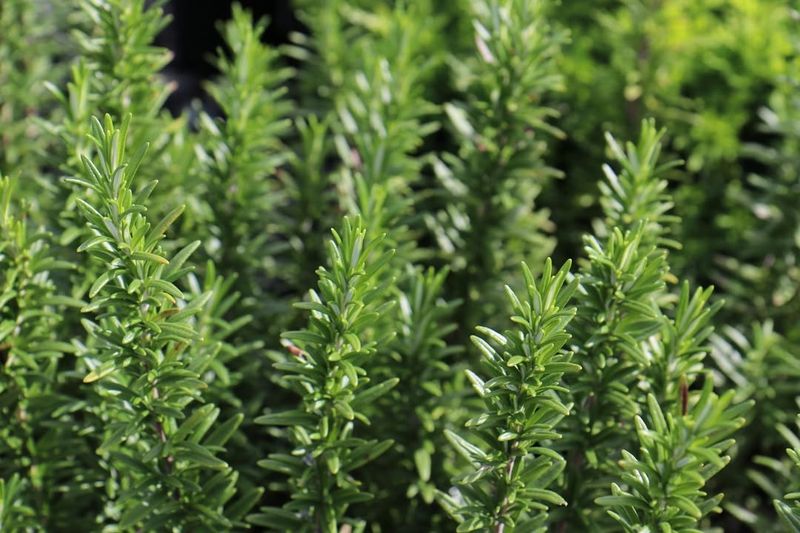
Fragrant needle-like leaves release their distinctive scent when you brush past, filling Arizona yards with Mediterranean aroma.
This versatile shrub serves double duty as both landscape plant and culinary herb.
Blue or white flowers appear in winter and spring, attracting bees when few other plants are blooming.
The early nectar source helps support pollinator populations during lean times.
Evergreen foliage maintains its color and texture throughout all four seasons. Arizona’s mild winters allow this shrub to keep growing when colder climates see complete dormancy.
Upright or prostrate forms offer different design possibilities, from tall hedges to groundcover applications. Choosing the right variety ensures it fits your specific landscape needs.
Drought tolerance is excellent once roots penetrate deep into the soil profile.
Overwatering causes more problems than underwatering, so err on the dry side.
Full sun exposure is essential for preventing leggy growth and maintaining dense, attractive foliage. Shaded locations produce sparse, unattractive plants that lack the characteristic form.
Deer and rabbits typically avoid rosemary due to its strong fragrance and resinous leaves.
This natural pest resistance protects your landscape investment without chemical interventions.
Pruning after flowering keeps plants compact and encourages fresh growth throughout Arizona’s growing season. Regular harvesting for cooking serves the same purpose.
7. Desert Marigold
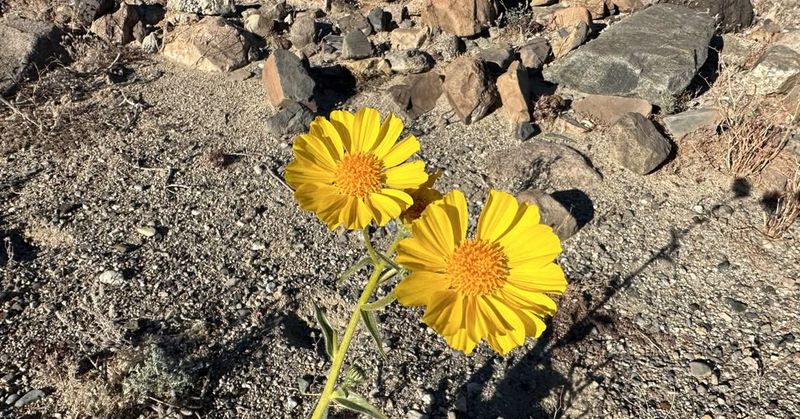
Cheerful yellow daisy-like flowers bloom nearly year-round in Arizona’s warmer regions. The nonstop color brings sunshine to your landscape even during the shortest, darkest winter days.
Gray-green foliage creates a soft mound that looks attractive even when flowers are sparse.
The plant typically reaches twelve to eighteen inches tall, making it perfect for front-row planting.
Native throughout the southwestern deserts, including much of Arizona, this shrub needs no special soil amendments. It grows happily in the native caliche and rocky ground that challenges so many other plants.
Reseeding habit means new plants often appear around the parent, gradually filling in bare spots.
This natural spreading creates a fuller look without buying additional plants.
Butterflies and native bees visit the flowers constantly, supporting local ecosystems and biodiversity. Watching the insect activity provides endless fascination for nature lovers.
Minimal water requirements make this an ideal choice for low-maintenance Arizona landscapes. Established plants survive on rainfall alone in many parts of the state.
Full sun exposure is necessary for maximum flowering and compact growth habits.
Shaded conditions cause stretching and reduced bloom production.
Short-lived perennial nature means individual plants may only last a few years, but their offspring continue the display. This natural cycle keeps your landscape looking fresh and vigorous.
8. Lantana
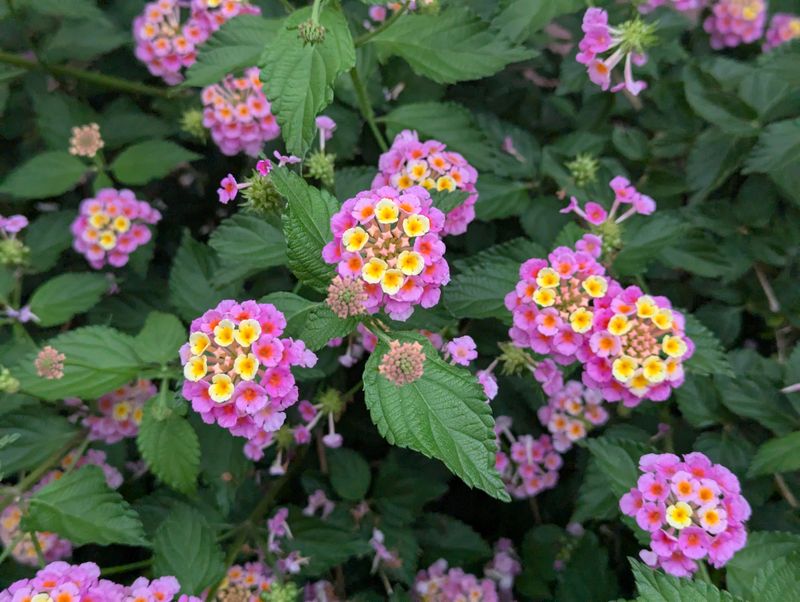
Clusters of tiny flowers change color as they age, creating a multicolored effect on each bloom head. Arizona gardeners can choose from yellow, orange, red, pink, purple, and white varieties to match any color scheme.
Continuous blooming from spring through fall provides months of vibrant color in the landscape.
Even Arizona’s brutal summer heat doesn’t slow down this flowering powerhouse.
Butterflies consider lantana one of their favorite nectar sources, visiting constantly throughout the day. The butterfly activity turns your yard into a living nature documentary.
Fast growth rate quickly fills empty spaces, making it perfect for new landscapes that need immediate impact. Mature size varies by variety, from low groundcover types to tall shrubby forms.
Moderate water needs keep it thriving without excessive irrigation, though regular watering produces the heaviest flowering.
Established plants handle brief dry periods without significant stress.
Full sun exposure brings out the best color and most prolific blooming performance. Partial shade is tolerated but reduces flower production noticeably.
Pruning in late winter removes frost-damaged growth and encourages fresh, vigorous branching. Arizona’s mild climate often allows this shrub to maintain some foliage through winter.
Deer resistance varies by location, but most find the foliage unappealing and leave plants alone. This natural protection helps maintain your landscape’s appearance.
9. Damianita
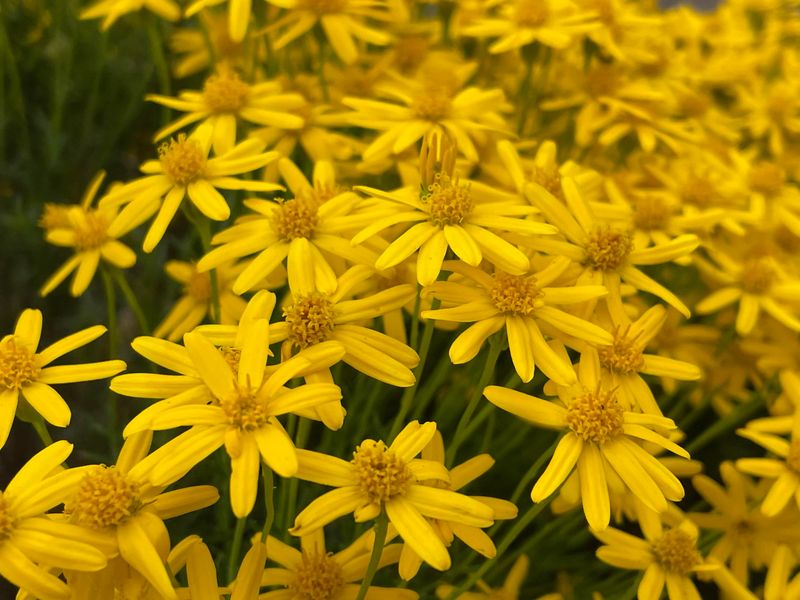
Tiny needle-like leaves cover compact mounds that stay under twelve inches tall.
Bright yellow daisy flowers appear in spring and fall, creating bursts of cheerful color during Arizona’s most pleasant weather.
Extremely drought-tolerant nature makes this shrub ideal for the driest, hottest locations in your landscape. Once established, it survives entirely on natural rainfall throughout most of the state.
Evergreen foliage maintains its appearance year-round, providing consistent texture and form.
The fine-textured leaves create interesting contrast when planted near bold, large-leaved plants.
Native to the Chihuahuan Desert, this plant is perfectly adapted to alkaline soils and low humidity. Arizona’s growing conditions match its natural habitat almost perfectly.
Aromatic foliage releases a pleasant scent when brushed or crushed underfoot.
Planting near walkways allows you to enjoy this sensory bonus regularly.
Full sun exposure is essential for maintaining the tight, compact form that makes this shrub so attractive. Shaded conditions cause loose, open growth that lacks visual appeal.
Slow growth rate means minimal maintenance and pruning over the years. This shrub holds its shape naturally without constant attention from homeowners.
Wildlife value includes nectar for native bees and butterflies during flowering periods. The dense foliage also provides shelter for small beneficial insects.
10. Brittlebush
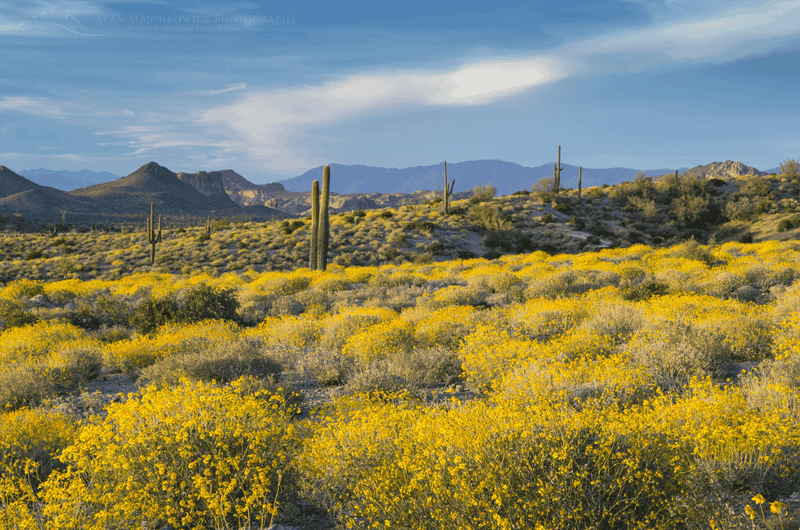
Silver-gray fuzzy leaves form a striking mound that glows in Arizona’s bright sunshine. Yellow daisy-like flowers appear on tall stems in spring, creating a cloud of gold above the foliage.
Native throughout the Sonoran Desert, this shrub is the definition of low-maintenance landscaping. It thrives on neglect and actually looks worse when given too much water or fertilizer.
Extreme heat tolerance allows it to handle the most brutal Arizona summer days without wilting.
Full sun exposure and reflected heat from walls don’t faze this tough desert native.
Deciduous or semi-deciduous nature means some leaf drop occurs during the hottest summer months. This natural adaptation helps the plant conserve water during peak stress periods.
Resinous sap in the stems gives the plant its common name and creates interesting botanical characteristics.
Historical Native American use included burning the resin as incense.
Mature size reaches three to five feet tall and wide, creating substantial presence in the landscape. The rounded form works well as a specimen plant or massed in groups.
Wildlife value includes seeds that quail and other birds consume after flowers fade. The plant contributes to native food webs while beautifying your property.
Minimal water needs after establishment make this perfect for sustainable Arizona landscapes. Overwatering shortens the plant’s lifespan and creates leggy, unattractive growth.
11. Autumn Sage
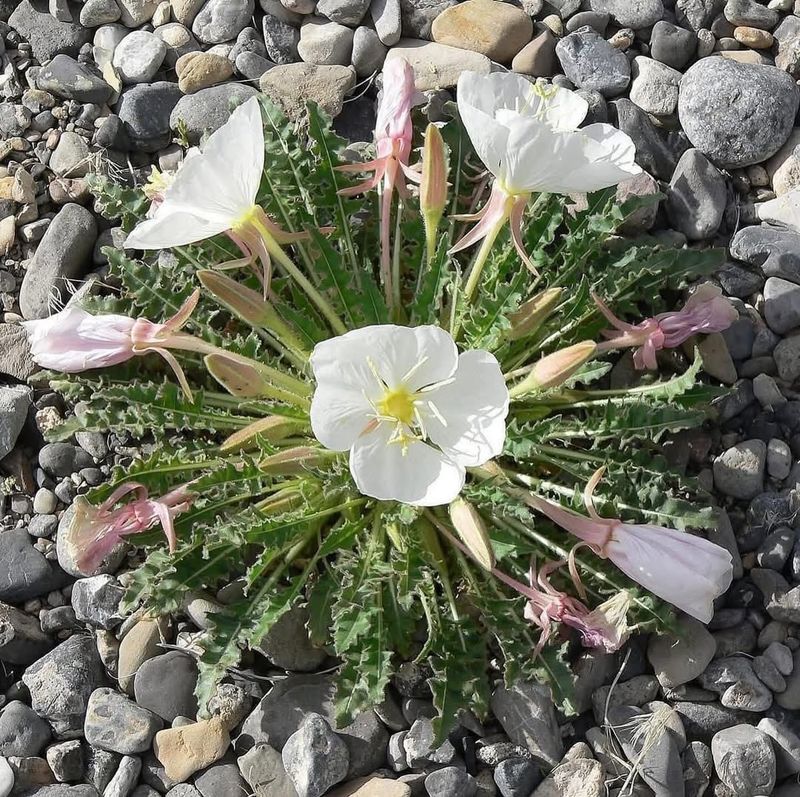
Tubular flowers in red, pink, coral, white, or purple attract hummingbirds from spring through fall. Arizona gardeners love choosing from the wide color range to create custom combinations.
Small green leaves create a fine-textured background that makes the vibrant flowers pop.
The shrub maintains a neat, compact form without constant pruning or shaping.
Blooming continues even during the hottest summer months when many other plants take a break. This reliable performance keeps your landscape colorful when you’re spending the most time outdoors.
Moderate water needs keep it thriving without excessive irrigation, though regular watering produces the heaviest flowering.
Established plants handle brief dry periods common in Arizona landscapes.
Native to Texas and Mexico, this sage adapts beautifully to Arizona’s growing conditions. It tolerates alkaline soils and low humidity without any special amendments.
Full sun to partial shade offers flexibility in placement throughout your property.
Morning sun with afternoon shade can extend bloom life in the hottest regions.
Evergreen to semi-evergreen foliage depends on winter temperatures in your specific location. Warmer Arizona zones maintain green leaves year-round, while colder areas see some dormancy.
Deer resistance is generally good, though hungry animals may browse it during drought conditions. The aromatic foliage usually deters most wildlife browsing.
12. Apache Plume
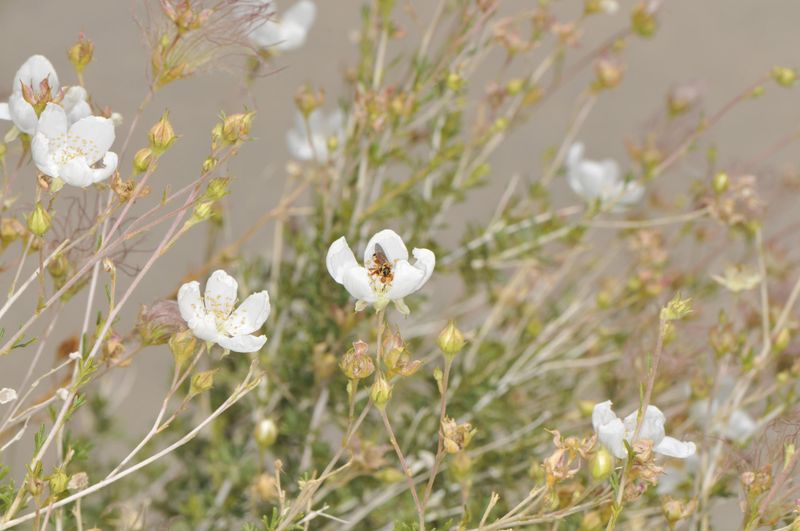
White rose-like flowers bloom in spring, followed by feathery pink seed heads that look like tiny plumes. The seed heads persist for months, creating long-lasting ornamental interest across Arizona landscapes.
Native to southwestern mountains and high deserts, this shrub handles temperature extremes beautifully.
It grows throughout most of Arizona, from low deserts to higher elevations.
Evergreen to semi-evergreen foliage provides year-round structure, with small lobed leaves creating fine texture. The branching pattern develops naturally into an attractive, informal shape.
Drought tolerance is exceptional once the root system establishes itself in the soil.
Mature plants survive on natural rainfall in many parts of the state.
Full sun exposure produces the most flowers and the healthiest, most compact growth. Partial shade is tolerated but reduces flowering and creates looser, more open plants.
Mature size typically reaches four to six feet tall and wide, creating substantial presence.
The airy branching pattern prevents it from looking heavy or overwhelming in smaller yards.
Wildlife value includes pollen and nectar for native bees and other beneficial insects. Birds sometimes use the dense branching for nesting sites in spring.
Cold hardiness extends throughout Arizona, including higher elevation areas that experience regular freezes. This adaptability makes it useful across diverse climate zones within the state.