9 Shrubs That Bring Privacy To Georgia Yards Without Fences
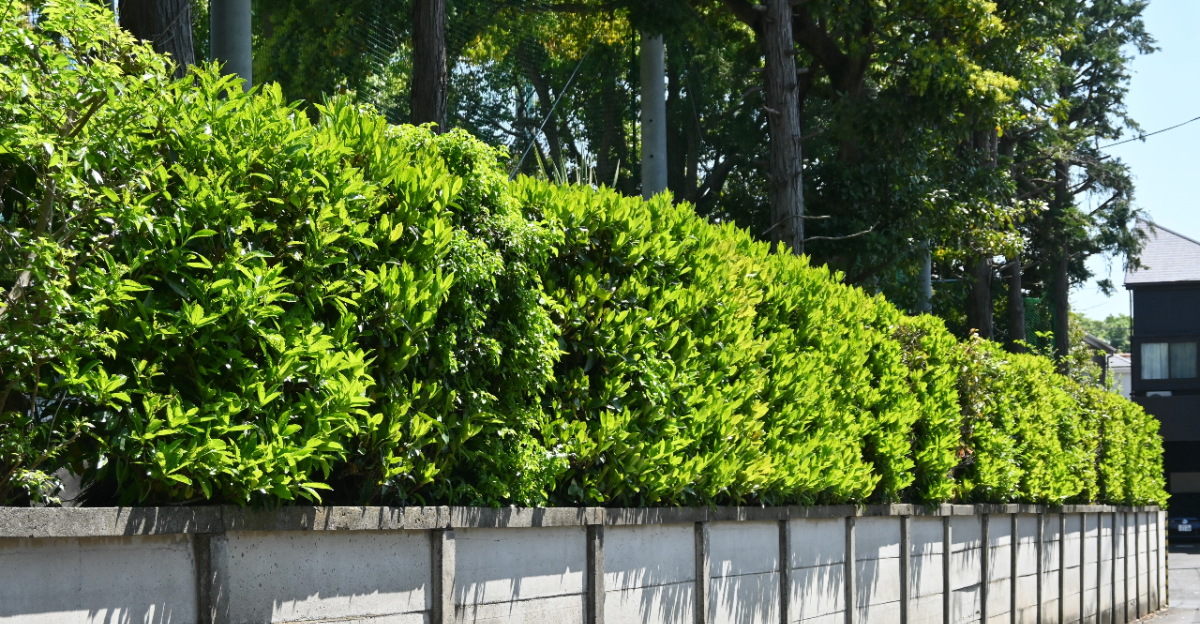
Privacy in a Georgia yard does not always come down to putting up a fence. Sometimes it is the open edges, the clear sightlines, or that one spot that feels a little too exposed that makes the space feel unfinished.
You can have a healthy, well-kept yard and still feel like something is missing.
Shrubs have a way of changing that without making the yard feel closed off. The right ones grow in with purpose, filling gaps, softening boundaries, and creating a more comfortable sense of separation.
It happens gradually, but once they settle in, the space starts to feel more defined and balanced.
In Georgia, where growth moves quickly once spring settles in, those choices matter early. Some shrubs stay full and reliable, while others never quite give the coverage people expect.
Knowing which ones actually work can make all the difference in how the yard comes together.
1. Skip Laurel Grows Thick And Fast
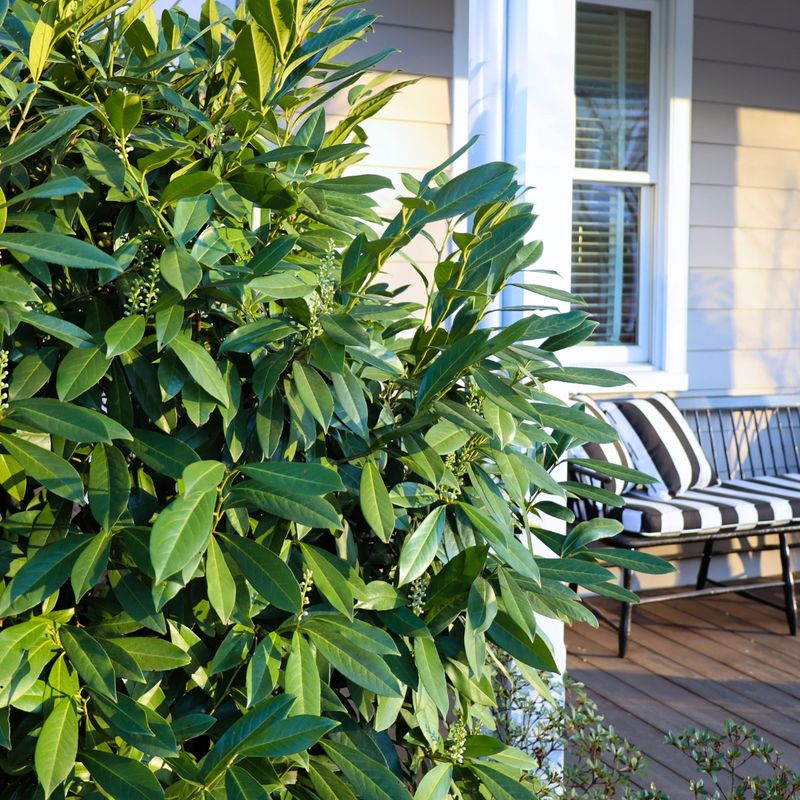
Few shrubs grow as reliably thick as Skip Laurel, and Georgia yards are proof of that. In just a couple of seasons, a young row of these plants can turn into a solid green wall that blocks sightlines completely.
Glossy, dark green leaves stay on the branches year-round, so you never lose your privacy screen when temperatures drop.
Skip Laurel handles Georgia’s summer heat without too much fuss. It tolerates both full sun and partial shade, which gives homeowners flexibility when planting along fences, property lines, or near structures.
Spacing them about five feet apart gives each plant enough room to fill in without crowding.
Pruning is optional but easy if you want a more uniform hedge shape. Left alone, Skip Laurel grows into a natural, rounded form that looks full and healthy without constant attention.
Heights of ten to eighteen feet are possible, making this one of the tallest natural privacy options available in Georgia landscapes.
Spring brings small white flower spikes that add a subtle charm before fading into summer. Birds occasionally nest inside the dense foliage, which is a bonus for anyone who enjoys backyard wildlife.
If speed and thickness are your top priorities, Skip Laurel deserves the first spot on your planting list.
2. Wax Myrtle Fills In With Soft Dense Growth
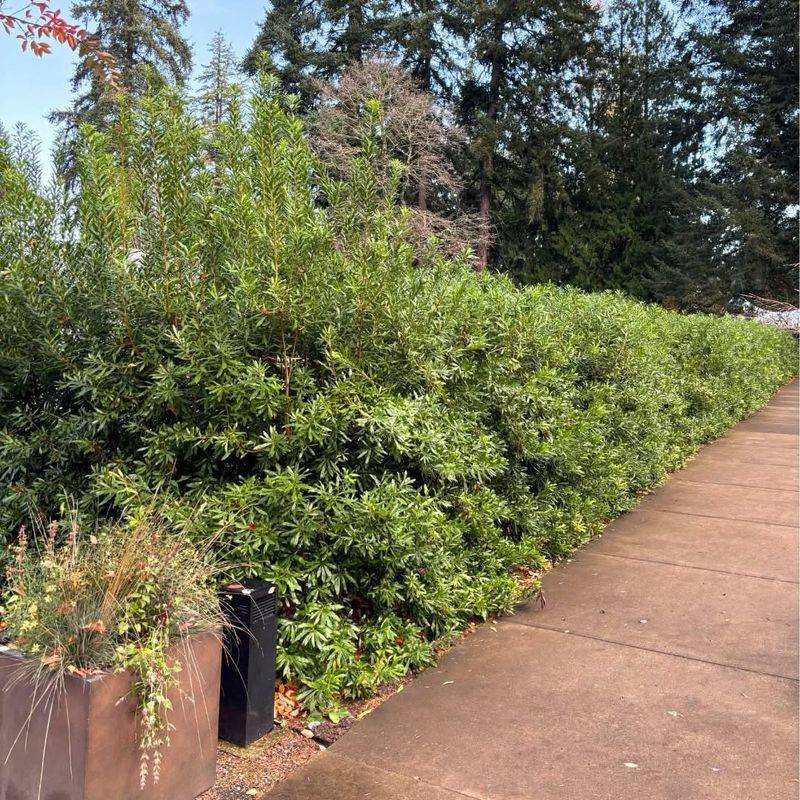
Wax Myrtle is one of those plants that seems to know exactly what your yard needs. It fills in quickly, grows in almost any soil Georgia throws at it, and handles both wet spots and dry stretches without much complaint.
That kind of flexibility is hard to find in a privacy shrub.
Mature plants reach anywhere from eight to fifteen feet tall, and the multi-stem growth habit means there are no bare gaps at the base. Clusters of waxy blue-gray berries appear in fall and attract birds through winter, so the plant earns its keep even after the growing season slows down.
Crushed leaves release a pleasant, spicy aroma that makes working near this shrub surprisingly enjoyable. Planting along a back property line or around a patio creates a natural buffer that also smells good on warm Georgia afternoons.
That detail alone sets it apart from most other hedge options.
Full sun produces the densest growth, but Wax Myrtle manages well in partial shade too. Occasional trimming keeps it at whatever height works best for your yard.
Compared to more formal hedges, it has a relaxed, natural look that blends easily into both traditional and informal Georgia landscapes.
3. Privet Forms A Classic Privacy Hedge
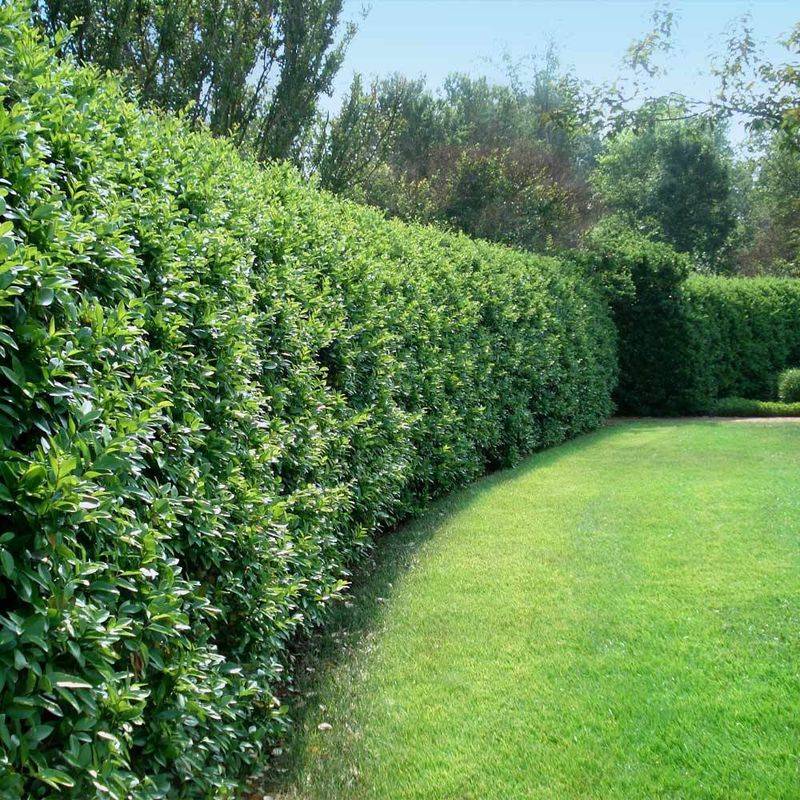
Privet has been used as a privacy hedge for generations, and there is a reason it keeps showing up in Georgia yards. It grows fast, fills in thick, and takes to shearing extremely well, giving homeowners a clean, formal hedge without spending a fortune on plants.
A single growing season can add two to three feet of new growth under the right conditions.
Varieties like Chinese Privet and Ligustrum japonicum are commonly planted across Georgia. They tolerate clay soil, humidity, and summer heat without showing much stress.
Established rows block views completely and also muffle road noise better than an open yard.
One thing worth knowing is that Privet can spread beyond where you plant it if berries drop and sprout nearby. Keeping up with light trimming after flowering reduces berry production and helps you stay in control of where the plants go.
It is a small trade-off for such reliable, fast coverage.
Sunlight is important here. Privet performs best with at least six hours of direct sun each day.
Shady spots slow the growth and thin out the canopy. Choose a bright planting location along a fence line or property edge in your Georgia yard, and Privet will reward you with a dense, lasting screen.
4. Viburnum Builds A Full And Reliable Screen
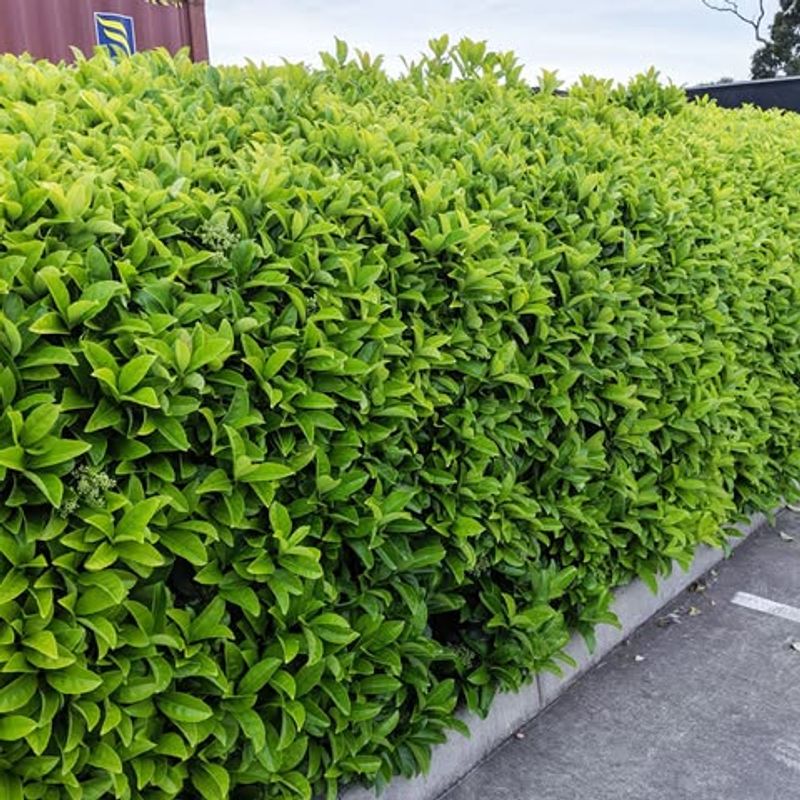
Viburnum is the kind of shrub that does more than just block views. White flower clusters appear in early spring and fill the yard with a soft, sweet scent that makes the whole space feel alive.
After the blooms fade, dark berries develop and draw in birds through fall and winter, keeping the plant interesting across every season.
Heights between six and ten feet are typical for most Viburnum species suited to Georgia. Arrowwood Viburnum and Laurus tinus are two solid choices for the region.
Both grow into full, rounded forms that cover ground-level views and mid-height sightlines without needing constant trimming to stay dense.
Adaptability is a real strength here. Viburnum handles clay soil, occasional dry spells, and partial shade without losing much density.
That makes it practical for yards where conditions are not perfect, which describes most real Georgia backyards.
Planting in a staggered double row creates an especially thick screen in a shorter amount of time. Space plants about four to five feet apart and let them grow together naturally.
Within two to three seasons, the row becomes a solid wall of foliage that gives a Georgia yard genuine, lasting privacy without ever needing a single fence post.
5. Camellia Adds Height With Evergreen Cover
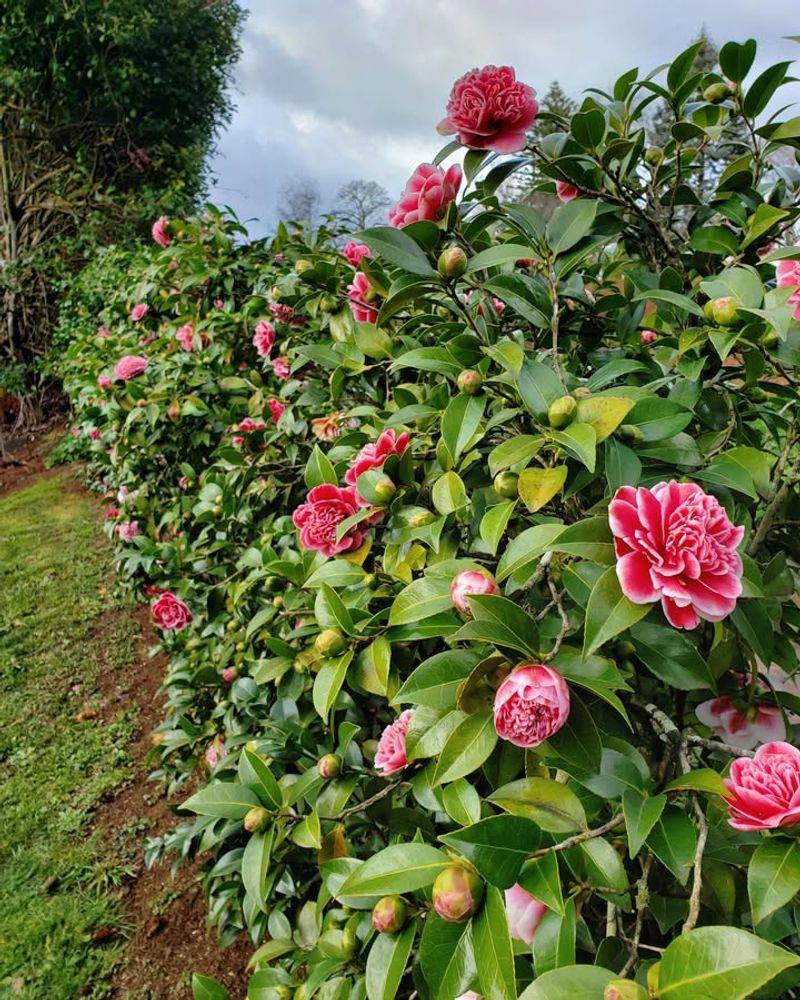
Camellias bloom when almost nothing else does, pushing out flowers from fall all the way through early spring depending on the variety. In Georgia, that kind of winter color is genuinely rare among privacy shrubs.
The blooms come in red, pink, and white, and the glossy evergreen foliage stays full and green through every season.
Growth height ranges from six to twelve feet, and the dense branching habit means coverage starts fairly low to the ground. Planting Camellias along a side yard or back border gives you a screen that never goes bare, even during the coldest months Georgia sees.
That year-round structure is one of the main reasons they remain so popular across the state.
Camellias prefer dappled light or morning sun with afternoon shade. Heavy afternoon sun in Georgia summers can scorch leaves, so a spot near taller trees or on the east side of a structure works well.
Moist, slightly acidic soil with good drainage keeps them healthy and growing steadily.
Spacing about five to six feet apart gives each plant room to develop its natural form. Avoid heavy pruning since Camellias bloom on old wood, and cutting too aggressively removes next season’s flower buds.
A light shaping after the blooming period is all they typically need.
6. Loropetalum Stays Dense With Colorful Foliage
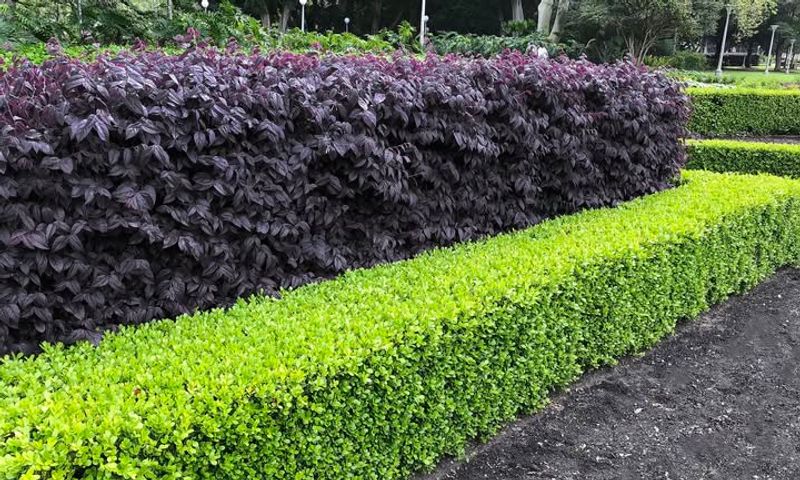
Burgundy leaves and hot pink fringe-like flowers on the same plant sounds almost too good to be true, but that is exactly what Loropetalum delivers.
It is one of the most visually striking privacy shrubs you can plant in a Georgia yard, and it holds that color year-round rather than fading to plain green by midsummer.
Mature height depends heavily on the variety. Dwarf types stay under four feet, while larger selections like Purple Majesty or Zhuzhou Fuchsia can push ten to fifteen feet tall.
Choosing the right variety for your space avoids future problems with overgrowth near windows or structures.
Georgia’s warm climate suits Loropetalum well. It handles heat, humidity, and clay soil without much drama.
Full sun brings out the deepest leaf color, though partial shade is tolerated. Spring blooming is the heaviest flush, with lighter repeat flowering scattered through the warmer months.
Planting along a driveway, fence line, or back border creates a hedge that functions as both a privacy screen and a landscape focal point. Trim lightly after each bloom cycle to encourage fresh growth and maintain a tidy shape.
Loropetalum grows quickly enough that a new planting fills in within one to two seasons across most Georgia yards.
7. Boxwood Handles Shaping Into Tight Hedges
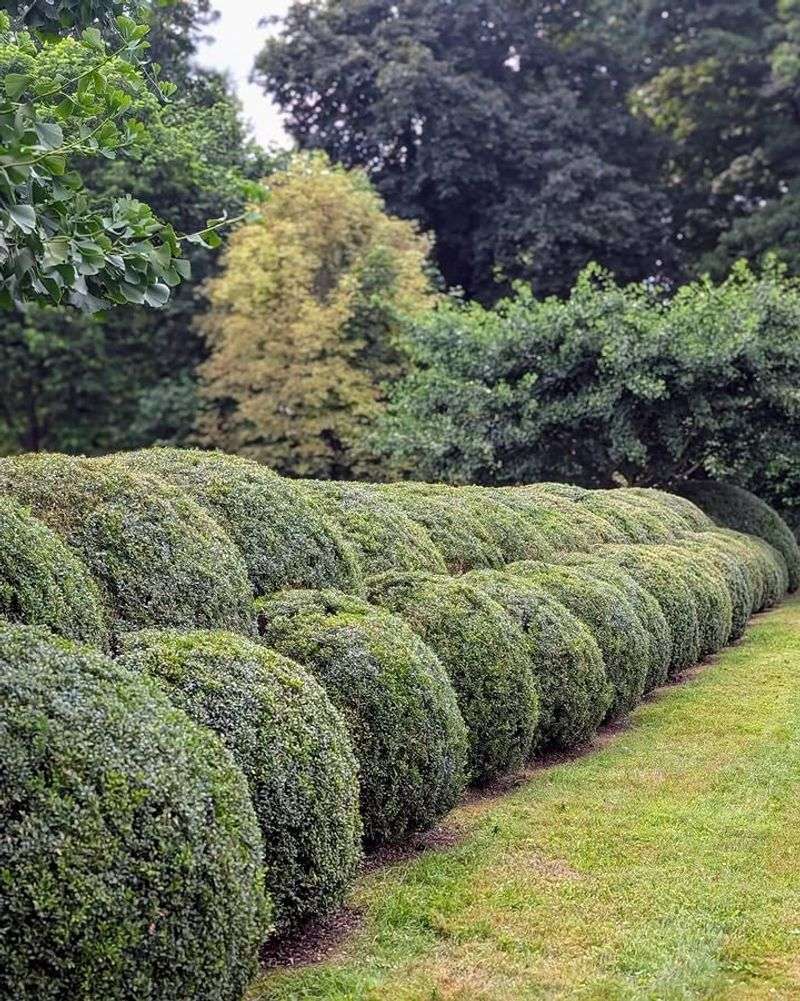
Boxwood is the go-to choice when you want a hedge that stays exactly where you put it. It responds to shearing better than almost any other shrub, holding crisp, clean edges for months between trims.
That predictability makes it popular in formal Georgia gardens and along walkways where a neat appearance matters.
Growth is slower compared to Privet or Wax Myrtle, but that is actually an advantage for homeowners who do not want to trim constantly. A couple of light shearings each year keeps Boxwood looking sharp without turning hedge maintenance into a weekly chore.
Rich green color stays consistent through all four seasons, including the occasional cold snaps Georgia sees in winter. Most varieties handle clay soil reasonably well, and both sunny and partially shaded spots produce healthy plants.
Afternoon shade during the hottest part of Georgia summers reduces stress and keeps the foliage looking its best.
Japanese Boxwood and American Boxwood are two widely available options across Georgia nurseries. Japanese Boxwood stays more compact and handles heat slightly better, making it a practical choice for yards in the southern half of the state.
Plant in a row with three-foot spacing for a dense privacy hedge that looks intentional and polished from the first season.
8. Tea Olive Creates A Tall Fragrant Screen
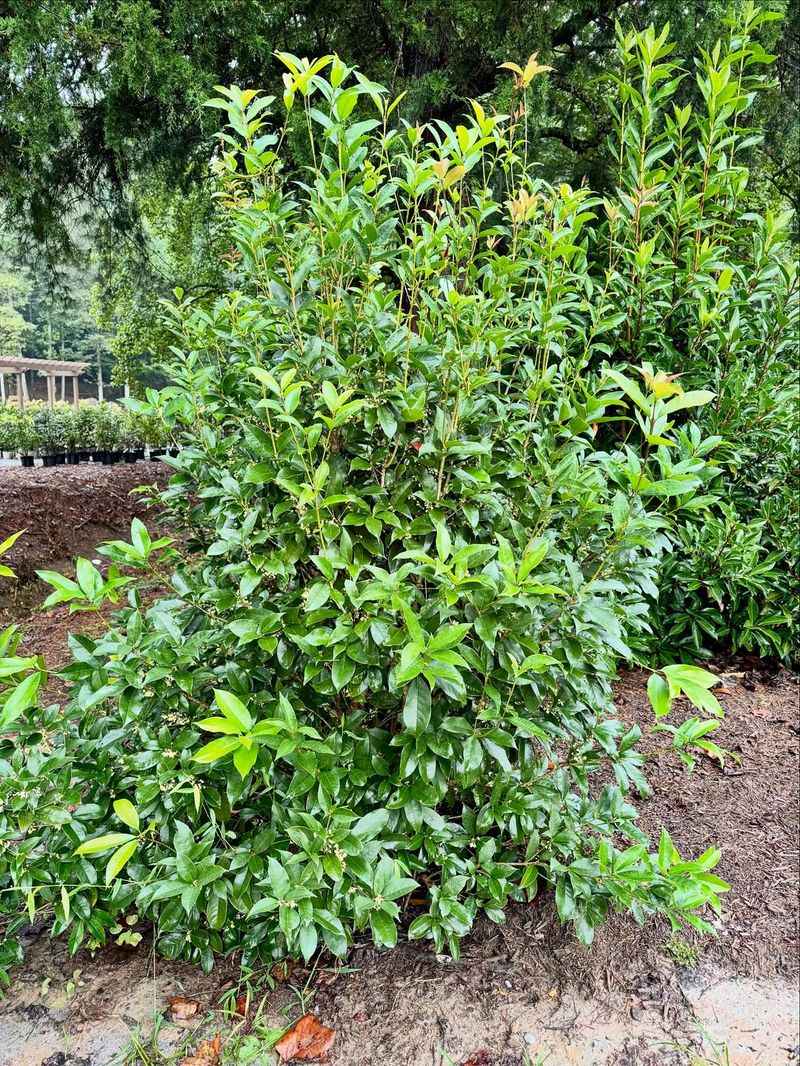
Walking past a Tea Olive in bloom is one of those experiences that stops you in your tracks. Tiny white flowers release a scent so strong and sweet that it carries across the entire yard, sometimes reaching neighbors several houses away.
In Georgia, fall is when the fragrance hits hardest, though blooming can happen multiple times a year.
Height is one of Tea Olive’s biggest assets as a privacy shrub. Left unpruned, it climbs to fifteen or even twenty feet, creating a tall evergreen wall that blocks second-story views as well as ground level.
Dense, dark green foliage stays full year-round, so the screen never thins out during winter.
Georgia’s climate suits Tea Olive almost perfectly. It handles heat and humidity without complaint, and established plants tolerate periods of dry weather without losing their foliage density.
Full sun to partial shade both work well, giving homeowners flexibility in where they plant it.
Spacing plants about six to eight feet apart along a property line allows each shrub to develop naturally while still growing together into a solid barrier. Pruning is not required but can keep plants at a manageable height if your yard is smaller.
Tea Olive is one of those rare plants that earns compliments from every visitor to your Georgia yard.
9. Holly Grows Thick And Blocks Views Well
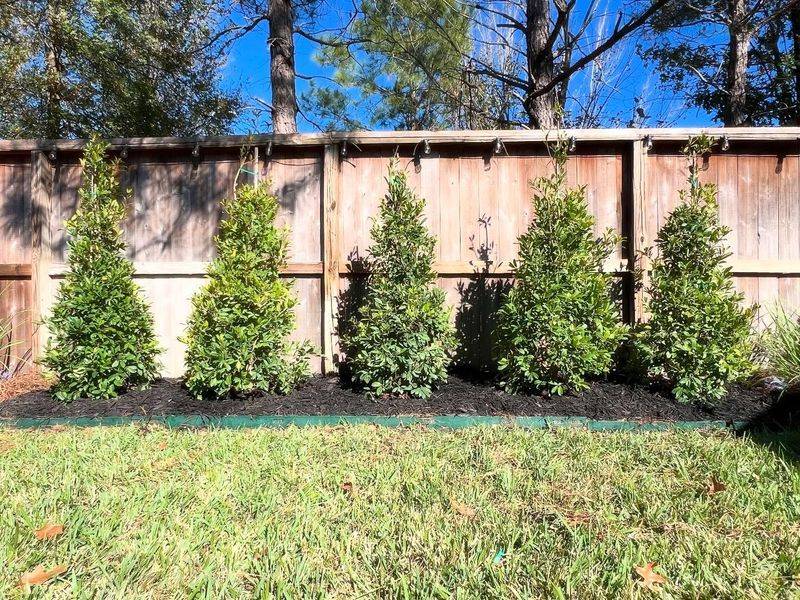
Red berries on a dark green evergreen background in the middle of December is a sight most Georgia homeowners genuinely appreciate.
Holly pulls double duty as both a privacy screen and a seasonal showpiece, and it does both without requiring much from the gardener.
Nellie Stevens Holly is one of the most popular choices in the state for exactly that reason.
Growth is steady rather than explosive, but Nellie Stevens pushes out enough new growth each year to build a solid hedge within three to four seasons.
Mature plants reach fifteen to twenty feet tall and spread six to ten feet wide, creating a thick wall that blocks views from every angle.
Yaupon Holly is another strong option for Georgia yards, especially in spots that stay wet or have poor drainage. It tolerates standing water far better than most privacy shrubs and still produces dense foliage that fills in without gaps.
Red berries on female plants attract birds through late fall and winter.
Both types handle Georgia’s clay soil and summer humidity without showing stress. Full sun produces the densest growth and the heaviest berry crop, though partial shade is tolerated.
Plant female and male varieties together if berry production matters to you, since Holly requires both for fruiting to occur.