10 Shrubs That Can Handle Full Sun And Reflected Heat In Arizona
Arizona spring can feel gentle in the morning and blazing by afternoon. Sunlight reflects off block walls, gravel, and pavers, turning certain corners of the yard into surprising heat pockets.
A shrub that looked perfect at the nursery can quickly struggle once that reflected heat builds day after day. Successful desert gardens start with plants that already know how to handle the glare.
Many heat tolerant shrubs rely on small leaves, silvery foliage, and open branching that allows air to move through the plant. Good placement helps just as much.
A little space away from walls, drip lines set slightly from the trunk, and the right mulch can keep roots cooler and healthier.
With the right choices, even the hottest corners of an Arizona yard can stay full of color, structure, and life through the long sunny season.
1. Apache Plume Adds White Flowers And Feathery Seedheads In Full Sun
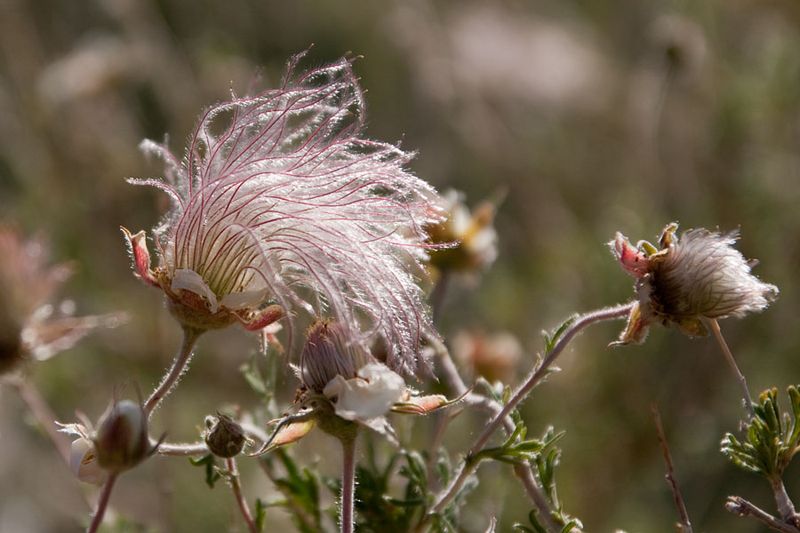
A light breeze can turn this shrub into a moving sculpture, especially once the fluffy seedheads show up. Apache Plume (Fallugia paradoxa) brings small white flowers first, then feathery plumes that hang around and catch the light.
Many Arizona gardeners love it for that soft, natural look, especially in desert-style borders that feel a little wild on purpose.
Cooler parts of Arizona and higher desert neighborhoods tend to be an easier fit, while the hottest low-desert pockets may appreciate a bit of afternoon relief during peak summer.
Fast drainage matters more than rich soil. Rocky, sandy, and decomposed-granite soils tend to suit it, and raised planting can help where water sits.
Leave a little space from block walls so hot air does not get trapped in the canopy. Organic mulch often helps keep root zones cooler than rock in summer, and it can make watering cycles feel less stressful for new plants.
2. Beebrush Brings Fragrant Blooms And Pollinator Activity In The Heat
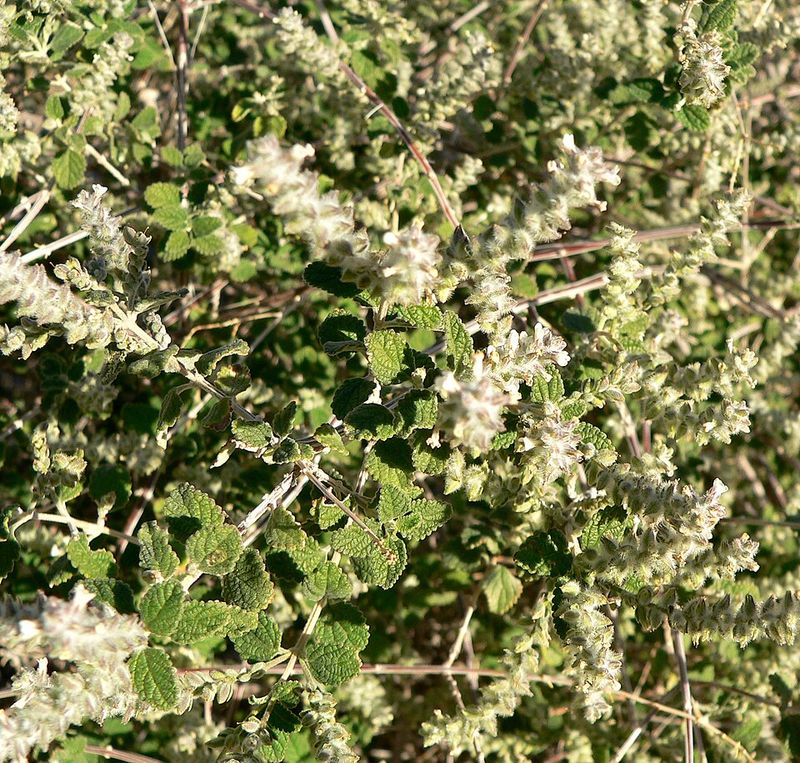
One warm evening near a patio can feel completely different when the air turns sweet and honeyed. Beebrush, also called Wright’s Bee Bush (Aloysia wrightii), can bloom heavily in late summer into fall, right when many Arizona yards look tired.
Tiny flowers draw bees and other pollinators, and the fragrance carries farther than you’d expect from such small blooms. The plant can handle bright sun, including hot exposures near gravel courtyards and south-facing walls, as long as the soil drains well.
That late-season bloom window can make a backyard feel alive again when a lot of other plants are taking a break. It also pairs nicely with desert grasses and other low-water shrubs that appreciate similar conditions.
Lean, rocky ground often works better than heavily amended beds that stay wet. A drip line placed a bit away from the base encourages roots to spread instead of circling the crown.
Frost can knock it back in colder Arizona winters, so placement near a warmer wall can help it rebound. Light shaping after flowering can keep it fuller and easier to use as a loose hedge.
In windy areas, a slightly sheltered spot can help protect new growth and keep the shrub looking tidier through the season.
3. Brittlebush Offers Silvery Leaves And Yellow Flowers In Sunny Spots
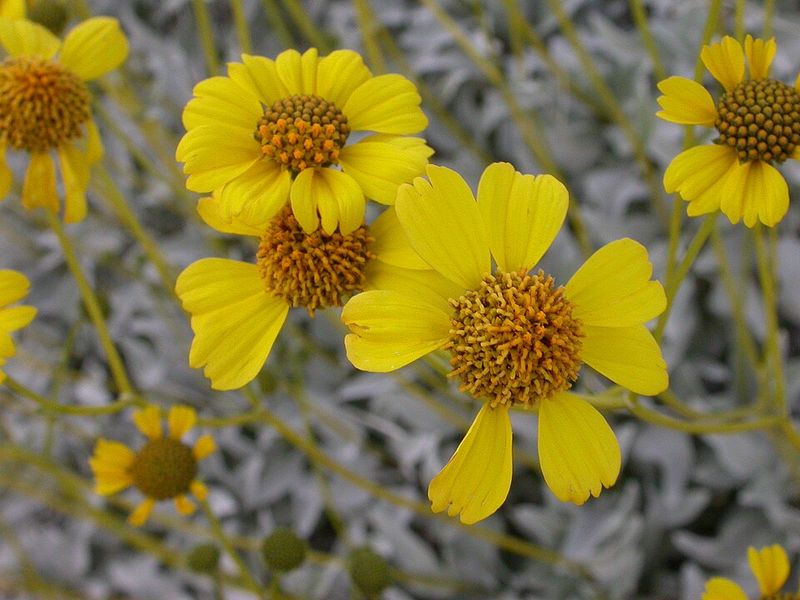
Yellow flowers over silver foliage can make a harsh corner look intentional in a hurry. Brittlebush (Encelia farinosa) thrives in bright sun and naturally grows where heat bounces off rock and bare ground.
The pale leaves reflect a lot of light, which helps it cope with Arizona glare, and the main bloom season often lands in late winter through spring.
Mass plantings look especially good along driveways or gravel beds where you want color without constant fuss.
Dry, fast-draining soil suits it, and heavy clay that stays damp can cause problems. Summer appearance can shift during very dry stretches, and the plant may drop leaves as a drought response.
A deeper soak now and then can keep it looking fuller, while a lower-water approach leans into a more natural desert look. Skip bark piled up against the stems, and keep mulch pulled back a few inches to reduce rot risk.
4. Littleleaf Cordia Produces Small White Flowers And A Mounding Shape
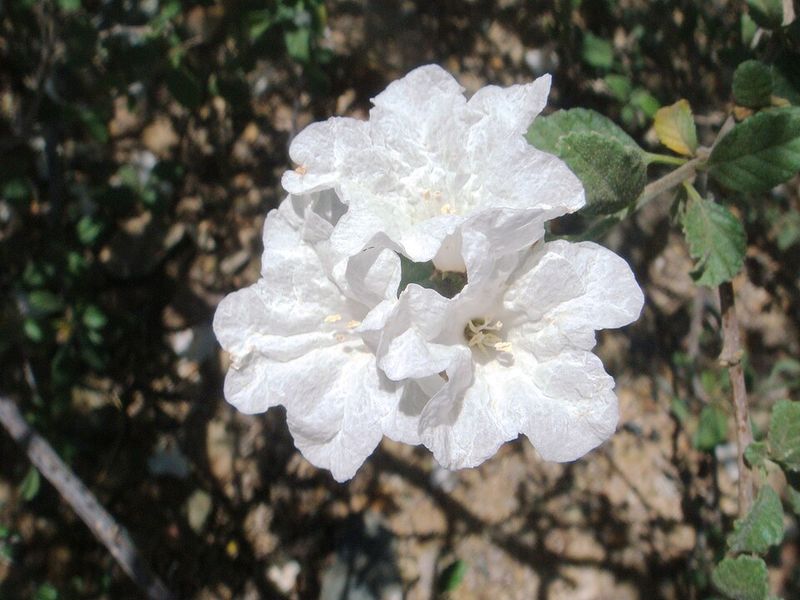
Reflected heat can roast tender shrubs, yet this one tends to keep its composure. Littleleaf Cordia (Cordia parvifolia) forms a tidy mound and pushes out small white flowers in warm weather, often after rain or irrigation.
It fits Arizona landscapes that need a mid-size shrub near hardscape without the stiff, formal vibe. The leaf texture also helps it handle sun and dry air without looking fragile.
That steady, rounded shape makes it easy to tuck into front-yard beds where you want structure without a lot of pruning. The flowers may look delicate, but the plant’s overall vibe reads tough and desert-ready once it settles in.
Drainage stays at the top of the checklist. Rocky soil, decomposed granite, and well-aerated planting beds usually work well, while soggy soil can shorten its lifespan.
Keep drip emitters slightly away from the base, and water deeply with time for the soil to dry between cycles. Organic mulch can cool the soil surface and improve moisture consistency, especially next to heat-radiating pavers.
Leave enough room for its mature width so it does not get pressed right up against a wall. A little extra space also helps with airflow, which can reduce heat stress during those still, oven-hot Arizona afternoons.
For the cleanest look, place it where its natural shape can shine, then do light touch-up pruning instead of frequent shearing.
5. Creosote Bush Brings A Classic Desert Look And Tough Green Foliage
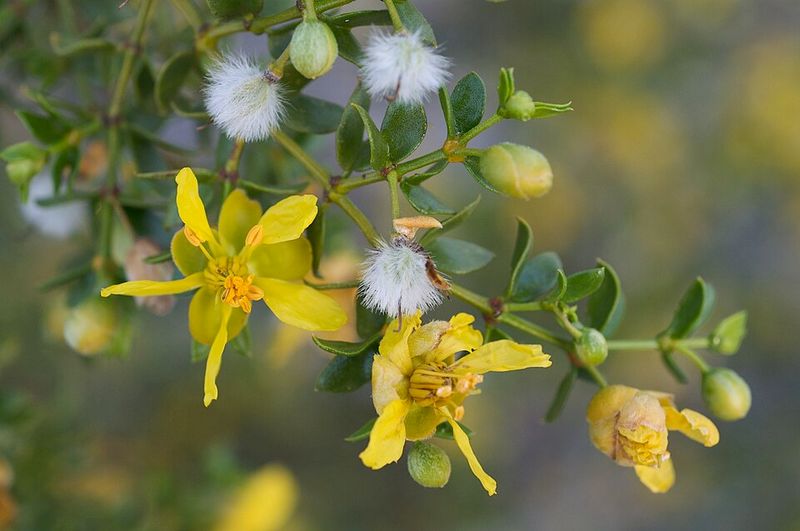
That “desert rain” scent has a starring role in this shrub. Creosote Bush (Larrea tridentata) is built for harsh sun, alkaline soils, and long dry stretches, which makes it a natural candidate for Arizona’s hottest corners.
The small resin-coated leaves help limit water loss, and the open, airy structure handles heat without turning into a dense, thirsty hedge.
It works beautifully in native-style designs, minimalist yards, and anywhere you want a plant that looks at home in the Sonoran Desert.
Good drainage still matters, even for tough natives. Avoid low spots that collect water, especially near downspouts or lawn irrigation overspray.
Give plants space so air can move through the branches, and let the shrub keep its natural form instead of shearing it into a box.
Deep, spaced-out watering during establishment can help roots settle, then irrigation can often be reduced based on rainfall and how “wild” you want the look to feel.
6. Hop Bush Makes A Dense Screen And Handles Hot, Bright Areas Well
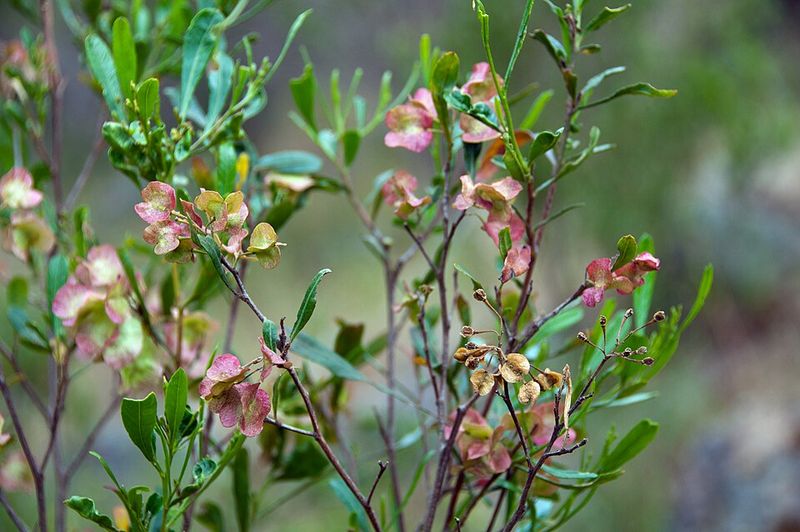
Privacy near a west-facing fence can feel urgent once the sun starts blasting the yard every afternoon. Hop Bush (Dodonaea viscosa) can fill that role with a dense screen and evergreen presence, even in bright Arizona exposures.
The papery seed pods add texture, and the plant responds well to selective pruning when you want a cleaner hedge line.
This shrub usually asks for more water than desert natives, but it can still fit water-wise landscapes with smart irrigation and good drainage.
A balanced watering approach makes a big difference. Frequent shallow watering can push weak surface roots, while deeper cycles encourage a sturdier plant.
Purple-leaf forms can look great, yet green-leaf forms often handle intense heat and glare with less stress in the hottest reflected-heat spots. Keep a couple feet between the plant and a block wall when possible so foliage does not bake against the surface.
Organic mulch can help moderate soil temps and reduce rapid drying in summer wind.
7. Jojoba Adds Blue-Green Leaves And Fits Low-Water Landscapes
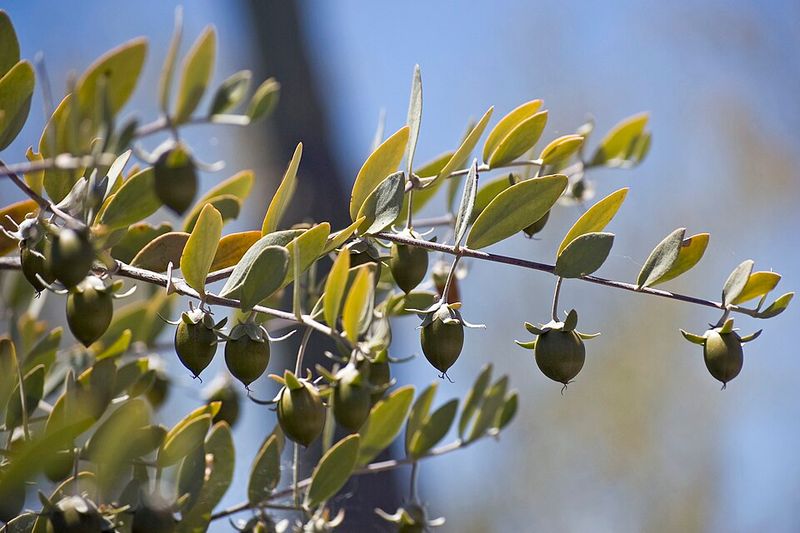
This shrub looks like it belongs in Arizona because it truly does. Jojoba (Simmondsia chinensis) has thick, waxy blue-green leaves that reflect light and handle dry air, which helps in gravel-heavy yards and along hot stucco walls.
Growth can feel slow at first, then steadier once the root system settles in. The plant also produces oil-rich seeds, although seed production usually depends on having both male and female plants in the area.
That slow-and-steady pace can be a plus in smaller yards where you want a shrub that stays orderly instead of racing out of bounds.
Up close, the foliage has a clean, polished look that pairs nicely with boulders, decomposed granite, and desert perennials.
Loose, well-drained soil fits jojoba best. Heavy soil can work with raised planting or improved drainage, especially in landscapes that already run on drip irrigation.
Give it room, since mature plants can broaden over time. Deep watering during establishment helps, then irrigation can often taper to occasional deep cycles during extended dry spells.
This shrub plays well as a foundation plant, a low screen, or a backbone piece in a native desert palette. For a more natural effect, repeat it in small groups so the blue-green color echoes across the bed and ties the whole planting together.
8. Green Feathery Senna Brings Soft Foliage And Cheerful Yellow Blooms
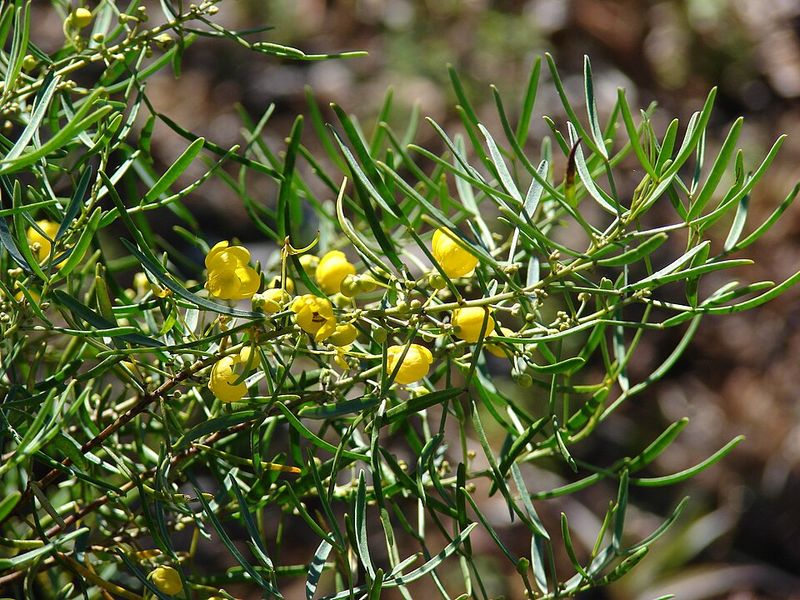
Hardscape can look sharp and angular, and this shrub softens it fast with feathery texture.
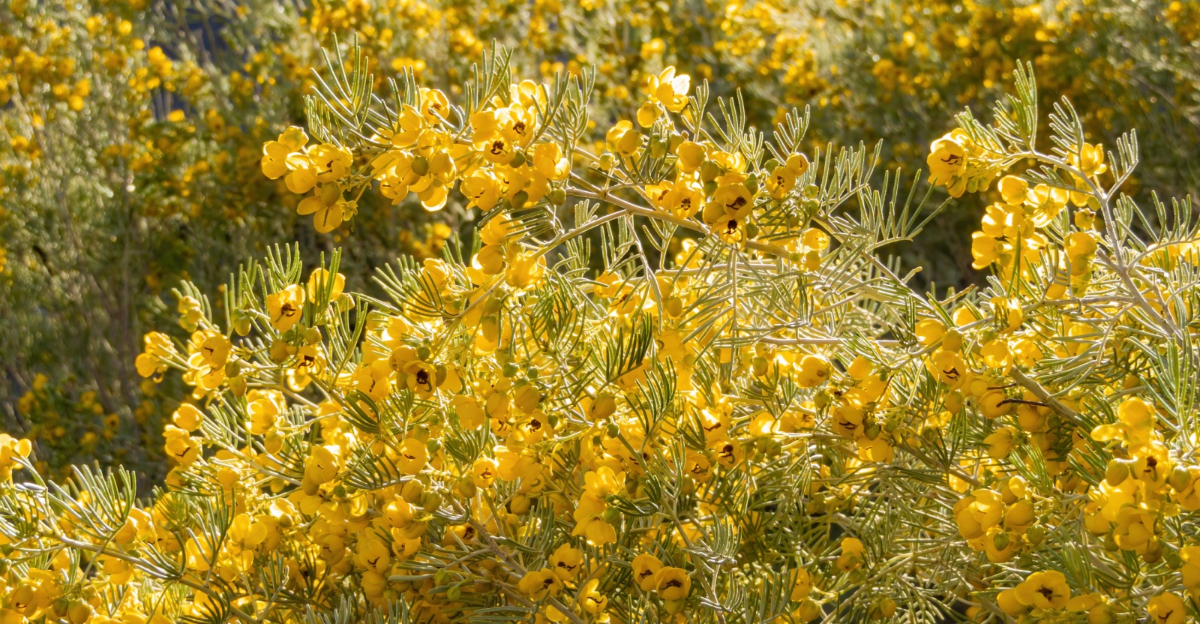
Feathery Senna (Senna artemisioides) brings airy foliage and yellow blooms that often show up in the cooler season, which can feel like a gift in Arizona when summer color fades.
It handles full sun and can take reflected heat, especially in well-drained beds. The fine leaves also help it look lighter and less bulky in smaller spaces.
Planted near boulders or along a gravel path, it adds that soft, wispy contrast that makes desert landscapes feel more layered and finished.
Overwatering tends to cause more trouble than under-watering once it is established. Many landscapes do well with occasional deep irrigation rather than frequent summer cycles, especially in low-desert yards.
Pruning after the main bloom period can keep it from getting woody and can encourage a fuller shape. Give it a little breathing room from walls, and avoid planting it where sprinklers soak the crown.
Organic mulch can help keep soil temperatures steadier during the hottest weeks.
9. Texas Sage Shows Silvery Foliage And Purple Blooms After Summer Moisture
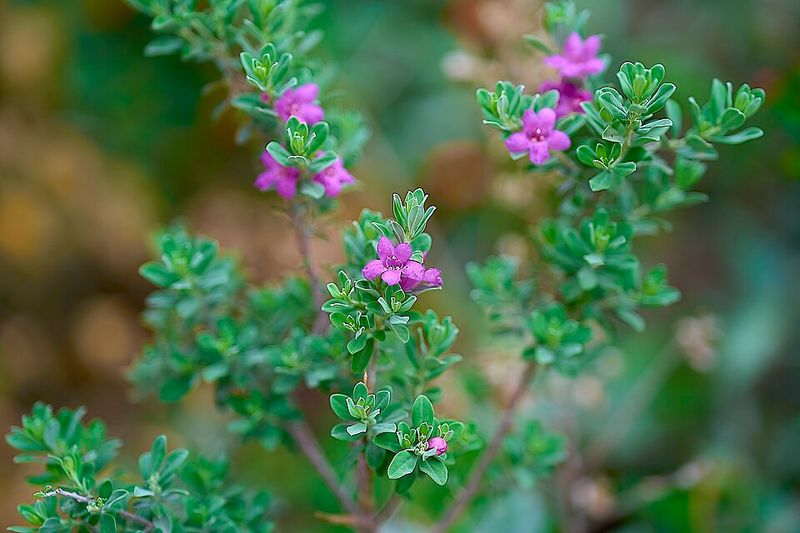
Purple blooms after monsoon humidity can feel like Arizona’s version of fireworks. Texas Sage (Leucophyllum frutescens) is famous for flowering in response to moisture and humidity shifts, and the silvery foliage looks right at home in blazing sun.
It fits reflected heat zones near driveways and block walls, especially when the soil drains quickly. Many varieties exist, and mature size can vary a lot, so spacing depends on the specific plant you buy.
A plant that looks compact in a nursery pot can surprise you in a couple of seasons once heat and sun push steady growth. Using the expected mature width as your guide can save you from constant pruning later.
Fast drainage helps prevent issues tied to soggy roots. A “less-is-more” approach to irrigation often keeps the shrub denser and healthier than frequent watering.
Leave clearance from walls so the canopy does not trap heat and so pruning stays easy. Gravel can look natural around it, yet organic mulch can help cool the root zone in extreme heat.
Light shaping after bloom cycles usually looks better than tight shearing. With a little breathing room and the right watering rhythm, it can hold its shape and color through long stretches of Arizona heat.
10. White Plumbago Adds White Flowers And A Fuller Look In Warm Areas
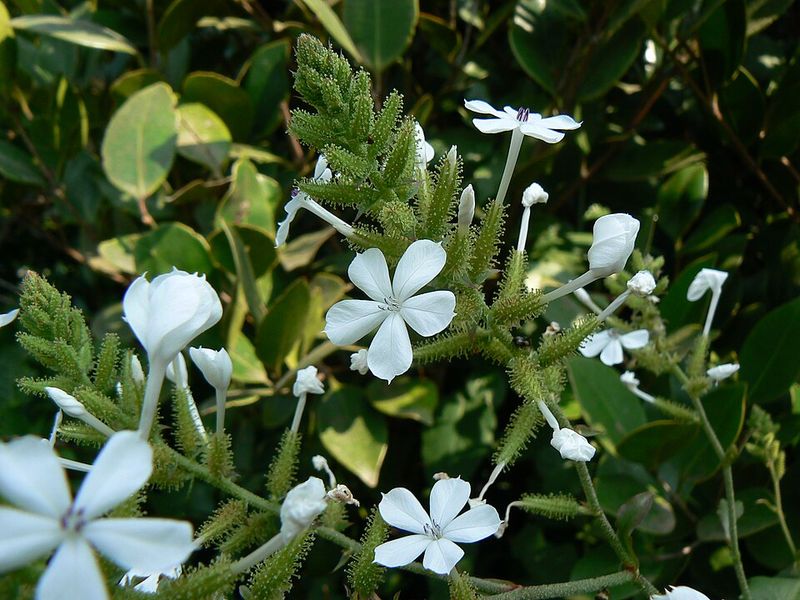
A sun-baked corner can still feel inviting once the air carries a soft herbal scent. Desert Lavender (Hyptis emoryi, sometimes sold under updated names) brings gray-green foliage and purple blooms that pair beautifully with stone, gravel, and stucco.
It handles bright sun and can take reflected heat, which makes it useful near patios and walls where many shrubs look stressed. The overall look feels relaxed and desert-appropriate rather than tropical or thirsty.
Drainage keeps it happy, especially in clay-heavy Arizona yards. Deep watering during establishment helps roots settle, then irrigation can often shift to occasional deep cycles once the plant looks established.
Cold snaps can affect it in cooler parts of Arizona, so warmer microclimates help. Light pruning after flowering can keep the shape neat without turning it into a tight ball.
Pollinators often show interest when it blooms, which adds a little extra life to the hottest parts of the yard.