Shrubs That Handle Arizona Heat Without Constant Watering
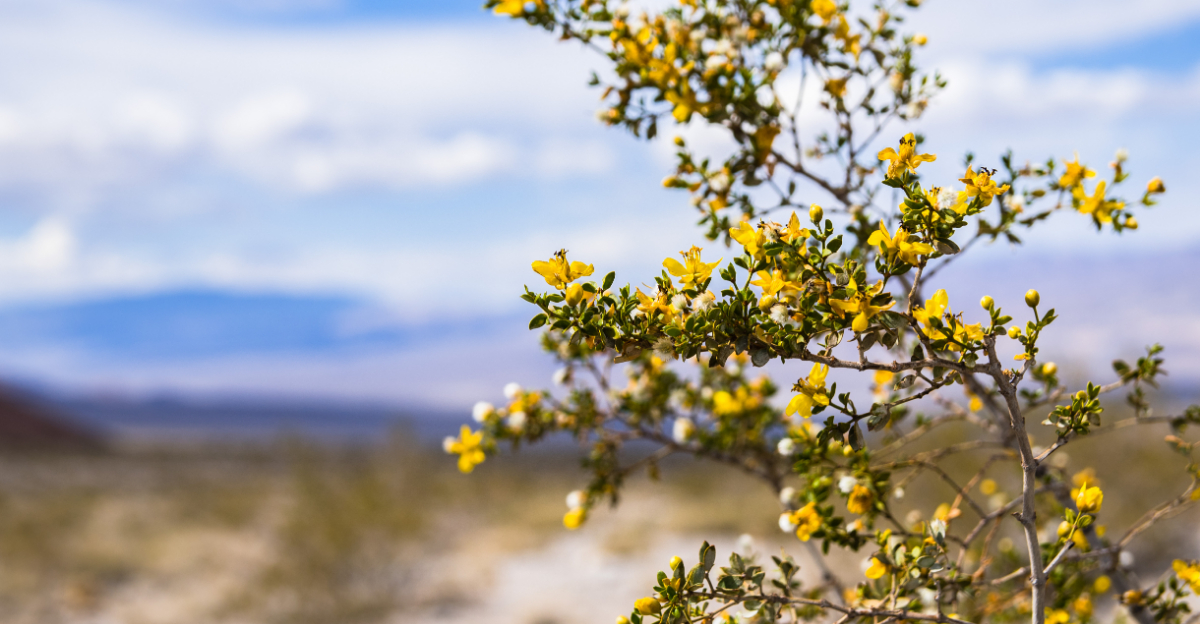
Arizona summers are legendary, and any gardener who’s spent time here knows that heat can quickly turn a lush garden into a wilted patch of brown.
Between high temperatures, blazing sun, and low humidity, finding plants that survive – and thrive – without constant watering feels like a real achievement.
Many homeowners have learned the hard way that not all shrubs can handle this environment.
The best choices are those that have evolved to withstand heat, store water efficiently, and bounce back after scorching days.
From flowering shrubs with vibrant colors to evergreens that hold their shape year-round, the right selections can fill landscapes with beauty while keeping maintenance low.
These plants also attract pollinators, provide structure, and add texture without relying on endless irrigation.
Planting the right shrubs opens the door to a garden that actually enjoys Arizona’s sun instead of battling it. A few carefully chosen varieties can change the way your yard looks and feels, offering color and life even through the hottest months.
1. Texas Sage With Its Vibrant Purple Blooms
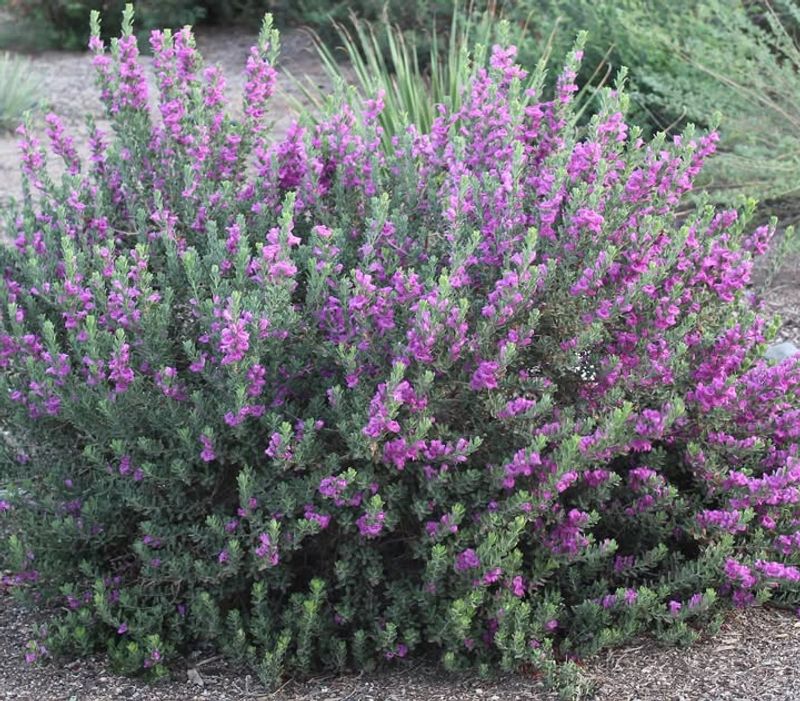
Walk past a Texas Sage on a humid Arizona morning and you might notice something amazing: it seems to bloom almost overnight after a rain. Gardeners across Arizona have nicknamed it the “barometer bush” because its purple, pink, or white flowers pop open when moisture is in the air.
That little trick alone makes it one of the most charming shrubs you can plant.
Texas Sage grows best in full sun and handles reflected heat from walls, driveways, and sidewalks without any fuss. Once it is established, it needs very little water, making it a smart pick for low-maintenance Arizona landscapes.
It typically reaches four to eight feet tall and wide, so it works well as a natural privacy screen or a standalone focal point in the yard.
The silver-gray leaves stay on the plant year-round, giving your yard color even when the flowers are not blooming. Pruning is optional, but a light trim after flowering keeps the shape tidy.
Avoid overwatering because soggy roots are the one thing Texas Sage truly dislikes. Plant it in well-draining soil, give it a little time to settle in, and it will reward you with waves of color throughout the warm months in Arizona.
2. Creosote Bush Dominating Arid Landscapes
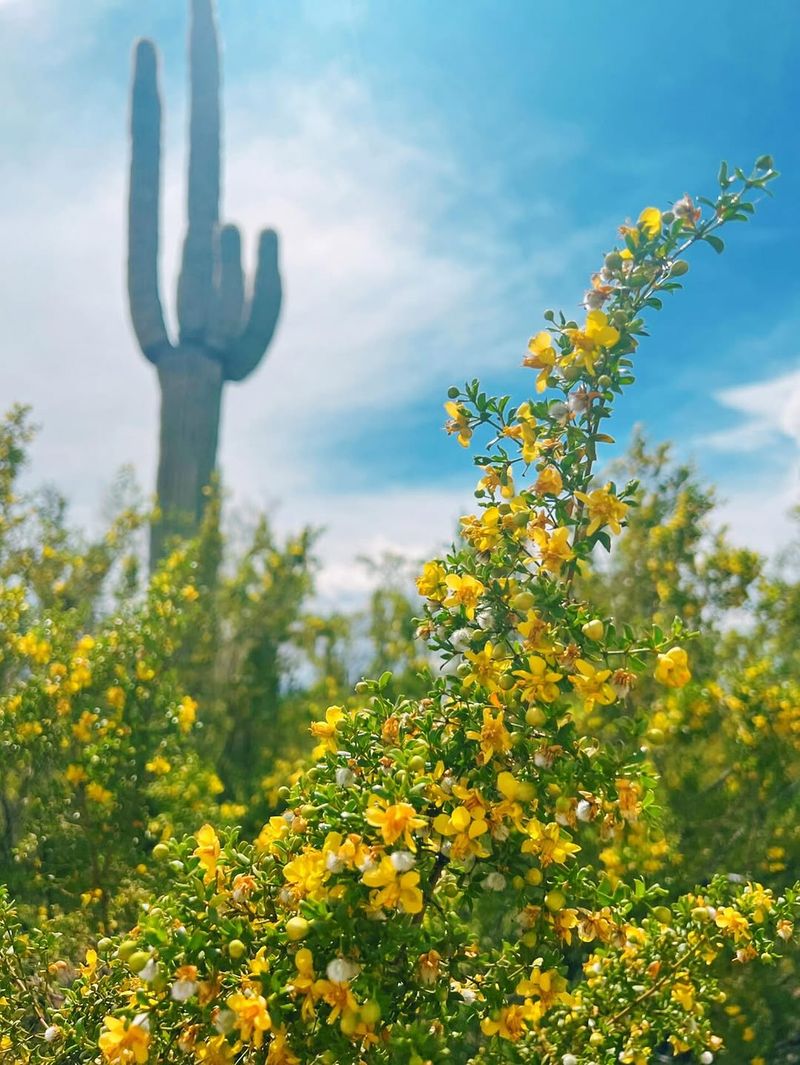
If you have ever stepped outside after a desert rainstorm in Arizona and breathed in that sharp, earthy smell, you have already met the Creosote Bush. That unforgettable scent comes from the resinous coating on its tiny green leaves, and it is one of the most recognized smells in the American Southwest.
Scientists have found individual Creosote plants in the Mojave Desert that are thousands of years old, making this one of the most enduring plants on earth.
For Arizona homeowners, Creosote Bush is a no-fuss landscaping hero. It produces cheerful little yellow flowers in spring and fuzzy white seed pods that add texture to the plant throughout the year.
Once established, it can go weeks without any supplemental water, relying entirely on natural rainfall to survive and even thrive.
Creosote Bush grows well in rocky, sandy, or caliche-heavy soils that would challenge most other plants. It handles full sun exposure all day long without showing any stress.
In a typical Arizona yard, it can grow six to ten feet tall, providing shade and structure. Wildlife also loves it: lizards, birds, and insects all use it for shelter.
Planting a few Creosote Bushes is one of the easiest ways to give your landscape an authentic desert look.
3. Desert Willow With Graceful, Hanging Flowers
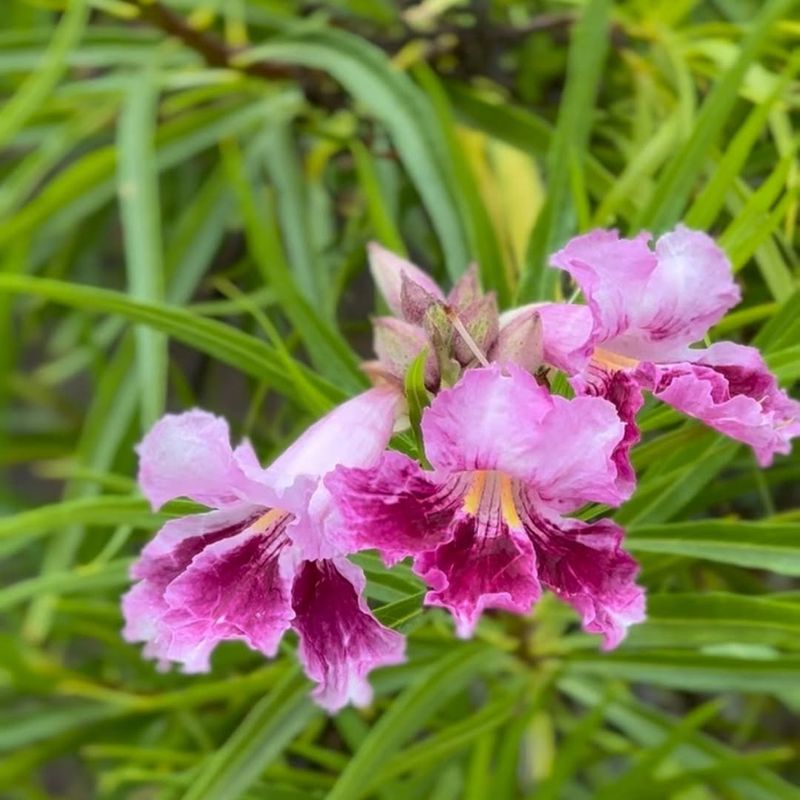
Do not let the name fool you. Desert Willow is not a true willow at all, but it earns that name with its long, slender leaves that flutter in the breeze just like a classic willow tree.
What sets it apart in Arizona landscapes is its stunning display of trumpet-shaped flowers that range from soft pink to deep purple, often with beautiful streaks and speckles inside the blooms.
Hummingbirds go absolutely wild for Desert Willow flowers, so planting one near a patio or window gives you a front-row seat to some exciting backyard wildlife action. The blooming season stretches from late spring all the way through fall, meaning you get months of color without much effort on your part.
It grows fast, often reaching fifteen to twenty-five feet, but can be kept smaller with regular pruning.
Arizona gardeners appreciate Desert Willow because it drops its leaves in winter, giving it a sculptural, artistic look during the cooler months. The twisted branches and interesting bark make it worth looking at even without foliage.
Water it deeply once a week during its first summer to help it establish strong roots, then pull back to once or twice a month. After that, nature pretty much takes over, and this beauty handles Arizona heat like a champion.
4. Palo Verde Lighting Up Gardens
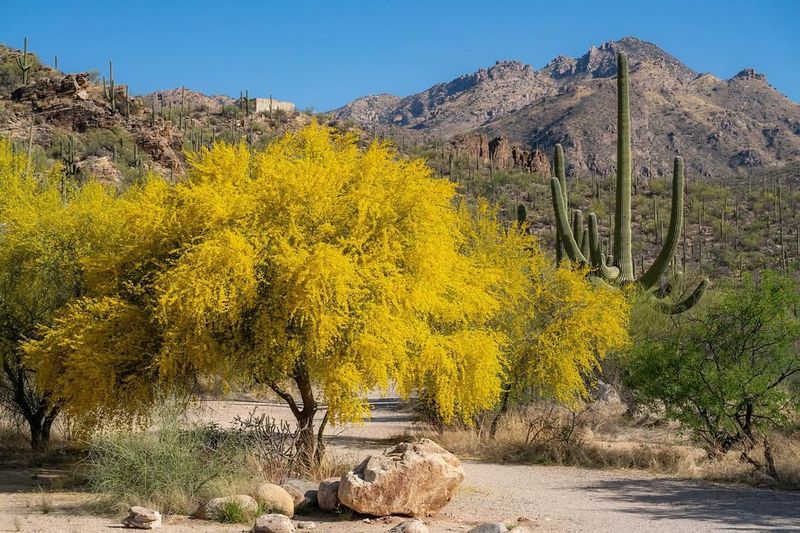
Arizona chose it as the official state tree for a reason. Palo Verde is a showstopper in spring, when its branches explode with thousands of tiny yellow flowers that can literally turn the entire plant golden.
Even from a distance, a blooming Palo Verde looks like a cloud of sunshine floating above the desert floor, and it is hard not to stop and stare.
What makes Palo Verde extra fascinating is its green bark. Unlike most trees, it can photosynthesize through its trunk and branches, which means it keeps producing energy even after it drops its tiny leaves during dry spells.
That clever adaptation is exactly why it handles Arizona heat and drought so well. It truly evolved to survive in this environment.
For home landscaping in Arizona, Palo Verde works beautifully as a shade tree, a focal point, or even a natural border plant. It grows fairly quickly and can reach fifteen to thirty feet tall depending on the variety.
Blue Palo Verde and Foothill Palo Verde are two popular options for residential yards. Water it regularly during the first year to encourage deep root growth, then cut back watering significantly.
Once established, Palo Verde often requires minimal supplemental watering, and rainfall can support its ongoing growth and flowering under typical Arizona conditions.
5. Texas Ranger With Flowers All Season
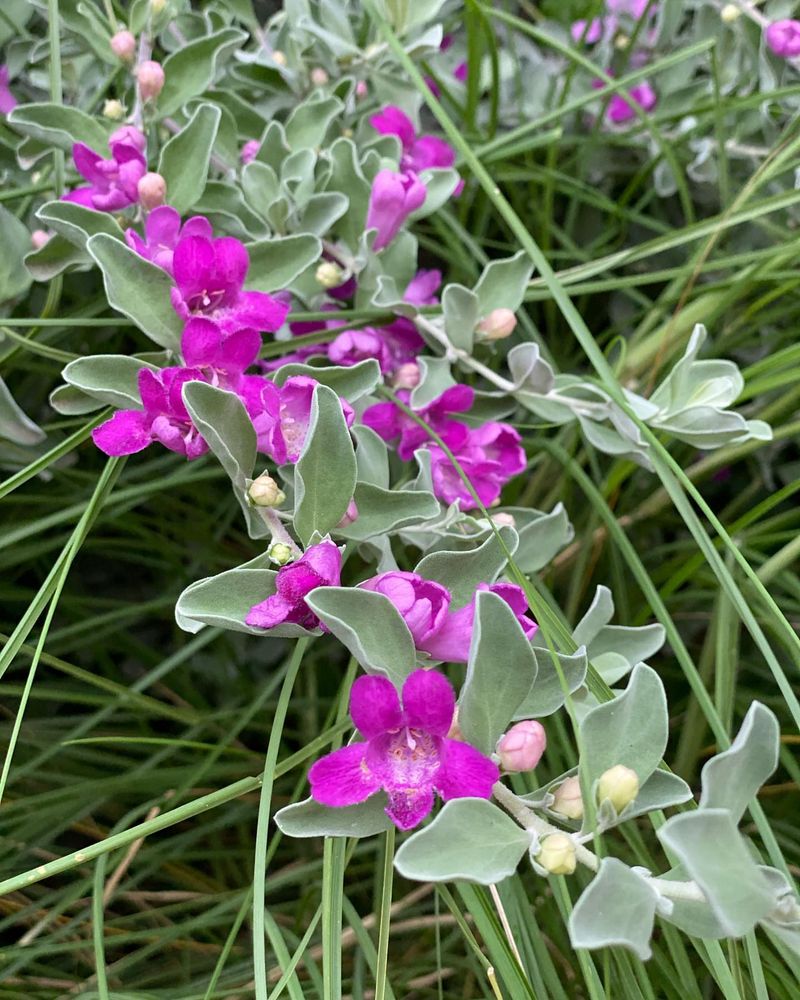
Sometimes called Purple Sage or Cenizo, Texas Ranger is one of those shrubs that makes Arizona neighbors stop and ask, “What is that beautiful plant?” Its soft, silvery-green leaves catch the light in a way that makes the whole shrub seem to glow, and when those purple flowers burst open after a summer rain, the effect is simply gorgeous. It is one of the most visually rewarding plants you can add to a low-water Arizona yard.
Texas Ranger is closely related to Texas Sage, but it tends to have a slightly more compact, rounded shape that works well in formal or neatly designed landscapes. It thrives in full sun and reflected heat, making it an ideal plant for spots near walls, fences, or paved areas where temperatures can climb even higher than the surrounding air.
Mature Texas Ranger plants are very resilient and generally tolerate Arizona’s summer heat with minimal stress, maintaining foliage and blooms under most conditions. Watering once every two to three weeks during the hottest months is usually enough after the plant is established.
Avoid heavy clay soils and overwatering, which can cause root problems. A light pruning once a year keeps it looking full and tidy.
For a reliable, low-effort shrub that brings real beauty to your outdoor space, Texas Ranger is hard to beat.
6. Autumn Sage Calling Pollinators To Your Yard
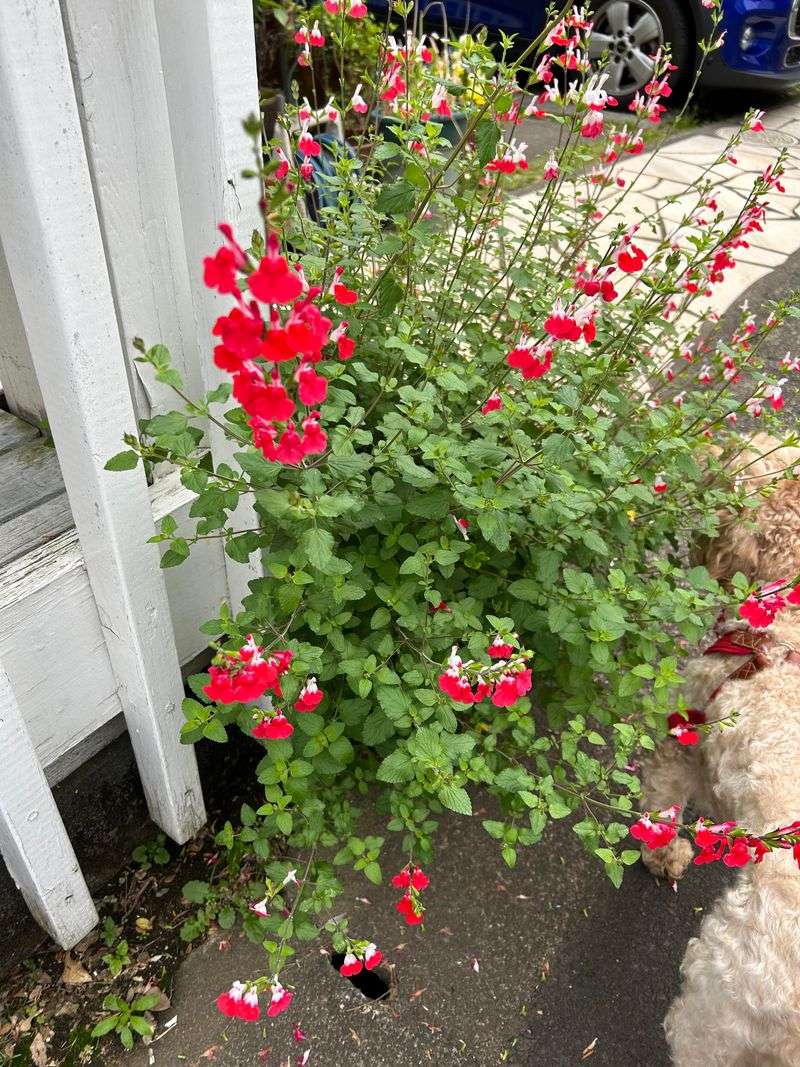
Hummingbirds practically line up for a chance to visit Autumn Sage. Its tubular flowers in shades of red, coral, hot pink, and sometimes white are perfectly shaped for hummingbird feeding, and butterflies are equally fond of them.
If you want to bring more wildlife into your Arizona yard without much work, Autumn Sage is one of the easiest ways to make that happen.
Unlike some desert shrubs that only bloom once a year, Autumn Sage earns its keep by flowering repeatedly from spring all the way through fall, and sometimes even into early winter in warmer parts of Arizona. Deadheading spent blooms encourages even more flowers, but the plant will keep blooming reasonably well even if you never touch it.
It grows two to four feet tall and wide, making it a great choice for borders, containers, or mixed planting beds.
Autumn Sage handles full sun well but actually appreciates a little afternoon shade in the hottest parts of Arizona, especially in the low desert zones around Phoenix and Yuma. It is drought-tolerant once established, needing water only every week or two during summer.
The small, aromatic leaves smell wonderful when brushed, adding a sensory bonus to your garden. Pair it with ornamental grasses or other desert perennials for a colorful, layered look that requires almost no maintenance.
7. Desert Spoon Adding Drama And Texture
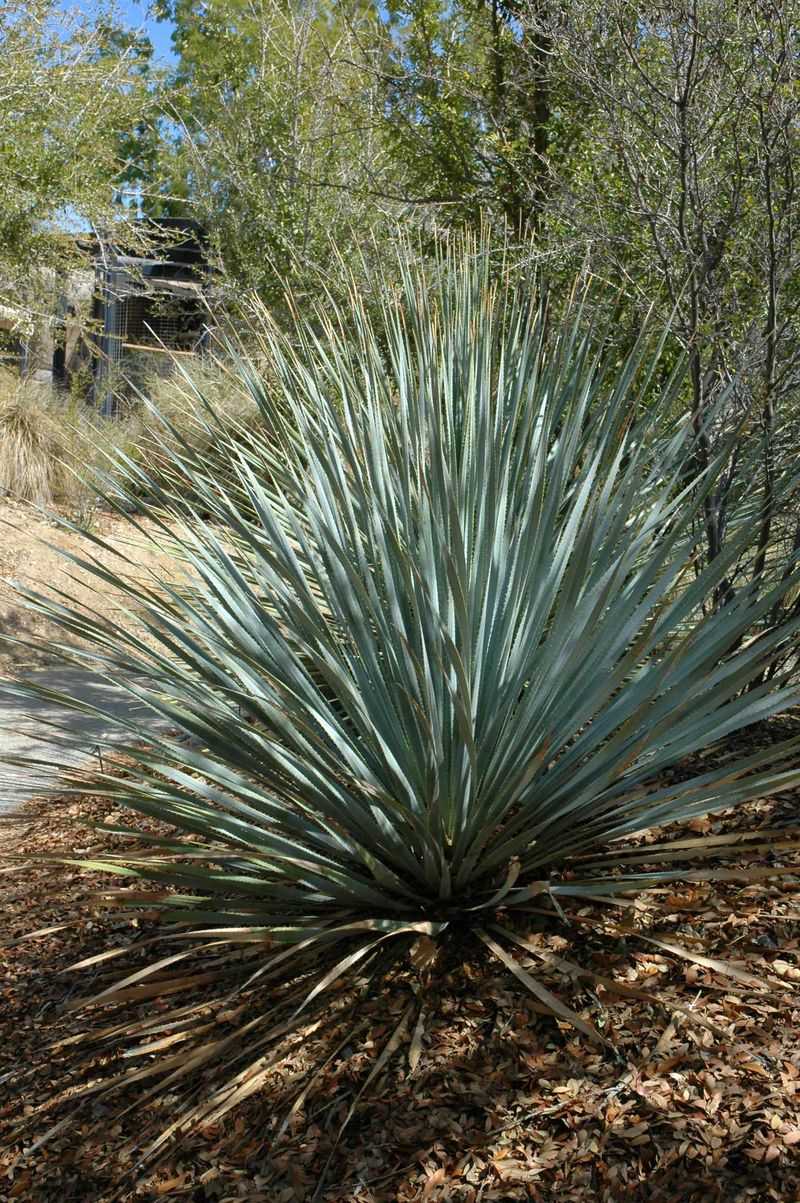
Few plants make a bolder statement in an Arizona landscape than Desert Spoon. Its long, narrow, blue-green leaves radiate outward from a central base like a giant starburst frozen in time.
The name comes from the spoon-shaped base of each leaf, which native peoples historically used as an actual utensil and for weaving and other crafts. That little history detail makes it even more interesting to grow.
Desert Spoon is technically classified as a succulent shrub, and it handles heat and drought with remarkable ease. It stores water in its thick trunk and leaf bases, allowing it to go long stretches without rainfall or supplemental irrigation.
In Arizona, established Desert Spoon plants often survive on natural rainfall alone once they are past their first year or two in the ground.
Every few years, a mature Desert Spoon sends up a dramatic flower stalk that can reach up to fifteen feet tall, topped with creamy, feathery plumes that attract bees, birds, and other pollinators. Even without the stalk, the plant looks bold and architectural in any yard.
It grows slowly, reaching about four to five feet wide over many years, so it stays manageable without much pruning. Plant it in full sun with excellent drainage and it will thrive for decades in Arizona heat without much help from you.
8. Hopbush With Clusters Of Bright Summer Flowers
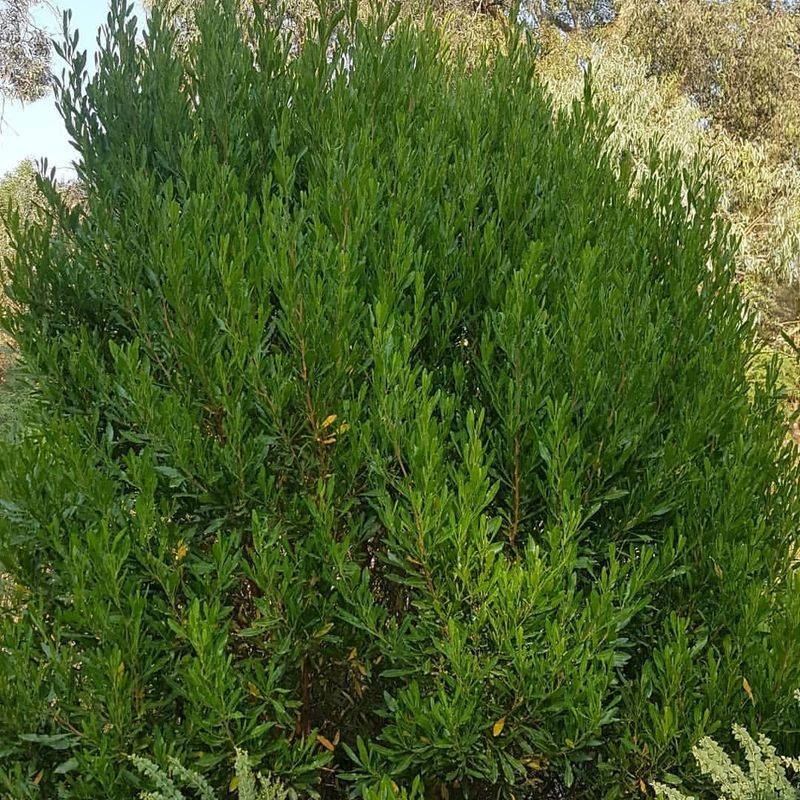
Need a fast-growing privacy screen that laughs at Arizona heat and barely needs watering? Hopbush, also known as Hopseed Bush, might be exactly what your yard is missing.
This tough evergreen shrub can grow six to fifteen feet tall and spreads wide enough to create a solid green wall between your property and the street. Gardeners across Arizona use it as a windbreak, a noise buffer, and a natural fence all at once.
Hopbush gets its quirky name from the hop-like seed pods it produces, which were historically used in some parts of the world as a substitute for hops in brewing beer. In Arizona landscapes, those papery, reddish-bronze seed pods add a nice decorative touch from late spring through summer.
The leaves are narrow, slightly sticky, and stay green year-round, which is a real bonus in a region where many plants go dormant in winter.
One of the best things about Hopbush is how little attention it needs once it gets going. It tolerates reflected heat from walls and pavement, handles poor or rocky soil, and needs only occasional deep watering after establishment.
In Arizona, once it is past its first growing season, natural rainfall often provides enough moisture to keep it healthy. Prune it lightly to shape it, or let it grow naturally for a relaxed, full look.
9. Brittlebush Covering Desert Grounds With Silver Foliage
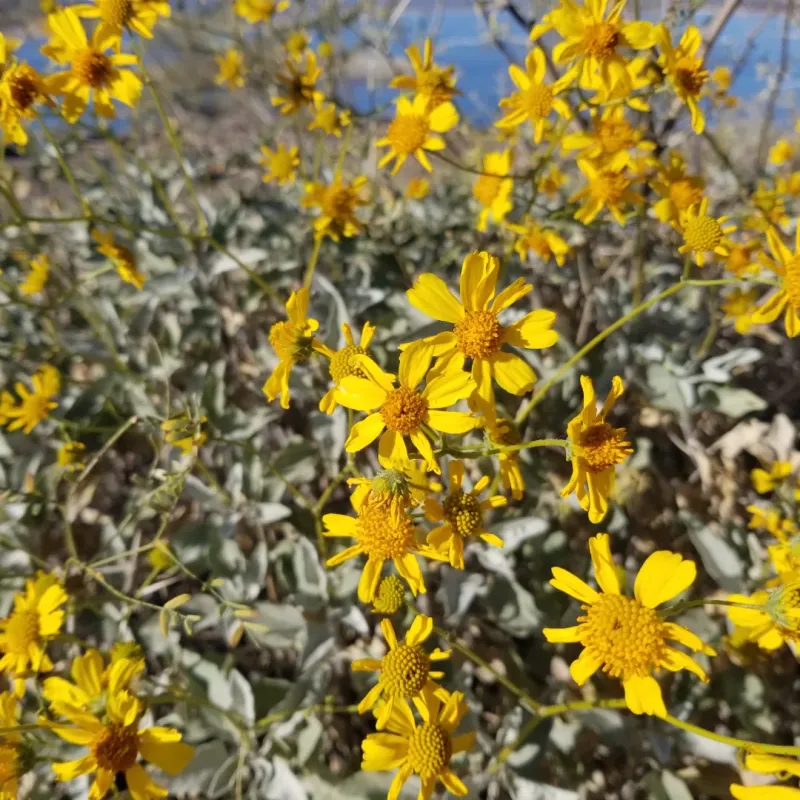
Every spring, roadsides and hillsides across Arizona turn brilliant yellow thanks to one plant: Brittlebush. Its cheerful, daisy-like flowers rise above mounds of silvery-gray leaves on long stems, creating a display that looks almost too beautiful to be real.
Native Americans historically used the aromatic resin from Brittlebush stems as incense and even as a type of chewing gum, giving this humble plant a surprisingly rich cultural history.
Brittlebush is one of the most drought-adapted shrubs you will find anywhere in the Sonoran Desert. Its silvery leaves are covered in tiny hairs that reflect sunlight and reduce water loss, a brilliant natural trick for surviving in Arizona heat.
During extreme drought, the plant simply drops most of its leaves to conserve moisture and waits patiently for better conditions before leafing out again.
For home landscapes in Arizona, Brittlebush works wonderfully as a low-growing filler plant, a slope stabilizer, or a colorful addition to a rock garden. It stays relatively compact, typically growing two to five feet tall and wide, making it easy to fit into smaller spaces.
It needs virtually no supplemental water once established and thrives in full sun with fast-draining soil. After its main spring bloom, a light shearing encourages a tidy shape and sometimes triggers a second flush of flowers later in the season.