Shrubs That Love Western Oregon Weather And Require Little Care
Rainy mornings and foggy afternoons are part of everyday life in Western Oregon, but that doesn’t mean the garden has to be high-maintenance. Many homeowners wish for beautiful greenery without constant fuss.
Certain shrubs thrive naturally in Western Oregon’s climate, tolerating wet winters, mild summers, and the occasional dry spell.
They provide texture, flowers, and year-round structure while asking very little from you once planted.
A few well-chosen shrubs can completely transform your outdoor space, making it lush, colorful, and effortless to care for. Let’s take a look at which ones will flourish in your yard this season.
1. Red Huckleberry Bursting With Color And Wildlife Fun
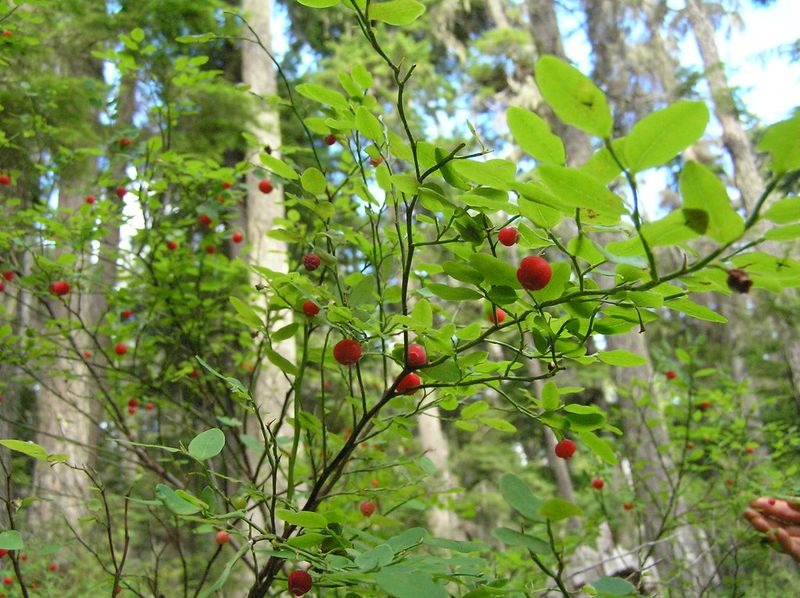
Walk through almost any shaded forest trail in Western Oregon and you will likely spot the Red Huckleberry without even trying. Its bright red berries practically glow against the green undergrowth, making it one of the most recognizable native shrubs in the region.
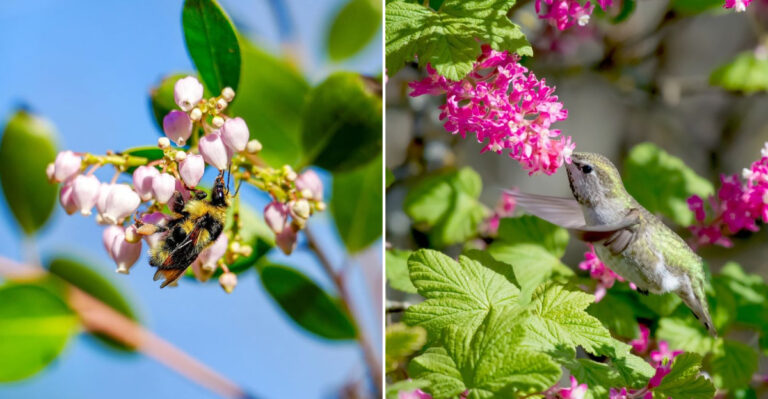
Birds absolutely love this plant, and if you plant one in your yard, expect some feathered visitors showing up regularly. Hummingbirds, songbirds, and other small wildlife may also use the shrub for shelter or feeding.
The dense growth can provide nesting sites and protective cover for small animals and insects, increasing garden biodiversity. Red Huckleberry grows best in partial to full shade, which makes it a fantastic choice for spots under tall trees where other plants struggle.
It often grows on rotting stumps or logs in the wild, which tells you something important about its personality. Rich, well-drained, acidic soil works best, but this shrub is pretty flexible once it gets settled in.
Mature plants can reach six to twelve feet tall, so give it some space to spread out naturally. You will not need to do much pruning or fertilizing.
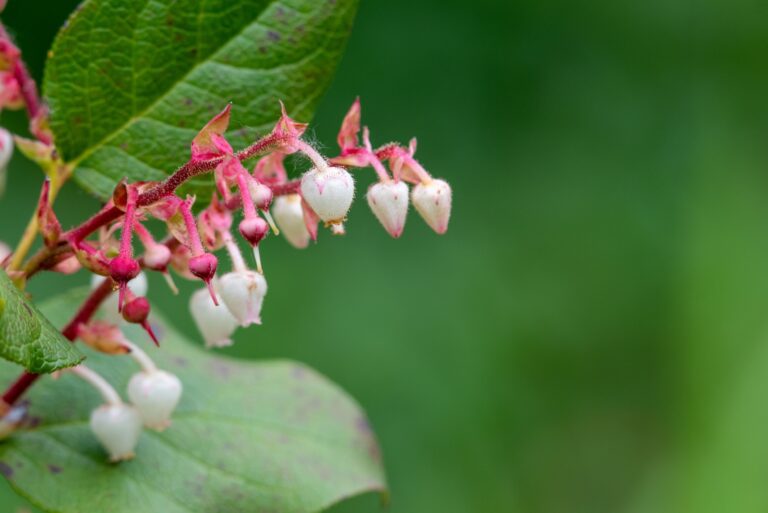
Once established, it can tolerate drier summer conditions with minimal supplemental watering. The small, pinkish-white spring flowers are delicate and charming, adding another season of interest beyond the famous red berries.
Red Huckleberry provides seasonal color, supports pollinators, and attracts wildlife while requiring relatively low maintenance.
2. Evergreen Huckleberry Keeping Gardens Lively Year-Round
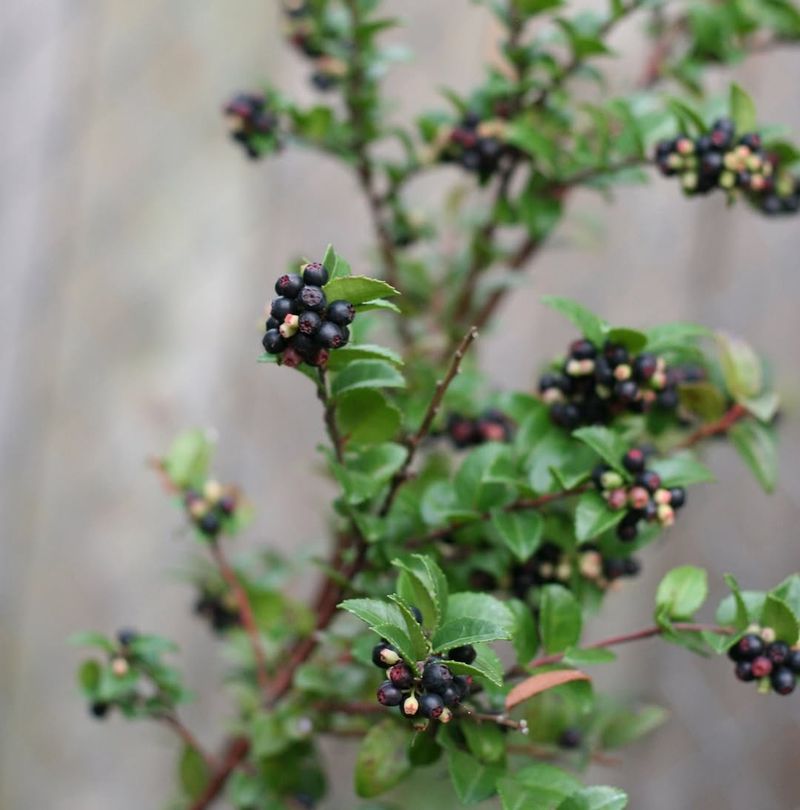
Few shrubs earn as much praise from Western Oregon gardeners as the Evergreen Huckleberry. Unlike its cousin the Red Huckleberry, this one keeps its glossy, dark green leaves all year long, giving your garden structure and color even during the gray winter months.
The leaves are small, neat, and almost leathery, which gives the whole plant a polished, tidy look without any effort on your part. Come late summer, clusters of small, dark blue-black berries ripen and can be harvested for use in jams or eaten fresh.
Many people in the Pacific Northwest use them for jams, pies, and fresh snacking straight off the bush. Wildlife may rely on the berries, making Evergreen Huckleberry a valuable food source for local birds and mammals.
The dense foliage also provides shelter for small birds and beneficial insects, supporting biodiversity and contributing to a healthy backyard ecosystem. Additionally, the plant can help reduce soil erosion, maintain ground cover on shaded slopes, and provide shade for seedlings or smaller plants growing nearby.
Growing well in shade to partial shade, this shrub fits naturally under the canopy of Douglas firs and big-leaf maples that are so common across Western Oregon. It prefers acidic, well-drained soil and, once established, handles summer drought with ease.
Slow-growing and compact, it rarely needs pruning to stay attractive. Evergreen Huckleberry provides year-round structure, supports local wildlife, and requires relatively low maintenance once established.
3. Snowberry Rolling Out Winter White Magic
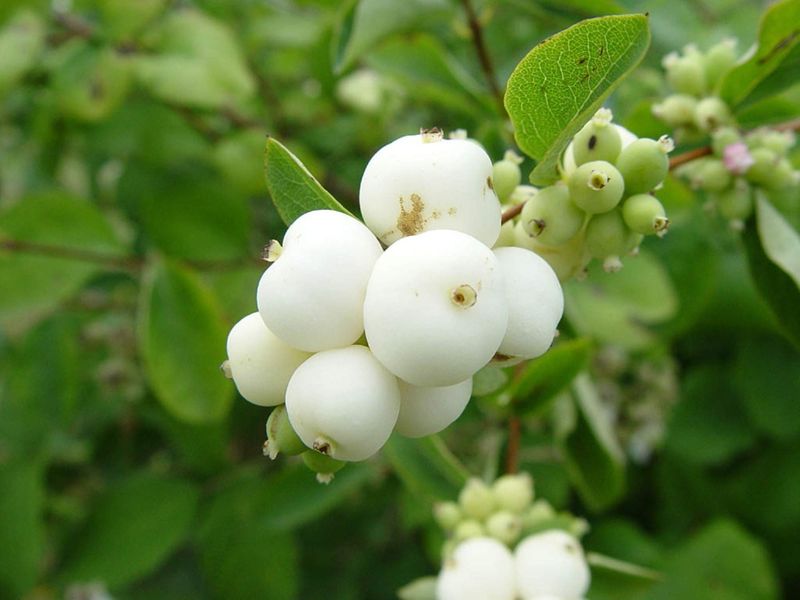
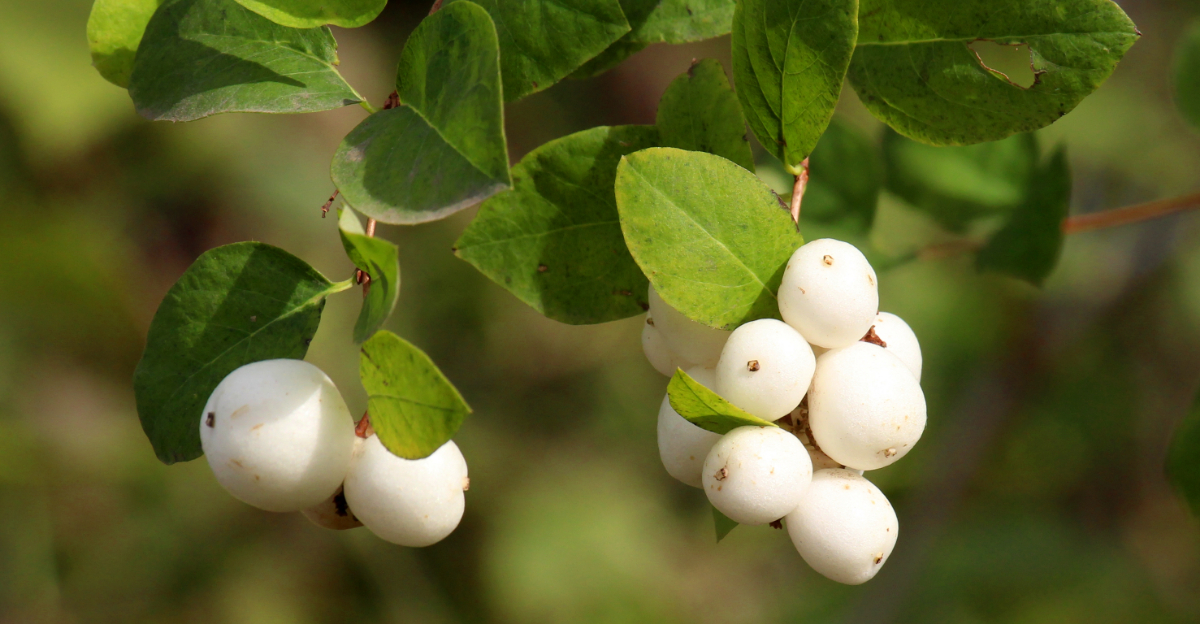
Snowberry has a kind of quiet magic that sneaks up on you. Most of the year it blends into the background as a modest, rounded shrub with small oval leaves.
Then autumn arrives, and suddenly those arching branches are covered in clusters of plump, waxy white berries that look almost fake, like someone glued little marshmallows all over the plant. It is genuinely one of the most eye-catching shrubs in a Western Oregon garden during the fall and winter months.
Snowberry is highly adaptable to a range of soil and light conditions. It tolerates wet soils, dry soils, deep shade, and full sun without complaining.
In fact, it is one of the best choices for difficult spots in your yard where nothing else seems to want to grow. Its spreading root system also makes it excellent for stabilizing slopes or stream banks, which is a real practical bonus in Oregon’s hilly terrain.
Birds like quail and grouse eat the berries throughout winter when other food sources are scarce. The small pink flowers that appear in summer may be tiny, but they attract bees and hummingbirds reliably.
Snowberry spreads slowly by underground runners, forming natural thickets over time. For gardeners in Western Oregon who want a tough, wildlife-friendly shrub that handles neglect with grace, Snowberry is a genuinely outstanding option that deserves far more attention than it usually gets.
4. Pacific Ninebark Adding Texture And Twists To Your Yard
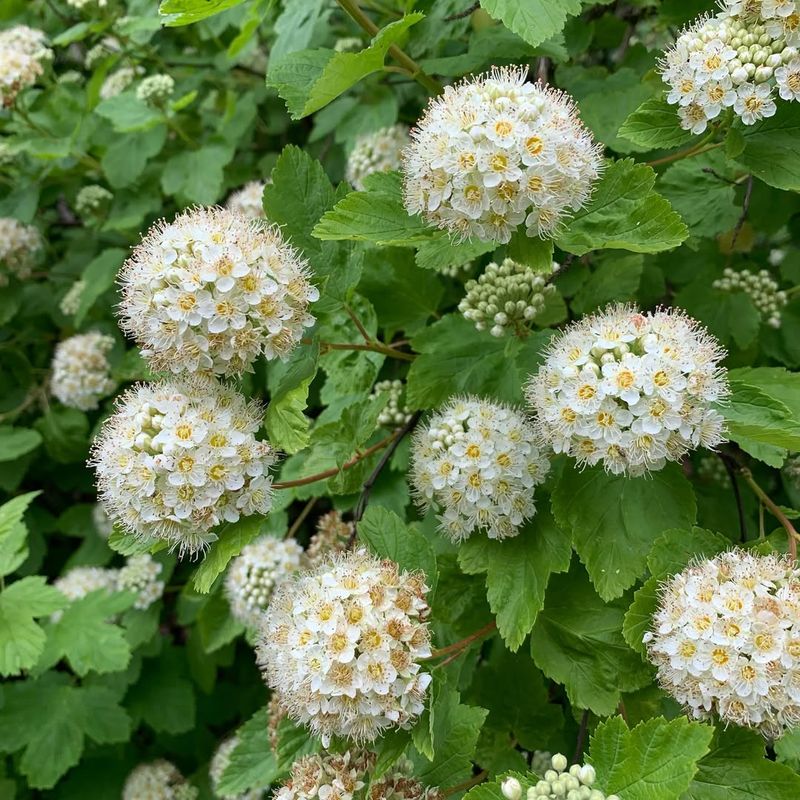
Named for its fascinating peeling, layered bark, Pacific Ninebark is one of those shrubs that offers something interesting to look at in every single season. In late spring, rounded clusters of small white flowers cover the plant and attract a wide variety of pollinators, from bees to butterflies.
By summer, the flowers give way to reddish seed clusters that birds find irresistible. And in winter, when the leaves have fallen, the shredding, coppery bark becomes a sculptural feature all on its own.
The dense foliage also provides shelter for small birds, beneficial insects, and other wildlife, contributing to a balanced garden ecosystem. Native to Western Oregon and the broader Pacific Northwest, Pacific Ninebark is extremely well-adapted to the region’s climate.
It thrives along stream banks and in moist, low-lying areas where many other shrubs would struggle. Pacific Ninebark performs well in consistently moist soil, making it suitable for wet areas in the garden.
That said, once it is well-established, it can also handle drier summer conditions without too much trouble. Growing anywhere from six to twelve feet tall, Pacific Ninebark works beautifully as a natural screen or informal hedge.
Pruning is optional and only needed if you want to control its size. It grows vigorously in full sun to partial shade and requires no fertilizer once it finds its footing.
Pacific Ninebark is a low-maintenance native shrub that performs well in Western Oregon conditions.
5. Oceanspray Splashing Blooms And Beauty Everywhere
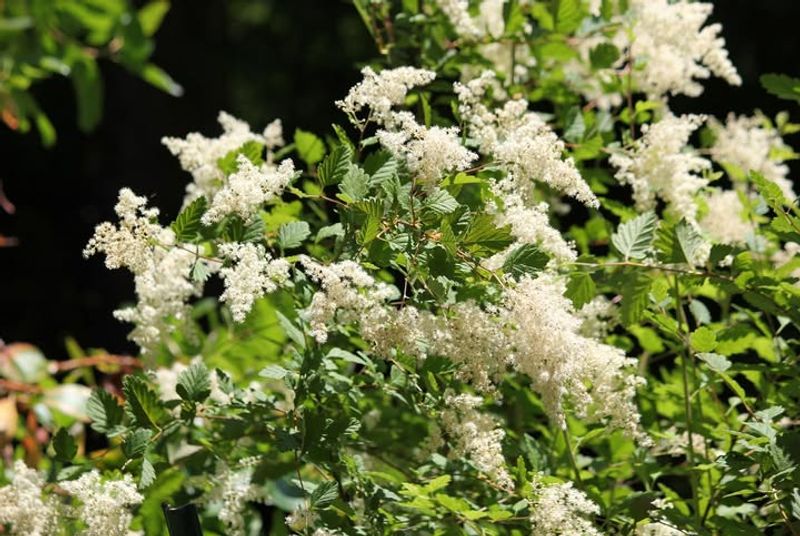
Every summer, Oceanspray puts on one of the most spectacular flower shows of any native shrub in Western Oregon. Long, feathery plumes of creamy white flowers cascade from arching branches, sometimes so heavy with blooms that the whole plant seems to bow under the weight of them.
Seen from a distance on a dry hillside, a mature Oceanspray in full bloom is genuinely breathtaking, which is exactly how it earned its poetic common name. Historically, Indigenous peoples of the Pacific Northwest prized Oceanspray for its incredibly hard wood, using it to make tools, arrow shafts, and digging sticks.
That same toughness translates into a shrub that handles Western Oregon’s challenging summer drought better than almost anything else. Once established, Oceanspray can tolerate periods of dry weather with minimal supplemental watering and provides habitat for pollinators, beneficial insects, and small wildlife throughout the growing season.
Oceanspray prefers well-drained soil and plenty of sun, making it ideal for sunny slopes, roadsides, and open garden borders. It grows quickly when young and can reach ten to fifteen feet tall at maturity.
The dried flower clusters persist through fall and winter, adding texture and providing seeds for small birds. Minimal pruning after flowering keeps it tidy if you prefer a neater look.
Oceanspray provides seasonal interest, supports pollinators, and is drought-tolerant, making it a valuable addition to Western Oregon gardens.
6. Cascade Oregon Grape Bringing Bold Green And Wildlife Cheer
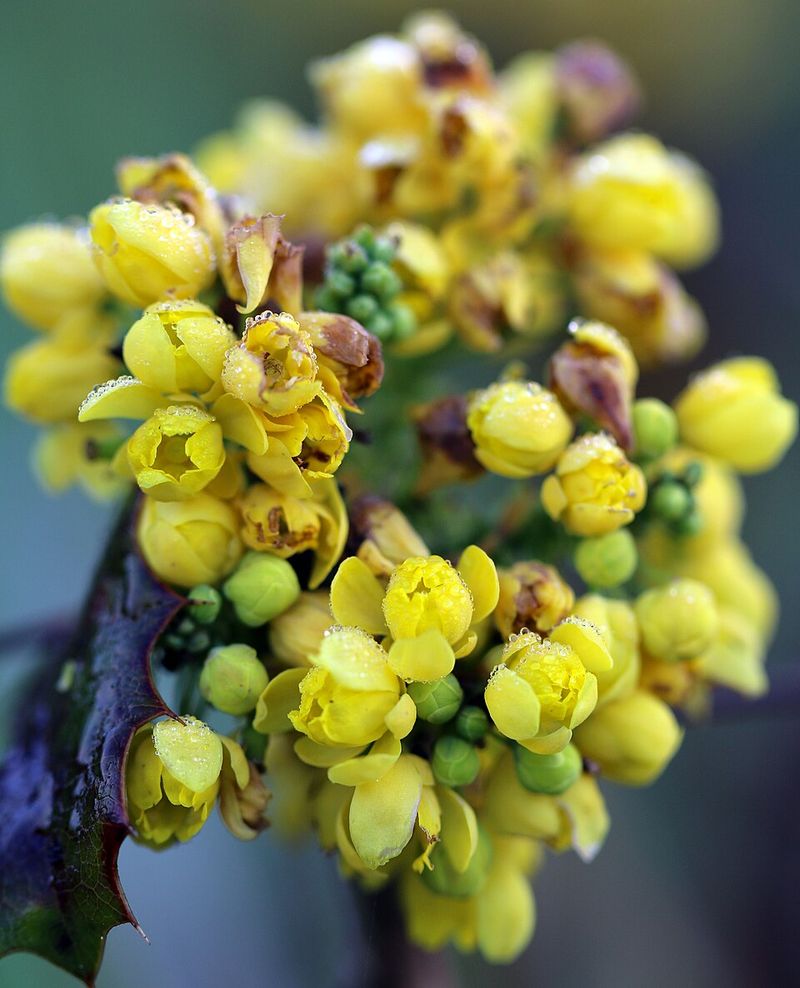
Tough, beautiful, and completely at home under the dense canopy of Western Oregon’s forests, Cascade Oregon Grape is the shorter, more shade-tolerant cousin of the better-known Tall Oregon Grape. Reaching only about two feet in height, it spreads slowly across the ground with stiff, spiny leaflets that look almost prehistoric.
The foliage turns brilliant shades of red and bronze in winter, giving it a dramatic seasonal shift that surprises a lot of first-time growers. Bright yellow flowers appear in early spring, providing an early nectar source for pollinators.
Those flowers later develop into clusters of dusty blue-purple berries that taste tart but are used in jellies and syrups across the Pacific Northwest. Birds and other wildlife also rely on the berries as a reliable food source through late summer and fall.
The dense foliage additionally provides shelter for small birds and beneficial insects, adding ecological value to your garden. Cascade Oregon Grape grows well in shade and can tolerate dry conditions once established.
It thrives beneath conifers and other large trees where little else survives. The spiny leaves also make it a natural deterrent for deer browsing, which is a significant bonus for gardeners in rural areas of Western Oregon.
No fertilizing, no regular watering after establishment, and only occasional cleanup is needed. For a ground-level, low-maintenance native shrub that earns its place in the garden year-round, Cascade Oregon Grape is a standout performer.
7. Tall Oregon Grape Standing Proud With Vibrant Flair
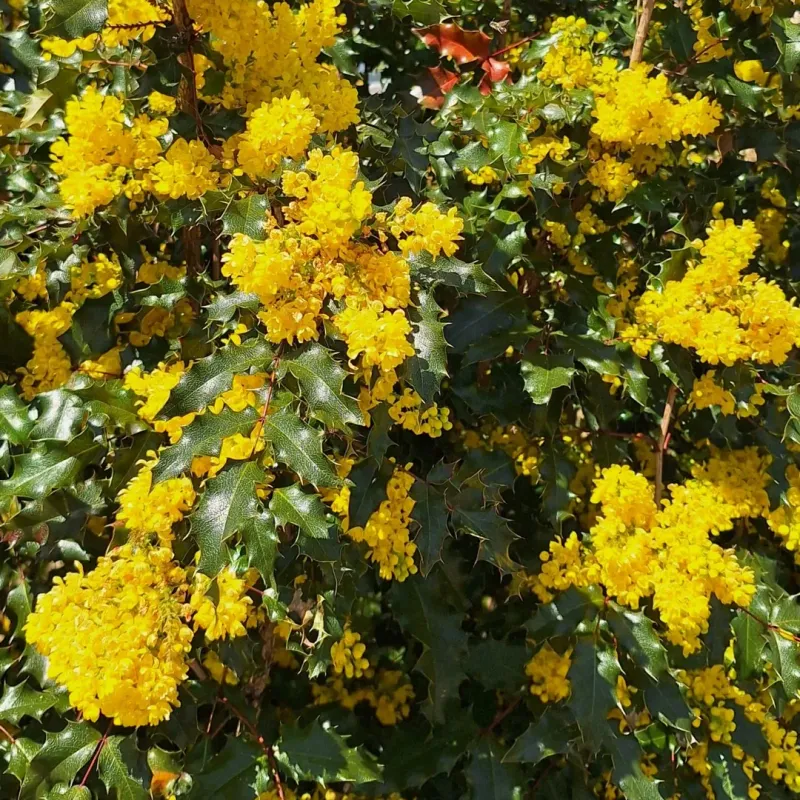
Bold, architectural, and undeniably striking, Tall Oregon Grape is one of the most iconic plants of the Pacific Northwest. It holds the honor of being Oregon’s official state flower, and once you see it in full bloom with its upright clusters of bright yellow flowers in early spring, it is easy to understand why.
The spiny, holly-like leaves stay green and glossy all year long, giving the shrub a formal, structured appearance that works well in both wild and cultivated gardens across Western Oregon.
After the flowers fade, clusters of blue-purple berries develop and ripen through summer. Berries are edible and have a sharp, tart flavor that works well in jams and wine.
Birds like cedar waxwings and robins enjoy them as a food source. The plant’s deep yellow inner wood and roots contain berberine, a compound with a long history of use in herbal medicine traditions.
Tall Oregon Grape grows well in full sun to deep shade and tolerates dry, rocky, or poor soils with ease. Once established, it requires almost no supplemental watering, which is a major advantage during Western Oregon’s dry summers.
It can reach up to six feet tall and spreads gradually by underground stems. Light pruning after flowering keeps it compact if needed.
Tall Oregon Grape is an evergreen native shrub that provides year-round structure and requires relatively low maintenance.
8. Western Azalea Blooming Fragrance And Coastal Charm
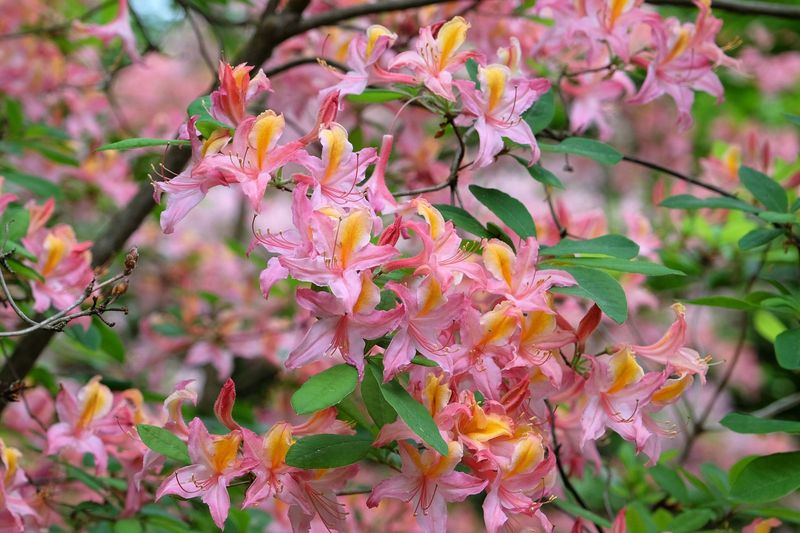
If there is one shrub that can genuinely stop people in their tracks, it is the Western Azalea in full bloom. Each spring, this deciduous native erupts in clusters of large, funnel-shaped flowers ranging from pure white to pale pink with a golden blotch at the center.
The fragrance is rich and sweet, drifting across the garden on warm afternoons and drawing in pollinators from surprisingly far away. It is the kind of plant that makes neighbors stop and ask what it is.
Native to stream banks and moist, open woodlands in Oregon, Western Azalea is well-adapted to Western Oregon’s climate. It loves moisture during the growing season and benefits from the region’s naturally acidic soils.
Planting it near a water feature or in a consistently moist area of the garden brings out its very best performance. Good drainage is still important, though, since standing water around the roots causes problems over time.
Growing six to ten feet tall at maturity, Western Azalea works well as a specimen plant or as part of a mixed native shrub border. Fall brings another reward when the leaves turn orange and red before dropping, extending the plant’s visual interest well into autumn.
Mulching around the base helps retain soil moisture through summer dry spells. With showy flowers, a pleasant fragrance, and adaptability to Western Oregon conditions, Western Azalea is a low-maintenance choice for home landscapes.