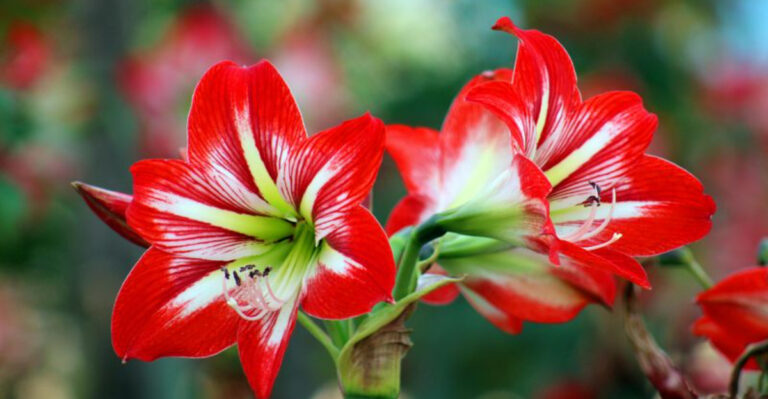
12 Shrubs That Produce Better Blooms When Pruned In Winter In North Carolina
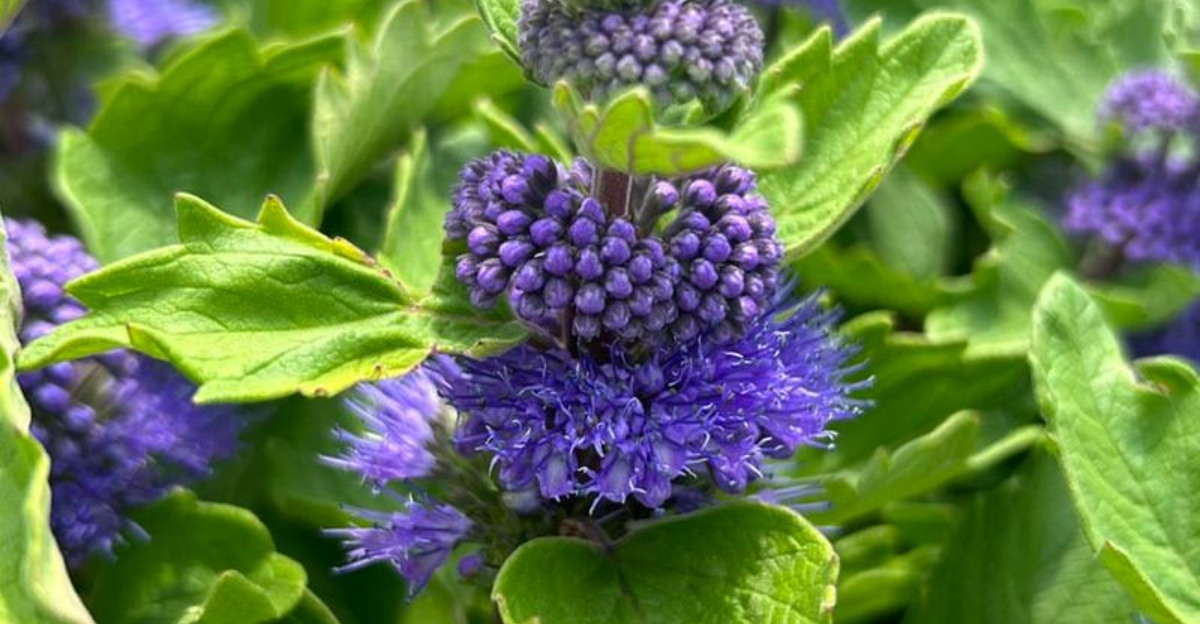
Winter pruning might sound like odd timing, but many shrubs actually thrive when trimmed during their dormant season in North Carolina’s mild climate.
Cutting back certain flowering shrubs before spring arrives helps them channel energy into producing stunning blooms rather than maintaining unnecessary old growth and branches.
North Carolina gardeners have discovered that strategic winter pruning creates healthier plants with more vibrant flowers and stronger structures throughout the growing season ahead.
Learning which shrubs benefit from winter trimming can transform your garden into a spectacular showcase of color when warmer weather finally returns each year.
1. Crape Myrtle
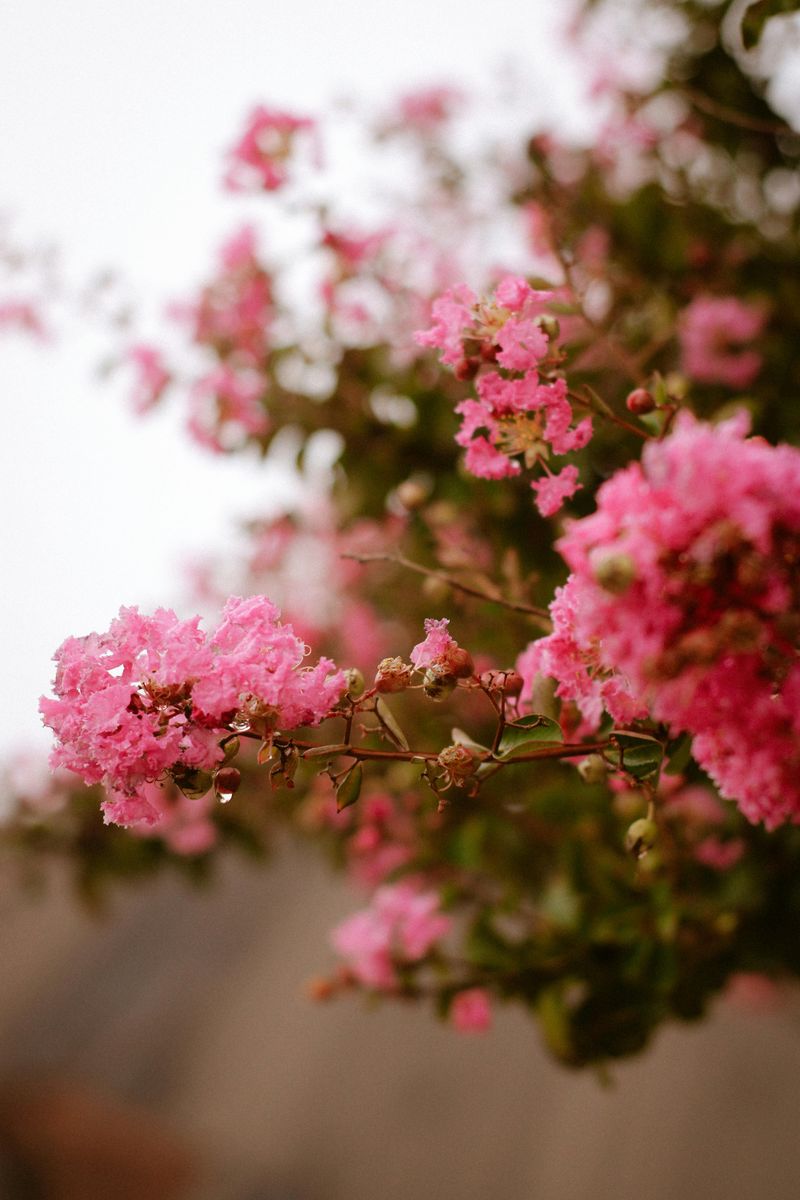
Crape myrtles stand as southern garden favorites, displaying spectacular summer blooms in shades ranging from white to deep purple across North Carolina landscapes today.
Winter pruning removes crossing branches and encourages strong new growth that produces larger flower clusters when temperatures rise and growing conditions become ideal again.
North Carolina’s climate provides perfect conditions for these beauties, with cold winters allowing proper dormancy before explosive spring growth begins in earnest.
Trimming during January or February prevents sap bleeding and reduces stress on the plant, making recovery faster and more efficient than pruning later.
Remove suckers and small twigs while shaping the overall structure to create an attractive form that showcases those magnificent blooms throughout summer months.
Avoid topping or severe cutting, which creates weak growth and reduces flower production rather than enhancing the plant’s natural beauty and vigor overall.
Proper winter pruning results in stronger branches that support heavy flower clusters without breaking or bending under weight during peak blooming season ahead.
2. Butterfly Bush
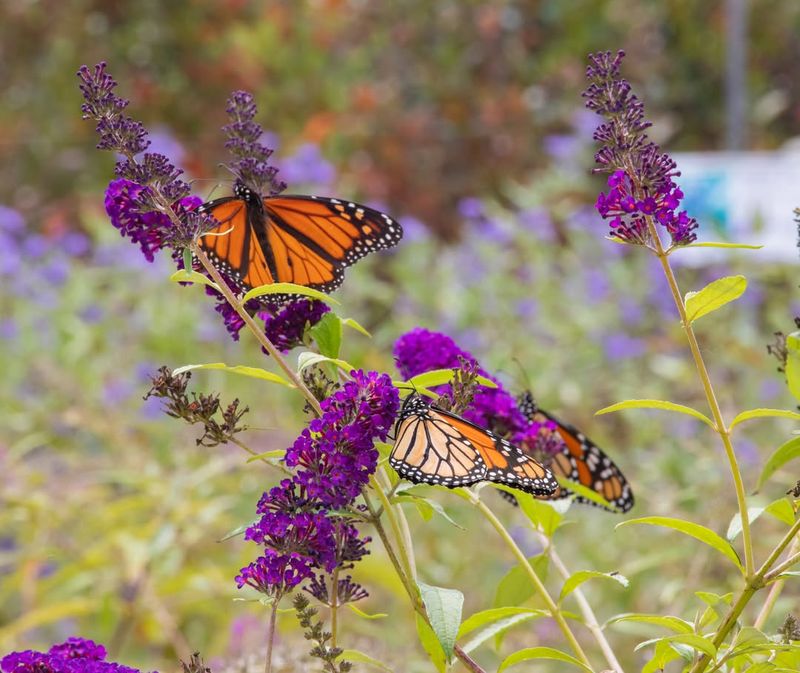
Butterfly bushes attract pollinators like magnets, filling gardens with colorful visitors while producing long spikes of fragrant flowers throughout warm months in Carolina.
Cutting these shrubs back hard during winter dormancy stimulates vigorous new shoots that bloom heavily from summer through fall with minimal maintenance required.
North Carolina winters provide ideal timing for aggressive pruning, as plants rest deeply and won’t waste energy trying to heal wounds during active growth.
Trim stems down to twelve or eighteen inches from ground level, leaving a compact framework that explodes with fresh growth when spring warmth arrives.
This dramatic cutting might seem extreme, but butterfly bushes respond beautifully, producing stronger stems and larger flower spikes than unpruned specimens ever could manage.
Old wood rarely blooms well, so removing it entirely redirects plant energy toward creating abundant new flowering shoots that butterflies and hummingbirds absolutely adore.
Winter pruning also prevents these fast growers from becoming leggy or oversized, keeping them manageable and attractive within smaller garden spaces throughout seasons.
3. Rose of Sharon
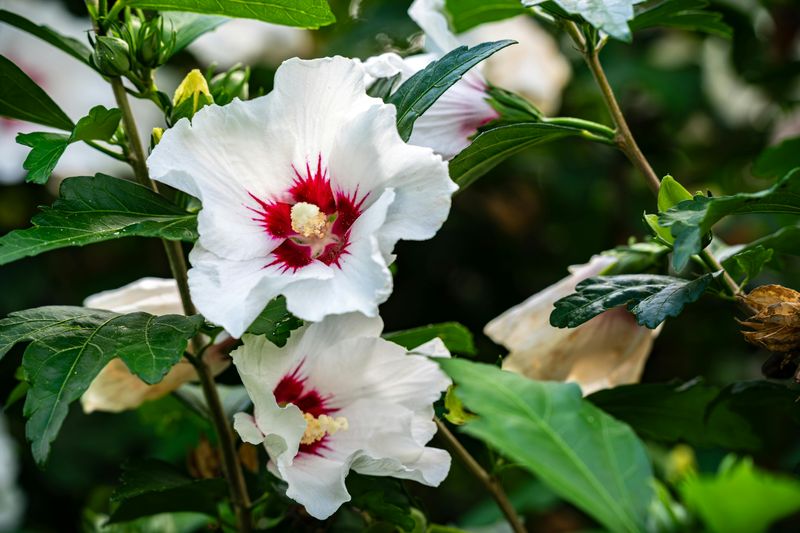
Rose of Sharon produces tropical-looking hibiscus flowers during late summer when many other shrubs have finished their blooming cycles across North Carolina gardens.
Winter trimming shapes these vigorous growers while removing old wood that contributes little to flower production during the upcoming growing season ahead each year.
North Carolina’s moderate winters allow gardeners to prune without worrying about extreme cold damage affecting cuts or causing additional stress to dormant plants.
Cut back about one-third of the oldest stems to ground level while shortening remaining branches by roughly half their length for balanced structure.
This selective approach encourages branching, which means more flowering shoots will develop along each stem when warm weather triggers active growth patterns again.
Flowers appear on new wood, so winter pruning directly increases bloom quantity by stimulating fresh shoot production rather than maintaining unproductive old growth.
Shaping during dormancy also controls size effectively, preventing these enthusiastic growers from overwhelming garden spaces or blocking windows and pathways unintentionally over time.
4. Smooth Hydrangea
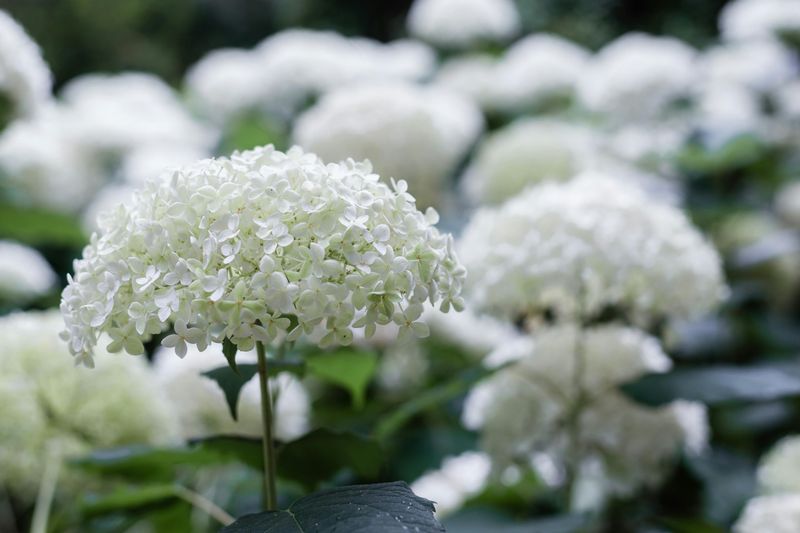
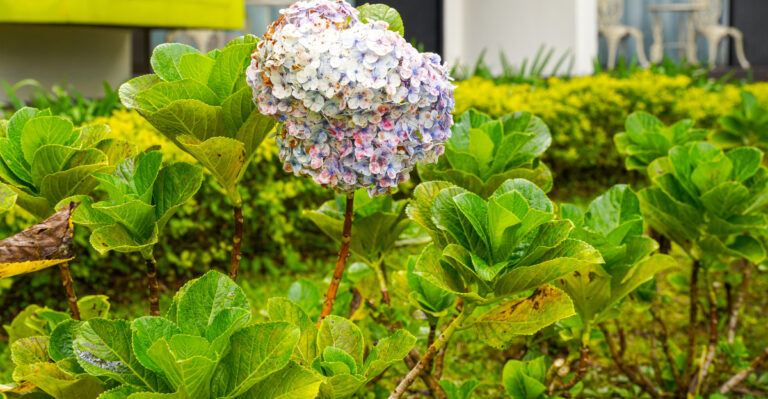
Smooth hydrangeas produce massive white flower heads on new growth, making winter pruning an essential practice for maximizing their impressive summer display.
Unlike other hydrangea types, smooth varieties bloom exclusively on current-season wood, so cutting them back hard during dormancy won’t sacrifice any flowers.
North Carolina gardeners can confidently trim these shrubs to twelve inches tall each winter, knowing spectacular blooms will appear on fresh growth later.
This aggressive approach prevents plants from becoming woody and overgrown while encouraging compact, manageable forms that fit beautifully into foundation plantings and borders.
Removing all old stems redirects energy entirely toward producing robust new shoots that support those enormous flower clusters without flopping or requiring staking.
Winter timing allows wounds to heal before active growth begins, reducing disease risk and ensuring plants channel resources toward flowers rather than recovery.
Consistent annual pruning maintains healthy, vigorous specimens that bloom reliably and abundantly year after year without declining in performance or becoming sparse over time.
5. Summersweet
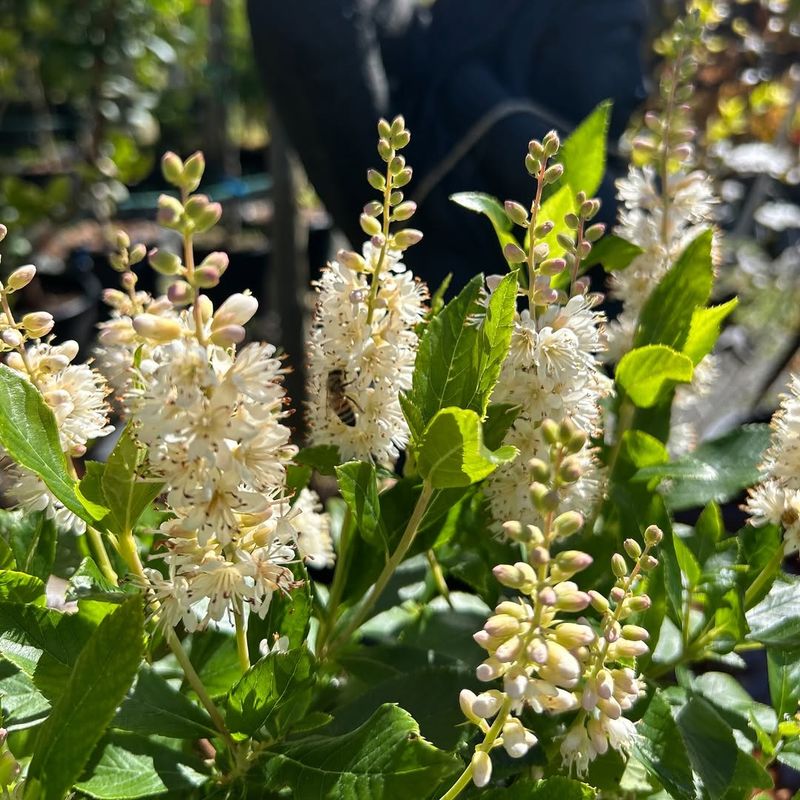
Summersweet fills gardens with spicy-sweet fragrance during mid-summer, producing white or pink flower spikes that attract bees and butterflies in impressive numbers.
Blooms form on new wood, making winter the perfect time for pruning without risking flower loss during the upcoming growing season ahead.
North Carolina’s climate suits summersweet perfectly, with adequate moisture and moderate temperatures supporting vigorous growth after dormant-season trimming takes place each year.
Remove about one-quarter of the oldest stems at ground level while lightly shaping remaining branches to maintain an attractive, natural-looking form throughout.
This selective pruning prevents overcrowding, improves air circulation, and encourages fresh shoots that bloom more prolifically than older, established wood typically manages alone.
Winter timing minimizes stress because plants rest completely, allowing them to heal and prepare for explosive spring growth without diverting energy from development.
Proper pruning also controls size, keeping these moderate growers appropriately scaled for smaller yards and preventing them from overshadowing nearby plants or structures unnecessarily.
6. Beautyberry
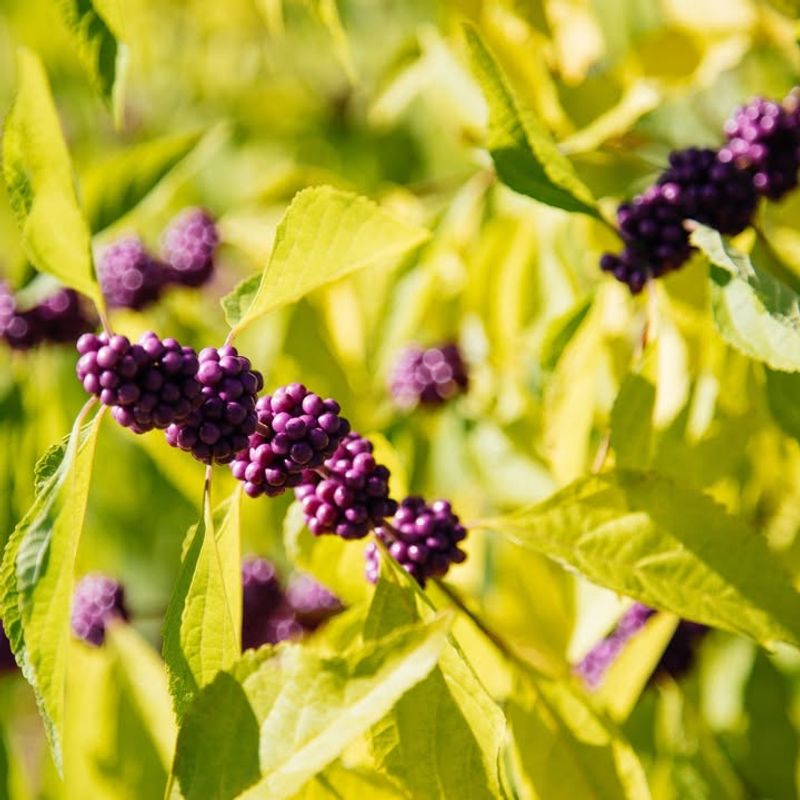
Beautyberry dazzles with vibrant purple berries that cluster along arching branches during fall, creating stunning displays that persist well into winter months.
While berries provide the main attraction, small pink flowers appear on new growth first, making winter pruning beneficial for both bloom and berry production.
North Carolina’s native beautyberries respond enthusiastically to hard pruning, sending up vigorous shoots that flower and fruit heavily throughout the growing season ahead.
Cut plants back to six or twelve inches tall during late winter, creating a low framework that regenerates quickly once warm weather arrives.
This dramatic approach might seem harsh, but beautyberries naturally grow vigorously and actually perform better with aggressive annual trimming than without intervention at all.
Removing old wood prevents legginess and encourages compact, bushy growth that produces berries at eye level where they’re easily appreciated rather than high overhead.
Winter pruning also eliminates any overwintering pests or diseases, giving plants a fresh start and reducing problems that might otherwise affect performance during active growth.
7. Abelia
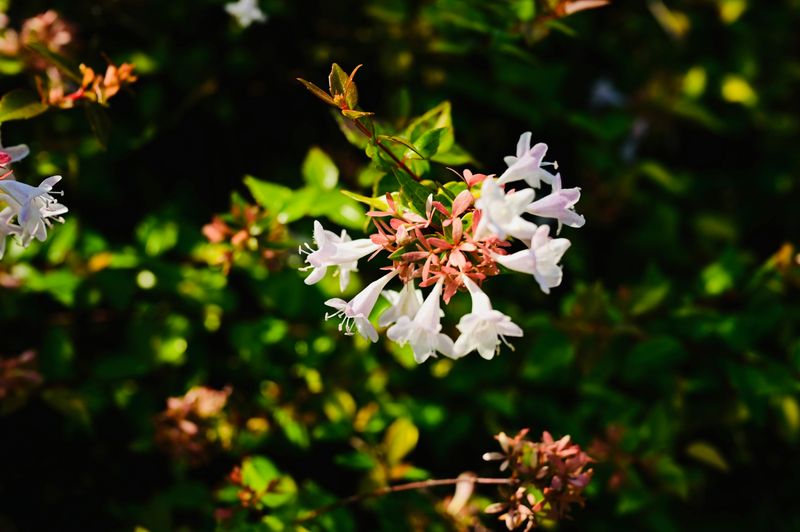
Abelia blooms continuously from late spring through fall, producing tubular flowers that attract hummingbirds while providing glossy foliage that looks attractive year-round.
Flowers appear on new growth, so winter pruning enhances bloom production by stimulating fresh shoots that flower prolifically throughout the long growing season.
North Carolina’s moderate climate allows abelias to retain some foliage through winter, but dormant-season trimming still works perfectly for shaping and rejuvenation purposes.
Remove about one-third of the oldest stems to ground level while lightly trimming remaining branches to maintain desired size and attractive rounded form.
This selective approach prevents overcrowding, improves light penetration, and encourages branching that creates fuller plants with more flowering points distributed throughout the canopy.
Winter timing allows cuts to heal before growth resumes, minimizing stress and ensuring plants focus energy on producing flowers rather than wound recovery.
Regular pruning keeps these adaptable shrubs appropriately sized for foundation plantings and borders, preventing them from outgrowing their spaces or requiring drastic corrective cutting.
8. Spirea
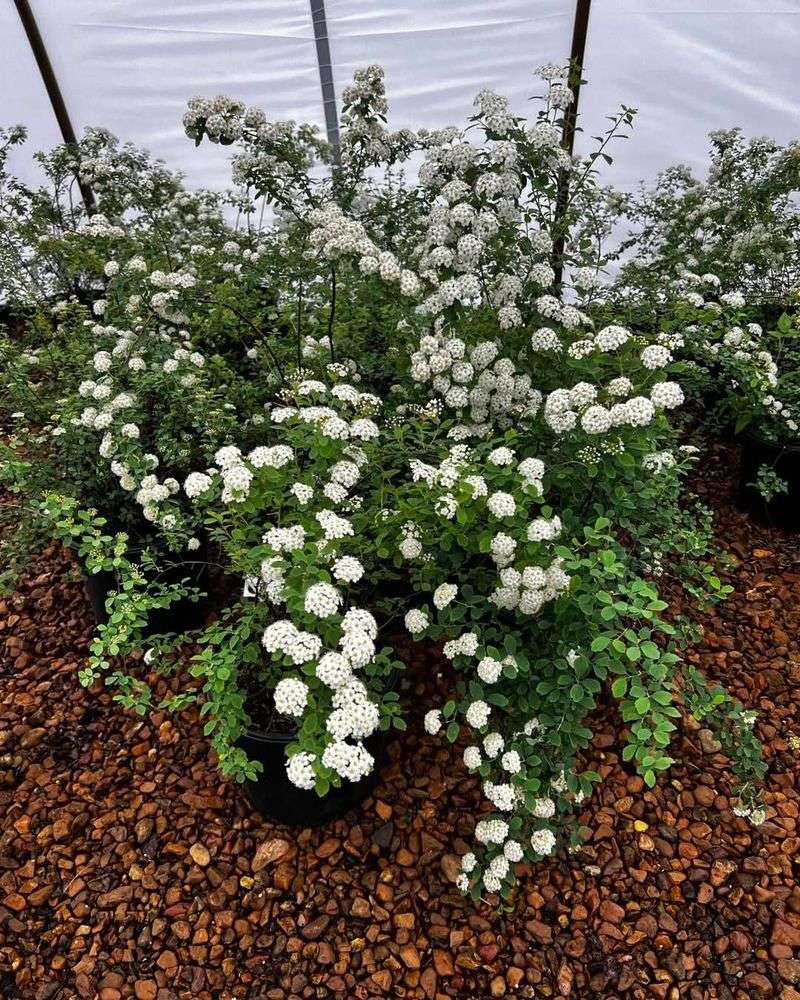
Spring-blooming spireas create clouds of tiny flowers along arching branches, but summer-blooming varieties benefit most from winter pruning for enhanced flower production.
Summer spireas bloom on new wood, making late-winter trimming ideal for stimulating fresh growth that flowers heavily throughout warm months ahead each year.
North Carolina gardeners should identify their spirea type before pruning, as spring bloomers require different timing to avoid removing flower buds already formed.
For summer types, cut stems back by half or more during late winter, creating compact plants that regenerate quickly with abundant flowering shoots.
This approach controls size effectively while maximizing bloom coverage across the entire plant rather than just at branch tips where flowers might otherwise concentrate.
Removing old, twiggy growth improves overall appearance and plant health, allowing better air circulation and light penetration throughout the interior canopy structure below.
Consistent winter pruning maintains youthful vigor in these reliable performers, preventing them from becoming woody or sparse and ensuring they remain attractive garden features.
9. Chaste Tree
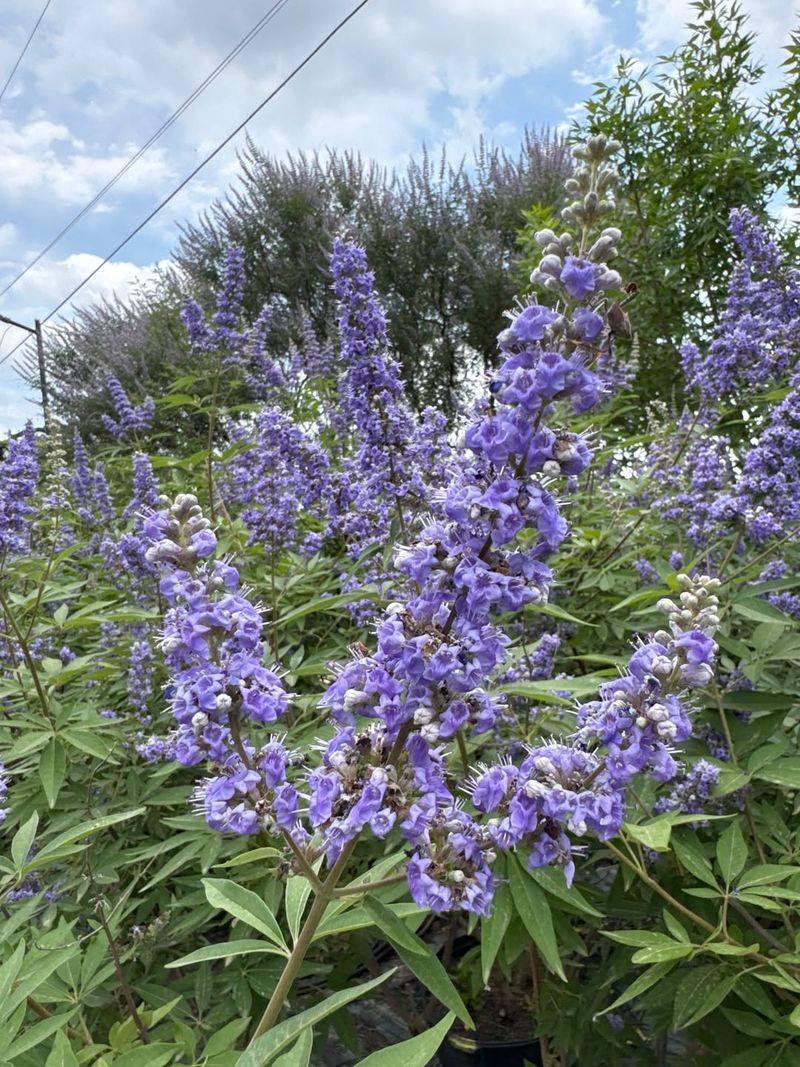
Chaste trees produce fragrant purple flower spikes during summer, attracting butterflies and bees while adding vertical interest to gardens with their upright blooms.
These fast growers bloom on new wood, making winter pruning essential for controlling size while promoting abundant flower production throughout the growing season.
North Carolina’s climate sometimes causes winter dieback on chaste trees, making spring cleanup necessary regardless, so intentional winter pruning simply formalizes the process.
Cut plants back to a low framework of main branches during late winter, removing all previous season’s growth to stimulate vigorous new shoots.
This aggressive approach might seem extreme, but chaste trees respond enthusiastically, producing strong stems that support heavy flower clusters without flopping or breaking under weight.
Winter pruning also allows gardeners to shape these plants as large shrubs or small trees, depending on preference and available space within landscape designs.
Regular annual trimming prevents excessive size and maintains manageable proportions, keeping these vigorous growers from overwhelming garden areas or requiring drastic corrective measures later on.
10. Bluebeard
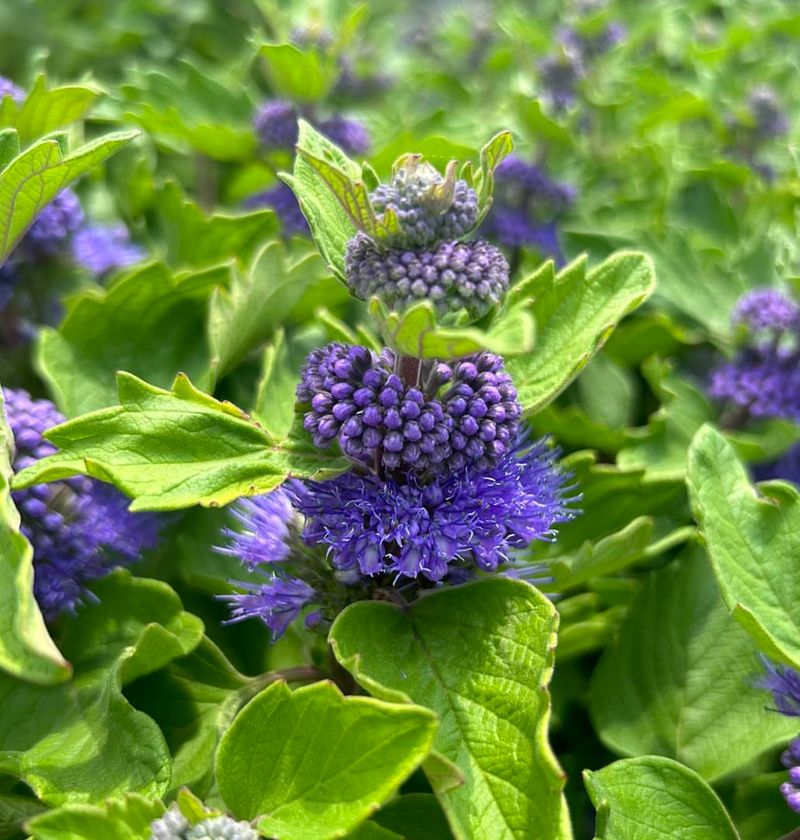
Bluebeard produces stunning blue flowers during late summer when few other shrubs bloom, providing valuable color and attracting pollinators when they need resources most.
Flowers form on new growth, making winter pruning not just beneficial but practically essential for maximizing bloom production on these late-season performers each year.
North Carolina’s winters sometimes damage bluebeard stems, so cutting plants back hard during dormancy removes potentially compromised wood before problems develop in spring.
Trim stems to six or eight inches tall during late winter, leaving a low framework that regenerates quickly once temperatures warm and growth resumes.
This severe cutting encourages compact, bushy growth covered in flowers rather than leggy stems with blooms concentrated only at tips where they’re less impressive.
Winter timing allows plants to focus all spring energy on producing new shoots rather than maintaining old wood that contributes little to overall performance.
Consistent annual pruning keeps bluebeard vigorous and floriferous, preventing decline and ensuring these valuable late bloomers remain attractive, reliable garden features throughout their lifespan.
11. Bush Clover
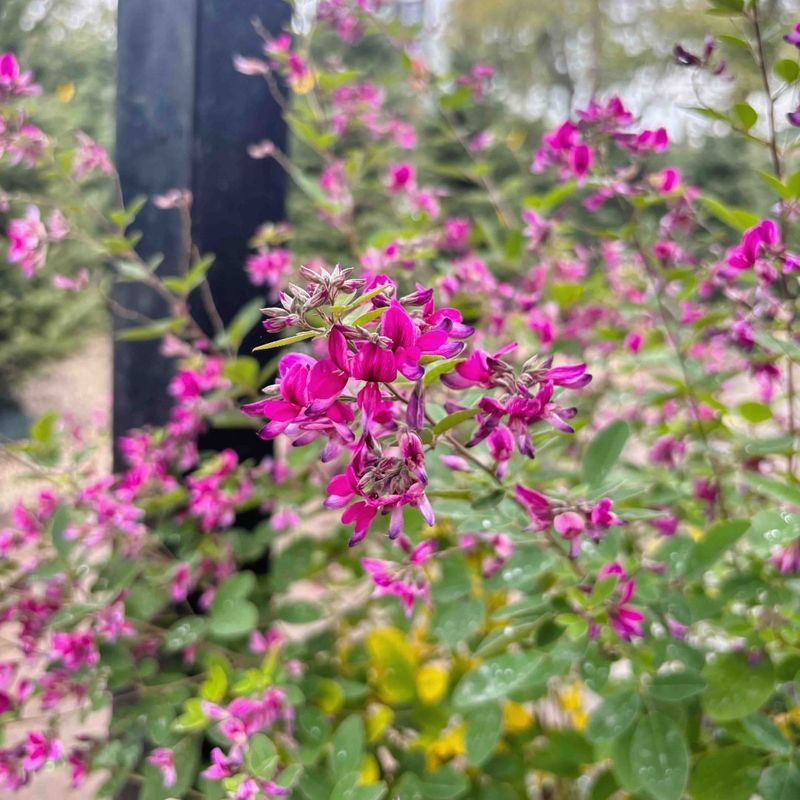
Bush clover creates waterfalls of pink pea-like flowers during late summer and fall, providing graceful arching form and abundant blooms when gardens need refreshing.
Flowers appear on current-season growth, making winter pruning the key to controlling size while ensuring maximum flower production throughout the upcoming growing season.
North Carolina’s climate suits bush clover perfectly, with warm summers supporting vigorous growth after dormant-season cutting stimulates fresh shoot development each spring each year.
Cut entire plants back to ground level or leave just a few inches of stem during late winter, as these vigorous growers regenerate completely.
This extreme approach might seem drastic, but bush clover responds by producing strong new stems that arch beautifully under the weight of abundant flowers.
Winter pruning prevents these fast growers from becoming overgrown and sprawling, maintaining appropriate scale and attractive form within garden spaces and landscape designs.
Regular annual cutting also promotes longevity and vigor, preventing woody buildup and ensuring plants remain youthful, floriferous, and attractive for many years without decline.
12. Russian Sage
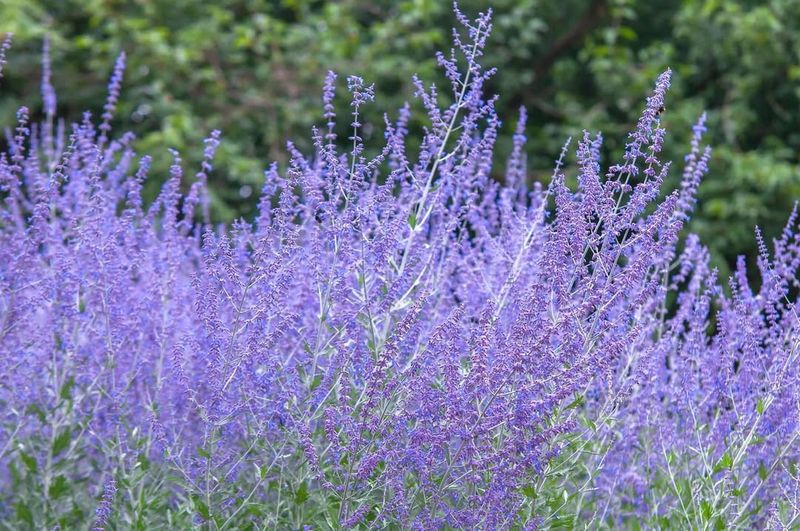
Russian sage brings airy texture and cool blue flowers to summer gardens, with silvery foliage providing interest even when blooms fade during cooler months.
Flowers form on new growth, making winter pruning crucial for maintaining compact plants that bloom heavily rather than becoming woody and sparse over time.
North Carolina’s climate allows Russian sage to thrive, with winter pruning removing frost-damaged stems while stimulating fresh growth that flowers prolifically throughout summer ahead.
Cut plants back to six or eight inches tall during late winter, leaving a low woody base that sends up vigorous flowering stems.
This hard pruning prevents legginess and flopping, creating sturdy plants that stand upright without staking even when covered in flowers and buffeted by wind.
Winter timing ensures cuts heal before growth begins, minimizing stress and allowing plants to channel all available energy toward producing abundant flowering shoots.
Consistent annual pruning maintains youthful vigor and attractive form, preventing decline and keeping these drought-tolerant performers looking their best throughout their long garden lifespan.