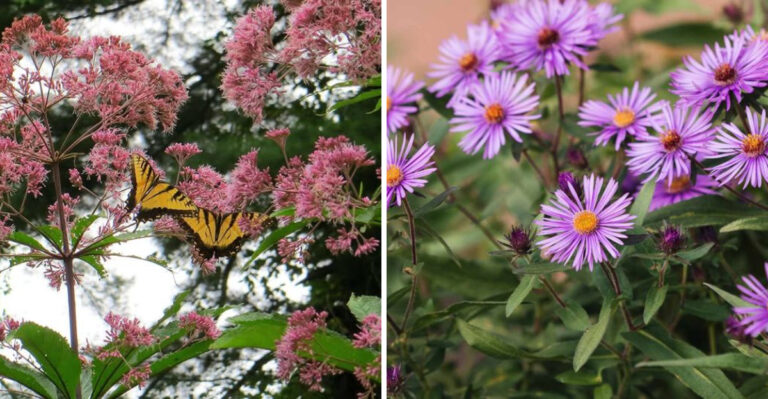
9 Shrubs That Turn Your Pennsylvania Yard Into A Living Fence
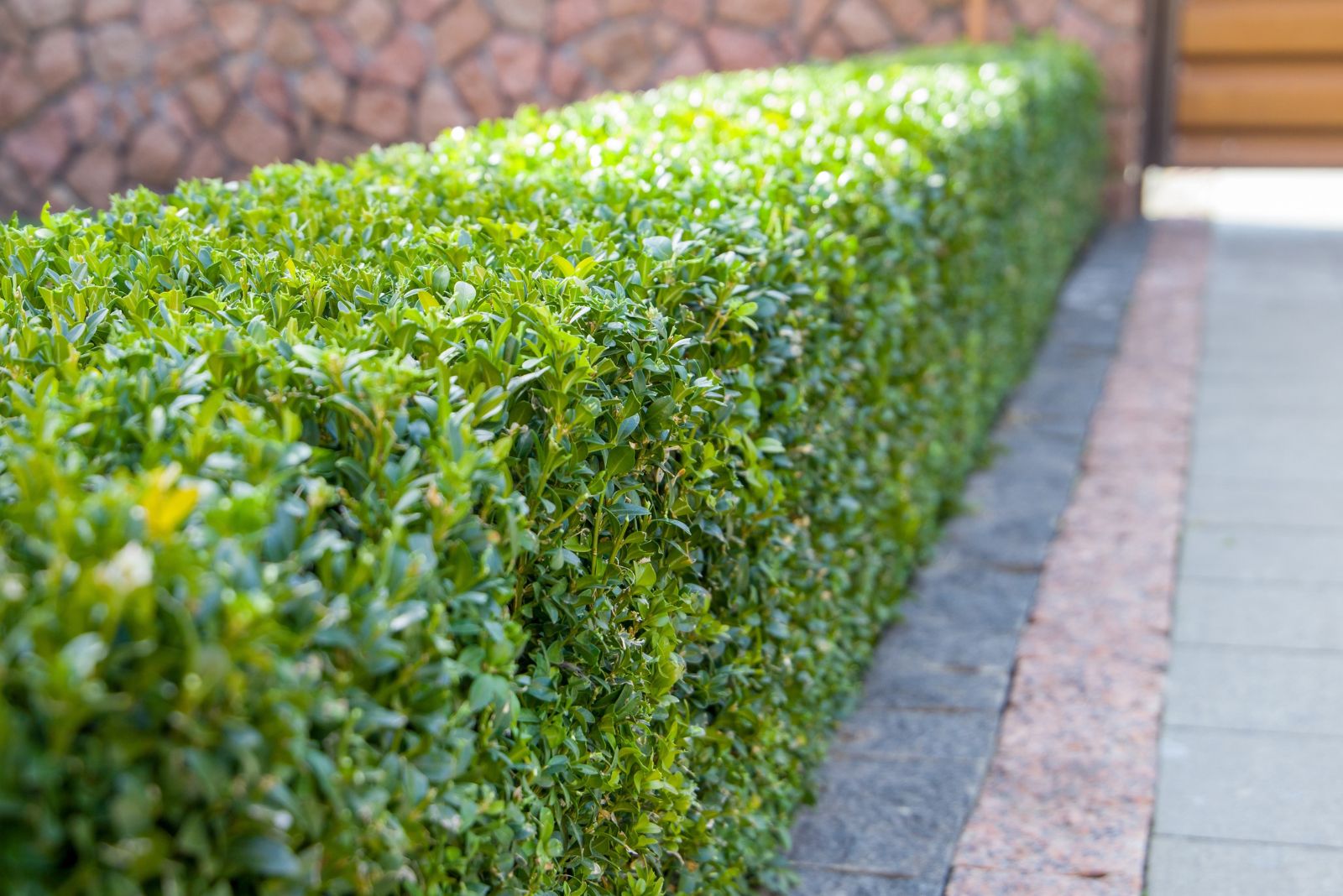
Privacy, structure, and beauty all come together when you plant the right shrubs in your Pennsylvania yard. Instead of building a traditional fence, dense, hardy shrubs can create a living barrier that adds texture, color, and natural appeal.
These plants not only define property lines but also provide shelter for birds, pollinators, and other wildlife.
Choosing the right shrubs means looking for varieties that grow tall and full, resist pests, and handle Pennsylvania’s changing seasons. Some bloom with vibrant flowers, while others offer colorful foliage or berries that last into winter.
With proper spacing and care, these shrubs form a lush, continuous screen that softens noise, blocks unwanted views, and enhances your garden’s privacy.
A living fence is more than functional. It adds depth and dimension to your landscape, creates seasonal interest, and brings your yard to life.
With the right selection, Pennsylvania homeowners can enjoy beauty, privacy, and wildlife-friendly benefits all in one.
1. Arborvitae
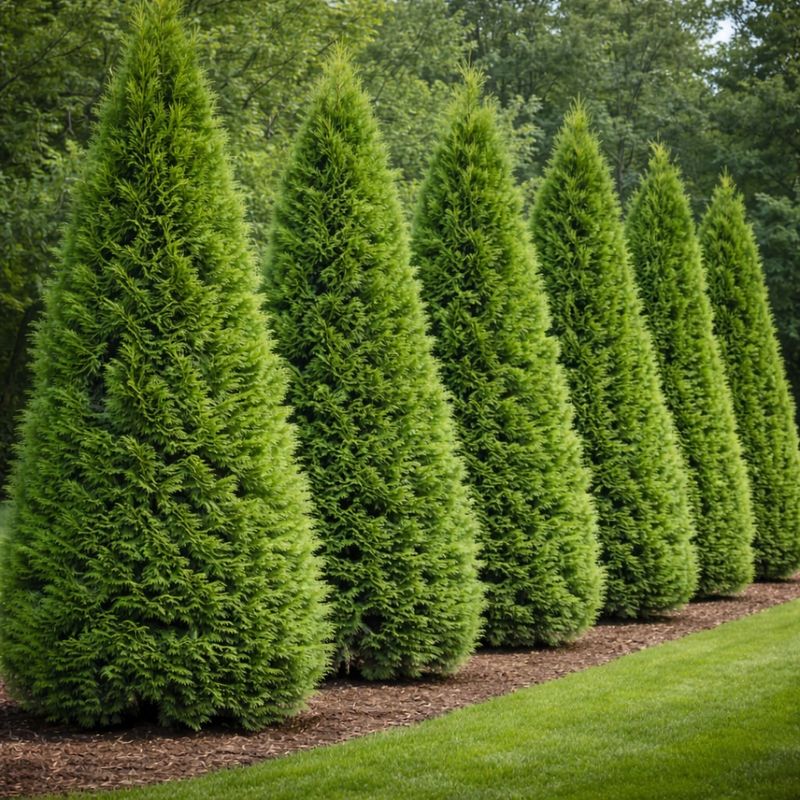
Ask any Pennsylvania landscaper which shrub tops the list for living fences, and arborvitae will almost always come up first.
This evergreen powerhouse stays green all year long, giving you privacy in every season, including the cold Pennsylvania winters when most other plants look bare and lifeless.
The two most popular varieties are ‘Emerald Green’ and ‘Green Giant.’ Emerald Green stays compact and tidy, growing about 10 to 15 feet tall.
Green Giant, on the other hand, can shoot up to 60 feet if left unpruned, making it a favorite for tall privacy screens along property lines.
Arborvitae is also cold-hardy, which matters a lot in Pennsylvania where temperatures can drop well below freezing. It grows quickly, filling in gaps faster than many other evergreen options.
Plant them about 3 to 5 feet apart for a solid, seamless green wall. They prefer full sun to partial shade and do best in well-drained soil.
Once established, they need very little care beyond occasional watering during dry spells. Deer can be an issue in some Pennsylvania areas, so consider deer-resistant sprays if needed. For formal or natural-looking screens, arborvitae is hard to beat.
2. Boxwood
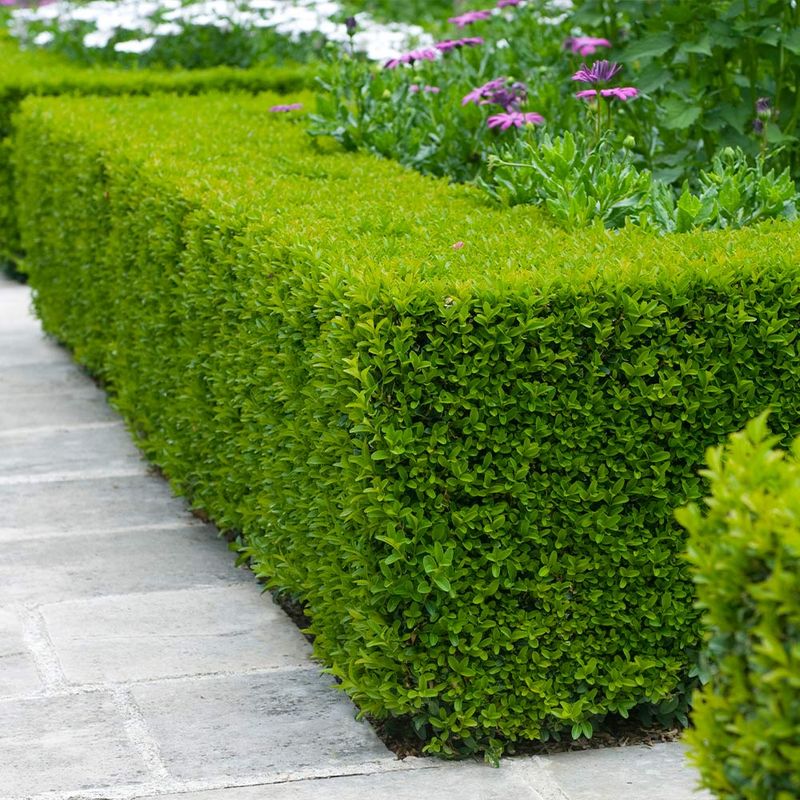
Few shrubs carry the same timeless reputation as boxwood. Walk through almost any historic Pennsylvania neighborhood and you will spot these tidy, round-leafed evergreens lining walkways, framing doorways, and forming neat hedges that have been shaped and maintained for decades.
There is a reason they have stayed popular for so long. Boxwood keeps its dense, leafy structure all year, which means your living fence will not disappear when fall arrives.
It responds beautifully to pruning, so you can shape it into a sharp, formal hedge or let it grow into a more natural, rounded form depending on your style.
For low to medium-height fences, boxwood is one of the best choices available to Pennsylvania homeowners.
Most boxwood varieties grow slowly, which is actually a benefit if you want a fence that stays manageable without constant trimming. They thrive in full sun or partial shade and prefer slightly alkaline, well-drained soil.
One thing to watch for in Pennsylvania is boxwood blight, a fungal disease that has become more common in recent years. Choosing blight-resistant varieties like ‘NewGen Independence’ or ‘SenseAtion’ can help protect your hedge.
With a little attention, boxwood creates a clean, elegant living fence that adds real structure and curb appeal to any yard.
3. Privet
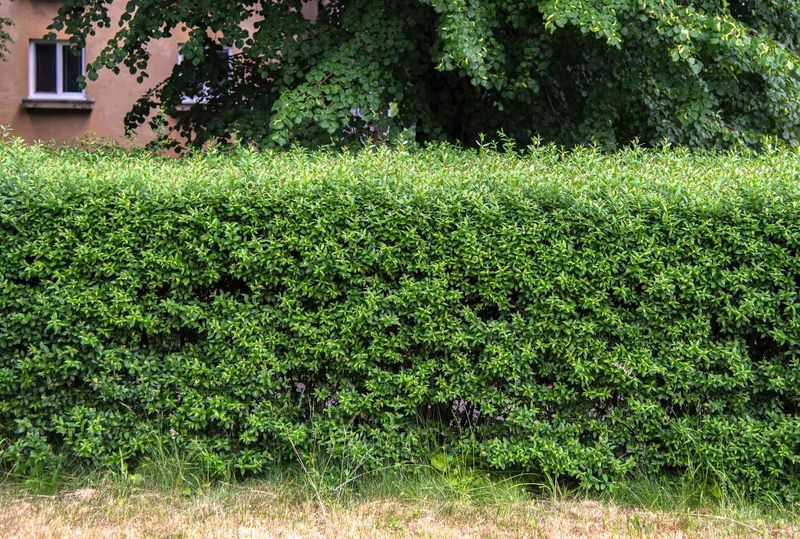
Speed is privet’s biggest selling point. If you need a thick, tall privacy hedge in a hurry, few shrubs can match how fast privet fills in.
In Pennsylvania, it can grow up to 3 feet per year under the right conditions, turning a bare property line into a solid green wall in just a few seasons.
Privet handles heavy pruning like a champ. You can cut it back hard, and it bounces right back with fresh, dense growth.
That makes it easy to keep at whatever height and width works best for your yard. In milder parts of Pennsylvania, privet may stay semi-evergreen through the winter, holding onto some leaves even during cold snaps.
One important tip: choose non-invasive or sterile cultivars whenever possible. Some privet varieties spread aggressively through bird-dispersed seeds, which can cause problems for nearby natural areas.
Look for sterile options at your local Pennsylvania nursery to enjoy all the benefits without the ecological downsides. Privet grows well in full sun to partial shade and tolerates a range of soil types.
It is also tolerant of urban conditions like pollution and compacted soil, making it a smart pick for city yards across Pennsylvania. For a thick, fast-growing privacy hedge, privet is genuinely hard to overlook.
4. Inkberry Holly
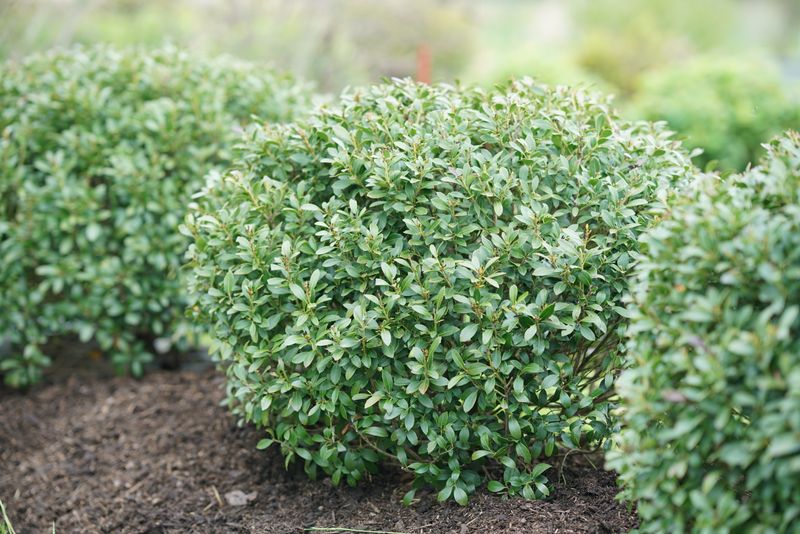
Native plants have a special advantage in Pennsylvania: they are already adapted to the local climate, soil, and wildlife.
Inkberry holly is one of the best native evergreen shrubs you can plant for a natural living fence, and it comes with a long list of practical benefits that make it worth a second look.
Inkberry holly grows in a thick, rounded shape with dense branching that creates solid screening even without formal pruning. It is especially valuable in wet or low-lying areas of a Pennsylvania yard where other shrubs might struggle.
It tolerates wet, acidic soils extremely well, making it a go-to choice for properties near streams, ponds, or areas with poor drainage.
Cold hardiness is another strong point. Inkberry holly handles Pennsylvania winters without complaint, staying green and leafy while other plants go dormant.
The small black berries that appear in late summer and fall are a favorite food source for birds, adding wildlife value to your living fence. It grows 5 to 8 feet tall and spreads gradually into a dense colony.
Plant it in full sun to partial shade for the best density. Low-maintenance and naturally tough, inkberry holly is a smart, eco-friendly choice for Pennsylvania homeowners who want a living fence that works with nature.
5. American Holly
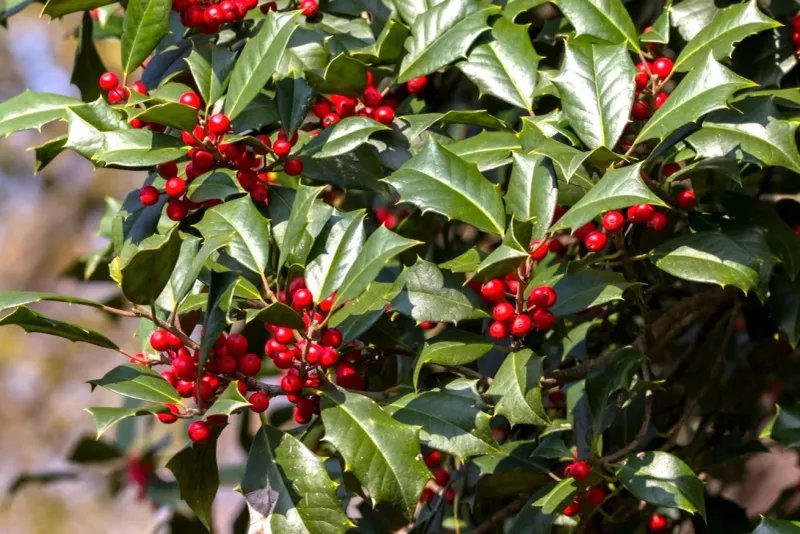
There is something almost magical about an American holly in winter. While most of the yard looks bare and brown, this evergreen shrub stands tall with its deep green, spiny leaves and clusters of bright red berries that pop against the gray Pennsylvania sky.
It is one of the most beautiful living fence options available in the region.
American holly is a slow grower, but do not let that discourage you. Once established, it lives for many decades and grows into a tall, dense screen that provides serious year-round privacy.
Mature plants can reach 15 to 30 feet, making them ideal for tall living fences along larger property lines in Pennsylvania.
Keep in mind that red berries only appear on female plants, and you will need at least one male plant nearby for pollination. The berries are a major wildlife draw, attracting birds like cedar waxwings and mockingbirds throughout the cold months.
American holly prefers slightly acidic, well-drained soil and does best in full sun to partial shade. It is cold-hardy throughout all of Pennsylvania and rarely needs much pruning once established.
If you are thinking long-term and want a living fence that gets better with every passing year, American holly is a rewarding and stunning choice.
6. Red Twig Dogwood
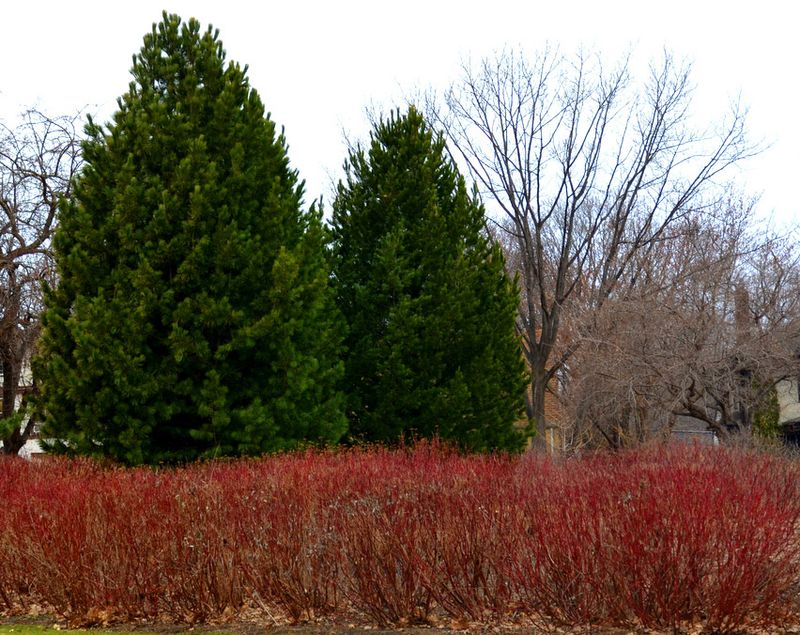
Most shrubs lose their visual appeal once the leaves drop in fall. Red twig dogwood does the opposite.
When winter arrives in Pennsylvania, this native shrub puts on one of its best shows, revealing a mass of vivid red stems that glow against snow and bare ground. It is both a functional privacy screen and a genuine piece of living yard art.
During the growing season, red twig dogwood fills in quickly with thick, multi-stemmed growth that creates solid natural screening along fences, property lines, or stream banks.
It is especially well-suited to wet areas and low spots in Pennsylvania yards where drainage is a challenge. Few shrubs handle soggy soil as gracefully.
White flower clusters appear in late spring, followed by small berries that birds love. Fall foliage turns a lovely reddish-purple before the leaves drop, giving you four seasons of interest from a single plant.
Red twig dogwood spreads by suckering, which means it naturally fills in gaps over time to create a thicker hedge. You can control its spread with occasional pruning.
For the brightest red stem color, cut about one-third of the oldest stems to the ground each spring. This encourages fresh new growth, which has the most intense color. For Pennsylvania homeowners who want beauty and function, this shrub delivers both.
7. Viburnum
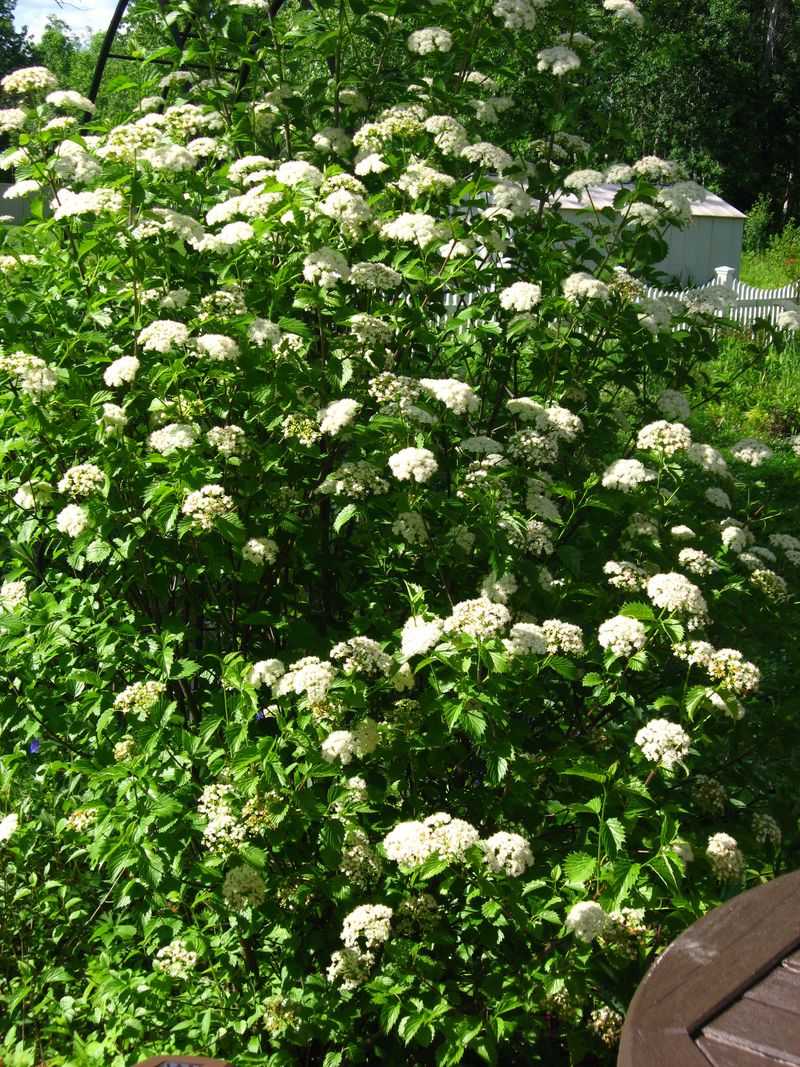
If you want a living fence that earns its keep across every season, viburnum deserves a serious look. Spring brings flat-topped clusters of white flowers that attract pollinators.
Summer offers dense, rich green foliage that blocks views and creates real privacy. Fall delivers a spectacular show of red, orange, and burgundy leaves along with clusters of berries that wildlife cannot resist.
Two species work especially well for Pennsylvania living fences. Viburnum dentatum, known as arrowwood viburnum, is a tough native shrub that grows 6 to 10 feet tall and wide with dense branching.
Viburnum trilobum, the American cranberrybush, offers bright red berries and brilliant fall color, plus the bonus of being completely native to the region.
Both species are cold-hardy throughout Pennsylvania and adapt well to a range of soil types. They prefer full sun to partial shade and grow at a moderate pace, filling in steadily without becoming invasive.
Viburnum is also a fantastic choice for wildlife-friendly yards. The berries feed dozens of bird species through fall and winter, and the dense branches provide nesting habitat.
Minimal pruning is needed, usually just a light shaping after flowering. For an informal, naturalistic living fence that looks beautiful and supports local ecosystems, viburnum is one of the top picks for any Pennsylvania property.
8. Ninebark
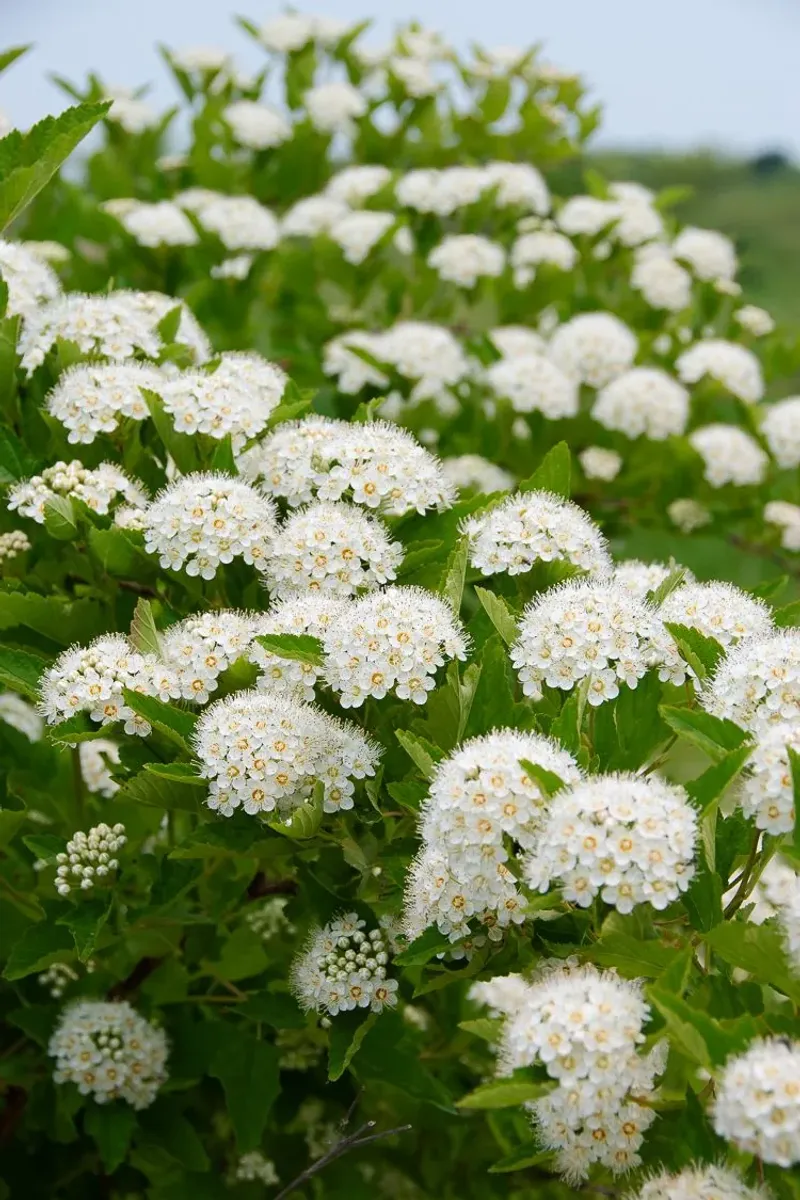
Tough, adaptable, and honestly underrated, ninebark is one of Pennsylvania’s most reliable native shrubs for creating a natural living fence.
It thrives in conditions that would stress out less resilient plants, including cold winters, periods of drought, and poor or compacted soils. If you have a challenging spot in your yard, ninebark can handle it.
The visual appeal is genuinely impressive. Ninebark produces clusters of small white or pinkish flowers in late spring that attract bees and butterflies.
The foliage comes in a range of colors depending on the variety, from bright lime green to deep burgundy, giving you design flexibility that most hedge shrubs cannot offer. The peeling, layered bark adds interesting winter texture once the leaves have dropped.
Popular cultivars like ‘Diablo’ and ‘Summer Wine’ grow 5 to 8 feet tall with dense, arching branches that create solid natural screening. Ninebark responds well to pruning and can be shaped into a more formal hedge or left to grow in its naturally graceful, arching form.
It grows at a moderate to fast rate, so your living fence fills in at a satisfying pace. Plant in full sun for the deepest foliage color and best density.
For Pennsylvania homeowners who want a low-maintenance, wildlife-friendly, and visually striking living fence, ninebark is a strong contender worth planting.
9. Forsythia
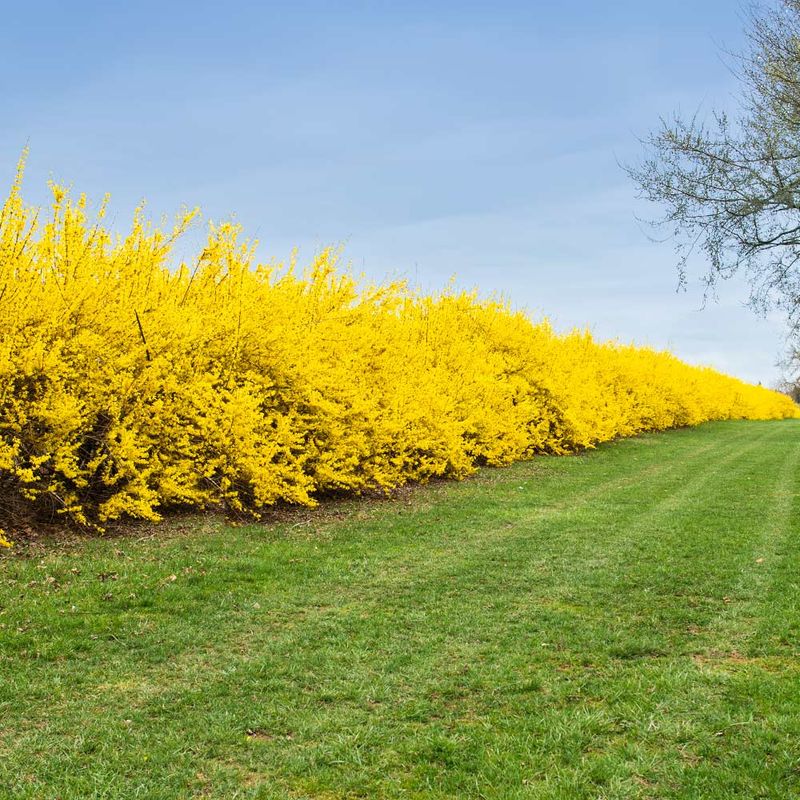
Every spring in Pennsylvania, forsythia puts on a show that stops people in their tracks. Before most plants have even thought about waking up, forsythia explodes into a cascade of bright yellow flowers that line fences, driveways, and property edges across the state.
It is one of the most cheerful sights of the entire gardening year. Beyond the spring spectacle, forsythia earns its place as a practical living fence shrub. It grows fast, often putting on 2 feet or more of new growth each year.
Mature plants become thick and dense, creating a solid boundary that works well for informal hedges and property line plantings throughout Pennsylvania.
Forsythia is deciduous, meaning it drops its leaves in fall and winter. During the growing season, however, the dense foliage provides real privacy and a lush green backdrop for the rest of your yard.
It tolerates a wide range of soil types and grows in full sun to partial shade. Pruning right after the spring bloom keeps plants tidy and encourages vigorous new growth.
Do not prune in fall or winter, or you will remove next year’s flower buds. Forsythia spreads by layering, so stems that touch the ground may root and fill in gaps naturally over time.
For an easy-care, fast-growing, and seasonally spectacular living fence in Pennsylvania, forsythia is a classic that never disappoints.