8 Shrubs That Wake Up First After Ohio Winters
After an Ohio winter, the first signs of life in the yard can feel like a small miracle. For weeks, everything looks bare, brittle, and finished.
Then certain shrubs start to stir before the rest, pushing out fresh buds, early color, and proof that spring is finally making its move. Those early risers do more than brighten the landscape.
They give gardeners a head start on the season and make the whole yard feel alive again while much of it still looks half asleep. In a state where winter can drag on and spring rarely arrives all at once, that kind of early comeback stands out fast.
The trick is knowing which shrubs tend to break dormancy first and bring that welcome burst of energy to Ohio landscapes.
These shrubs are among the earliest to wake up after winter and can make a yard look refreshed long before late spring fully takes over.
1. Pussy Willow Shows Ohio Spring Is Finally Starting
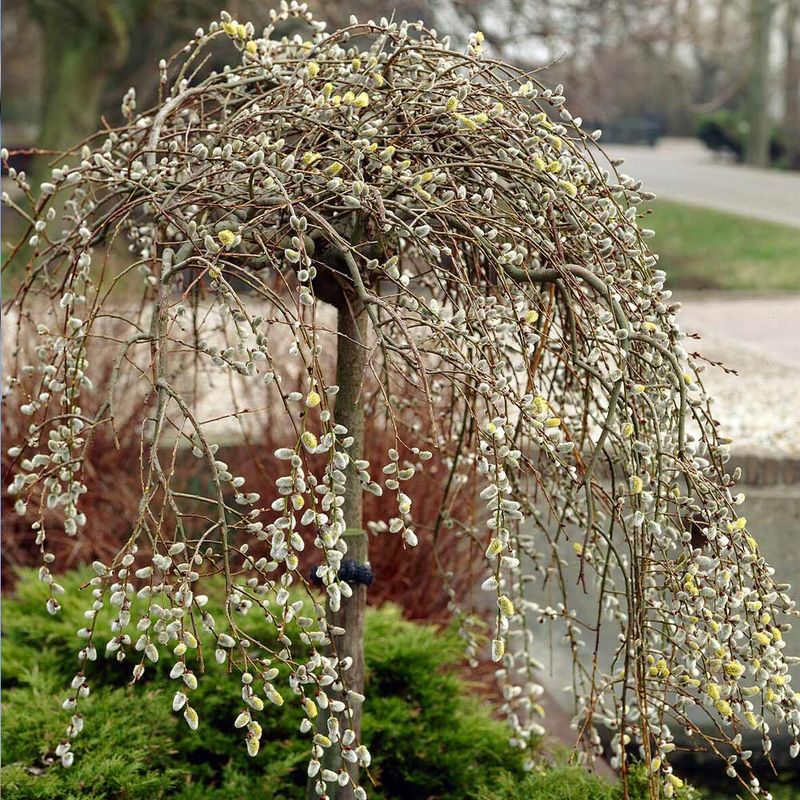
Few moments in an Ohio yard feel quite as hopeful as spotting the first fuzzy catkins on a pussy willow. Long before most shrubs show any sign of life, Salix discolor pushes out those soft, silvery-gray buds that almost beg you to touch them.
They appear as early as late February or early March in Ohio, making pussy willow one of the most reliable first movers of the entire season.
The catkins start as tight, scale-covered nubs and gradually open into the familiar soft, rounded shapes that gardeners look forward to all winter. Male plants tend to produce the showiest catkins, which eventually develop yellow pollen that early bees find extremely valuable.
That early pollen source is not just pretty to look at. It gives emerging pollinators a critical food boost when almost nothing else is flowering.
Pussy willow grows naturally along stream banks and in moist areas across Ohio, and it adapts well to garden settings with adequate water. It can reach ten to fifteen feet tall if left unpruned, though many gardeners cut stems back regularly to encourage fresh, vigorous growth.
Forcing cut branches indoors in a vase of water is a classic late-winter tradition that lets you enjoy those catkins even before outdoor temperatures cooperate.
2. Forsythia Wastes No Time Lighting Up The Yard
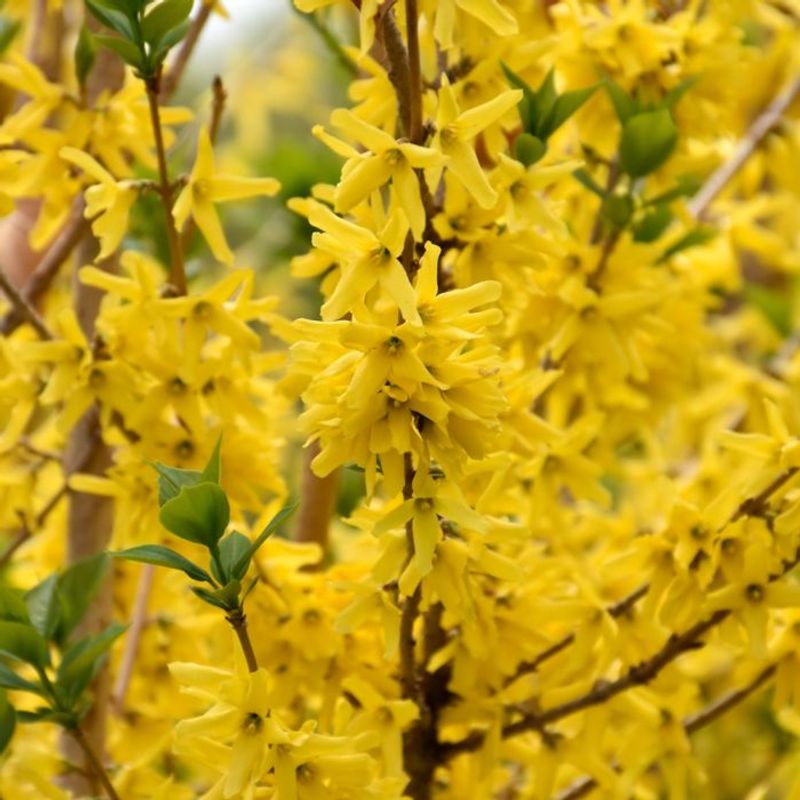
Nothing quite announces early spring in Ohio like a forsythia exploding into bright yellow bloom along a fence line or at the edge of a driveway. Forsythia x intermedia is one of the most recognized early-spring shrubs in the state, and for good reason.
Its flowers open before its leaves emerge, covering bare branches with hundreds of cheerful yellow blossoms that are nearly impossible to miss from a moving car.
Bloom timing in Ohio typically falls between late March and mid-April, though warmer late-winter stretches can push flowers out even earlier. The shrub is extremely cold-hardy and bounces back reliably after even rough Ohio winters.
It thrives in full sun and tolerates a wide range of soil conditions, which is part of why it became such a fixture in Ohio neighborhoods over the decades.
Forsythia grows quickly and can reach eight to ten feet tall and wide without pruning. Gardeners who want a tighter shape should prune right after flowering ends, since the plant sets next year’s flower buds on old wood through the summer.
Skipping spring pruning or cutting back hard in fall will reduce next year’s bloom significantly. For sheer early-season visual impact in an Ohio yard, forsythia remains one of the easiest and most rewarding choices available.
3. Spicebush Brings Early Color Before Most Shrubs Even Stir
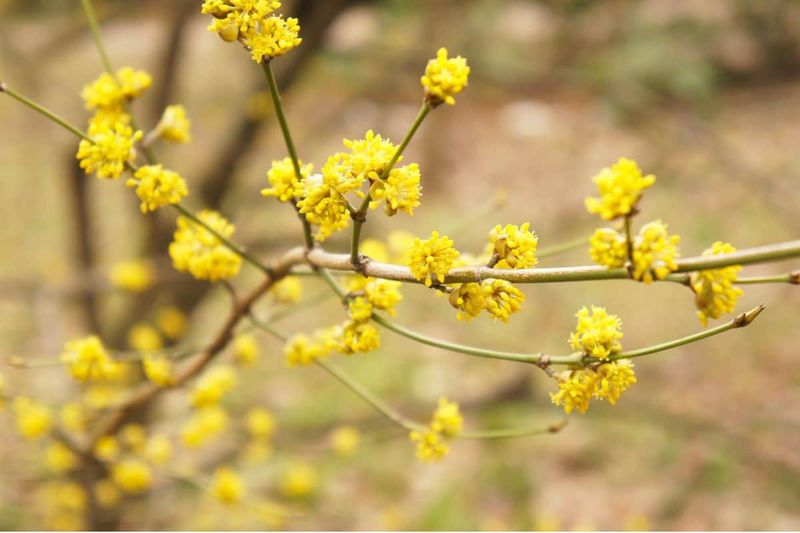
Spicebush, known botanically as Lindera benzoin, is one of Ohio’s most underappreciated native shrubs, and its early-spring performance deserves far more attention than it typically gets. Clusters of tiny, bright yellow flowers appear directly on the bare stems in March or early April, creating a soft golden haze across the plant before a single leaf opens.
In a woodland garden or naturalized area, that early color feels quietly electric.
As a native shrub, spicebush plays an important role in Ohio’s ecosystem. It serves as the host plant for the spicebush swallowtail butterfly, whose caterpillars depend on the leaves later in the season.
Early bees and other pollinators visit the flowers for pollen when options are still very limited. According to Ohio State University Extension resources, spicebush is well-suited to moist, shaded spots where many other shrubs struggle to perform well.
The plant grows naturally in Ohio’s woodland understories, often along stream edges and in low, moist areas. In the garden, it reaches six to twelve feet tall and pairs beautifully with native ferns and trilliums.
Female plants produce bright red berries in fall that songbirds consume eagerly. Crushing a leaf releases a spicy, aromatic scent that makes identifying this shrub in the wild genuinely fun.
For gardeners building a habitat-friendly Ohio landscape, spicebush is a smart, ecologically rich choice.
4. Witch Hazel Steps Into Bloom When Winter Barely Lets Go
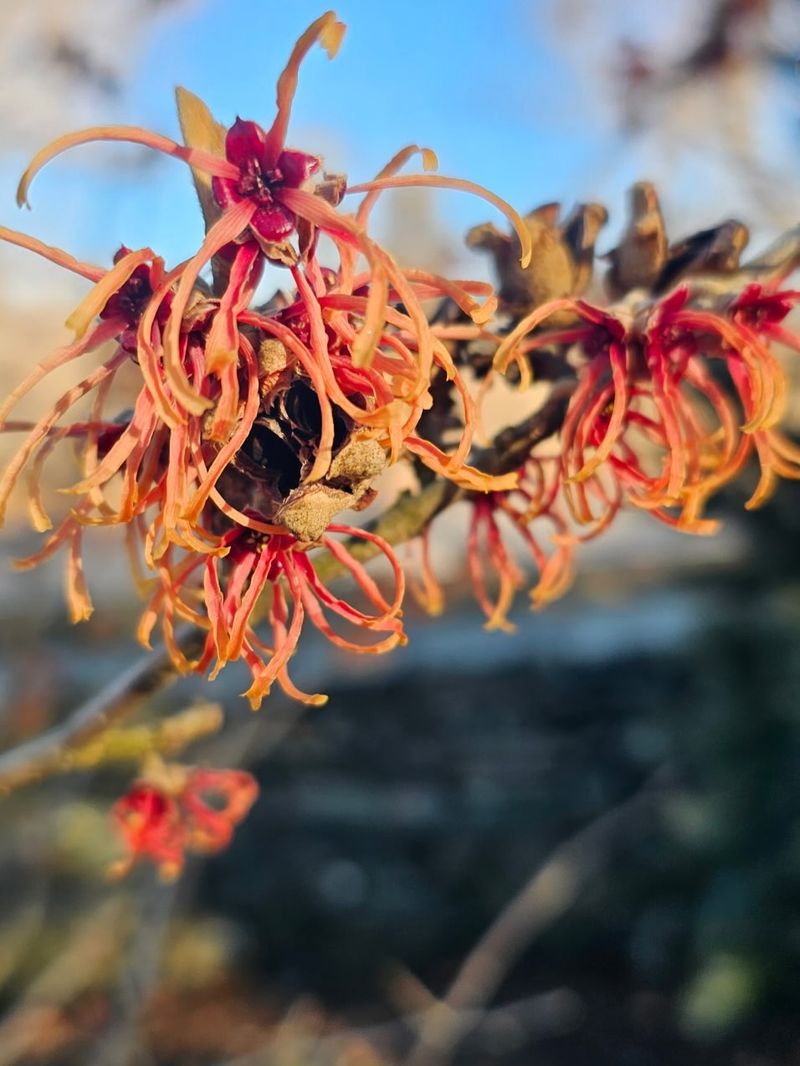
Vernal witch hazel, Hamamelis vernalis, does something that almost no other woody plant in Ohio attempts. It blooms in February, sometimes even in late January during mild stretches, producing spidery yellow to reddish-brown flowers on completely bare branches while the ground may still be frozen solid.
Standing next to a witch hazel in bloom on a cold gray February morning is a genuinely strange and wonderful experience.
The flowers have thin, ribbon-like petals that curl inward during hard freezes and unfurl again when temperatures rise. This remarkable adaptation allows the blooms to survive cold snaps that would finish off most other flowers instantly.
The fragrance is subtle but pleasant, and on a warmer late-winter afternoon, it can carry several feet from the plant.
Vernal witch hazel is native to the central and southern United States and grows well across Ohio in moist, well-drained soil with partial to full sun. It typically reaches six to ten feet tall and wide, forming a rounded, multi-stemmed shrub.
Fall foliage adds a bonus display of yellow and orange color before the leaves drop. Because it blooms so remarkably early, witch hazel is considered by many Ohio gardeners to be the true opener of the gardening season.
Planting one near a path or window where you pass daily makes those February blooms feel like a personal reward for surviving winter.
5. Serviceberry Starts The Season With A Quiet Burst Of White
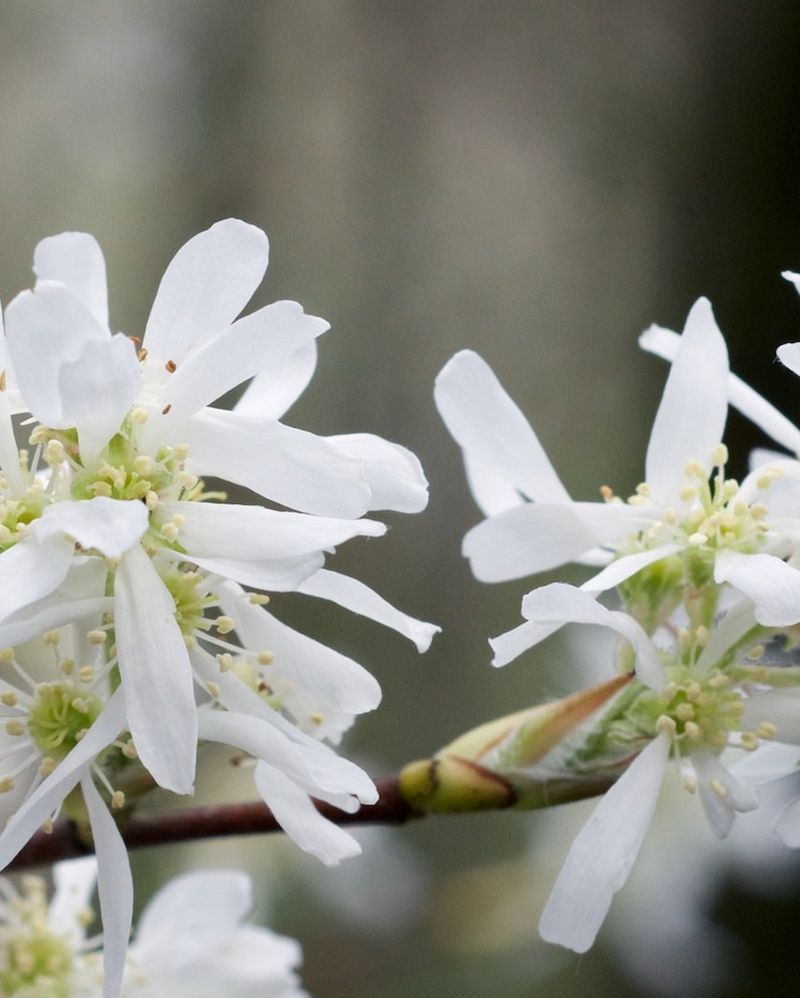
Serviceberry moves into bloom with a kind of understated elegance that sets it apart from flashier early-spring shrubs. Amelanchier species produce clusters of delicate white flowers in March or early April in Ohio, often appearing just as the forsythia is hitting its peak.
The blossoms are smaller and more refined than forsythia’s bold yellow, giving the yard a soft, almost bridal quality that feels genuinely graceful.
Several serviceberry species grow well in Ohio, including Amelanchier canadensis and Amelanchier arborea. Both perform reliably in the Ohio climate and offer outstanding multi-season value.
After the spring flowers fade, the plant produces small, sweet, purplish-red berries in early summer that birds absolutely love. Fall foliage turns shades of orange and red, giving the shrub yet another moment to shine.
Serviceberry tolerates a range of soil conditions and does well in both full sun and partial shade, making it flexible enough to fit into many different yard situations. It can grow as a large multi-stemmed shrub or be trained into a small tree form, reaching fifteen to twenty-five feet at maturity depending on the species.
Native status adds ecological value, as serviceberry supports pollinators and wildlife throughout the growing season. For Ohio gardeners who want early spring beauty with lasting benefits, serviceberry is one of the most rewarding plants you can put in the ground.
6. Red Twig Dogwood Wakes Up Early And Looks Good Doing It
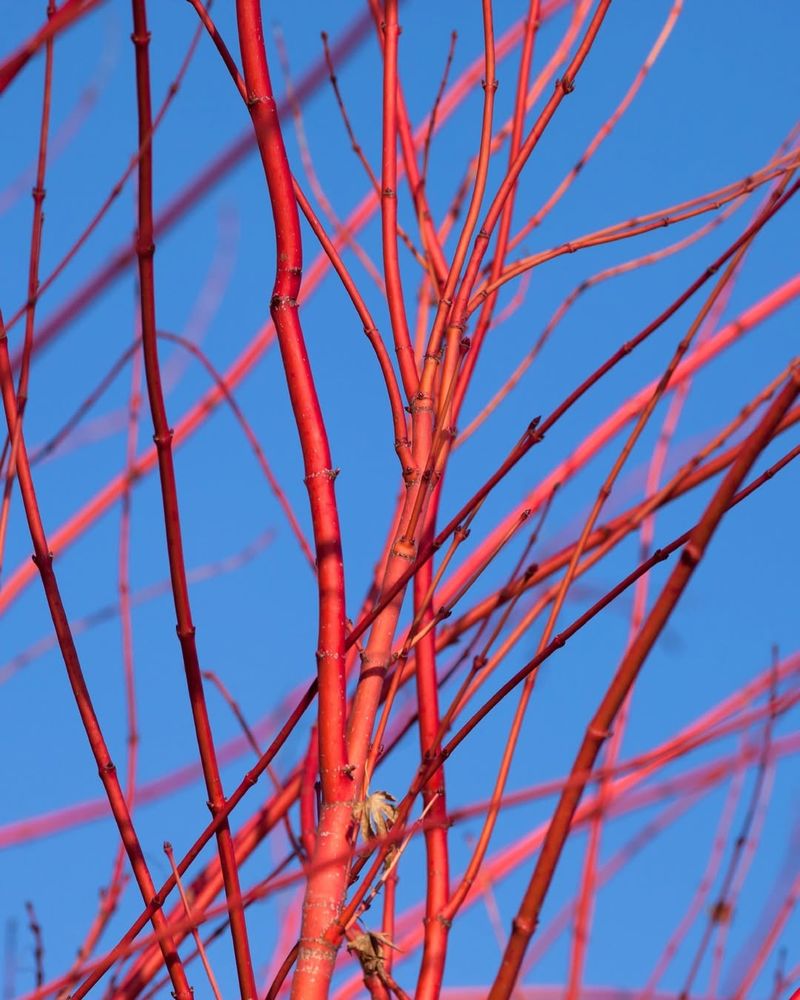
Red twig dogwood earns its spot on this list differently than the flowering shrubs. Cornus sericea does not rely on early blooms to make its mark in late winter and very early spring.
Instead, its brilliantly red stems hold the yard’s attention from the moment the snow starts melting, delivering bold color at a time when almost everything else still looks completely washed out and dormant.
The stem color is most intense on young growth, which is why experienced gardeners cut older stems back periodically to encourage fresh, vivid shoots. In an Ohio yard, the contrast of those bright red branches against lingering snow or gray late-winter skies is genuinely striking.
As temperatures warm and early spring progresses, red twig dogwood leafs out reliably and eventually produces small white flower clusters in late spring, followed by white berries that attract birds.
This shrub grows naturally in moist areas across Ohio and handles wet soil conditions better than most landscape shrubs. It spreads gradually by suckering, which makes it excellent for stabilizing stream banks or filling naturalized areas.
Planted near a pond or rain garden, it provides structure and color across multiple seasons. Mature shrubs can reach six to nine feet tall and wide.
For pure late-winter visual impact before true spring arrives, few shrubs in the Ohio landscape can match what red twig dogwood quietly delivers every single year.
7. Viburnum Gets Moving Before Many Yards Catch Up
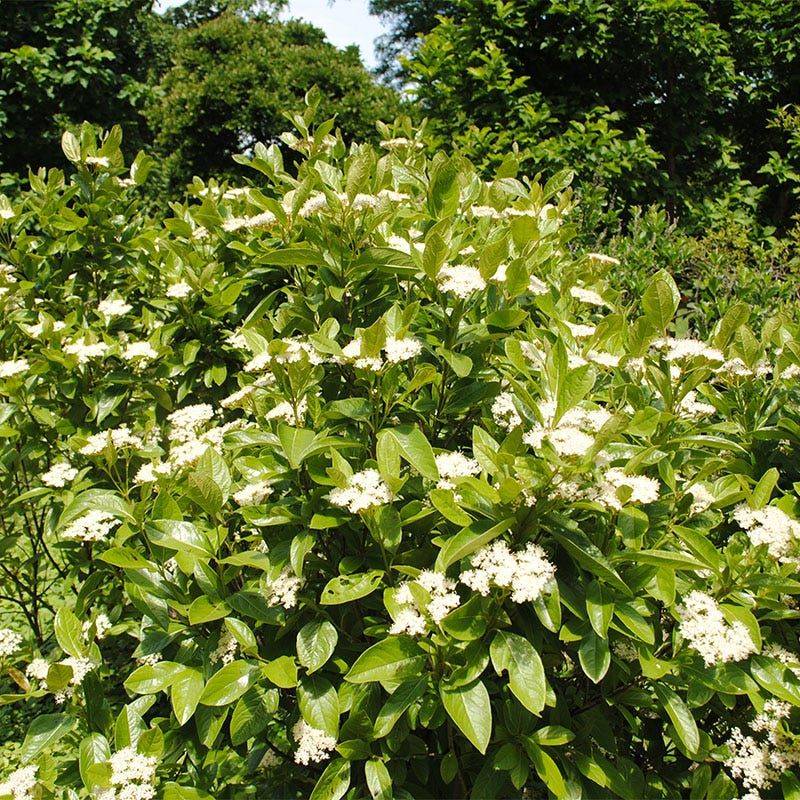
Not all viburnums wake up at the same pace, and that distinction matters when you are planning an Ohio garden for early-season interest. Korean spice viburnum, Viburnum carlesii, is one of the earlier performers in this large genus, pushing out pink to red buds in late April that open into rounded clusters of white flowers with a fragrance strong enough to stop you in your tracks.
The scent carries well on a mild spring afternoon and is one of the most memorable of any flowering shrub.
Arrowwood viburnum, Viburnum dentatum, is a native Ohio species that leafs out relatively early and provides good structure and wildlife value. While it blooms a bit later than Korean spice viburnum, its early leaf emergence gives the yard a sense of green momentum when many other shrubs are still just getting started.
Ohio State University Extension recognizes several viburnums as strong performers for Ohio landscapes, noting their adaptability and seasonal interest.
Viburnum carlesii grows four to six feet tall and wide, making it a manageable size for most yards. It prefers well-drained soil and full to partial sun.
The fall berry display on many viburnum species draws migrating birds, adding another layer of ecological value. Planting a viburnum near a patio or walkway lets you fully appreciate that remarkable spring fragrance without having to go far.
For layered seasonal interest that starts early, viburnum consistently earns its place.
8. Flowering Quince Opens Bright Before Spring Fully Settles In
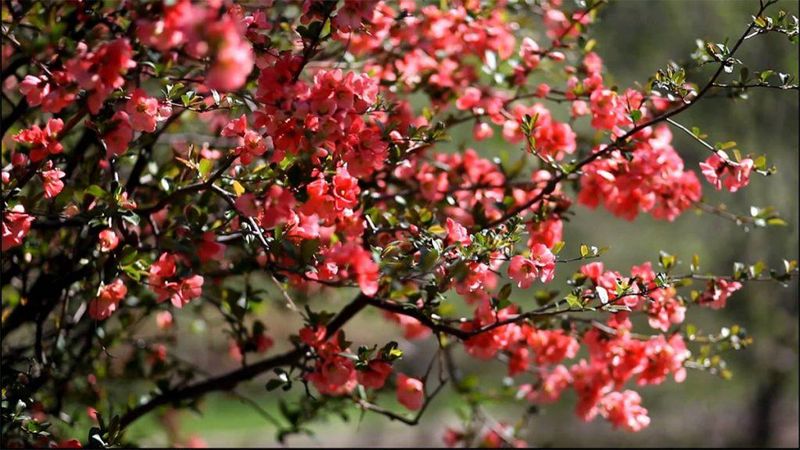
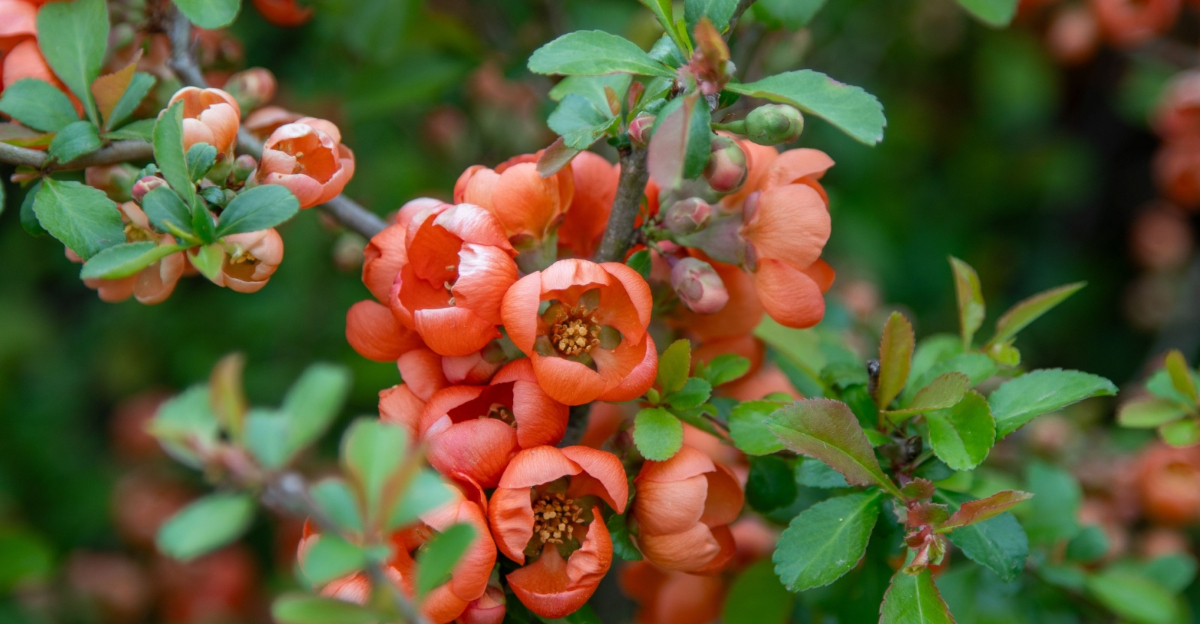
Bold, almost stubborn in its cheerfulness, flowering quince puts on one of the most eye-catching early displays in the Ohio garden. Chaenomeles speciosa blooms in March or early April, often while temperatures are still unpredictable and the yard looks more like late winter than spring.
The flowers come in shades of red, orange, coral, and pink, and they cover the thorny branches so thickly that the plant looks almost unreal against a pale gray sky.
Flowering quince is extremely cold-hardy and practically unfazed by Ohio’s late-season temperature swings. A late frost might knock a few blossoms back, but the shrub typically keeps pushing new flowers forward without missing a beat.
Bees and early pollinators visit the blooms eagerly, making it a genuinely useful plant for supporting local insect populations at a time when food sources are still scarce.
The shrub grows six to ten feet tall and wide, with a dense, thorny habit that makes it an effective barrier planting. After flowering, it produces small, hard, apple-like fruits that can be used to make jellies and preserves, though they are too tart to eat raw.
Full sun brings out the best bloom display, and well-drained soil keeps the plant healthy and vigorous. For Ohio gardeners who want fierce early-season color with almost no fuss, flowering quince delivers every spring without hesitation.