9 Shrubs To Grow Instead Of Burning Bush In Ohio
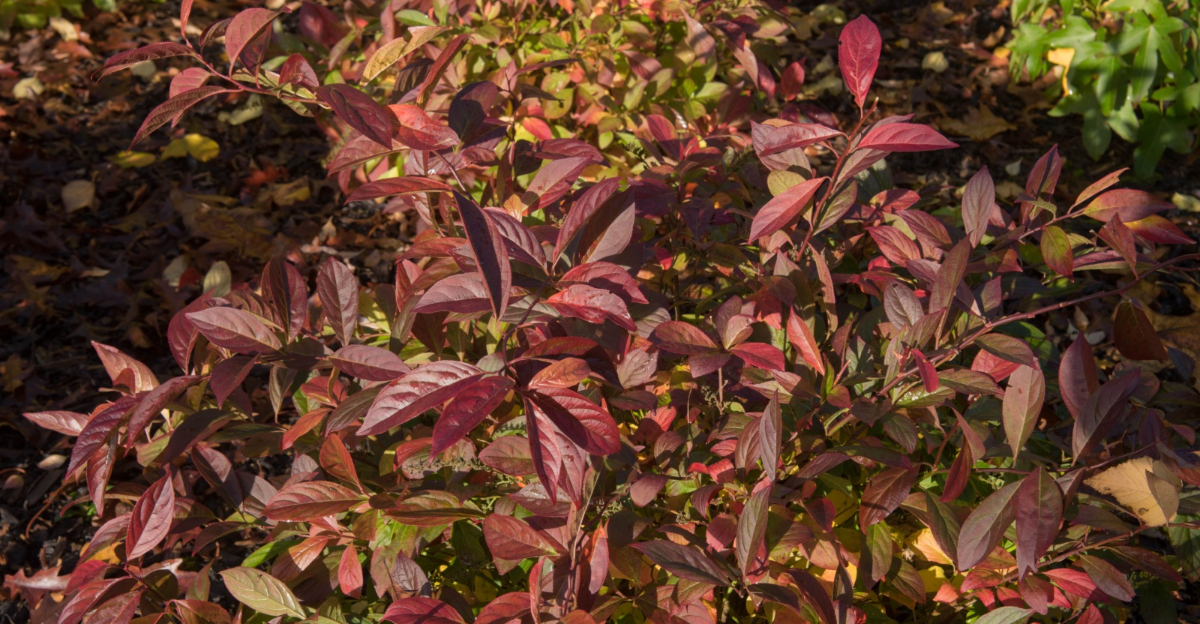
Everyone used to love burning bush. For decades it was one of the go-to shrubs in Ohio yards.
Plant one along a fence or driveway and by fall it would explode into blazing red color that practically stopped people in their tracks.
But notice the wording there. Used to.
Burning bush has slowly fallen out of favor with many gardeners and landscape experts.
What once seemed like a perfect low-maintenance shrub now carries a reputation for spreading beyond gardens and crowding out native plants in nearby woods and natural areas. That shift has many Ohio homeowners looking for better options.
The good news is that you do not have to sacrifice that bold fall color or easy-care appeal.
Several shrubs offer the same eye-catching beauty while fitting much more comfortably into Ohio’s landscapes.
In fact, some of these alternatives might surprise you by bringing even more seasonal interest, wildlife value, and texture to your yard than burning bush ever did.
1. Red Twig Dogwood Brings Brilliant Winter Color To Ohio Gardens
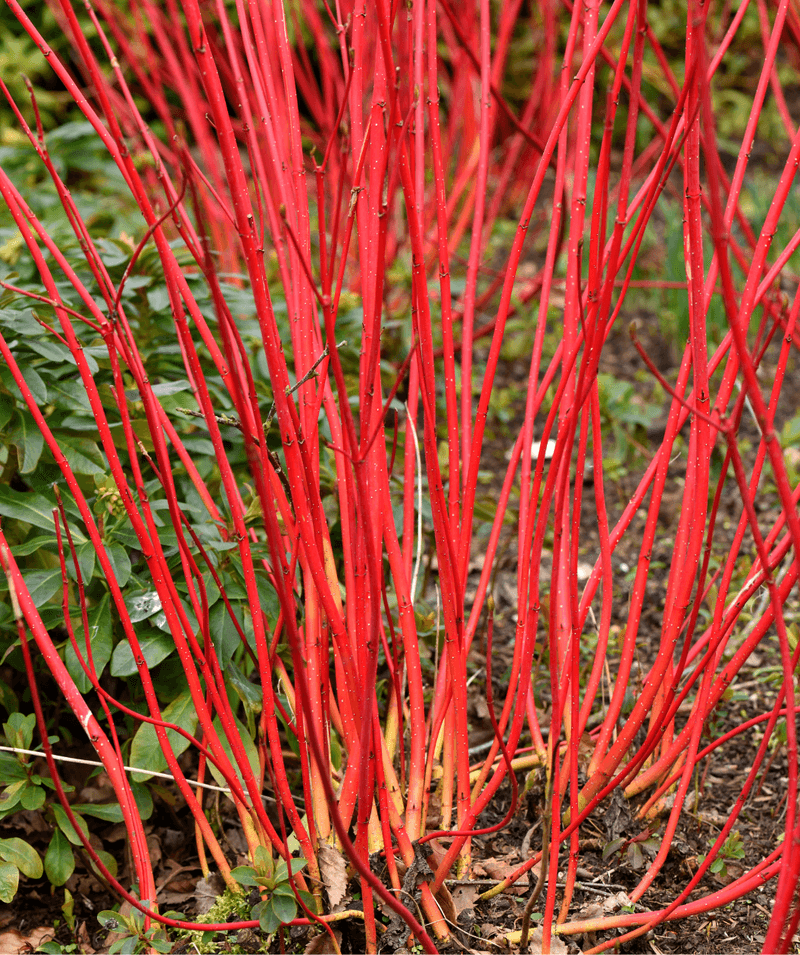
Most shrubs quietly disappear into the background once fall fades, but red twig dogwood refuses to go unnoticed. Its vivid crimson stems light up Ohio gardens all winter long, making it one of the most striking plants you can grow when everything else looks gray and bare.
Red twig dogwood, known botanically as Cornus sericea, is a native shrub that thrives across Ohio in a wide range of soil types, including wet and poorly drained spots where other shrubs struggle. Unlike burning bush, it poses zero invasive risk and actively supports the local ecosystem.
Birds flock to its white summer berries, and its dense branching habit provides excellent nesting cover.
In fall, the foliage turns a warm reddish-purple before dropping to reveal those famous glowing stems. Ohio State University Extension recommends this shrub for rain gardens, stream banks, and naturalized areas.
For the brightest stem color, cut about one-third of the oldest stems back to the ground each spring. New growth produces the most vibrant red color, so regular renewal pruning keeps the display looking its best year after year in Ohio landscapes.
2. Virginia Sweetspire Adds Fiery Fall Color Without Becoming Invasive
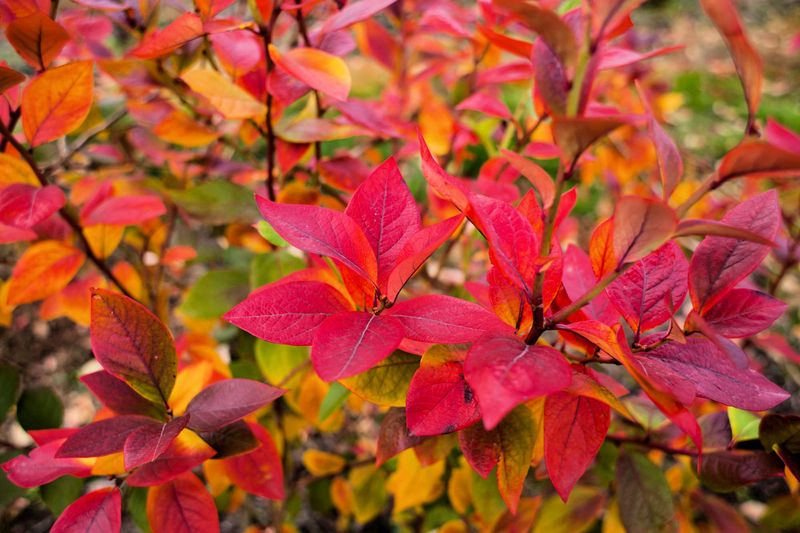
Few shrubs match the pure intensity of Virginia sweetspire in autumn. The leaves shift through shades of orange, scarlet, and burgundy in a single season, creating a color display that rivals burning bush without any of the invasive behavior that makes burning bush such a problem in Ohio natural areas.
Virginia sweetspire, or Itea virginica, is a native shrub that grows naturally from New Jersey south through the Midwest, making it well suited to Ohio gardens and climate. It tolerates both wet and dry soils, handles part shade beautifully, and adapts to clay-heavy Ohio soils with minimal fuss.
In early summer, fragrant white flower spikes appear along arching branches, attracting bees and butterflies before the fall color show even begins.
The Little Henry and Henry’s Garnet cultivars are especially popular for smaller Ohio landscapes because they stay compact and tidy without heavy pruning. Plant Virginia sweetspire in a mass planting along a fence line or woodland edge for maximum visual impact.
According to native plant resources, the fall color often persists well into late November, giving Ohio homeowners a longer season of interest than many other shrubs provide.
3. Oakleaf Hydrangea Delivers Four Season Interest In Ohio Landscapes
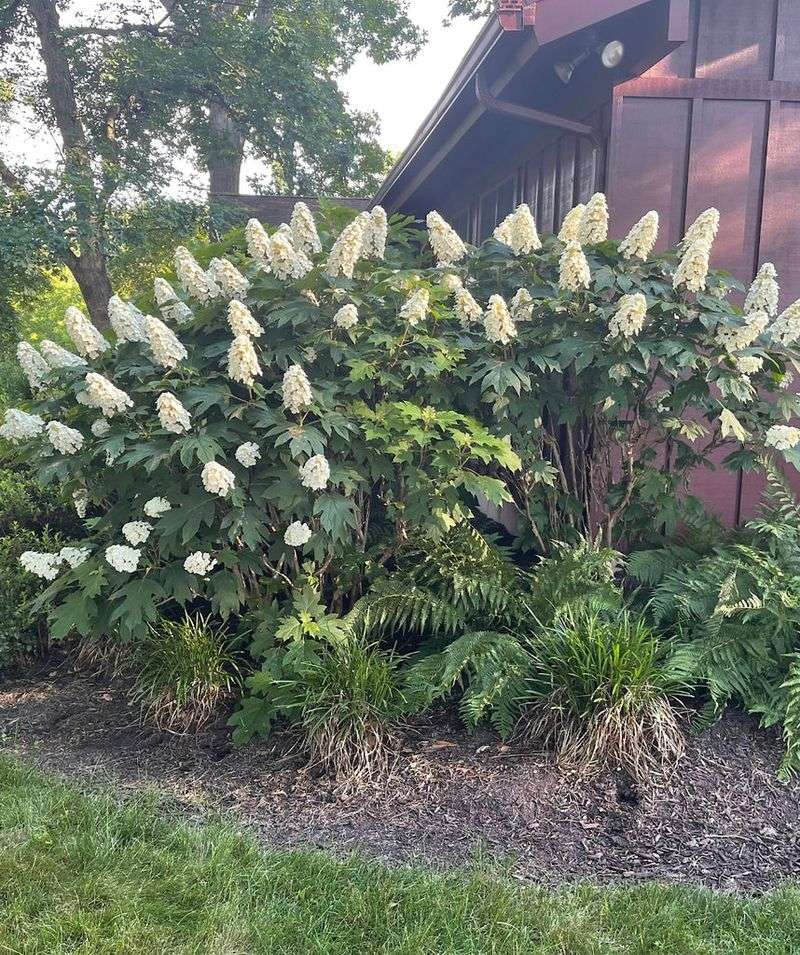
Walk past an oakleaf hydrangea in midsummer and the massive white flower panicles will stop you in your tracks. This native powerhouse earns its place in Ohio landscapes not just for one season, but for all four, making it one of the most rewarding alternatives to burning bush you can plant.
Hydrangea quercifolia blooms in June and July with large cone-shaped white flowers that age to a parchment pink and then papery tan by fall. The bold, deeply lobed leaves turn rich shades of burgundy, orange, and red in autumn, matching burning bush for fall drama.
As winter sets in, the cinnamon-colored exfoliating bark becomes a textural feature that adds real character to Ohio gardens even in the coldest months.
Oakleaf hydrangea grows best in part shade to full shade, which makes it ideal for spots under established trees where many shrubs struggle. It handles Ohio summers well once established, needing only occasional deep watering during extended dry spells.
Ohio State University Extension notes that this shrub performs reliably in zones 5 and 6, which covers most of Ohio. Snowflake and Alice are popular cultivars worth seeking out at local Ohio nurseries.
4. Black Chokeberry Supports Birds And Pollinators Naturally
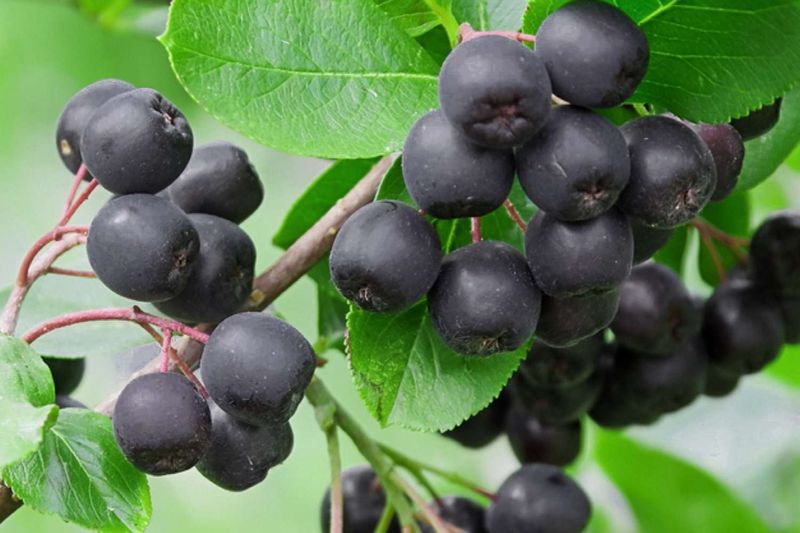
Spring arrives quietly in many Ohio yards, but a black chokeberry in bloom announces the season with clusters of small white flowers that draw in native bees and early pollinators before most other shrubs have even leafed out. That kind of ecological generosity is something burning bush simply cannot offer.
Aronia melanocarpa is a rugged native shrub that performs reliably in Ohio gardens across a wide range of conditions. It tolerates clay soil, occasional flooding, and summer drought once established, which makes it a practical choice for homeowners who want beauty without constant maintenance.
By late summer, glossy dark purple-black berries form in heavy clusters that attract cedar waxwings, robins, and other Ohio birds throughout fall and early winter.
Fall foliage is another highlight, with leaves turning vivid shades of red and orange that easily match the visual impact of burning bush. Unlike burning bush, black chokeberry stays where you plant it and actually strengthens the local food web.
Native plant organizations consistently recommend it as a top-tier burning bush replacement. Plant it in full sun for the best berry production and fall color, and give each shrub about five to six feet of space to fill out naturally.
5. Ninebark Thrives With Very Little Care In Ohio Gardens
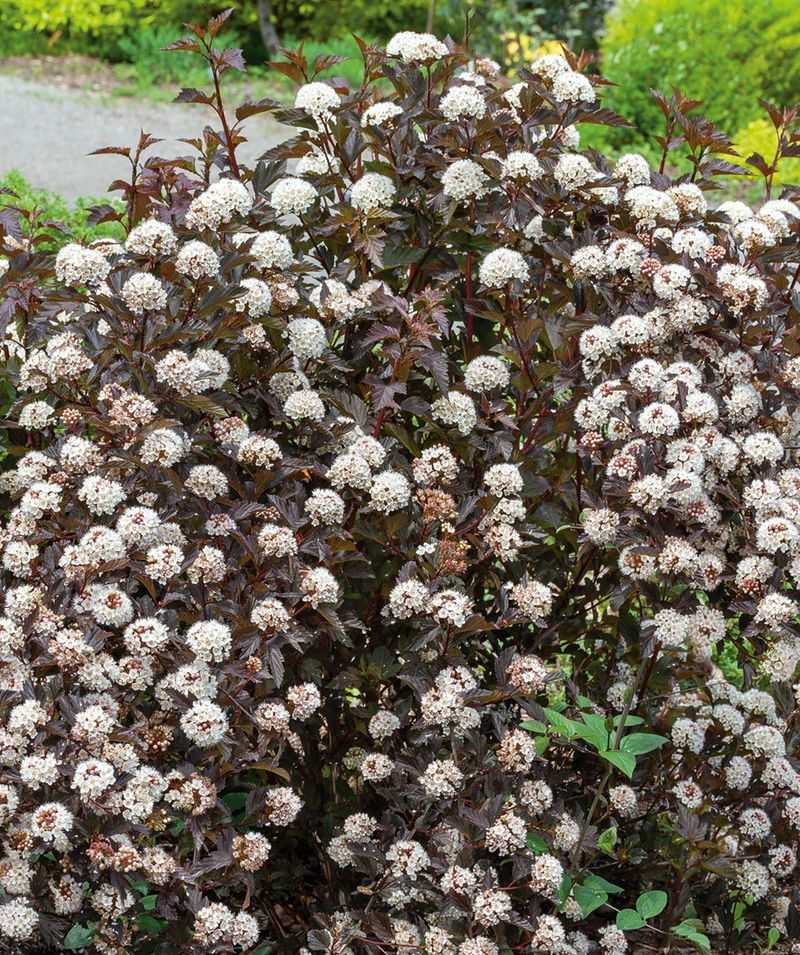
There is something deeply satisfying about a shrub that looks spectacular without requiring constant attention, and ninebark delivers exactly that. Ohio gardeners who have grown tired of fussy plants love ninebark for its tough, adaptable nature and its year-round visual interest.
Physocarpus opulifolius is a native Ohio shrub that grows in full sun to part shade and tolerates clay, rocky, and even dry soils with ease.
Cultivars like Diablo and Summer Wine offer deep burgundy foliage that provides the bold color contrast burning bush is famous for, but without any invasive spread into Ohio woodlands or natural areas.
In late spring, clusters of small white or pale pink flowers cover the plant, drawing in native bees and beneficial insects.
As the seasons change, ninebark puts on a quiet but charming show. The foliage shifts in fall, and the peeling, layered bark adds winter texture that catches the eye even after leaves have dropped.
Pruning is straightforward: cut out a few of the oldest stems each spring to encourage fresh, colorful new growth. Ohio State University Extension lists ninebark as an excellent native alternative for shrub borders, hedges, and naturalized plantings across the state.
6. Winterberry Holly Fills Winter Landscapes With Bright Red Berries
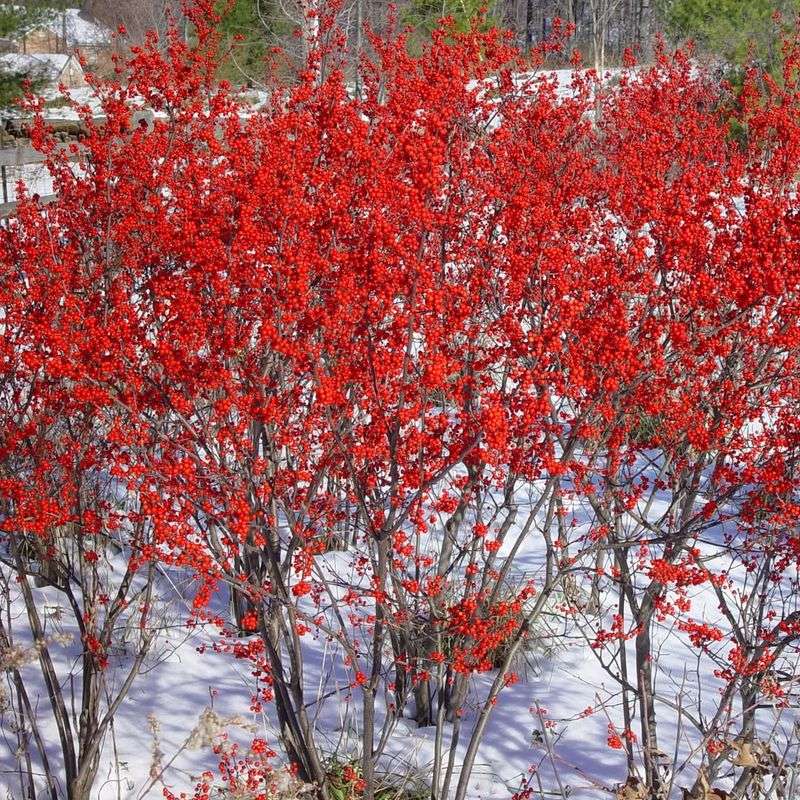
When the last leaves fall and Ohio gardens settle into the quiet of winter, winterberry holly steps forward and steals the show. Few sights in the winter landscape match the sight of bare stems completely covered in brilliant red berries glowing against gray skies or fresh snow.
Ilex verticillata is a native holly that grows naturally in Ohio wetlands and woodland edges, making it perfectly adapted to the state’s climate. It thrives in moist to wet soils and handles clay beautifully, performing best in full sun to part shade.
The berries appear in fall and persist well into winter, providing a critical food source for robins, bluebirds, cedar waxwings, and other Ohio birds during the coldest months of the year.
One important planting note: winterberry holly requires both a male and a female plant to produce berries. One male plant can pollinate up to five female plants, so plan accordingly when purchasing from a nursery.
Popular female cultivars for Ohio include Winter Red and Sparkleberry, paired with Jim Dandy or Southern Gentleman as pollinators. Plant in groups along a property edge or near a rain garden for maximum visual and ecological impact throughout the Ohio winter season.
7. Summersweet Adds Sweet Fragrance To Summer Shade Gardens
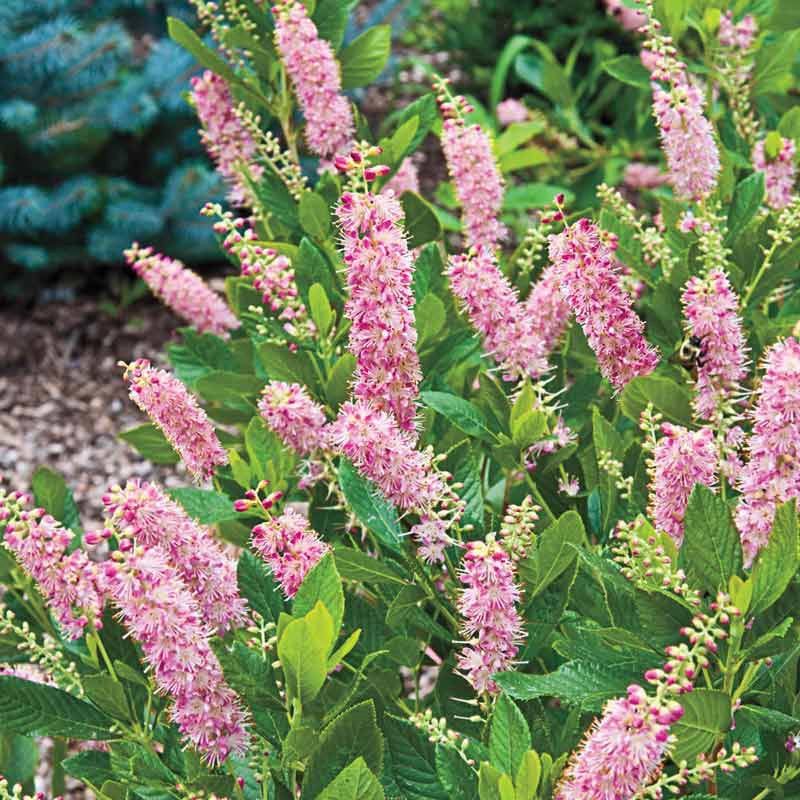
On a warm July evening in an Ohio garden, the sweet, spicy fragrance of summersweet drifting through the air is something you remember for years.
Burning bush has never offered that kind of sensory reward, which makes summersweet one of the most enjoyable upgrades an Ohio gardener can make.
Clethra alnifolia is a native shrub that shines in shaded and moist garden spots, which are conditions that suit many Ohio backyards perfectly. It blooms from July through August with upright white or pale pink flower spikes that attract bumblebees, honeybees, and hummingbirds in impressive numbers.
The fragrance is strong enough to notice from several feet away, making it a wonderful choice near patios, garden paths, or outdoor seating areas.
Fall foliage turns a clean golden yellow before dropping, and the plant stays tidy and well-behaved without any invasive tendencies. Summersweet handles Ohio clay soils and periodic wet conditions better than most ornamental shrubs.
Hummingbird and Ruby Spice are two popular cultivars that stay compact, topping out around four to five feet tall. Regular watering during dry spells in the first year or two helps the plant establish strong roots before it becomes fully self-sufficient in Ohio garden conditions.
8. Spicebush Helps Native Butterflies And Wildlife Thrive
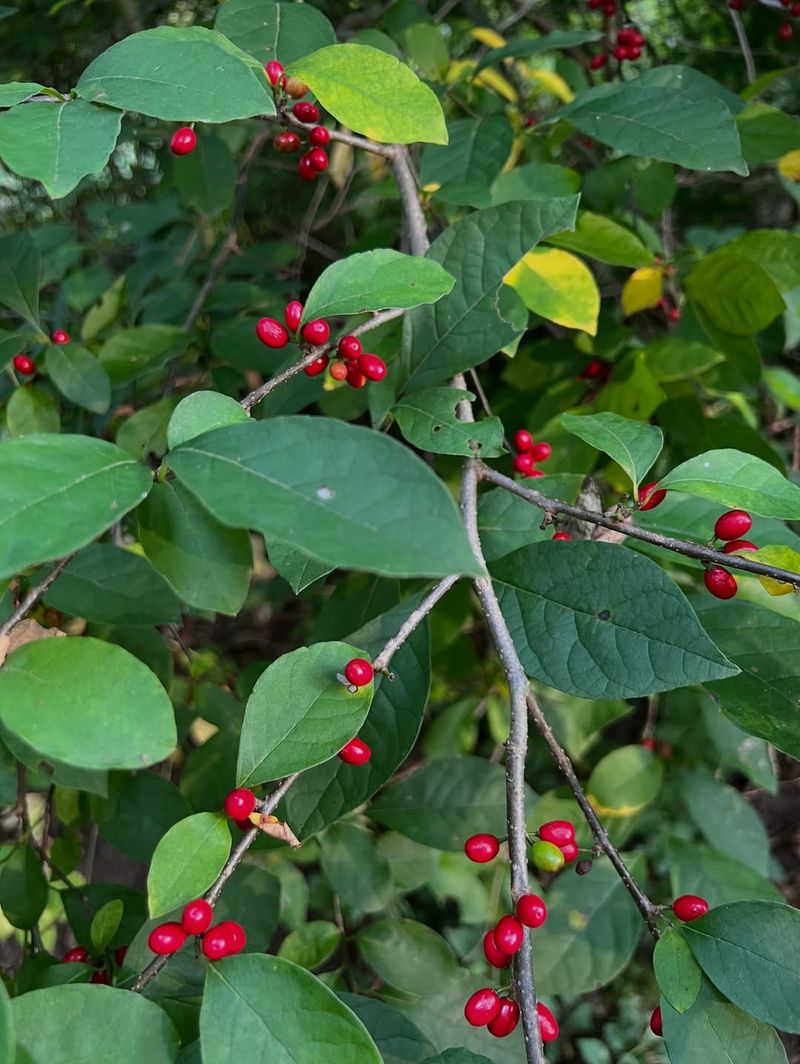
Early spring in Ohio can feel like a long wait for color, but spicebush breaks that spell with tiny yellow flowers that appear directly on the bare stems before any leaves emerge. It is one of the earliest blooming native shrubs in Ohio, and the wildlife know it well.
Lindera benzoin is a native shrub that plays a remarkable ecological role in Ohio landscapes. It serves as the sole host plant for the spicebush swallowtail butterfly, a stunning native species whose caterpillars depend on spicebush leaves to complete their life cycle.
Beyond butterflies, the bright red berries that ripen in late summer and fall are a high-fat food source prized by migrating birds, including wood thrushes and veeries passing through Ohio.
Spicebush grows naturally in Ohio woodland understories, so it performs beautifully in part shade to full shade conditions where many other shrubs struggle.
The aromatic leaves smell spicy and pleasant when crushed, and fall foliage turns a soft golden yellow that brightens shaded garden spots.
Plant spicebush as a backdrop for a shade garden or along a woodland edge. For berry production, include both male and female plants, as the species requires cross-pollination to set fruit reliably in Ohio gardens.
9. Arrowwood Viburnum Offers Reliable Fall Color And Wildlife Berries
Reliability is one of the most underrated qualities in a landscape shrub, and arrowwood viburnum has it in abundance.
Ohio gardeners who plant this native shrub are rewarded with something beautiful in every single season, from spring flowers to summer berries to a fiery autumn finale.
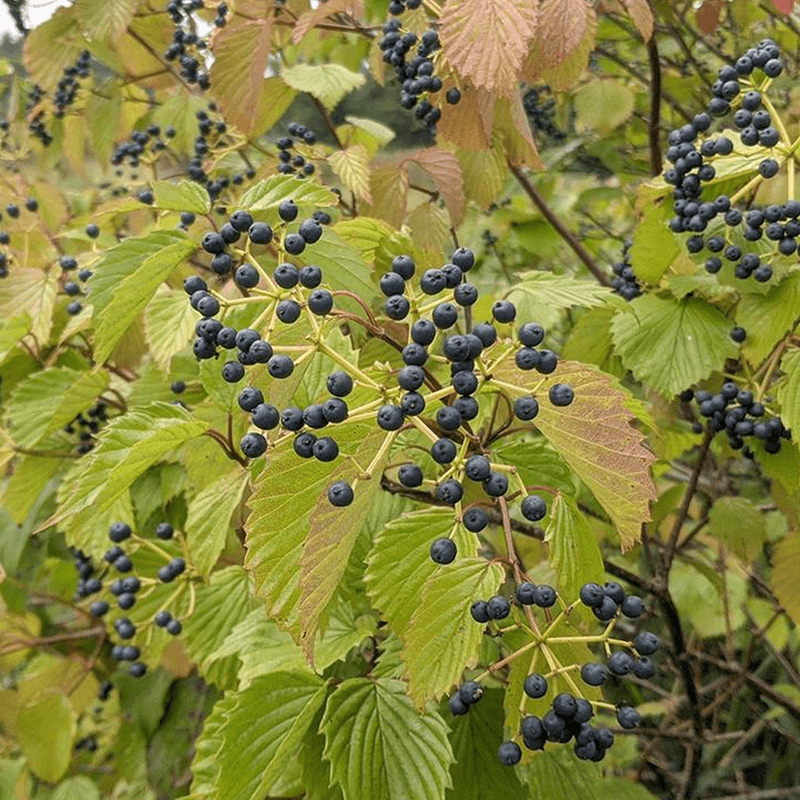
Viburnum dentatum is a tough, adaptable native shrub that grows across Ohio in a wide range of soil and light conditions. In late spring, flat-topped clusters of creamy white flowers attract native bees, beetles, and other pollinators in large numbers.
By late summer, those flowers give way to clusters of blue-black berries that over 35 species of birds consume, including bluebirds, cardinals, and wild turkeys that forage through Ohio gardens and natural areas.
Fall foliage is genuinely impressive, shifting through shades of yellow, orange, red, and purple that create a multi-toned display unlike the single-note red of burning bush. The shrub stays well-behaved in the landscape and poses no invasive risk whatsoever.
Arrowwood viburnum grows six to ten feet tall and wide, making it excellent for privacy screens or naturalized borders.
Ohio State University Extension recommends it as one of the most ecologically valuable native shrubs available to Ohio homeowners looking for beautiful, wildlife-supporting alternatives.